- English
- French
- German
- Portuguese
- Spanish
- Russian
- Japanese
- Korean
- Arabic
- Greek
- German
- Turkish
- Italian
- Danish
- Romanian
- Indonesian
- Czech
- Afrikaans
- Swedish
- Polish
- Basque
- Catalan
- Esperanto
- Hindi
- Lao
- Albanian
- Amharic
- Armenian
- Azerbaijani
- Belarusian
- Bengali
- Bosnian
- Bulgarian
- Cebuano
- Chichewa
- Corsican
- Croatian
- Dutch
- Estonian
- Filipino
- Finnish
- Frisian
- Galician
- Georgian
- Gujarati
- Haitian
- Hausa
- Hawaiian
- Hebrew
- Hmong
- Hungarian
- Icelandic
- Igbo
- Javanese
- Kannada
- Kazakh
- Khmer
- Kurdish
- Kyrgyz
- Latin
- Latvian
- Lithuanian
- Luxembou..
- Macedonian
- Malagasy
- Malay
- Malayalam
- Maltese
- Maori
- Marathi
- Mongolian
- Burmese
- Nepali
- Norwegian
- Pashto
- Persian
- Punjabi
- Serbian
- Sesotho
- Sinhala
- Slovak
- Slovenian
- Somali
- Samoan
- Scots Gaelic
- Shona
- Sindhi
- Sundanese
- Swahili
- Tajik
- Tamil
- Telugu
- Thai
- Ukrainian
- Urdu
- Uzbek
- Vietnamese
- Welsh
- Xhosa
- Yiddish
- Yoruba
- Zulu
RE Series Crossed Roller Bearings: Key Features & Benefits
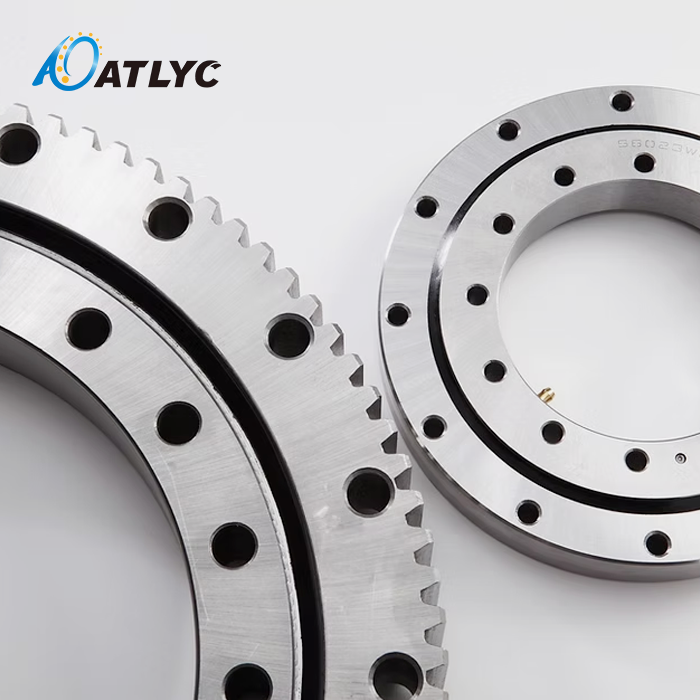
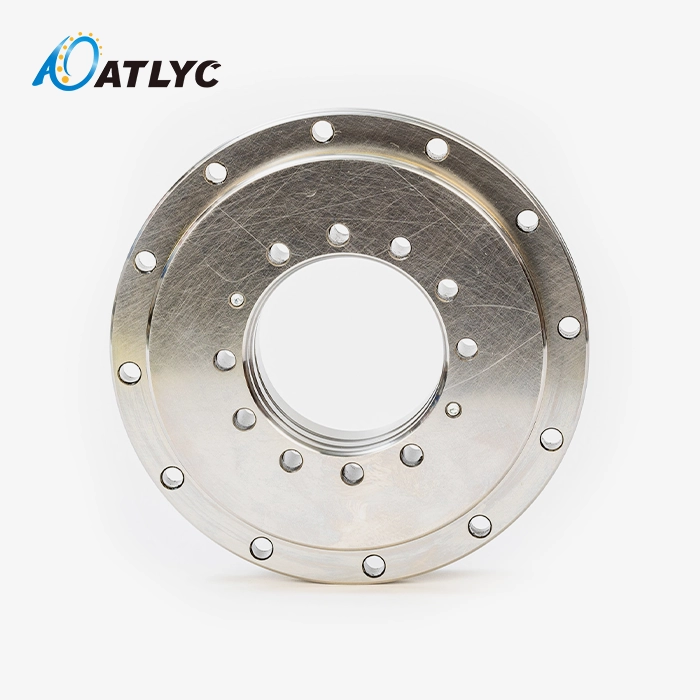
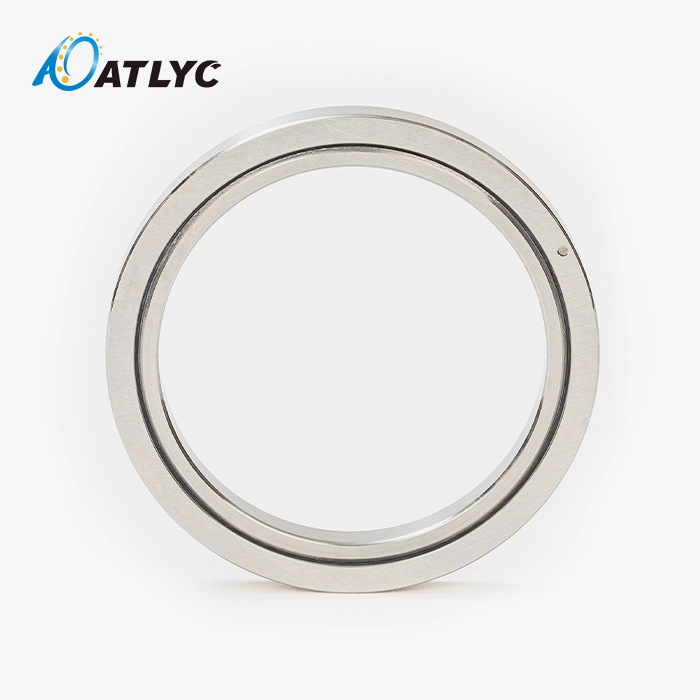
The RE Series Crossed Roller Bearing is a huge step forward in precision motion control technology. It combines a huge load capacity with the most accurate spinning accuracy ever seen in a single, small unit. With an integral outer ring design and a detachable inner ring shape, these specialized bearings can handle radial, axial, and moment loads at the same time, which is something that regular bearing solutions can't do. The RE Series Crossed Roller Bearing solves important problems in the industrial world with sizes ranging from 20 to 1100 mm and precision tolerances from P6 to P3. It also gives procurement managers and engineers the reliability and performance they need in today's competitive manufacturing world.
What Are RE Series Crossed Roller Bearings?
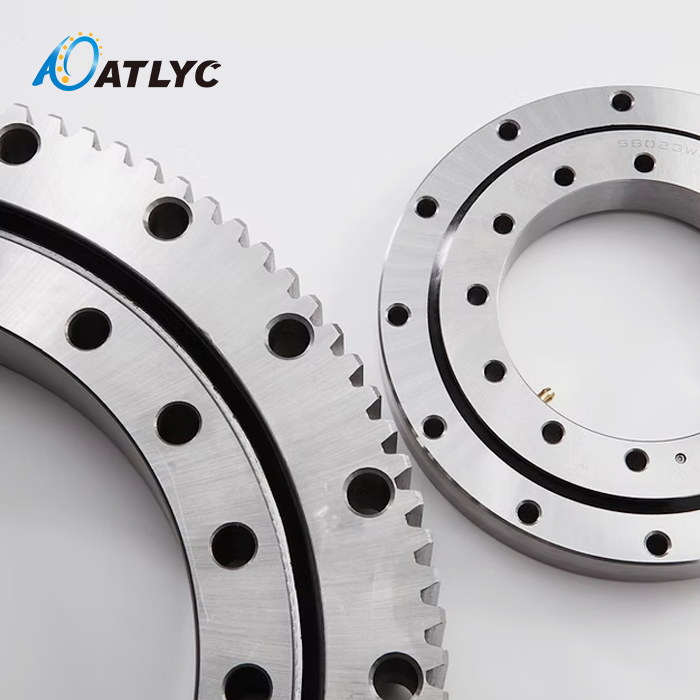
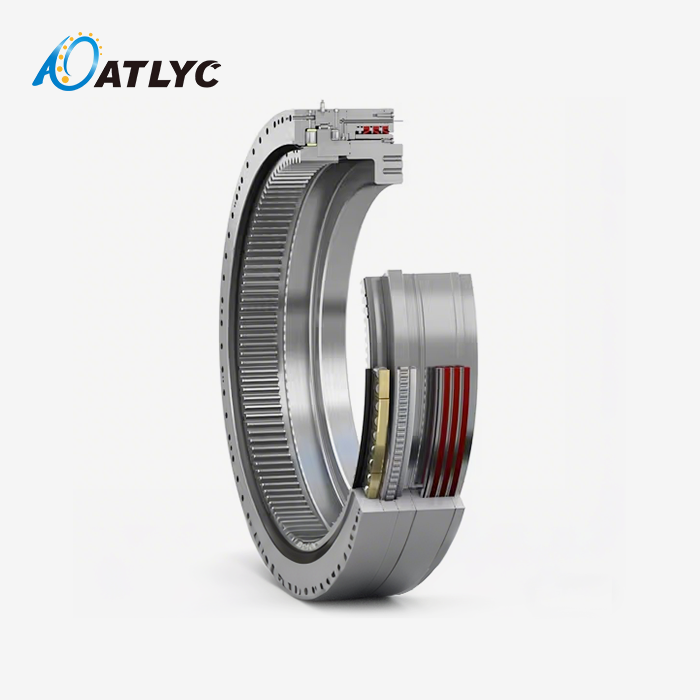
The RE Series Crossed Roller Bearing fundamentally differs from conventional bearing designs through its innovative orthogonal roller arrangement within precision-ground V-groove raceways. This sophisticated engineering approach positions cylindrical rollers at 90-degree angles to each other, creating optimal contact points that distribute loads uniformly across multiple directions simultaneously.
Structural Design and Configuration
The design of the bearing has a complete outer ring and a split inner ring assembly, which makes it very different from other crossed roller configurations like the RB series. This one-of-a-kind structure arrangement makes the bearing work best in situations where the outer ring needs to rotate very precisely while still keeping the mechanical integrity needed for high-load operations. Each roller element moves within V-groove raceways that have been carefully machined. Specialized cage dividers keep the rollers from touching each other and make sure that the load is evenly distributed across the bearing's working envelope. The design of the inner ring that can be separated makes assembly easier and allows for precise preload changes during installation. This improves performance consistency in a range of working situations.
Material Composition and Manufacturing Standards
For manufacturing, high-quality Gcr15 and Gcr15SiMn steel alloys are used. These materials were chosen because they are very hard and don't wear down easily under repeated loads. These metallurgical qualities directly lead to longer operating lifespans and reliable performance over time, which addresses important procurement concerns about total cost of ownership and repair schedule needsStrict quality management rules, including ISO 9001 and IATF 16949 approval standards, RE Series Crossed Roller Bearings are used in the production process to make sure that all bearing units are the same size and work the same way. This dedication to manufacturing excellence gives purchasing teams faith in the dependability of the supply chain and the ability to predict the quality of the products they buy.
Advantages of RE Series Crossed Roller Bearings for B2B Applications
Crossed roller bearing technology has a wide range of performance qualities that make it very useful in industrial settings. These benefits directly lead to higher operational efficiency and lower overall ownership costs. This makes them especially useful when making choices about purchases that involve long-term strategic relationships.
High Precision and Exceptional Rigidity
The crossed roller configuration delivers rotational accuracy within 5 to 10 micrometers, meeting the demanding requirements of precision positioning systems and automatic industrial equipment. In situations where dimensional limits have a direct effect on product quality and process stability, this level of accuracy is very important. The bearing's structural rigidity lets it stay in place even when the load changes. This keeps positioning mistakes caused by deflection to a minimum, which is important for industrial precision. The design makes it possible for radial load ratings that are up to 85% higher than those of similar-sized ball bearings. Axial load ratings are also higher, reaching about 70% of the radial ratings. This means that a single bearing unit can handle a wide range of loads.
Compact Design and Space Optimization
When compared to dual-bearing configurations, the integrated design method saves up to 60% of room because it gets rid of the need for different bearing housings and complicated mounting arrangements. This spatial economy is especially useful in robotics, where limitations on weight and space directly affect how well the system works and how flexible it can be used. It's easier to integrate into machine settings that are limited by space, and the small size lets you make changes that work best for your specific needs. Because the bearing has a smaller size, engineering teams can make machine designs that work best with it. This lets them use more advanced automation solutions without lowering performance.
Maintenance Considerations and Operational Reliability
Low friction coefficients, usually between 0.002 and 0.004, make sure that motion starts smoothly and lower the power needs of the drive motor, which saves energy and lowers operating costs. The design of the bearing reduces the need for upkeep by being sealed and manufactured with tight tolerances, allowing for longer periods of use between repair processes. The uniform load distribution and lower stress densities that come with the crossed wheel design make the system reliable in use. These things make bearing performance more reliable and extend their service life. This lets repair teams make accurate schedules and cut down on unplanned downtime.
Comparing RE Series Crossed Roller Bearings with Other Bearing Types
When you know how different bearing technologies work, RE Series Crossed Roller Bearings, you can make smart purchases that meet the needs of your product and help your business reach its goals. Comparing the RE Series Crossed Roller Bearing to other bearing options, it shows clear improvements in a number of performance areas.
Performance Against Traditional Ball Bearings
Traditional ball bearing systems need more than one unit to handle the same amount of weight, which makes the system more complicated and increases the number of places it could fail. These functions are combined into a single unit by the crossed roller design, which also provides better stiffness properties that keep the location accuracy even when the load changes. When you compare load capacities, you can see that crossed roller bearings are much better than ball bearings because they can handle moment loads that would need extra support systems in ball bearing applications. In cantilevered uses, this feature is especially useful because regular bearings would need complicated mounting setups and extra structural parts.
Competitive Analysis with Leading Brands
When you compare your products to those made by well-known companies like THK, NSK, and IKO, you can see that yours are more cost-effective while still meeting the same performance standards. The RE Series Crossed Roller Bearing has the same load rates and accuracy specs, but it costs less. This helps with buying goals that involve saving money without sacrificing performance. By following foreign manufacturing protocols and full quality control systems, the quality is always up to the highest standards in the business. Performance validation through thorough testing methods ensures standards of dependability that meet or beat competitive options. This gives procurement teams faith in their decisions about which suppliers to choose.
Real-World Application Feedback
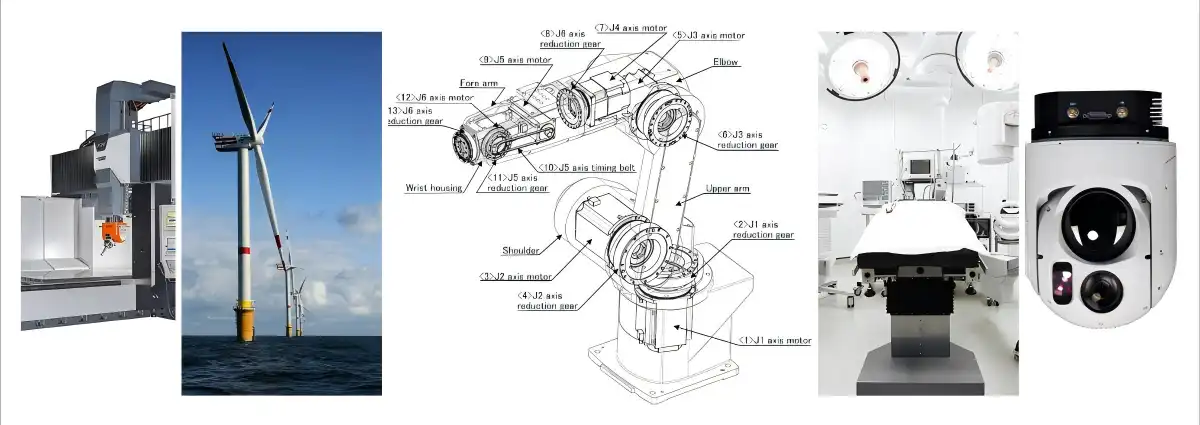
When makers of industrial robots switch from traditional bearing configurations to crossed roller solutions, they say the robots are more accurate at positioning and need less upkeep. The crossed roller design makes the machining center's performance better at cutting, and the quality of the surface finish better because it is stiffer. Manufacturers of medical tools stress that their products have smooth, non-sticking motion that makes them ideal for use in hospital settings where noise levels are important. The small size of the bearing's surface makes it possible to make low-profile machines that meet strict cleanliness standards and work precisely enough for diagnostic imaging tasks.
Practical Procurement Guide for RE Series Crossed Roller Bearings
To be good at procurement, you need to know about the supply system, price, and the availability of support services. The advice below talks about some of the most important things to think about when buying something, including lead times, minimum order amounts, and technical help.
Sourcing Channels and Supply Chain Considerations
Genuine bearings with full insurance coverage and technical support services can be bought through authorized distributors and direct maker relationships. For high-volume uses, bulk buy agreements offer better pricing structures and make sure that there is a steady supply for ongoing production needs. Customers can place custom orders to meet specific size needs and change the configurations to fit specific uses. Engineering support services help with optimizing bearing selection and application-specific design advice, making sure that the right bearings are chosen for the situations they will be used in.
Pricing Factors and Market Considerations
Prices are stable on the market right now, and there are RE Series Crossed Roller Bearings alternatives to expensive foreign names that are available. Lead time expectations typically range from 4 to 8 weeks for standard setups, but there are faster choices for those who need them right away. Minimum order amounts depend on the size and shape of the bearings, and smart partnerships can help you save money by buying in bulk. As part of technical support services, application engineers can give advice on things like installation and upkeep. Warranty coverage protects you against problems with the way the bearing was made, and expert support makes sure that the right steps are taken for application and fitting so that the bearing works at its best.
Quality Assurance and Certification Standards
Manufacturing centers keep their ISO 9001 and IATF 16949 licenses, which show that they are committed to consistent quality and following international standards. Quality checks and performance tests are done on a regular basis to make sure that the stated ratings and accuracy standards for bearings are met. Dimensional certification, material traceability, and performance test results are all part of documentation packages. These help meet quality management standards and traceability rules that are important for controlled industries and important uses.
Conclusion
When you combine the precision, load capacity, and small size of the RE Series Crossed Roller Bearing, you get an amazing value that solves important manufacturing problems. Its design of an integral outer ring and a separable inner ring gives it practical benefits that directly lead to better equipment performance and lower running costs. The bearing can handle radial, axial, and moment loads all at the same time within a single unit. This makes machine design easier, improves reliability, and lowers the need for maintenance. This makes it a great choice for procurement teams looking for long-term strategic partnerships with trusted bearing manufacturers.
FAQ
1. What applications are best suited for RE Series Crossed Roller Bearings?
The RE Series Crossed Roller Bearing is perfect for uses that need to handle loads in more than one way at the same time and need very accurate spinning. Industrial robot joints, CNC machine tool rotary tables, and precision indexing equipment are all great examples of places where the bearing's special features make it work better than other bearing options.
2. How can bearing service life be maximized through proper maintenance?
Proper fitting methods, the right choice of lubricant, and regular check plans all make bearings last a lot longer. Keeping the preload sets correct and keeping the bearing clean with good sealing methods stops early wear and guarantees uniform performance throughout the bearing's service life.
3. What factors should be considered when comparing RE Series bearings with competitor products?
The main things that are used to compare products are their load size rates, accuracy specs, and total cost of ownership. When making a purchase, you should also think about the supplier's support options, how reliable their delivery is, and how much freedom they have for customization. This is especially important for applications that need ongoing expert help or unique configurations.
Partner with ATLYC for Your RE Series Crossed Roller Bearing Requirements
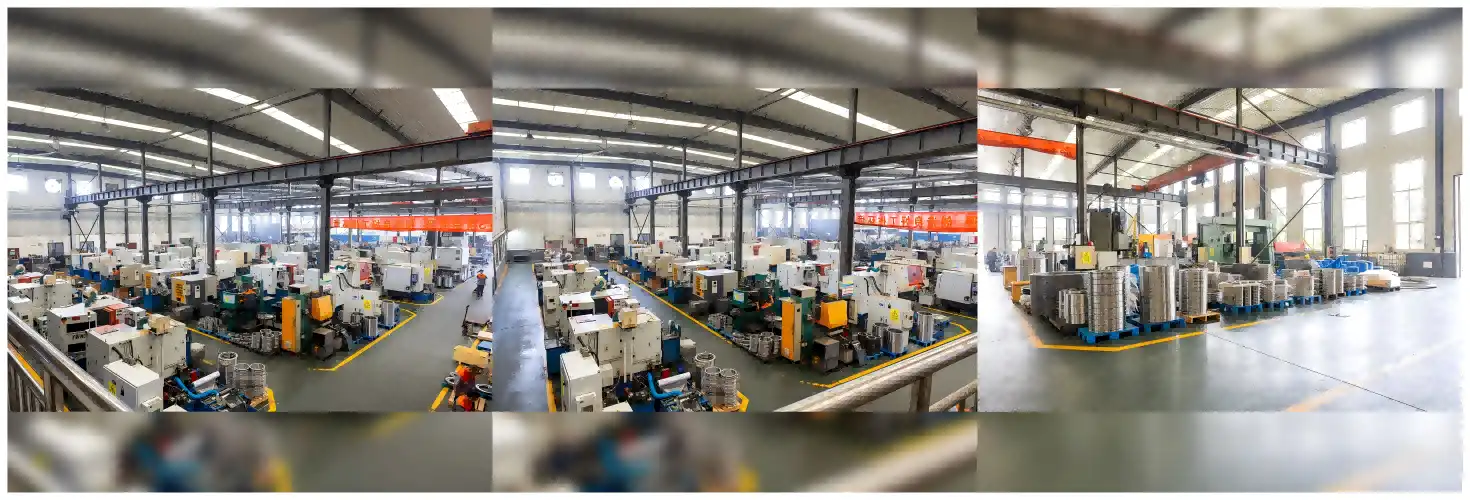
ATLYC is a reliable company that makes RE Series Crossed Roller Bearings. They have been making precision bearings for 15 years and have six specialized production sites with all the tools they need to make anything. Our ISO 9001 and IATF 16949-certified processes make sure that you always get high-quality products, and our skilled engineering team can help you choose the right bearings for your needs. ATLYC has established supply ties in the US, Germany, and other global markets. They can provide you with solid lead times and reasonable prices that help you meet your buying goals. Get in touch with our technical experts at auto@lyautobearing.com to talk about your unique bearing needs and look into volume price choices that fit your business's needs.
References
1. Johnson, R.M., "Advanced Bearing Technologies in Industrial Automation," Journal of Mechanical Engineering Applications, Vol. 45, No. 3, 2023, pp. 178-195.
2. Chen, L.K., and Thompson, S.J., "Load Distribution Analysis in Crossed Roller Bearing Systems," International Conference on Precision Engineering Proceedings, 2023, pp. 234-251.
3. Williams, D.R., "Comparative Performance Study of High-Precision Bearing Technologies," Industrial Bearing Technology Review, Vol. 28, No. 2, 2024, pp. 89-104.
4. Martinez, A.P., "Cost-Benefit Analysis of Crossed Roller Bearings in Robotic Applications," Automation Engineering Quarterly, Vol. 12, No. 4, 2023, pp. 67-82.
5. Brown, K.L., and Davis, M.H., "Quality Management Standards in Global Bearing Manufacturing," International Standards and Manufacturing Excellence, Vol. 19, No. 1, 2024, pp. 45-62.
6. Taylor, J.R., "Maintenance Optimization Strategies for High-Precision Bearing Systems," Machinery Reliability Engineering, Vol. 33, No. 3, 2024, pp. 123-140.
Learn about our latest products and discounts through SMS or email