- English
- French
- German
- Portuguese
- Spanish
- Russian
- Japanese
- Korean
- Arabic
- Greek
- German
- Turkish
- Italian
- Danish
- Romanian
- Indonesian
- Czech
- Afrikaans
- Swedish
- Polish
- Basque
- Catalan
- Esperanto
- Hindi
- Lao
- Albanian
- Amharic
- Armenian
- Azerbaijani
- Belarusian
- Bengali
- Bosnian
- Bulgarian
- Cebuano
- Chichewa
- Corsican
- Croatian
- Dutch
- Estonian
- Filipino
- Finnish
- Frisian
- Galician
- Georgian
- Gujarati
- Haitian
- Hausa
- Hawaiian
- Hebrew
- Hmong
- Hungarian
- Icelandic
- Igbo
- Javanese
- Kannada
- Kazakh
- Khmer
- Kurdish
- Kyrgyz
- Latin
- Latvian
- Lithuanian
- Luxembou..
- Macedonian
- Malagasy
- Malay
- Malayalam
- Maltese
- Maori
- Marathi
- Mongolian
- Burmese
- Nepali
- Norwegian
- Pashto
- Persian
- Punjabi
- Serbian
- Sesotho
- Sinhala
- Slovak
- Slovenian
- Somali
- Samoan
- Scots Gaelic
- Shona
- Sindhi
- Sundanese
- Swahili
- Tajik
- Tamil
- Telugu
- Thai
- Ukrainian
- Urdu
- Uzbek
- Vietnamese
- Welsh
- Xhosa
- Yiddish
- Yoruba
- Zulu
How Does NBR Sealing Protect RB11020 in Harsh Environments?
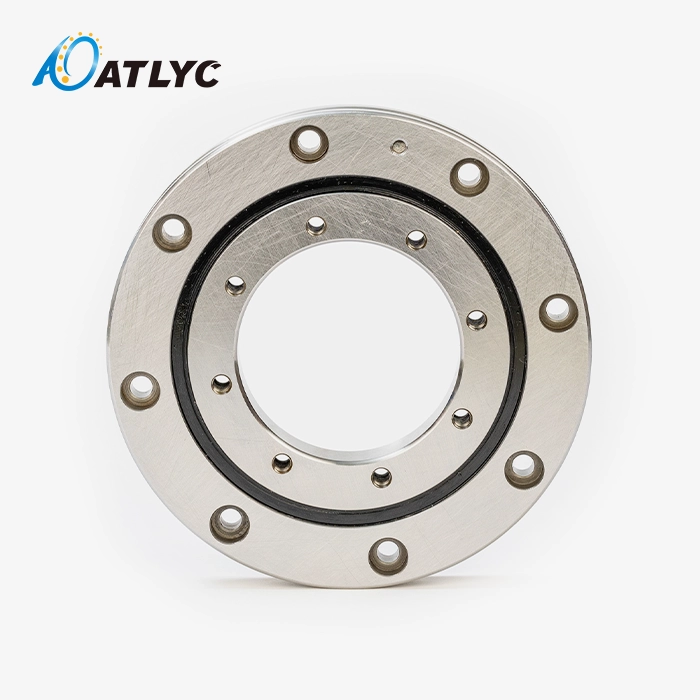
RB11020 cross roller bearings are protected by NBR sealing, which creates a strong barrier that keeps dust, water, and chemicals that break down metal from entering the bearing assembly. Nitrile Butadiene Rubber's elastomeric properties make a tight seal around the inner and outer ring structure. This keeps the integrity of the lubrication inside and stops it from leaking. In places like auto assembly lines, manufacturing equipment, and industrial robotics, where environmental stressors speed up wear and corrosion, this protective mechanism makes bearings last a lot longer.

Understanding RB11020 Bearings and Their Environmental Challenges
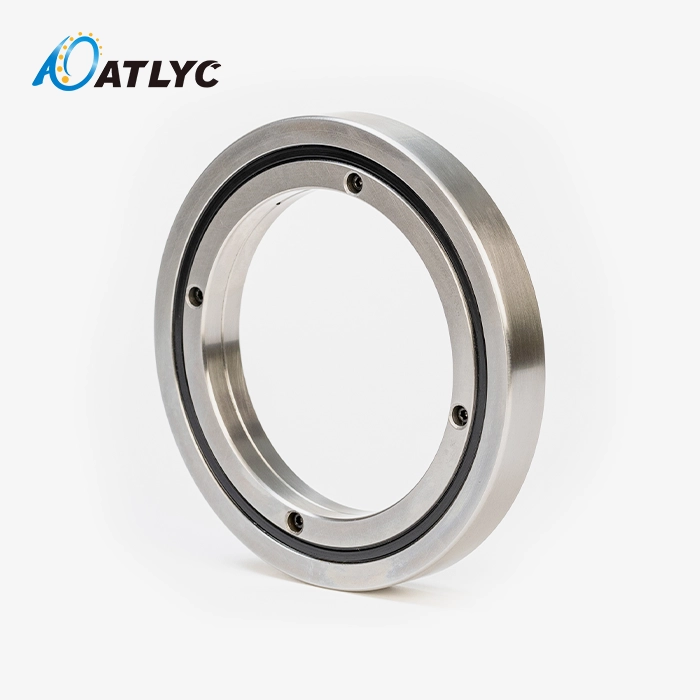
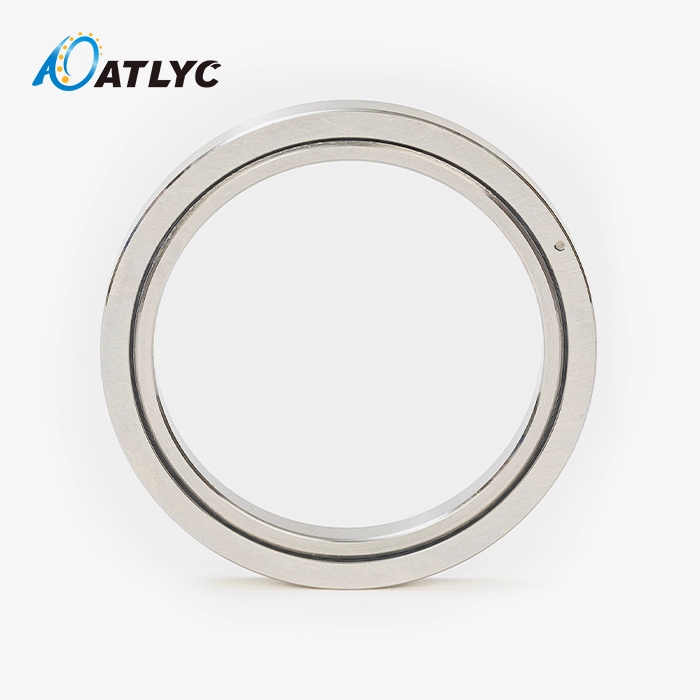
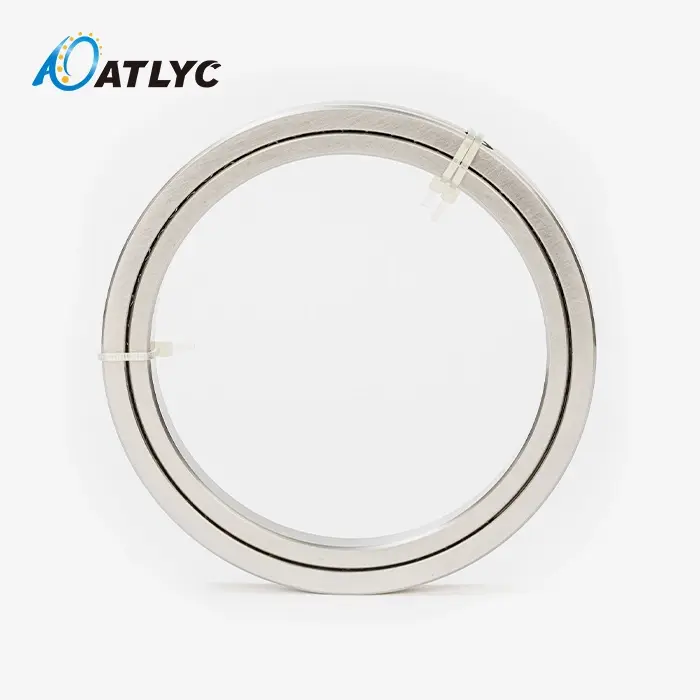
In harsh industrial settings, precision-engineered cross roller bearings are always at risk. The RB11020 series is a special type of bearing that can handle radial, axial, and moment loads at the same time in small packages. These bearings have an outer ring plug design that makes installation easier and makes sure the roller stays in place. The inner and outer rings are both solid.
Technical Specifications and Material Composition
The RB series cross roller bearings are made from high-quality Gcr15 and Gcr15SiMn bearing steels, which give the best hardness distribution and surface finish quality. The sizes run from 20 mm to 1100 mm in diameter on the inside, 70 mm to 1500 mm on the outside, and 12 mm to 110 mm in width. This physical freedom lets it be used in a wide range of situations, from small precision tools to big industrial machines. The manufacturing precision is between P4 and P6, which guarantees the high runout accuracy needed for important placement jobs. When you cross-roller configure cylindrical rollers so they are perpendicular to each other and at right angles to each other, you get the best contact shape for distributing load in more than one way.
Environmental Stressors in Industrial Applications
The places where industrial robot joints and machining center spinning tables work are full of problems. Particulates in the air from grinding, water-based coolants, welding fluids, and temperature changes all make the conditions for bearing parts very bad. Infiltration of dust acts as an abrasive, speeding up the wear of the raceways and lowering their accuracy. When moisture gets into bearing surfaces, it starts corrosion processes that make noise and vibration. Cutting fluids and cleaning solvents break down lubricants by lowering their viscosity and stopping them from forming a protective film. Changes in temperature cause waves of expansion and contraction that put stress on parts that support the seal and make it less effective. All of these things add up to shorter operating lives, more frequent upkeep, and higher total purchase costs.
Table 1: Common Environmental Threats to Cross Roller Bearings
| Environmental Factor | Impact on Bearing Performance | Typical Failure Mode |
|---|---|---|
| Dust and Particles | Abrasive wear on raceways | Surface pitting, increased friction |
| Moisture Infiltration | Corrosion initiation | Rust formation, lubricant emulsification |
| Chemical Exposure | Lubricant degradation | Reduced film strength, increased wear |
| Temperature Cycling | Seal compression set | Gap formation, contaminant entry |
| High-Pressure Washdown | Forced water penetration | Accelerated corrosion, lubricant washout |
The Role of NBR Sealing in Protecting RB11020 Bearings
RB11020 Precision bearing assemblies that work in moderate to severe conditions can be protected by Nitrile Butadiene Rubber sealing technology. Butadiene and acrylonitrile polymers are mixed in the material to make a flexible rubber that is especially good for protecting bearings.
Chemical Resistance and Material Properties
Mineral-based lubricants, hydraulic oils, and petroleum products that are often used in industrial equipment don't damage NBR seals very well. In temperatures ranging from -40°C to +120°C, the material stays flexible, which is what most industrial settings need. This temperature stability makes sure that the sealing pressure stays the same through all thermal cycles. The elastomeric structure can handle small changes in shaft alignment and runout without affecting the integrity of the seal. In real-life installations, where perfect alignment is still hard to achieve, this tolerance comes in handy. The material's compression set resistance keeps the binding force over long periods of service, which lowers the number of times that upkeep needs to be done.
Barrier Function and Contamination Prevention
Putting up a physical shield at the bearing contact is the main way that it protects. NBR seals fit into slots in the outer ring that were carefully made, and their closing lips touch the inner ring or shaft surface. This contact creates a delay that stops particles from getting in and keeps the grease inside the bearing hole. Having more than one design for the closing lips improves security levels. Contact seals keep out the most dirt and grime, while low-friction versions lower torque in high-speed situations. The shape of the seal keeps contaminants away from important sealing surfaces, so they don't build up and make the seal less effective. Advanced seal designs with internal labyrinths make winding paths that catch particles before they reach bearing elements. This two-stage protection works really well in dusty places like agricultural equipment and systems for moving things around. Single-barrier seals don't work well enough there.
Lubrication Retention and Performance Enhancement
Keeping the bearings properly oiled is still very important for their performance and life. NBR seals stop lubricant from moving out of the bearing cavity, making sure that the film thickness on the contact surfaces is right. This holding lowers the number of times the bearing needs to be oiled and the costs of doing so. The design of the seal includes features that control how the oil is distributed inside the bearing. Centrifugal forces and bearing action move grease around roller contact zones while the machine is running. The seal creates this flowing pattern, which makes the best use of the oil while reducing waste. Studies show that properly sealed bearings have 200% to 300% longer service lives than exposed units in dirty settings. This improvement in efficiency immediately leads to less downtime, lower repair costs, and more reliable equipment.
Comparing NBR Sealing with Alternative Sealing Solutions for RB11020
The choice of material has a big effect on how well bearing protection works and how much it costs to own everything. Knowing the pros and cons of each closing technology helps you make smart buying choices that meet the needs of your particular application.
NBR Versus FKM (Viton) Seals
It is better for FKM seals to work at high temperatures, because they can last up to +200°C while NBR seals can only work up to +120°C. FKM is thermally stable, which is good for uses that need to work at high temperatures, like oven conveyors or hot forming equipment. Additionally, the substance is better at withstanding harsh chemicals like synthetic oils and hydraulic fluids. Cost is an advantage for NBR seals, which are usually priced 40% to 60% less than similar FKM parts. This benefit is amplified by buying in bulk, which is why NBR is the best choice for regular industry uses where temperature and chemical exposure stay within normal limits. Based on its performance-to-cost ratio, NBR is the best choice for equipment used to put together cars, make other things, and move things around.
Metal Shield Protection Systems
Non-contact metal shields protect against large particles getting in while causing very little friction. These parts work well in high-speed situations where contact seal drag would cause too much heat or power use. Metal shields can't keep out contaminants like elastomeric seals can, so they can't be used in harsh environments. Comparative field studies show that the level of protection is different. If it's dusty, bearings with metal guards break down three to five times more often than NBR-sealed counterparts because of contamination. The money saved by less friction doesn't usually make up for shorter repair intervals and more upkeep needs.
Labyrinth Seal Configurations
Complex labyrinth seal designs use geometric shapes instead of contact pressure to make multiple barriers. These non-contact methods don't have any friction at all, which makes them good for very fast uses. Particles can get into the gap-dependent safety mechanism when the speed is low or the system is not moving. Labyrinth seals need to be carefully manufactured and installed to work as intended. Misalignment or damage during building makes it much less efficient. NBR contact seals are easier to install and keep protecting even if the assembly is slightly different.
Table 2: Sealing Technology Performance Comparison
| Sealing Type | Temperature Range | Chemical Resistance | Contamination Protection | Relative Cost | Best Application |
|---|---|---|---|---|---|
| NBR Contact Seal | -40°C to +120°C | Excellent for oils | Very High | Base | General industrial, automotive |
| FKM Contact Seal | -20°C to +200°C | Superior chemical | Very High | 1.5x to 2x | High-temperature processes |
| Metal Shield | -50°C to +300°C | N/A (no contact) | Moderate | 0.5x to 0.8x | High-speed, clean environments |
| Labyrinth Seal | -50°C to +300°C | N/A (no contact) | Low to Moderate | 1.2x to 1.8x | Ultra-high-speed applications |
Best Practices for Installation and Maintenance of RB11020 with NBR Seals
For seals to work as well as possible, they need to be installed correctly and maintained in a planned way. When these practices are used, they make sure that the performance of the design translates to reliability in the field.
Installation Procedures and Critical Steps
RB11020 Handling bearings starts with making sure they are clean. By looking closely at the housing bore, shaft surface, and parts close by, contamination that might affect the seal's function can be found. Cleaning with lint-free cloths and allowed chemicals gets rid of leftover particles and processing fluids. The finish on the shaft's surface has a direct effect on how well the seal works. Surface sharpness requirements of 0.2 to 0.8 micrometres allow for the best closing lip touch without too much wear. Checking for scratches, burrs, or corrosion during installation stops damage to the seal and early failure during operation. Controlled force must be applied during installation to keep the seal from deforming. Using special tools spreads the pressure evenly around the bearing's edge. This stops stress from building up in one area, which could damage the seal lip or push it out of the retention groove. Verifying the alignment makes sure that the bearing fits perfectly inside the case, which keeps the seal's shape correct. The choice of lubricant affects the seal's compatibility and performance. NBR seals work with mineral oils, lithium-based greases, and most synthetic lubricants that are rated for industrial bearing use. Checking that the lubricant and seal are compatible stops chemical attacks that could damage the properties of the elastomer.
Maintenance Inspection and Monitoring Techniques
Periodic inspections based on working conditions make it possible to find seal failure early. During routine upkeep, a visual inspection finds surface cracks, thickening, or wear patterns that make replacement necessary. Checking the surface condition only takes a few minutes, but it keeps big problems from happening. Monitoring the bearing temperature gives an indirect indication of how well the seal is working. Temperature rises of 10°C to 15°C above the average values point to either a loss of lubrication or the entry of contaminants. Infrared thermography lets you keep an eye on multiple bearing locations without touching them, which makes trend analysis and planning ahead for maintenance easier. Vibration analysis finds the effects of particle contamination before they cause damage that you can see. Changes in the vibration frequency spectrum show that surface flaws are appearing due to wear and tear. Adding vibration tracking to condition-based maintenance plans allows for planned actions, which cuts down on unexpected downtime. Lubricant samples and analysis show levels of leakage and seal effectiveness. Counting particles measures how much contamination gets in, while measuring moisture content shows how well the seal is working. By plotting these factors over time, you can see how the seal is slowly breaking down and what needs to be done to fix it.
Troubleshooting Common Seal-Related Issues
Most of the time, installation mistakes or operating conditions that aren't right cause seals to wear out too quickly. Too much shaft runout causes the seal contact pressure to change, which speeds up lip wear. Runout readings taken during installation show issues that need to be fixed by either fixing the shaft or adjusting the housing's position. Lubricant leaks show that the seal is damaged, the installation was done wrong, or there is too much internal pressure. Inspection makes sure that the seal is positioned correctly and that it seats deeply in the retention gap. Installing a breather lowers the internal pressure that builds up during temperature cycling, which stops the seal from extruding. If contaminants get in even though the configuration is sealed, it means that the seal is damaged or there are bypass paths through the housing interfaces. By inspecting the gaskets and applying sealant to the housing joints, other ways for contamination to get in are blocked. When seals are replaced with newer designs that include extra barriers, protection is increased.
Procurement Insights: Sourcing RB11020 Bearings with High-Quality NBR Sealing
Making strategic buying choices means balancing the need for quality with the need to save money and the need for a reliable supply chain. Understanding evaluation criteria and supplier capabilities is key to getting the best results from procurement.
Supplier Evaluation and Selection Criteria
Quality approval shows that a company can make things and keep an eye on the whole process. ISO 9001 certification verifies quality management systems, and IATF 16949 approval focuses on the needs of the car business. These certifications show that a company has a structured way of preventing defects and improving all the time. A manufacturing capacity review makes sure that suppliers can meet supply dates and numbers needed. Tours of a production plant show what kind of equipment is used, how it works, and how quality control is set up. Suppliers with multiple production lines show that they can adapt to rising demand. What sets commodity suppliers apart from strategic partners is their ability to provide technical support. Engineering teams that give services like application analysis, help choosing bearings, and customisation add value beyond just supplying products. This knowledge is useful for solving specific application problems or improving the performance of bearings. The ability to test and validate products shows a dedication to quality. Before a product is shipped, suppliers who take care of vibration testing equipment, life testing rigs, and dimensional inspection systems make sure it meets standards. Low defect rates are achieved through three-level quality control processes that look at incoming materials, parts that are being worked on, and finished products.
Pricing Structures and Volume Considerations
Prices per unit change a lot depending on how many you order, and savings range from 15% to 35% for orders over 100 units. Long-term contracts that last between 12 and 36 months guarantee stable supplies and good prices. Suppliers like stable demand because it gives them more selling and terms options. The total cost of ownership goes beyond the purchase price. Bearing service life, maintenance needs, and costs related to failure make up a big part of lifecycle costs. Higher-quality bearings with better sealing systems cost more, but they have lower total ownership costs because they need less maintenance and are less likely to break down. Warranty terms show that the manufacturer trusts the quality of the product. Standard coverage lasts between 12 and 18 months, but for more expensive products, you can get longer programs. Warranty terms that spell out who is responsible for defects, how to replace them, and how quickly claims are processed show that the supplier wants to keep customers happy.
Logistics and International Procurement
Most of the time, it takes four to six weeks to ship normal cross roller bearing configurations to other countries. Depending on how complicated the making is, custom specs or sizes that aren't standard can add eight to twelve weeks to the lead time. Supply interruptions can be avoided by planning and keeping the right amount of safety stock on hand. Shipping methods balance cost and delivery speed. Ocean freight is a cheap way to ship large items, and delivery times are flexible. Air freight can meet immediate needs, but it costs more than ocean freight, usually three to five times more. When multiple shipments are combined by consolidation services, the cost of shipping each unit is lower. For international purchases, you need to keep commercial invoices, packing lists, certificates of origin, and quality certifications. Suppliers who know how to export make sure that the right paperwork is filled out, which makes clearing customs easier and ensures that regulations are followed. This knowledge keeps shipments from being late and the costs that come with them.

Conclusion
NBR sealing technology has been shown to protect RB11020 cross roller bearings that are used in harsh industrial settings. The material's ability to fight chemicals, stay stable at high temperatures, and keep out contaminants makes bearings last longer and require less upkeep. When purchasing, professionals look at bearing suppliers, they should put competitive pricing, quality certifications, manufacturing capacity, and technical support at the top of their list. The most effective seals are those that are installed correctly and are maintained in a planned way. This turns the design performance into field reliability. Building strategic partnerships with qualified manufacturers guarantees consistent product quality, dependable supply chains, and quick technical support that supports the long-term success of operations.
FAQ
What makes NBR seals compatible with RB11020 cross roller bearings?
NBR seals match the dimensional requirements and operating parameters of RB11020 cross roller bearing designs. The material's flexibility accommodates the inner and outer ring structure while maintaining effective contact pressure. Temperature range compatibility and oil resistance align with typical bearing lubrication systems.
How often should sealed bearings require inspection?
Inspection frequency depends on operating conditions and application severity. Standard industrial environments warrant quarterly visual inspections and semi-annual detailed assessments. Harsh conditions with heavy contamination exposure require monthly monitoring. Temperature and vibration trending enable condition-based scheduling.
Can NBR seals be retrofitted to existing bearing installations?
Retrofit feasibility depends on bearing design and seal groove provisions. Bearings originally equipped with shields often accommodate seal upgrades. Dimensional verification ensures proper fit, while application analysis confirms environmental compatibility. Consultation with bearing manufacturers clarifies retrofit options for specific configurations.
Partner with ATLYC for Premium RB11020 Cross Roller Bearing Solutions
ATLYC combines 15 years of precision bearing manufacturing expertise with ISO 9001 and IATF 16949 certified quality systems to deliver reliable cross roller bearing solutions for demanding industrial applications. Our advanced manufacturing facility produces bearings incorporating high-performance NBR sealing technology, protecting your critical equipment in harsh environments while extending service intervals and reducing total ownership costs. Our engineering team provides comprehensive technical support from initial application analysis through installation guidance and ongoing maintenance consultation. We maintain substantial inventory across standard configurations, ensuring rapid fulfillment for urgent requirements while offering customization capabilities for specialized applications. As an experienced RB11020 manufacturer serving global markets including the United States, Germany, and South Korea, we understand the supply chain reliability and consistent quality that procurement professionals demand. Contact our bearing specialists at auto@lyautobearing.com to discuss your specific application requirements and receive detailed technical recommendations tailored to your operating conditions and performance objectives.
References
1. Harris, T.A. and Kotzalas, M.N. (2006). Advanced Concepts of Bearing Technology: Rolling Bearing Analysis. CRC Press, Taylor & Francis Group.
2. Khonsari, M.M. and Booser, E.R. (2017). Applied Tribology: Bearing Design and Lubrication. John Wiley & Sons, Third Edition.
3. Neale, M.J. (2001). The Tribology Handbook. Butterworth-Heinemann, Elsevier Science.
4. Bhushan, B. (2013). Principles and Applications of Tribology. John Wiley & Sons, Second Edition.
5. Stolarski, T.A., Nakasone, Y., and Yoshimoto, S. (2018). Engineering Analysis with ANSYS Software. Butterworth-Heinemann, Elsevier.
6. Hamrock, B.J., Schmid, S.R., and Jacobson, B.O. (2004). Fundamentals of Fluid Film Lubrication. Marcel Dekker, Second Edition.
Learn about our latest products and discounts through SMS or email