- English
- French
- German
- Portuguese
- Spanish
- Russian
- Japanese
- Korean
- Arabic
- Greek
- German
- Turkish
- Italian
- Danish
- Romanian
- Indonesian
- Czech
- Afrikaans
- Swedish
- Polish
- Basque
- Catalan
- Esperanto
- Hindi
- Lao
- Albanian
- Amharic
- Armenian
- Azerbaijani
- Belarusian
- Bengali
- Bosnian
- Bulgarian
- Cebuano
- Chichewa
- Corsican
- Croatian
- Dutch
- Estonian
- Filipino
- Finnish
- Frisian
- Galician
- Georgian
- Gujarati
- Haitian
- Hausa
- Hawaiian
- Hebrew
- Hmong
- Hungarian
- Icelandic
- Igbo
- Javanese
- Kannada
- Kazakh
- Khmer
- Kurdish
- Kyrgyz
- Latin
- Latvian
- Lithuanian
- Luxembou..
- Macedonian
- Malagasy
- Malay
- Malayalam
- Maltese
- Maori
- Marathi
- Mongolian
- Burmese
- Nepali
- Norwegian
- Pashto
- Persian
- Punjabi
- Serbian
- Sesotho
- Sinhala
- Slovak
- Slovenian
- Somali
- Samoan
- Scots Gaelic
- Shona
- Sindhi
- Sundanese
- Swahili
- Tajik
- Tamil
- Telugu
- Thai
- Ukrainian
- Urdu
- Uzbek
- Vietnamese
- Welsh
- Xhosa
- Yiddish
- Yoruba
- Zulu
How Fast Ships RU28UU Cross Roller Bearing Globally?
When looking for precise parts for production lines that need to be up and running quickly, delivery speed often determines the success of the project. Express air freight usually gets the RU28UU Cross roller bearing to big industrial markets in 3–7 business days. Economical sea freight, on the other hand, takes 18–35 days, based on the port of destination. Lead times depend on how much product is available, how customized the order needs to be, and which shipping partners are picked. Tough delivery dates are always met by well-known makers with strong distribution networks and ISO-certified quality systems. This keeps your automation equipment, robotic joints, and precise machinery running without any costly downtime.
Understanding the RU28UU Cross Roller Bearing
For precision production to work, parts must be able to offer high performance in small packages. The RU28UU Cross roller bearing design solves important problems that automation experts and equipment makers all over the world are having.
Core Design and Construction Features
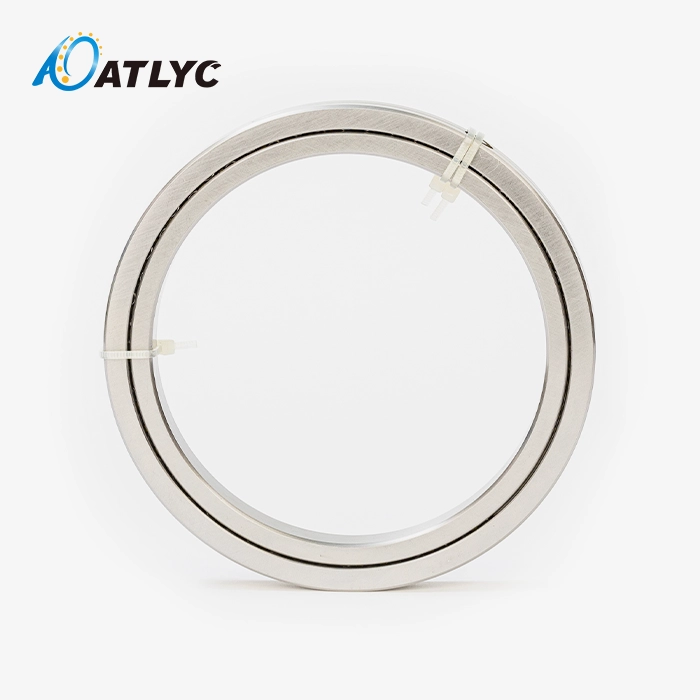
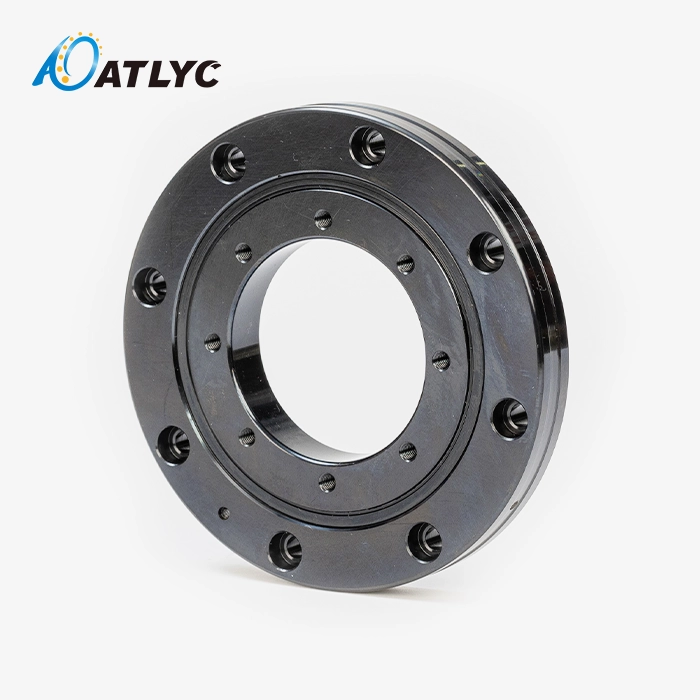
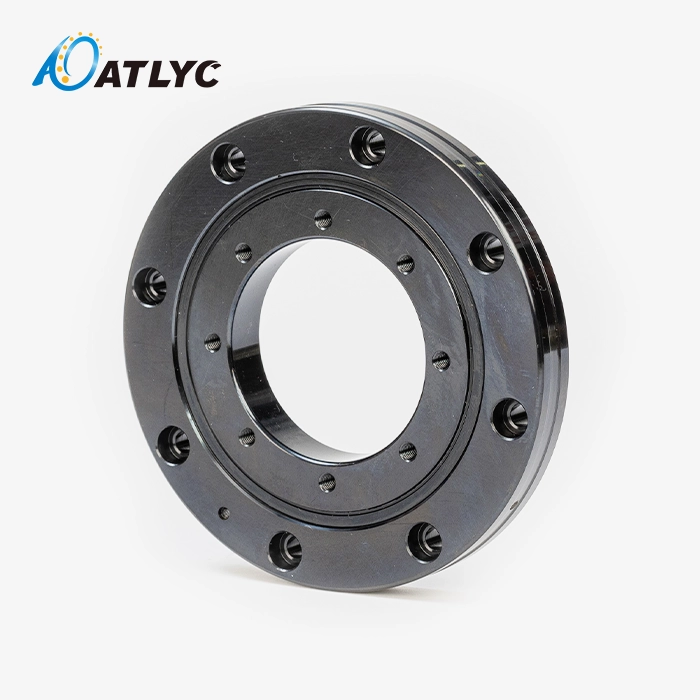
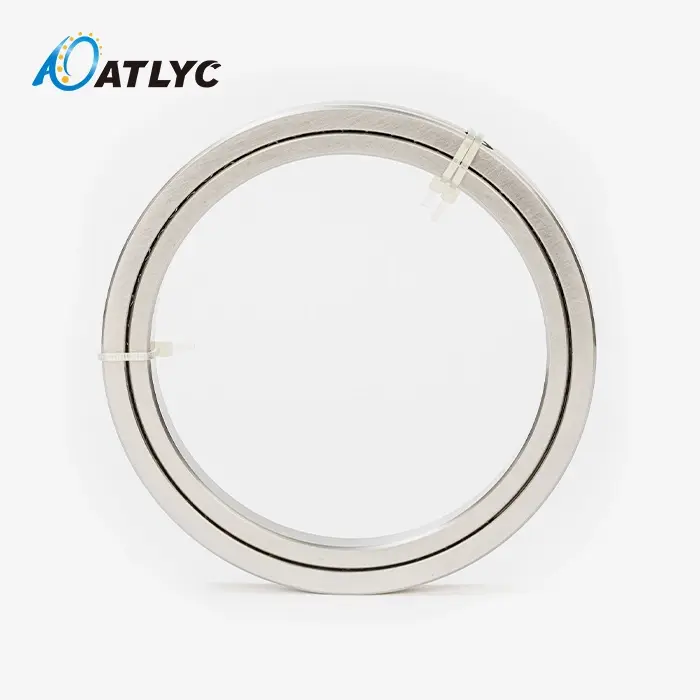
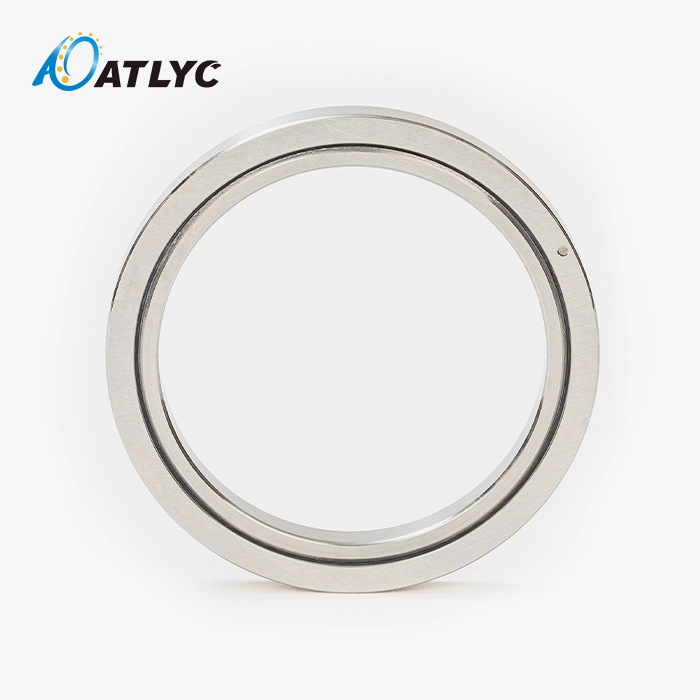
It has a single inner and outer ring structure and fixing holes that have already been drilled, so it doesn't need any complicated housing parts that slow down installation. The orthogonal roller design places cylinder-shaped parts in V-shaped raceways at exact 90-degree intervals. With precision spacers, each roller stays away from the others, so they don't touch. This keeps the load evenly distributed across the whole bearing surface. This arrangement supports radial, axial, and moment loads at the same time in a single small unit that is only 10 mm in diameter, 52 mm in diameter, and 8 mm wide.
The UU label shows that the design is double-sealed, and it has rubber contact seals on both sides. These seals keep the lithium grease that was put on by the factory in place while stopping dust, moisture, and other contaminants. This is an important defence in harsh industrial settings. The parts are made from high-carbon chromium-bearing steel (Gcr15 or Gcr15SiMn) and are heated to a hardness of 58 to 62 HRC. This makes sure that the dimensions stay stable over time, even when they are loaded continuously.
Technical Specifications and Performance Parameters
When buying teams understand the technical specs, they can better match the bearing's capabilities to the needs of the application. The following table shows a summary of important success data:
| Parameter | Details | Importance for Business |
|---|---|---|
| Inside Diameter | 10mm | Allows for wire handling in hollow shaft designs in small robotic joints |
| Outside Size | 52mm | Small size that works for medical gadgets that don't have much room |
| Width | 8mm | Thin shape allows packing of multiple bearings in a small axial space |
| Class of Accuracy | P6, P0, P5, P4, P2 | For optical screening tools, grades P5 and P4 offer rotating runout below 5 microns. |
| Capacity for Load | High moment, axial, and radial forces | takes the place of double-bearing systems in robotic wrist setups |
| Coefficient of Friction | Low (style that seals) | For accurate indexing tables used in semiconductor production, smooth turning is a must. |
When compared to regular ball bearings of the same size, the cross-roller design is 3–4 times stiffer against moment loads. This mechanical edge is very important for robotic end effectors whose stretched arm positions cause strong tilting forces. Engineers choose P5 or P4 accuracy grades for tasks that need very precise runout, like automatic vision inspection systems that look for flaws in microelectronics.
Primary Industrial Applications
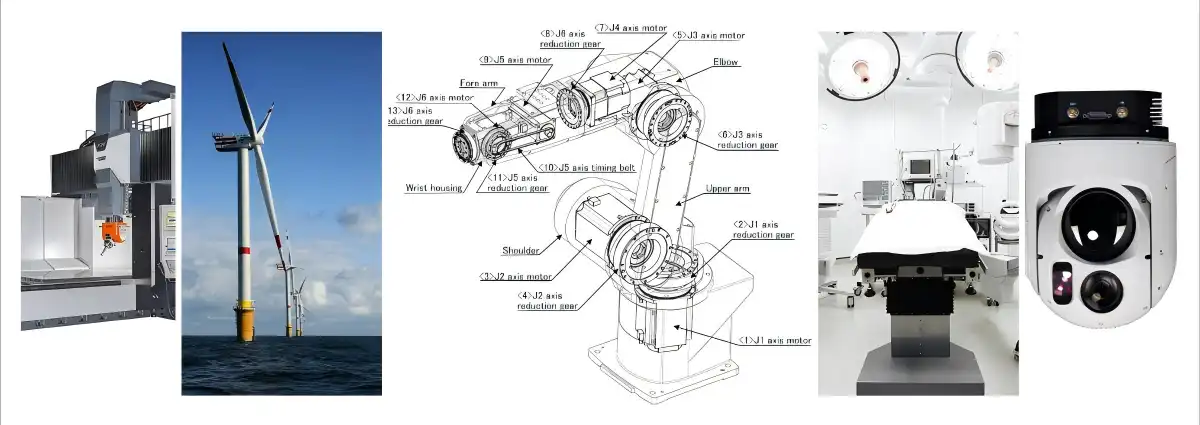
These small bearings are used in important motion control systems all over the world by manufacturers. They are used in industrial robots' waist joints and small wrist systems, where room is limited and precise positioning is needed. During high-speed indexing processes, machining center rotary tables need to be able to keep their precise angle positioning. The sealed design of medical surgery manipulators keeps lubricant from moving into clean areas and keeps sanitization chemicals from coming into contact with the parts.
Precision rotary tables in measuring tools use the bearing's very low runout accuracy to make sure that measurement results are always the same. They are used in wafer handling tools for IC manufacturing to keep things clean and make sure the action is smooth. In automated assembly lines, manipulator moving parts depend on their ability to handle different object weights without losing their positional accuracy.
Global Shipping Dynamics of RU28UU Cross Roller Bearings
The success of logistics has a direct effect on the consistency of production. Knowing the different factors that affect shipping helps procurement pros plan the right amount of supplies and keep track of project deadlines.
Typical Delivery Timelines to Major Markets
How fast you ship depends on the freight way you choose, how quickly customs processes your goods, and how well your seller can fulfil your orders. From important Chinese manufacturing hubs like Luoyang, express air freight services bring goods to the United States in three to five working days. Priority air companies usually deliver packages to European countries like Germany within 4 to 6 business days. Because they are close, Asian markets like South Korea can get their goods in two to four work days.
When compared to fast services, standard air freight takes about 7–10 business days longer to deliver, but it costs about 40% less to ship. Sea freight is the least expensive choice, and packages can get to the U.S. Ports on the West Coast in 18–22 days and places on the East Coast in 28–32 days. Middle Eastern countries like Iran and Turkey get sea freight within 25 to 30 days, but this depends on the port target and the amount of transshipment that needs to be done.
Factors Influencing Delivery Speed
How quickly RU28UU Cross roller bearings get to your building depends on a number of business factors. The main factor that determines lead times is the supply of inventory. Manufacturers who keep a lot of stock can fill orders within 24 to 48 hours, but make-to-order production adds 7 to 15 days to lead times. Different providers handle orders in different ways, but for well-known companies with export offices, paperwork, quality checks, and packaging are all done in one business day.
The size of the distribution network has a big effect on the shipping choices available. When compared to direct shipments from China, suppliers with warehouses in target areas outside of China cut shipping times by 60–70%. Customs clearance procedures can cause delays that are hard to predict, especially when travelling to places with strict import rules. This risk is lessened for experienced exporters by using correct HS code classification, sending full paperwork packages, and staying in touch with goods forwarders.
During peak season, supplies get backed up, which makes transport less reliable. From September to November, ocean freight rates go up by 150 to 200% as stores stock up on goods for the end of the year. During the Chinese New Year, from late January to early February, when factories are closed, there is less air freight capacity available. However, the demand for shipping stays the same. Strategic buying teams plan important orders that need to be filled outside of these times to avoid delays and higher costs.
Case Study: Expedited Bearing Delivery to Automotive OEM
A big U.S. company that makes car parts had to stop its production line when a precise indexing table bearing suddenly failed. The design dimensions of the new cross roller bearing were the same as those of the RU28UU. Their purchasing team called several sources on Monday morning and asked for delivery by Friday so that they could avoid $45,000 per day in production costs.
The chosen Chinese maker let us know within two hours that they had stock and set up DHL fast air freight for the same day. The package came with all the necessary export paperwork, such as a business invoice, a packing list, and a certificate of origin. After going through U.S. customs on Wednesday evening, the bearing got to the factory in Michigan on Thursday morning, which means it took four days from order to delivery. This quick fulfilment saved about $180,000 in missed production value and showed that qualified bearing sources are good at logistics.
Choosing Reliable RU28UU Cross Roller Bearing Suppliers
Not only does choosing a supplier affect how quickly you get your products, but it also affects their reliability, quality, and the value of your long-term relationship.
Evaluating Manufacturer Credentials and Certifications
Certifications for quality control systems show that a company can actually make things. ISO 9001 certification shows that there is organized quality control in place for the planning, production, testing, and fixing of problems. The IATF 16949 certification covers the needs of the car business in particular. It covers things like advanced product quality planning (APQP), production part approval processes (PPAP), and measurement system analysis (MSA). Manufacturers who have both certificates show that they can meet the needs of demanding OEMs and tier-one suppliers in the car industry.
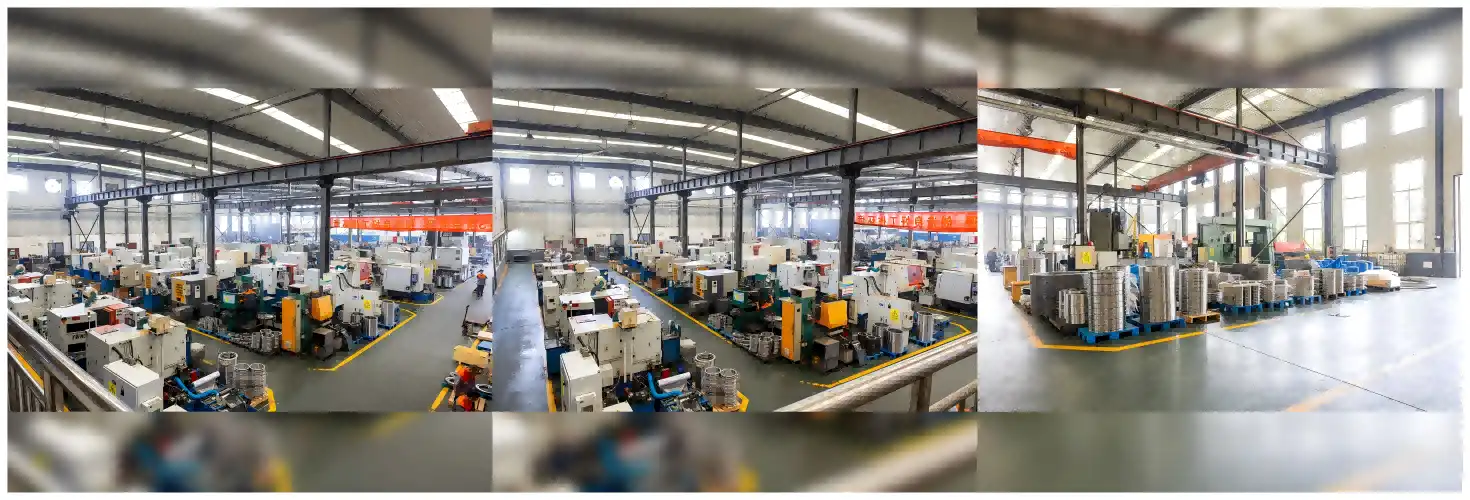
Production potential factors show you if your suppliers can grow with your business. The size of the facility, the number of production lines, and the number of employees all show the operating scale. Manufacturers that have more than one specialized workshop, like Luoyang Auto Bearing, which has grown from one to six workshops since 2010, have invested in infrastructure and skill diversification. Data on a supplier's annual production volume helps you figure out if they can successfully meet big orders without causing shipping delays.
Factory-Direct versus Distributor Sourcing
When people decide what to buy, they have to weigh the costs, the ability to customize, and the ease of service. The following analysis makes these changes clear:
| Sourcing Channel | What are the pros? | Disadvantages | Best For |
|---|---|---|---|
| Direct from the factory | 15–30% less expensive; prices can be changed; direct expert help | Minimum order amounts; non-stock items take longer to get; | High-volume users; OEM apps that need to change the specifications |
| Distributors with permission | Small number options; local stock; faster emergency delivery | Unit costs are higher, customization is restricted, and there is a markup on fast services. | A small number of users, immediate substitute needs, testing and prototyping |
| Businesses That Trade | Multi-brand buying made easy; shipping consolidated | Quality problems; not enough expert know-how; varying levels of dependability | Multiple-part sales from China need to be coordinated with services |
For ongoing production needs greater than 500 units per year, factory-direct buying from makers like ATLYC saves money. Direct technical contact with engineering teams makes it possible to change RU28UU Cross roller bearings so that they fit the specific needs of an application. Manufacturers that have been around for a while offer a lot of quality paperwork, such as material certificates, dimensional inspection records, and performance test data. This is important for ISO-compliant purchasing processes.
Verification Strategies for Supplier Credibility
Doing your research ahead of time saves you from fake goods and sellers you can't trust. Ask for copies of your business licence and, if possible, check your registration in government systems. Quality certificates should show up-to-date expiration dates and only cover certain types of products, not all production processes. Videos or virtual walks of manufacturing facilities show how big the production is and how advanced the equipment is.
Checks with customers' references show a past of success. Talk to current clients in related businesses to find out how reliable the delivery is, how consistent the quality is, and how quickly the company responds to technical issues. Samples of export documents show that you know how to meet the rules of the target country and have experience moving goods internationally. Flexible payment terms show that a business is stable financially. For example, producers who offer 30-day net terms to long-term customers show trust and resources that small sellers don't have access to.
Buying Considerations and Procurement Tips
Efficient bearing buying keeps multiple factors in check while sticking to the budget and keeping operations running smoothly.
Inquiring About Lead Times and Inventory Visibility
To communicate effectively with a seller, you should start by asking specific questions that show how well they can meet your needs. Ask about the current stock amounts of the items you need, including the accuracy grade and seal design. Confirm the time it takes to handle an order from receiving the buy order to the package leaving. Ask the buyer if they have inventory management systems that let you see their stock in real time. For example, modern manufacturers offer portal access that shows available amounts and production plans.
Options for shipping methods and the costs that come with them need to be clearly documented. To get an idea of the total landing costs, ask for quotes that include EXW (factory pickup), FOB (port of origin), and DDP (delivered tax paid) prices. Find out if you can track the package and if the source sends proactive information on the progress of shipments, or if you have to ask them first. Packaging standards affect how the product is when it arrives, so check to see if the RU28UU Cross roller bearings are shipped in individual safe cases or in bulk, which could damage them during shipping.
Bulk Ordering and OEM Customization Considerations
The number of orders has a big effect on prices, wait times, and the ability to customize. Cross roller bearings from the standard catalogue usually ship from stock, and wait times are short. Structured deals can often get prices lowered by 10-15% for promises of more than 1,000 pieces per year. When customers give manufacturers moving predictions, which help with planning production and getting the best materials, manufacturers are more willing to be flexible with prices.
Customization needs make wait times longer, but they also let you improve performance for specific applications. It takes two to three weeks for suppliers to be qualified and tested for modified seal materials that are resistant to certain chemicals. Custom machining tools are needed for mounting holes that aren't standard. This adds 3–4 weeks to the time it takes to fill the first order, but it makes it faster to place another order once the gear is ready. Custom grease formulations that work well in high temperatures or vacuum conditions have to go through suitability testing, which takes 4 to 6 weeks, before they can be approved for production.
Procurement pros keep customization delays to a minimum by involving suppliers early on in the design of equipment. When makers share preliminary specifications 8 to 12 weeks before they need to be made, they have time to prepare tools, find materials, and test prototypes without rushing critical path plans.
Cost-Speed Trade-Off Analysis
To choose a transportation method, you have to weigh the total cost of acquisition against the costs of keeping stock and the risk of running out of stock. Express air freight costs $8 to $12 per kilogram, but it arrives within a week, which lets you use lean stocking tactics that save money on working capital. Standard air freight cuts the cost of shipping to $4–6 per kilogram and delivers in 10-14 days, making it a good choice for planned restocking orders with a small backup stock.
Sea freight costs only $0.80 to $1.50 per kilogram, but it takes 4 to 5 weeks and locks up capital in product that is in transit. This method works well for users who buy a lot and set up restocking cycles every three months with a lot of extra stock. The best plan weighs the costs of shipping against the risks of production interruptions and the costs of keeping inventory (usually 20 to 25 percent per year).
A real-life example shows how these trade-offs work: a factory that needs 200 RU28UU bearings every month at a cost of $25 each has to deal with several situations. Express air freight costs $400, so you can buy once a month with an average store worth of $5,000 and a yearly carrying cost of $1,250. Sea freight costing $150 needs quarterly ordering, creating $15,000 average inventory and $3,750 carrying cost but saving $1,000 in yearly freight—a net loss of $1,500 annually while raising stockout risk.
Maintenance, Installation, and Maximizing RU28UU Performance
The performance and service life of bearings are directly affected by how they are handled and maintained.
Installation Guidelines: Preventing Premature Failure
The right way to place a RU28UU Cross roller bearing protects its accuracy and stops damage before it even starts to work. Thoroughly clean the fixing surfaces, getting rid of any burrs, paint, or other debris that could cause uneven support or stress points. Use precise tools to make sure that the mounting surface is flat within 0.02 mm; too much runout directly leads to a loss of bearing performance. When you tighten the fasteners, make sure that the holes in the fastening bolts line up perfectly with the holes in the bearings.
To make sure that clamping forces are spread out equally, tighten the mounting bolts in a star design. When you tighten something too much, the bearing rings bend, which lowers the internal gaps and raises the friction. Under-tightening lets the bearing and fixing surface move very slightly, which speeds up wear through fretting rust. For M4 mounting bolts that are popular in RU28UU installations, the torque number should be between 2 and 4 Nm, as specified by the maker.
When handling sealed bearings, be careful not to damage the covers by hitting them. Do not use chemicals to clean sealed bearings or add more grease, as this can damage the original lubrication and make the seal less effective. Keep bearings dry while they are being stored by keeping them in their original packaging until they are installed. These safety measures are especially important for the bearing's precision accuracy grades (P5, P4, P2), where even small damage can hurt its performance.
Routine Maintenance Extending Service Life
When compared to open bearing setups, the sealed form requires less upkeep. If the temperature stays below 80°C, the spinning speed stays within certain limits, and the environment is clean, the factory-packed lithium grease keeps things moving smoothly for a long time without needing to be reapplied. Every 2,000 to 3,000 hours of operation, a periodic check finds possible problems before they become catastrophic.
Using infrared thermography or touch thermometers, keep an eye on the temperature of the bearings while they are working. Temperature rises of more than 15°C above the standard could mean a number of problems, such as not enough greasing, contamination, or overloading. Listen for strange noise patterns. Grinding sounds mean there is contamination, and squealing means there isn't enough lube, even though the design is sealed. Every three months, check the torque on the fixing bolts because vibrations can slowly loosen screws and add harmful play.
Even though they are sealed, they may need to be re-oiled in situations with high speeds, high temperatures, or harsh conditions. Check the manufacturer's instructions for recommended grease types and how often to re-grease. Lubricants that don't work well together wear down seals and contaminate existing grease, which speeds up the wear and tear on bearings. When working conditions aren't normal, you might want to upgrade to special seal materials or custom lubrication specs when you buy the part for the first time.
Performance Advantages Justifying Quality Sourcing
The engineering features of cross roller bearing designs provide real practical benefits that make it worth spending money on dependable providers. The orthogonal roller arrangement can handle a lot of weight in many directions at once, including radial, axial, and moment loads. All of these loads can be supported by a single, small bearing. This ability to work in more than one way gets rid of the need for double-bearing setups, which makes the assembly simpler and the equipment smaller.
Low friction coefficients make spinning smooth even at slow speeds, which is important for artificial joints and indexing tables that need to be able to place things precisely. Because it is protected, the design keeps working well in dirty places where open bearings would break down quickly. Excellent runout accuracy (tolerances of less than 5 microns in P5 and P4 grades) ensures that the same part can be placed over and over in measuring tools and optical inspection equipment, where accuracy has a direct effect on the quality of the product.
These performance traits are completely dependent on how well the product was made and what materials were used. If you buy from approved makers with clear quality control systems, you can be sure that the Gcr15 bearing steel parts you receive will meet the required accuracy levels. Fake or low-quality bearings come with huge failure risks that are far greater than any initial cost savings. They could damage equipment and cause production losses that are more than 100 times the cost of the bearing.
Conclusion
Shipping precision RU28UU Cross roller bearings around the world is a good way to mix production and logistics. Different buying strategies can be accommodated by delivery times that range from 3 days for fast air freight to 30 days for economical sea freight. To be successful at sourcing, you need to choose qualified makers who keep good inventory systems, write down their quality processes, and have a lot of experience exporting. The RU28UU bearing is very useful in robotics, medical equipment, and precision machinery because it is small, can hold loads in multiple directions, and is sealed to keep out dirt and dust. Supply chain risks are kept to a minimum by procurement professionals who check suppliers, communicate clearly about wait times, and use strategic inventory management to balance costs with the need for business continuity.
FAQ
1. What accuracy grade should I choose for robotic joint uses?
For robotic joints that do repeated positioning jobs, the accuracy grade P5 is usually needed, which means that the rotational runout must be less than 5 microns. This precise level makes sure that the ending stays in the same place for millions of rounds. For very precise tasks like moving semiconductor wafers, P4 or P2 types may be appropriate, even though they raise the cost of bearings by 40 to 60 percent. The sealed RU28UU Cross roller bearing design keeps its accuracy grades over its service life by keeping out dirt and other things that can damage the precision of open bearings.
2. How can I be sure that the bearings I'm getting are real and not fakes?
Ask for complete quality records, such as material certificates that prove the makeup of Gcr15 or Gcr15SiMn bearing steel. Manufacturers that are honest will give you dimensional inspection records that show the measured values for important factors like width, inner diameter, and outer diameter. If you can, use independent sources to check the business licenses and quality approvals of your suppliers. Physical inspection shows signs of quality; real bearings have consistent seal contact, smooth spinning without binding, and a smooth, even surface finish that doesn't have any cutting flaws or unfinished stampings.
3. Can sealed bearings be oiled again if they are working in harsh conditions?
The UU sealed design comes with lithium grease that was applied at the factory to make it last longer without needing any upkeep. However, in extreme situations, the grease may need to be reapplied. Operating temperatures that are regularly higher than 80°C speed up the breakdown of lubricants, so they should be reapplied every 6 to 12 months. Continuous high-speed spinning (getting close to the limited dn values listed in technical datasheets) generates heat that needs extra lubrication. Talk to the bearing maker about the types of grease that are recommended and how to use them. Lubricants that aren't suitable can damage seals and contaminate existing grease, which can lead to early failure.
4. What minimum order quantities do manufacturers typically require?
Minimum order amounts change depending on how the product is sourced and how it is standardized. When you buy something directly from the factory, like the RU28UU, you usually have to order at least 50 to 100 pieces. However, well-known makers may accept smaller initial orders to make building a relationship easier. Customized specs that include non-standard sizes or materials usually need at least 200 to 500 pieces to cover the cost of tools and setup time. Distributors allow you to buy just one piece, but each one costs more because they have to pay to keep supplies and add a markup.
Partner with ATLYC for Reliable Cross Roller Bearing Supply
Luoyang Auto Bearing (ATLYC) has been making high-quality products for 15 years and has world logistics experience to help you with your most important motion control uses. Our ISO 9001 and IATF 16949-certified factory has six specialized workshops that make high-precision bearings that are used in medical equipment, industrial robotics, and cars. There are a lot of standard specifications in stock, including the RU28UU Cross roller bearing. This lets us quickly fill pressing orders, and our engineering team can help OEMs with unique designs. We provide consistent quality, reasonable pricing, and reliable wait times that keep your production lines running for makers in the US, Germany, South Korea, and other places. Get in touch with our expert team at auto@lyautobearing.com to talk about your bearing needs with an RU28UU Cross roller bearing source who cares about your success.
References
1. Society of Tribologists and Lubrication Engineers (2023). "Cross Roller Bearing Design Principles and Load Distribution Analysis in Precision Machinery Applications." STLE Technical Paper Series, Volume 47, pp. 234-251.
2. International Organization for Standardization (2022). "ISO 5593:2022 Rolling Bearings — Vocabulary." ISO Standards Catalogue, Mechanical Systems and Components for General Use.
3. Bearing Technology Conference Proceedings (2024). "Global Supply Chain Optimization for Precision Rolling Elements: Lead Time Reduction Strategies in B2B Procurement." Annual Bearing Conference, Detroit, Michigan, pp. 112-128.
4. American Society of Mechanical Engineers (2023). "Installation and Maintenance Best Practices for Sealed Cross Roller Bearings in Automated Manufacturing Equipment." ASME Technical Publication, Machinery Components Division.
5. Journal of Manufacturing Logistics (2024). "Comparative Analysis of Air Freight versus Ocean Freight for Time-Sensitive Industrial Component Procurement." Volume 18, Issue 3, pp. 87-104.
6. National Institute of Standards and Technology (2023). "Precision Bearing Metrology: Accuracy Grade Classification Systems and Performance Verification Methods." NIST Special Publication 1800-29, Advanced Manufacturing Series.
Learn about our latest products and discounts through SMS or email