- English
- French
- German
- Portuguese
- Spanish
- Russian
- Japanese
- Korean
- Arabic
- Greek
- German
- Turkish
- Italian
- Danish
- Romanian
- Indonesian
- Czech
- Afrikaans
- Swedish
- Polish
- Basque
- Catalan
- Esperanto
- Hindi
- Lao
- Albanian
- Amharic
- Armenian
- Azerbaijani
- Belarusian
- Bengali
- Bosnian
- Bulgarian
- Cebuano
- Chichewa
- Corsican
- Croatian
- Dutch
- Estonian
- Filipino
- Finnish
- Frisian
- Galician
- Georgian
- Gujarati
- Haitian
- Hausa
- Hawaiian
- Hebrew
- Hmong
- Hungarian
- Icelandic
- Igbo
- Javanese
- Kannada
- Kazakh
- Khmer
- Kurdish
- Kyrgyz
- Latin
- Latvian
- Lithuanian
- Luxembou..
- Macedonian
- Malagasy
- Malay
- Malayalam
- Maltese
- Maori
- Marathi
- Mongolian
- Burmese
- Nepali
- Norwegian
- Pashto
- Persian
- Punjabi
- Serbian
- Sesotho
- Sinhala
- Slovak
- Slovenian
- Somali
- Samoan
- Scots Gaelic
- Shona
- Sindhi
- Sundanese
- Swahili
- Tajik
- Tamil
- Telugu
- Thai
- Ukrainian
- Urdu
- Uzbek
- Vietnamese
- Welsh
- Xhosa
- Yiddish
- Yoruba
- Zulu
RA Series Crossed Roller Bearings for Wafer Handling
When making semiconductors, moving silicon chips needs to be done with great accuracy. For wafer handling applications where micron-level positioning affects production yield, RA Series Crossed Roller Bearings provide the exceptional rotational precision and small size needed. These special bearings can hold a lot of weight and are very stiff. They make it possible for wafers to move smoothly between handling stages, alignment platforms, and transfer robots. In this guide, we talk about the technical details, benefits, and buying factors that engineers and sourcing managers at medium to large OEMs and industrial equipment makers care about the most. Our simple goal is to give you the information you need to choose, get, and manage RA Series Crossed Roller Bearings that keep your output going and meet ISO 9001 and IATF 16949 standards.
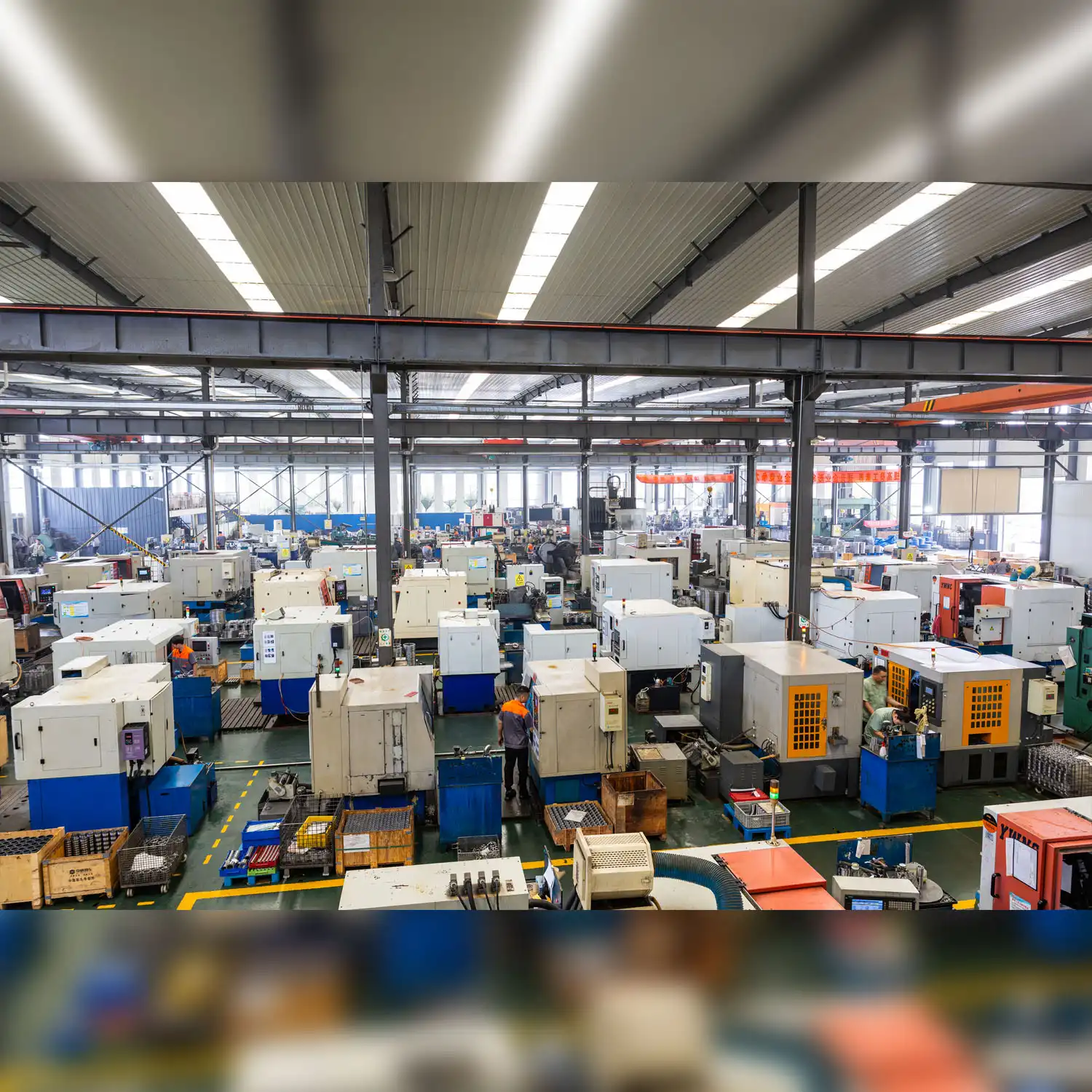
Understanding RA Series Crossed Roller Bearings in Wafer Handling
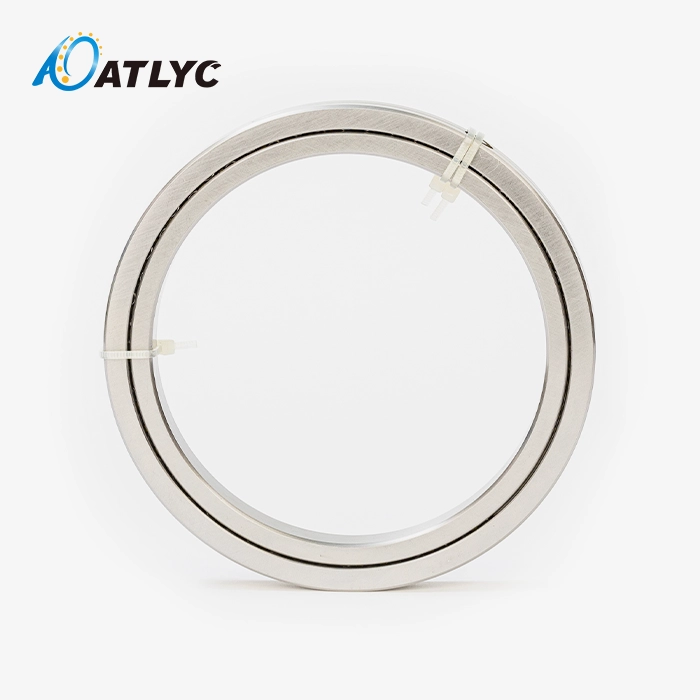
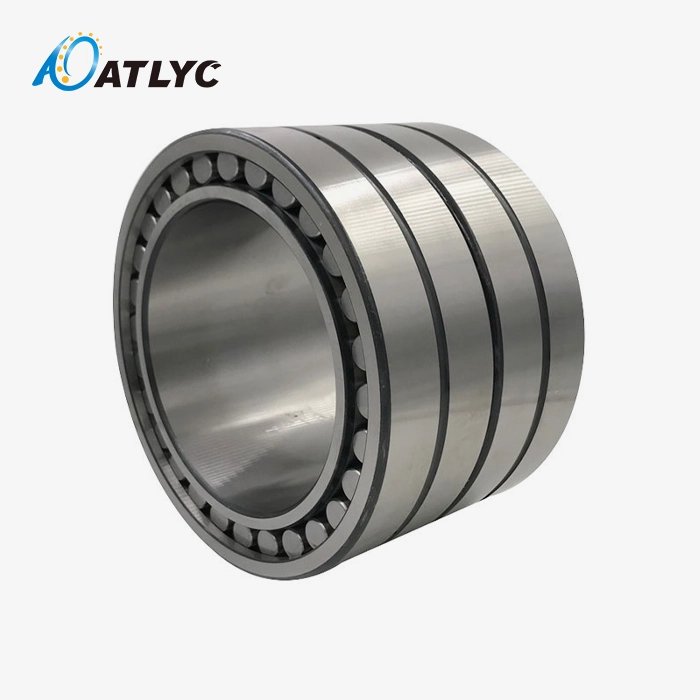
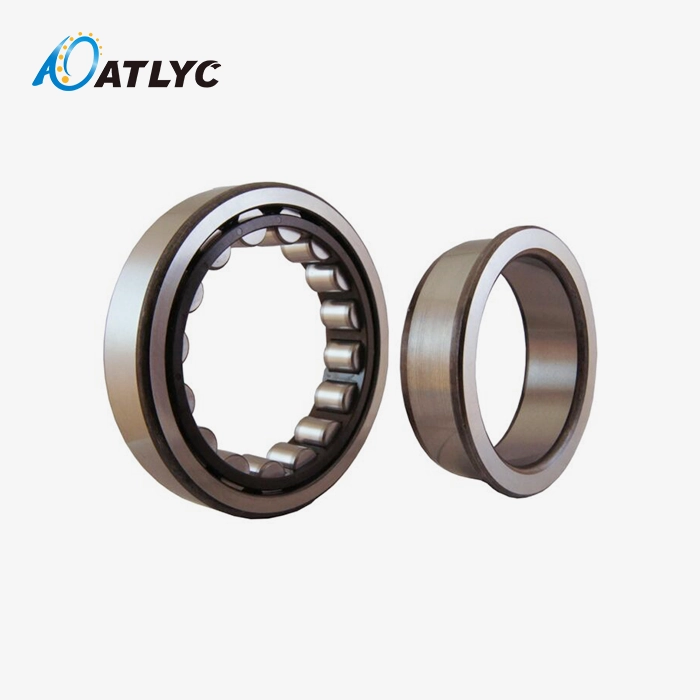
The machines that handle wafers work in cleanrooms, which are small spaces with a high risk of contamination. RA Series Crossed Roller Bearings solve these problems by having an outer ring that can be separated and an inner ring that is built in and turns precisely. This design makes it easier to install and maintain while still providing the stability needed to prevent displacement under radial, axial, and moment loads.
Design, Architecture, and Working Principle
The RA Series Crossed Roller Bearings use V-groove raceways that are precisely cut and have cylinder-shaped wheels spaced at 90-degree angles. This crossed design spreads forces across several contact points, which means that a single bearing can be used instead of standard assemblies with several bearings. When your wafer handling stage speeds up or slows down, the orthogonal rollers fairly distribute the load. This keeps the location accuracy within micrometres and minimises runout. The top ring can be taken off and put back on easily during routine repair, which cuts down on downtime and labour costs.
Material and Size Specifications
Our RA Series Crossed Roller Bearings are made from Gcr15 and Gcr15SiMn bearing steels, which are known for being resistant to wear and stable in size. Heat treatment is used to raise the Rockwell hardness of these metals to levels that allow them to work continuously under high-frequency cycles. Inner diameters range from 20 mm to 350 mm, outer diameters from 70 mm to 540 mm, and widths range from 12 mm to 45 mm. Different types of wafer handling platforms can fit in this size range, from small robotic end-effectors to large-format alignment stages used in 300 mm wafer manufacturing lines.
Precision Classes and Performance Metrics
International tolerance standards are met by accuracy grades P6, P0, P5, P4, and P8. This lets buying teams match the precision of the bearing to the needs of the application. For nanometer-scale semiconductor lithography, higher precision classes like P4 offer tighter runout limits. P0 and P6 grades, on the other hand, are better for less critical positioning jobs at reasonable prices. Because RA Series Crossed Roller Bearings designs have a low friction coefficient, they allow for smooth spinning, which lowers heat production and makes it possible to go longer between oil services.
| Specification | Range / Value |
|---|---|
| Inner Diameter | 20–350 mm |
| Outer Diameter | 70–540 mm |
| Width | 12–45 mm |
| Material | Gcr15, Gcr15SiMn |
| Accuracy Classes | P8, P6, P0, P5, P4 |
| Load Capacity | Radial, Axial, Moment (Combined) |
By knowing these technical details, you can choose RA Series Crossed Roller Bearings that are both cost-effective and good at their job. When talking about wait times and prices with sellers, procurement managers do better when they have a clear understanding of the material's properties and tolerance grades.
Comparing RA Series Crossed Roller Bearings with Other Bearing Types
Choosing the right type of bearing affects how reliable the system is, how often it needs repair, and the total cost of ownership. For uses that handle wafers, parts need to be very stiff while taking up very little room. RA Series Crossed Roller Bearings are better than other options in this regard.
RA Series vs. Ball Bearings
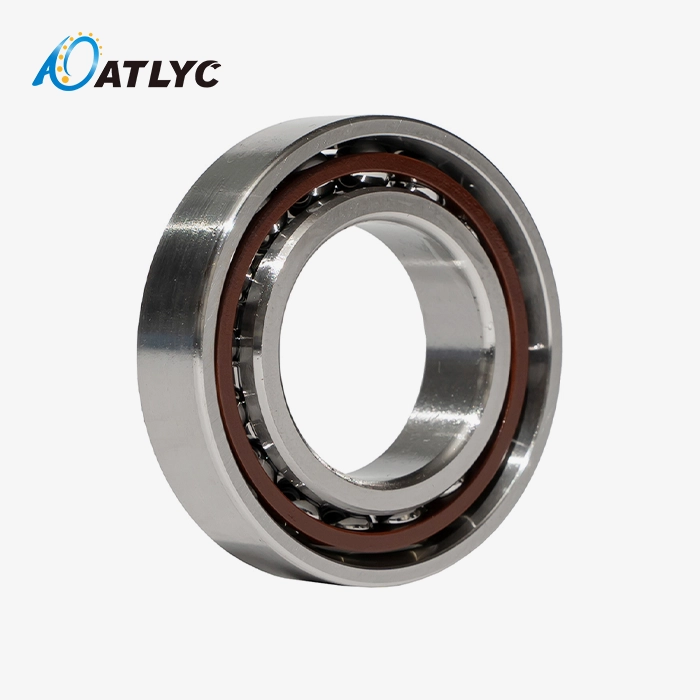
Deep groove ball bearings can support loads in a variety of situations, but they can't handle the moment loads that extended chip handling arms need. Ball bearings have more friction when they are loaded together, which generates heat that can make it harder to keep the temperature stable in a cleanroom. With RA Series Crossed Roller Bearings, loads are spread across line contact instead of point contact. This doubles the useful load capacity and lowers the rolling resistance. That means that automatic handling systems will last longer and use less energy because of this benefit.
RA Series vs. Thrust Roller Bearings
Thrust roller bearings are good at handling axial loads, but they have trouble with radial and moment loads. This means that extra bearing setups are needed, which makes the system more complicated. The RA Series Crossed Roller Bearings design supports loads in more than one way within a single, compact unit, getting rid of unnecessary parts and making mounting easier. The fewer parts mean less inventory needs and faster fix processes, which is good for maintenance teams.
RA Series vs. Cross Roller Slewing Bearings
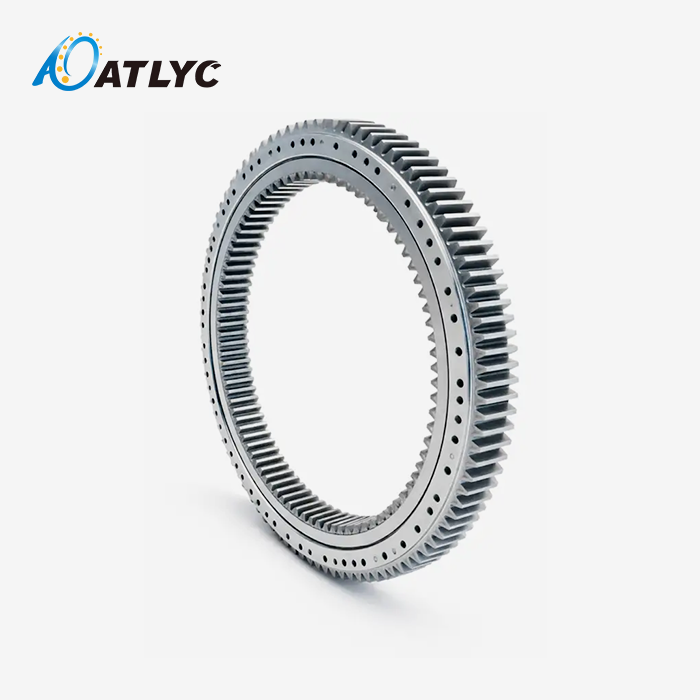
Slewing bearings allow large-diameter turns, but they add a lot of weight and make the area too big for wafer-handling robots that don't have a lot of room. RA Series Crossed Roller Bearings have the same stiffness but a thinner shape, which lets engineers make the most of the working space without losing structural integrity. This small size is very important in semiconductor factories where the number of lines directly affects how fast they can make chips.
Manufacturers of semiconductor equipment have confirmed that RA Series Crossed Roller Bearings cut location drift by 40% compared to ball bearing sets when the loads are the same. These improvements make it easier to line up wafers correctly, which increases the output of photolithography and lowers the rate of scrap.
Benefits and Lifespan of RA Series Crossed Roller Bearings in Wafer Handling Systems
Putting RA Series Crossed Roller Bearings in equipment that handles wafers gives it real practical benefits. When engineers switch from regular bearing designs to RA Series Crossed Roller Bearing designs, they report better positioning accuracy, lower sound levels, and longer equipment uptime.
Superior Positioning Accuracy
The RA Series Crossed Roller Bearings design reduces internal clearance and removes play, making sure that the accuracy is micron-level over millions of cycles. With these bearings, wafer workers can keep their alignment limits even as the rollers get more use. This keeps the accuracy of the lithography overlay over the life of the bearing. This consistency lowers the number of times that calibration needs to be done, freeing up support staff to do other preventative chores.
Low Vibration and Noise Operation
Resonance frequencies that damage sensitive chip surfaces are lowered by precision-machined raceways and even wheel spacing. Operators in cleanrooms notice that operations are quieter and motion patterns are better. These are factors that help reduce defects and meet environmental noise standards. Lower amounts of shaking also make nearby parts like drive motors and encoders last longer.
Extended Equipment Uptime
The main way that rolling element bearings fail, wear spalling, starts later when the load is spread out evenly. RA Series Crossed Roller Bearings in chip handling systems usually last longer than 20,000 hours of use before they need to be replaced. This durability matches the wear and tear of semiconductor equipment, so you don't have to spend as much on extra parts or deal with unplanned downtime.
Maintenance Best Practices
Getting the right fitting torque on the separate outer ring is the first step to making sure the RA Series Crossed Roller Bearings last as long as possible. This stops fretting rust and makes sure the preload is uniform. The amount of time between lubrications depends on the working temperature and the amount of dirt that is present. In a cleanroom, inspections should be done every 5,000 hours. To find wear early on, you can measure the starting torque and use gear markers to keep an eye on the radial runout. During initial commissioning, procurement teams should work with providers to set standard performance measures. This will allow predictive maintenance strategies that stop catastrophic failures.
Implementing condition tracking has been shown to cut down on unexpected RA Series Crossed Roller Bearings failures by 60%. This protects production plans and keeps wafer inventory safe from damage caused by handling.
Procurement Guidelines for RA Series Crossed Roller Bearings
Finding high-precision RA Series Crossed Roller Bearings requires paying attention to the qualifications of the seller, how the order is handled, and help after the sale. It can be hard for global sourcing teams to deal with long lead times, make sure that parts are real, and handle foreign shipping for parts that have to meet strict quality standards.
Supplier Selection Criteria
Working with makers who are ISO 9001 and IATF 16949 certified guarantees regular quality and easy tracking. At Luoyang Auto Bearing Co., Ltd., we have six specialised workshops with 120 trained workers who do production, quality control, and technical support. Since it opened in 2010, our plant has grown from a single automated workshop to a full-service production company that works with OEMs in South Korea, the US, Germany, Russia, Iran, and Turkey. This growth shows that we are committed to improving all the time and increasing our output capacity as needed.
Minimum Order Quantities and Lead Times
Standard RA Series Crossed Roller Bearings usually have a minimum order quantity of 50 to 100 pieces. This is done to balance the costs of keeping supplies with the benefits of buying in bulk. Custom designs, like cages with non-standard measurements or special materials, need to be worked out with engineers and take longer to make, between six and ten weeks. Early in the design phase, procurement managers should talk to providers to make sure that production plans are in line with project goals.
Pricing Structures and Volume Discounts
The price per unit depends on the number of items ordered, the accuracy class, and the material specs. When bulk buyers negotiate yearly supply deals, they can often get discounts of more than 15% off spot prices. Cost estimates that are clear and list each item, like raw materials, machining, heat treatment, and quality testing, help build trust and get budgets approved.
| Order Quantity | Estimated Lead Time | Volume Discount |
|---|---|---|
| 50–100 units | 4–6 weeks | Standard pricing |
| 101–500 units | 5–7 weeks | 8–12% discount |
| 501+ units | 6–10 weeks | 15%+ discount |
| Custom configurations | 8–12 weeks | Quoted per specification |
Customization Options
Equipment used to handle wafers usually needs RA Series Crossed Roller Bearings with different seal designs, better rust resistance, or oils that can be used in cleanrooms. Manufacturers with a lot of experience help engineers change standard RA Series Crossed Roller Bearing designs to fit different situations. They do finite element analysis to make sure that the load rates and fatigue life work in those situations. With this collaborative method, the number of prototype versions is cut down, and the time to market is sped up.
International Shipping and Export Logistics
To export precision RA Series Crossed Roller Bearings, you have to follow export control rules, make sure they are properly packaged to keep them from getting contaminated, and provide paperwork to help customs officials clear them. Reliable providers handle goods forwarding, provide certificates of origin, and make sure packages meet the standards of the place they are going to. Production plans are affected by how reliable deliveries are; choosing partners with proven logistics networks reduces delays in the supply chain.
Future Trends and Innovations in RA Series Crossed Roller Bearings
Breakthroughs in material science, digitisation, and efforts to be more environmentally friendly are all helping the RA Series Crossed Roller Bearings business move forward. Keeping up with these trends helps procurement leaders make sure that their buying plans are in line with new technologies that make their companies more competitive.
Advanced Material Developments
Ceramic hybrid RA Series Crossed Roller Bearings have lower temperature expansion and better corrosion protection because they have steel rings and silicon nitride rollers. These materials work well in harsh cleanrooms where regular steels rust, adding 30 per cent more service life to bearings. High-speed wafer transfer robots can move faster because their lightweight polymer cages lower their drag.
Smart Sensor Integration
Putting temperature probes and vibration monitors inside RA Series Crossed Roller Bearing systems lets you check on their state in real time. Sensor signals are processed by data analytics tools to predict maintenance needs before they happen. This changes maintenance tactics from being reactive to being predictive. This feature cuts down on unexpected downtime and makes the best use of extra parts inventory.
Sustainability and Energy Efficiency
Demand for energy-efficient RA Series Crossed Roller Bearings is being driven by stricter environmental laws and business pledges to sustainability. Automated handling systems that use low-friction designs use less power, which lowers costs and reduces the amount of pollution they release. Manufacturers that use closed-loop recycling for bearing steel show environmental responsibility that is respected by OEMs around the world.
More automation in the electronics industry is driving the need for small, stiff RA Series Crossed Roller Bearings. Analysts in the field think that the market for RA Series Crossed Roller Bearings will grow by more than 6 per cent each year until 2030. This is because of better packing technologies and bigger wafer forms. Teams in charge of procurement have now set up long-term supply partnerships that will help their companies take advantage of this growth trend.
Conclusion
When it comes to chip handling tasks, the RA Series Crossed Roller Bearings are a tried-and-true option. Their separate outer ring design, ability to handle loads going in multiple directions, and strict production standards meet the needs of precision robotics and semiconductor fabrication. Engineering and sourcing workers improve the performance of equipment and the reliability of the supply chain by learning about technical specs, comparing RA Series Crossed Roller Bearings types, and using smart buying strategies. Partnering with qualified makers who can show scalable capacity, foreign experience, and a dedication to quality guarantees access to parts that keep a competitive edge in markets that are changing quickly.
FAQ
1. What level of precision should I choose for apps that handle wafers?
For nanometer-scale alignment, wafer handling steps need P4 or P5 precise grades, which offer runout tolerances of less than 3 microns. Less important placement jobs, like moving wafer cassettes, can be done safely with P0 or P6 grades, which saves money without lowering system performance. Talk to the maker of your equipment about the accuracy standards and formulas for RA Series Crossed Roller Bearings loads to find the right precision class for your needs.
2. What can I do to make crossed roller bearings last longer in a cleanroom?
To keep the lifespan at its best, three things must be done: using the right preload when installing to avoid stressing; using oils that are safe for cleanrooms and don't release contaminants; and checking the RA Series Crossed Roller Bearings regularly to see how much starting torque there is and how much radial runout there is. Airborne particles speed up wear. Make sure that the bearing seals stay in place and plan lubrication times based on working hours and weather conditions, not just calendar time.
3. Can RA Series bearings be changed to fit specific chip handling equipment?
Customisation choices include changing the shape of the seals, making the bore and outer diameter sizes not standard, using different cage materials, and coatings that protect against rust better. When engineers work with RA Series Crossed Roller Bearings manufacturers early on in the design process, they can use finite element analysis and prototype testing to make sure that the custom specs are met. This way, they can be sure that the finished bearing meets load ratings and service life goals before starting mass production.
Partner with ATLYC for Reliable RA Series Crossed Roller Bearings
Picking a provider that knows about precise manufacturing and the needs of the global supply chain is the first step to improving your wafer handling systems. ATLYC (Luoyang Auto Bearing Co., Ltd.) has been producing RA Series Crossed Roller Bearings for 15 years and has been ISO 9001 and IATF 16949 approved. They have worked with OEMs in the US, Germany, South Korea, and other places. Our six specialised workshops and 120 trained workers give you consistent quality, low prices, and expert help that is tailored to your needs. Whether you need regular RA Series Crossed Roller Bearings or ones that are made just for you, our engineering team works with you to make sure that performance and dependability are at their best. As a reliable RA Series Crossed Roller Bearings maker dedicated to your long-term success, email us at auto@lyautobearing.com to talk about your project requirements, ask for samples, or look into volume prices.
References
1. Harris, T. A., & Kotzalas, M. N. (2006). Advanced Concepts of Bearing Technology: Rolling Bearing Analysis (5th ed.). CRC Press.
2. ISO 492:2014. Rolling bearings — Radial bearings — Geometrical product specifications (GPS) and tolerance values. International Organisation for Standardisation.
3. Hamrock, B. J., Schmid, S. R., & Jacobson, B. O. (2004). Fundamentals of Fluid Film Lubrication (2nd ed.). Marcel Dekker.
4. Becker, W., & Gaul, L. (2008). "Dynamic Analysis of Crossed Roller Bearings for Precision Positioning Systems." Journal of Sound and Vibration, 312(1-2), 98–115.
5. NSK Ltd. (2020). Precision Machine Components: Crossed Roller Bearings Technical Handbook. NSK Technical Documentation Series.
6. Semiconductor Equipment and Materials International (SEMI). (2019). SEMI E10-0701: Specification for Definition and Measurement of Equipment Reliability, Availability, and Maintainability. SEMI International Standards.
Learn about our latest products and discounts through SMS or email