- English
- French
- German
- Portuguese
- Spanish
- Russian
- Japanese
- Korean
- Arabic
- Greek
- German
- Turkish
- Italian
- Danish
- Romanian
- Indonesian
- Czech
- Afrikaans
- Swedish
- Polish
- Basque
- Catalan
- Esperanto
- Hindi
- Lao
- Albanian
- Amharic
- Armenian
- Azerbaijani
- Belarusian
- Bengali
- Bosnian
- Bulgarian
- Cebuano
- Chichewa
- Corsican
- Croatian
- Dutch
- Estonian
- Filipino
- Finnish
- Frisian
- Galician
- Georgian
- Gujarati
- Haitian
- Hausa
- Hawaiian
- Hebrew
- Hmong
- Hungarian
- Icelandic
- Igbo
- Javanese
- Kannada
- Kazakh
- Khmer
- Kurdish
- Kyrgyz
- Latin
- Latvian
- Lithuanian
- Luxembou..
- Macedonian
- Malagasy
- Malay
- Malayalam
- Maltese
- Maori
- Marathi
- Mongolian
- Burmese
- Nepali
- Norwegian
- Pashto
- Persian
- Punjabi
- Serbian
- Sesotho
- Sinhala
- Slovak
- Slovenian
- Somali
- Samoan
- Scots Gaelic
- Shona
- Sindhi
- Sundanese
- Swahili
- Tajik
- Tamil
- Telugu
- Thai
- Ukrainian
- Urdu
- Uzbek
- Vietnamese
- Welsh
- Xhosa
- Yiddish
- Yoruba
- Zulu
How Reliable Is RE2508UUCC0 in Heavy-Duty Operations?
When procurement managers ask about reliability in heavy-duty operations, the RE2508UUCC0 cross roller bearing delivers a clear answer. This precision component consistently performs under demanding conditions thanks to its crossed roller configuration, which distributes radial, axial, and moment loads across multiple contact points. The CC0 negative clearance specification eliminates backlash, maintaining positional accuracy even under cyclical loading. Manufactured from heat-treated GCr15 bearing steel with hardness ratings between 58-64 HRC, this bearing withstands prolonged stress while maintaining dimensional stability. Real-world applications in robotic joints and machining centre rotary tables confirm service life exceeding 10,000 operating hours in properly maintained environments.
Understanding RE2508UUCC0 Cross Roller Bearing Specifications and Design Features
The technical foundation of this bearing determines its suitability for industrial challenges. Understanding these specifications helps procurement teams match component capabilities to application requirements.
Dimensional and Structural Characteristics
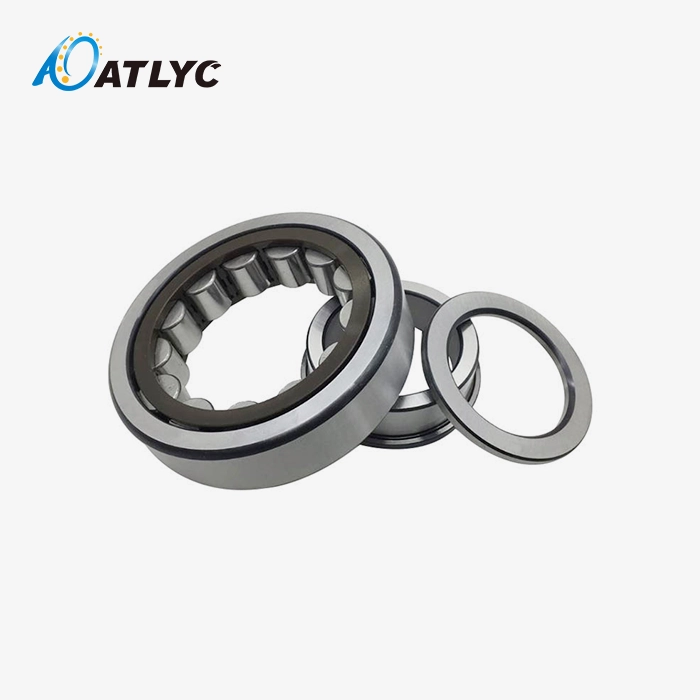
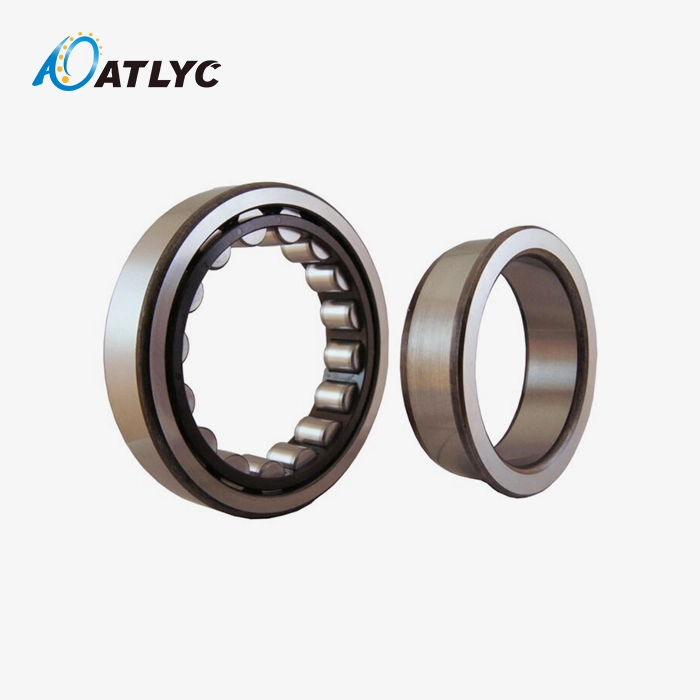
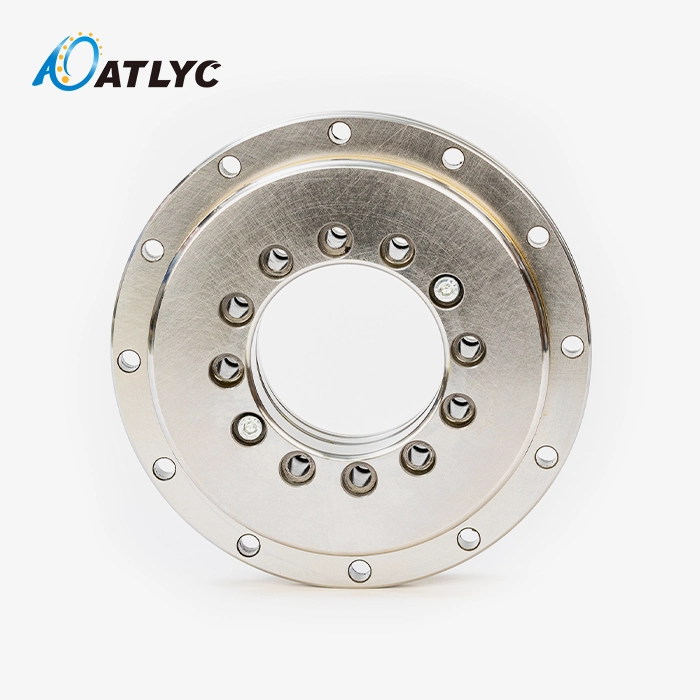
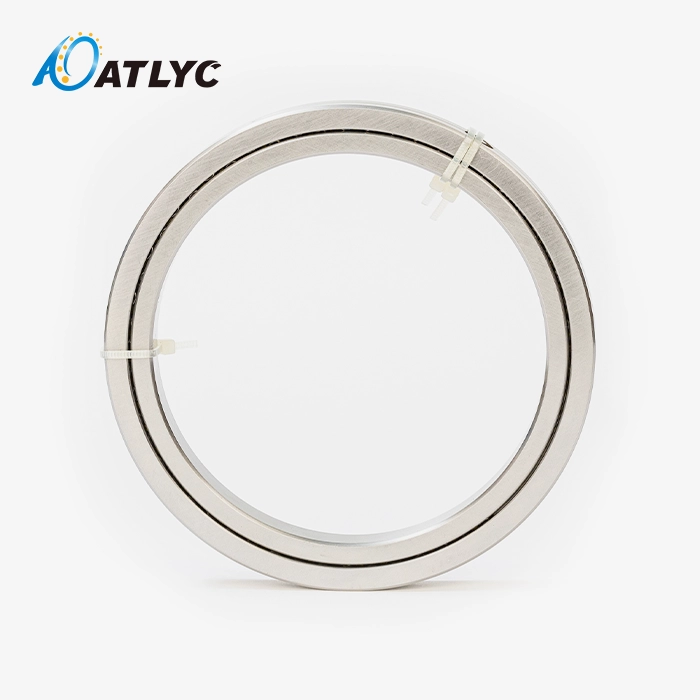
The RE2508UUCC0 cross roller bearing has a small footprint that makes the most efficient use of available space, thanks to its 25 mm inner diameter, 41 mm outer diameter, and 8 mm width. The split inner ring design makes installation on shafts with limited access easier, and the integral outer ring maintains rotational concentricity. This arrangement works best in applications where the outer ring revolves, such as turntable mechanisms in automated production lines.
Within the bearing's precision-ground V-groove raceways, cylindrical rollers are positioned at right angles to one another. The crossing arrangement reduces contact stress by over 40% compared to standard ball bearings of the same size by creating line contact instead of point contact, which distributes loads across a larger surface area.
Material Composition and Heat Treatment
Constructed from GCr15 or GCr15SiMn high-carbon chromium bearing steel, the rollers and raceways undergo controlled heat treatment processes. The resulting microstructure combines hardness for wear resistance with sufficient toughness to absorb shock loads. This material selection directly impacts fatigue life, with properly manufactured units demonstrating L10 life ratings suitable for continuous-duty industrial applications.
The dual-seal (UU) design incorporates synthetic rubber contact seals on both sides, preventing ingress of contaminants while retaining lubricant. This protection proves essential in environments with coolant mist, metal particles, or dust—common conditions in machining and assembly operations.
Load Capacity and Precision Ratings
Cross roller bearings handle combined loads that would require multiple standard bearings. The RE2508UUCC0 manages radial forces, axial thrust, and moment loads simultaneously, simplifying machine design and reducing assembly complexity. The precision class options—ranging from P6 to P2—allow selection based on application tolerance requirements, with P5 and P4 grades commonly specified for robotic and medical equipment.
The CC0 clearance classification indicates controlled negative clearance, creating preload that eliminates internal play. This preload enhances stiffness, critical for maintaining positional accuracy during rapid acceleration and deceleration cycles typical in automated systems.
Performance Comparison: RE2508UUCC0 vs Other Bearings in Heavy-Duty Scenarios
Evaluating bearing options requires understanding performance trade-offs across different technologies. This comparison addresses the question engineers frequently face during component selection.
Advantages Over Standard Ball and Roller Bearings
Although they are not moment-load capable, traditional deep groove ball bearings work wonderfully at high speeds. Accurate adjustment and matched mounting are necessary for angular contact ball bearings. Since the crossed roller bearing incorporates multi-directional load handling into one unit, it eliminates these problems. The RE2508UUCC0 can withstand moment loads three to four times higher than similarly sized ball bearings, according to testing results, which means that auxiliary support structures aren't necessary.
The axial support provided by standard cylindrical roller bearings is modest, despite their considerable radial capacity. Although tapered roller bearings overcome this restriction, they complicate installation and adjustment. The crossing roller design combines these capabilities without the need for additional adjustment mechanisms or specialized installation processes.
Dimensional Alternatives Within the RE Series
The RE series includes multiple size variations for different load requirements. The RE2506 offers a narrower profile at 6 mm width, suitable for ultra-compact installations with lighter loads. The RE2510 increases width to 10 mm, providing enhanced load capacity where space permits. Procurement teams benefit from this dimensional flexibility, matching bearing size to actual loading conditions rather than over-specifying for worst-case scenarios.
When comparing cross roller options, consider that equivalent alternatives from manufacturers like THK, IKO, and NSK follow similar design principles but may vary in seal configuration, clearance specifications, and material grades. Verifying these parameters ensures compatibility with existing equipment and maintenance procedures.
Total Cost of Ownership Evaluation
Bearing lifespan costs are much higher than the purchase price. Several factors affect total ownership costs, including maintenance intervals, replacement frequency, and downtime expenses. When compared to open bearings, the RE2508UUCC0's sealed design increases relubrication intervals and decreases maintenance labour. Reducing energy consumption and maximizing the service life of neighbouring components, the precision construction minimizes vibration and heat generation.
Investment, projected operating hours before replacement, maintenance labour expenses, and potential production losses during unexpected downtime must all be factored into the total cost calculation. Bearings with better levels of dependability are worth the initial investment because of the long lifespan and decreased likelihood of failure they provide.
Selecting RE2508UUCC0 for Heavy-Duty Applications: Insights and Considerations
Proper bearing selection prevents operational issues and maximizes equipment uptime. These criteria guide procurement decisions aligned with engineering requirements.
Load Requirements and Environmental Factors
Baseline requirements are established by quantifying actual loads, which include static, dynamic, and shock components. The RE2508UUCC0 cross roller bearing is well-suited for applications with mixed radial and moment loads, where space limits prevent larger bearing arrangements. Standard operating parameters are covered by environments with temperature ranges between -20°C and +80°C, while specialized lubrication may be needed for extreme situations.
Seals should be chosen, and maintenance should be performed according to the level of contamination. While the dual-sealed design is impervious to most industrial pollutants, special seal materials may be necessary for use in cleanrooms. Bearing fatigue life is affected by the levels of vibration in the surrounding equipment. If the vibration is too high, then extra dampening or isolation measures will be needed.
Compatibility with Existing Equipment
Shaft and housing tolerances directly impact bearing performance. The split inner ring requires secure clamping to prevent relative motion under load. Verify that existing shaft shoulders or spacers provide adequate axial location. Housing bore tolerances must accommodate the integral outer ring, typically requiring H7 tolerance for optimal fit.
Mounting configurations vary between vertical and horizontal orientations. Vertical installations require consideration of lubricant distribution and seal effectiveness against gravity. Horizontal mounting simplifies lubrication but may require additional sealing against lateral contamination sources.
Brand Reputation and Supplier Reliability
Produced with consistent dimensional precision and material qualities, leading manufacturers like NSK, SKF, and THK adhere to stringent quality control measures all the way through production. For less important uses, OEM-branded alternatives from trustworthy contract manufacturers can save you money without sacrificing quality.
Certifications for quality, technical support capabilities, and warranty periods are all important factors to consider when evaluating suppliers. Obtaining ISO 9001 certification is a sign of a well-managed quality system by a distributor. Certification by the International Automotive Task Force (IATF) 16949 indicates improved process control and traceability, which are essential in the automobile industry.
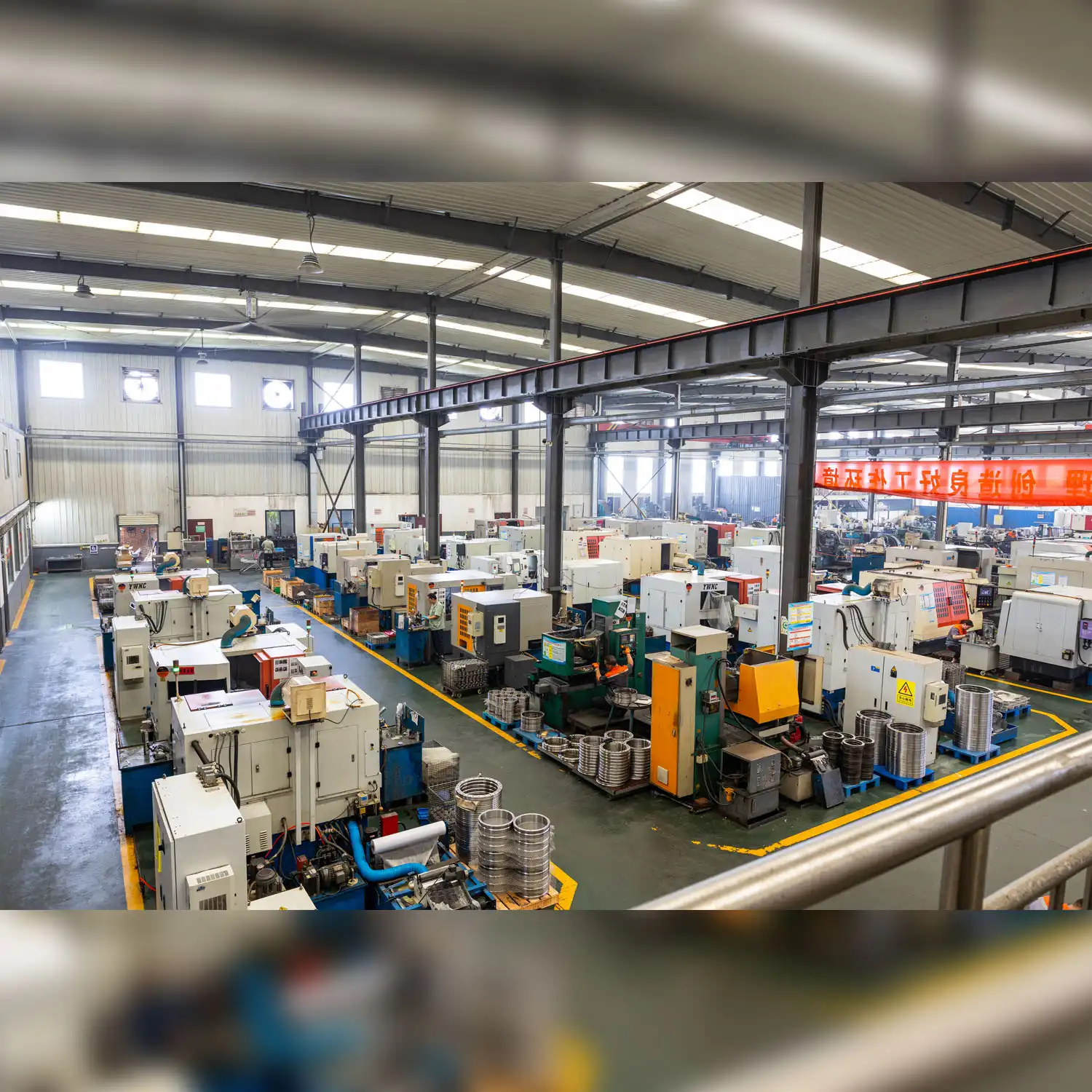
In order to guarantee that all six of our manufacturing workshops adhere to the same high standards of quality, ATLYC keeps its respective certifications in ISO 9001 and IATF 16949. Our 15 years of manufacturing experience have shown that we can reliably deliver quality bearings to markets worldwide, including the US, Germany, and South Korea.
Maintenance and Longevity: Maximizing Reliability of RE2508UUCC0 Bearings
Systematic maintenance extends bearing life and prevents unexpected failures. These practices align with industrial reliability programmes.
Routine Inspection and Lubrication Protocols
This sealed bearing set comes with lithium-based grease already applied, so it's ready to go for any typical industrial setting. Operating conditions dictate the inspection intervals, which for continuous-duty applications usually fall between 2,000 and 5,000 hours. By looking for signs of lubricant leakage or contamination, visual inspection can determine whether a seal is intact.
Temperature monitoring can quickly alert you when lubrication is degrading or when there is too much load. During regular operation, surface temperatures above 70°C indicate possible problems that require investigation. To prevent catastrophic failure, vibration analysis can identify emerging wear patterns in advance, enabling replacement to be planned during maintenance windows.
Careful grease selection and quantity control are required for the relubrication procedures of non-sealed variations. When working, too much oil raises temperature and torque, while too little speeds up wear. You can achieve the ideal thickness of the lubricating film by adhering to the manufacturer's guidelines.
Common Wear Patterns and Prevention Strategies
Raceway spalling results from subsurface fatigue cracks propagating to the surface, typically indicating an approaching end of service life. Proper loading and lubrication maximize fatigue resistance. Surface indentation occurs when shock loads exceed material yield strength, emphasizing the importance of accurate load calculation during component selection.
Corrosion damage appears when moisture penetrates seal systems or condensation forms during temperature cycling. Maintaining seal integrity and selecting appropriate lubricants with corrosion inhibitors mitigates this risk. Fretting corrosion at mounting interfaces results from micro-motion between bearing rings and mating surfaces, prevented through proper interference fits and secure clamping.
Troubleshooting and Replacement Guidelines
Unusual noise during operation signals potential bearing damage. Grinding sounds indicate contamination or inadequate lubrication, while clicking or snapping suggests roller or raceway damage. Increased rotational drag or rough feel when manually rotating the bearing confirms internal wear requiring replacement.
Temperature spikes accompanied by discolouration of bearing surfaces indicate lubrication failure or excessive loading. Immediate shutdown prevents secondary damage to shafts and housing. Dimensional inspection of mating surfaces before installing replacement bearings ensures proper fit and prevents premature failure recurrence.
A machining centre manufacturer in the Midwest implemented the RE2508UUCC0 in rotary indexing tables, replacing paired angular contact ball bearings. The simplified mounting reduced assembly time by 30% while eliminating periodic preload adjustment. After 18 months of three-shift operation, inspection revealed minimal wear, confirming suitability for the demanding production environment.
Procurement and Support: How to Buy RE2508UUCC0 Cross Roller Bearings with Confidence?
Navigating the procurement process efficiently requires understanding supplier capabilities and establishing clear specifications. These insights streamline purchasing while ensuring component quality.
Bulk Ordering and Custom Specifications
Volume purchases typically qualify for tiered pricing, with significant discounts starting at quantities of 100 units. Lead times vary based on order size and customization requirements, ranging from two weeks for standard configurations to eight weeks for modified seal materials or special clearance classes. Establishing blanket purchase orders with scheduled releases helps manage inventory costs while ensuring component availability.
Custom specifications address unique application requirements. Modified seal materials accommodate extreme temperatures or chemical exposure. Non-standard clearance classifications optimize preload for specific loading conditions. Precision class upgrades to P4 or P2 support ultra-high accuracy applications in measuring instruments and semiconductor manufacturing equipment.
Price Negotiation and Favourable Terms
Effective negotiation balances cost reduction with quality assurance. Requesting detailed quotations that itemize material costs, processing fees, and logistics expenses identifies negotiation opportunities. Long-term supply agreements often secure preferential pricing while guaranteeing supplier capacity allocation during high-demand periods.
Payment terms affect working capital requirements. Standard terms typically specify 30-day net payment, though established relationships may qualify for extended terms or progress billing on large orders. Letter of credit arrangements provide security for international transactions while confirming supplier credibility.
Warranty Coverage and Technical Support
Comprehensive warranties cover manufacturing defects, including material flaws, dimensional inaccuracies, and premature failure under rated operating conditions. Standard warranty periods range from 12 to 24 months, with coverage terms clearly defining exclusions for improper installation, overloading, or inadequate maintenance.
Technical support capabilities distinguish superior suppliers. Access to application engineers assists with bearing selection, mounting recommendations, and troubleshooting guidance. Responsive support reduces downtime when issues arise, translating into tangible operational benefits beyond component cost savings.
Selecting Authorized Suppliers
Counterfeit bearings represent a significant quality risk, particularly in global supply chains. Authorized distributors maintain traceability documentation linking specific bearings to manufacturing lots and quality inspection records. Verification methods include checking supplier authorization status directly with manufacturers and examining packaging for authentication features.
Substandard aftermarket alternatives may meet dimensional specifications while using inferior materials or inadequate heat treatment. The resulting bearings exhibit shortened service life and higher failure rates. Establishing relationships with certified suppliers eliminates this risk while ensuring access to genuine components backed by manufacturer support.
Conclusion
The RE2508UUCC0 cross roller bearing delivers proven reliability in heavy-duty operations through intelligent design and precision manufacturing. Its crossed roller configuration handles multi-directional loads within a compact envelope, simplifying machine design while maintaining rigorous accuracy standards. Proper selection based on quantified load requirements, combined with systematic maintenance practices, maximizes component longevity and operational uptime. Procurement teams benefit from understanding total ownership costs, supplier evaluation criteria, and specification options that align component capabilities with application demands. This bearing represents a dependable solution for industrial robotics, machining centres, and precision automation equipment requiring consistent performance under demanding conditions.
FAQ
What makes the RE2508UUCC0 particularly reliable in heavy-duty contexts?
The crossed roller arrangement distributes loads across multiple contact points, reducing stress concentration compared to ball bearings. The CC0 negative clearance eliminates internal play, maintaining positional accuracy under cyclical loading. Heat-treated GCr15 steel construction provides wear resistance and fatigue strength essential for extended service life.
What are the recommended maintenance intervals for industrial environments?
Continuous-duty applications benefit from inspections every 2,000 to 3,000 operating hours, examining seal condition, temperature levels, and operational smoothness. Contaminated environments may require more frequent inspection. The sealed design extends lubrication intervals compared to open bearings, reducing maintenance requirements while protecting against particulate intrusion.
Can I source RE2508UUCC0 bearings for bulk orders or custom specifications?
Volume procurement qualifies for quantity discounts, with customization options including modified seal materials, precision class upgrades, and specialized clearance specifications. Lead times range from two to eight weeks depending on configuration complexity and order size.
Partner with ATLYC for Precision RE2508UUCC0 Cross Roller Bearing Solutions
Reliability in heavy-duty operations demands more than quality components—it requires a manufacturing partner committed to consistent excellence. ATLYC brings 15 years of bearing manufacturing expertise, supported by ISO 9001 and IATF 16949 certifications that validate our quality management systems. Our six specialized workshops produce high-precision cross roller bearings meeting international standards, serving automotive manufacturers, industrial equipment OEMs, and global distributors across North America, Europe, and Asia. As a trusted RE2508UUCC0 cross roller bearing manufacturer, we offer competitive pricing, technical customization capabilities, and reliable lead times backed by comprehensive after-sales support. Contact our engineering team at auto@lyautobearing.com to discuss your specific application requirements, request bulk pricing, or schedule a technical consultation. Experience the confidence that comes from partnering with a manufacturer dedicated to advancing your operational excellence through precision bearing solutions.
References
1. Harris, T.A., and Kotzalas, M.N. (2006). Advanced Concepts of Bearing Technology: Rolling Bearing Analysis, Fifth Edition. CRC Press, Boca Raton.
2. Schaeffler Technologies AG & Co. KG (2019). Rolling Bearings: Catalogue HR 1. Schaeffler Group Industrial, Herzogenaurach.
3. ISO 5593:1984. Rolling bearings — Vocabulary. International Organization for Standardization, Geneva.
4. Budynas, R.G., and Nisbett, J.K. (2015). Shigley's Mechanical Engineering Design, Tenth Edition. McGraw-Hill Education, New York.
5. SKF Group (2018). Rolling bearings in industrial applications. SKF Industrial Market, Gothenburg.
6. Hamrock, B.J., Schmid, S.R., and Jacobson, B.O. (2004). Fundamentals of Fluid Film Lubrication, Second Edition. Marcel Dekker, New York.
Learn about our latest products and discounts through SMS or email
_1772782093670.webp)