- English
- French
- German
- Portuguese
- Spanish
- Russian
- Japanese
- Korean
- Arabic
- Greek
- German
- Turkish
- Italian
- Danish
- Romanian
- Indonesian
- Czech
- Afrikaans
- Swedish
- Polish
- Basque
- Catalan
- Esperanto
- Hindi
- Lao
- Albanian
- Amharic
- Armenian
- Azerbaijani
- Belarusian
- Bengali
- Bosnian
- Bulgarian
- Cebuano
- Chichewa
- Corsican
- Croatian
- Dutch
- Estonian
- Filipino
- Finnish
- Frisian
- Galician
- Georgian
- Gujarati
- Haitian
- Hausa
- Hawaiian
- Hebrew
- Hmong
- Hungarian
- Icelandic
- Igbo
- Javanese
- Kannada
- Kazakh
- Khmer
- Kurdish
- Kyrgyz
- Latin
- Latvian
- Lithuanian
- Luxembou..
- Macedonian
- Malagasy
- Malay
- Malayalam
- Maltese
- Maori
- Marathi
- Mongolian
- Burmese
- Nepali
- Norwegian
- Pashto
- Persian
- Punjabi
- Serbian
- Sesotho
- Sinhala
- Slovak
- Slovenian
- Somali
- Samoan
- Scots Gaelic
- Shona
- Sindhi
- Sundanese
- Swahili
- Tajik
- Tamil
- Telugu
- Thai
- Ukrainian
- Urdu
- Uzbek
- Vietnamese
- Welsh
- Xhosa
- Yiddish
- Yoruba
- Zulu
How to Find a Trusted Angular Ball Bearing 7014AC Supplier?
Finding a dependable supplier for Angular Ball Bearing 7014AC is essential for maintaining operational excellence in precision machinery. This comprehensive guide helps procurement managers, engineers, and OEMs identify manufacturers who deliver consistent quality, compliance with international standards like ISO 9001 and IATF 16949, and scalable production capacity. By understanding technical specifications, evaluating supplier credentials, and adopting strategic sourcing practices, you can secure long-term partnerships that minimize downtime and maximize performance across automotive, industrial automation, and machinery applications.
Understanding Angular Ball Bearing 7014AC Basics
What Makes This Bearing Critical for Industrial Applications
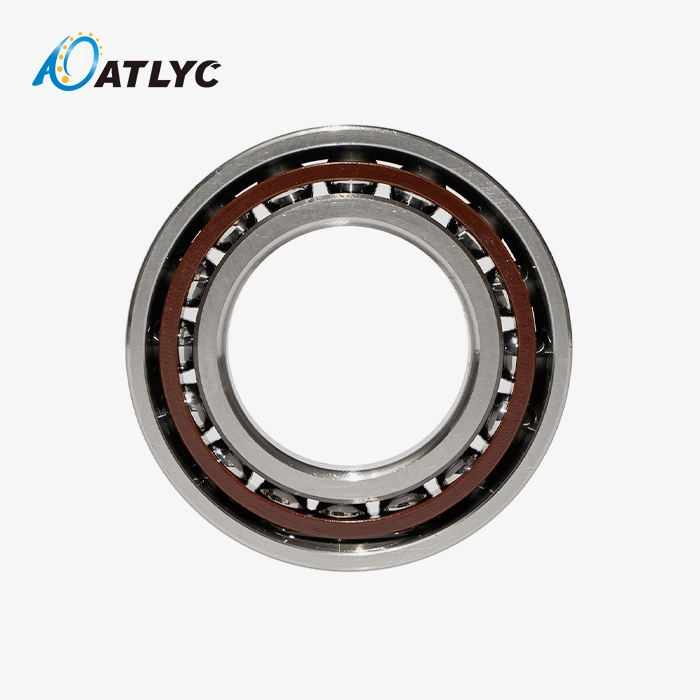
The Angular Ball Bearing 7014AC has been used successfully in many different industrial settings and is known for its high precision and dependability when both radial and axial loads are present. This one-row angular contact bearing has a carefully designed 25-degree contact angle that strikes the best mix between being able to run at high speeds and being able to handle large axial loads. The number '70' stands for the light ISO dimension series, '14' for the 70mm bore diameter, and 'AC' for the 25-degree nominal contact angle that makes this bearing different from others on the market.
Core Technical Specifications and Dimensions
The operational suitability is based on the physical parameters. The Angular Ball Bearing 7014AC has a 70mm inner diameter, a 110mm outer diameter, and a 20mm width. These are important measurements for making sure the case fits and the load is spread out evenly. This precision part is made from GCr15 bearing steel, which is very stable in terms of size and resistance to wear. The material goes through vacuum degassing and heat treatment steps that make it hard (between 58 and 63 HRC), which means it will last in tough situations. You can choose from precision grades like P5, P4, and P2, which meet ABEC-5, ABEC-7, and ABEC-9 standards, respectively. Higher precision grades have better runout control and tighter dimensional limits, which are important for CNC spindle uses that need accuracy down to the micron level. Different types of cage materials were chosen to give the best performance. For example, phenolic resin (Bakelite) is used in high-temperature settings, while nylon is used in normal ones.
Performance Characteristics That Drive Selection
The 25-degree contact angle design is the best balance between the high-speed performance of 15-degree bearings and the large axial load capacity of 40-degree versions. This design supports both radial loads and straight axial loads at the same time, which makes it necessary for situations where precise shaft placement is very important. To understand load capacity, you need to look at both dynamic and static ratings. The contact angle has a direct effect on how forces are spread across the raceway, which changes how long something is expected to last. Depending on how the bearings are set up and how the heat is managed, speed limits can go over 22,000 RPM with oil-air systems and up to 14,000 RPM with grease lubrication. The choice of internal clearance affects the preload conditions, the level of vibration, and the way the material expands and contracts when it's in use.
Maintenance Best Practices for Extended Service Life
Following the right upkeep steps can greatly increase the life of a bearing. Inspection times should match working conditions. For important applications, this means that inspections should happen every 500 to 1,000 hours of operation. By looking at something visually for discolouration, contamination, or wear patterns, you can find out about possible failure modes early on. The type of lubrication used depends on the speed and temperature. The best synthetic greases for most jobs have a base oil viscosity of ISO VG 32 to 68. For ultra-high-speed activities, oil-air or oil-mist systems are required because they successfully remove heat while keeping the film thickness at the right level. Temperatures between 10°C and 30°C and controlled humidity levels below 60% RH are needed for long periods of time before installation to keep things from rusting.
Key Differences and Comparisons in 7014AC Bearing Variants
Structural Distinctions Between 7014AC and Standard 7014 Models
The contact angle specification is what makes the difference for the Angular Ball Bearing 7014AC. There are different types of standard 7014 bearings, but the "AC" end always means a 25-degree contact angle, which can handle more axial load than 15-degree models. This difference has a direct effect on how things are mounted and what they can be used for, especially in machine tool frames where the stiffness needs change depending on the cutting forces.
Comparative Analysis of Related Bearing Models
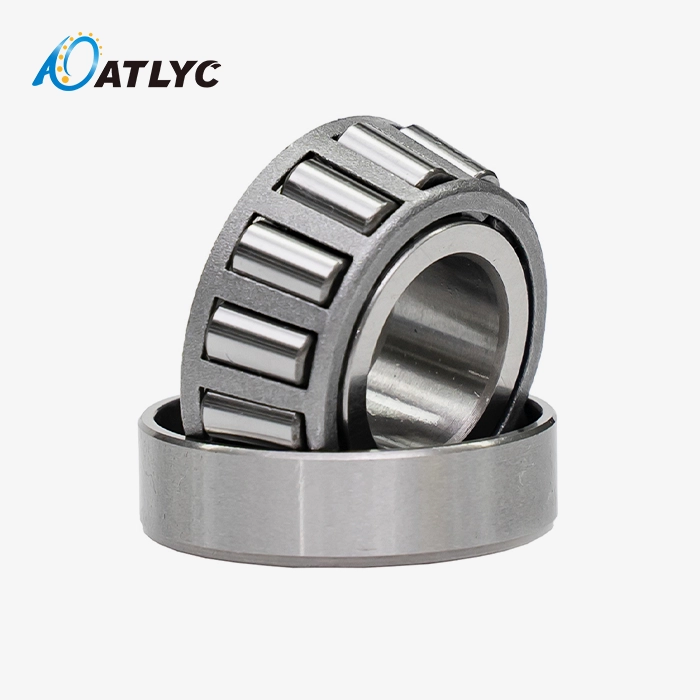
Understanding the small changes between models that are close can help you avoid making costly design mistakes. The 7014ACC version usually has a different cage design or different materials that make it less accurate and slower. The designation 7014ACD could mean that the internal clearance or contact angle pairing arrangements have been changed to meet certain setup standards. The 7015AC model has the same contact angle as the 7015, but its bore diameter is 75 mm instead of 70 mm, which makes it less compatible with certain shafts. The 72014AC has a different dimensional series, which means that the ratios of width to diameter have changed, which affects its load capacity and stiffness. The 30214 is an alternative tapered roller bearing, but it has different attachment needs and ways of distributing load, so it can't be used directly.
Alternative Bearing Types and Their Application Contexts
In some situations, angular contact bearings are up against other types of precision bearings. Deep groove ball bearings are easier to place, but they don't have the axial stiffness that is needed for precision spindle uses. While cylindrical roller bearings can handle higher rotational loads, they can't handle large thrust loads. When mixed loads are applied, tapered roller bearings work well, but when speeds are high, they make more friction and heat.The answer is based on how things work. Back-to-back (DB) angular contact bearings that are properly mounted are still the best choice for uses that need low runout and thermal stability at speeds over 10,000 RPM. By knowing about these trade-offs, you can make smart choices that balance performance needs, cost-effectiveness, and long-term operational reliability.
How to Identify a Trusted Angular Ball Bearing 7014AC Supplier
Defining Your Procurement Requirements and Technical Specifications
To choose a good seller for an Angular Ball Bearing 7014AC, you must first be clear about what you need. Write down working parameters like load conditions, speed needs, environmental factors, and the length of time the service is supposed to last. Choose the right precision grade for the job: P5 for general industrial machinery, P4 for machine tool spindles, and P2 for ultra-precision grinding jobs. Quantity projections affect which suppliers are chosen. A lot of the time, promises to buy in bulk lead to better prices and earlier schedules for production. Lead times must match the manufacturing ability of the provider. Standard goods usually ship within seven working days, but custom designs take longer. For industries that are regulated, compliance requirements like ISO 9001 quality management and IATF 16949 automotive standards are unavoidable.
Comprehensive Supplier Evaluation Checklist
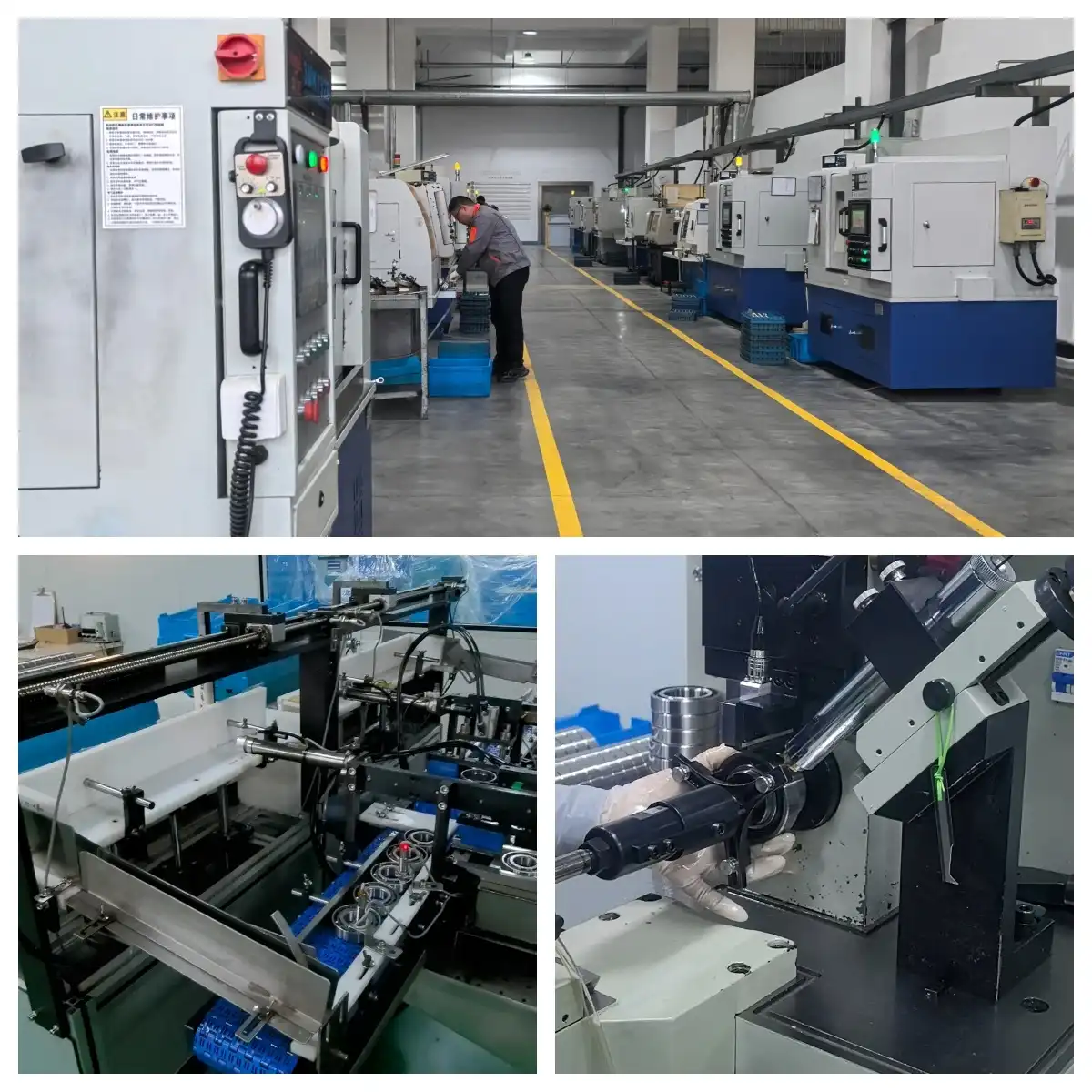
To evaluate possible suppliers, you need to do a systematic evaluation across a number of different dimensions. Manufacturing capacity determines scalability. Well-known providers run multiple production lines with backup equipment to make sure there is a steady supply during maintenance or growth times. The amount of production you can handle should be the same as or higher than the growth you expect over the next three to five years. Quality management systems give you an idea of how mature process control is. ISO 9001 certification shows basic quality standards, and IATF 16949 certification shows automotive-grade rigour that can handle tough jobs. Look over audit reports, records of corrective actions, and ongoing projects for improvement that show a dedication to quality that goes beyond certification.
| Evaluation Criteria | Key Indicators | Red Flags |
|---|---|---|
| Manufacturing Capacity | Several workshops, more than 100 workers | One assembly line and not much equipment |
| Quality Certifications | Processes that are written down, ISO 9001, IATF 16949 | No certifications, just vague paperwork |
| Product Range | A complete catalogue with technical details | Few products to choose from, vague descriptions |
| Technical Support | Engineering staff, the power to make changes | Contact only for sales, no technical support |
| Supply Chain Transparency | Clear wait times and an easy way to see goods | Uncertain dates and frequent delays |
Technical knowledge is what sets capable suppliers apart from transactional ones. Check out the engineering support services that are available, such as tolerance analysis, application consulting, and customisation. Suppliers who have their own metallurgical testing, measurement checking, and sound analysis tools show that they are serious about quality control.
Verification Methods for Supplier Credibility
Product datasheets show expert knowledge by having full and correct specifications. Engineering rigour is shown by precise dimensional tolerances, material certifications, load ratings, and performance curves. Specs that are too vague or general suggest that the process isn't being controlled well enough or that the product is being made by someone else. Ask for test results on the material, records of dimensional inspections, and data on performance proof. Manufacturers that are honest provide records that can be used to track individual production lots and quality standards. Self-certified claims are not as reliable as audits done by a third party from a recognised certification body. Customer references and case studies demonstrate real-world performance. Talk to current clients who work in related fields to find out how reliable the delivery is, how quickly the technical support team responds, and how well the problems are solved. Online reviews and the name of the company in the industry are also good ways to confirm something, but they shouldn't be used instead of direct proof.
Procurement Strategies for Buying 7014AC Bearings
Strategic Sourcing Across Global Markets
Online sites and well-established delivery networks are both useful for effective sourcing of the Angular Ball Bearing 7014AC. B2B marketplaces connect buyers with manufacturers all over the world, but buyers still need to do their research to make sure the manufacturers are legitimate. When you deal directly with the maker, you can often get better prices and technical help than through multiple routes of distribution. This is especially true for orders that go over 1,000 units per year. Geographic considerations influence supplier selection. Chinese companies have gotten very good at making precision bearings, and they can offer low prices without losing quality as long as they are properly checked out. Suppliers that work with the aircraft and car industries show that they can make high-quality systems that can handle tough jobs. South Korea, the US, Germany, Russia, Iran, and Turkey are just a few of the important export markets where reliable shipping is made possible by well-established logistics networks.
Pricing Considerations and Negotiation Best Practices
Knowing how costs are structured helps you negotiate more effectively. The end price is based on the cost of raw materials, the need for precise machining, heat treatment methods, and quality checks. When compared to small-lot sales, volume promises usually lead to discounts of 15–25%. Long-term deals protect prices against changes in the market. Ask for specific quotes that break down unit costs, tooling costs for custom configurations, packing costs, and shipping costs. Compare the total landed costs instead of just the prices from the factory. Payment terms have an effect on working capital. Talk to suppliers about setting up payment plans that are spread out over time for big orders while still keeping a quality reserve for new supplier relationships. Market trends affect how prices change over time. Prices for steel, energy, and logistics around the world change depending on the economy. Setting up framework deals with price adjustments based on documented indices saves both parties from changes in the market and keeps cost structures clear.
Logistics and Delivery Management Essentials
To get things done on time, logistics preparation needs to be organised. Standard products are shipped within seven working days from well-known companies that keep enough stock on hand. Custom setups need more time to get the materials, do the specialised work, and check the quality. Depending on how complicated the specifications are, this can take anywhere from three to six weeks. Shipping choices weigh the need for speed and cost. When planning, sea freight is a cheap option for big orders that can be delivered over a long period of time, while air freight can meet immediate needs despite higher prices. When buyers manage more than one product line, consolidated shipments lower the cost of logistics per unit. For customs clearance, you need correct paperwork like business bills, packing lists, certificates of origin, and any quality certifications that apply. Harmonised System codes for angular contact ball bearings make it easier to figure out tariffs and follow the rules. Different countries have different import charges, value-added taxes, and clearance fees. When you compare suppliers, you should include these costs in the total cost of buying.
Why Partnering with Industry-Leading Suppliers Matters
The Value Proposition of Established Bearing Manufacturers
The value proposition of well-known Angular Ball Bearing 7014AC makers includes decades of engineering experience and a track record of success in partnerships. Companies that have been in global markets for a long time show that their supply chains are stable and their finances are sound, which are important for building long-term relationships. Their spending on research and development leads to constant changes in products, new materials, and better ways of making things, all of which help end users. Rigid quality control is what sets industry stars apart from producers of goods. Multiple review steps, such as verifying arriving materials, checking dimensions while the product is being made, and final performance testing, make sure that the quality of the product is always the same. Implementing statistical process control helps find the causes of variation before they change the properties of the product. This lowers the number of defects and warranty claims.
Benefits of Working with Certified and Experienced Suppliers
Manufacturers who are certified by ISO 9001 and IATF 16949 have quality management systems that are written down and have clear processes, training guidelines, and ways to keep improving. These frameworks make sure that work gets done consistently, even if the number of items being made or the people working on them changes. Regular checks by a third party make sure that ongoing compliance is being met, which is more reliable than self-certification. When technical problems happen, being able to get help after the sale is very important. Suppliers with a lot of experience can help with application building, failure analysis, and responding quickly to quality issues. Access to technical paperwork, installation guides, and maintenance suggestions speeds up the commissioning of equipment and lowers operating risks.
| Supplier Capability | Impact on Operations | Long-Term Value |
|---|---|---|
| Engineering Support | Fewer mistakes and faster specification development | Better performance and lower reworking costs |
| Quality Consistency | Performance that can be predicted and lower defect rates | Less expensive warranties and better dependability |
| Supply Chain Stability | Reliable transportation and making the best use of goods | Fewer stock-outs and better planning for production |
| Technical Innovation | Access to new materials and better designs | A competitive edge and longer tool life |
| Documentation Quality | Streamlined tracking and compliance | Simplified checks and lessened risk |
Real-World Success: A Case Study in Strategic Partnership
A medium-sized company that makes car parts kept having quality problems with angular contact bearings that came from multiple distribution routes. Transmission parts failed early because of inconsistent dimensional standards, which led to expensive warranty claims and production delays. The procurement team tried to get in touch with the manufacturer directly so they could deal with the causes instead of the symptoms. They worked with Luoyang Auto Bearing Co., Ltd., a certified manufacturer with fifteen years of experience and full quality systems, after looking at a number of other options. The supplier's engineering team looked at the application and suggested P4 precision-grade bearings with the best preload specifications. They also put in place special production protocols to make sure that the dimensions stayed the same. Results were better than expected. Within six months, the number of defects dropped by 87%, the number of warranty claims dropped by 72%, and production efficiency went up because there was less downtime for bearing problems. The promise of delivery in seven days made it possible to handle goods more efficiently, which freed up working capital for other projects. Responding quickly to new problems with technical help fixed them quickly, which strengthened the partnership foundation. This case shows how smart source selection changes procurement from just buying things to working together to create value.
Conclusion
To find a reliable supplier for Angular Ball Bearing 7014ACs, you need to carefully check their technical skills, quality control systems, and ability to keep things running smoothly. Knowing the specifics of the bearing, like its 25-degree contact angle, accuracy grades, and application needs, helps with the creation of accurate specifications. Partners who can help with long-term growth are found through a thorough source evaluation that includes certifications, manufacturing capacity, and tech support. Strategic procurement practices, such as negotiating prices in a clear way, improving logistics, and managing relationships, increase value while lowering supply chain risks. Manufacturers with track records, documented quality systems, and quick technical support provide the consistency and dependability needed for precision machinery applications in the automation, automotive, and industrial sectors.
FAQ
What factors most significantly influence 7014AC bearing load capacity?
What are the most important things that affect the Angular Ball Bearing 7014AC load capacity? The load capacity is based on the geometry of the contact angle, the properties of the material, and the precision grade. The 25-degree contact angle supports both radial and vertical loads equally. The right mounting setup is very important for efficiency. The rolling contact fatigue resistance is directly related to the quality of the material, especially the purity of the steel and the consistency of the heat treatment. Precision grades set the tolerances for raceway geometry, which affects how stress is distributed under load. Quality of the lubrication and the operating temperature are also very important. Not enough lubrication or too much heat lowers the load capacity and speeds up wear.
How often should maintenance occur for optimal 7014AC bearing performance?
Maintenance times depend on how the machine is being used. Standard industrial uses with low loads and speeds usually need to be checked every 500 to 1,000 hours of operation. For high-speed precision spindles, they need to be checked more often—maybe every 200 to 300 hours—to find signs of early wear. When working in harsh conditions with a lot of contamination or extreme temperatures, intervals need to be shortened. Condition-based maintenance triggers, like vibration analysis and temperature tracking, are more accurate than set schedules. Proper initial fitting and cleaning greatly increase the time between repairs that need to be done.
Are 7014AC bearings suitable for high-speed machining spindle applications?
When set up correctly, angular contact bearings with contact angles of 25 degrees work great in machine tool frames. When mounted back-to-back (DB), the vertical stiffness needed for cutting force resistance is provided while the high-speed capability is maintained. The top speed depends on the precision grade, the way of lubrication, and how the heat is managed. For example, P4 and P2 grades with oil-air lubrication can safely go over 20,000 RPM. By choosing the right preload, you can balance the need for stiffness with the need to avoid heat generation. When combined loads and precise placement describe performance needs, these bearings are the usual way to go for milling and grinding spindles.
Partner with ATLYC for Premium Angular Contact Ball Bearing Solutions
Luoyang Auto Bearing Co., Ltd. (ATLYC) has been making high-quality Angular Ball Bearing 7014ACs for fifteen years and has ISO 9001 and IATF 16949 quality systems. They sell these bearings to industries around the world that use cars, tools, and robotics. With six specialised workshops and 120 skilled workers, we can consistently make Angular Ball Bearing 7014AC units that meet P5, P4, and P2 precision standards. We guarantee delivery within seven days and can make a lot of OEM customisations. We serve customers in South Korea, the US, Germany, Russia, Iran, and Turkey. Mid- to large OEMs and bearing dealers count on our expert engineering support, reasonable pricing, and long-term supply stability. Get in touch with our team at auto@lyautobearing.com to talk about your supplier needs, get full technical specifications, and find out how our track record in making precision bearings can help you reach your business excellence and growth goals.
References
1. Harris, T.A. & Kotzalas, M.N. (2006). Advanced Concepts of Bearing Technology: Rolling Bearing Analysis, CRC Press.
2. ISO 15242-1:2015. Rolling bearings — Measuring methods for vibration — Part 1: Fundamentals, International Organization for Standardization.
3. Wensing, J.A. (1998). On the Dynamics of Ball Bearings, University of Twente Press.
4. Khonsari, M.M. & Booser, E.R. (2017). Applied Tribology: Bearing Design and Lubrication, John Wiley & Sons.
5. SKF Group. (2018). Rolling Bearings Catalogue: Technical Product Information, SKF Motion Technologies AB.
6. NSK Ltd. (2020). Precision Machine Tool Bearings: Technical Report, NSK Precision Corporation.
Learn about our latest products and discounts through SMS or email