- English
- French
- German
- Portuguese
- Spanish
- Russian
- Japanese
- Korean
- Arabic
- Greek
- German
- Turkish
- Italian
- Danish
- Romanian
- Indonesian
- Czech
- Afrikaans
- Swedish
- Polish
- Basque
- Catalan
- Esperanto
- Hindi
- Lao
- Albanian
- Amharic
- Armenian
- Azerbaijani
- Belarusian
- Bengali
- Bosnian
- Bulgarian
- Cebuano
- Chichewa
- Corsican
- Croatian
- Dutch
- Estonian
- Filipino
- Finnish
- Frisian
- Galician
- Georgian
- Gujarati
- Haitian
- Hausa
- Hawaiian
- Hebrew
- Hmong
- Hungarian
- Icelandic
- Igbo
- Javanese
- Kannada
- Kazakh
- Khmer
- Kurdish
- Kyrgyz
- Latin
- Latvian
- Lithuanian
- Luxembou..
- Macedonian
- Malagasy
- Malay
- Malayalam
- Maltese
- Maori
- Marathi
- Mongolian
- Burmese
- Nepali
- Norwegian
- Pashto
- Persian
- Punjabi
- Serbian
- Sesotho
- Sinhala
- Slovak
- Slovenian
- Somali
- Samoan
- Scots Gaelic
- Shona
- Sindhi
- Sundanese
- Swahili
- Tajik
- Tamil
- Telugu
- Thai
- Ukrainian
- Urdu
- Uzbek
- Vietnamese
- Welsh
- Xhosa
- Yiddish
- Yoruba
- Zulu
How to Maintain XU200250UU/P4 Crossed Roller Slewing Bearing?
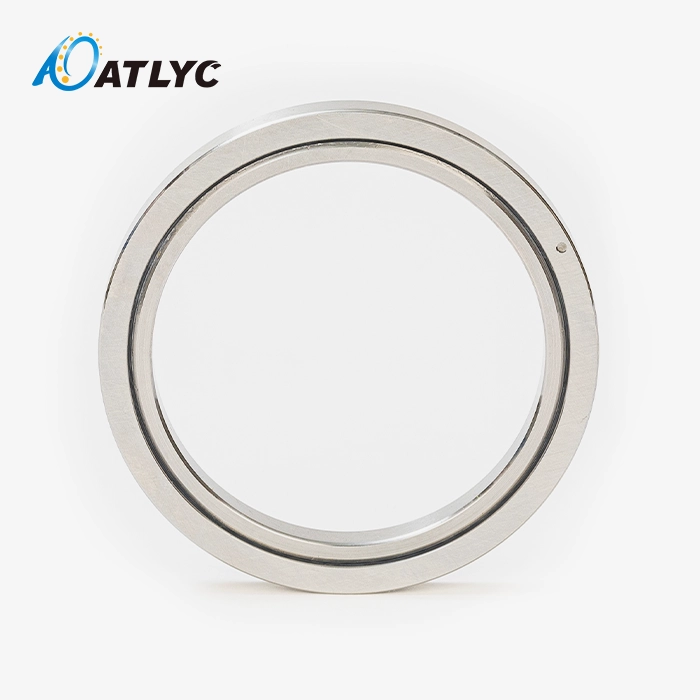
Maintaining the XU200250UU/P4 Crossed Roller Slewing Bearing correctly is the single most effective way to protect your investment and keep precision equipment running without interruption. This bearing—featuring a 200mm inner diameter, 250mm outer diameter, and 32mm width—operates within V-shaped raceways where cylindrical rollers cross at 90 degrees, demanding disciplined care. Routine steps include scheduled re-lubrication through the grease port every 6–12 months, periodic raceway inspection for pitting or indentation, clearance verification against P4-grade tolerances, and seal condition checks to prevent contamination ingress.
Understanding the Basics of XU200250UU/P4 Crossed Roller Slewing Bearings
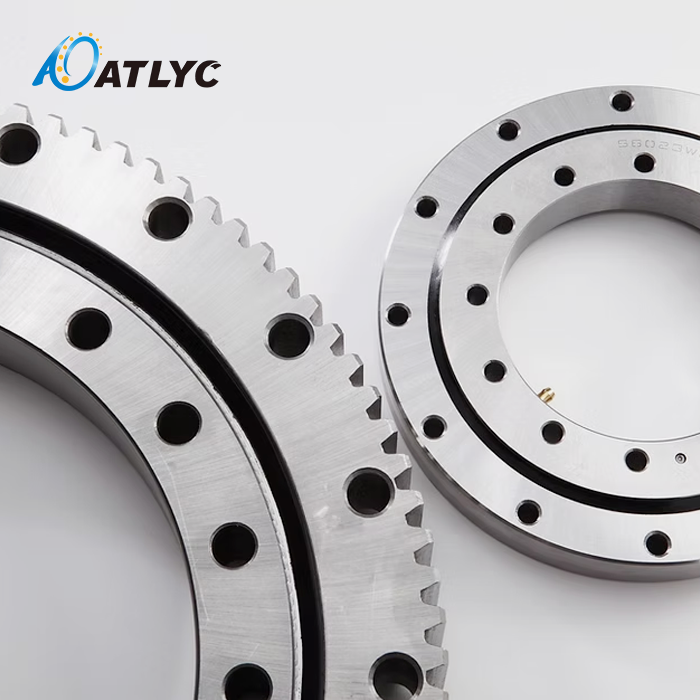
Take the time to know what you're working with before making a maintenance plan. The XU200250UU/P4 Crossed Roller Slewing Bearing is part of the XU series. The inner and outer rings are made as a single, solid piece. The one-piece structure gets rid of the weak spots that come up in split-ring designs. This directly leads to better spinning accuracy and higher resistance to moment loads.
Cross-Roller Geometry and Raceway Design
Inside V-groove raceways, cylindrical wheels move back and forth at right angles, making line contact instead of point contact. Line contact spreads the load over a bigger area, which lowers contact stress and increases the wear life. Isolation spacers are placed between each roller to stop them from skewing and keep the power output constant as the rollers rotate.
Key Dimensions and Material Specifications
| Parameter | Specification |
|---|---|
| Inner Diameter | 200 mm |
| Outer Diameter | 250 mm |
| Width | 32 mm |
| Material | GCr15 / GCr15SiMn |
| Raceway Hardness | 58–64 HRC |
| Precision Grade | P6, P0, P5, P4, P2 |
| Sealing | Dual UU rubber seals |
GCr15 bearing steel has been shown to be resistant to fatigue when loaded and unloaded many times. GCr15SiMn has silicon and manganese added to it to make it harder in larger cross-sections. This makes it a good choice for heavy industrial settings.
Integrated Mounting and P4 Accuracy
The end face has countersunk or threaded holes that are already drilled, so it can be directly bolted to other structures without the need for separate flanges. The P4 precision grade, which is the same as ABEC-7, keeps limits for size and runout to within microns. This is necessary for CNC rotary tables, robot joints, and medical imaging equipment.
Common Issues Affecting the Performance of XU200250UU/P4 Bearings
If certain risk factors aren't dealt with, even a well-built XU200250UU/P4 Crossed Roller Slewing Bearing will wear out faster than expected. When repair teams know what causes bearing discomfort, they can fix it before it gets worse.
Contamination and Lubrication Breakdown
The main things that cause raceway pitting and roller surface damage are metallic particles, coolant mist, and dust in the air. When gritty particles get into the V-groove, they score the hardened steel every time the machine turns. Heat above 80°C speeds up the breakdown of grease, which thins out the film that protects the contact surfaces. This makes metals rub against each other.
Improper Load Application and Overloading
The XU200250UU/P4 Crossed Roller Slewing Bearing can handle radial, axial, and bending moment loads all at the same time, but only up to its stated capacity. When shock loads are applied, or the design load envelope is exceeded, roller indentation on the raceway happens. This creates unique vibration patterns that can be seen during routine diagnostics.
Misalignment and Thermal Stress
If there are mounting surface flatness deviations of more than 0.01 mm per 100 mm, the load on the roller set is spread out unevenly. Over time, this imbalance makes wear spots appear in certain places. When the bearing rings and housing expand and contract differently in furnace-adjacent or outdoor settings, the internal clearance slowly moves outside the P4 tolerance band.
Step-by-Step Maintenance Procedures for XU200250UU/P4 Crossed Roller Slewing Bearings
The P4 precision grade keeps working the way it was meant to with an organized care schedule. These are the main steps that every repair worker should take. Here are the four foundational maintenance actions that apply to this XU200250UU/P4 Crossed Roller Slewing Bearing in continuous service:
- Periodic Visual and Tactile Inspection: Once every 500 hours of use, slowly turn the bearing by hand while hearing for grinding, clicking, or dragging sounds that don't happen often. Check surfaces that are out in the open for rust bloom, seal lip damage, or grease discoloration. Any brown or black grease means that the material is breaking down thermally and needs to be cleaned and re-greased right away.
- Cleaning Procedure for Contaminated Units: Using a lint-free cloth wet with a petroleum-based solvent, clean the seal's edges of any buildup of dirt or dust. Make sure you never blow compressed air into the seal gap. The pressure will push contaminants past the UU rubber lip and into the raceway. After cleaning, let the solvent dry completely before putting on new grease.
- Lubrication Protocol: Lithium soap-based grease (NLGI Grade 2 is recommended) should be injected through the grease port until new grease shows up at the edge of the seal. Every six months, you should replace bearings that are always in use. For intermittent or low-speed uses, regreasing once a year is usually enough. If you mix different kinds of grease, the bases may not work well together, and the film may become weak.
- Clearance Measurement and Adjustment: A number sign on a magnetic base can be used to compare axial and radial runout to P4 tolerance values. If the runout is bigger than what was specified, check the strength of the mounting bolts first. Loose screws are usually to blame for clearance growth that wasn't expected. Use a calibrated torque wrench to re-torque the bolts to the manufacturer's specifications.
Advanced Maintenance Tips and Troubleshooting for Heavy-Duty Applications
In robots and big industrial equipment, the XU200250UU/P4 Crossed Roller Slewing Bearing has to work in tougher conditions than in other machines. To meet that need, targeted tactics are needed.
Vibration Diagnostics in Robot Joints
While the bearing case is rotating in a controlled way, attach an accelerometer to it. A smooth, low-amplitude sound comes from a healthy crossed roller bearing. Spikes at frequencies that match the frequency of the roller pass show that the raceway surface is damaged. When vibration analysis is used early on, replacement can be planned instead of reactive repair, which costs three to five times more in labor and lost production.
Load Management in Rotary Tables
| Operating Condition | Recommended Action |
|---|---|
| Continuous heavy axial load | Verify bolt preload every 1,000 hours |
| High tilting moment applications | Check mounting surface flatness quarterly |
| Thermal cycling environments | Use high-temperature grease (−30°C to +150°C) |
| Coolant or dust exposure | Inspect UU seal integrity every 3 months |
OEM Case Reference: Robotic Arm Joint Restoration
One medium-sized automation OEM said that replacing joints 40% less often after putting in place an organized repair plan for their XU200250UU/P4 Crossed Roller Slewing Bearings. Their team started checking for vibrations every three months, moved to a high-temperature grease that would work, and standardized how to tighten bolts. As a result, they saw a clear drop in warranty claims and higher machine uptime across their whole production line.
Selecting and Procuring the Right XU200250UU/P4 Crossed Roller Slewing Bearing
Many procurement teams don't realize how important it is to choose the right precision grade at first. The XU200250UU/P4 Crossed Roller Slewing Bearing works with P4 accuracy, which is two grades better than the normal P0. This means it can be used for tasks that need precise positioning. The P5 grade is good for general industry rotation where keeping costs low is important. The P2 grade is only used in places where very little runout is necessary, like in precision optical instruments or aerospace positioning.
Any possible XU200250UU/P4 provider should have ISO 9001 and IATF 16949 certificates. These certificates show that quality management systems meet standards for automotive, which are the same standards that apply to high-precision industrial bearings. To make sure the material is the same, ask for hardness test reports and records of how each batch was tracked.
Most fake crossed roller bearings look good at first glance, but they break within a few months because the raceways aren't hard enough or the roller specs aren't within limits. Only buy from makers who are willing to back technical audits and give full material certifications. Long-term supply agreements with a verified XU200250UU/P4 supplier lower the risk of fakes and keep prices stable over the course of a project's timeline.

Conclusion
Regular checks, the right kind of oil, and quick attention to early danger signs are all that's needed to keep the XU200250UU/P4 Crossed Roller Slewing Bearing in good shape. The bearing's P4 precision grade and solid ring structure make it work better in tough situations. However, these benefits will only last as long as the bearing is properly maintained. Structured care routines like grease schedules, vibration checks, and clearance measurements help teams extend service intervals and lower the total cost of ownership by a large amount. Work with a qualified maker that can meet your technical needs from the time you first buy something until you keep getting it.
FAQ
How often should I re-lubricate the XU200250UU/P4 bearing?
For continuous use, use NLGI Grade 2 lithium soap-based grease through the designated oil port to add new grease every six months. For intermittent or low-speed uses, regreasing once a year usually keeps the film coverage at a good level. To keep pressure from building up behind the UU seals, always drain off old grease before adding new oil.
Can I replace the UU seals myself during scheduled maintenance?
For this type of XU200250UU/P4 Crossed Roller Slewing Bearing, replacing the seal needs precise tools and a clean area so as not to contaminate the V-groove raceway. I think you should send the unit back to the manufacturer or an authorized service center unless your team has documented experience with crossed roller bearing service. When seals are installed incorrectly, they cause more damage than they stop.
What signs indicate the bearing needs replacement rather than repair?
If you look at the bearing through a borescope and see raceway spalling, runout values that stay outside of P4 tolerance after re-mounting, or vibration spikes that don't go away after re-lubrication, you should replace the bearing. If you can feel a roller depression deep enough to rotate by hand, that means the bearing has hit the end of its useful life.
Does P4 accuracy matter for my specific application?
P4 precision is needed when the error in angular positioning has to be kept to a few arcseconds. This happens a lot in CNC indexing, controlling robotic joints, and medical CT gantries. If your application can handle more positional variation, a P5-grade bearing might work well enough for less money.
Partner With ATLYC for Your Crossed Roller Bearing Needs
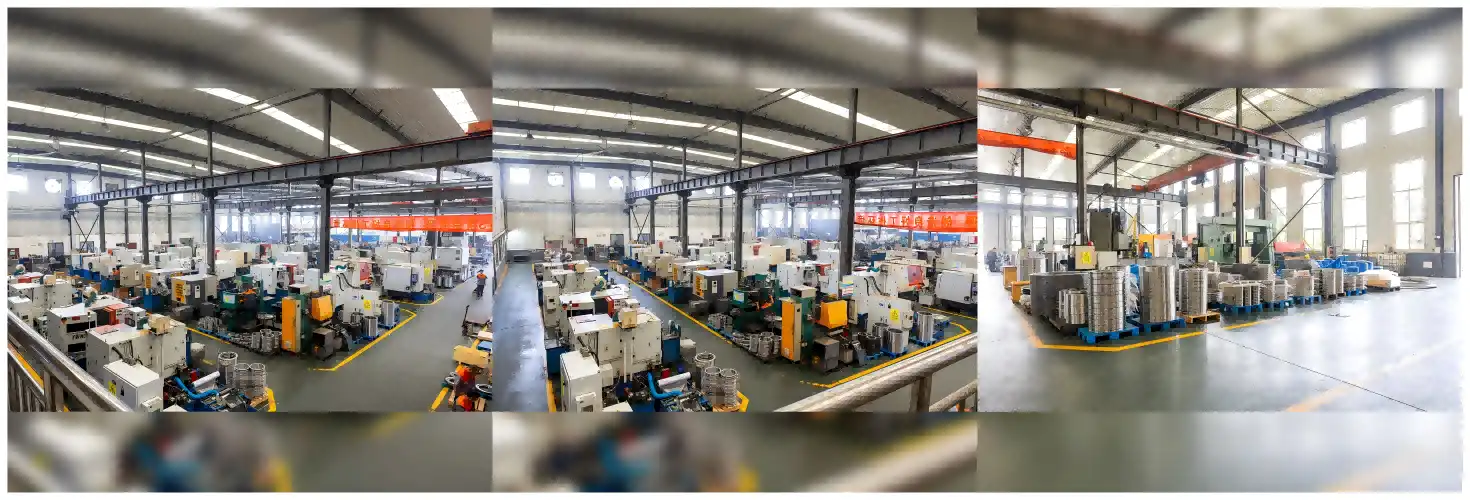
ATLYC, doing business as Luoyang Auto Bearing Co., Ltd., has been making precision bearings since 2010 in six production units with 120 trained workers. The company is certified by both ISO 9001 and IATF 16949. We are a reliable company that makes XU200250UU/P4 Crossed Roller Slewing Bearings for OEMs and distributors in the US, Germany, South Korea, and other places. For datasheets, bulk prices, and customization choices, email our engineering team at auto@lyautobearing.com or go to https://aotezhoucheng.aixdb.cn/.
References
1. Harris, T. A., & Kotzalas, M. N. — Essential Concepts of Bearing Technology, Taylor & Francis, 2006.
2. ISO 492:2014 — Rolling Bearings — Radial Bearings — Dimensional and Geometrical Tolerances, International Organization for Standardization, 2014.
3. Hamrock, B. J., Schmid, S. R., & Jacobson, B. O. — Fundamentals of Fluid Film Lubrication, Marcel Dekker, 2004.
4. NSK Ltd. — Rolling Bearing Catalog, NSK Technical Report, 2018.
5. American Bearing Manufacturers Association — ABMA Standard 20: Radial Bearings of Ball, Cylindrical Roller, and Spherical Roller Types, ABMA, 2011.
6. Tallian, T. E. — Failure Atlas for Hertz Contact Machine Elements, ASME Press, 1999.
Learn about our latest products and discounts through SMS or email