- English
- French
- German
- Portuguese
- Spanish
- Russian
- Japanese
- Korean
- Arabic
- Greek
- German
- Turkish
- Italian
- Danish
- Romanian
- Indonesian
- Czech
- Afrikaans
- Swedish
- Polish
- Basque
- Catalan
- Esperanto
- Hindi
- Lao
- Albanian
- Amharic
- Armenian
- Azerbaijani
- Belarusian
- Bengali
- Bosnian
- Bulgarian
- Cebuano
- Chichewa
- Corsican
- Croatian
- Dutch
- Estonian
- Filipino
- Finnish
- Frisian
- Galician
- Georgian
- Gujarati
- Haitian
- Hausa
- Hawaiian
- Hebrew
- Hmong
- Hungarian
- Icelandic
- Igbo
- Javanese
- Kannada
- Kazakh
- Khmer
- Kurdish
- Kyrgyz
- Latin
- Latvian
- Lithuanian
- Luxembou..
- Macedonian
- Malagasy
- Malay
- Malayalam
- Maltese
- Maori
- Marathi
- Mongolian
- Burmese
- Nepali
- Norwegian
- Pashto
- Persian
- Punjabi
- Serbian
- Sesotho
- Sinhala
- Slovak
- Slovenian
- Somali
- Samoan
- Scots Gaelic
- Shona
- Sindhi
- Sundanese
- Swahili
- Tajik
- Tamil
- Telugu
- Thai
- Ukrainian
- Urdu
- Uzbek
- Vietnamese
- Welsh
- Xhosa
- Yiddish
- Yoruba
- Zulu
RB Series Cross Roller Bearings for Advanced Engineering
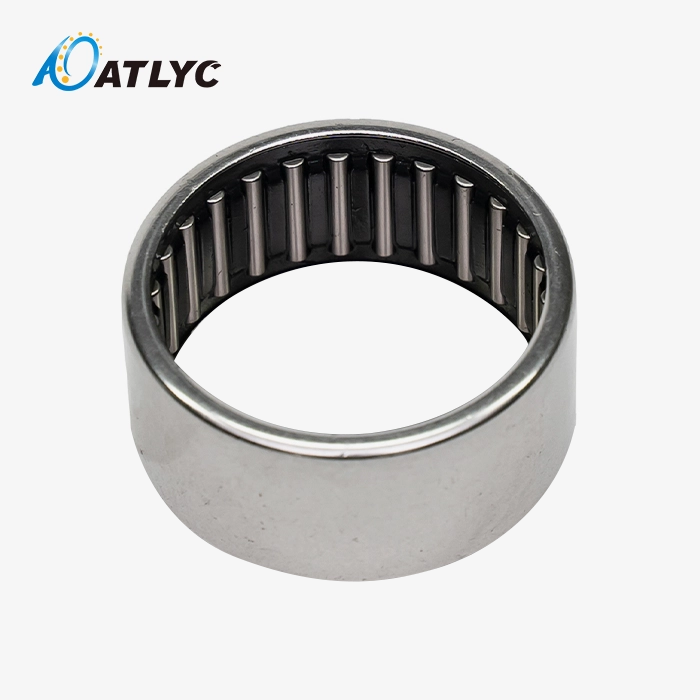
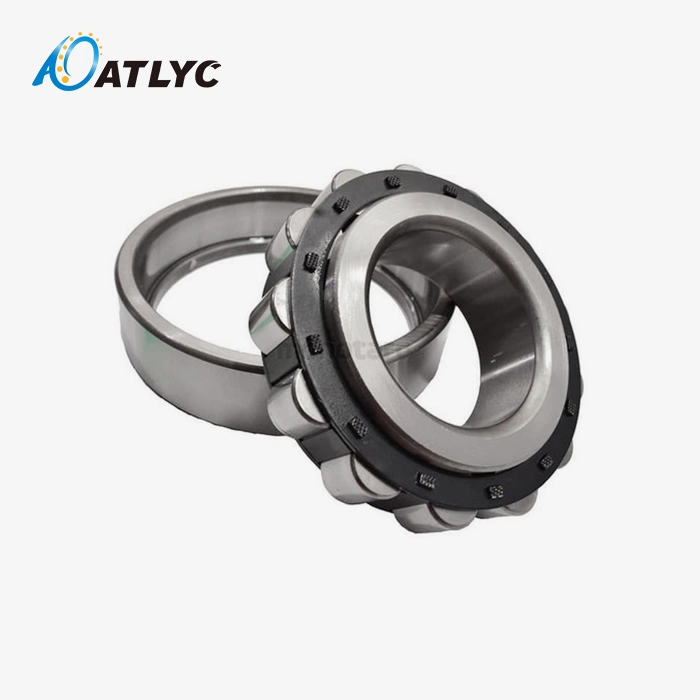
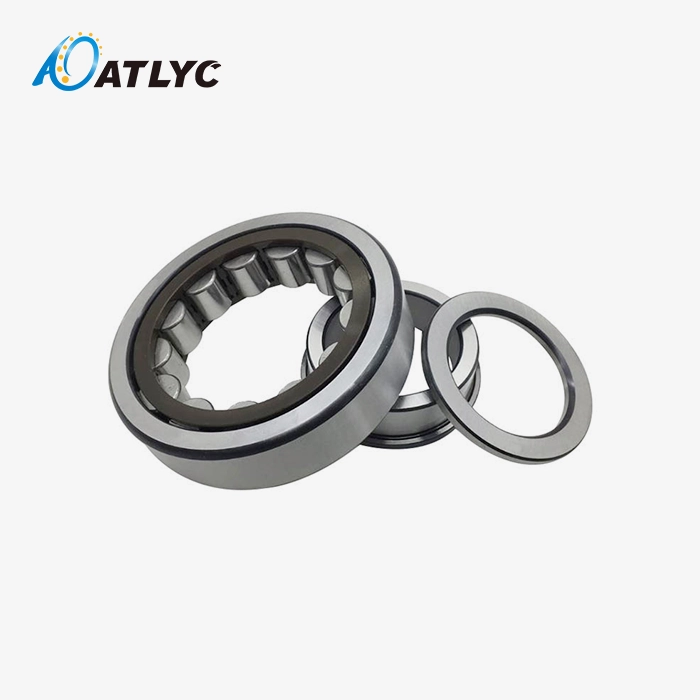
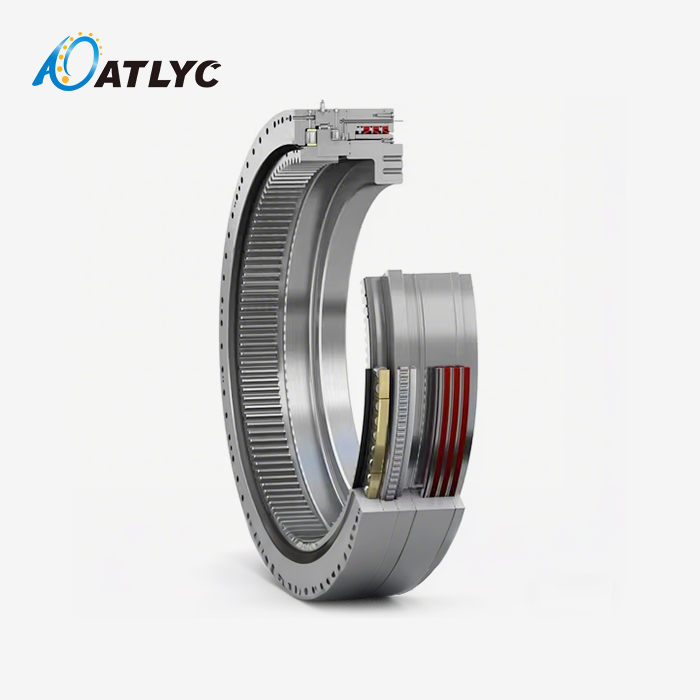
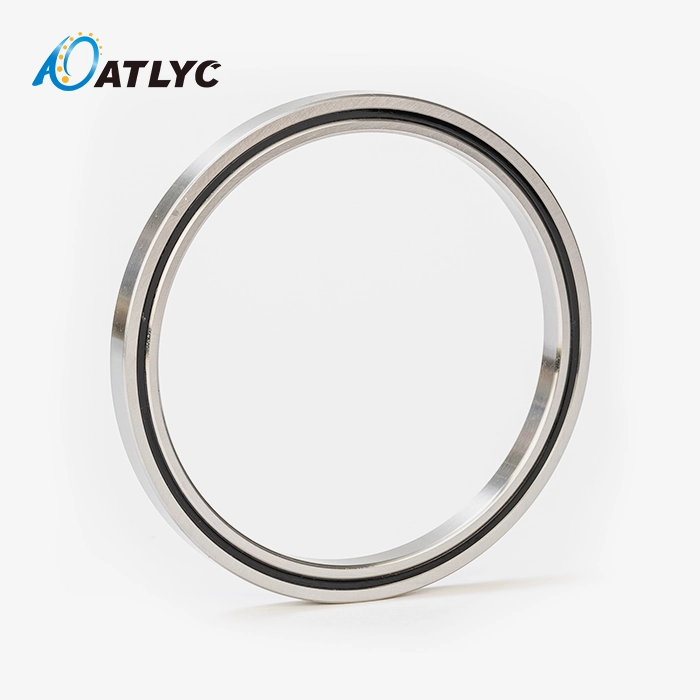
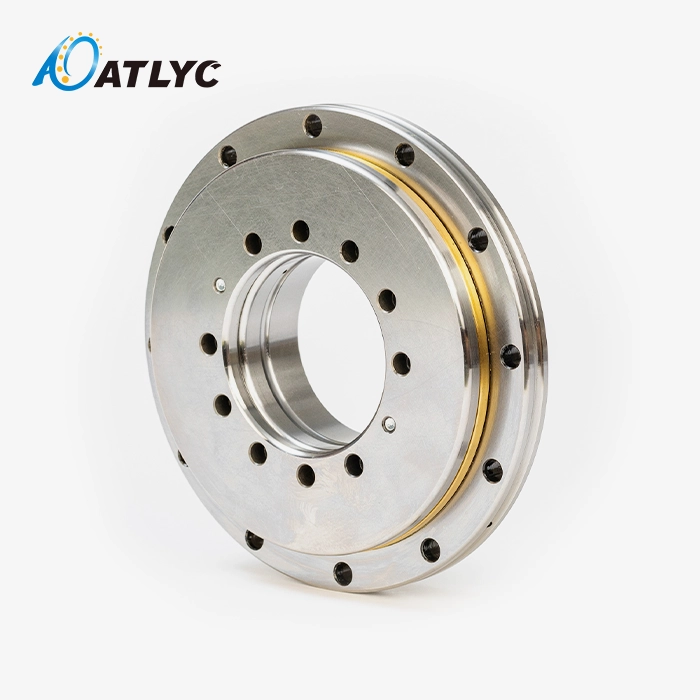
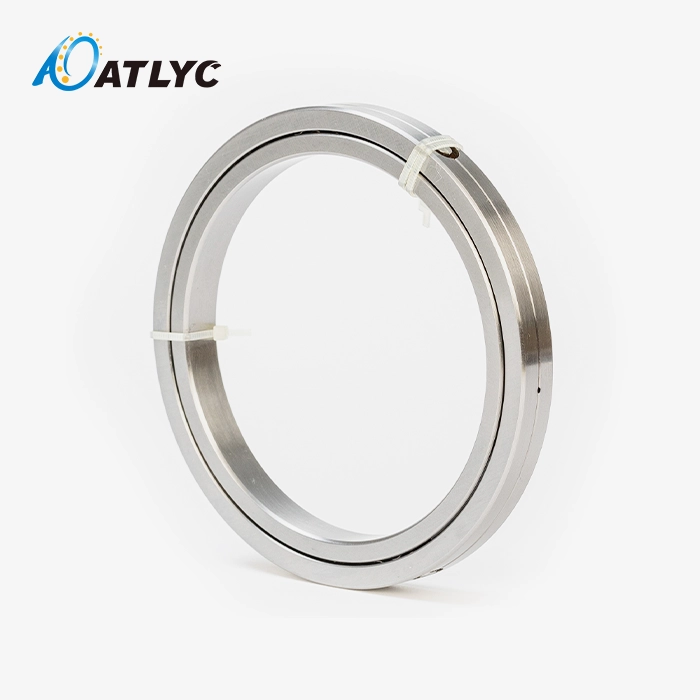
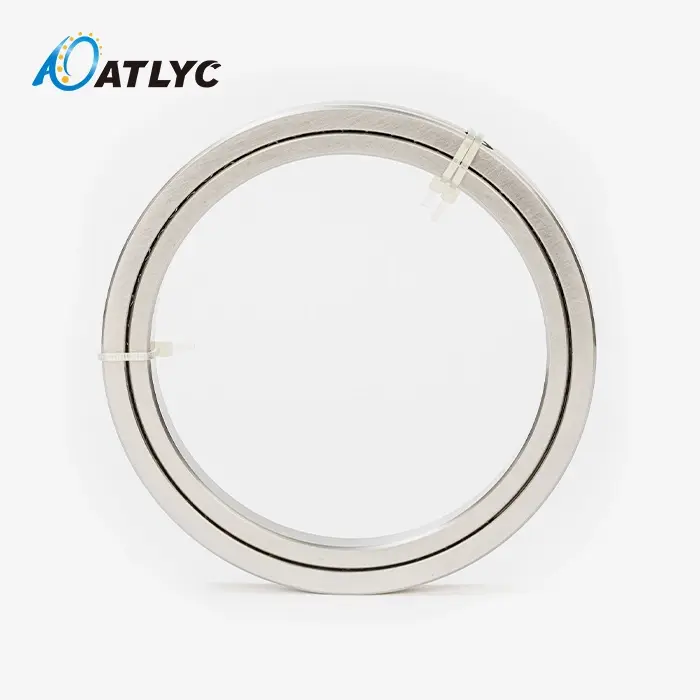
The Cross roller bearing RB series is the best choice for advanced engineering tasks when you need precision and the latest in bearing technology. These high-tech bearings have cylinder-shaped rollers spaced out at right angles to each other every 90° between the V-shaped inner and outer rings. This makes them the only ones that can handle loads in all directions in a single, small unit. The RB series has a special design that combines an inner ring with an outer ring plug system. This makes the rotational accuracy even better for tough industrial uses where room is limited and accuracy is needed.

Understanding RB Series Cross Roller Bearings – Design and Features
The innovative structure of Cross roller bearing RB series bearings solves important problems in the industry by using advanced design principles. This makes them the best in their field in terms of engineering.
Advanced Structural Design Architecture
The innovative design of the RB series includes a plug system in the outer ring, while the inner ring stays completely solid. This design makes exact positioning possible during installation and upkeep tasks, which makes the building process easier and increases the reliability of operations. The combined inner ring is more rigid than split designs, and the outer ring plug system makes assembly easier and lets you do repairs in the field when needed. Each bearing can handle radial loads from vertical forces, axial loads from thrust forces, and moment loads from twisting forces all at the same time, thanks to the orthogonal roller design. This ability to carry loads in more than one way gets rid of the need for multiple bearing assemblies. This makes the system work better overall while lowering the size and complexity of the equipment.
Working Principle and Load Distribution
Through the 90° V-groove design, cross-arranged cylindrical wheels spread loads equally across all contact areas. This makes sure that the load is spread out evenly while keeping the contact shape constant. This keeps stress concentrations to a minimum and increases the service life of the bearing under heavy-duty situations. The carefully planned shape of the raceways enables them to hold more weight while still rotating smoothly, which is important for high-precision uses.
Technical Specifications and Material Excellence
The Cross roller bearing RB series comes in a wide range of sizes to meet the needs of a wide range of industries. The inner diameters of these bearings range from 20mm to 1100mm, the outer sizes from 70mm to 1500mm, the cross roller bearing RB series, and the widths from 12mm to 110mm. This makes them useful for a wide range of applications. Premium Gcr15 and Gcr15SiMn materials are used in the manufacturing process, which guarantees long-lasting sturdiness and consistent performance under tough operating conditions. There are different levels of precision, such as P6, P0, P5, P4, and P2. This lets people choose the right amount of accuracy for their needs. This range makes sure that the best cost-performance ratios are maintained while still meeting the high-quality standards needed for precision tools.
Comparing RB Series with Other Cross Roller Bearings and Alternatives
To understand how to choose the right bearing, you need to look at all of the options that are out there and how well they work in a variety of operating situations.
RB Series versus Traditional Bearing Solutions
The RB line is much better than regular ball bearings and cylindrical roller bearings in situations where a combined load capacity is needed. In traditional bearing arrangements, you need more than one unit to handle complex loading situations. But the crossed roller design of the Cross roller bearing RB series makes them able to support all kinds of loads. This combination makes the system more reliable while making installation easier and lowering the costs of upkeep. Cross roller types are more rigid and can handle higher loads than angular contact ball bearings, which are good for mild loads. In Cross roller bearing RB series bearings, the contact area between the rollers and raceways is much larger than in ball bearings. This means that there is less contact stress and the bearings last longer when they are under a lot of load.
Market Positioning and Supplier Landscape
Major bearing makers, like IKO, NSK, THK, Hiwin, NTN, SKF, and other well-known brands, sell cross roller bearings with different features and price ranges. Because of how competitive the market is, it's important to judge providers not only by their beginning prices but also by their manufacturing skills, quality certifications, and long-term supply reliability. People who work in procurement should know that makers who are quality-certified with ISO 9001 and IATF 16949 certifications offer better value through stable product quality, reliable delivery schedules, and full technical support. These things have a big effect on the bearing's overall cost of ownership and how well it works over its lifetime.
Performance Benchmarking and Selection Criteria
Some important things to look at when considering bearing options are their load capacity rates, how accurately they rotate, how much friction they have, and how long they are expected to last. The Cross roller bearing RB series does well in all of these areas thanks to its improved contact geometry and high-quality production methods. The ability to handle loads in more than one way is what makes RB series bearings stand out in situations where space constraints make it impossible to place multiple bearing assemblies.
Applications and Performance Optimization in Advanced Engineering
The performance and adaptability of Cross roller bearing RB series make them essential in many high-precision manufacturing settings where accuracy and dependability are key to success.
Industrial Robotics and Automation Systems
In industrial robotics, RB series bearings play important roles in joints and moving parts that need to be precisely placed and hold a lot of weight. The multidirectional load capacity is especially helpful for the waist and elbow joints of articulated robots because it lets them hold big loads that are leaning outward while keeping zero backlash for repeat positioning accuracy. Because it is small, the design lets robot makers get the best weight spread and higher cargo capacities. In automation systems, these bearings are used in rotary motors and indexing devices, where accurate positioning and smooth operation have a direct effect on how much work gets done. The low friction coefficient and high runout accuracy make sure that the machine works consistently over long periods of time, which cuts down on upkeep and downtime.
Precision Machining and Manufacturing Equipment
CNC machine centers and precision rotating tables rely on Cross roller bearing RB series for supporting worktables that have to handle high cutting forces and moment loads. The bearing's ability to stay stable and flat while it's working makes sure that the work is done accurately and the surface is finished well. Rotary tables are very rigid and rotate smoothly, which makes it possible to set the angle precisely and keep the cutting conditions constant. Some examples of industrial equipment are measuring tools and devices for making integrated circuits (ICs), where keeping the position stable and minimizing vibrations are very important. Because of how it's made, the bearing naturally lowers mechanical noise and rotating variation, which helps with more accurate measurements and better process control.
Medical and Aerospace Applications
Medical devices, like CT scanners and vision systems, use RB series bearings in gantry systems that need to rotate smoothly and with little shaking for long periods of time. The bearing's ability to keep working well while reducing mechanical noise has a direct effect on the quality of the images and the comfort of the patient during medical treatments. The high load capacity and precision of the bearing are used in gimbal systems and pointing devices in aerospace, where dependability and accuracy are very important for safety. The quality of the materials and the precision with which they were made ensure steady performance even in the harshest operating circumstances.
Maintenance and Performance Optimization Strategies
To get the most out of your bearings, you need to follow the right care procedures, which include managing oil, setting up regular inspections, and installing them correctly. Regularly applying the right high-grade greases keeps the rubbing properties at their best and stops wear from happening too soon. On inspection plans, runout accuracy, noise levels, and temperature features should be checked to find problems before they affect how well the system works.To keep stress peaks from shortening bearing life, installation methods must make sure that the right fastening torques and alignment are used. Environmental factors, such as keeping the temperature stable and preventing contamination, make operations even more reliable and extend the expected service life.
How to Choose and Procure RB Series Cross Roller Bearings for Your Project
For bearing buying to go well, project needs, supplier skills, cross-roller bearing RB series, and long-term supply chain factors that affect operating continuity must all be carefully considered.
Defining Technical Requirements and Load Analysis
Before making a project design, a full load analysis is done, which includes radial, axial, and moment loads at both normal and peak working conditions. Operating temperature ranges, pollution exposure, and speed requirements are some of the environmental factors that affect the choice of bearing and the requirements for its specifications. Dimensional factors and assembly issues are also affected by limitations on space and the needs of the mounting interface. The levels of accuracy needed must match the levels of accuracy that are possible, while performance needs and cost are also taken into account. More precise grades cost more, but they work better in situations where placement accuracy has a direct effect on product quality or operating efficiency.
Supplier Evaluation and Quality Assurance
When you evaluate a supplier, you should look at their manufacturing capacity, quality certifications, and expert support skills that are important for a long-term relationship. ISO 9001 and IATF 16949 standards show that a company has a quality management system in place and is committed to improving all the time. When evaluating a factory's potential, it's important to think about how it can grow and meet future growth needs. During the installation and operation phases, technical support features like engineering help, customization options, and field service access are very helpful. Suppliers with detailed documentation, application guides, and expert teams that are quick to respond make it easier to start a job and keep it going.
Procurement Strategy and Cost Optimization
Effective buying strategies balance starting prices with the total cost of ownership, which includes things like how much upkeep is needed, how long the product is expected to last, and how easy it is to get a replacement. Inventory management and project scheduling are affected by minimum order amounts and wait times. This means that the buying and operational planning teams need to work together. When you buy in bulk, you can often save money and make sure you always have what you need for production. Long-term supply deals with qualified Cross roller bearing RB series makers set stable prices and make sure that high-demand times get the most attention. This keeps production plans from being thrown off by supply problems.
Future Trends and Innovations in Cross Roller Bearing Technology
As technology improves, bearing design and production keep changing to meet the needs of more demanding uses. Smart technologies that improve operating awareness and predictive maintenance are also being added.
Material Science and Manufacturing Innovations
The main goal of advanced materials research is to make bearing steels that are more resistant to wear and don't harm the environment. Surface treatment technologies, such as special coatings and heat treatment methods, make things last longer by lowering their friction and wear. These improvements are especially helpful for users who have to deal with heavy loads or tough weather circumstances. Precision in manufacturing keeps getting better thanks to new grinding methods and quality control systems that make errors smaller and surface treatments better. These changes directly lead to better spinning accuracy and lower noise levels, which are good for precision uses.
Smart Technology Integration and Industry 4.0
Using sensor technologies together with the Cross roller bearing RB series lets you check on the performance of bearings in real time, including their temperature, pressure, and load. This information helps forecast maintenance plans that make the most of service intervals and stop breakdowns that come up out of the blue and mess up production schedules. Wireless contact makes it easier to watch and analyze data from afar, which improves the speed of operations. Industry 4.0 programs stress automation and data sharing in production technologies. These advanced systems need bearings that support them by making them more reliable and letting you check on their performance. The Cross roller bearing RB series development meets these needs by making changes to the design that allow sensors to be integrated while keeping the core performance qualities.
Market Evolution and Application Expansion
New uses for high-performance bearings are opening up new markets in areas like making electric vehicles, green energy systems, and advanced automation systems. For these uses, special specs and better performance are common, which is what keeps bearing designers and manufacturers coming up with new ways to make bearings. As environmental sustainability and energy economy become more important, bearings are being developed to decrease friction losses and increase service life. These changes make the system work better and have less of an effect on the world over the life of the bearing.

Conclusion
The Cross roller bearing RB series is the best precision bearing technology ever made. It has the highest multi-directional load capacity and rotary accuracy in small packages that are needed for high-tech engineering uses. These bearings are made with a new structural design that combines inner rings and outer ring plug systems. They get rid of the need for multiple bearing sets and provide better performance in tough industrial settings. The wide range of sizes, high-quality materials, and precise production make sure that the parts work reliably in a wide range of situations, from industrial robots to medical equipment and precision manufacturing systems.
FAQ
1. What distinguishes RB series bearings from standard ball bearings?
Cross roller bearing RB series utilizes crossed cylindrical rollers placed orthogonally at 90° intervals, providing simultaneous radial, axial, and moment load capacity in a single bearing unit. This design offers significantly higher load capacity and stiffness compared to ball bearings. It also has better rotational accuracy thanks to its improved contact geometry.
2. How do I determine the appropriate precision grade for my application?
The precision grade to use relies on how accurate your application needs to be and how it will be used. The P6 and P0 grades are good for basic industrial uses, while the P5, P4, and P2 grades are better for high-precision uses that need very accurate turning. When choosing precise grades, things like positioning needs, working speeds, and cost limits should be taken into account.
3. What are typical lead times and minimum order quantities?
Depending on the size, number, and customization needs of the bearings, lead times are usually between 4 and 8 weeks. Minimum order numbers depend on the size of the bearing and the supplier's capabilities. For common designs, they are usually between 1 and 10 pieces. Custom requirements might need longer wait times and higher minimum amounts.
4. Can RB series bearings be customized for specific applications?
Many makers offer customization choices, such as different sizes, different materials, better sealing systems, and precise grades that go above and beyond what is normally available. Customization depends on the supplier's technical tools and the freedom of their manufacturing, so they need to be involved early on in the planning stages of a project.
Partner with ATLYC for Superior Cross Roller Bearing RB Series Solutions
ATLYC is a reliable company that makes Cross roller bearings RB series. They have been making precision bearings for 15 years and have a lot of quality certifications, such as ISO 9001 and IATF 16949. Our advanced production facilities and skilled engineering team provide consistent quality, low prices, and dependable delivery plans that help you be the best at what you do. Because we've worked with car and industrial equipment makers in markets around the world, we know how important it is for the supply chain to be reliable and for manufacturers to have good expert support.
Email our engineering team at auto@lyautobearing.com to talk about your unique needs, get full technical specifications, or get quotes that are made just for your project. Our dedication to long-term relationships guarantees that you will not only get high-quality bearing solutions but also ongoing support that will help your tools work better and more efficiently.
References
1. Harris, T.A. and Kotzalas, M.N. "Advanced Concepts of Bearing Technology: Rolling Bearing Analysis, Fifth Edition." CRC Press, 2006.
2. Hamrock, B.J., Schmid, S.R., and Jacobson, B.O. "Fundamentals of Machine Elements: Rolling Element Bearings." McGraw-Hill Education, 2013.
3. ISO 199:2014 "Rolling bearings -- Thrust bearings -- Geometrical product specifications (GPS) and tolerance values." International Organization for Standardization.
4. Eschmann, P., Hasbargen, L., and Weigand, K. "Ball and Roller Bearings: Theory, Design and Application." John Wiley & Sons, 1985.
5. Palmgren, A. "Ball and Roller Bearing Engineering." SKF Industries Incorporated, 1959.
6. Stribeck, R. "Ball Bearings for Various Loads." Transactions of the American Society of Mechanical Engineers, Vol. 29, 1907.
Learn about our latest products and discounts through SMS or email