- English
- French
- German
- Portuguese
- Spanish
- Russian
- Japanese
- Korean
- Arabic
- Greek
- German
- Turkish
- Italian
- Danish
- Romanian
- Indonesian
- Czech
- Afrikaans
- Swedish
- Polish
- Basque
- Catalan
- Esperanto
- Hindi
- Lao
- Albanian
- Amharic
- Armenian
- Azerbaijani
- Belarusian
- Bengali
- Bosnian
- Bulgarian
- Cebuano
- Chichewa
- Corsican
- Croatian
- Dutch
- Estonian
- Filipino
- Finnish
- Frisian
- Galician
- Georgian
- Gujarati
- Haitian
- Hausa
- Hawaiian
- Hebrew
- Hmong
- Hungarian
- Icelandic
- Igbo
- Javanese
- Kannada
- Kazakh
- Khmer
- Kurdish
- Kyrgyz
- Latin
- Latvian
- Lithuanian
- Luxembou..
- Macedonian
- Malagasy
- Malay
- Malayalam
- Maltese
- Maori
- Marathi
- Mongolian
- Burmese
- Nepali
- Norwegian
- Pashto
- Persian
- Punjabi
- Serbian
- Sesotho
- Sinhala
- Slovak
- Slovenian
- Somali
- Samoan
- Scots Gaelic
- Shona
- Sindhi
- Sundanese
- Swahili
- Tajik
- Tamil
- Telugu
- Thai
- Ukrainian
- Urdu
- Uzbek
- Vietnamese
- Welsh
- Xhosa
- Yiddish
- Yoruba
- Zulu
RB12016 vs RB12025: Which Crossed Roller Bearing Saves More Space?
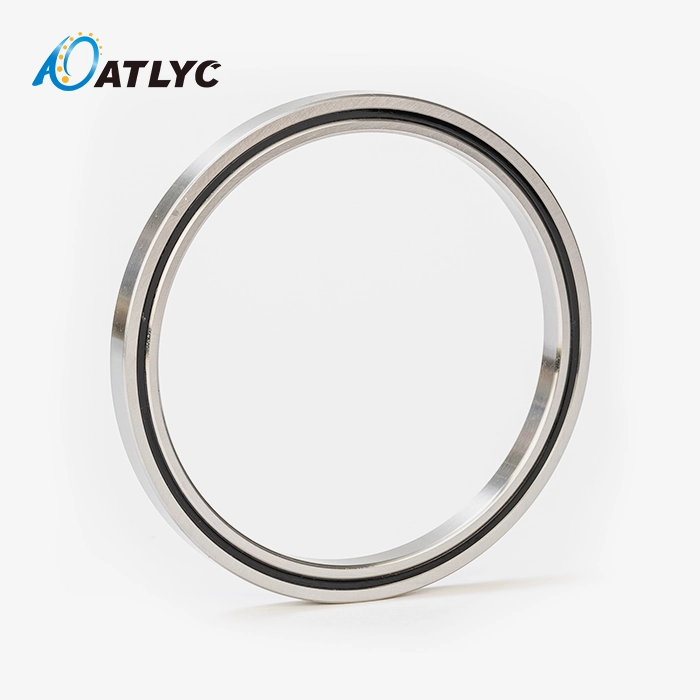
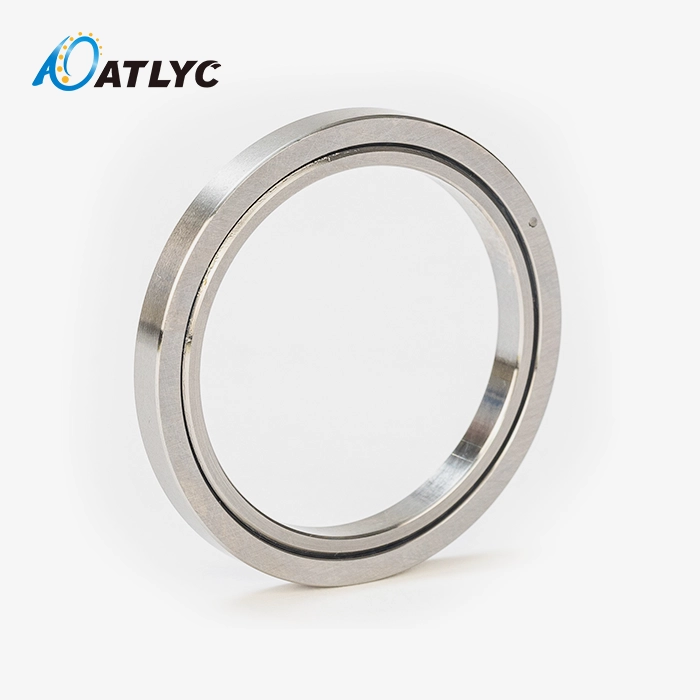
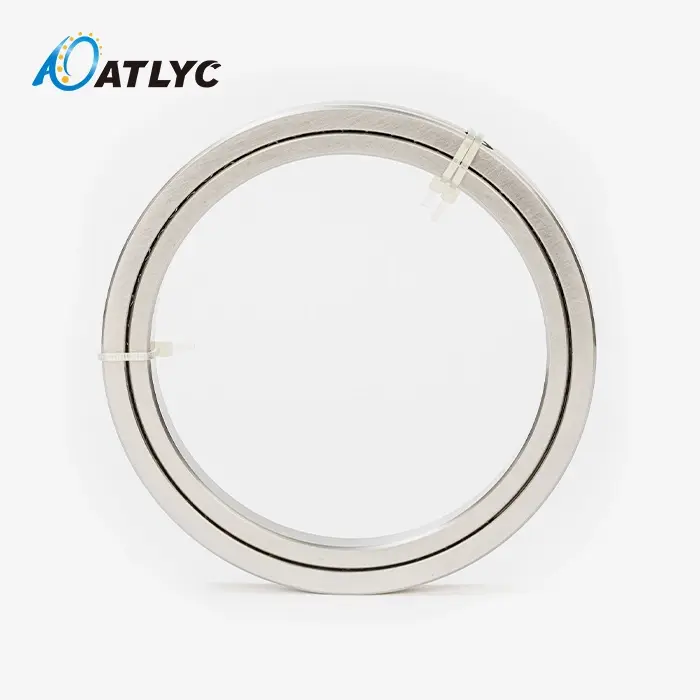
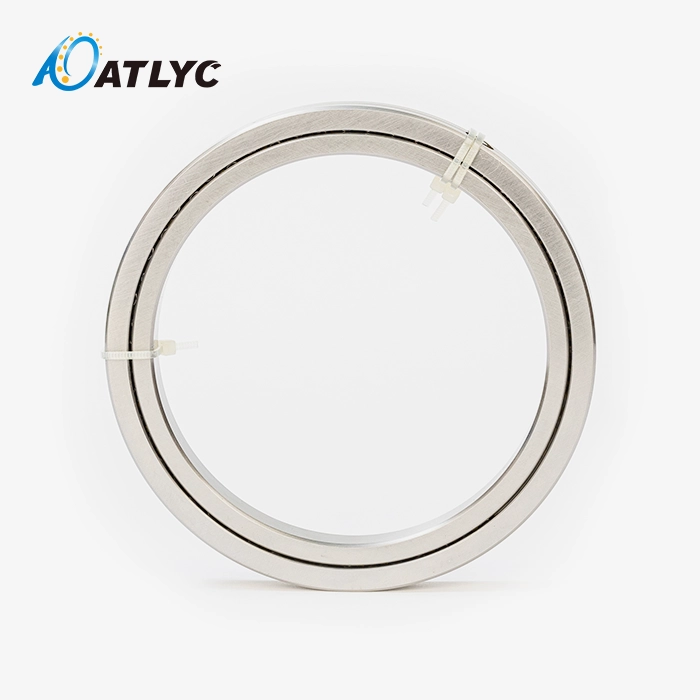
When space optimization becomes your primary design constraint, the RB12016 emerges as the clear space-saving champion compared to the RB12025. With a narrower width profile and smaller outer diameter, the RB12016 delivers exceptional precision and load capacity while occupying significantly less installation volume—making it the preferred choice for compact robotics, tight-tolerance automation systems, and space-critical precision equipment. However, this comparison reveals important trade-offs between dimensional compactness and load-bearing capability that every procurement manager and design engineer should understand thoroughly before committing to volume orders.

Understanding RB12016 and RB12025 Bearings — Key Specifications and Features
Dimensional Specifications Comparison
The physical sizes of these crossed roller bearings show how they use space in very different ways. The main characteristics of each type that determine its size and fitness for use are shown in the table below:
| Specification | RB12016 | RB12025 |
|---|---|---|
| Inner Diameter | 120 mm | 120 mm |
| Outer Diameter | 150 mm | 165 mm |
| Width | 16 mm | 25 mm |
| Weight | 0.68 kg | 1.2 kg |
| Basic Dynamic Load Rating | 28.5 kN | 42.8 kN |
| Basic Static Load Rating | 58 kN | 88 kN |
These measurements have a direct effect on how each bearing fits into the design of your equipment. A 9 mm difference in width may not seem like much, but in small automation systems, this difference in size often determines whether a design meets its space goals or needs to be redone several times, which can be expensive.
Material Composition and Manufacturing Standards
Premium Gcr15 and Gcr15SiMn bearing steels are used in both models. These steels were chosen because they have excellent hardness uniformity and fatigue resistance. The heat treatments that are used on these alloys make sure that the hardness is evenly distributed across the raceway surfaces. This makes sure that the performance stays the same even when the conditions are tough. The level of accuracy in manufacturing meets P4 standards, which shows that advanced grinding and finishing techniques are used throughout production. This precision grade ensures minimal runout difference, which is important for uses that need accurate placement over and over again. A three-level inspection system checks the quality of each unit thoroughly. This includes vibration testing and life testing protocols that check performance against twelve core indicators before the unit is shipped.
Load Capacity and Performance Characteristics
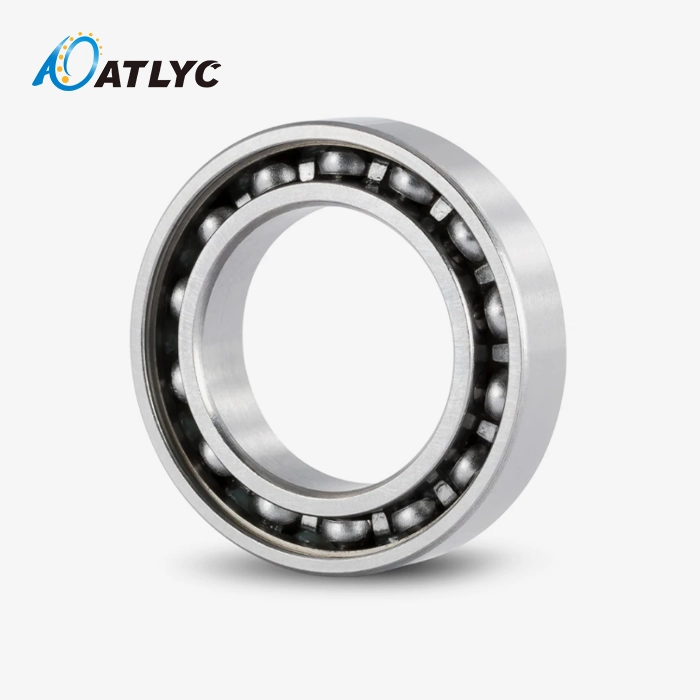
Crossed-roller design lets a single small unit handle radial, axial, and moment loads all at the same time. When two cylindrical rollers are placed perpendicular to each other at 90-degree angles, they make the best contact geometry for distributing load in more than one direction. With this setup, you don't need the different bearing setups that are usually needed for tough loading situations. The changes in load capacities between these types are due to their different sizes. The second model's wider shape makes room for more rollers and longer contact lengths, which immediately leads to higher load ratings. This link between size and load-bearing capacity is the main trade-off that procurement choices have to make when they have to deal with limited space.
Space-Saving Analysis: RB12016 vs RB12025 Bearings
Dimensional Footprint Evaluation
When you compare the space needs, you can see that the installation volume is very different. When compared to its wider cousin, the RB12016 needs about 40% less axial space. This gives designers a lot more freedom when working with limited room. The difference in outer diameter of 15 mm makes the radial outline even smaller, which makes it easier to fit into small structures. These advantages in terms of dimensions translate into real benefits for the equipment. Automation systems can fit more parts into the same space, robotic joints can make profiles that are smaller without losing motion accuracy, and precision tables can lower the total height of machines. These savings in space often make it possible to set up completely new pieces of equipment that weren't possible before because of space issues.
Load Capacity Per Unit Volume Analysis
When you look at load capacity compared to filled volume, you can figure out how efficient a place is. The following comparison shows how well these models work when space efficiency is the main factor used for selection:
| Performance Metric | RB12016 | RB12025 | Advantage |
|---|---|---|---|
| Dynamic Load / Volume Ratio | 10.2 kN/cm³ | 8.7 kN/cm³ | RB12016 |
| Static Load / Volume Ratio | 20.7 kN/cm³ | 17.9 kN/cm³ | RB12016 |
| Weight Efficiency | 41.9 kN/kg | 35.7 kN/kg | RB12016 |
| Mounting Footprint | 17,671 mm² | 21,382 mm² | RB12016 |
This means that the narrower form can hold more weight per unit volume, which means that it makes better use of materials and room. In situations where multiple bearings have to work within small equipment spaces, this economy is especially useful.
Installation and Integration Considerations
When mounting these crossing roller bearings, there are some things to keep in mind that affect how well the space is used overall. The outer ring plug design makes fitting easy and makes sure that the rollers stay in place and that the right amount of oil is used. Standard bolt patterns and mounting configurations can be used with both models, which reduces the need for custom machining. The narrower unit's smaller size makes it easier to fit into tight assemblies where limited space makes it hard to use traditional bearing arrangements. The smaller axial dimension is especially helpful for engineers who work with small robotic joints and spinning tables because it limits the most important spatial parameter in precision motion systems. Both models have the same alignment needs, and normal mounting methods will ensure the best performance. The built-in ring design keeps the structure rigid throughout the bearing assembly, stopping any movement that could affect accuracy while it's being installed or used.
Practical Decision Support for B2B Procurement Managers
Application-Specific Selection Guidance
When buying bearings, choices should be made based on unique operational needs. The narrower profile is better for situations where space limitations are more important than load capacity needs. Dimensional efficiency should guide specification decisions for small automation equipment, miniature precision tables, and space-critical robotic systems. On the other hand, heavy-duty applications that need to carry large loads benefit from the wider model's higher capacity. Industrial manipulators that move heavy loads, large-format machining center rotary tables, and heavy equipment turntables need to be able to hold more weight even though they take up more space.Both models offer very accurate runout, which is needed for medical imaging equipment and IC manufacturing devices. Which model to use depends on the specific load profiles and space envelopes. The small size of measuring tools is usually preferred because it allows them to be made smaller while still being accurate.
Supply Chain and Procurement Considerations
Reliable supply lines keep production plans on track and keep the cost of keeping inventory low. Well-known companies like ATLYC and leaders in the industry like SKF, NSK, FAG, and Timken make sure that their products are always available and can handle large orders. Lead times for normal setups are usually between four and eight weeks, but there are faster choices for those who need them right away.Cost factors include more than just unit pricing; they also include the total costs of ownership. Because the compact model has less material, it can often be priced more competitively. On the other hand, the higher load capacity version gets a higher price because it performs better. Long-term supply deals and savings for buying in bulk make procurement even more cost-effective.OEM partnerships add value by letting you customize products and work together on technical issues. Manufacturers that offer technical support can help you choose the best bearings for your needs, which could help you find ways to standardize across product lines and make managing your supplies easier.
Quality Assurance and Certification
Following the rules set by ISO 9001 and IATF 16949 shows that a manufacturer cares about quality and follows the best practices around the world. With these certifications, you can be sure that the production process uses thorough quality control systems and methods for ongoing growth. Warranty terms and support after the sale help build trust in the provider. Reputable companies stand behind their goods with warranties that cover problems with the way they were made and how well they work. Technical support services help with installation, troubleshooting, and planning maintenance, which increases the life of bearings and increases the return on investment for products such as RB12016.
RB12016 and RB12025: Real-World Case Studies and User Experiences
Case Study: Compact Robotic Joint Optimization
When making a next-generation shared robot with smaller joint profiles without lowering its payload capacity, a major maker of automation equipment ran into design problems. The current bearing arrangements took up too much axial space, which limited the robot's reach and made it hard to use in work cells with limited space. For six-axis joints, the engineering team chose the narrower crossed roller bearing, which made the joints 40% thinner than in earlier versions. This improvement in dimension made it possible to reach more people while keeping the small footprint that is needed for collaborative applications. Due to its high runout accuracy, the bearing achieved positioning repeatability within ±0.005 mm, meeting the strict accuracy needs of precision assembly jobs. The operational results were better than expected. Overall robot inertia went down because the joint mass went down. This made cycle times faster and energy efficiency better. Maintenance intervals were the same as or longer than the old design, even though the bearing was smaller. This proved that it was reliable in continuous operation. After that, the maker made this specification the same for all of their robot types. This made inventory easier to manage and saved them money on bulk purchases.
Case Study: Heavy-Duty Rotary Table Application
A company that makes machining centers needed to increase the load capacity of a large-format rotary table that they use to make aircraft parts. Heavy cutting forces and moment loads made it hard for the existing bearing setups to handle five-axis machining tasks, which caused early wear and a loss of positioning accuracy. The wider form could hold the needed amount of weight while still being within reasonable space limits. The higher dynamic and static load values allowed cutting forces of up to 35 kN while keeping the accuracy of the placement during long production runs. With the crossed-roller configuration, there was no need for separate thrust bearing arrangements. This made the table design easier and cut down on the number of parts needed. Performance monitoring over 18 months showed that the accuracy was maintained consistently and the bearings lasted longer than in previous configurations. Even when the load was at its highest, the vibration levels stayed within accepted limits. This shows that the load was evenly distributed and there were no stress clusters. The maker estimated that longer replacement intervals and less downtime would lower the total cost of ownership by 30%.

Conclusion
To choose between these crossed roller bearing models, you have to weigh the needs for load capacity and space efficiency. With a 16 mm width and a 150 mm outer diameter, the RB12016 makes the best use of space. It is perfect for automation systems, small robots, and precision tools where size limitations affect design choices. The wider version can hold more weight, which is good for heavy-duty uses but means it takes up more space. Both models are made of high-quality Gcr15 bearing steel, meet P4-level accuracy standards, and have integral ring designs that make sure they work reliably in tough industrial settings. When making specification decisions that affect long-term equipment performance and manufacturing efficiency, procurement professionals should look at specific operational needs, load profiles, and space limitations.
FAQ
What are the primary dimensional differences between these bearing models?
The biggest change is in the width, which is 16 mm instead of 25 mm, which means there is 9 mm less axial room. The outer diameter is also 15 mm smaller (150 mm vs. 165 mm), which makes the radial area smaller. These differences in size have a direct effect on the installation volume and fitting options in situations where room is limited.
Which model is better at moving heavy things in small spaces?
With a dynamic capacity of 42.8 kN and a static capacity of 88 kN, the RB12025 can handle more weight than the 28.5 kN and 58 kN models. The narrower choice, on the other hand, is more load-to-volume efficient and can hold more per cubic centimeter of room. The best model for balancing capacity and space limits is chosen by an application-specific load study.
How do installation requirements differ between these models?
Using the outer ring plug design and standard mounting configurations, both bearings can be put in the same way. The RB12016's smaller size makes it easier to fit into tight assemblies where limited space makes it hard to use standard arrangements. The mounting bolt designs stay the same, which reduces the need for special machining.
Partner with ATLYC for Your Crossed Roller Bearing Needs
Choosing the right RB12016 maker affects the quality of the product, the dependability of the supply, and the long-term success of the business. ATLYC has been making precision bearings for 15 years and has 120 skilled workers in six specialized production sites who are committed to engineering excellence. Our ISO 9001 and IATF 16949 certifications show that we are devoted to quality standards, and our three-level checking system makes sure that every unit meets the P4-level accuracy standards before it is sent out. We serve customers in over 100 countries, such as the US, Germany, and South Korea. Our consistent lead times and competitive pricing structures are designed to make buying in bulk easy. Email our engineering team at auto@lyautobearing.com to talk about your unique application needs and get full technical specifications, price quotes, and choices for customization that fit your needs.
References
1. Harris, T.A. and Kotzalas, M.N. (2006). Advanced Concepts of Bearing Technology: Rolling Bearing Analysis, Fifth Edition. CRC Press.
2. Wijnant, Y.H. (1998). Contact Dynamics in the Field of Elastohydrodynamic Lubrication. University of Twente Press.
3. ISO 492:2014. Rolling Bearings - Radial Bearings - Geometrical Product Specifications and Tolerance Values. International Organization for Standardization.
4. Budynas, R.G. and Nisbett, J.K. (2015). Shigley's Mechanical Engineering Design, Tenth Edition. McGraw-Hill Education.
5. Khonsari, M.M. and Booser, E.R. (2008). Applied Tribology: Bearing Design and Lubrication, Second Edition. John Wiley & Sons.
6. Czichos, H., Saito, T., and Smith, L. (2006). Springer Handbook of Materials Measurement Methods. Springer Science & Business Media.
Learn about our latest products and discounts through SMS or email