- English
- French
- German
- Portuguese
- Spanish
- Russian
- Japanese
- Korean
- Arabic
- Greek
- German
- Turkish
- Italian
- Danish
- Romanian
- Indonesian
- Czech
- Afrikaans
- Swedish
- Polish
- Basque
- Catalan
- Esperanto
- Hindi
- Lao
- Albanian
- Amharic
- Armenian
- Azerbaijani
- Belarusian
- Bengali
- Bosnian
- Bulgarian
- Cebuano
- Chichewa
- Corsican
- Croatian
- Dutch
- Estonian
- Filipino
- Finnish
- Frisian
- Galician
- Georgian
- Gujarati
- Haitian
- Hausa
- Hawaiian
- Hebrew
- Hmong
- Hungarian
- Icelandic
- Igbo
- Javanese
- Kannada
- Kazakh
- Khmer
- Kurdish
- Kyrgyz
- Latin
- Latvian
- Lithuanian
- Luxembou..
- Macedonian
- Malagasy
- Malay
- Malayalam
- Maltese
- Maori
- Marathi
- Mongolian
- Burmese
- Nepali
- Norwegian
- Pashto
- Persian
- Punjabi
- Serbian
- Sesotho
- Sinhala
- Slovak
- Slovenian
- Somali
- Samoan
- Scots Gaelic
- Shona
- Sindhi
- Sundanese
- Swahili
- Tajik
- Tamil
- Telugu
- Thai
- Ukrainian
- Urdu
- Uzbek
- Vietnamese
- Welsh
- Xhosa
- Yiddish
- Yoruba
- Zulu
RB4010UUCC0 Cross Roller Bearing for Compact Robotics
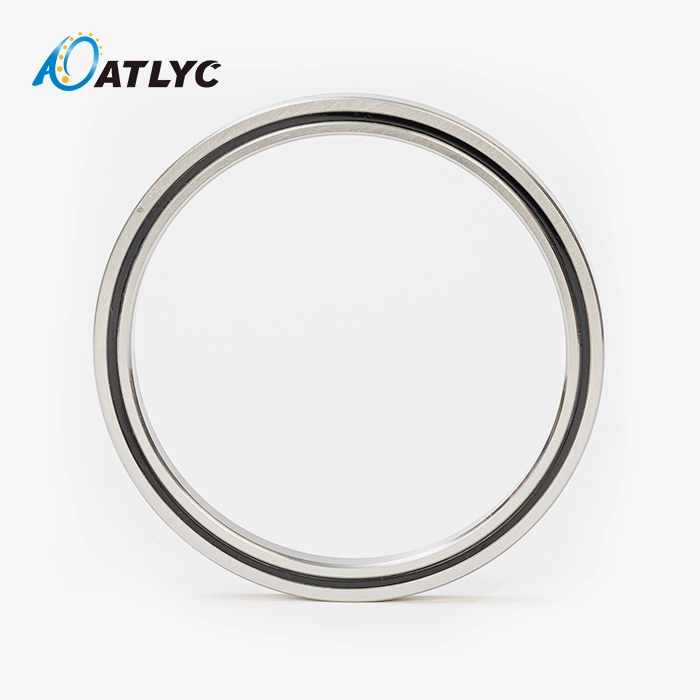
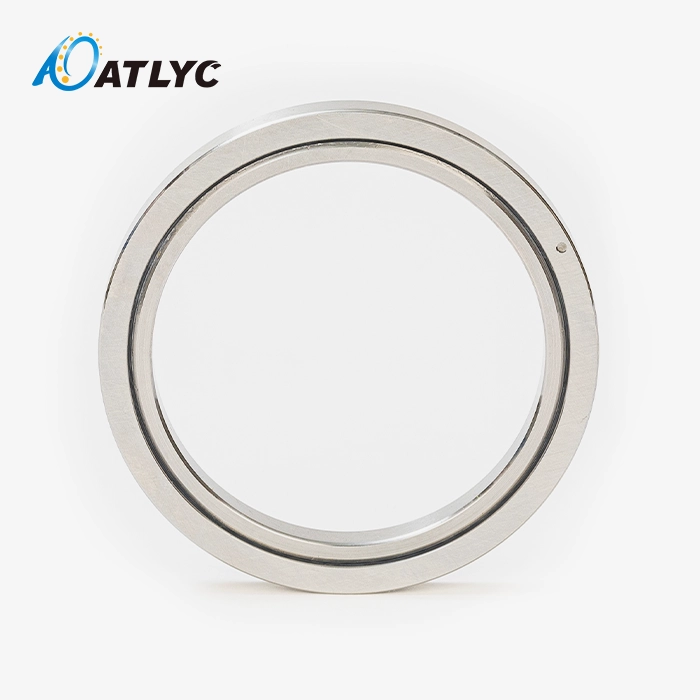
The RB4010UUCC0 cross roller bearing represents a breakthrough in precision motion control for space-constrained robotic applications. Engineered with an integrated inner ring and split outer ring configuration, this compact bearing delivers simultaneous handling of radial, axial, and moment loads within a single unit. Its crossed-roller architecture, featuring cylindrical rollers positioned orthogonally at 90-degree intervals, creates line contact with V-groove raceways that distribute forces more effectively than traditional ball bearings. With double rubber seals (UU designation) protecting against contamination and a CC0 preload specification ensuring zero backlash, this bearing provides the exceptional rigidity and rotational accuracy demanded by modern automation systems.
Understanding RB4010UUCC0 Cross Roller Bearing Specifications and Applications
Critical Dimensional Specifications
Our manufacturing experience at Luoyang Auto Bearing has taught us that precise specifications determine integration success in compact robotic systems. The RB4010UUCC0 measures 45 mm inner diameter, 65 mm outer diameter, and 10 mm width. This ultra-slim profile addresses the space limitations inherent in collaborative robots, medical imaging gantries, and semiconductor wafer handlers where every millimetre matters. The compact envelope allows designers to reduce overall system weight while maintaining structural performance.
The bearing construction utilises GCr15 and GCr15SiMn bearing steel, materials hardened to HRC 58-64 through controlled heat treatment processes. This metallurgical foundation ensures fatigue resistance under cyclic loading conditions typical in robotic joint applications. During our 15 years of production evolution across six specialised workshops, we have refined our material selection protocols to meet the demanding requirements of automotive component manufacturers and industrial machinery OEMs serving global markets.
Load Capacity and Mechanical Principles
Cross roller bearings fundamentally differ from conventional bearing designs through their load distribution methodology. The perpendicular arrangement of cylindrical rollers creates alternating contact angles that handle multi-directional forces simultaneously. When a robotic arm extends with a workpiece, the bearing experiences combined radial load from weight, axial load from gripper forces, and moment load from overhang distance. The RB4010UUCC0 cross roller bearing manages these complex force vectors within its integrated structure without requiring paired arrangements.
The line contact geometry between rollers and raceways distributes stress over substantially larger surface areas compared to point contact ball bearings. This design characteristic reduces Hertzian contact stress by approximately 40%, extending operational life in high-cycle applications. Lubrication retention within sealed cavities maintains film thickness even during intermittent motion profiles common in pick-and-place automation equipment.
Precision Classes and Rotational Accuracy
Precision classification directly impacts positioning repeatability in robotic applications. The bearing is available in P6, P0, P5, P4, and P2 accuracy grades, with lower numbers indicating tighter tolerances. For collaborative robots requiring ±0.02mm positional accuracy, P5 or P4 grades ensure runout values remain within acceptable limits. Our ISO 9001 and IATF 16949-certified quality management system implements dimensional verification at multiple production stages to guarantee consistency across production batches.
The CC0 clearance designation creates controlled negative radial clearance ranging from -0.008 mm to 0 mm. This engineered preload eliminates elastic deformation under load, providing the zero-backlash performance essential for CNC rotary tables and precision indexing applications. During assembly, proper housing tolerances (typically h7/H7) prevent excessive preload that would generate heat and accelerate wear.
Real-World Application Examples
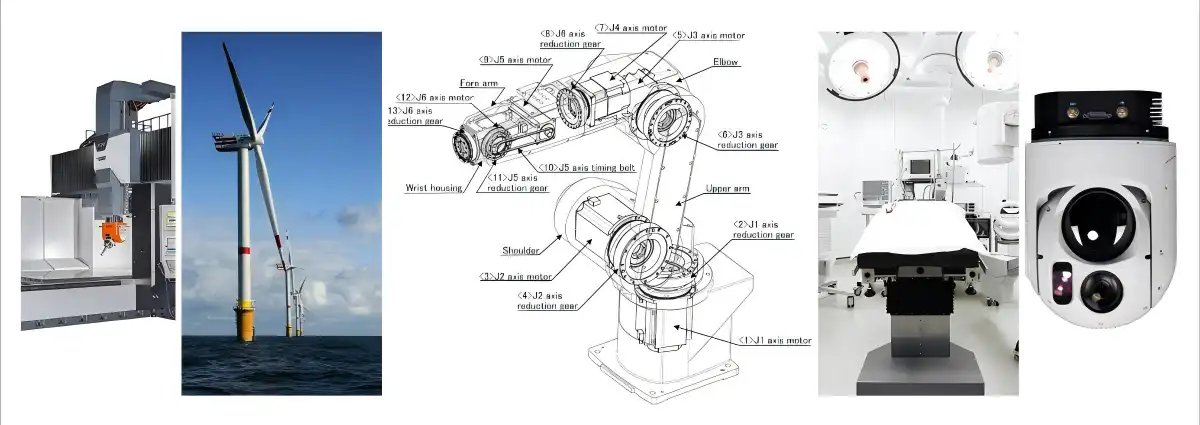
Industrial robot manufacturers integrate cross roller bearings at wrist joints, elbow articulations, and waist rotation assemblies where moment rigidity prevents deflection during rapid acceleration cycles. A six-axis robotic arm handling automotive transmission components experiences repeated loading patterns that would cause premature failure in standard ball bearing configurations. The RB4010UUCC0 cross roller bearing maintains positional accuracy throughout millions of operational cycles, reducing unplanned maintenance and associated production downtime.
Machining centre rotary tables benefit from the bearing's ability to support heavy workpiece masses while maintaining concentricity during cutting operations. The combined load capacity handles gravitational forces, tool engagement pressures, and tilting moments simultaneously without compromising surface finish quality. Medical CT scanner gantries require whisper-quiet rotation with minimal vibration transmission. The sealed design retains factory-applied lithium-based grease while excluding particulate contamination that could compromise imaging resolution.
Comparing RB4010UUCC0 with Alternative Bearings: Making the Right Choice
Dimensional Considerations Against Similar Models
Procurement professionals evaluating the RB4010UUCC0 against the RB4012UUCC0 model should understand dimensional trade-offs. The RB4012 features a 12 mm width compared to 10 mm, providing approximately 20% higher load capacity but requiring additional axial space. When envelope constraints permit, the wider bearing extends service life under heavy-duty cycles. However, compact robotic joints with fixed mounting dimensions benefit from the RB4010's reduced width while still achieving adequate load ratings for most collaborative robot specifications.
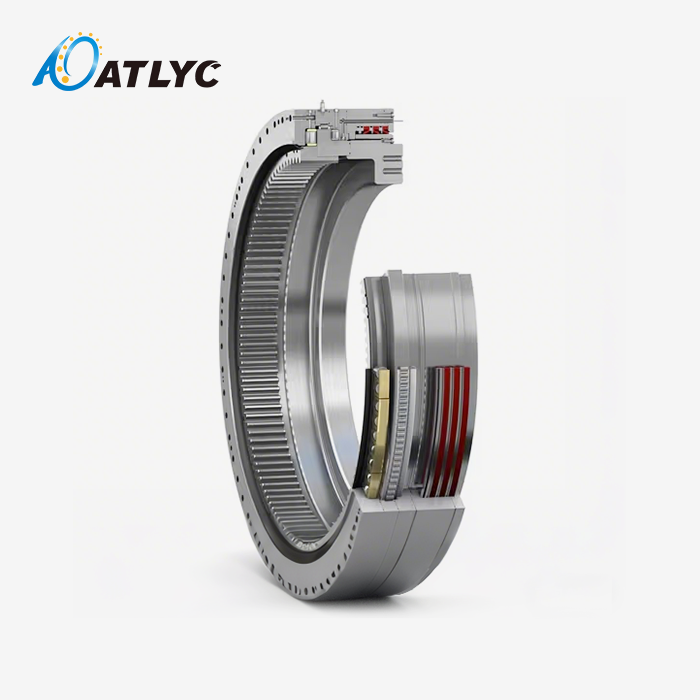
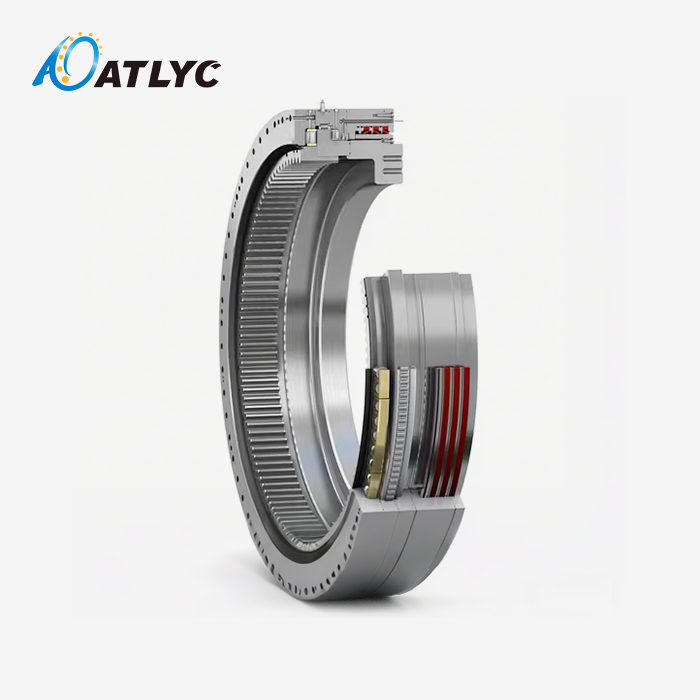
Comparing cross roller bearings against slewing ring bearings reveals distinct application niches. Slewing rings excel in large-diameter, low-speed applications such as excavator turntables, whereas cross roller bearings optimise performance in precision motion systems requiring high rotational accuracy within compact envelopes. The bearing configuration chosen should align with specific application requirements rather than following generic selection guidelines.
Performance Characteristics Versus Angular Contact Bearings
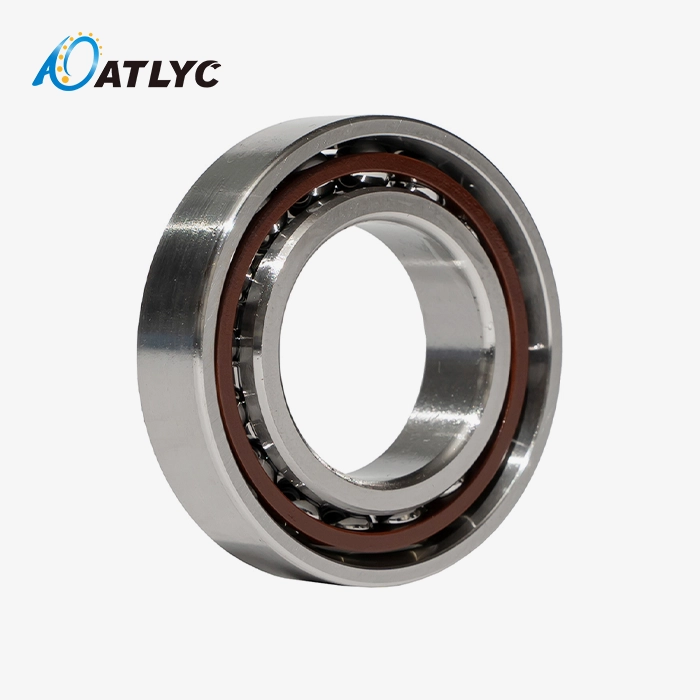
Angular contact ball bearings handle combined loads through contact angle geometry but typically require back-to-back or face-to-face paired mounting. This arrangement doubles axial space requirements and complicates assembly procedures. The RB4010UUCC0 cross roller bearing achieves equivalent multi-directional load handling in a single unit, simplifying housing design and reducing component count. Manufacturing cost advantages emerge through eliminated mounting hardware and reduced assembly labour.
Stiffness comparisons reveal cross-roller bearings provide three to four times greater rigidity per unit volume compared to angular contact configurations. This characteristic directly translates to improved positional accuracy in robotic applications where deflection causes trajectory errors. Our technical support team assists clients in calculating deflection values based on actual loading conditions to confirm specification suitability.
Cost-Effectiveness Analysis for Procurement Planning
Total cost of ownership extends beyond the initial purchase price to encompass installation labour, maintenance requirements, and expected service life. The sealed design of cross roller bearings reduces lubrication maintenance intervals compared to open bearing configurations requiring external sealing solutions. Over a five-year operational period, maintenance cost savings often offset higher initial component pricing, particularly in applications where accessibility complicates service procedures.
Volume procurement strategies should consider lead time requirements and supply chain reliability. Establishing relationships with manufacturers and maintaining adequate inventory levels prevents production delays during unexpected demand fluctuations. Our six specialised production workshops maintain capacity flexibility to accommodate both scheduled orders and urgent replacement requirements for clients across South Korea, the United States, Germany, and other export markets.
Procuring RB4010UUCC0 Bearings: What B2B Clients Need to Know?
Identifying Credible Supply Sources
Securing genuine components requires an understanding of distribution channels and manufacturer authorisation structures. Major bearing manufacturers including NSK, KOYO, SKF, and Nachi maintain authorised distributor networks that provide warranty protection and technical support. Direct manufacturer relationships, such as partnering with Luoyang Auto Bearing's established production capabilities, offer advantages in customisation options, lead time management, and engineering collaboration for specialised applications.
Procurement managers should verify supplier certifications, including ISO 9001 quality management and IATF 16949 automotive quality standards. These certifications demonstrate process control capabilities and commitment to continuous improvement methodologies. Our 15-year manufacturing history encompasses progressive expansion from single-workshop operations to comprehensive bearing production facilities, reflecting the investment in quality infrastructure required for reliable supply partnerships.
Pricing Structures and Volume Considerations
Understanding pricing components enables effective negotiation and budget planning. Raw material costs, precision machining operations, heat treatment processes, and quality inspection procedures contribute to final component pricing. Volume discounts typically activate at quantities exceeding 100 units, with tiered pricing structures rewarding larger commitments. Annual supply agreements provide price stability while ensuring inventory availability during peak demand periods.
Total cost calculations should incorporate shipping logistics, customs clearance for international orders, and inventory carrying costs. Consolidated shipments that combine multiple bearing types optimise freight efficiency while reducing per-unit transportation expenses. Our established export operations to markets including Russia, Iran, and Turkey provide expertise in documentation requirements and logistics coordination that streamline international procurement processes.
Warranty Policies and After-Sales Support
Comprehensive warranty coverage protects against manufacturing defects while after-sales technical support ensures optimal application performance. Standard warranty terms cover material and workmanship defects discovered during the first 12 months of operation or initial installation, whichever occurs first. Extended warranty options may be available for high-volume strategic partnerships where application conditions are well-documented and within design specifications.
Technical support services should include application engineering consultation, installation guidance, and troubleshooting assistance. Our engineering team collaborates with clients during design phases to confirm bearing selection appropriateness, mounting configuration suitability, and expected performance parameters. This proactive approach prevents costly redesigns and ensures successful integration outcomes.
Installation, Maintenance, and Troubleshooting for RB4010UUCC0 Bearings
Proper Installation Procedures
Successful bearing performance begins with correct installation practices. Clean mounting surfaces thoroughly to remove machining debris, corrosion, or previous lubricant residue. Inspect housing bore and shaft dimensions to confirm tolerance compliance with specified fits. The split outer ring design of the RB4010UUCC0 cross roller bearing requires careful handling to maintain ring alignment during installation. Apply uniform pressure using appropriate press tooling rather than impact installation methods that can damage precision-ground raceways.
Shaft and housing tolerances directly influence preload maintenance and operational performance. Excessive interference fits increase internal stress beyond design parameters, generating heat that degrades lubricant and accelerates wear. Insufficient interference allows relative motion between bearing rings and mounting surfaces, causing fretting corrosion and positional instability. Measurement verification using calibrated instruments ensures dimensional compliance before assembly procedures begin.
Lubrication Guidelines and Maintenance Schedules
The double rubber seals retain factory-applied lithium-based grease formulated for extended service intervals. Under normal operating conditions with ambient temperatures below 80°C and clean environments, initial lubrication provides 10,000 to 15,000 operational hours before regreasing requirements. Heavy-duty cycles involving elevated temperatures, contaminated atmospheres, or continuous operation necessitate reduced intervals, typically 6,000 to 8,000 hours. Excessive lubrication causes churning losses and temperature rise, while insufficient lubrication allows metal-to-metal contact and accelerated wear.
Maintenance schedules should include periodic inspection for abnormal noise, vibration, or temperature elevation. Baseline measurements established during commissioning provide comparison references for condition monitoring programmes. Predictive maintenance approaches using vibration analysis or thermography detect developing issues before catastrophic failure occurs, preventing unplanned downtime and secondary damage to adjacent components.
Common Troubleshooting Scenarios
Unusual noise during operation indicates potential problems requiring investigation. High-frequency squealing suggests inadequate lubrication or contamination introducing abrasive particles into raceways. Low-frequency rumbling indicates wear progression or mounting surface irregularities. Temperature measurements exceeding 20°C above ambient under steady-state conditions point to excessive preload, inadequate lubrication, or misalignment issues. Systematic troubleshooting isolates root causes and guides corrective actions.
Premature failure analysis reveals valuable insights for application optimisation. Improper mounting practices account for approximately 40% of bearing failures, while contamination and inadequate lubrication contribute another 35%. Genuine overload conditions represent only 15% of premature failures, with the remaining 10% attributed to manufacturing defects. Understanding failure mode distributions helps organisations implement preventive measures that extend component life and reduce maintenance costs.
Why is the RB4010UUCC0 Cross Roller Bearing a Preferred Solution in Compact Robotics?
Superior Performance Characteristics
The combination of high load capacity, exceptional rigidity, and minimal backlash positions the RB4010UUCC0 cross roller bearing as an optimal solution for precision automation applications. Movement accuracy requirements in semiconductor manufacturing equipment demand positional repeatability within micrometres over thousands of cycles. The bearing's integrated design eliminates cumulative tolerances associated with multi-component assemblies, directly enhancing system-level accuracy.
Low friction coefficients enable smooth rotation, essential for robotic applications requiring sensitive force feedback. Collaborative robots working alongside human operators must detect contact forces below 10 Newtons to ensure safety compliance. Excessive bearing friction introduces noise into force sensing systems, degrading detection sensitivity. The optimised roller geometry and surface finish quality minimise friction torque while maintaining load capacity.
Industry Case Studies and Proven Track Record
Automotive component manufacturers integrating robotic assembly cells have documented productivity improvements following conversion from traditional bearing arrangements to cross roller configurations. A European transmission assembly line reduced unplanned maintenance events by 60% after retrofitting robotic weld guns with precision cross roller bearings. Improved positional accuracy decreased rework rates while extended bearing life lowered spare parts inventory requirements.
Medical device manufacturers producing diagnostic imaging equipment specify cross roller bearings for scanner gantries requiring whisper-quiet operation and exceptional concentricity. Patient comfort depends on minimal vibration and noise during lengthy scanning procedures. The sealed bearing design prevents lubricant migration that could contaminate sensitive electronic components or compromise cleanroom environments. Performance reliability directly supports equipment uptime in critical healthcare facilities.
Future Technology Trends and Forward Compatibility
Emerging bearing technologies incorporate advanced materials, including ceramic hybrid designs that reduce weight while improving corrosion resistance. Silicon nitride ceramic rollers offer 40% lower density than steel, reducing inertia in high-acceleration robotic joints. Corrosion resistance benefits applications in food processing, pharmaceutical manufacturing, and marine environments where washdown procedures introduce moisture exposure. Our ongoing research and development efforts track technology evolution to ensure product offerings align with advancing application requirements.
Additive manufacturing techniques enable customised cage designs optimised for specific loading profiles and kinematic conditions. Topology optimisation reduces cage mass while maintaining structural integrity, further decreasing rotational inertia. Surface coating technologies including diamond-like carbon films reduce friction coefficients and extend lubrication intervals. These advancements position cross roller bearings as forward-compatible solutions supporting next-generation automation systems.
Conclusion
The RB4010UUCC0 cross roller bearing delivers the precision, reliability, and compact design essential for modern robotic applications across industrial automation, medical equipment, and semiconductor manufacturing sectors. Its integrated design handling multi-directional loads within a single unit simplifies assembly while improving performance compared to traditional bearing arrangements. Proper selection considering load requirements, precision specifications, and operating conditions ensures optimal application success. Our 15-year manufacturing experience serving global OEMs and industrial equipment manufacturers provides the technical expertise and production capacity to support your bearing requirements with consistent quality, competitive pricing, and reliable delivery performance.
FAQ
What distinguishes the RB4010UUCC0 from standard ball bearings in robotic applications?
The RB4010UUCC0 cross-roller bearing provides line contact geometry compared to point contact in ball bearings, distributing loads over larger surface areas. This design delivers three to four times greater stiffness per unit volume, handling radial, axial, and moment loads simultaneously within a single compact unit. The crossed-roller configuration eliminates the paired mounting requirements of angular contact ball bearings, reducing assembly complexity and axial space consumption while achieving superior positional accuracy essential for precision robotics.
How does the CC0 clearance specification affect installation requirements?
CC0 designation indicates negative radial clearance, creating controlled preload between -0.008 mm and 0 mm. Installation requires precise shaft and housing tolerances, typically h7/H7 fits, to maintain designed preload levels. Excessive interference generates heat from over-constraint, while insufficient interference allows bearing movement within mountings. Proper dimensional verification before assembly ensures the preload delivers intended zero-backlash performance without introducing excessive stress that would reduce operational life.
What maintenance practices extend bearing service life?
The sealed RB4010UUCC0 cross roller bearing arrives with factory-applied lithium-based grease, providing 10,000 to 15,000 hours under normal conditions. Regreasing intervals reduce to 6,000 to 8,000 hours for heavy-duty cycles or elevated temperatures. Periodic monitoring for abnormal noise, vibration, or temperature elevation enables early problem detection. Maintaining clean operating environments prevents contamination ingress that accelerates wear. Following manufacturer lubrication guidelines prevents both under-lubrication, causing metal contact, and over-lubrication, generating churning losses.
Partner with ATLYC: Your Trusted Cross Roller Bearing Manufacturer
ATLYC brings ISO 9001- and IATF 16949-certified manufacturing excellence to your precision bearing requirements. Our specialised production capabilities across six dedicated workshops ensure consistent quality and scalable capacity for RB4010UUCC0 cross roller bearing supply. With established export operations serving major markets throughout South Korea, the United States, Germany, Russia, Iran, and Turkey, we understand the demanding requirements of automotive component manufacturers, industrial machinery OEMs, and automation equipment producers. Our engineering team provides comprehensive technical support from initial design consultation through after-sales service, ensuring successful integration and optimal performance. Contact our procurement specialists at auto@lyautobearing.com to discuss your specific application requirements, request technical documentation, or obtain competitive quotations. As a reliable RB4010UUCC0 cross-roller bearing supplier, we deliver the precision components, engineering expertise, and supply chain reliability your operations demand.
References
1. Harris, T.A., and Kotzalas, M.N. "Advanced Concepts of Bearing Technology: Rolling Bearing Analysis, Fifth Edition." CRC Press, 2006.
2. Wensing, J.A. "On the Dynamics of Ball Bearings." University of Twente, Netherlands, 1998.
3. Budynas, R.G., and Nisbett, J.K. "Shigley's Mechanical Engineering Design, Tenth Edition." McGraw-Hill Education, 2015.
4. ISO 5593:1984. "Rolling Bearings - Vocabulary." International Organisation for Standardisation.
5. Hamrock, B.J., Schmid, S.R., and Jacobson, B.O. "Fundamentals of Fluid Film Lubrication, Second Edition." Marcel Dekker, 2004.
6. SKF Group. "Rolling Bearings Catalogue: Technical Reference for Bearing Selection and Application." SKF Publication, 2018.
Learn about our latest products and discounts through SMS or email