- English
- French
- German
- Portuguese
- Spanish
- Russian
- Japanese
- Korean
- Arabic
- Greek
- German
- Turkish
- Italian
- Danish
- Romanian
- Indonesian
- Czech
- Afrikaans
- Swedish
- Polish
- Basque
- Catalan
- Esperanto
- Hindi
- Lao
- Albanian
- Amharic
- Armenian
- Azerbaijani
- Belarusian
- Bengali
- Bosnian
- Bulgarian
- Cebuano
- Chichewa
- Corsican
- Croatian
- Dutch
- Estonian
- Filipino
- Finnish
- Frisian
- Galician
- Georgian
- Gujarati
- Haitian
- Hausa
- Hawaiian
- Hebrew
- Hmong
- Hungarian
- Icelandic
- Igbo
- Javanese
- Kannada
- Kazakh
- Khmer
- Kurdish
- Kyrgyz
- Latin
- Latvian
- Lithuanian
- Luxembou..
- Macedonian
- Malagasy
- Malay
- Malayalam
- Maltese
- Maori
- Marathi
- Mongolian
- Burmese
- Nepali
- Norwegian
- Pashto
- Persian
- Punjabi
- Serbian
- Sesotho
- Sinhala
- Slovak
- Slovenian
- Somali
- Samoan
- Scots Gaelic
- Shona
- Sindhi
- Sundanese
- Swahili
- Tajik
- Tamil
- Telugu
- Thai
- Ukrainian
- Urdu
- Uzbek
- Vietnamese
- Welsh
- Xhosa
- Yiddish
- Yoruba
- Zulu
RB4510 for Robot Joints: Does 8.62 kN Capacity Meet Your Needs?
When evaluating precision bearings for robotic applications, the RB4510 cross roller bearing stands out with its impressive 8.62 kN radial load capacity. This specification directly addresses the mechanical demands of industrial robot joints, where consistent load-bearing performance determines operational longevity. The RB4510 delivers multi-directional load handling—managing radial, axial, and moment forces simultaneously within a compact footprint. For OEMs and automation equipment manufacturers seeking dependable components that meet ISO standards while maintaining competitive pricing, this bearing model represents a practical solution engineered for demanding environments.

Understanding the RB4510's Design and Load Capacity
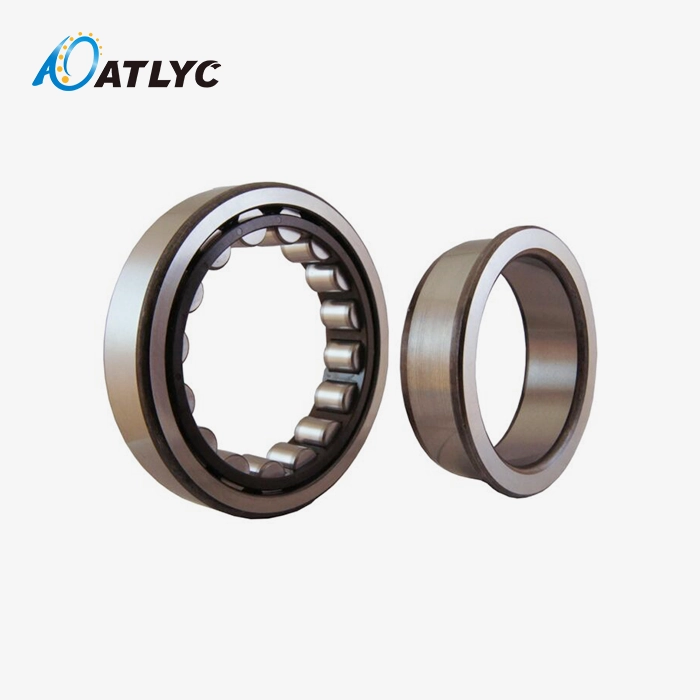
Crossed-Roller Configuration Explained
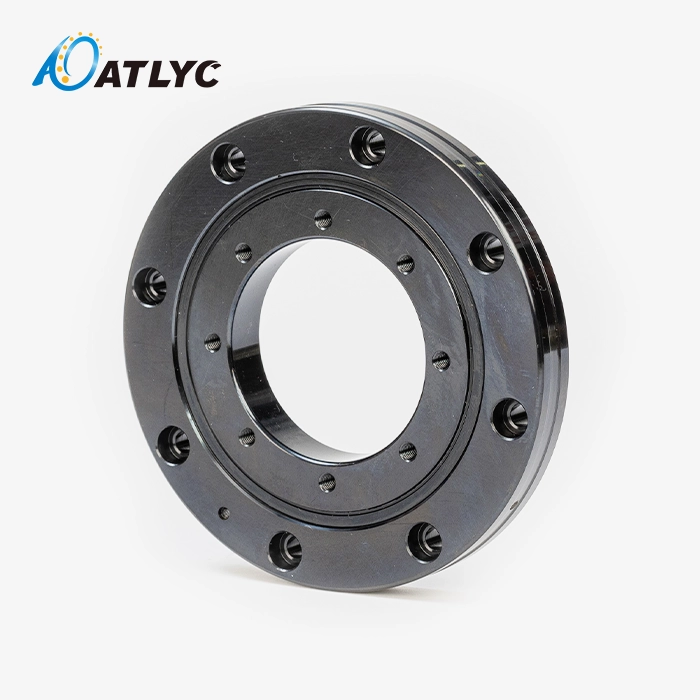
There are crossed rollers in the RB4510, which is what makes it work. Precision-ground raceways hold cylindrical wheels that are perpendicular to each other and at exact 90-degree angles. This geometric arrangement makes the best contact patterns that spread forces evenly across the bearing surfaces. When your robot joint is working, it experiences both radial and axial loads at the same time. The crossed layout stops stress collection points that normally lead to early bearing wear.
Inner and Outer Ring Integrity
In high-precision situations, structural strength is important. The RB4510 keeps the inner and outer rings completely intact throughout the whole process. The outer ring has a plug system that makes installation easier and makes sure the roller stays in place while the assembly is being done. This design choice gets rid of the alignment problems that come with split-ring bearings. This cuts down on installation time and the chance of making a mistake that could affect performance.
What 8.62 kN Capacity Really Means
The dynamic load limit of 8.62 kN shows how well the bearing can handle practical forces before material fatigue becomes a problem. This amount of weight supports artificial joints in collaborative robots, articulated arms, and rotating positioning systems where the load changes slowly over time. Using this baseline capacity number, engineers can figure out how long a bearing is expected to last under certain working conditions. This way, they can make sure that the parts they choose don't clash with maintenance plans or replacement funds.
Performance Advantages in Robotic Applications
The way cross roller bearings work mechanically has a direct effect on how well your equipment works. When buying, teams know about these benefits, they can make smart choices that balance the initial investment with the total cost of ownership. Multi-Directional Load Management: Robot joints don't usually have to deal with loads in just one plane. The RB4510 can handle radial forces, axial thrust, and tilting moments all at the same time without the need for extra bearing arrangements. This cuts down on the number of parts in your assembly, which saves money on materials and reduces the chance of failure. Superior Rigidity and Deflection Control: The high contact ratios between the rollers and raceways make the system very strong. When machining centers need to be able to position things to the level of a micron, bearing deflection under load is a very important factor. The RB4510's rigid structure keeps its precise positioning even when cutting forces change while it's in use.
Reduced Friction Coefficients: The rolling resistance is kept to a minimum by optimizing the roller geometry and surface finish quality. Lower friction means less heat is generated, longer lube life, and less energy is used by your robotic system as a whole. Over thousands of hours of work, these gains in speed add up. Exceptional Runout Accuracy: Precision grinding methods make sure that radial and axial runout are kept to a minimum. This level of rotational accuracy is needed to keep product quality standards high for measuring tools and devices used to make integrated circuits. The RB4510 gets P4-level accuracy grades, which means it meets the strict requirements for precision instruments. When put together, these traits solve common production problems. Bearing failures cause fewer unplanned stops for companies that make automotive parts. OEMs of industrial tools cut down on warranty claims linked to incorrect placement. Global bearing dealers can easily recommend these parts for tough jobs without having to worry about qualifications.
Technical Specifications and Size Range
| Parameter | Specification Range |
|---|---|
| Inner Diameter | 20–1100 mm |
| Outer Diameter | 70–1500 mm |
| Width | 12–110 mm |
| Dynamic Load Capacity | Up to 8.62 kN (depending on the model) |
| Material | GCr15 and GCr15SiMn steel for bearings |
| Accuracy Grades | P6, P5, P4, P2 |
Cross roller bearings can be used in a wide range of situations because they can be made in a variety of sizes. Smaller envelope sizes are better for small robots, while larger bore diameters are better for heavy-duty manipulators that need to connect shafts. This scalability lets engineering teams use the same bearing technology for all of their product lines, which makes it easier to keep track of inventory and buy things.The choice of material has a big effect on how well a bearing works. For normal working conditions, GCr15 bearing steel is very hard and doesn't break down easily. GCr15SiMn alloy steel is more durable and can be used in places where shock loads or changes in temperature are common. Specialized heat treatments are used on both materials to improve the quality of the surface finish and the distribution of hardness. This makes sure that all production runs work the same.
Comparing Cross Roller Bearings with Alternative Solutions
Angular Contact Ball Bearings
To handle combined loads, traditional angular contact bearings need to be paired up. This design makes the building more complicated and the envelope bigger. Cross roller bearings don't need to be paired, which cuts down on the number of parts and makes upkeep easier. The extra room is especially useful for small robot joint designs where each millimeter counts.
Four-Point Contact Bearings
Four-point contact designs can handle loads going in more than one direction, but they are less rigid than crossed-roller designs. Cross roller bearings are better than other types of bearings when it comes to performance when placing accuracy under changing loads is important. In precision rotary table applications, deflection testing makes this difference very clear.
Tapered Roller Bearings
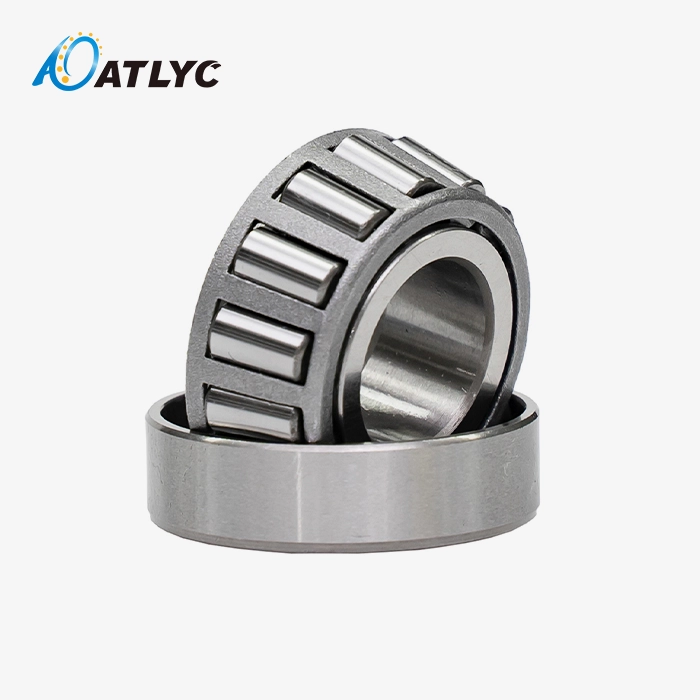
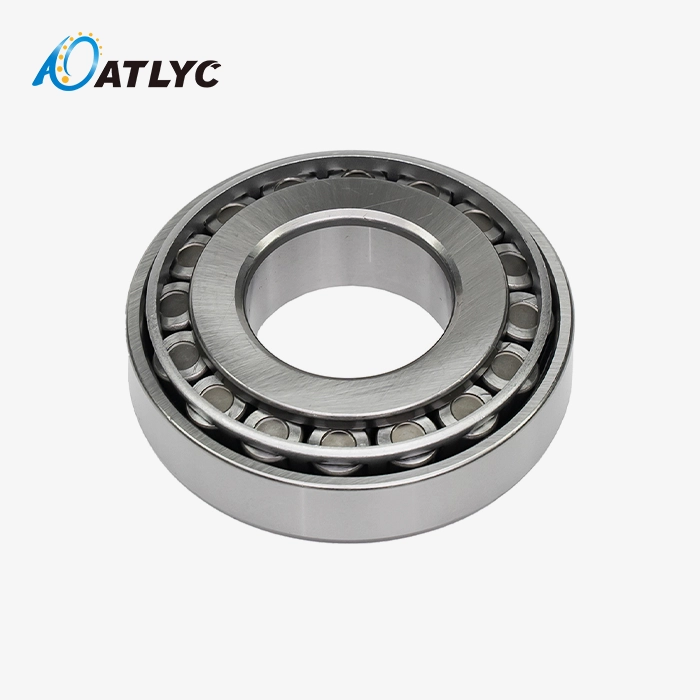
Tapered roller bearings work best when there is only axial or radial load, but they need complicated preload adjustments. Cross roller bearings make installation easier because the preload conditions are set at the factory. This cuts down on assembly time and eliminates the chance of making mistakes during setup. Because of this ease of use, worker costs are lower during production and field service.
Application Case Studies Across Industries
Industrial Robotics and Automation
Collaborative robots are used on auto assembly lines to place parts precisely. The RB4510 cross roller bearing allows the joint to move smoothly and with little pushback, which ensures accurate placement during high-speed pick-and-place operations. When these bearings are used in robot wrist assemblies and elbow joints, manufacturers say that repair times are extended and unexpected downtime is reduced.
Machining Center Rotary Tables
For precision machining to work, the workpiece must be held in place steadily during multi-axis operations. Cross roller bearings on rotary tables keep the tables in the right place even when the cutting force changes. The high moment capacity of the bearing stops twisting forces that would damage the quality of the surface finish. CNC operators like the consistent performance that cuts down on the amount of scrap and rework that needs to be done.
Medical Equipment Precision
Surgical robots need to be able to move very smoothly and reliably find their position. Cross roller bearings are perfect for delicate procedures because they have low friction and high accuracy. In rotating gantry assemblies used in CT scanners and other imaging equipment, where vibration control and quiet operation are important, these bearings are used. Medical device makers like that certified bearing providers offer uniform quality and can be tracked.
Semiconductor Manufacturing Devices
IC production equipment works in controlled settings where keeping things clean is very important. The sealed design of cross roller bearings with plug-type outer rings keeps performance high while limiting the movement of oil. The bearing's ability to provide micron-level pointing accuracy over millions of operating cycles is useful for wafer handling robots and inspection systems.
Procurement Strategies for B2B Buyers
| Procurement Factor | Considerations |
|---|---|
| Supplier Certification | Following ISO 9001 and IATF 16949 |
| Minimum Order Quantities | Use yearly volume estimates to guide your negotiations. |
| Lead Time Management | Standard specs vs. unique ones |
| Quality Documentation | Inspection records and badges for materials |
| Technical Support | Engineering consultations are available |
| Pricing Structure | Discounts for large orders and long-term contracts |
Finding approved bearing makers takes more work than just comparing prices at first. Suppliers who have quality management systems in place show that they are committed to consistently high product quality. IATF 16949 approval is specific to the needs of the car industry and makes sure that bearings meet high performance standards for safety-critical uses. Strategies for buying in bulk have a big effect on the total cost of acquisition. Manufacturers with tiered pricing structures give better rates to customers who have been loyal for a long time. By making annual supply agreements, prices can be kept stable, and production capacity can be guaranteed during times of high market demand. This method works especially well for OEMs whose component usage patterns are predictable.
Managing lead times becomes very important when adding new product lines or increasing production. Procurement teams can set more realistic project deadlines when they can tell the difference between standard catalog items and custom-engineered solutions. Standard RB4510 configurations usually ship in two to four weeks. Custom bore sizes or accuracy grades, on the other hand, may need six to eight weeks for production and quality control. Technical help skills are what set good providers apart from great partners. Bearing makers who offer application advice, finite element analysis support, and failure mode analysis are helpful to engineering teams. This way of working together cuts down on development risk and speeds up the time it takes to get new robotic systems on the market.
Quality Assurance and Manufacturing Excellence
ATLYC's factory that makes bearings uses strict quality control procedures to check the specs of each part at several stages of production. The incoming material inspection makes sure that the chemistry and hardness values of the steel meet the requirements. During grinding processes, in-process dimensional checks make sure that the shape of the raceway stays within the tolerance bands. Before the product is packed, final screening procedures check for runout, vibration levels, and rotational torque.
The three-level quality control structure provides extra checks that find any problems before the parts get to users. During machining, obvious mistakes in size are found by the operator. Quality inspectors use coordinate measuring machines and special bearing test tools to take accurate readings. Final audit sample checks the uniformity of each batch and takes corrective action when trends show that the process is drifting. Advanced heat treatment methods improve the properties of materials in all bearing parts. Controlled oxygen furnaces keep the surface from oxidizing while reaching the desired hardness levels. By balancing hardness and toughness, tempering cycles keep materials from breaking easily when they are hit with shock loads. After that, grinding takes off the heat-affected top layers, revealing properly treated material that will last as long as expected.
The quality of the surface finish has a direct effect on how much friction and wear a bearing experiences. Surface roughness values below 0.2 Ra can be reached with precision grinding equipment. This lowers friction coefficients and makes lubricants work longer. Superfinishing steps polish touch areas even more, which lowers noise and vibration while they're working. These changes to the manufacturing process lead to measured performance gains in noisy environments like medical equipment.
Installation and Maintenance Best Practices
Mounting Procedures
When bearings are installed correctly, they don't break down too soon and work at the level of performance that was planned. To get rid of burrs, debris, and old lubricant residues, clean the mounting surfaces very well. Check the fit limits for the shaft and case by measuring them before putting them together. Controlled heating or cooling is needed for interference fits to get the right fit without using too much installation force, which could damage precision-ground surfaces.
Lubrication Requirements
Cross roller bearings work well with systems that use either grease or oil to lubricate them. Lubrication with grease makes maintenance easier and works well enough for most robotic tasks. Choose greases that are made for precision bearings and have the right temperature and thickness ranges. The amount of lubricant used at the start is important. Too much grease causes more friction and heat, while not enough grease speeds up wear.
Monitoring and Predictive Maintenance
Condition monitoring makes bearings last longer and stops them from breaking down without warning. Vibration research finds flaws that are starting to show up weeks before they cause major problems. Temperature tracking finds problems with lubrication or situations where there is too much load. Setting up standard readings during commissioning gives you data for trending analysis, which helps with planning ahead for maintenance needs.
Long-Term Performance and Scalability
Conditions in the operating surroundings have a big effect on how long a bearing lasts. Extremes of temperature, exposure to contamination, and levels of vibration all affect how long something is expected to last. Because the RB4510 is sealed and has an outer ring plug structure, it keeps oil inside and keeps outside contaminants out. In factories, where coolant splashes and particles in the air are common, this protection is very useful.
Power consumption should be taken into account when choosing a bearing. When friction coefficients are low, motor power needs go down. This means that energy costs go down across all robotic systems. When managing large robot fleets, these savings add up to a lot. An energy-efficient economy also lowers the amount of heat that is produced, which lets motors be smaller and makes the system more reliable overall. With scalability planning, you can be sure that the parts you choose now will work with larger production lines in the future.
Standardizing on cross roller bearing technology across all product lines makes it easier to keep track of extra parts and teach technicians. When production rates go up, buying bearings becomes easier and faster when there are already established relationships with suppliers and the specs have been tested and proven.

Conclusion
The RB4510 cross roller bearing has strong performance features that meet important needs in robotic joint applications. With a load capacity of 8.62 kN, the ability to handle loads in multiple directions, and high accuracy, this component is a good choice for companies that make robotic equipment and industrial machinery. Its small size combines functions that usually need multiple parts in traditional bearing arrangements, making them easier to put together and requiring less maintenance. When purchasing managers are looking at different precision bearings, the RB4510 has the best mix of technical performance, industrial quality, and cost-effectiveness. Its production methods are also ISO-certified.
FAQ
Does the 8.62 kN capacity suit heavy-duty robotic joints?
Most collaborative robot joints and medium-duty industrial manipulators can handle the 8.62 kN dynamic load rating. For use with heavy loads or strong shock loads, bearing types that are bigger and can hold more may be needed. To make sure you choose the right bearing, you should look at load calculations that take into account acceleration forces, moment loads, and duty cycles. The engineering team at ATLYC helps with application analysis to make sure that the sizes of the parts are correct.
How does accuracy grade selection impact performance?
Tighter runout limits are needed for precision positioning uses, and higher accuracy grades (P4, P2) provide them. Standard P5 accuracy works well for general industrial robotics where positioning needs some room for error of a few microns. P4 or better scores are usually required for medical equipment and semiconductor manufacturing. To get the best value, you should compare the cost difference between accuracy grades to the needs of the program.
What support options exist for international buyers?
Logistics networks that are already in place help global bearing wholesalers and OEMs get their products to big markets like the US, Germany, and South Korea on time. As part of technical help, engineers can give advice, look over applications, and make unique specifications. Shipments come with good paperwork to make clearing customs easier and meet requirements for tracking. Long-term supply deals keep prices stable and make sure that production capacity is used to meet rising demand.
Partner with ATLYC for Your Precision Bearing Requirements
ATLYC has been making bearings for fifteen years and can help you with the creation and production of your robotic systems. Our factory is ISO 9001 and IATF 16949 approved, and it makes high-precision cross roller bearings that meet strict performance requirements in robotics, industrial machinery, and cars. We know that how reliable your parts are has a direct effect on how well your products are made and how well your company is known for quality. Our engineering team works with original equipment manufacturers (OEMs) and equipment makers to make sure that the bearings we choose are the best ones for each application. We offer expert advice backed by thorough testing and quality assurance, whether you need standard RB4510 setups or solutions that are specifically designed for your needs. Competitive pricing structures for bulk purchases help you meet your cost-cutting goals without lowering the quality of the parts. Email our bearing experts at auto@lyautobearing.com to talk about the needs of your project. We provide in-depth analysis of your application, sample programs for qualification testing, and flexible delivery schedules that work with your production schedules. ATLYC is an experienced producer of cross roller bearings. They offer precise manufacturing, compliance with international standards, and stable supply chain performance that B2B buyers need for long-term partnership success.
References
1. Harris, T.A. & Kotzalas, M.N. (2006). Rolling Bearing Analysis: Essential Concepts of Bearing Technology. CRC Press, Boca Raton.
2. ISO 14728-1:2017. Rolling bearings - Linear motion rolling bearings - Part 1: Dynamic load ratings and rating life. International Organization for Standardization.
3. Wensing, J.A. (1998). On the Dynamics of Ball Bearings. PhD Thesis, University of Twente, Enschede, Netherlands.
4. IATF 16949:2016. Quality Management System Requirements for Automotive Production and Relevant Service Parts Organizations. International Automotive Task Force.
5. Palmgren, A. (1959). Ball and Roller Bearing Engineering. SKF Industries Inc., Philadelphia.
6. Eschmann, P., Hasbargen, L., & Weigand, K. (1985). Ball and Roller Bearings: Theory, Design and Application. John Wiley & Sons, Chichester.
Learn about our latest products and discounts through SMS or email