- English
- French
- German
- Portuguese
- Spanish
- Russian
- Japanese
- Korean
- Arabic
- Greek
- German
- Turkish
- Italian
- Danish
- Romanian
- Indonesian
- Czech
- Afrikaans
- Swedish
- Polish
- Basque
- Catalan
- Esperanto
- Hindi
- Lao
- Albanian
- Amharic
- Armenian
- Azerbaijani
- Belarusian
- Bengali
- Bosnian
- Bulgarian
- Cebuano
- Chichewa
- Corsican
- Croatian
- Dutch
- Estonian
- Filipino
- Finnish
- Frisian
- Galician
- Georgian
- Gujarati
- Haitian
- Hausa
- Hawaiian
- Hebrew
- Hmong
- Hungarian
- Icelandic
- Igbo
- Javanese
- Kannada
- Kazakh
- Khmer
- Kurdish
- Kyrgyz
- Latin
- Latvian
- Lithuanian
- Luxembou..
- Macedonian
- Malagasy
- Malay
- Malayalam
- Maltese
- Maori
- Marathi
- Mongolian
- Burmese
- Nepali
- Norwegian
- Pashto
- Persian
- Punjabi
- Serbian
- Sesotho
- Sinhala
- Slovak
- Slovenian
- Somali
- Samoan
- Scots Gaelic
- Shona
- Sindhi
- Sundanese
- Swahili
- Tajik
- Tamil
- Telugu
- Thai
- Ukrainian
- Urdu
- Uzbek
- Vietnamese
- Welsh
- Xhosa
- Yiddish
- Yoruba
- Zulu
What Industries Specify SX011814 Cross Roller Bearing for Mission-Critical Motion Control?
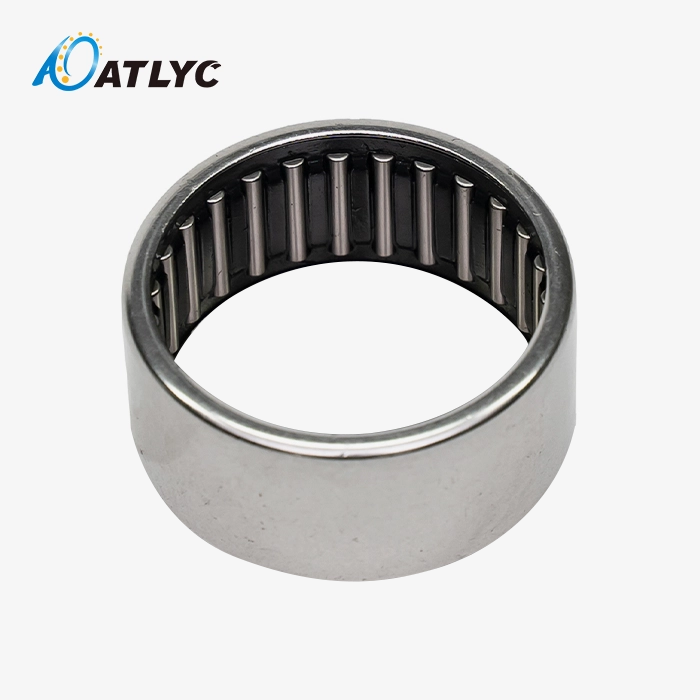
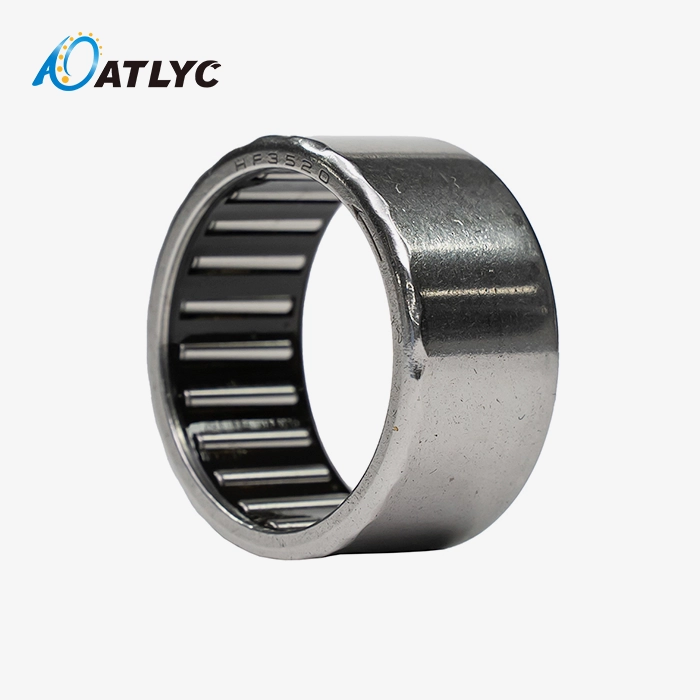
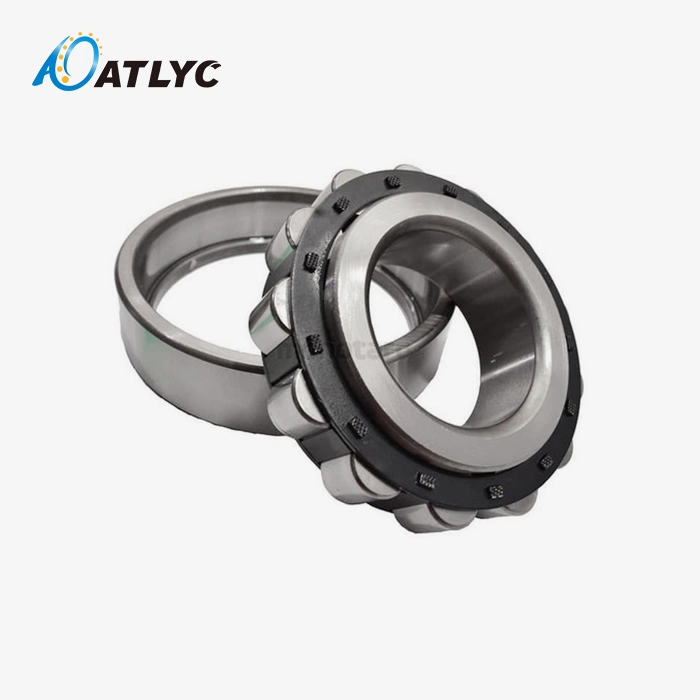
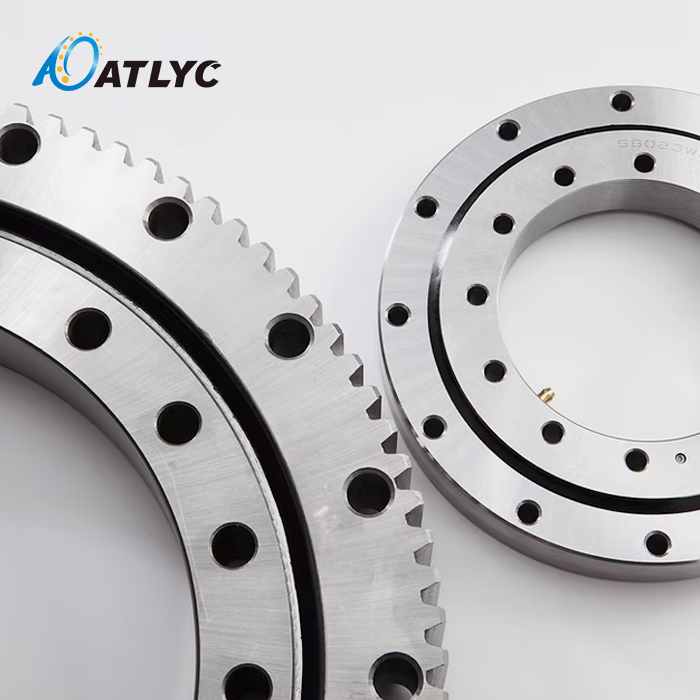
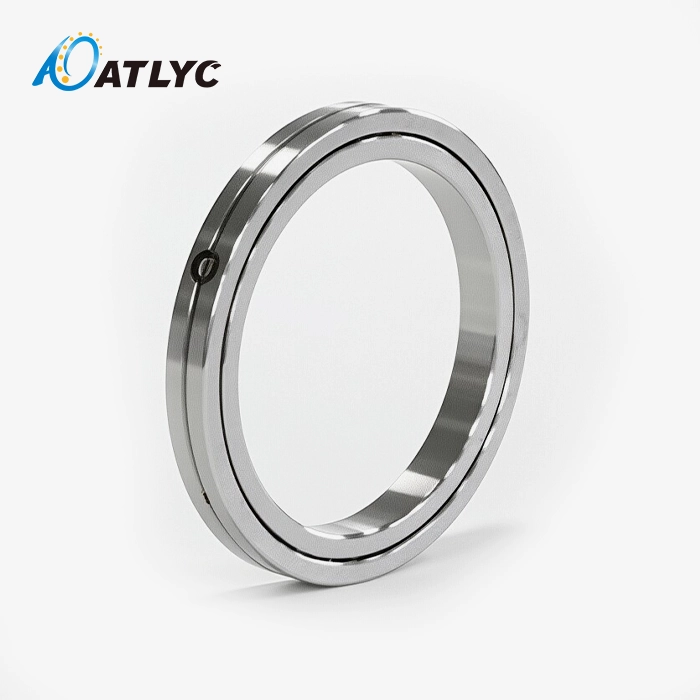
The SX011814 Cross roller bearing is the only thing engineers and purchasing managers around the world use when precise motion control is a must. This very thin, very precise bearing has a huge load capacity in more than one direction and takes up very little installation space. It can handle radial, axial, and moment loads all at the same time. This small powerhouse has an inner diameter of 70 mm, an outer diameter of 90 mm, and a width of only 10 mm. It has crossed cylindrical rollers placed at 90-degree angles within V-groove raceways, which makes it 3–4 times more rigid than regular ball bearings. Medical robotics and chip manufacturing both depend on this bearing technology to make sure that motion is smooth and accurate, which is needed for mission-critical uses.
Understanding SX011814 Cross Roller Bearing and Its Core Features
Cross roller bearings are based on a design philosophy that solves one of the most important problems in precision engineering: how to get the most stiffness and load capacity without giving up installation space. The SX011814 Cross roller bearing is a good example of this method because of its unique structure.
Unique Structural Design Principles
Our bearing has an inner ring that is one piece and an outer ring that is split in half. Three precision-engineered fixing rings hold them together. In this setup, there are no fastening holes at all; instead, the bearing fits straight into the flanges and bearing seats. Putting plastic plates between each roller keeps metal from touching metal, which greatly lowers the friction coefficient and ensures smooth, even spinning. The alternating 90-degree roller design makes line contact surfaces instead of point contacts, which makes the load spread across the raceway much better. This new way of building things explains why the SX011814 Cross roller bearing can handle mixed loads that would normally need more than one regular bearing.
Material Specifications and Precision Ratings
The quality of the manufacturing process affects how well bearings work in harsh conditions. We use Gcr15 and Gcr15SiMn bearing steel to make these cross roller bearings. These steels were chosen because they keep their strength over time and don't change size when heated and cooled. The levels of precision go from P6 (normal) to P0, P5, P4, and finally P2 (ultra-precision), so buying teams can match the accuracy of the bearing to the needs of the application.
| Specification Category | SX011814 Parameters |
|---|---|
| Inner Diameter | 70mm |
| Outer Diameter | 90mm |
| Width | 10mm |
| Material Options | Gcr15, Gcr15SiMn |
| Precision Grades | P6, P0, P5, P4, P2 |
| Ring Configuration | Integral inner ring, split outer ring |
In terms of speed, these specs directly lead to better results. The low friction coefficient makes the machine use less energy, and the high runout accuracy makes sure that the position is always accurate to within micrometres, which is very important in automated production settings.
Performance Benefits in Real-World Applications
Cross roller bearings make system design easier, which engineers like. Being able to handle radial, axial, and moment loads in the same bearing unit makes the setup simpler and lowers the risk of failure. We've seen that this way of designing gives better geometric moment stiffness, which means that the bearing can resist tilting moments without deforming, even when big loads are put on the cantilever. Because the bearing's structural stability stays the same even when it's exposed to changes in temperature and pressure, maintenance plans are easier to plan. These operational benefits lower the total cost of ownership and improve system reliability, which are very important to mid- to large OEMs that are in charge of handling production plans around the world.
Industries That Specify SX011814 Cross Roller Bearing for Mission-Critical Applications
Different businesses have very different needs when it comes to precision motion control, but some always use cross roller bearings when failure is not a choice. From working with clients around the world, we've seen clear trends in the needs of applications.
Medical and Precision Equipment Manufacturing
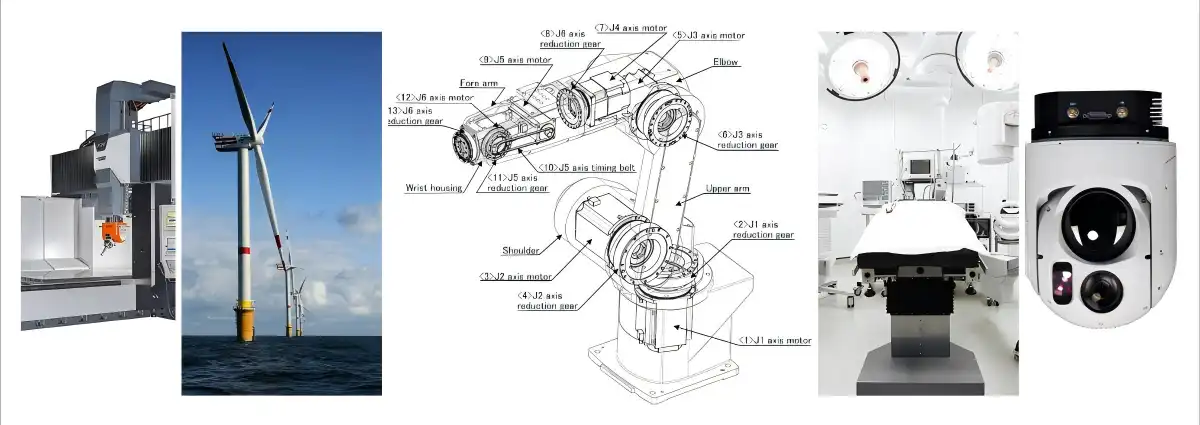
When performing minimally invasive treatments, surgical robots can't handle blowback or positional drift. The SX011814 Cross roller bearing has very good runout accuracy, which makes sure that robotic tools follow pre-programmed paths to within microns. This has a direct effect on the result of surgeries. The smooth movement of the bearing is also good for CT machines and MRI gantries, because any vibration or uneven motion lowers the quality of the images. Manufacturers of medical tools like bearings that keep up their performance standards over thousands of operating cycles without needing to be recalibrated. The ultra-thin shape is especially helpful for small medical device designs where performance needs to be balanced with limited room.
Robotics and Industrial Automation Systems
Modern industrial robots are very fast and accurate thanks to carefully designed joint systems. Cross roller bearings are used in robotic joints, manipulator moving parts, and precision rotary tables, where engineers need to know how the equipment will work when the load is applied in different directions. For example, machining centre rotor tables have to keep their positions accurately while taking cutting forces that change quickly in both size and direction. Because the bearing can handle moment loads, the table doesn't bend, which would make it harder to keep cutting standards. More and more, companies that make automation equipment are choosing these bearings because they can handle loads automatically, which makes mechanical design easier and improves system dynamics.
Semiconductor Manufacturing Equipment
The environments and accuracy requirements for making integrated circuits (ICs) are very strict. Photolithography steppers, chip handling robots, and inspection tools all need motion systems that don't transfer too much energy and stay stable at room temperature. Cross roller bearings work great in cleanrooms because their protected design stops particles from forming and keeps their performance stable even when the temperature changes. The high stiffness of the bearing is important for machines that have to place silicon chips with sub-micron accuracy thousands of times a day. In factories that make semiconductors, equipment that breaks down costs thousands of dollars every minute. Reliability is very important, so choosing the right bearings is a very important buying choice.
Aerospace and Defense Applications
Even though our main customers are in the industry and automation sectors, the SX011814 Cross roller bearing technology meets the strict standards for aerospace parts. The Gcr15SiMn material choice has better performance qualities that make it good for places with high stress loads and changing temperatures. Bearings that work consistently in harsh operating conditions and don't need to be serviced often are highly valued by companies that make defence equipment. The bearing's high load capacity compared to its small size helps solve weight optimisation problems that are common in aircraft engineering.
Heavy Industrial Machinery and Measurement Equipment
Rotational accuracy that stays the same over years of use is needed for precision measuring tools. Cross roller bearings are used in coordinate measuring machines, optical inspection systems, and testing tools where the error in measurements has to stay within certain limits. The bearing can handle a lot of weight, which makes it useful for heavy industry uses like building equipment, joints and material handling systems. We've given these bearings to industries that use everything from precise turntables in factories to automatic warehouses that use spinning parts. All of these different uses have one thing in common: they need reliable, predictable motion in tough operating situations.
Comparing SX011814 Cross Roller Bearing Against Alternative Solutions
To choose the right bearing technology, you need to know how the different choices compare in terms of their benefits. Clear technical comparisons help buyers make choices that are a good mix between performance needs and cost concerns.
Performance Comparison with Ball Bearings
Traditional ball bearings have been shown to be reliable and are easy to find, but they handle loads in very different ways. Ball bearings make point contact with raceways, which limits the area where the load can be spread. Cross roller bearings make straight contact through cylinder-shaped rollers, which spreads loads over a much larger area. This difference shows up as 3–4 times more stiffness in cross roller designs—engineers see much less bending with the same load conditions. When there are both radial and axial loads, ball bearing systems often need to be paired with preload springs, which makes the setup more complicated. The SX011814 Cross roller bearing gets rid of this problem by handling loads in more than one way in a single small machine.
Cylindrical Roller Bearing Comparison
Standard cylindrical roller bearings are great at supporting horizontal loads but not so good at supporting axial loads. For uses that need to handle both radial and moment loads, you need extra bearing elements or special designs. Cross roller bearings handle axial loads because their rollers are arranged perpendicularly, which is an advantage in design that makes system planning easier. The split outer ring of the SX011814 Cross roller bearing lets you precisely change the clearance and preload, which aren't usually possible with standard cylindrical roller bearings. Because of these factors, cross roller technology is preferred by precision rotary tables and robotic joints, even though it costs more per unit.
Alternative Cross Roller Bearing Models
Beyond the SX line, cross roller bearings can be made in different ways. Some versions have split inner rings instead of split outer rings, so they can be used in situations where the outer ring needs to move. The SX011814 Cross roller bearing has a complete inner ring and a split outer ring, which makes it suitable for setups where the inner ring needs to rotate. This is the most common requirement in rotary tables and robotic joints. Larger cross roller bearing types can hold more weight, but they don't have the very thin shape that makes the SX011814 Cross roller bearing stand out. We suggest this model when the installation room is limited, and efficiency needs to be met, especially in small automation equipment.
| Bearing Type | Strength | Capacity to Hold | Efficiency in Space | Suitability for Use |
|---|---|---|---|---|
| Ball Bearings | Moderate | Moderate | Very good | Rotation for general use |
| Cylindrical Roller Bearings | High (only for radials) | High (loads on the sides) | good | Mostly radial loads |
| SX011814 Cross Roller Bearing | Very High | High (can go in many directions) | Very good | Mission-critical precision action |
| Standard Cross Roller Bearings | High | Very High | Moderate | Precision uses a lot of weight |
Selection Criteria for Mission-Critical Applications
Characterising the load should be the first step in application research. Over the whole working area, engineers have to figure out how much radial, axial, and moment loads there are. Material and sealing choices are affected by things in the environment, like temperature ranges, contamination exposure, and shaking patterns. The right accuracy grade depends on how precise the job needs to be. For example, P5 or P4 scores work well for most industrial automation tasks, while P2 precision is best for very precise measuring tools. Budget concerns go beyond the unit buy price and include the cost of installation labour, the benefits of making the system simpler, and the costs of upkeep over the course of the system's life. We've helped a lot of OEMs make this choice, and every time we've found that properly specified cross roller bearings offer better term value, even though they cost more at first.
Procurement Insights for SX011814 Cross Roller Bearing
A successful bearing purchase combines technical requirements with issues related to the supply chain. After 15 years of working with global OEMs, we've learned how to make purchases that are both reliable and cost-effective.
Sourcing from Qualified Manufacturers
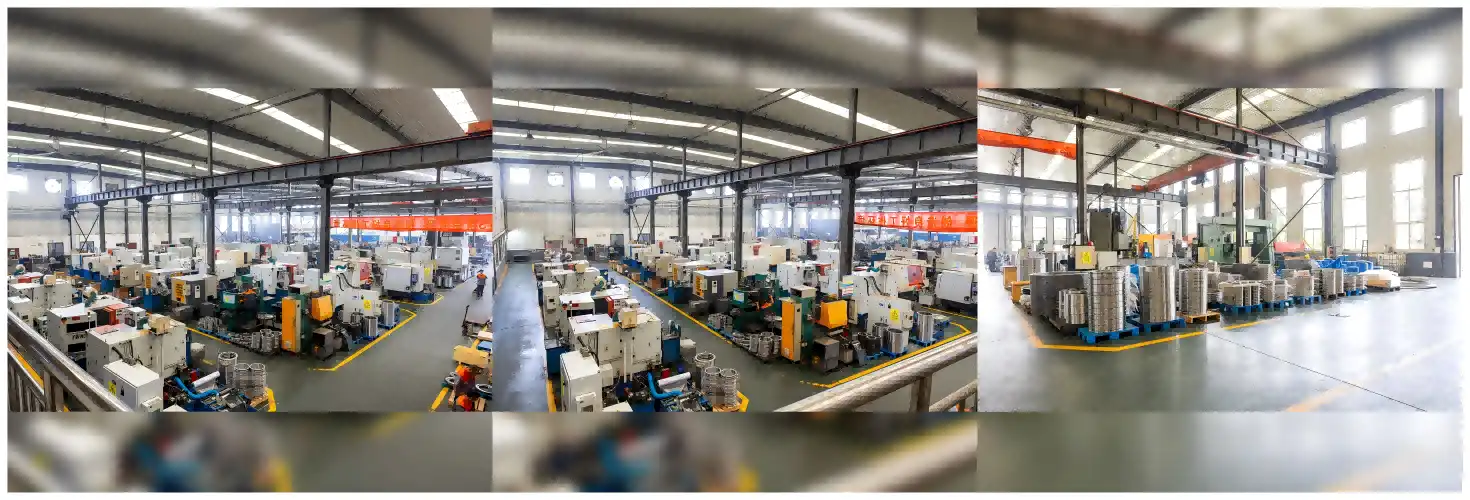
There are problems with authentication in all supply lines for manufacturing components. Purchasing managers should check that the maker has the right certifications, such as ISO 9001 and IATF 16949 compliance. These are standards for quality management systems and the car business. At Luoyang Auto Bearing Co., Ltd., we keep both certifications by following strict rules for manufacturing and making improvements all the time. In 2010, our building was only a single workplace. Now, it has six specialised production areas with 120 trained workers who do production, research and development, quality control, and assembly. This manufacturing scale makes it possible for output quality to stay consistent and lead times to be predictable, which are very important for OEMs handling global production plans.
Pricing Structures and Order Quantities
The price of a cross roller bearing depends on how complicated it is to make and how precise it needs to be. Due to its very thin shape and close specs, the SX011814 Cross roller bearing needs to be machined in a certain way, which affects the unit cost. We can take smaller orders for prototype testing and development, but our minimum order quantities are usually between 50 and 200 units, based on the precision grade requirements. Long-term relationships are rewarded by volume pricing systems. OEMs that sign yearly volume deals get access to lower prices and make sure they have enough supplies during times of high demand. The cost-performance ratio that drives buying choices is met by competitive prices and reliable wait times.
Lead Time Considerations and Supply Chain Planning
Because they use standard manufacturing factors, standard precision grades (P6, P0, and P5) keep production runs short. Ultra-precision P4 and P2 grades need more steps in the processing process and quality checks, which adds a few weeks to the wait time. We suggest that procurement teams set up blanket orders with scheduled releases. This way, we can plan production more efficiently and make sure that the supply of bearings matches the assembly dates of our customers. We can guarantee on-time deliveries thanks to our well-established shipping networks that serve South Korea, the USA, Germany, Russia, Iran, and Turkey. These networks were built up over years of focusing on exports.
Customisation Options and Technical Support
Standard bearing specifications sometimes need to be changed for OEM uses. We offer customisation services that include unique sealing settings, changed mounting interfaces, and material treatments that are made to work with particular applications. When standard catalogue goods don't exactly meet the needs of a specific application, these engineering services come in handy. Our technical support team helps engineering teams choose the right bearings, make sure their load calculations are correct, and give advice on how to install them. These are all tools that help them get the most out of bearing integration during the system design process. Quick technical help cuts down on the time it takes to create something and stops expensive mistakes in the specifications.
Maintenance and Longevity Best Practices for SX011814 Cross Roller Bearing
When repair schedules aren't followed, precision bearings' performance drops as expected. Regular maintenance keeps things running longer and stops them from breaking down without warning.
Routine Inspection and Monitoring Protocols
Rotational smoothness, temperature uniformity, and acoustic signals should all be checked on a regular basis. For continuous-duty uses, we recommend inspections every three months, but the length of time between inspections depends on how bad the process is. Engineers should use torque readings to keep an eye out for increased friction. Gradual increases in friction often mean that the lubrication is breaking down before a major failure happens. Vibration analysis equipment finds early signs of bearing wear, which lets maintenance be planned instead of fixes being done in an emergency. Temperature tracking shows problems with grease and misalignment that make wear happen faster. These diagnostic methods change upkeep from being reactive to being predictive, which greatly increases the amount of time that equipment is usable.
Lubrication Requirements and Techniques
For cross roller bearings to last a long time, they need to be properly oiled. The SX011814 Cross roller bearing usually uses grease as a lubricant, which is chosen based on the speed and temperature profile of the application. Synthetic greases with NLGI Grade 2 consistency are often used in high-precision applications because they work well at a wide range of temperatures and don't need to be re-oiled very often. Depending on the working conditions, lubrication needs to be done more often when there is continuous high-speed rotation than when there is occasional low-speed rotation. To avoid over-greasing, which causes too much heat and spinning resistance, we suggest following the grease manufacturer's instructions for relubrication amounts. Oil maintenance methods work well for some high-speed tasks, but they add extra complexity that isn't needed in many situations.
Troubleshooting Common Performance Issues
Strange noises during spinning could mean several issues. High-frequency grinding sounds mean that there is contamination in the raceway. The machine needs to be shut down right away, and the bearings need to be replaced to keep other parts from getting damaged. Low-frequency buzzing is often caused by not enough preload or an uneven mounting area. If the working temperature goes up without the load changing, it means that the lubrication is breaking down or there isn't enough oil. Too much vibration could happen if the fixing surface isn't flat or if the pressure on the fastening rings isn't right. We've made diagnostic guides that link signs to their underlying causes. This makes it easier for support teams to quickly fix problems. The right installation is very important. Preparing the mounting surface, following the torque specs, and checking the alignment during installation stops many common operating problems.
Conclusion
Medical equipment, robots, chip manufacturing, and precision machinery all use mission-critical motion control applications that always choose the SX011814 Cross roller bearing when performance can't be compromised. Its unique cross-roller design gives it a very small size but a high multidirectional load capacity, better stiffness, and excellent rotational accuracy. This special part is better than ball bearings and regular roller bearings; it makes system design easier and increases durability. To do good procurement, you need to work with qualified makers who keep their ISO 9001 and IATF 16949 certifications up to date, understand how prices work and how long lead times affect orders, and follow strict maintenance practices. OEMs that need regular precision and long service life in harsh industrial settings should invest because of the technical advantages and operating benefits.
FAQ
1. What distinguishes the SX011814 cross roller bearing in precision motion control applications?
It is unique that the SX011814 Cross roller bearing can handle radial, axial, and moment loads all at the same time in a single ultra-thin bearing unit that is only 10mm wide. The crossed cylinder roller setup is 3–4 times more rigid than ball bearings, and the split outer ring design makes it possible to fine-tune the preload. This combination gives great rotational precision and load capacity without the need for complicated dual-bearing setups. These benefits directly address the space limitations and performance needs of current automation equipment.
2. How does load capacity compare with traditional ball bearings?
The rollers and raceways of a cross roller bearing make line contact with each other, which spreads loads over a much larger surface area than the point contact of a ball bearing. Because of this basic difference, the SX011814 Cross roller bearing can handle much higher horizontal and axial loads compared to its size, while still being more rigid when moment loads are applied. This built-in load-handling feature is very helpful for applications with mixed load directions, and it often gets rid of the need for paired ball bearing setups.
3. What are typical lead times for bulk orders through authorised manufacturers?
Standard precision grades usually ship in 4 to 6 weeks for orders of 100 to 500 units, but wait times depend on the accuracy requirements and the number of units ordered. Ultra-precision P4 and P2 grades need more time to be processed, which means delivery will take 6 to 8 weeks longer. Setting up blanket buy orders with scheduled releases helps manufacturers plan their production better, which often cuts down on effective wait times and makes sure that supply availability matches customer assembly schedules. Dealing directly with factories instead of middlemen sellers usually leads to more reliable delivery times and easier access to technical help.
Partner with ATLYC for Reliable SX011814 Cross Roller Bearing Supply
To get mission-critical motion control performance, you need to do more than just buy parts. You need to work with a maker that combines precision engineering, international quality standards, and the ability to increase production capacity as needed. ATLYC (Luoyang Auto Bearing Co., Ltd.) has been making bearings for OEMs in South Korea, the US, Germany, Russia, Iran, and Turkey for 15 years. Our factories that are ISO 9001 and IATF 16949 certified make the SX011814 Cross roller bearing with uniform quality and short wait times. Our technical team can help you with everything from choosing the right product to installing it, whether you need standard specs or unique solutions. Email us at auto@lyautobearing.com to talk about your precision bearing needs with a provider of SX011814 Cross roller bearings who is dedicated to your long-term success.
References
1. Harris, T.A. and Kotzalas, M.N. (2006). "Advanced Concepts of Bearing Technology: Rolling Bearing Analysis, Fifth Edition." CRC Press, Taylor & Francis Group.
2. Schaeffler Technologies AG & Co. KG. (2019). "Cross Roller Bearings: Design, Application, and Selection Criteria." Technical Product Information TPI 136.
3 ISO 492:2014. "Rolling Bearings — Radial Bearings — Geometrical Product Specifications (GPS) and Tolerance Values." International Organisation for Standardisation.
4. Ziegltrum, A., Lohner, T., and Stahl, K. (2017). "TEHL Simulation on the Influence of Lubricants on Load-Dependent Gear Losses." Tribology International, Volume 113, pp. 252-261.
5. NSK Ltd. (2018). "Precision Bearings for Industrial Robots: Selection and Application Guide." Motion & Control Technical Report.
6. American Bearing Manufacturers Association. (2020). "Engineering Guidelines for the Application of Crossed Roller Bearings in Precision Equipment." ABMA Standard Publication.
Learn about our latest products and discounts through SMS or email