- English
- French
- German
- Portuguese
- Spanish
- Russian
- Japanese
- Korean
- Arabic
- Greek
- German
- Turkish
- Italian
- Danish
- Romanian
- Indonesian
- Czech
- Afrikaans
- Swedish
- Polish
- Basque
- Catalan
- Esperanto
- Hindi
- Lao
- Albanian
- Amharic
- Armenian
- Azerbaijani
- Belarusian
- Bengali
- Bosnian
- Bulgarian
- Cebuano
- Chichewa
- Corsican
- Croatian
- Dutch
- Estonian
- Filipino
- Finnish
- Frisian
- Galician
- Georgian
- Gujarati
- Haitian
- Hausa
- Hawaiian
- Hebrew
- Hmong
- Hungarian
- Icelandic
- Igbo
- Javanese
- Kannada
- Kazakh
- Khmer
- Kurdish
- Kyrgyz
- Latin
- Latvian
- Lithuanian
- Luxembou..
- Macedonian
- Malagasy
- Malay
- Malayalam
- Maltese
- Maori
- Marathi
- Mongolian
- Burmese
- Nepali
- Norwegian
- Pashto
- Persian
- Punjabi
- Serbian
- Sesotho
- Sinhala
- Slovak
- Slovenian
- Somali
- Samoan
- Scots Gaelic
- Shona
- Sindhi
- Sundanese
- Swahili
- Tajik
- Tamil
- Telugu
- Thai
- Ukrainian
- Urdu
- Uzbek
- Vietnamese
- Welsh
- Xhosa
- Yiddish
- Yoruba
- Zulu
RA Crossed Roller Bearings: High Load Capacity Explained
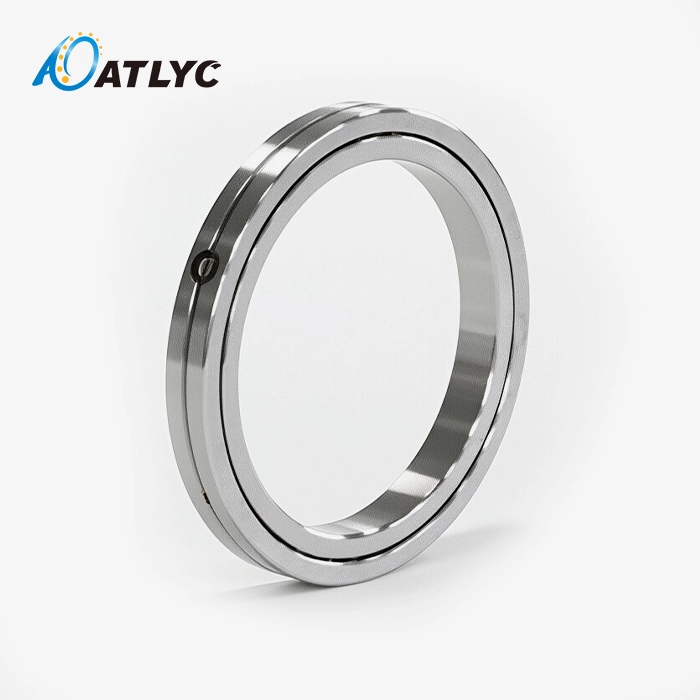
RA Crossed Roller Bearings are a new step forward in precision bearing technology. They are designed to provide high load capacity while keeping the size of the bearings as small as possible. These complex parts have a special cross-arrangement of circular wheels placed at right angles to each other. This lets them handle radial, axial, and moment loads all at the same time in a single unit. They are essential for high-precision uses in the automobile, industrial automation, and medical equipment sectors because the separable outer ring design and integral inner ring construction make the structure as strong as possible while reducing weight and space needs.

Understanding RA Crossed Roller Bearings and Their Design Features
Through their unique structural method, RA Crossed Roller Bearings are different from other bearing options in the way they are built. These precise parts have V-groove raceways with cylindrical rollers placed perpendicular to each other. This makes the best load distribution across the whole bearing system. The outer ring can be taken off, which makes installation and upkeep easier. The inner ring is built in, which provides better rotational accuracy that is needed for demanding uses.
Advanced Material Engineering for Enhanced Performance
Modern RA crossed roller bearings are made of high-quality materials, such as Gcr15 and Gcr15SiMn steel alloys, which were chosen because they are very durable and can hold a lot of weight. These materials go through a lot of difficult heat treatments to get them to the right amount of hardness while keeping their shape under different working situations. The type of material directly affects how well the bearing can handle high loads and keep its precise measurements over long periods of time. The thin-wall building method cuts down on the size of the shell without affecting the strength of the structure. Optimizing wall thickness lets you make equipment that is lighter while still keeping the high stiffness that is needed for precision uses. This way of building works especially well in robots and automation equipment, where lowering weight has a direct effect on how well the whole system works and how much energy it uses.
Precision Manufacturing Standards and Quality Assurance
These precision bearings are made to international standards with accuracy grades running from P6 to P3. This makes sure that the quality stays the same from one production run to the next. Inner diameters can be anywhere from 20mm to 350mm, outer diameters can be anywhere from 70mm to 540mm, and widths can be anywhere from 12mm to 45mm. These wide ranges of sizes give engineers a lot of design choices for a wide range of application needs. ISO 9001 and IATF 16949 certification standards are used in quality control methods. This ensures stable, high-quality manufacturing and the ability to track products throughout the entire production cycle. Advanced measurement tools check the accuracy of the dimensions and the quality of the surface finish, making sure that every bearing meets RA Crossed Roller Bearings ' strict performance standards needed for important uses.
Advantages of RA Crossed Roller Bearings for Global B2B Applications
The better performance features of these specialized bearings solve important practical problems that modern makers of industrial equipment face. Their ability to combine multiple load directions into a single bearing unit makes construction much simpler and improves the accuracy and reliability of the whole system.
Multi-Directional Load Handling Capabilities
The cross-roller setup works by distributing loads in a way that is perpendicular to the load path. This makes sure that forces are transferred efficiently through line contact instead of point contact configurations. This basic design advantage makes it possible to carry more weight than other types of bearing setups.
Key performance benefits include the following critical advantages:
- Multi-directional Load Capability: A single bearing replaces complex bearing arrangements, handling radial loads up to several tons while simultaneously managing axial forces and moment loads, reducing component count and assembly complexity significantly
- Enhanced Rigidity: The cross-roller design makes it very stiff, so it doesn't bend or stretch when the load changes. This is still very important for keeping positioning accuracy in precision machinery use.
- Smooth Operation: Low friction coefficients ensure consistent rotational performance with minimal torque requirements, while balanced load distribution reduces wear patterns and extends service life considerably
- Superior Precision: Runout accuracy reaches micron-level tolerances, making these bearings suitable for applications requiring exceptional positioning accuracy and repeatability
All of these benefits work together to solve basic problems that come up in precision manufacturing settings where room is limited, and performance standards keep going up. The unified design approach cuts down on the need for supplies and makes upkeep easier. This has a direct effect on how well industrial equipment makers can run their businesses and keep costs down.
Industry-Specific Performance Benefits
The small size and high stiffness of crossed roller bearings make them very useful for industrial robotics uses. When it comes to robotic joints and end-effectors, where accuracy directly affects production quality and cycle times, the ability to handle moment loads while keeping exact positioning is a must. Imaging systems and surgery robots are used by companies that make medical tools because they are easy to use and accurate. The vibration-free performance ensures stable operation, which is important for accurate diagnosis and precise surgery. The small size also lets you set up the equipment in ways that are easier for both the user and the patient to use.
Comparing RA Crossed Roller Bearings with Alternative Bearing Solutions
When you know how RA Crossed Roller Bearings work differently from other options, you can make smart purchasing decisions based on your application needs and operating limitations. Each type of bearing has its own benefits that rely on the load, the available room, and the level of accuracy needed.
Performance Analysis Against Conventional Bearings
While ball bearings work well at high speeds and are less expensive, they can't handle as much moment load as crossed roller designs. Because ball bearings have a point contact structure, they have higher stress concentrations and less stiffness when they are loaded together. Ball bearings aren't always the best choice for applications where RA Crossed Roller Bearings need to be very precise and handle moment loads. In these cases, more advanced solutions are needed. When there is only radial load, cylindrical roller bearings work great, but you need extra bearings to handle axial load. This method of using multiple bearings makes the system more complicated and the area bigger, which goes against the current trend in design toward small, combined solutions. The crossed roller option combines these tasks into one while keeping the high level of accuracy.
Cost-Benefit Analysis for Industrial Applications
While slewing bearings can handle big bores and come with mounting features, they usually don't have the level of precision needed for high-accuracy uses. Modern equipment design goals that stress flexibility and energy economy often clash with the need for more space and heavier items. It is possible to arrange angular contact bearings in pairs to handle moment loads, but this makes the arrangement more complicated and requires more precise matching between the sets of bearings. The integrated approach of crossed roller bearings eliminates these complications while providing superior performance characteristics. A thorough look at performance measures, application suitability, and maintenance factors can help with purchasing choices. In addition to the initial buy price, the total cost of ownership must take into account how hard the system is to set up, how often it needs to be maintained, and how reliable it is.
Procurement Guide for RA Crossed Roller Bearings
To buy precision bearings successfully, you need to carefully consider the technical specs, the supplier's skills, and the need for long-term support. Because current industrial uses are so complicated, they need more than just simple dimensional and load requirements.
Technical Specification Assessment
Load requirement analysis is the first step in choosing the right bearing. It looks at radial, axial, and moment loads in a variety of working situations. When you calculate a dynamic load, you need to take into account things like acceleration forces, vibration levels, and practical job cycles to make sure there are enough safety margins for the whole predicted service life. Some environmental factors to think about are temperature ranges, amounts of pollution, and the type of lubrication needed for the job. The choice of material, the need for sealing, and the frequency of upkeep are all affected by these factors. In turn, these factors have an effect on the long-term prices and dependability of operations.
Supply Chain Considerations and Vendor Evaluation
Minimum order amounts and delivery wait times have a big effect on procurement plans, especially for businesses that try to keep their inventory levels low. The benefits of buying in bulk must be weighed against the costs of keeping a stockpile and the risk of tools becoming obsolete as designs change. The best makers keep up-to-date quality certifications and offer thorough technical paperwork to support design validation and compliance needs. When buying things on a large scale for industry, where unexpected failures can cause big production delays, warranty policies and after-sales help are very important. When looking at online wholesalers and secondary providers, authenticity checks become more and more important. Fake bearings are very dangerous and cannot be relied on, so checking the seller and keeping records of where the bearings came from are important parts of buying things responsibly.
Future Perspectives and Innovations in RA Crossed Roller Bearing Technology
New technologies are always making the bearing business better by increasing load capacity, durability, RA Crossed Roller Bearings, and operating intelligence. As material science progresses, high-strength metals and surface treatments are created that make things work better in harsh situations and last longer.
Smart Bearing Integration and Industry 4.0
Putting sensor technologies into bearing systems lets you check on their state in real time and plan for maintenance. These smart bearing systems give constant input on load conditions, changes in temperature, and the rate of wear. This helps with preventative maintenance plans that cut down on unexpected downtime. New coating technologies and surface engineering methods make things less likely to stick and prevent corrosion, which means they can be used in tough settings where they used to need to be replaced often. These changes are especially helpful for businesses that work in harsh temperatures or toxic environments. Improvements to the manufacturing process, such as new methods for precision cutting and additive manufacturing for cage parts, keep lowering production costs and raising quality standards. These advances in technology make it easier for more cost-conscious users to use high-precision bearings.
Conclusion
RA Crossed Roller Bearings are the best choice for uses that need to carry a lot of weight while staying within a small space. Their new cross-roller design combines radial, axial, and moment load handling into a single small unit. This solves some of the biggest problems in designing precision equipment today. Precision production standards and an outer ring configuration that can be separated make sure that the product works well in a wide range of industrial settings, from robots and medical equipment to systems for making semiconductors. As technology keeps improving the accuracy of manufacturing and the properties of materials, these specialized bearings will stay important parts of the move toward smaller, smarter, and more efficient industrial automation systems.
FAQ
1. What makes RA crossed roller bearings superior to conventional ball bearings?
The cross-roller design allows line contact instead of point contact, which makes the load spread better and the load capacity higher. Being able to handle radial, axial, and moment loads all at the same time in a single bearing gets rid of the need for complicated bearing setups while still being very precise and rigid.
2. How do I determine the correct size specification for my application?
To get the right size, you need to look at the load standards, which include radial forces, axial loads, and moment loads in real-world situations. Think about the size of the package, how it will be mounted, and the surroundings. Technical advice from bearing experts makes sure that the best choice is made based on the specifics of the application and the performance needs.
3. What accuracy grades are available, and how do they impact performance?
There are different levels of accuracy, from P6 (normal) to P3 (ultra-precision). Higher grades offer better runout accuracy and lower sound levels. P4 or P3 grades are better for applications that need micron-level positioning accuracy. On the other hand, P5 or P6 grades are more common in general industry applications because they are cheaper and work better.
Partner with ATLYC for Superior RA Crossed Roller Bearing Solutions
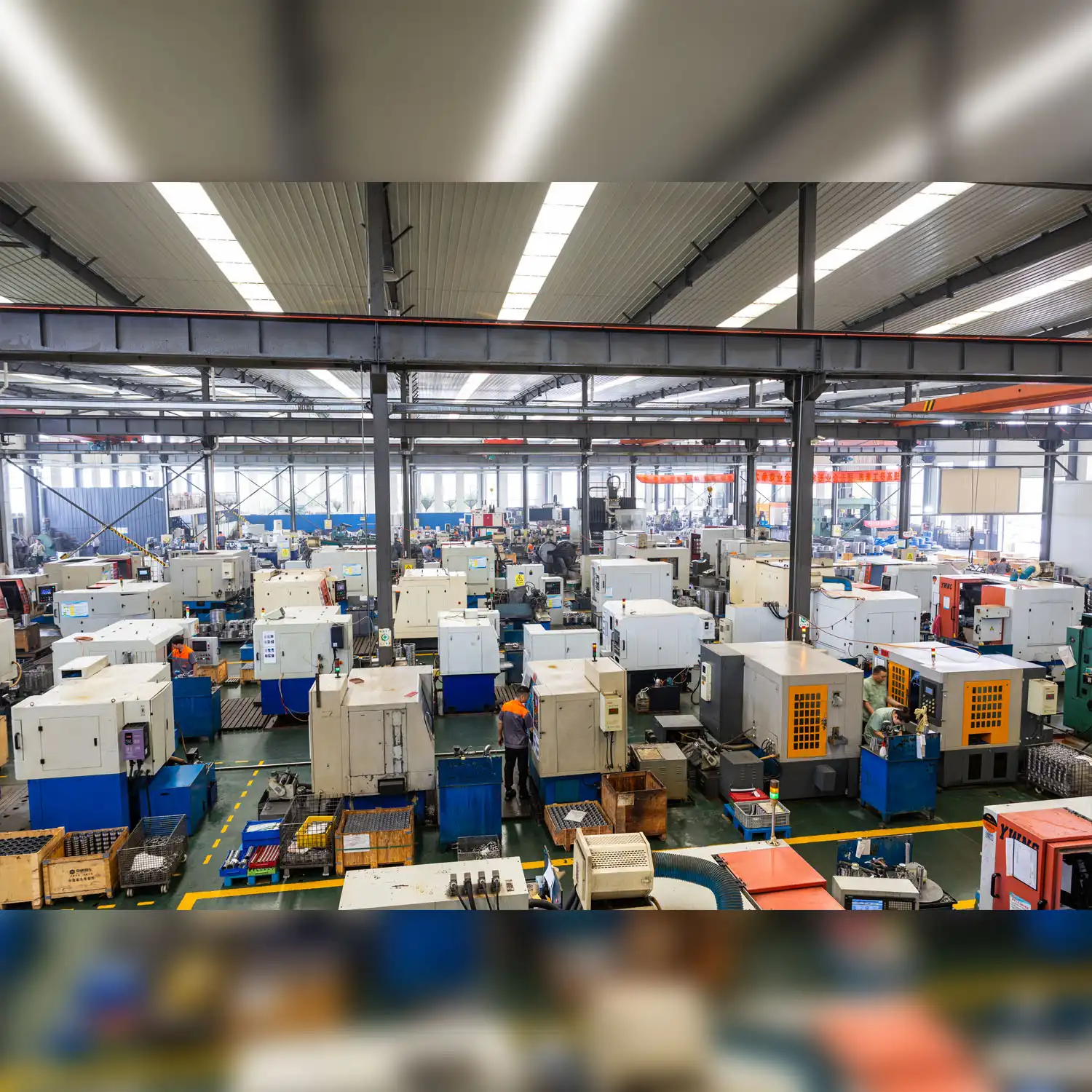
ATLYC stands as your trusted RA Crossed Roller Bearings manufacturer, combining 15 years of manufacturing excellence with ISO 9001 and IATF 16949 certifications to deliver precision bearing solutions that meet the most demanding industrial requirements. Our comprehensive production capabilities span six specialized workshops, enabling us to serve global markets including the United States, Germany, and South Korea with consistent quality and reliable delivery performance. With our experienced engineering team and cutting-edge production technologies, we provide customized bearing solutions optimized for your specific application requirements. Contact our technical specialists at auto@lyautobearing.com to discuss your precision bearing needs and experience the ATLYC difference in quality, reliability, and customer support.
References
1. Harris, T.A. & Kotzalas, M.N. "Essential Concepts of Bearing Technology: Rolling Bearing Analysis." CRC Press, 2019.
2. Xu, L. & Li, Y. "Advanced Materials and Manufacturing Processes for High-Precision Rolling Bearings." Journal of Manufacturing Science and Engineering, 2021.
3. Schmidt, R. & Weber, J. "Cross-Roller Bearing Design Optimization for Industrial Automation Applications." Proceedings of the International Conference on Motion and Power Transmissions, 2020.
4. Chen, W. & Liu, H. "Load Distribution Analysis in Crossed Roller Bearings Under Combined Loading Conditions." Tribology International, 2022.
5. Anderson, P. & Thompson, K. "Quality Assurance and Testing Methodologies for Precision Bearing Manufacturing." International Journal of Quality Engineering, 2021.
6. Zhang, M. & Wang, S. "Smart Bearing Technologies and Industry 4.0 Integration Strategies." Mechanical Systems and Signal Processing, 2023.
Learn about our latest products and discounts through SMS or email