- English
- French
- German
- Portuguese
- Spanish
- Russian
- Japanese
- Korean
- Arabic
- Greek
- German
- Turkish
- Italian
- Danish
- Romanian
- Indonesian
- Czech
- Afrikaans
- Swedish
- Polish
- Basque
- Catalan
- Esperanto
- Hindi
- Lao
- Albanian
- Amharic
- Armenian
- Azerbaijani
- Belarusian
- Bengali
- Bosnian
- Bulgarian
- Cebuano
- Chichewa
- Corsican
- Croatian
- Dutch
- Estonian
- Filipino
- Finnish
- Frisian
- Galician
- Georgian
- Gujarati
- Haitian
- Hausa
- Hawaiian
- Hebrew
- Hmong
- Hungarian
- Icelandic
- Igbo
- Javanese
- Kannada
- Kazakh
- Khmer
- Kurdish
- Kyrgyz
- Latin
- Latvian
- Lithuanian
- Luxembou..
- Macedonian
- Malagasy
- Malay
- Malayalam
- Maltese
- Maori
- Marathi
- Mongolian
- Burmese
- Nepali
- Norwegian
- Pashto
- Persian
- Punjabi
- Serbian
- Sesotho
- Sinhala
- Slovak
- Slovenian
- Somali
- Samoan
- Scots Gaelic
- Shona
- Sindhi
- Sundanese
- Swahili
- Tajik
- Tamil
- Telugu
- Thai
- Ukrainian
- Urdu
- Uzbek
- Vietnamese
- Welsh
- Xhosa
- Yiddish
- Yoruba
- Zulu
What Torque for YRT100 Rotary Table Bearing Mounting Bolts?
To make sure the YRT100 Rotary Table Bearing works well and lasts a long time, the mounting bolts must be tightened to the right torque. By using the right amount of torque, you can keep the precision needed for high-precision machining and automation tasks and avoid problems like misalignment, bearing preload loss, and failure before its time. By looking at the manufacturer's datasheets for your YRT100 Rotary Table Bearing, you can be sure that the installation will meet all of your needs in the workplace.
Introduction
Precision parts like YRT100 rotary table bearings are needed for high-precision drilling and industrial automation systems. During our 15 years at Luoyang Auto Bearing Co., Ltd., we've seen that properly tightening the mounting bolts makes sure that these bearings work perfectly, preventing misalignment, early wear, or catastrophic failure. This guide is for purchasing managers, maintenance engineers, bearing distributors, and OEM clients who need to choose, install, and take care of precision rotary table bearings. Knowing how to use the right torque increases the life of a product, the safety of operations, and the uptime of equipment.
Correct bolt torque has a direct effect on how well the bearings line up, how the preload is distributed, and how much weight they can hold. Under-torquing causes shaking and movement that speeds up the wear on the raceways, while over-torquing adds leftover stresses that weaken the bolts and change the shape of the bearing. In both cases, you'll have to pay for expensive breaks and repair processes that throw off your production plans.
Understanding YRT100 Rotary Table Bearing and Its Mounting Requirements
Engineering Design and Dimensional Specifications
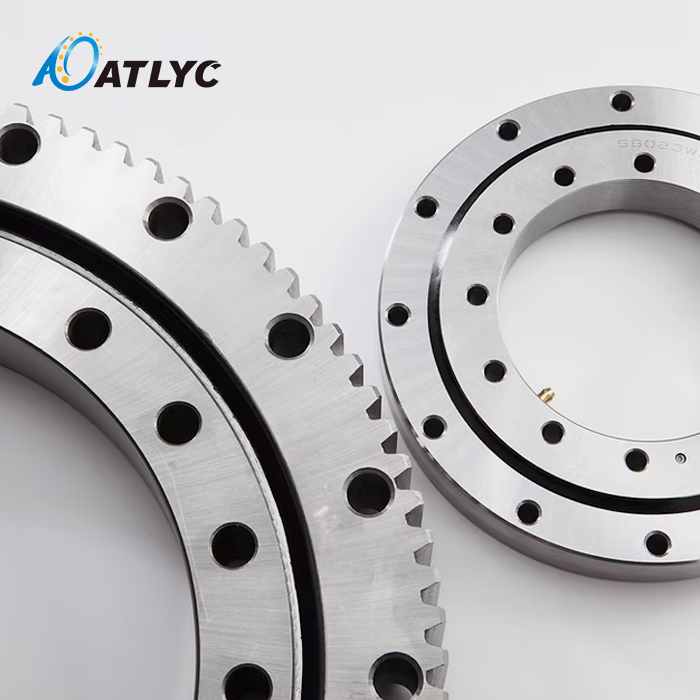
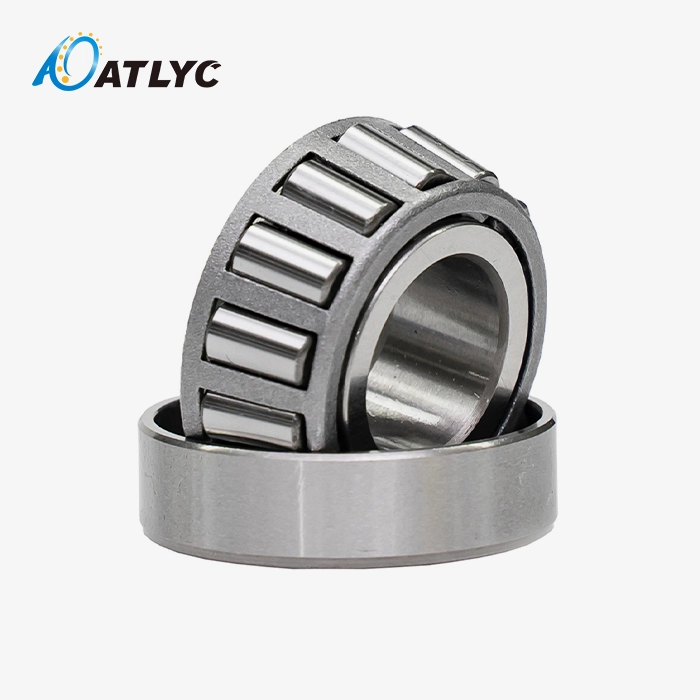
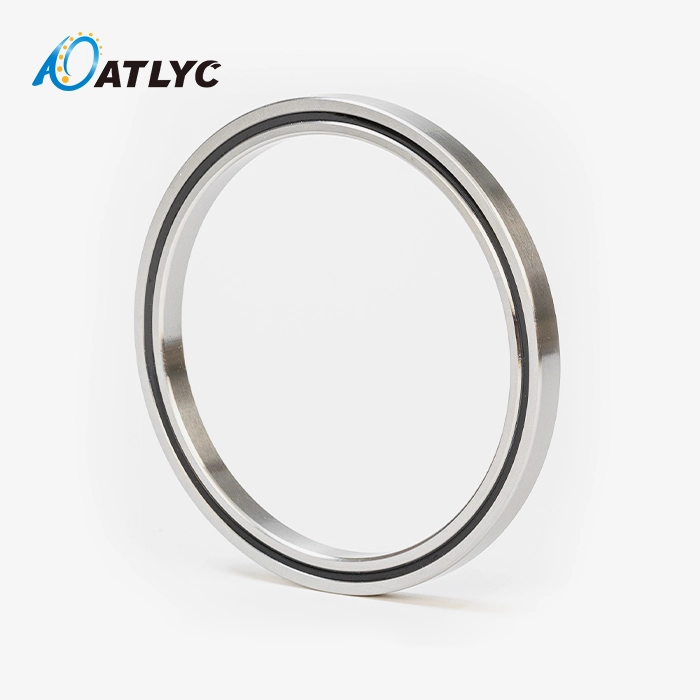
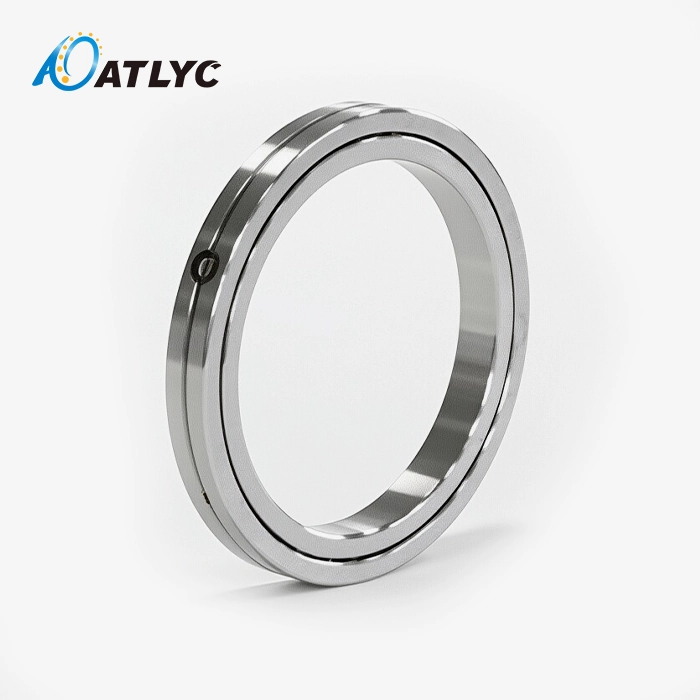
The YRT100 Rotary Table Bearing is an example of cutting-edge engineering used in precise rotary motion situations. This small, combined bearing system can handle thrust, rotational, and moment loads all in one unit. This bearing is perfect for CNC machine centers, turning heads, and precision measurement equipment that needs to be very stiff and have a 100mm hole diameter. Its outer diameter is 185mm, and its height is 38mm.
The bearing has a small, integrated design that is very different from other combined bearing solutions. It has a fixed outer ring, a rotating inner ring, precision steel balls, and a cage. It combines a thrust bearing, a radial bearing, and an indexing mechanism into a single unit. This combined design gets rid of the need to put together a lot of different parts. This makes installing equipment much easier and reduces the size of the mechanical structure as a whole.
Load-Bearing Characteristics and Performance
There are two rows of steel balls set up at a certain contact angle, which is usually 45° or 60° in the YRT100 Rotary Table Bearing. With this set-up, the bearing can handle axial loads, radial loads, and composite moments (tilting moments) from different directions at the same time. Basically, it makes the bearing stronger and more load-bearing, so it can work smoothly even when the loads are complicated, like in 4th and 5th axis CNC machines.
Precision grinding and super-finishing are used on both the inner and outer raceways. This way of making things guarantees a stable surface, lowers friction, and extends the life of bearings in tough situations like direct drive motors and indexing heads, where fast rotation and little runout are important.
Mounting Bolt Specifications and Material Considerations
Mounting bolt selection directly influences torque requirements and installation success. The table below outlines common bolt specifications used with precision rotary bearings:
| Bolt Size | Thread Pitch | Strength Grade | Recommended Torque Range | Typical Application |
|---|---|---|---|---|
| M6 | 1.0 mm | 8.8 | 20-30 Nm | Light-duty rotary tables |
| M8 | 1.25 mm | 8.8 | 40-60 Nm | Standard YRT100 installations |
| M8 | 1.25 mm | 10.9 | 50-70 Nm | High-load applications |
| M10 | 1.5 mm | 8.8 | 70-90 Nm | Heavy-duty machining centers |
Bolt material grade indicates tensile strength and determines safe torque limits. Grade 8.8 bolts possess a minimum tensile strength of 800 MPa, while grade 10.9 bolts reach 1000 MPa. Higher-grade bolts accommodate greater clamping forces but require careful torque control to prevent thread stripping or bearing distortion.
Determining the Correct Torque for YRT100 Bearing Mounting Bolts
Bolt Specification Analysis and Environmental Factors
To pick the right torque, you need to know about the bolt's thickness, strength grade, and lube, as well as how weather and pressure affect the bolt's surroundings. To account for thermal expansion, torque may need to be lowered by 10 to 15 percent when operating temperatures are above 80°C. High-vibration settings require thread-locking solutions and regular torque checks.
The amount of lubrication has a big effect on the friction coefficient between the threads and the bearing surfaces. Because dry bolts have higher friction coefficients (0.15-0.20), they need less power to reach their tightening force goals. When oil or anti-seize chemicals are used to lubricate bolts, the friction ratios drop to 0.1 to 0.12. This lets more force be applied without passing the bolt's strength limits.
Installation Protocol and Preparation Steps
An organised installation procedure makes sure that the results of multiple bearing setups are the same. To start preparing the surface, the fixing surfaces must be cleaned thoroughly to get rid of oil, dirt, and rust that cause uneven touch. To get perfect mating surfaces, we suggest cleaning them with solvents and then drying them with compressed air.
Before the installation of the YRT100 Rotary Table Bearing, damage or contamination can be found by inspecting the threads. Check the bolt threads and threaded holes for burrs, cross-threading, and small pieces of metal. Using a thread chaser on threaded holes gets rid of small flaws and makes sure the threads are engaged properly. Using the right lubricant on bolt threads makes sure that all fasteners have the same level of friction.
Torque Application Methods and Sequences
The right sequence of tightening stops the bearing from distorting and makes sure that the preload is spread out evenly. When more than one bolt holds the bearing in place, we always use a star or cross pattern, tightening opposing bolts one after the other instead of going around the circumference in order. This method keeps the bearing shape within spec and reduces differential loads as much as possible.
Instead of applying force all at once, the first step of tightening is done in stages. A three-step process works well: 30% of the target torque on the first pass, 70% on the second pass, and 100% on the third pass. This gradual tightening makes it possible for the bearing and mounting surfaces to fit properly, which lowers the chance of uneven preload or bolt relaxation.
For accurate installs, you can't do without a calibrated torque wrench. We keep several torque wrenches that come with annual calibration certificates that can be tracked back to national standards. For rare use, beam-type torque wrenches are simple and reliable. Click-type and digital torque wrenches, on the other hand, let you know audibly or visually when the goal torque is reached, which lowers the chance of mistakes during repeated setups.
Common Torque-Related Installation Errors
The most common installation mistake we hear about on technical support calls is over-torquing. Too much force can damage bearing rings, especially those with thin sections. This makes the internal space vary more and lowers the accuracy of spinning. When the mounting force is higher than the bearing housing strength, stress builds up and causes wear cracks, which usually lead to permanent bearing damage.
Under-torquing lets the bearing and fixing surface move very slightly while the machine is running. Wear debris is made by this fretting motion, which corrodes mating surfaces and slowly loosens fasteners. Increasing vibrations, noises heard during rotation, and visible bolt backing off during inspection times are all signs of this problem.
Maintenance Tips to Ensure Long-Term Mounting Bolt and Bearing Performance
Inspection Protocols and Monitoring Intervals
The long-term dependability of rotary table bearings rests on the fixing nuts being checked and fixed on a frequent basis. Based on working conditions and job rounds, we suggest making a full check plan. In places with a lot of shaking or ongoing use, checks should be done once a month. In moderate-duty situations, inspections may be done every three months.
Visual inspection shows clear signs of wear and tear before they become functional problems. Look for loose bolts, rusty spots around screws that mean water got in, or mounting surfaces that have changed shape. Usually, discolouration around the bolt heads means that too much heat is being produced because of insufficient clamping force or bearing damage.
Checking the torque is a regular part of mechanical inspection. Check each bolt by applying torque in the direction of tightening with a calibrated torque wrench until it starts to move. The "break-away" torque should be 90 to 95% of the torque that was used for installation. Lower values mean that the bolt has relaxed and needs to be re-torqued right away to stop it from opening more and damaging the bearing.
Re-Torquing Procedures and Documentation
Re-torquing is needed after the first run-in periods and at regular repair times. We suggest that you check the bolt torque after 24 hours of use, again after 100 hours of use, and then every 1000 hours, or every six months. This schedule takes into account how fasteners and bearing parts settle in the beginning and how their stresses relax over time.
Keeping records of maintenance tasks creates an important operational history and helps with troubleshooting. In equipment maintenance logs, write down the date of installation, the original torque values, the bolt specs, and the results of any later inspections. This information shows patterns that point to faster wear, bad torque procedures, or environmental factors that affect how well bearings work.
Troubleshooting Common Torque-Related Issues
When a bolt keeps coming loose even after being torqued properly at first, it means there are deeper problems that need to be looked into. Some possible reasons are bolts that aren't strong enough for the job, cyclic loading that goes beyond the design limits, or vibration frequencies that match the fastener's resonance. Upgrading to better fasteners, putting in place vibration isolation, or switching to self-locking bolt designs with prevailing torque features could be solutions.
If you properly apply force and the bearing still makes noise or spins unevenly, this could mean that the preload is off or there is damage inside the bearing. Too much fastening pressure may have deformed the bearing ring, which changed the internal shape and the way the ball contacts the track. On the other hand, not enough power lets the bearing move inside its case, which causes impact loads and faster wear. It's necessary to take out and inspect the bearings to see how badly they're damaged and decide if they need to be replaced.
Comparing YRT100 Mounting Practices with Alternative Rotary Table Bearings
Structural Distinctions and Functional Applications
Knowing how YRT100 bearings differ from other products, like cross roller bearings and slewing ring bearings, makes it easier to understand the different mounting torque needs and best installation methods. Cross roller bearings have cylindrical rollers that are arranged perpendicular to each other. They offer high rigidity in small packages, but they need more precise mounting surface flatness tolerances than YRT designs.
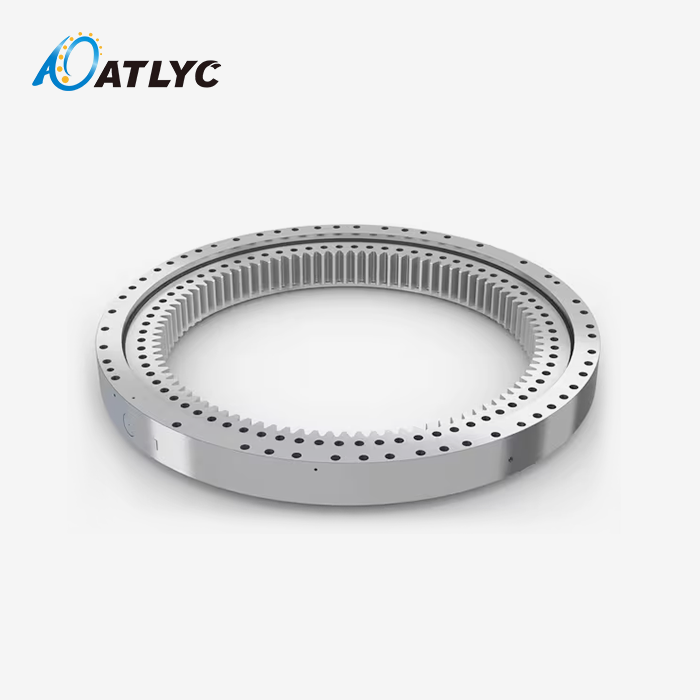
For direct drive uses, slewing ring bearings have bigger sizes and gear teeth built right in. Because their mounting bolt patterns spread loads across many screws, they usually need lower individual bolt torques (15–25 Nm for M8 bolts) than YRT100 setups. The extra fasteners, on the other hand, make installation take longer and maintenance more difficult.
The following comparison table illustrates key mounting differences across bearing types:
| Bearing Type | Mounting Bolt Count | Typical Bolt Torque | Surface Flatness Requirement | Installation Complexity |
|---|---|---|---|---|
| YRT100 | 12-16 | 40-60 Nm (M8) | ±0.03 mm | Moderate |
| Cross Roller (100mm) | 8-12 | 35-50 Nm (M8) | ±0.02 mm | High |
| Slewing Ring (100mm bore) | 24-32 | 20-30 Nm (M8) | ±0.05 mm | Moderate-High |
OEM Recommendations and Manufacturer Guidelines
OEM and aftermarket supplier recommendations vary based on application-specific requirements and manufacturing tolerances. Authorized YRT100 manufacturers provide detailed installation manuals specifying torque values validated through extensive testing under various load conditions and operating temperatures. These guidelines account for bearing internal geometry, material properties, and intended application parameters.
Aftermarket suppliers sometimes offer generic torque recommendations based on bolt size and grade alone, without accounting for specific bearing design characteristics. This approach introduces risk when installation conditions differ from assumed standards. We always advise consulting original equipment manufacturer documentation or contacting technical support teams for clarification when discrepancies exist between sources.
Procurement and Supplier Guidance for YRT100 Bearings and Accessories
Selecting Trusted Suppliers and Quality Verification
Finding real YRT100 Rotary Table Bearing rotary table bearings and the right mounting hardware is a key part of installing them correctly. There are a lot of providers in the bearing production business, and their quality standards and specialised skills range. When you choose manufacturers with ISO 9001 and IATF 16949 certifications, it shows that they are committed to consistent quality management and standards for the automotive industry that can be used for precision bearing production.
Well-known companies that make products keep a lot of technical information about them. This includes measurement models with limits, certificates of materials, records of heat treatment, and data from performance tests. When suppliers offer full datasheets, installation guides, and quick technical help, it means they have the engineering know-how and production capacity that are needed for tough industrial uses.
Fake bearings are a problem that keeps coming up in global supply lines. Real goods have identification marks that are laser-etched into them, uniform package quality, and all the paperwork that goes with them. Price points that are much lower than the market average usually mean that the quality has been lowered or that the product was made without permission. Having long-term ties with trustworthy sources lowers the risk of buying things and ensures you can get real parts.
Technical Support and Installation Assistance
Suppliers who offer technical advice and help with installation make sure that clients get solutions that are perfect for their industrial needs. Manufacturers of experienced bearings have application engineering teams that can look at specific working needs, suggest the right bearings, and give thorough installation instructions that take into account any unique mounting issues.
We've come up with installation support protocols that will help customers throughout the whole lifecycle of the bearing. Before putting together the equipment, pre-installation consultations go over the application parameters, make sure the right bearings are chosen, and look for any possible mounting problems. During installation, questions about torque processes, surface preparation, or fixing problems that come up out of the blue are answered by remote technical support. After installation, follow-up checks are made to make sure the bearings are working properly and take care of any operational issues.
Procurement Considerations for Volume Orders
When you order in bulk, lead times, prices, and the reliability of the supply chain are all affected. Due to regular production runs, standard YRT100 bearings usually have faster delivery times. However, customised versions need longer manufacturing periods for design approval and production setup. By planning purchase cycles around when to maintain equipment or build a new machine, project delays caused by bearing supply can be avoided.
Making commitments to buy in bulk can often get you better prices and earlier scheduling for production. Both parties benefit from forming strategic partnerships with bearing manufacturers who can show large-scale production, continuous improvement, and international experience. Suppliers get stable order numbers that help them plan their production more efficiently, and customers get better prices, regular delivery performance, and more expert support that shows how important they are to the business.
Conclusion
The right fixing bolt pressure is a key factor in determining how well and how long a YRT100 Rotary Table Bearing works. To get the right pressure, you need to know the bolt specs, follow organised installation processes, and keep up with regular inspections for the life of the bearing. The 40–60 Nm range for standard M8 bolts is a good place to start, but always check the exact requirements against the manufacturer's documentation for your bearing model and the conditions of the application. Progressive tightening routines, torque tools that are measured, and regular checks make sure that the results are the same from installation to installation. We've seen a lot of examples where paying attention to torque details stops expensive failures and makes equipment last a lot longer.
FAQ
1. What is the recommended torque for mounting bolts on a YRT100 Rotary Table Bearing?
Recommended mounting bolt torque for YRT100 bearings typically ranges from 40-60 Nm when using M8 grade 8.8 bolts with proper lubrication. Exact values depend on bolt material grade, lubrication state, and environmental conditions. Always consult the manufacturer's specifications for your specific bearing model.
2. Can I use the same torque values for different YRT series bearing sizes?
Torque values vary across YRT series sizes due to differences in bearing geometry, mounting bolt specifications, and load requirements. Larger bearings like YRT150 or YRT200 typically require higher torque values with larger diameter bolts. Each bearing size demands specific torque settings validated for its dimensional characteristics.
3. How frequently should I check mounting bolt torque during machine operation?
Check mounting bolt torque after the initial 24 hours of operation, again at 100 operating hours, and subsequently every 1000 hours or six months. High-vibration environments or continuous duty cycles warrant more frequent inspections, potentially monthly, to detect loosening before bearing damage occurs.
Partner with ATLYC for Precision Bearing Solutions and Expert Installation Support
ATLYC delivers exceptional value for manufacturers seeking a reliable YRT100 Rotary Table Bearing supplier backed by 15 years of precision bearing manufacturing expertise. Our ISO 9001 and IATF 16949 certified production facilities employ 120 skilled professionals dedicated to producing high-precision bearings meeting international quality standards. We've expanded from a single workshop to six specialized production areas, mastering rotary table bearing manufacturing and serving customers across South Korea, the United States, Germany, Russia, Iran, and Turkey.
Our technical support team provides comprehensive installation guidance, including specific torque recommendations tailored to your application requirements. Contact our engineering specialists at auto@lyautobearing.com to discuss your YRT100 Rotary Table Bearing needs, request detailed product specifications, or obtain competitive quotes for volume orders. We combine competitive pricing with reliable lead times, consistent quality, and long-term partnership commitment that purchasing managers and OEM clients value. Let us demonstrate why leading automotive and industrial equipment manufacturers trust ATLYC for their precision bearing requirements.
References
1. Harris, T.A. & Kotzalas, M.N. (2006). "Advanced Concepts of Bearing Technology: Rolling Bearing Analysis, Fifth Edition." CRC Press, Chapter 12: Bearing Mounting and Installation Practices.
2. ISO 76:2006. "Rolling Bearings — Static Load Ratings." International Organization for Standardization, Geneva, Switzerland.
3. Bickford, J.H. (2008). "Introduction to the Design and Behavior of Bolted Joints, Fourth Edition: Non-Gasketed Joints." CRC Press, Sections on Torque-Tension Relationships.
4. SKF Group. (2018). "Rolling Bearings Catalogue: Mounting, Dismounting and Bearing Care." Publication PUB BU/P1 10000/3 EN, Technical Guidelines for Precision Bearing Installation.
5. Schaeffler Technologies AG & Co. KG. (2019). "Technical Handbook: Rotary Table Bearings Installation and Maintenance." INA Product Division Technical Documentation.
6. German Institute for Standardization. (2017). "DIN 946: Slewing Bearings and Rotary Table Bearings — Mounting Dimensions and Tolerances." Deutsches Institut für Normung, Berlin, Germany.
Learn about our latest products and discounts through SMS or email