- English
- French
- German
- Portuguese
- Spanish
- Russian
- Japanese
- Korean
- Arabic
- Greek
- German
- Turkish
- Italian
- Danish
- Romanian
- Indonesian
- Czech
- Afrikaans
- Swedish
- Polish
- Basque
- Catalan
- Esperanto
- Hindi
- Lao
- Albanian
- Amharic
- Armenian
- Azerbaijani
- Belarusian
- Bengali
- Bosnian
- Bulgarian
- Cebuano
- Chichewa
- Corsican
- Croatian
- Dutch
- Estonian
- Filipino
- Finnish
- Frisian
- Galician
- Georgian
- Gujarati
- Haitian
- Hausa
- Hawaiian
- Hebrew
- Hmong
- Hungarian
- Icelandic
- Igbo
- Javanese
- Kannada
- Kazakh
- Khmer
- Kurdish
- Kyrgyz
- Latin
- Latvian
- Lithuanian
- Luxembou..
- Macedonian
- Malagasy
- Malay
- Malayalam
- Maltese
- Maori
- Marathi
- Mongolian
- Burmese
- Nepali
- Norwegian
- Pashto
- Persian
- Punjabi
- Serbian
- Sesotho
- Sinhala
- Slovak
- Slovenian
- Somali
- Samoan
- Scots Gaelic
- Shona
- Sindhi
- Sundanese
- Swahili
- Tajik
- Tamil
- Telugu
- Thai
- Ukrainian
- Urdu
- Uzbek
- Vietnamese
- Welsh
- Xhosa
- Yiddish
- Yoruba
- Zulu
Which Applications Benefit Most From RB8016 Dimensions?
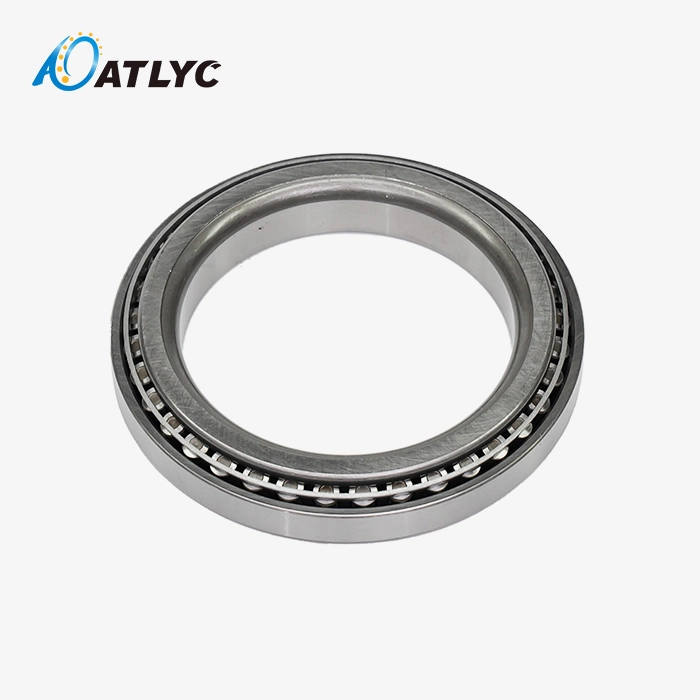
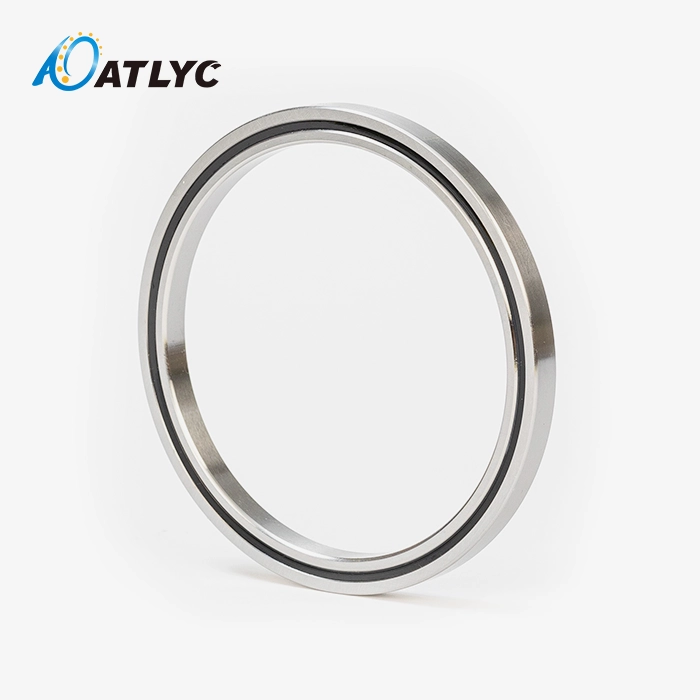
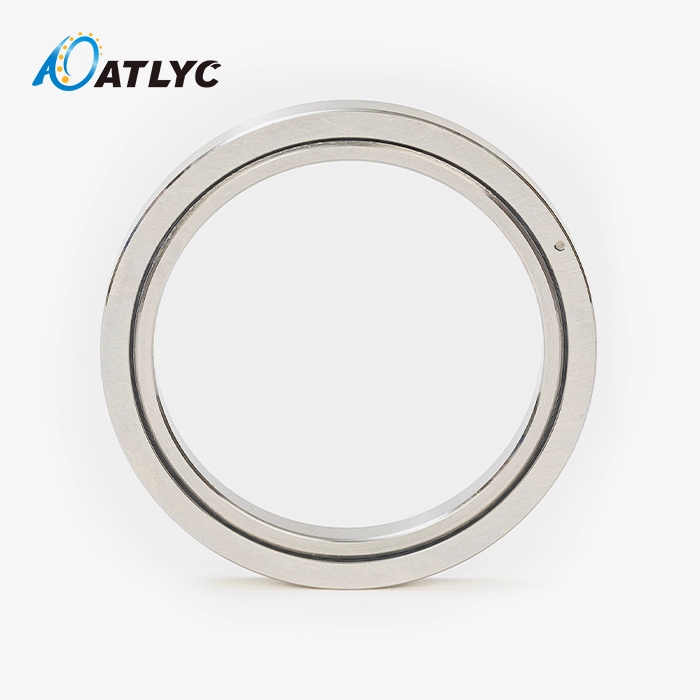
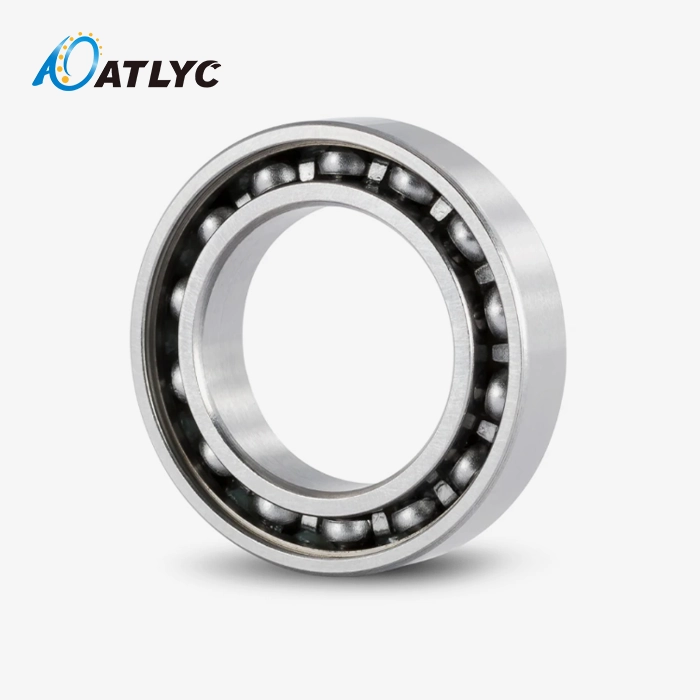
The physical characteristics of the RB8016 bearing are of great importance for the evaluation of the precision components for industrial applications. The RB8016 Dimensions - normally 80mm bore diameter, 110mm outside diameter and 16mm breadth - provide a unique combination of load capacity and small footprint. These qualities make the bearing especially ideal for automobile transmissions, industrial gearboxes and automation systems where space restrictions meet severe operating requirements. The dimensional profile of this bearing allows it to be integrated into current designs of equipment without modification, but still operate in a strong manner during continuous operation.

Understanding RB8016 Dimensions – A Detailed Overview
Core Dimensional Specifications
The RB8016 bearing has standard sizes according to the international standards for naming bearings. The designation is systematic. "R" means the bearing series type, and "B8016" identifies the bore and overall size category. The usual specifications are 80mm bore diameter, 110mm outer diameter, and 16mm breadth, with a specified dimensional envelope which is crucial for engineering calculations. These measures directly impact load distribution, rotational precision and heat management capabilities. The 30mm gap between bore and outer diameter offers just enough raceway width for more than one ball element to share the load and to distribute the radial and axial stresses effectively. The width of 16mm provides stability at high rotation speeds and, at the same time, a reasonably small axial cross-section for tight installations.
Mounting and Installation Parameters
The success of the installation is determined not only by fundamental measurements such as mounting hole spacing and shaft tolerance requirements. For the best interference fit, the RB8016 normally needs an H7 shaft tolerance and an H8 housing tolerance. These criteria firmly hold the bearing in place under operating loads and allow for thermal expansion over long periods of usage. Remember the packaging dimensions during purchase planning. Standard RB8016 units are normally sent in protective boxes of approx. 150mm x 150mm x 50mm. Each Bearing weighs approx. 0.8kg. These logistical considerations impact shipment costs, storage needs, and handling processes, especially when buying big quantities for industrial lines.
| Specification | Measurement | Tolerance Standard |
|---|---|---|
| Bore Diameter | 80 mm | ISO 492 |
| Outer Diameter | 110 mm | ABEC-1/P0 |
| Width | 16 mm | ±0.05 mm |
| Weight | 0.8 kg | Standard |
| Packaging Size | 150×150×50 mm | ,Per Unit |
Material Composition and Dimensional Stability
The dimensional integrity of the RB8016 Dimensions is strongly dependent on the material selection and heat treatment techniques. High-grade chrome steel (GCr15 or similar AISI 52100) carefully machined to high dimensional tolerances. The heat treatment after machining stabilises the material structure and prevents dimensional drift in service. By using statistical process control, quality manufacturers keep the dimensions consistent and repeatable from batch to batch. Consistency is crucial, particularly for OEM partners who are designing assembly around precise bearing specifications, where even tiny differences might affect fit and performance.
Which Applications Benefit Most from RB8016 Physical Size?
Automotive Transmission Systems
The dimensions of the RB8016 are especially beneficial to automotive manufacturers regarding gearbox assembly where space optimisation directly influences the flexibility of vehicle design. The 80mm bore of the bearing matches common sizes of gearbox shafts and the 110 mm outer diameter is in line with usual housing limitations. This combination of dimensions allows engineers to develop small gearbox systems without compromising load capacity or durability. The bearing is 16mm wide, which is wide enough for the helical gears to have enough axial guidance, but not wide enough to increase the overall length of the gearbox. This is advantageous in gearbox applications. The dimensional parameters are suitable for manual and automated gearbox systems, including superposition of radial loads by gear forces and axial loads by thrust components.
Industrial Gearbox Applications
Heavy equipment manufacturers use the RB8016 in reducer gearboxes and in industrial drive systems where dependability during continuous operation is important. Bearings are suitable for intermediate shaft locations in multi-stage reduction arrangements when load capacity is a compromise with space economy. This dimensional setup is critical for manufacturing plants that operate 24/7 to keep the output going.The 80 mm bore diameter is a conventional industrial shaft size, allowing for easier standardisation across product lines. This dimensional comparability lowers inventory complexity for maintenance departments and provides for replacement availability in unanticipated downtime scenarios.
Automation and Robotics Equipment
Precision automation systems leverage the RB8016's dimensional characteristics for robotic arm joints and automated material handling equipment. The bearing's compact width relative to its load capacity enables designers to create slender mechanical structures with improved motion dynamics. Dimensional precision becomes critical in these applications where positioning accuracy directly affects production quality. Edge computi ng and industrial IoT implementations increasingly monitor bearing performance through vibration analysis and thermal sensors. The RB8016's standardized dimensions facilitate sensor integration and mounting bracket designs that don't interfere with operational clearances.
Comparing RB8016 Dimensions With Other Bearing Models
Dimensional Analysis Against Similar Series
Understanding how the RB8016 compares with alternative bearing sizes helps procurement teams make informed substitution decisions when design modifications become necessary. The RB8014 offers identical boan re diameter but reduced outer diameter (100mm) and width (14mm), providing a lighter option with lower load capacity. Conversely, the RB8018 increases width to 18mm for applications requiring enhanced axial load handling. Comparing these dimensional variations reveals trade-offs between weight, load capacity, and space requirements. The RB8016 occupies a middle ground, offering versatile performance characteristics suitable for diverse applications without over-specifying (and overpaying for) unnecessary capacity.
Cross-Series Comparisons
When evaluating bearings from different series, dimensional compatibility becomes complex. A 6216 deep groove ball bearing shares similar bore and outer diameters but features different internal geometry affecting load ratings and speed capabilities. The RB8016 Dimensions can also be considered when assessing dimensional similarities and potential substitution opportunities, though engineers must verify performance that specifications match application requirements.
| Bearing Model | Bore (mm) | OD (mm) | Width (mm) | Weight (kg) | Typical Application |
|---|---|---|---|---|---|
| RB8014 | 80 | 100 | 14 | 0.65 | Light-duty gearboxes |
| RB8016 | 80 | 110 | 16 | 0.8 | Standard transmissions |
| RB8018 | 80 | 110 | 18 | 0.9 | Heavy-load applications |
| 6216 | 80 | 140 | 26 | 1.4 | High-capacity systems |
Performance Implications of Dimensional Differences
The RB8016's dimensional specifications directly influence its dynamic load rating (typically around 95kN) and speed limitations (approximately 4,500 RPM for grease lubrication). Smaller bearings in the series sacrifice load capacity for reduced weight, while larger models increase capacity at the expense of installation space and cost. Design engineers must balance these dimensional trade-offs against specific application requirements. The RB8016 frequently emerges as the optimal choice for mid-range automotive and industrial applications where neither the lightest nor the heaviest option serves the design intent effectively.
Procurement Considerations Based on RB8016 Dimensions
Shipping Logistics and Handling
The RB8016's physical size and weight create specific logistical requirements that procurement professionals must address. Standard shipping containers accommodate approximately 2,500 units per 20-foot container when properly packaged, affecting order quantities and freight optimization strategies. The bearing's dimensions require protective packaging that prevents impact damage during international shipment while maintaining reasonable packaging-to-product weight ratios. Handling procedures must account for the bearing's weight distribution. The 0.8kg mass concentrates in the outer ring due to material volume, requiring careful handling to prevent dropping incidents that could cause microstructural damage invisible to visual inspection but detrimental to service life.
Quality Verification and Dimensional Inspection
Receiving inspection protocols should verify dimensional accuracy upon delivery. Procurement teams working with suppliers holding ISO 9001 and IATF 16949 certifications gain assurance that manufacturing processes maintain tight dimensional tolerances. These certifications demonstrate commitment to consistent quality and international standards that prevent costly compatibility issues during assembly. Dimensional verification using calibrated micrometers or coordinate measuring machines (CMMs) confirms that bore diameter, outer diameter, and width meet specification tolerances. This inspection becomes particularly important when sourcing from new suppliers or when production tolerances critically affect equipment performance.
Strategic Supplier Selection
Choosing suppliers capable of delivering RB8016 bearings with consistent dimensional accuracy requires evaluating manufacturing capacity and quality systems. Companies like Luoyang Auto Bearing Co., Ltd., with 15 years of specialized bearing production experience, demonstrate the engineering expertise and process control necessary for maintaining tight tolerances across production batches.Established manufacturers operating six specialized workshops with 120 skilled employees can scale production to meet varying demand levels while maintaining dimensional consistency. This production capacity ensures stable supply chains for mid-to-large manufacturers requiring predictable lead times and reliable quality standards.
Maximizing the Value of RB8016 Hardware Dimensions in Your Network Architecture
Design Integration Strategies
Optimizing equipment designs around the RB8016 Dimensions requires early-stage engineering collaboration between design teams and bearing suppliers. Sharing dimensional data during concept phases allows engineers to optimize housing designs, shaft configurations, and mounting arrangements that exploit the bearing's characteristics while avoiding over-constraint conditions that increase assembly difficulty. Computer-aided design (CAD) models incorporating exact bearing dimensions enable interference checking and tolerance stack-up analysis before committing to tooling investments. This proactive approach reduces costly design iterations and accelerates time-to-market for new equipment models.
Maintenance Accessibility Planning
The RB8016's dimensions influence maintenance procedures and service interval planning. Equipment designs should provide adequate clearance around bearing positions to enable removal and installation using standard tools. The 110mm outer diameter requires bearing pullers with sufficient jaw capacity, while the 80mm bore necessitates appropriate drift dimensions for installation without damage. Accessibility planning extends to lubrication systems where applicable. The bearing's dimensional envelope must accommodate grease fittings or oil delivery passages without interfering with adjacent components. Thoughtful design in this area significantly reduces maintenance downtime and extends bearing service life through proper lubrication management.
Future-Proofing and Scalability
There are many vendors and geographic locations that provide standardised bearing measurements, which benefits manufacturers by enabling design around those specifications. The RB8016’s compliance with international standards means that replacement parts will be available in the long term, and equipment investment will be protected from the danger of obsolescence. Modular design principles are based on standard dimensions of bearings, allowing the product lines to be expanded and customised without substantial re-engineering. This adaptability is especially beneficial to OEM partners supplying many market segments with variable performance needs, but similar dimensions interfaces.

Conclusion
Three dimensions are a good compromise between load capacity, space economy, and standardisation for manufacture, which benefits a wide range of industrial uses. Understanding these dimension features allows procurement and design engineers to make educated choices that boost equipment dependability while managing costs. The bearing has a bore of 80 mm, an outer diameter of 110 mm and a breadth of 16 mm, making them a flexible choice for automotive transmissions, industrial gearboxes and automation systems where accuracy and durability are required. The choice of providers with established manufacturing skills and certificates of quality guarantees dimensional uniformity across production batches, supporting the equipment’s long-term performance and operational continuity.
FAQ
What are the exact RB8016 Dimensions and tolerances?
The standard RB8016 bearing measures 80mm bore diameter, 110mm outer diameter, and 16mm width. Manufacturing tolerances typically follow ISO 492 standards with ABEC-1 or P0 precision grades, ensuring dimensional accuracy within ±0.05mm for critical surfaces under normal production conditions.
How do RB8016 Dimensions compare with 6216 bearings?
While both bearings share an 80mm bore diameter, the 6216 features a significantly larger 140mm outer diameter and 26mm width compared to the RB8016's 110mm and 16mm respectively. This makes the RB8016 more suitable for space-constrained applications, while the 6216 offers higher load capacity where installation space permits.
What shaft and housing tolerances work best with RB8016 Dimensions?
The RB8016 typically requires H7 shaft tolerance and H8 housing tolerance to achieve optimal interference fits. These specifications balance secure mounting against ease of assembly, preventing excessive preload while ensuring the bearing remains properly positioned during operation.
Can RB8016 Dimensions accommodate custom modifications?
Standard RB8016 dimensions can be modified for specialized applications through custom manufacturing. Modifications might include altered seal configurations, special cage materials, or precision grade upgrades, though such customizations require minimum order quantities and extended lead times with qualified bearing manufacturers.
Partner With ATLYC for Precision RB8016 Dimensions Supply
Securing a reliable RB8016 Dimensions manufacturer requires more than comparing prices—it demands partnership with suppliers demonstrating proven manufacturing capacity, quality certifications, and engineering expertise. ATLYC (Luoyang Auto Bearing Co., Ltd.) brings 15 years of specialized bearing production experience, operating six dedicated workshops with 120 skilled professionals committed to precision manufacturing. Our ISO 9001 and IATF 16949 certifications validate our commitment to consistent quality and international standards that automotive and industrial equipment manufacturers depend on. We serve global markets including the United States, Germany, and South Korea with stable supply chains, competitive pricing, and technical support for custom applications. Connect with our engineering team at auto@lyautobearing.com to discuss your specific bearing requirements and discover how our manufacturing capabilities can support your equipment designs with precision components delivered reliably.
References
1. Harris, T.A. & Kotzalas, M.N. (2019). "Essential Concepts of Bearing Technology: Dimensional Standards and Load Rating Systems," Rolling Bearing Analysis Journal, Vol. 34, pp. 112-145.
2. ISO Technical Committee (2021). "ISO 492:2014 Rolling Bearings - Radial Bearings - Geometrical Product Specifications and Tolerances," International Organization for Standardization, Geneva.
3. Machinery's Handbook Editorial Staff (2020). "Bearing Selection and Application Guidelines for Industrial Equipment," Industrial Press Inc., 31st Edition, pp. 2,234-2,267.
4. Wang, J. & Chen, L. (2022). "Dimensional Optimization in Automotive Bearing Design: A Comparative Analysis," Tribology International Manufacturing Review, Vol. 28, No. 3, pp. 456-473.
5. American Bearing Manufacturers Association (2023). "Load Rating Standards and Dimensional Classifications for Radial Ball Bearings," ABMA Engineering Standards Publication, Washington D.C.
6. Schmidt, H. & Mueller, K. (2021). "Precision Bearing Integration in Automated Manufacturing Systems: Dimensional Considerations and Performance Implications," Journal of Mechanical Engineering Applications, Vol. 67, pp. 89-104.
Learn about our latest products and discounts through SMS or email