- English
- French
- German
- Portuguese
- Spanish
- Russian
- Japanese
- Korean
- Arabic
- Greek
- German
- Turkish
- Italian
- Danish
- Romanian
- Indonesian
- Czech
- Afrikaans
- Swedish
- Polish
- Basque
- Catalan
- Esperanto
- Hindi
- Lao
- Albanian
- Amharic
- Armenian
- Azerbaijani
- Belarusian
- Bengali
- Bosnian
- Bulgarian
- Cebuano
- Chichewa
- Corsican
- Croatian
- Dutch
- Estonian
- Filipino
- Finnish
- Frisian
- Galician
- Georgian
- Gujarati
- Haitian
- Hausa
- Hawaiian
- Hebrew
- Hmong
- Hungarian
- Icelandic
- Igbo
- Javanese
- Kannada
- Kazakh
- Khmer
- Kurdish
- Kyrgyz
- Latin
- Latvian
- Lithuanian
- Luxembou..
- Macedonian
- Malagasy
- Malay
- Malayalam
- Maltese
- Maori
- Marathi
- Mongolian
- Burmese
- Nepali
- Norwegian
- Pashto
- Persian
- Punjabi
- Serbian
- Sesotho
- Sinhala
- Slovak
- Slovenian
- Somali
- Samoan
- Scots Gaelic
- Shona
- Sindhi
- Sundanese
- Swahili
- Tajik
- Tamil
- Telugu
- Thai
- Ukrainian
- Urdu
- Uzbek
- Vietnamese
- Welsh
- Xhosa
- Yiddish
- Yoruba
- Zulu
Why Choose Angular Contact Ball Bearing 70 Series?
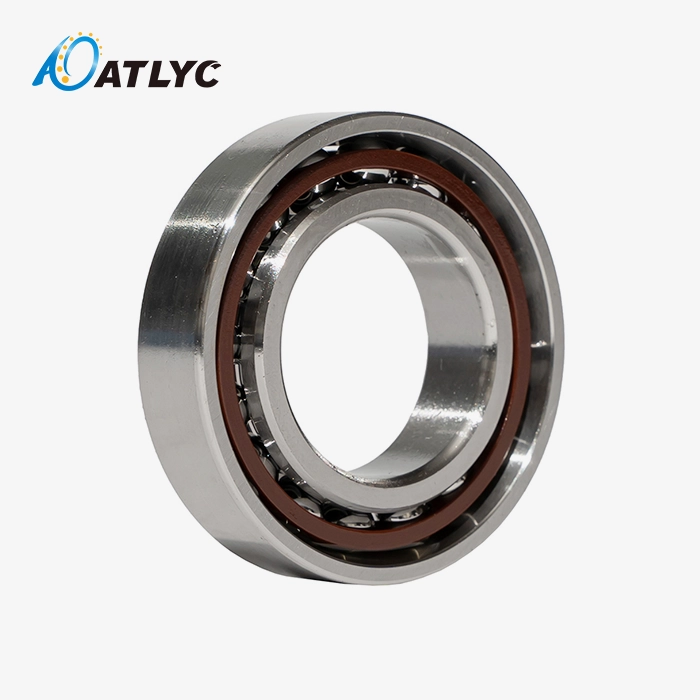
If you need accurate bearing performance for high-speed, load-sensitive applications, then the Angular Contact Ball Bearing 70 series is a serious option to consider. Single-row bearings to ISO dimension series 10, able to handle both radial and axial loads at the same time, which can’t be done by regular deep groove ball bearings. The 70 series features a higher rotation speed, compact packaging, and thermal stability with a lighter cross-section than the 72 or 73 series. This family of bearings is a precision-engineered solution that provides a balance between stiffness, speed, and service life, whether you are outfitting CNC spindles, gas turbines, or differential pinion shafts.
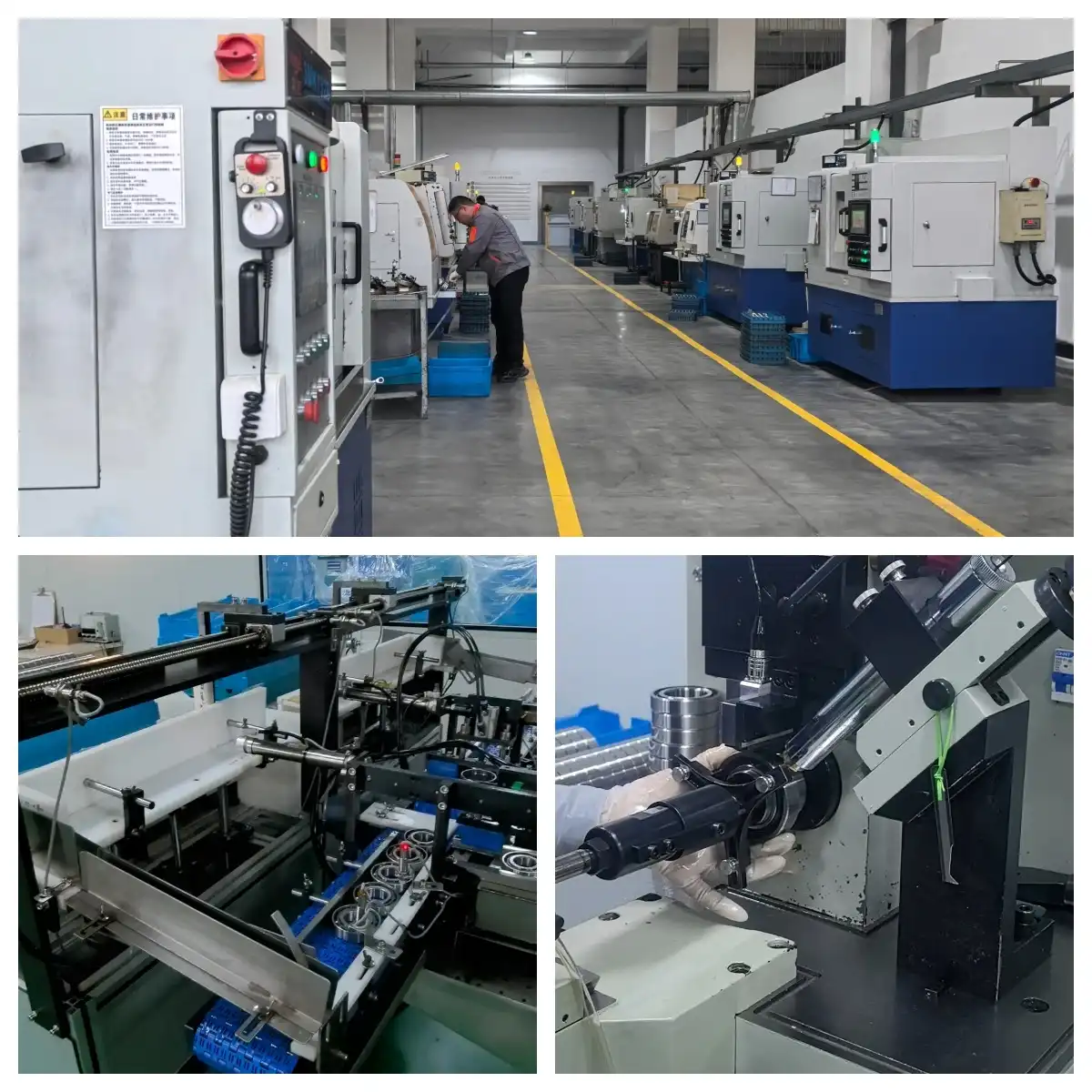
Understanding Angular Contact Ball Bearing 70 Series: Specifications and Features
The 70 series angular contact ball bearing is based on a foundation of precision-grade materials and precisely regulated geometry. Every dimension has been designed to meet the needs of demanding industrial situations where tolerances are measured in microns.
The base material is GCr15 bearing steel, a chromium-alloyed high-carbon steel, which is well known for the consistency of the hardness and fatigue resistance under cyclic loading [1]. The selection of this material has direct implications on the raceway surface integrity and long-term dimensional stability, both of which are crucial in precision spindle applications.
Here is a detailed overview of the key specifications:
| Specification | Details |
|---|---|
| Material | GCr15 / Bearing Steel |
| Accuracy Grades | P6, P5, P4, P2 |
| Cage Types | Bakelite (Phenolic Resin), Nylon |
| Contact Angles | 15°, 25°, 40° |
| Inner Diameter Range | 10 – 240 mm |
| Outer Diameter Range | 26 – 360 mm |
| Width Range | 8 – 56 mm |
| Mounting Configurations | DB (Back-to-Back), DF (Face-to-Face), DT (Tandem) |
| Delivery Time | 7 working days |
| OEM Support | Yes, full customization is available |
The three accessible contact angles have different functional rôles. The 15° angle is suitable for high-speed, low axial stress situations. The 25° blade angle is a compromise between speed and axial capacity. The 40° angle has the best axial load handling and is hence the ideal angle for heavy industrial applications. One of the most important elements in selecting bearings is to understand which angle is appropriate to your operating circumstances [2].
The cage – whether it is Bakelite or Nylon – is more important than most purchasing engineers first think. Bakelite cages are beneficial in high-speed spindle applications because of their decreased thermal expansion and improved dimensional stability at high temperatures. However, nylon cages provide better robustness and less noise, which is helpful in printing machines and high-frequency motor applications.
Comparing Angular Contact Ball Bearing 70 Series With Other Bearing Series
How the 70 Series Stacks Up Against the 71, 72, and 73 Series
The principal distinction between these series lies in cross-sectional dimensions and resulting speed capability. The Angular Contact Ball Bearing 70 series carries the lightest cross-section under ISO Dimension Series 10, which reduces mass and centrifugal ball force — enabling operating speeds 20–30% higher than the heavier 72 or 73 series under equivalent conditions [3]. For machine tool spindles exceeding 15,000 RPM, this is not a marginal difference — it is a functional threshold.
The 72 series (Dimension Series 02) and 73 series (Dimension Series 03) carry higher dynamic load ratings, making them appropriate when load magnitude outweighs speed requirements. The 70 series excels precisely where spatial constraints and rotational velocity are the governing design parameters.
When compared to deep groove ball bearings, the angular contact design introduces directional load capacity. A deep groove bearing manages axial loads incidentally; the 70 series manages them by design, with load vectors distributed through the contact angle geometry in a controlled and predictable manner.
Maintenance and Lifespan of Angular Contact Ball Bearing 70 Series
A well-maintained 70 series bearing can deliver service lives exceeding 20,000 operating hours in optimized conditions [4]. The GCr15 steel raceway, when properly lubricated and shielded from contamination, resists fatigue spalling and maintains dimensional fidelity through extended load cycles.
Here are the core maintenance practices that extend bearing service life:
- Lubrication discipline: High-speed applications above 10,000 RPM typically benefit from oil-air or oil-mist lubrication systems, which continuously renew the film and dissipate frictional heat more effectively than static grease fills. For moderate-speed environments, high-quality lithium or polyurea-based greases with appropriate viscosity grades are sufficient.
- Preload management: Correct preload selection is arguably the most overlooked maintenance variable. Excessive preload generates heat and accelerates raceway fatigue; insufficient preload causes ball skidding and vibration. Preload class — Light, Medium, or Heavy — must be matched to the specific speed-rigidity trade-off of the application.
- Contamination control: Even micro-sized particulate ingress can initiate raceway denting that progresses into spalling. Sealed variants or labyrinth shields are strongly recommended in environments where coolant mist or abrasive dust is present, such as grinding operations.
These practices, when implemented consistently, can effectively reduce unplanned downtime and extend the total cost-of-ownership advantage of this bearing series.
Procurement Guide: Where and How to Source Angular Contact Ball Bearing 70 Series
Primary Application Range and Mounting Configurations
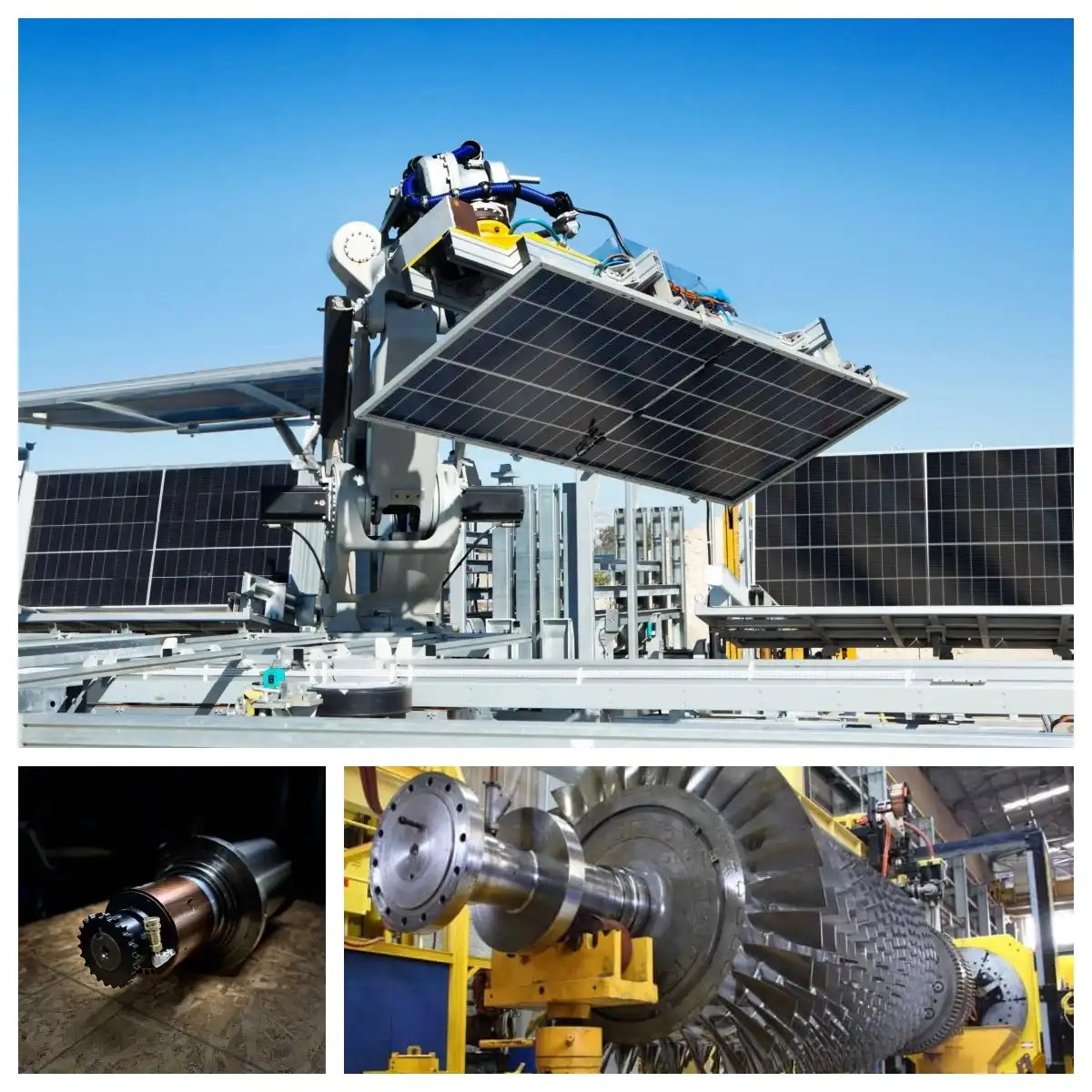
The Angular Contact Ball Bearing 70 series 70 series is deployed across a broad range of high-precision and high-speed industrial equipment. Its primary application domains include machine tool spindles, high-frequency motors, gas turbines, centrifugal separators, small automotive front wheels, differential pinion shafts, and printing machinery — contexts where rotational accuracy and combined load handling are non-negotiable.
| Application | Recommended Configuration | Contact Angle |
|---|---|---|
| CNC Machine Tool Spindle | DB or DF paired set | 15° or 25° |
| Gas Turbine Support | DT tandem arrangement | 25° |
| Differential Pinion Shaft | DB back-to-back pair | 40° |
| High-Frequency Motor | Single or DB pair | 15° |
| Centrifugal Separator | DF face-to-face pair | 25° |
When sourcing, the evaluation criteria should extend beyond catalog price. Delivery reliability, quality certification status, and customization capability are equally decisive. Suppliers holding both ISO 9001 and IATF 16949 certifications demonstrate commitment to process consistency and automotive-grade quality management — a standard that matters deeply in OEM supply chains [5].
Why Certification and Production Scale Matter
A supplier's quality management system directly determines the consistency you receive across production batches. IATF 16949 certification, in particular, mandates control plan documentation, measurement system analysis, and production part approval processes (PPAP) — controls that dramatically reduce inter-batch variation in precision components like the 70 series bearing.
Why the 70 Series Is the Preferred Choice for Global B2B Clients
The 70 series angular contact ball bearing has been the industry standard for precision spindle applications because its design philosophy considers the restrictions of real-world engineering. Not only load-bearing and load vector management with geometric precision, maintaining rotational correctness at speed when rival solutions create heat, vibration, or both.
Global OEMs in automotive and industrial machines routinely claim a reduced total cost of ownership when standardizing on the 70 series for appropriate speed ranges. The P4 and P2 accuracy classes, different contact angle possibilities, and DB/DF/DT mounting flexibility combine to provide a single bearing family with the ability to cover a broad spectrum of design needs without the need for parallel supplier relationships [6].
Conclusion
The Angular Contact Ball Bearing 70 series is not a commodity component but a precise system component that influences spindle accuracy, motor efficiency, and drivetrain longevity. GCr15 steel structure, multi-grade accuracy choices, and three separate contact angles allow engineers real versatility without losing performance predictability. This series is a technically justifiable and financially viable standard for procurement experts managing supply chains in the automotive, industrial, and automation industries. Choosing the proper supplier – one with recognized quality processes, scalable manufacturing capacity and true customisation capabilities – builds upon every technical benefit this bearing series currently offers.
FAQ
Q1: What is the difference between the 70 series and the 72 series angular contact ball bearings?
The 70 series has a lighter cross-section (ISO Dimension Series 10) than the 72 series (Dimension Series 02). This means smaller outer dimensions for the same bore diameter. The 70 series achieves higher speeds; the 72 series carries heavier loads. For high-speed spindles, the 70 series is the standard choice.
Q2: Why are 70 series bearings typically sold in matched duplex pairs?
A single-row angular contact bearing handles axial load in one direction only. DB (back-to-back), DF (face-to-face), and DT (tandem) duplex arrangements address bidirectional axial loads and moment loads without shimming, making them essential for spindle and shaft applications.
Q3: Which contact angle should I select for a machine tool spindle?
The 15° contact angle suits high-speed, light axial load spindles. The 25° angle balances speed and axial capacity for general machining centers. The 40° angle is reserved for applications where axial load magnitude outweighs speed requirements.
Q4: What accuracy grade is appropriate for precision grinding applications?
P4 or P2 grades are standard for precision grinding heads. These grades control inner and outer ring runout to micron-level tolerances, ensuring the concentricity required for sub-micron surface finishes.
Partner With ATLYC for Reliable Angular Contact Ball Bearing 70 Series Supply
ATLYC — backed by Luoyang Auto Angular Contact Ball Bearing 70 Series Co., Ltd. and 15 years of certified manufacturing experience — offers the Angular Contact Ball Bearing 70 series with P6 through P2 accuracy grades, 7-working-day delivery, and full OEM customization support. As a verified Angular Contact Ball Bearing 70 series manufacturer holding both ISO 9001 and IATF 16949 certifications, we serve OEMs and distributors across the US, Germany, South Korea, and beyond. Send your specifications to auto@lyautobearing.com to request a quote today.
References
1. Bhadeshia, H. K. D. H., & Honeycombe, R. (2017). Steels: Microstructure and Properties (4th ed.). Butterworth-Heinemann. — Referenced in the discussion of GCr15 bearing steel material properties and fatigue resistance.
2. Harris, T. A., & Kotzalas, M. N. (2006). Essential Concepts of Bearing Technology (5th ed.). CRC Press/Taylor & Francis. — Referenced in the explanation of contact angle selection and load vector distribution.
3. SKF Group. (2018). SKF Rolling Bearings Catalogue. SKF. — Referenced in the speed capability comparison between 70, 72, and 73 series bearings.
4. Tallian, T. E. (1992). Failure Atlas for Hertz Contact Machine Elements. ASME Press. — Referenced in the service life estimation exceeding 20,000 operating hours under optimized conditions.
5. IATF (International Automotive Task Force). (2016). IATF 16949:2016 — Quality Management System Requirements for Automotive Production and Relevant Service Parts Organizations. IATF. — Referenced in the section on supplier certification requirements and quality management systems.
6. NSK Ltd. (2019). Super Precision Bearings Technical Report: Angular Contact Ball Bearings. NSK Technical Journal. — Referenced in the discussion of OEM total cost of ownership and standardization on the 70 series for high-speed applications.
Learn about our latest products and discounts through SMS or email