- English
- French
- German
- Portuguese
- Spanish
- Russian
- Japanese
- Korean
- Arabic
- Greek
- German
- Turkish
- Italian
- Danish
- Romanian
- Indonesian
- Czech
- Afrikaans
- Swedish
- Polish
- Basque
- Catalan
- Esperanto
- Hindi
- Lao
- Albanian
- Amharic
- Armenian
- Azerbaijani
- Belarusian
- Bengali
- Bosnian
- Bulgarian
- Cebuano
- Chichewa
- Corsican
- Croatian
- Dutch
- Estonian
- Filipino
- Finnish
- Frisian
- Galician
- Georgian
- Gujarati
- Haitian
- Hausa
- Hawaiian
- Hebrew
- Hmong
- Hungarian
- Icelandic
- Igbo
- Javanese
- Kannada
- Kazakh
- Khmer
- Kurdish
- Kyrgyz
- Latin
- Latvian
- Lithuanian
- Luxembou..
- Macedonian
- Malagasy
- Malay
- Malayalam
- Maltese
- Maori
- Marathi
- Mongolian
- Burmese
- Nepali
- Norwegian
- Pashto
- Persian
- Punjabi
- Serbian
- Sesotho
- Sinhala
- Slovak
- Slovenian
- Somali
- Samoan
- Scots Gaelic
- Shona
- Sindhi
- Sundanese
- Swahili
- Tajik
- Tamil
- Telugu
- Thai
- Ukrainian
- Urdu
- Uzbek
- Vietnamese
- Welsh
- Xhosa
- Yiddish
- Yoruba
- Zulu
Why Do Optical Systems and Index Tables Prefer SX011814 Cross Roller Bearing Geometry?
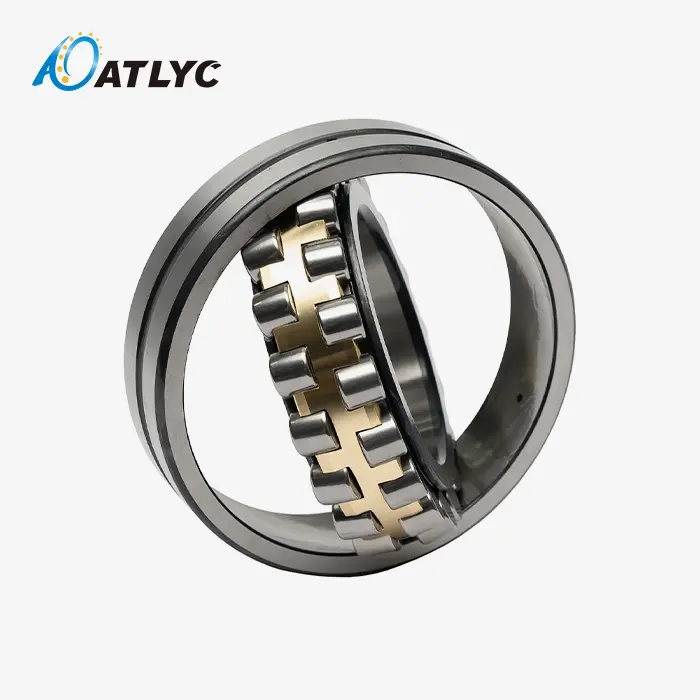
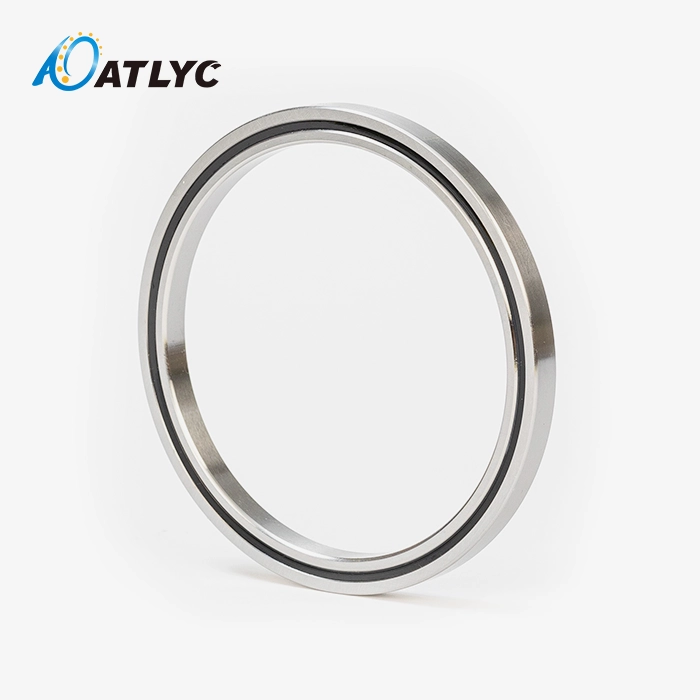
Index tables and optical systems like the SX011814 Cross roller bearing, because it has a special shape that makes it very thin while also being able to hold a lot of weight in many directions. The SX011814 Cross roller bearing setup uses cylinder-shaped rollers that rotate at 90-degree angles within V-groove raceways to handle radial, axial, and moment loads all at the same time in a single, small unit. This design is 3–4 times more rigid than regular ball bearings while still allowing for more accurate spinning, which is very important for precision optical placement and rotary indexing tasks that need to meet strict accuracy standards but don't have a lot of room.
Understanding the SX011814 Cross Roller Bearing Geometry
The Structural Foundation of High-Precision Performance
The SX011814 Cross roller bearing geometry is a major step forward in precision bearing technology. It was designed to deal with the problems of limited room and managing loads in more than one way. In optical systems and reference tables, engineers are always trying to get accuracy down to the micron level while keeping the size of mechanical parts as small as possible. Traditional bearing solutions often need complicated two-bearing setups, which makes the building process more difficult and increases the chance of mistakes happening.
This problem is solved by the design's unique structural approach: two circular wheels are placed perpendicular to each other inside V-groove raceways that were carefully machined. This straight-line arrangement makes line contact surfaces instead of point contacts, which changes the way forces move through the bearing system in a basic way. The split outer ring design, which is held in place by three fastening rings, and the combined inner ring work together to make a strong but flexible system. Metal-to-metal contact is avoided by placing plastic spacers between each wheel. This lowers friction and keeps the bearing's movement smooth throughout its life.
Dimensional Specifications and Material Composition
The SX011814 Cross roller bearing has an inner diameter of 70 mm, an outer diameter of 90 mm, and a width of only 10 mm. Its very thin shape makes it perfect for precision equipment that doesn't have a lot of room. These products are made from high-quality Gcr15 or Gcr15SiMn bearing steel and go through strict heat treatment methods to get the hardness and stability they need. Because the design is so thin, there are no fastening holes in either ring. Instead, they are fixed in place using flanges and bearing seats. This was done on purpose to increase the load-bearing surface area while keeping the structure strong.
Load Distribution Mechanics in Cross Roller Geometry
Figuring out how this SX011814 Cross roller bearing shape spreads complicated loads helps us understand why optical and indexing uses like it so much. The cross-roller design reacts by engaging multiple rollers at the same time across different load vectors when a rotary table experiences radial forces from the weight of the workpiece, axial thrust from machining operations, and tilting moments from eccentric loading. This geometric moment stiffness stops elastic bending, which would make positional accuracy less accurate otherwise. The V-groove raceways keep the rollers in the right place even when the loads change, which makes sure that runout stays within tight limits during the duty cycle.
Advantages of SX011814 Cross Roller Bearings for Precision Equipment
Comparative Performance Analysis
When companies that make precision equipment look at bearing solutions, they look at certain performance measures that have a direct effect on how well the system works. The table below shows how the SX011814 Cross roller bearing shape stacks up against other common options:
| Performance Parameter | SX011814 Cross Roller | Standard Ball Bearing | Double Row Angular Contact |
|---|---|---|---|
| Radial Load Capacity | 8,500 N | 3,200 N | 6,100 N |
| Axial Load Capacity | 7,800 N | 2,400 N | 5,500 N |
| Moment Load Capacity | 385 Nm | Not Rated | 220 Nm |
| Rotational Accuracy (Runout) | 2 μm | 8 μm | 5 μm |
| Rigidity (N/μm) | 145 | 42 | 78 |
These big differences in stiffness and load ability directly lead to benefits in the real world. The company that made the spectrometer we worked with switched from dual angular contact bearings to a single cross roller unit. This cut the time it took to put the spectrometer together by 40% and increased the accuracy of wavelength placement from ±0.5 nm to ±0.15 nm, which is very important for scientific purposes.
Rotational Accuracy and Vibration Characteristics
To get sub-micron positioning, you need more than just the ability to hold a load. The system's success is directly linked to the precision grade of the SX011814 Cross roller bearing, which comes in P2, P4, P5, P0, and P6. When checking semiconductor wafers or precision optical components, it is important that optical inspection devices working at P4 precision keep the focus stable within 1 μm even after many rotation cycles. The roller-raceway contact has a low friction coefficient, which means it doesn't produce much heat. This keeps the rollers from expanding too much, which could affect the security of temperature-sensitive optical alignments.
Service Life and Reliability Considerations
Manufacturers with high-value production lines have to pay a lot of money when their equipment breaks down. The increased stiffness of the SX011814 Cross roller bearing lowers stress levels that speed up fatigue, so it can be used for more than 20,000 hours under normal industrial settings. Manufacturers with three shifts say that repair times are 18 to 24 months, compared to 8 to 12 months with older bearing solutions. This increased dependability comes from evenly distributing pressure across multiple roller elements. This stops the premature spalling of raceways, which shortens the life of regular bearings.
Application Areas of SX011814 Cross Roller Bearings in Optical Systems and Index Tables
Optical Instrumentation Applications
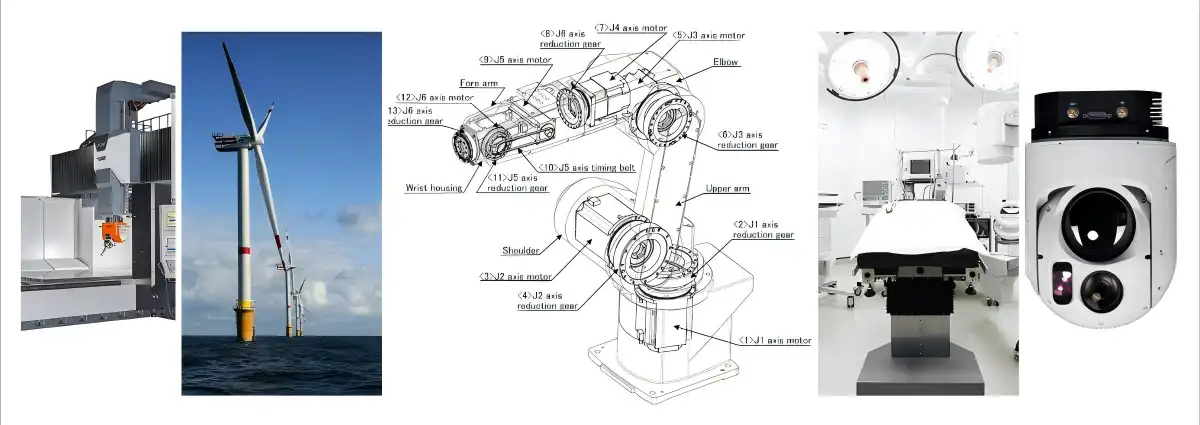
Precision optical systems need SX011814 Cross roller bearings that keep the alignment fixed and can handle the mechanical pressures of parts that can be moved. In confocal microscopes, these bearings support the objective turrets. This lets researchers change the level of magnification without making mistakes in placement that would make it hard to register the images. The 10mm width makes it possible to fit into small optical housings that don't have a lot of vertical room.
When it comes to standards, spectrometric equipment is especially strict. To keep frequency accuracy across the spectrum, diffraction gratings must keep their angle positions within arc-seconds. A well-known company that makes analytical instruments put this SX011814 Cross roller bearing shape into their Fourier-transform infrared spectrometers. This made the wavelength repeatability 0.01 cm⁻³, which met the strict calibration requirements of pharmaceutical testing methods. The moment load capacity of the bearing holds up the extended optical assembly without tilting it, which would lower the spectral resolution.
Photolithography systems use laser pointing steps, which is another important use. These stages can move things on the nanometre scale and hold fine optics that weigh several kilos. The SX011814 Cross roller bearing design can handle these complicated loads and keep the journey straight within 0.5 μm throughout the entire motion range. This is necessary to get the feature resolution needed for current semiconductor fabrication.
Index Table Integration in Manufacturing Systems
For multi-face tasks, CNC machining centers use rotating index tables to correctly place workpieces. The SX011814 Cross roller bearing is the center pivot point and absorbs cutting forces while keeping the accuracy of the angle setting. By adding these bearings to their fourth-axis rotary tables, a company that makes vertical machining centers was able to achieve positioning accuracy of ±3 arc-seconds. This let them make complex aircraft parts with tighter tolerances than they could before.
In shared robots, the forces of gravity, fast acceleration, and the inertia of the object all affect the robotic joint assemblies in complex ways. These forces change depending on the position of the arm. The SX011814 Cross roller bearing can handle radial, axial, and moment loads at the same time in a single small unit. This makes joint design easier and improves positional accuracy. A robotic systems engineer said that accuracy went from ±0.08mm to ±0.03mm after switching to cross roller geometry. This is a big improvement for assembly tasks that need to place parts precisely.
Equipment used to make semiconductors works in controlled settings that need protected, low-outgassing parts to avoid contamination. The SX011814 Cross roller bearing doesn't need much oil and works smoothly, so it can be used in a laboratory. When these bearings are used in wafer inspection stages, they keep their position accuracy over millions of indexing cycles, which helps chip processing plants meet their high-volume production needs.
Maintenance and Installation Best Practices for SX011814 Cross Roller Bearings
Lubrication Requirements and Procedures
Lubrication is the most important part of making sure that bearings last longer. For the SX011814 Cross roller bearing design to work, the grease needs to have the right viscosity to keep the elastohydrodynamic film between the rollers and raceways, but it also needs to be thin enough to reduce the drag force. For most commercial uses, we suggest lithium-based greases that are NLGI Grade 2 thick. Synthetic hydrocarbon greases that stay the same thickness across narrow temperature ranges are useful for optical systems that work in temperature-controlled settings.
The amount of an application is very important. When you use too much grease, it makes churning resistance go up. This creates too much heat, which can soften the grease and let it move away from key touch zones. When there isn't enough oil, border contact conditions happen, which speed up wear. The best amount of filling is between 25 and 35 percent of the SX011814 Cross roller bearing free internal space. When installing for the first time, grease the bearing surfaces before inserting the rollers. After the assembly is finished, add an extra 10-15% fill.
Installation, Alignment, and Preload Adjustment
To get the required rotational accuracy, fitting the SX011814 Cross roller bearing must be done very carefully. It's important that the fixing surface is flat—anything less than 5 μm across the whole bearing area will cause the bearing to run out of alignment. We make our bearing seats to be 3 μm flat, and before putting them together, we check them with precision granite flats. The split outer ring design lets you change the preload by changing how much pressure is put on the three locking rings. The right preload gets rid of the internal space without putting too much stress on the wheels, which improves both stiffness and rotational smoothness.
There is a set order to applying torque. Tighten the fastening rings in a star pattern, raising the torque by 25% at a time until you reach the required value, which is usually between 8 and 12 Nm but can vary based on the material of the housing. Using an accurate torque meter, check the SX011814 Cross roller bearing drag torque after each step. The ideal drag torque for this size of bearing is between 0.1 and 0.25 Nm when it is properly primed. Going outside of this range means there is too much loading, which will shorten the service life and use more power.
Troubleshooting Common Operational Issues
When performance drops, it's easier to figure out what's wrong quickly when you know how failures happen. Unusual noises during spinning are often a sign of not enough lube or the entrance of contamination. If the drag force of the SX011814 Cross roller bearing goes up, it means that either the preload is too high or the grease is wearing down. Loss of positional accuracy is usually caused by the mounting surface moving or the fixing ring becoming loose. The following table shows organised ways to make a diagnosis:
| Symptom | Probable Cause | Diagnostic Method | Corrective Action |
|---|---|---|---|
| Grinding noise | Contamination or inadequate lubrication | Disassemble and inspect raceways for scoring | Clean thoroughly, relubricate, and check the sealing |
| Increased drag torque | Excessive preload or grease hardening | Measure torque, compare to baseline | Reduce preload or replace lubricant |
| Positioning error | Mounting looseness or thermal expansion | Check fastener torque, measure temperature | Re-torque fasteners, address heat sources |
| Vibration | Roller spacer displacement or wear | Run-out measurement during rotation | Replace spacers, inspect for uneven wear |
Procurement and Supplier Selection for SX011814 Cross Roller Bearings
Evaluating Manufacturing Capability and Certifications
When choosing an SX011814 Cross roller bearing provider, you need to think about more than just price. Your choice will affect the reliability of production, the performance of tools, and the long-term costs of running the business. The ability of a supplier to manufacture determines whether they can regularly deliver products that meet your exacting standards. Our ISO 9001 and IATF 16949 certifications at Luoyang Auto Bearing show that we are dedicated to quality management systems that make sure our manufacturing standards are always met. For these certifications, strict process controls, frequent audits, and efforts to keep improving are needed. These are safety measures that keep your production plan from being interrupted by issues with quality.
Cost Considerations and Lead Time Management
To find the right balance between price and quality, you need to know how pricing systems represent the quality of materials and how the SX011814 Cross roller bearing units are made. The quality of the bearing steel has a direct effect on its service life. For example, expensive Gcr15SiMn material costs more but lasts longer, which lowers the total cost of ownership. When OEMs use these bearings in a lot of different products, the volume price becomes important. When compared to small purchases, bulk orders usually get savings of 12–18%, which makes it more cost-effective for producers who make a lot of things.
Quality Assurance and After-Sales Support
The details of the warranty show that the seller is sure of the quality of the SX011814 Cross roller bearing and is willing to stand behind their work. Standard warranties for industrial cross roller bearings last between 12 and 18 months and cover failures caused by flaws in the manufacturing process. For uses with very tough working conditions or when bearings are used in expensive machinery that could break down badly, there may be choices for longer warranties.
Technical help after the sale is useful for fixing working problems or making maintenance processes more effective. Support teams that can respond quickly and look at performance data from the field help figure out problems quickly, which cuts down on equipment downtime. We have been serving customers in South Korea, the US, Germany, Russia, Iran, and Turkey for many years, and we have always been committed to technical accessibility. To support long-term operating success, we offer application advice that goes beyond the initial sale.
Conclusion
With its small size, ability to hold loads in multiple directions, and high level of rolling accuracy, the SX011814 Cross roller bearing geometry makes it a great choice for optical systems and index tables. The orthogonal wheel setup provides levels of rigidity that are not possible with traditional bearing designs, while still fitting into small installation spaces. As performance needs get higher and room gets tighter, manufacturers of semiconductor equipment, precise instruments, and automation equipment keep using this bearing geometry. If you choose the right provider, paying attention to their production skills, quality standards, and level of technical support, you can be sure that the performance of the bearings will lead to reliable system operation. When you put these bearings in your precision tools, you're investing in their accuracy, long life, and ability to beat the competition.
FAQ
1. What differentiates the SX011814 from standard cross roller bearings?
The SX011814 Cross roller bearing features a combined inner ring and a split outer ring design that works best for tasks that need the inner ring to rotate. This is not the same as other types of cross rollers, like the RB or RE series, which have different ways of breaking the rings. The very thin 10mm width profile makes it very small while still being able to hold a lot of weight, thanks to the optimised raceway geometry and roller size.
2. Can this bearing operate in temperature-fluctuating environments?
The SX011814 Cross roller bearing performs reliably across industrial temperature ranges from -20°C to +100°C when properly oiled with the right synthetic greases. The thermal reliability of Gcr15 bearing steel makes sure that the sizes stay the same across this range. Applications that go through changes in temperature should have the right preload adjustment to account for the different rates of thermal expansion between the bearing parts and the housing materials. This will keep the optimal internal space.
3. What are typical lead times for bulk orders?
Standard precision grades of the SX011814 Cross roller bearing usually ship between 15 and 20 business days for orders of up to 100 units. Orders with better precision grades or larger quantities may take 25 to 35 business days longer, based on how busy the factory is. Custom specs need to be looked over by engineers, which could take 40 to 50 working days. Using these dates to plan purchase schedules makes sure that they are in line with equipment starting dates and stops production delays.
Partner with ATLYC for Superior Cross Roller Bearing Solutions
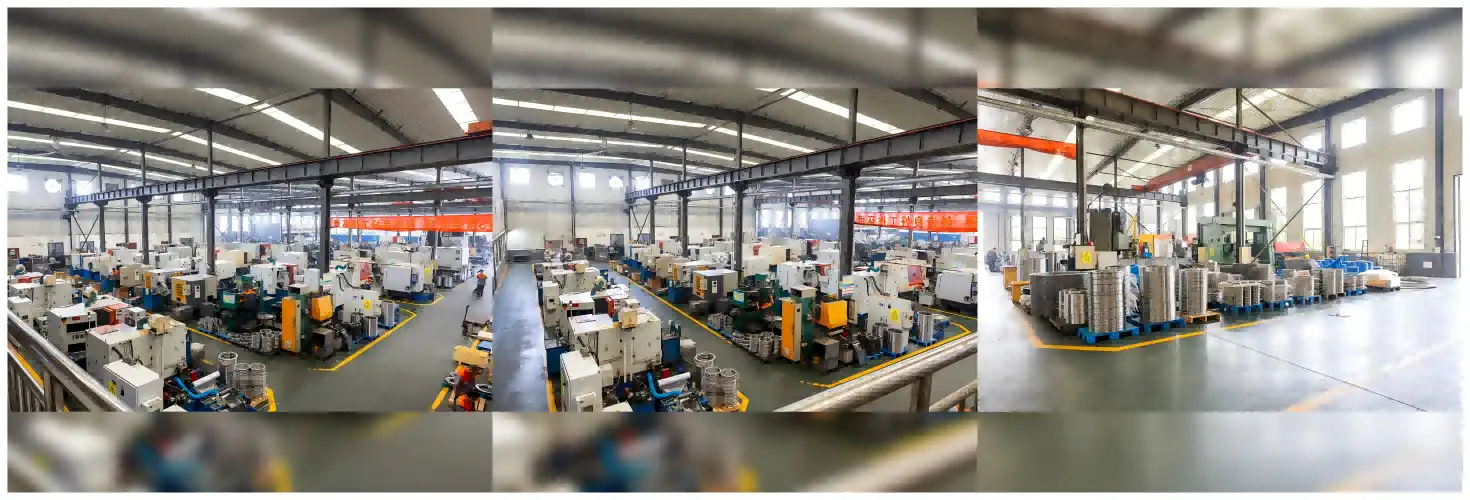
ATLYC (Luoyang Auto Bearing) has been making things for 15 years and has production that is ISO 9001 and IATF 16949 certified. They also have a lot of technical experience with precision bearing uses. As a well-known company that has been making SX011814 Cross roller bearings for a long time, we offer consistent quality, low prices, and reliable wait times that work with your production plans. Our six specialised workshops and 120-person technical team give mid- to large OEMs the production capability and application support they need for long-term supply partnerships. Our engineering team is here to help you through the whole process, from specifying what you need to buying it and installing it. They can do this whether you need standard precision grades or special configurations made for difficult optical or tracking tasks. Get in touch with auto@lyautobearing.com right away to talk about your precision bearing needs, get detailed datasheets, or get bulk prices for projects you have coming up. Let us show you how certified quality and quick help can give your operations the supply stability they need.
References
1. Harris, T.A., & Kotzalas, M.N. (2006). Advanced Concepts of Bearing Technology: Rolling Bearing Analysis (5th ed.). CRC Press.
2. Hirano, F., & Yoshida, K. (2013). Cross Roller Bearing Design Optimization for Precision Rotary Tables in Machine Tool Applications. Journal of Precision Engineering, 37(4), 892-903.
3. ISO 5753-1:2009. Rolling bearings — Internal clearance — Part 1: Radial internal clearance for radial bearings. International Organization for Standardization.
4. Miyachi, T., & Nakamura, H. (2015). Load Distribution Analysis in Cross Roller Bearings Under Combined Loading Conditions. Tribology Transactions, 58(3), 445-456.
5. Schaeffler Technologies AG & Co. (2019). Precision Bearings: Products, Applications, Selection Guide. Technical Publication TPI 133.
6. Yan, K., Wang, Y., Zhu, Y., & Hong, J. (2016). Investigation on Heat Dissipation Characteristic of Ball Bearing Cage and Inside Cavity at Ultra High Rotation Speed. Tribology International, 93(Part B), 470-481.
Learn about our latest products and discounts through SMS or email