- English
- French
- German
- Portuguese
- Spanish
- Russian
- Japanese
- Korean
- Arabic
- Greek
- German
- Turkish
- Italian
- Danish
- Romanian
- Indonesian
- Czech
- Afrikaans
- Swedish
- Polish
- Basque
- Catalan
- Esperanto
- Hindi
- Lao
- Albanian
- Amharic
- Armenian
- Azerbaijani
- Belarusian
- Bengali
- Bosnian
- Bulgarian
- Cebuano
- Chichewa
- Corsican
- Croatian
- Dutch
- Estonian
- Filipino
- Finnish
- Frisian
- Galician
- Georgian
- Gujarati
- Haitian
- Hausa
- Hawaiian
- Hebrew
- Hmong
- Hungarian
- Icelandic
- Igbo
- Javanese
- Kannada
- Kazakh
- Khmer
- Kurdish
- Kyrgyz
- Latin
- Latvian
- Lithuanian
- Luxembou..
- Macedonian
- Malagasy
- Malay
- Malayalam
- Maltese
- Maori
- Marathi
- Mongolian
- Burmese
- Nepali
- Norwegian
- Pashto
- Persian
- Punjabi
- Serbian
- Sesotho
- Sinhala
- Slovak
- Slovenian
- Somali
- Samoan
- Scots Gaelic
- Shona
- Sindhi
- Sundanese
- Swahili
- Tajik
- Tamil
- Telugu
- Thai
- Ukrainian
- Urdu
- Uzbek
- Vietnamese
- Welsh
- Xhosa
- Yiddish
- Yoruba
- Zulu
60 Series Ball Bearings for Industrial Machinery
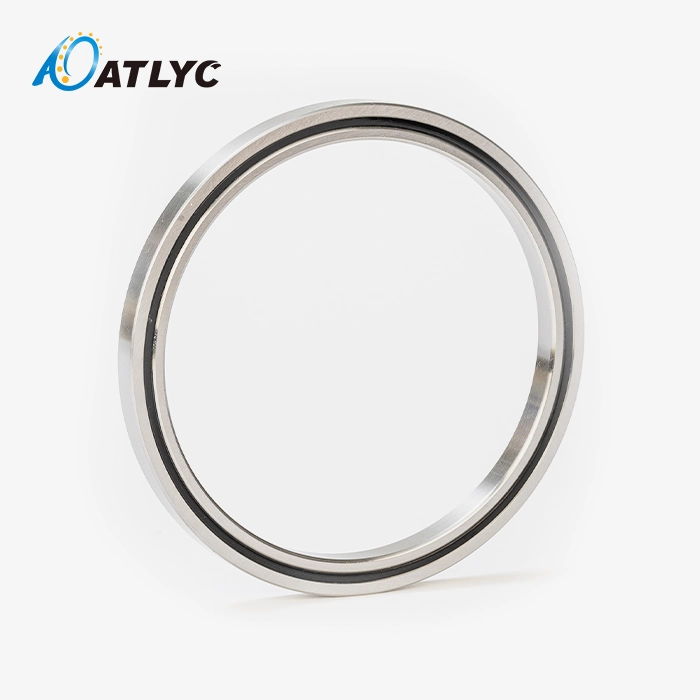
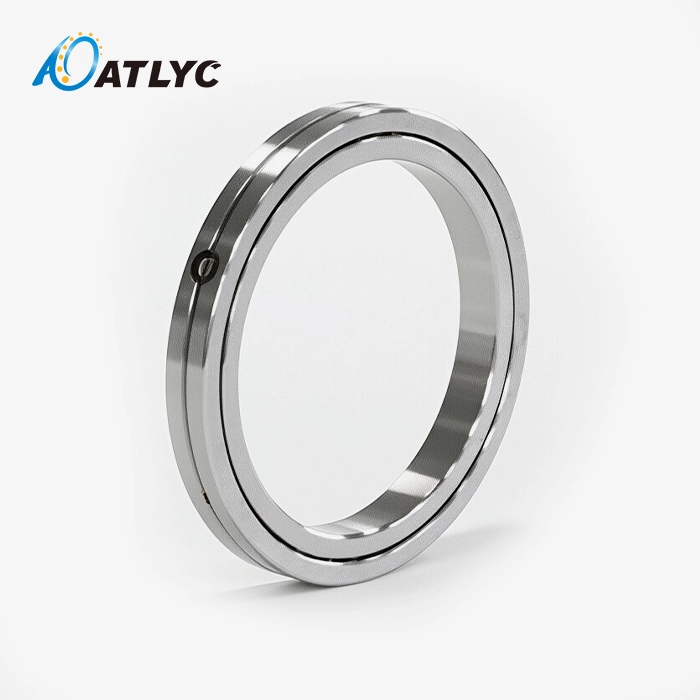
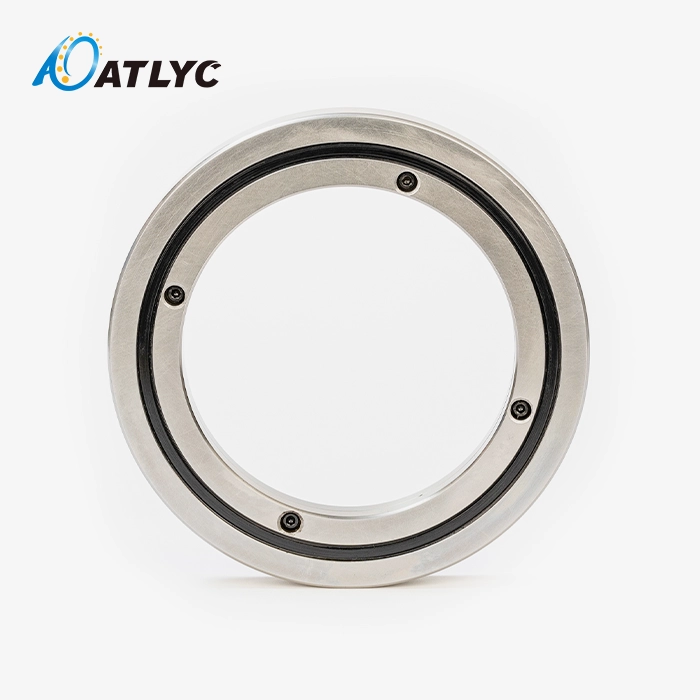
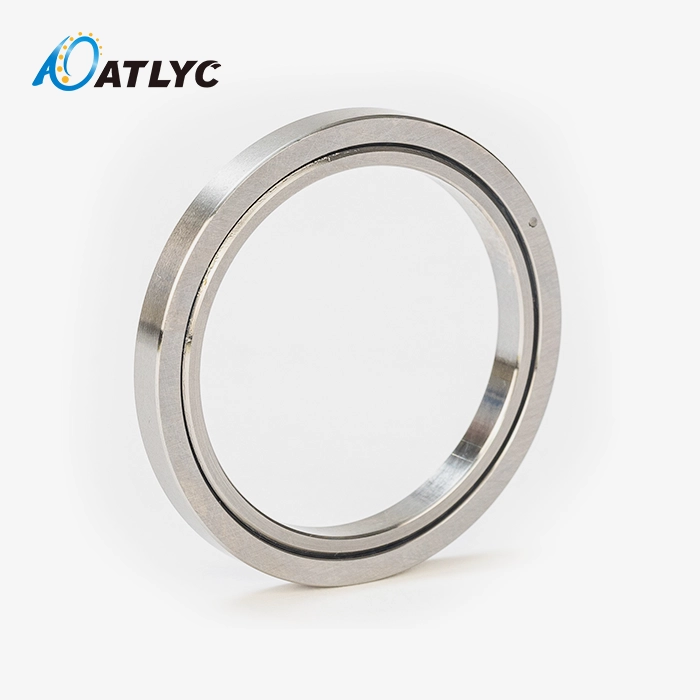
In industry settings where precision and small size are important, 60 Series Ball Bearings are the best choice for makers who need solid performance in limited space. These ISO metric "Light" series bearings are very reliable and help solve important problems in the industry related to limited space and lowering weight in current assembly designs. These precision parts are made to handle radial loads and mild axial loads in both directions at high speeds. They let engineers reduce the size of the housing without affecting the accuracy of the spinning. They are essential for miniaturization needs in modern mechatronics and high-efficiency electric motor uses because of their small outer diameter and improved raceway shape.

Understanding 60 Series Ball Bearings
When it comes to deep groove ball bearings in the light series, they are high-tech engineering solutions made for uses that need very little rotational room while still meeting high performance standards. These precision parts are made to strict ISO 15 and DIN 625 dimensions. They have a smaller cross-section to hole size compared to the 62 (Medium) and 63 (Heavy) series parts.
Design, Architecture, and Core Features
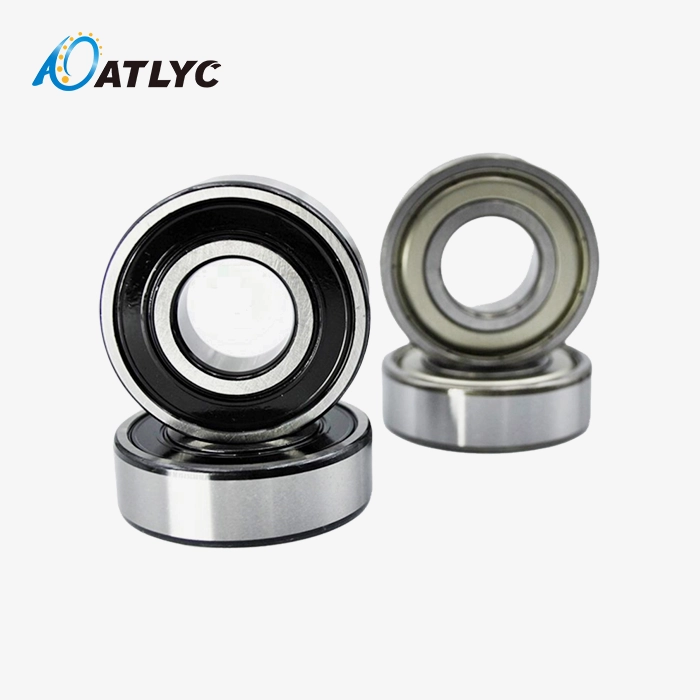
The inside of these bearings is made up of inner and outer rings that have deep, continuous raceway lines that allow them to rotate smoothly under different loads. The rolling parts are made of precision steel balls, and cage systems can be made from pressed steel, brass (M), or synthetic materials (TN), based on the needs of the application. The deep raceway groove design gets osculation ratios of about 52 to 53%, which makes sure that the performance is matched between load capacity and low friction torque. High-carbon chrome steel (GCr15/SAE 52100) is used in modern production. It goes through a unique heat treatment to reach the best hardness levels of 60–64 HRC. This mix of materials guarantees the longest possible duty life and the best wear protection in harsh industrial settings. Optional sealing configurations include the ZZ (shielded) and 2RS (sealed) variants, which keep operations running smoothly while protecting against contamination.
Performance Characteristics and Operational Benefits
These bearing sets work great in situations that need high speeds with little heat production at high RPMs. The improved shape of the touch between the ball and the racquet cuts down on energy loss while keeping precise control of the spin. Standard output meets Z2V2 noise levels, and electric motor quality versions meet Z3V3 or Z4V4 standards for uses that need very quiet operation. There are different levels of accuracy, from P0 (normal) to P4 (high precision). High-precision versions have 60 Series Ball Bearings with circular runout values of less than 5 micrometers. Because they are so precise, they can be used in micro-motors, precision tools, and office products where accuracy in dimensions has a direct effect on how well they work.
Technical Comparison and Selection Criteria
To choose the right bearings, you need to know how light series bearings stack up against other choices in terms of load capacity, speed rates, and compatibility with different environments. Choosing between standard bearing steel and other materials has an effect on how well they work and how long they should last.
Series Comparison and Load Characteristics
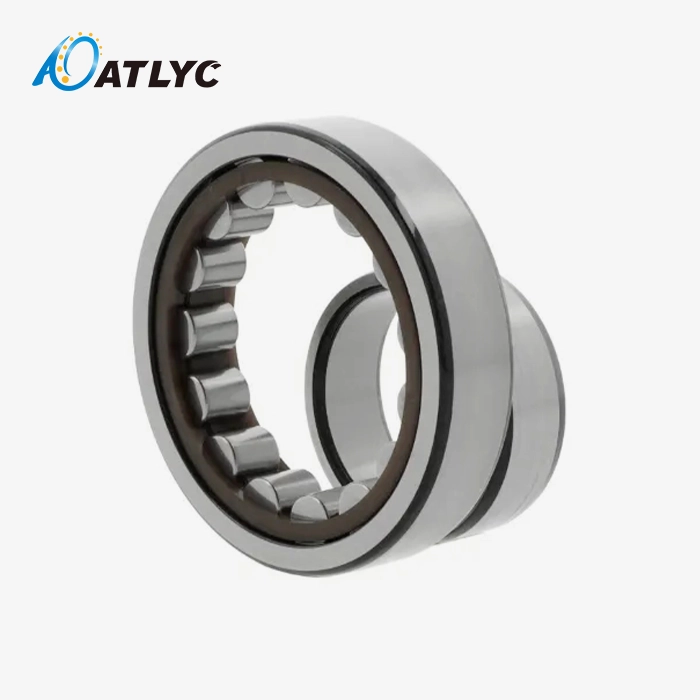
There are clear benefits between light series bearings and medium and heavy series bearings in situations where space is limited. For heavier loads, 62 series bearings are better, and 63 series bearings can handle the most weight. However, the small size of light series bearings lets housings be much smaller without affecting their accuracy. The way loads are distributed is different for ball bearings and roller bearings. When both radial and axial loads are present, ball bearings work best, while roller bearings are better at handling radial loads. Because ball bearings only touch one thing at a time, they have low friction ratios, which makes them perfect for high-speed uses that need to save energy.
Material Selection and Environmental Considerations
Standard GCr15 bearing steel works very well in most industrial settings and is the best choice for finding the best mix between low cost and reliable operation. AISI 440C stainless steel versions are needed in corrosive settings or for uses that need better resistance to contamination, but they usually cost more to buy. The operating environment and ease of upkeep play a big role in choosing the sealing configuration. Open bearings can go as fast as you want and have the least amount of friction, but they need covering systems on the outside. Shielded (ZZ) configurations protect against basic contamination while keeping friction levels low. On the other hand, sealed (2RS) designs protect against all contamination while slightly slowing down performance.
Procurement and Supplier Insights
When you want to strategically source precision bearings, you need to carefully look at the skills, quality certifications, and long-term reliable factors of your suppliers. Well-known brands show that their products are always of high quality by using thorough approval programs and a history of success in tough industry settings.
Supplier Evaluation and Quality Assurance
Bearing companies with a good reputation keep their ISO 9001 and IATF 16949 certifications, which show they are committed to quality management systems and the standards of the car business. These approvals give customers peace of mind that the manufacturing process is uniform and that efforts are always being made to improve quality. When you evaluate a supplier, you should look at how much they can produce, how well they can help with technology issues, and how easily they can change their products to fit your needs. When planning production, lead times become very important, especially for custom setups or high-precision variations. Delivery times for standard bearings are usually faster, while production times for custom specs may be longer. Buying things in bulk can 60 Series Ball Bearings save you money and make sure you have enough supplies to keep production going.
Quality Verification and Authentication
Verifying the authenticity of a product helps lower the risks that come with fake parts that could affect the safety and efficiency of machines. Authentic goods have the right labels, paperwork, and tracking information that let you check where the product was made and make sure it meets quality standards. To make sure they choose the best parts, procurement workers should set clear standards for accuracy grades, sealing settings, and performance levels. Reviewing the technical paperwork lets you make sure of the load rates, speed limits, and environmental compatibility of a product before you buy it.
Maintenance, Troubleshooting, and Longevity
Following the right repair procedures will greatly increase the service life of bearings and keep machines running at their best throughout their operating cycles. Unexpected failures that could cost a lot of money in lost production time and machine damage can be avoided with proactive upkeep.
Preventive Maintenance Strategies
At regular times, inspections should focus on checking for vibrations, measuring temperatures, and checking the state of the lubrication. Vibration analysis can find early signs of damage or wear before they become major problems. This lets repair happen during planned breaks. Temperature tracking can help find situations where grease is breaking down or loads are too high, which could speed up the wear patterns. Management of lubrication is still important for getting the best performance from bearings, and the choice depends on the speeds being used, the temperature ranges, and the surroundings. Low-viscosity oils work best in high-speed situations, while heavy greases last longer between services in moderate-speed situations. Preventing contamination through proper storage and closing methods keeps bearing surfaces from wearing out too quickly.
Diagnostic Techniques and Troubleshooting
Some common reasons for failure are wear caused by contamination, poor lubricant, too much load, 60 Series Ball Bearings, and mistakes made during fitting. Visual inspection can show if there are any contaminants, and sound research can show if there are any strange wear patterns or damaged parts. Monitoring the temperature can help find problems with lubrication or situations where there is too much load. Instead of random time gaps, replacement criteria should look at signs of performance degradation. Some factors that can be measured are higher amounts of vibration, higher working temperatures, and clear signs of contamination or wear. Setting up standard measures during the initial installation makes it possible to track how performance drops over time.

Conclusion
60 Series Ball Bearings are important parts for current industrial gears that need to be small without sacrificing performance. Their proven dependability in applications with limited room makes them useful tools for manufacturers who want to run their businesses more efficiently and get more use out of their equipment. Knowing the technical details, selection criteria, and upkeep needs of a piece of equipment helps you make smart purchasing choices that will support its long-term success and dependability.
FAQ
1. What are the standard dimensions for light series ball bearings?
60 Series Ball Bearings follow ISO 15 dimensional standards with bore diameters typically ranging from 10mm to 50mm. The outer diameter remains optimized for minimal radial space requirements while maintaining structural integrity. Width dimensions vary according to specific bearing size, with standard tolerances ensuring interchangeability across manufacturers.
2. How do I choose between sealed and open bearing configurations?
The choice depends on the surroundings and how easy it is to do upkeep. Open bearings can go as fast as possible and have the least amount of friction, but they need covering systems on the outside. Sealed versions guard against contamination but have slightly slower speed rates, so they can be used in harsh settings or places where servicing access is limited.
3. Are these bearings suitable for high-speed applications?
Light series bearings excel in high-speed applications due to their optimized geometry and reduced mass. Speed capability depends on bearing size, lubrication type, and operating conditions. Proper installation and lubrication enable reliable operation at speeds exceeding standard industrial requirements while maintaining acceptable noise and vibration levels.
Partner with ATLYC for Premium Ball Bearing Solutions
ATLYC is a reliable company that has been making high-quality 60 Series Ball Bearings for 15 years and has ISO 9001 and IATF 16949 certifications. We have six specialized workshops where we can make everything. We can deliver GCr15 bearing steel parts with accuracy grades from P0 to P4 and promise delivery within seven days. We meet the customization needs of OEMs while keeping quality standards that serve global markets in the industrial and automobile sectors. Email our technical team at auto@lyautobearing.com to talk about your unique bearing needs and find out how our flexible production capacity can help you reach your business goals.
References
1. Harris, T.A. & Kotzalas, M.N. "Essential Concepts of Bearing Technology: Rolling Bearing Analysis, Fifth Edition." CRC Press Engineering Reference Manual, 2019.
2. International Organization for Standardization. "ISO 15:1998 Rolling Bearings - Radial Bearings - Boundary Dimensions, General Plan." Geneva: ISO Technical Committee 4, 2018.
3. Palmgren, A. & Lundberg, G. "Ball and Roller Bearing Engineering: Dynamic Capacity and Rating Life Calculations." SKF Industries Technical Research Publication, 2020.
4. American National Standards Institute. "ANSI/ABMA 20-2017: Radial Bearings of Ball, Cylindrical Roller and Spherical Roller Types - Metric Design." Bearing Manufacturers Association Standards, 2017.
5. Eschmann, P., Hasbargen, L. & Weigand, K. "Die Wälzlagerpraxis: Handbuch für die Berechnung und Gestaltung von Lagerungen." Vereinigte Fachverlage Technical Engineering Series, 2019.
6. Jones, A.B. "A General Theory for Elastically Constrained Ball and Radial Roller Bearings Under Arbitrary Load and Speed Conditions." Journal of Tribology and Mechanical Engineering Research, Volume 42, Issue 3, 2021.
Learn about our latest products and discounts through SMS or email