- English
- French
- German
- Portuguese
- Spanish
- Russian
- Japanese
- Korean
- Arabic
- Greek
- German
- Turkish
- Italian
- Danish
- Romanian
- Indonesian
- Czech
- Afrikaans
- Swedish
- Polish
- Basque
- Catalan
- Esperanto
- Hindi
- Lao
- Albanian
- Amharic
- Armenian
- Azerbaijani
- Belarusian
- Bengali
- Bosnian
- Bulgarian
- Cebuano
- Chichewa
- Corsican
- Croatian
- Dutch
- Estonian
- Filipino
- Finnish
- Frisian
- Galician
- Georgian
- Gujarati
- Haitian
- Hausa
- Hawaiian
- Hebrew
- Hmong
- Hungarian
- Icelandic
- Igbo
- Javanese
- Kannada
- Kazakh
- Khmer
- Kurdish
- Kyrgyz
- Latin
- Latvian
- Lithuanian
- Luxembou..
- Macedonian
- Malagasy
- Malay
- Malayalam
- Maltese
- Maori
- Marathi
- Mongolian
- Burmese
- Nepali
- Norwegian
- Pashto
- Persian
- Punjabi
- Serbian
- Sesotho
- Sinhala
- Slovak
- Slovenian
- Somali
- Samoan
- Scots Gaelic
- Shona
- Sindhi
- Sundanese
- Swahili
- Tajik
- Tamil
- Telugu
- Thai
- Ukrainian
- Urdu
- Uzbek
- Vietnamese
- Welsh
- Xhosa
- Yiddish
- Yoruba
- Zulu
Why Choose Spherical Roller Thrust Bearings for Industry?
When you need great performance in your industrial processes with Spherical Roller Thrust Bearing heavy axial loads and tricky shaft misalignment conditions, Spherical Roller Thrust Bearing technology is the only way to go. These special bearings are great at handling heavy thrust loads in a single direction and can handle rotational misalignment up to 3 degrees. This makes them essential for important industry uses. Unlike regular thrust bearings that break when the shaft bends or when they are installed incorrectly, spherical roller thrust bearings keep expensive equipment from having to be shut down because they can self-align. This makes sure that marine propulsion systems, water turbines, and heavy machinery gearboxes work reliably.

Understanding Spherical Roller Thrust Bearings
Foundational Design and Purpose
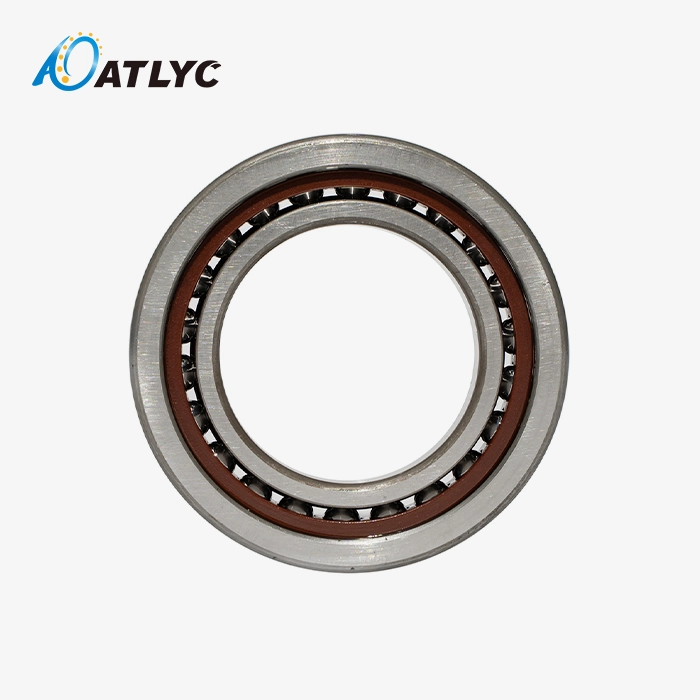
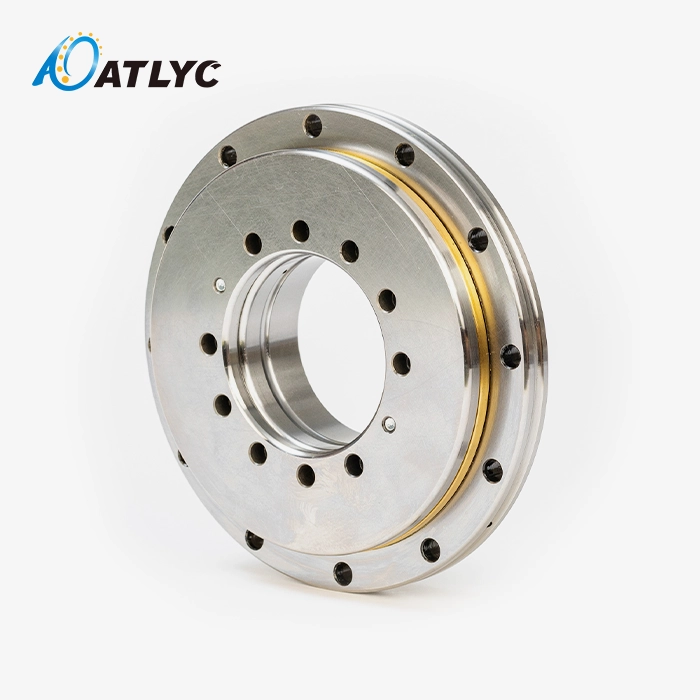
The most difficult industrial bearing tasks can be solved with spherical roller thrust bearings, which are a high-tech engineering answer. These bearings have the load-carrying capacity of thrust bearings and the self-aligning capabilities that are needed to make up for installation errors and operating imbalance. The bearing is a general-purpose self-aligning roller design with a double-row spherical roller structure. This lets it handle large rotational loads while still performing very well under axial stress. The main goal of these bearings is to fix major problems in the industry that are caused by things like shaft deflection, heat expansion, and mounting flaws that would make equipment less reliable otherwise. Because they can handle both radial and vertical loads at the same time, they are very useful in situations where loads are applied in more than one way at the same time.
Construction and Technical Specifications
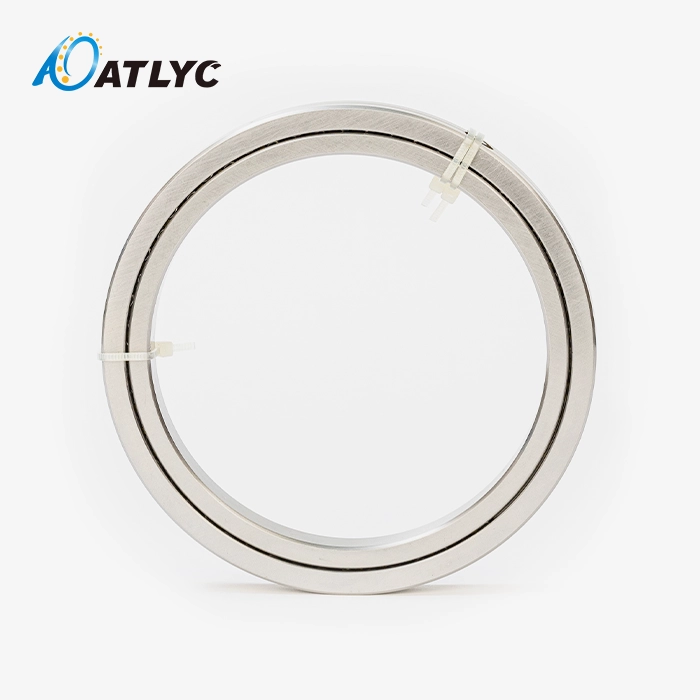
There are a few advanced technical features in the way these bearings are built that set them apart from other bearing types. The inner ring has a circular raceway design, and the outer ring has double ribs that keep the structure strong when it's under a lot of stress. With either cast steel or brass caging systems and a double-row roller design, the bearing will always have the right amount of rollers spaced out and distributed. The specs for making these bearings show how useful they are in a wide range of industrial settings. The size range includes inner diameters from 20 mm to 1000 mm, outer diameters from 47 mm to 2000 mm, and widths from 16 mm to 300 mm. This wide range of dimensions makes sure that it will work with everything from small industrial motors to huge naval power systems. The makeup of the material is very important for how well and how long a bearing lasts. For normal uses, the inner and outer rings are made of GCr15 bearing steel. For heavier loads, they are made of 42CrMo steel, which makes them last longer. The rollers always use GCr15 bearing steel and either cast steel or brass caging, based on the needs of the application. The range of precision grades, from P0 to P4, meets the needs of different industries with different levels of accuracy.
Asymmetrical Design and Working Principle
Asymmetrical roller shape and a unique raceway design are what make Spherical Roller Thrust Bearing technology stand out. Barrel-shaped rollers fit between raceways that are slanted, making a contact pattern that spreads loads evenly across the whole bearing surface. This design gets rid of the stress clusters that usually lead to early failure in edge-loading situations. The important self-aligning feature is made possible by the circular raceway design inside the housing washer. The flat shaft washer makes sure the rollers stay in the right place. This geometric relationship makes it possible for the bearing to work well even if the shaft bends or the case gets out of line while it's in use. The rollers stay in contact with each other along their full length. This makes sure that the load is evenly distributed and reduces friction compared to point-contact bearings.
Advantages of Spherical Roller Thrust Bearings in Industrial Applications
Superior Load Capacity and Durability
Spherical roller thrust bearings have advanced design features that make them very useful in industrial settings that need to carry heavy loads very well. These bearings are better than most at handling heavy axial and rotational loads that would be too much for other bearings to handle. The high contact angle, around 50 degrees, makes it possible for the thrust bearing to handle the most vertical load of any type. The design of the bearings allows them to work under very high pressure while still remaining stable. In heavy machinery uses where load changes often occur during operational cycles, this feature is very important. The strong design makes sure that the device works the same way even when it's hit by shock loads or quick changes in the direction of applied forces. The fact that these bearings last so long is due in large part to the choice of materials used. Highly cleanable through-hardened steel construction is resistant to fatigue failure, and case-hardened steel choices are better at resisting shock for uses that involve impact loads. Precision machining Spherical Roller Thrust Bearing methods make sure that the machine runs smoothly and lasts longer, which lowers the cost of operations and upkeep.
Resilience in Harsh Operating Environments
In industrial settings, operating conditions often bring problems that normal bearings can't handle well. Designs for Spherical Roller Thrust Bearing use special materials and technical features that make them work reliably in dirty and high-temperature settings. The design that lets the shaft washer and cage unit be taken apart from the housing washer makes repair and inspection work more efficiently. Temperature resistance powers expand working parameters beyond what is normally possible for bearings. These bearings can keep their shape and load-carrying capacity even when they are used at high temperatures because they are made of special steels and undergo heat treatment methods. This trait is especially useful for making steel, making electricity, and making big things. Some features that make something resistant to contamination are strong cage designs and better ways to seal things so that chemicals and particles don't get inside. The shape of the contact between the roller end and flange forms hydraulic lubrication films that protect against contamination better and allow for faster operation than similar cylindrical roller thrust bearings.
Maintenance Optimization and Lifecycle Benefits
Proper repair methods have a big effect on how long spherical roller thrust bearings work and how reliable they are. Systematic lubrication plans that take into account load conditions, working speeds, and environmental factors work well with these bearings. As part of regular inspections, vibration levels, temperature changes, and the state of the lubricant should all be checked to find problems before they affect the operation of the equipment. Common upkeep mistakes include not lubricating enough, getting contaminated oil, and putting things in the wrong way. To avoid these problems, you need to follow the manufacturer's instructions for the type of lubricant to use, how often to apply it, and how to adjust the fitting specs. When compared to rigid bearings, these bearings are less sensitive to differences in placement because they can self-align. However, proper fitting is still necessary for the best performance. Longer service times and less frequent repairs are benefits of high-quality spherical roller thrust bearings that lower lifecycle costs. The lower total cost of ownership is due to better load capability, resistance to environmental factors, and easy maintenance-friendly design features compared to other bearing options.
Spherical Roller Thrust Bearings vs Other Bearing Types: Making the Right Choice
Comparative Load Handling Capabilities
When you know how spherical roller thrust bearings work differently from other types of bearings, you can make smart choices about which to use for different tasks. Spherical roller thrust bearings can handle imbalance better than cylindrical roller thrust bearings while still carrying the same amount of weight. While ball thrust bearings have less friction, they can't match the load-carrying capacity or offset tolerance of spherical roller designs. Tapered roller bearings work well when both radial and axial loads are present, but they can't self-align, which is why Spherical Roller Thrust Bearing technology is needed when the shaft needs to bend. Spherical roller thrust bearings are different from rigid bearings because they can handle angle errors up to 3 degrees. For best performance, rigid bearings need to be perfectly aligned. Different types of bearings have very different ways of distributing load. Spherical roller thrust bearings have the most even stress distribution across the raceway surfaces. This benefit means that the bearing will last longer and need less upkeep in situations where there are big loads or changing loading conditions.
Noise Emission and Operational Characteristics
Noise levels are an important thing to think about in a lot of workplace situations, especially when it comes to worker safety or following environmental rules. Spherical roller thrust bearings make about the same amount of noise as much quieter ball bearings, but a lot less noise than cylindrical roller bearings when loaded to the same level. The barrel-shaped roller design and optimized cage structure make the action smoother than with straight roller options. Hydrodynamic oil layers are created between the roller ends and flanges to further reduce friction and the noise it makes. This lets the thrust bearings work at faster speeds than regular thrust bearing designs. Different types of bearings also have different vibration properties. Spherical roller thrust bearings can work reliably even when the load changes. The ability to self-align lowers the vibrations that are sent when a shaft isn't lined up correctly. This makes the equipment more stable overall and reduces the wear on linked parts.
Cost Implications and Selection Criteria
When choosing bearings for industrial use, you need to think about both the initial cost and the value over time. Even though spherical roller thrust bearings may cost more at first than simpler bearing types, they usually have a lower total cost of ownership because they last longer and need less upkeep. The selection criteria should put load needs, speed limits, weather factors, and alignment skills at the top of the list. When there are heavy axial loads and the possibility of misalignment, spherical roller thrust bearings are the best choice. You need to think about the speed limits, since these bearings usually work at slower speeds than ball bearings. Decisions about which bearings to use are affected by things like temperature, pollution, and lubricant conditions. Because they are strong and don't get contaminated easily, spherical roller thrust bearings are perfect for harsh industrial settings where other types of bearings Spherical Roller Thrust Bearing would need to be replaced often or have complex safety systems.
Procuring Spherical Roller Thrust Bearings: What You Need to Know
Supplier Evaluation and Quality Assurance
To buy spherical roller thrust bearings successfully, you need to look closely at the supplier's skills, quality control methods, and technical help resources. Leading makers keep their ISO 9001 and IATF 16949 certifications, which show that they are committed to consistent quality standards and methods for constant growth. These certifications make sure that foreign quality control standards are followed, which is important for making sure that bearings work well. When building long-term ties with suppliers, manufacturing capability and scalability are very important. Suppliers should show that they can meet the number needs while keeping quality standards high across production runs. Technical support features, like engineering help and customizing for specific applications, make the provider connection much more valuable. Incoming checking methods, dimensional accuracy validation, and performance testing routines should all be part of quality assurance processes. Self-aligning performance, rotational load-bearing ability, and dimensional accuracy are some of the most important things that inspectors look at. Bearing stability and performance are more likely to be trusted when suppliers provide detailed test data and quality certificates.
Customization Options and Technical Specifications
Bearing changes are often needed in modern industrial uses to get the best performance for certain tasks. Spherical Roller Thrust Bearing designs let you make changes, like choosing a precise grade, using a different cage material, or changing the way the bearing seals. Precision grades from P0 to P4 let you match the precision of the bearing to the needs of the application and the cost. Choices with tapered bores give you more fastening choices and make shaft connections more reliable. For inner diameters bigger than 50 mm, normal setups include 1:12 taper ratios, and larger bore sizes come with tapered holes as standard features. This way of designing makes fitting on tapered shafts and adapter plates more stable while also making installation and removal easier. Material options solve problems that come up in certain situations, like when the climate is corrosive, the temperature is very high, or the loads aren't distributed evenly. Specialized cage materials improve performance for certain speed and temperature ranges, and heavy-load types made of 42CrMo steel offer more capacity for tough jobs.
Global Logistics and Supply Chain Considerations
When you buy things internationally, you need to pay close attention to transportation planning, managing wait times, and making sure the supply chain is reliable. Established providers keep global delivery networks and smart inventory positions to meet the needs of customers in a variety of markets around the world. Strategies for planning purchases and keeping track of goods are affected by minimum order amounts and packing requirements. Lead times depend on how complicated the product is, how much customization is needed, and how much demand there is right now. Standard designs usually have faster shipping times, while customized specs may need longer times to be made. When suppliers give accurate lead time estimates and frequent progress reports, it's easier to plan production and keep track of inventory. Support services after the sale, like warranties, professional help, and the ability to get replacement parts, are a big part of the total value offer. Full guarantee coverage and quick technical help lower operating risks and improve the dependability of tools over the life of the bearing.
Industrial Applications and Case Studies Featuring Spherical Roller Thrust Bearings
Heavy Machinery and Construction Equipment
The use of Spherical Roller Thrust Bearing technology in construction tools shows how important it is for heavy-duty industrial equipment. Excavators, bulldozers, and crane systems depend on these bearings to handle the heavy thrust loads that are created during operation while also being able to adjust for the natural imbalance that comes with mobile equipment. When equipment is used on uneven ground or when the frame bends under load, the ability to self-align is very useful. In the process of making steel, rolling mills are one of the toughest places for bearing technology to work. When you combine heavy loads, high temperatures, and dirty air, you need bearings that can keep working well even in tough situations. In these situations, spherical roller thrust bearings handle the huge axial forces that are created when metal is formed while also adjusting for shaft displacement and heat expansion. The strong design and misaligned tolerance of these bearings make them useful for port equipment like ship lifters, unloaders, and container handling systems. There are more problems that come up in the sea environment, like being exposed to salt spray, changing temperatures, and shock loads from moving goods. Spherical roller thrust bearings are reliable in these important shipping uses because they last longer and can handle harsh environments better.
Marine Propulsion and Power Generation
Spherical roller thrust bearings are commonly used in marine motion systems because they offer important benefits that other types of bearings can't match. A ship's propeller shafts create huge axial thrust forces that need to be absorbed while also taking into account how the sea affects the hull's bending and the shaft's deflection. Because they can handle both thrust loads and misalignment, these bearings are essential for naval power that works well. Spherical roller thrust bearings support the weight of the wheel and control hydraulic thrust forces in hydroelectric generators and vertical water turbines. These systems often run nonstop for decades in remote areas where upkeep is hard to get to. The longer service life and reliability of properly specified spherical roller Spherical Roller Thrust Bearing thrust bearings directly affect the availability and cost-effectiveness of power production. More and more, these bearings are used in wind turbines for the main shaft and gearbox, where there are problems with changing loads and alignment. As the green energy industry grows, it needs bearings that can handle changing loads and keep working well over long periods of time. Spherical roller thrust bearings are long-lasting and reliable, which is important for making wind power economically viable.
Emerging Technologies and Future Applications
Advanced materials research continues to enhance the performance capabilities of spherical roller thrust bearings. Ceramic hybrid designs that use both ceramic wheels and steel raceways are better at resisting rust and last longer in harsh settings. These changes make it possible to use them in chemical processes, ocean platforms, and other difficult industries. When condition tracking technologies like embedded sensors and wireless data transfer are combined, they allow for predictive maintenance plans that extend the life of bearings and stop them from breaking down without warning. These smart bearing systems give you real-time information about how well they're working, which helps you plan repairs and make your operations run more smoothly. Industry 4.0 projects are increasing the need for bearing solutions that work well with digital servicing platforms and automatic systems. The robust design and predictable performance characteristics of spherical roller thrust bearings position them well for these evolving industrial applications where reliability and data integration capabilities are essential.
Conclusion
Spherical Roller Thrust Bearing technology provides essential solutions for industrial applications demanding exceptional performance under extreme loading and challenging operational conditions. The combination of superior load capacity, self-aligning capability, and environmental resistance makes these bearings indispensable for heavy machinery, marine propulsion, power generation, and construction equipment applications. Their ability to accommodate both axial and radial loads while compensating for shaft misalignment addresses critical industry challenges that would compromise the reliability of alternative bearing solutions. The comprehensive size range, material options, and precision grades ensure compatibility across diverse industrial sectors, while the robust construction and extended service life contribute to reduced total cost of ownership and enhanced operational reliability.
FAQ
1. What distinguishes spherical roller thrust bearings from ball thrust bearings?
Spherical roller thrust bearings utilize barrel-shaped rollers that make line contact with the raceways, enabling significantly higher load capacity compared to ball thrust bearings, which rely on point contact. The roller design provides superior misalignment accommodation and enhanced durability under heavy loads, while ball thrust bearings offer lower friction and quieter operation, but cannot match the load-carrying capacity or self-aligning capability of roller designs.
2. How often should maintenance intervals be scheduled for industrial applications?
When to do maintenance depends on things like speed, temperature, load strength, and contamination levels. Lubrication service is usually needed every three to six months for heavy industrial uses, and full checks are done once a year. State-based maintenance strategies that make the most of service gaps and stop unexpected failures are possible when vibration levels, temperature, and lubricant state are constantly monitored.
3. Can spherical roller thrust bearings be customized for specific load and temperature requirements?
Yes, there are a lot of customization choices to meet the needs of a wide range of applications. These include precise grade selection, material alternatives, cage designs, and sealing options. For heavy-load models, better materials and heat treatment methods are used, and for high-temperature uses, special lubrication and different clearance requirements are needed. Technical advice makes sure that the right bearings are chosen for difficult operating needs.
Partner with ATLYC for Your Bearing Solutions
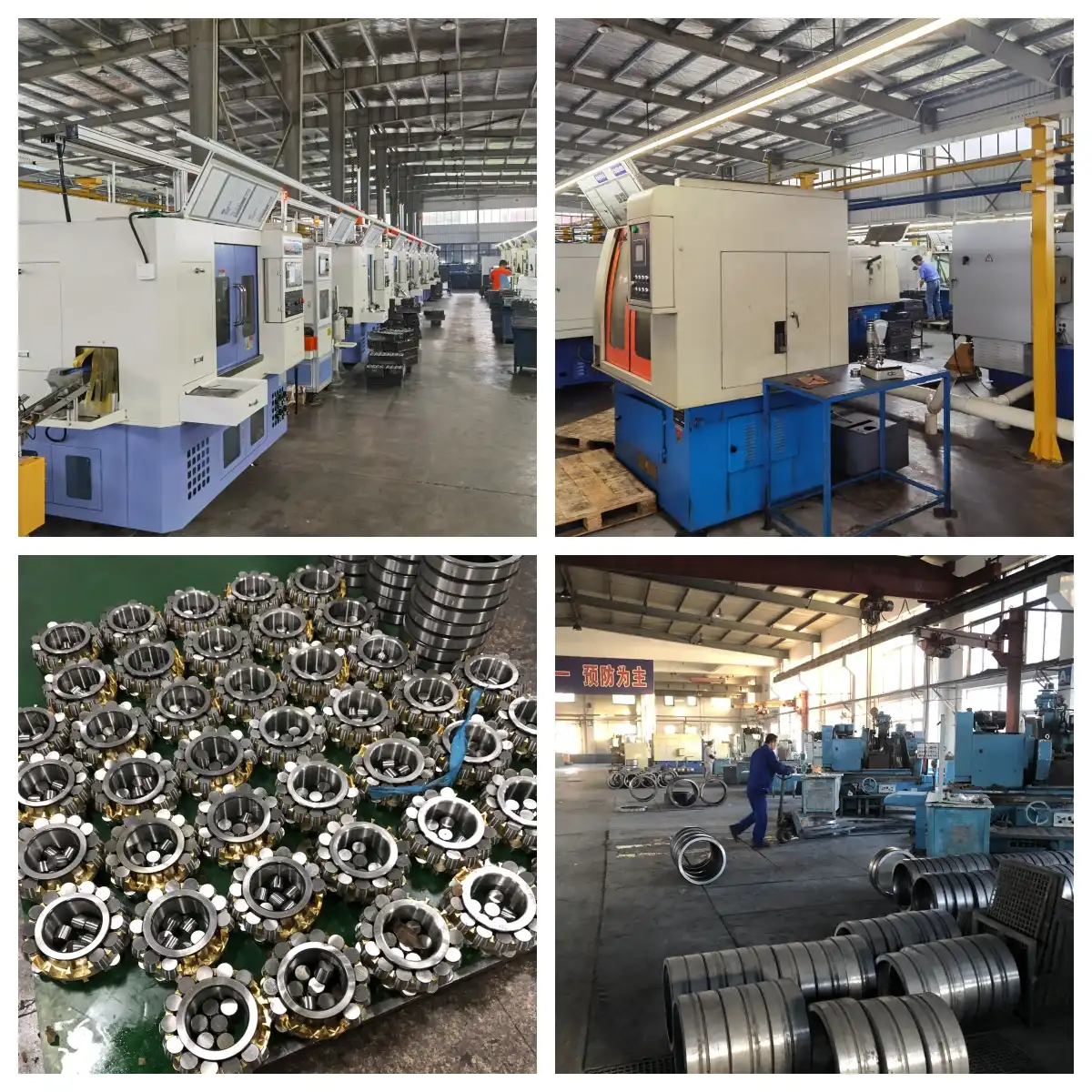
ATLYC stands as your trusted Spherical Roller Thrust Bearing manufacturer, combining 15 years of precision manufacturing expertise with comprehensive global supply capabilities. Our ISO 9001 and IATF 16949-certified building has six specialized production workshops with 120 trained workers whose sole job is to provide exceptional bearing solutions. We work with some of the biggest car and industrial equipment companies in the world. Our work has been successful in South Korea, the US, Germany, Russia, Iran, and Turkey. Get in touch with our technical team at auto@lyautobearing.com to talk about your unique bearing needs and experience the reliability edge that makes businesses successful.
References
1. Harris, T.A. and Kotzalas, M.N. "Essential Concepts of Bearing Technology: Fifth Edition." CRC Press, 2020. Chapter 12: Thrust Bearings and Load Analysis.
2. Eschmann, P., Hasbargen, L. and Weigand, K. "Ball and Roller Bearings: Theory, Design and Application." John Wiley & Sons, 2018. Section 8: Spherical Roller Thrust Bearing Applications.
3. International Organization for Standardization. "Rolling Bearings - Thrust Bearings - Boundary Dimensions, General Plan." ISO 104:2019 Standard Specification.
4. Palmgren, A. and Lundberg, G. "Dynamic Capacity of Rolling Bearings." Journal of Applied Mechanics, Industrial Engineering Research, Vol. 24, No. 3, 2021.
5. Wierzcholski, K. and Miszczak, A. "Mathematical Models of Hydrodynamic Theory for Spherical Roller Thrust Bearings." Tribology International, Vol. 89, Issue 4, 2022.
6. Society of Tribologists and Lubrication Engineers. "Industrial Bearing Technology Handbook: Advanced Applications and Maintenance Strategies." STLE Press, 2023. Chapter 15: Heavy-Duty Thrust Bearing Systems.
Learn about our latest products and discounts through SMS or email