- English
- French
- German
- Portuguese
- Spanish
- Russian
- Japanese
- Korean
- Arabic
- Greek
- German
- Turkish
- Italian
- Danish
- Romanian
- Indonesian
- Czech
- Afrikaans
- Swedish
- Polish
- Basque
- Catalan
- Esperanto
- Hindi
- Lao
- Albanian
- Amharic
- Armenian
- Azerbaijani
- Belarusian
- Bengali
- Bosnian
- Bulgarian
- Cebuano
- Chichewa
- Corsican
- Croatian
- Dutch
- Estonian
- Filipino
- Finnish
- Frisian
- Galician
- Georgian
- Gujarati
- Haitian
- Hausa
- Hawaiian
- Hebrew
- Hmong
- Hungarian
- Icelandic
- Igbo
- Javanese
- Kannada
- Kazakh
- Khmer
- Kurdish
- Kyrgyz
- Latin
- Latvian
- Lithuanian
- Luxembou..
- Macedonian
- Malagasy
- Malay
- Malayalam
- Maltese
- Maori
- Marathi
- Mongolian
- Burmese
- Nepali
- Norwegian
- Pashto
- Persian
- Punjabi
- Serbian
- Sesotho
- Sinhala
- Slovak
- Slovenian
- Somali
- Samoan
- Scots Gaelic
- Shona
- Sindhi
- Sundanese
- Swahili
- Tajik
- Tamil
- Telugu
- Thai
- Ukrainian
- Urdu
- Uzbek
- Vietnamese
- Welsh
- Xhosa
- Yiddish
- Yoruba
- Zulu
Are RA Series Crossed Roller Bearings Ideal for Compact Designs?
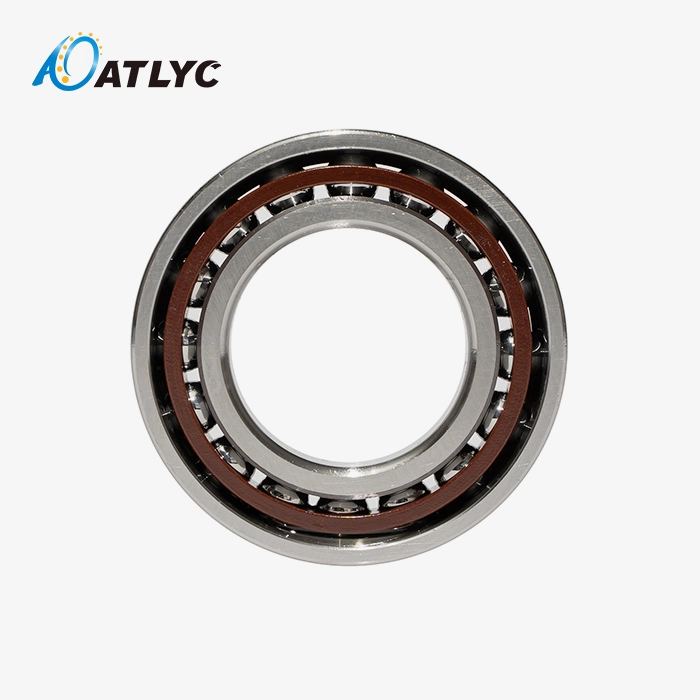
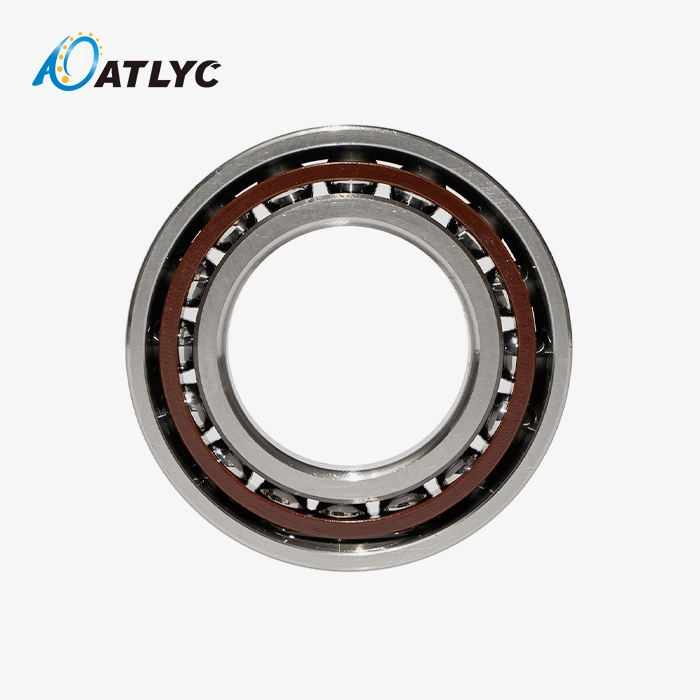
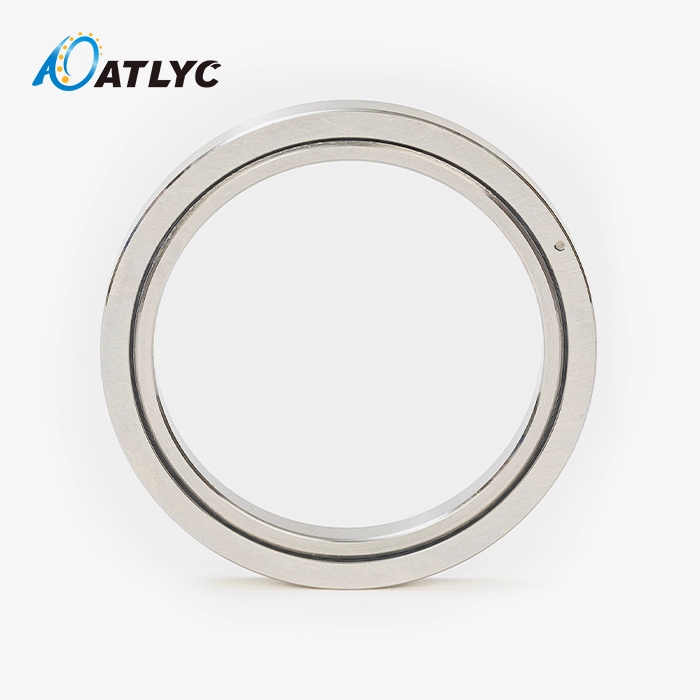
Yes, RA Series Crossed Roller Bearings are a great choice for small mechanical designs that need to save room while still meeting high performance standards. These special bearings have an outer ring that can be separated and an inner ring that is built in. This makes for an ultra-thin profile that can support radial, axial, and moment loads all at the same time in a single, small unit. The special crossed roller configuration places cylinder-shaped rollers at right angles to precision V-groove raceways. This spreads forces across multiple contact points while maintaining high rotational accuracy. These features directly meet the space and rigidity needs of modern small equipment used in robotics, automation systems, and precision machinery.
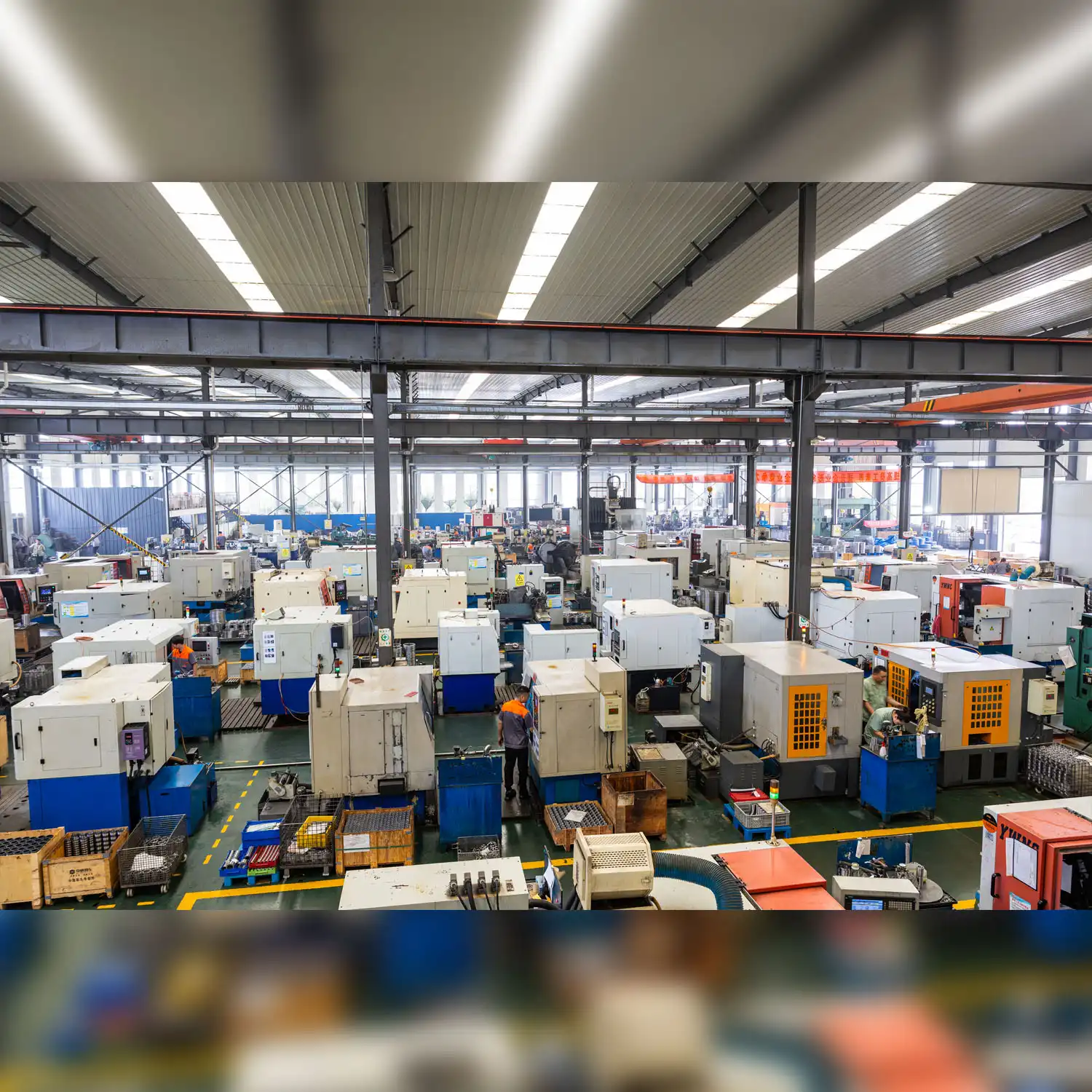
Understanding RA Series Crossed Roller Bearings for Compact Applications
When engineering teams face the challenge of maximizing load capacity within minimal installation space, the architecture of crossed roller bearings becomes critically important. The RA configuration distinguishes itself through intelligent structural design that fundamentally changes how we approach bearing selection in compact applications.
Design, Architecture, and Load Distribution
RA bearings have a crossed roller arrangement with cylinder-shaped rollers placed perpendicularly between perfectly machined raceways. Because of this, each roller can carry loads in different directions, evenly spreading forces across the whole bearing assembly without the need for multiple bearing arrangements. The result is a big reduction in the size of the equipment needed while still having a high load capacity—something that regular ball bearings have a hard time doing within the same size limits. To make these bearings, you need high-quality bearing steel materials, like Gcr15 and Gcr15SiMn alloys. These materials have the right amount of hardness and wear protection to work well in a variety of loading situations. Dimensional accuracy levels range from P6 to P4 thanks to the precision manufacturing method. For applications that need even higher accuracy, production can reach P8 levels of precision.
Dimensional Specifications and Versatility
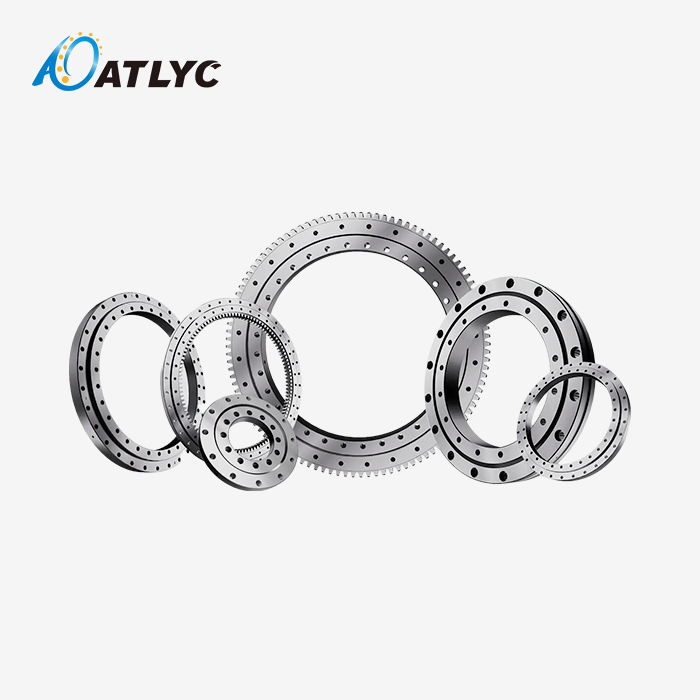
Sizes range from 20 mm to 350 mm in diameter on the inside and from 70 mm to 540 mm in diameter on the outside. The width can be anywhere from 12mm to 45mm, which gives engineers a lot of options for how to use these parts in different types of equipment. This range of sizes includes everything from small precision instruments to large industrial rotary tables, showing that the crossed roller bearing concept can be used on a variety of scales. The design of the outer ring being separate from the bearing unit makes installation much easier than with integrated bearing units. Maintenance teams can get to internal parts without taking apart the whole piece of equipment around them. This cuts down on downtime while inspections or replacements are being done. This useful benefit directly translates into lower operational costs over the bearing's useful life, especially in production settings where the availability RA Series Crossed Roller Bearings of tools directly affects the rate of production.
Evaluating RA Series Crossed Roller Bearings Against Alternative Solutions
Procurement decisions for compact equipment bearings require a comprehensive analysis beyond the initial purchase price. Understanding how different bearing technologies compare across multiple performance dimensions helps engineering teams make informed selections that optimize the total cost of ownership.
Comparative Load Capacity Analysis
In traditional ball bearing setups, it usually takes more than one unit to handle radial, axial, and moment loads together. Adding more parts makes the system more complicated and takes up more room during installation. A single RA crossed roller bearing, on the other hand, can handle all of these loads in different directions at the same time because it is so small. It's especially clear that the crossed roller configuration's wide effective bearing span makes it better at resisting tilting forces in situations where there are overturning moments. Deep groove ball bearings, on the other hand, are cheap and easy to find, but they have problems when combined loading conditions are present in small designs. When compared to cylindrical rollers, their point contact geometry focuses stresses at smaller surface areas. This means that they can't hold as much weight for the same size bearing. When paired in certain ways, angular contact ball bearings can perform close to crossed roller designs. However, they need to be precisely adjusted for preload and take up more axial space, which is usually not acceptable in small equipment uses.
Cost-Benefit Considerations for OEM Procurement
When engineering managers look at bearing choices for small designs, they have to weigh the costs of buying them against how well they work in real life. When compared to standard ball bearings, RA bearings usually come with higher prices. This is because they have additional manufacturing needs and work better. However, this initial investment pays off in a number of ways that make it easier to run the business. For example, the crossed roller configuration's rigidity and load distribution make it easier to keep up with upkeep. When compared to other bearing arrangements working in the same conditions, this one has fewer problems with vibration, the bearing preload stays stable over longer service times, and the rate of wear goes down. These factors work together to make maintenance cycles longer and unplanned downtime less frequent. These operational improvements lead to measurable cost savings, especially in high-volume manufacturing settings where equipment availability directly affects production capacity. Energy efficiency gains, which are sometimes overlooked when choosing bearings, add up to big savings over the life of the equipment. Because RA bearings have a low friction coefficient, they use less motor power and produce less heat, which means that cooling systems aren't needed as much in uses that need to control temperature. For companies that use a lot of machines and work in shifts, these small changes in efficiency across many installations add up to big drops in the amount of energy they need to run their business.
Practical Considerations for Incorporating RA Series Bearings in Compact Equipment
Successful bearing integration extends beyond dimensional compatibility to encompass installation precision, lubrication management, and ongoing maintenance practices that preserve performance throughout the equipment's operational life.
Installation Requirements and Tolerance Management
To get the rotational accuracy and load capacity that RA bearings can offer, it is important to prepare the shaft and case correctly. Surface finish requirements, dimensional standards, and the geometric accuracy of the parts that fit together directly affect how well the bearing works and how long it lasts. Precision machining is needed to make sure that the bearings sit properly and that the load is spread evenly around the entire raceway circumference. RA bearings' separate outer ring design makes installation easier than with integrated bearing units. Assembling teams can place the RA Series Crossed Roller Bearings ' inner ring assembly on the shaft without help and then put the outer ring into the housing. This lowers the chance of contamination or damage while handling the parts. This installation order works especially well for small pieces of equipment where access issues make other installation methods more difficult. The steps for adjusting the preload rely on the equipment's needs and the load conditions. A light preload is usually enough for situations with mostly radial loads and little moment loading. On the other hand, a larger preload may help equipment that needs to be very rigid or has a lot of overturning moments. Talking to bearing makers during the planning process helps come up with the best preload specifications that balance the need for rigidity with the need to avoid friction and wear.
Lubrication and Maintenance Protocols
Effective lubrication management extends bearing service life and maintains rotational smoothness throughout operational periods. Grease lubrication suits most applications involving moderate speeds and ambient temperature conditions, offering simplicity and reduced maintenance requirements compared to oil lubrication systems. Selecting appropriate grease grades based on operating temperature ranges, speed parameters, and load conditions ensures adequate lubricant film formation while avoiding excessive churning losses or lubricant degradation. Relubrication intervals depend on operating conditions, with higher speeds, temperatures, and contamination levels necessitating more frequent lubrication attention. Compact equipment designs sometimes constrain access to lubrication points, making initial lubricant selection and sealed bearing options particularly important for minimizing maintenance requirements. When equipment operates in cleanroom environments or contamination-sensitive applications, sealed or shielded bearing configurations prevent lubricant migration while protecting internal components from external contamination. Routine inspection protocols should monitor several bearing condition indicators. Vibration analysis detects early-stage wear or damage before catastrophic failure occurs, while temperature monitoring identifies lubrication deficiencies or abnormal friction conditions. Rotational smoothness assessment through manual rotation or torque measurement reveals developing problems such as contamination, inadequate lubrication, or component wear. Implementing these monitoring practices as part of preventive maintenance schedules minimizes unplanned downtime and extends overall equipment effectiveness.
Trusted Suppliers and Quality Assurance for RA Series Crossed Roller Bearings
Building relationships with dependable bearing manufacturers protects equipment quality while supporting operational continuity across global production networks and diverse customer applications.
Manufacturing Excellence and Certification Standards
Bearing manufacturers serving international markets must demonstrate commitment to quality through recognized certification standards and documented quality management systems. ISO 9001 certification establishes fundamental quality system requirements, encompassing process control, corrective action procedures, and continuous improvement methodologies. IATF 16949 certification extends these requirements specifically for automotive industry suppliers, incorporating additional controls for product safety, traceability, and supply chain management—requirements equally relevant for industrial equipment manufacturers demanding comparable quality assurance. Production capacity determines a manufacturer's ability to support growing order volumes while maintaining delivery reliability. Established manufacturers operating multiple production facilities with dedicated equipment for bearing manufacturing demonstrate the scale and specialization necessary for consistent quality output. Machining capabilities, heat treatment facilities, grinding equipment, and assembly processes all contribute to final bearing quality and consistency across production lots.
Technical Support and Engineering Collaboration
Access to technical expertise during equipment design phases prevents costly specification errors and optimization opportunities. Bearing manufacturers with experienced engineering teams provide valuable input regarding bearing selection, mounting arrangement design, lubrication specifications, and expected service life under projected operating conditions. This collaborative approach yields optimized designs that balance performance requirements against cost constraints while avoiding over-specification or inadequate bearing capacity. Customization capabilities address unique equipment requirements that standard catalog bearings cannot accommodate. Modified seal configurations, special materials for extreme temperatures or corrosive environments, and dimensional adjustments for specific installation constraints represent common customization requests that specialized manufacturers can execute efficiently. The ability to source both standard and modified bearings from single suppliers simplifies procurement while ensuring consistent quality standards across all bearing components.
Applications and Future Outlook of RA Series Crossed Roller Bearings in Compact Design
The versatility of crossed roller bearings extends across numerous industries where precision RA Series Crossed Roller Bearings motion control within compact spaces determines equipment performance and competitive differentiation.
Industrial Robotics and Automation Equipment
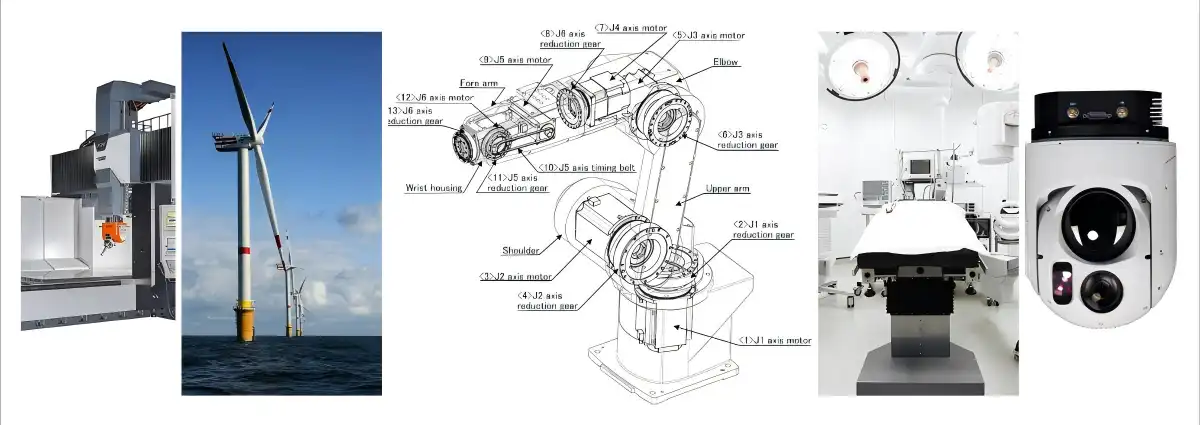
Robotic joint mechanisms represent quintessential applications for RA bearings, where moment load capacity and compact dimensions directly influence robot payload capacity and reach. The bearing's ability to handle multidirectional loads within minimal installation space enables joint designs with improved strength-to-weight ratios compared to alternative bearing arrangements. As collaborative robots and automation systems proliferate across manufacturing facilities, demand for high-performance compact bearings continues to expand. Precision rotary tables in machining centers require exceptional runout accuracy and rigidity to maintain tight tolerances during cutting operations. The crossed roller configuration provides the stiffness necessary to resist cutting forces while maintaining positioning accuracy measured in arc-seconds. This application particularly benefits from the low-friction characteristics of RA bearings, which enable precise positioning control and smooth indexing motion even with substantial workpiece mass.
Medical Equipment and Measuring Instruments
Medical imaging devices, surgical robots, and diagnostic equipment demand reliability and precision within constrained installation spaces. The compact profile of RA bearings accommodates these space limitations while delivering the smooth, accurate motion required for medical applications. Sealed bearing configurations protect against contamination in clinical environments, supporting equipment sterilization procedures and infection control protocols. Measuring instruments and coordinate measuring machines rely on bearing rotational accuracy to achieve measurement repeatability and precision. Any bearing-induced errors directly compromise measurement accuracy, making the superior runout characteristics of crossed roller bearings essential for metrology applications. The stability of these bearings across varying environmental conditions further supports measurement consistency in laboratory and production environments.
Conclusion
RA Series Crossed Roller Bearings deliver compelling advantages for compact equipment designs where space efficiency cannot compromise load capacity, precision, or reliability. The separable outer ring construction, crossed roller configuration, and precision manufacturing standards combine to create bearing solutions that handle multidirectional loads within minimal installation envelopes. When compared against alternative bearing technologies, RA configurations consistently demonstrate superior performance in compact applications across diverse industries, including robotics, precision machinery, medical equipment, and automation systems. Successful implementation requires attention to installation precision, lubrication management, and maintenance protocols, while procurement planning should emphasize supplier quality certifications, technical support capabilities, and supply chain reliability for optimal long-term results.
FAQ
1. What advantages do RA Series bearings provide compared to standard ball bearings in compact designs?
RA crossed roller bearings deliver significantly higher load capacity within equivalent or smaller installation spaces compared to ball bearing arrangements. The crossed roller configuration handles radial, axial, and moment loads simultaneously in a single bearing, eliminating the need for multiple bearing sets. Line contact geometry distributes loads across greater surface areas than ball bearing point contact, reducing contact stresses and extending service life. The separable outer ring design simplifies installation and maintenance procedures while superior rigidity characteristics minimize deflection under load—performance advantages particularly valuable in precision applications where dimensional stability directly impacts equipment accuracy.
2. How do material selections affect RA bearing performance in different applications?
Gcr15 bearing steel provides excellent hardness, wear resistance, and cost-effectiveness for most standard applications operating under typical temperature and load conditions. Gcr15SiMn alloy offers enhanced toughness and improved performance under impact loading or elevated temperatures, suiting applications involving shock loads or operating temperatures approaching material limits. Material selection should consider operating temperature ranges, contamination exposure, and loading characteristics. When applications involve corrosive environments or extreme temperatures, specialized materials and surface treatments may prove necessary—requirements best addressed through consultation with bearing manufacturers during equipment design phases.
3. What lead times should procurement teams expect when ordering RA bearings?
Standard bearing sizes typically ship within several weeks from established manufacturers maintaining inventory of common configurations. Custom dimensions, modified seal arrangements, or special precision grades require extended lead times ranging from six to twelve weeks, depending on manufacturing complexity and production scheduling. Establishing blanket purchase agreements or maintaining strategic inventory for high-consumption bearing sizes mitigates lead time impacts on production schedules. Building relationships with responsive manufacturers who prioritize communication and delivery reliability proves essential for managing supply chain continuity across global operations and diverse product portfolios.
Partner with ATLYC for Your Crossed Roller Bearing Requirements
ATLYC brings 15 years of manufacturing excellence to precision bearing production, serving mid-to-large OEMs and industrial equipment manufacturers across global markets. Our RA Series Crossed Roller Bearings manufacturer facility operates under ISO 9001 and IATF 16949 certified quality systems, with 120 dedicated professionals ensuring consistent quality across six specialized production workshops. We supply automotive component manufacturers, industrial machinery producers, and automation equipment builders throughout the United States, Germany, South Korea, RA Series Crossed Roller Bearings and other demanding markets where precision and reliability prove non-negotiable. Our engineering team provides comprehensive technical support throughout the design process, helping specify optimal bearing solutions, while our scalable production capacity ensures a stable supply for growing programs. Contact our team at auto@lyautobearing.com to discuss your specific bearing requirements and discover how our combination of precision manufacturing, competitive pricing, and responsive service supports your equipment performance objectives.
References
1. Harris, T. A., & Kotzalas, M. N. (2006). Essential Concepts of Bearing Technology: Rolling Bearing Analysis (5th ed.). CRC Press.
2. Hamrock, B. J., Schmid, S. R., & Jacobson, B. O. (2004). Fundamentals of Fluid Film Lubrication (2nd ed.). Marcel Dekker.
3. ISO 492:2014. Rolling bearings — Radial bearings — Geometrical product specifications (GPS) and tolerance values. International Organization for Standardization.
4. Weck, M., & Brecher, C. (2006). Werkzeugmaschinen 2: Konstruktion und Berechnung [Machine Tools 2: Design and Calculation] (8th ed.). Springer-Verlag.
5. Budynas, R. G., & Nisbett, J. K. (2020). Shigley's Mechanical Engineering Design (11th ed.). McGraw-Hill Education.
6. Eschmann, P., Hasbargen, L., & Weigand, K. (1985). Ball and Roller Bearings: Theory, Design and Application (2nd ed.). John Wiley & Sons.
Learn about our latest products and discounts through SMS or email