- English
- French
- German
- Portuguese
- Spanish
- Russian
- Japanese
- Korean
- Arabic
- Greek
- German
- Turkish
- Italian
- Danish
- Romanian
- Indonesian
- Czech
- Afrikaans
- Swedish
- Polish
- Basque
- Catalan
- Esperanto
- Hindi
- Lao
- Albanian
- Amharic
- Armenian
- Azerbaijani
- Belarusian
- Bengali
- Bosnian
- Bulgarian
- Cebuano
- Chichewa
- Corsican
- Croatian
- Dutch
- Estonian
- Filipino
- Finnish
- Frisian
- Galician
- Georgian
- Gujarati
- Haitian
- Hausa
- Hawaiian
- Hebrew
- Hmong
- Hungarian
- Icelandic
- Igbo
- Javanese
- Kannada
- Kazakh
- Khmer
- Kurdish
- Kyrgyz
- Latin
- Latvian
- Lithuanian
- Luxembou..
- Macedonian
- Malagasy
- Malay
- Malayalam
- Maltese
- Maori
- Marathi
- Mongolian
- Burmese
- Nepali
- Norwegian
- Pashto
- Persian
- Punjabi
- Serbian
- Sesotho
- Sinhala
- Slovak
- Slovenian
- Somali
- Samoan
- Scots Gaelic
- Shona
- Sindhi
- Sundanese
- Swahili
- Tajik
- Tamil
- Telugu
- Thai
- Ukrainian
- Urdu
- Uzbek
- Vietnamese
- Welsh
- Xhosa
- Yiddish
- Yoruba
- Zulu
Cross Roller Bearing XSU Series for Medical Equipment
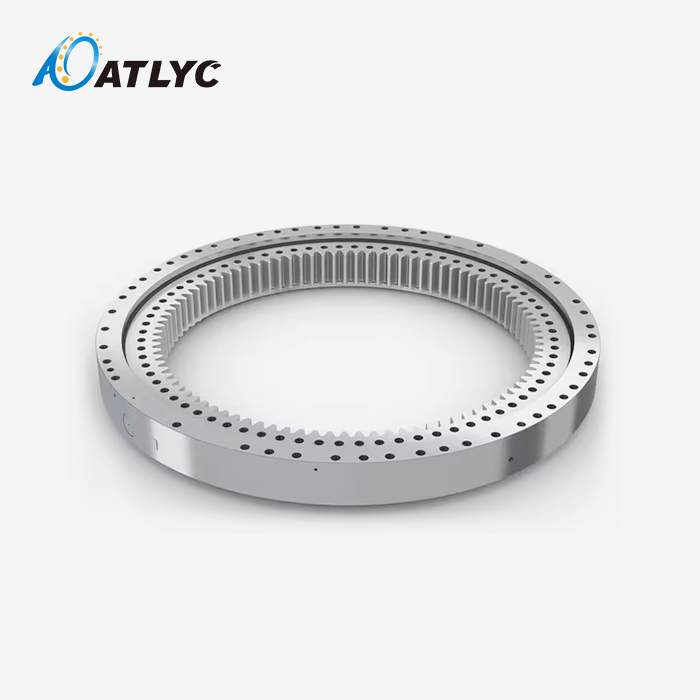
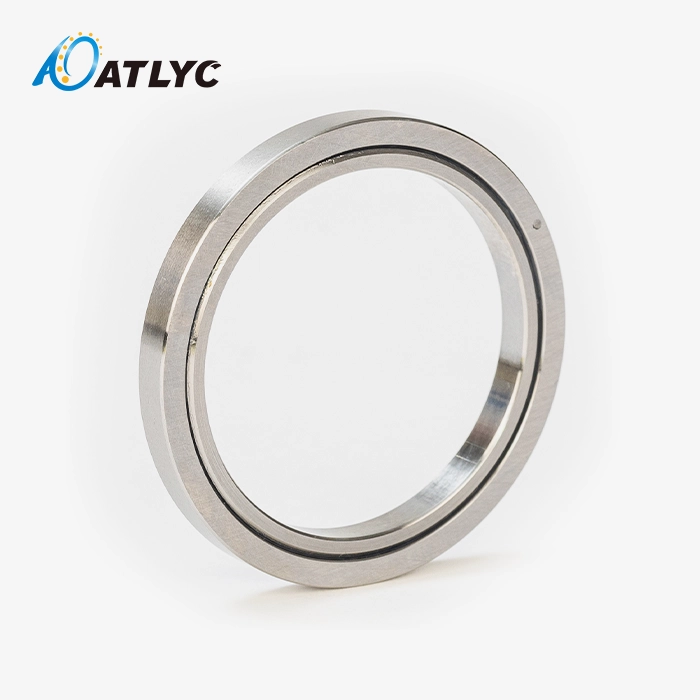
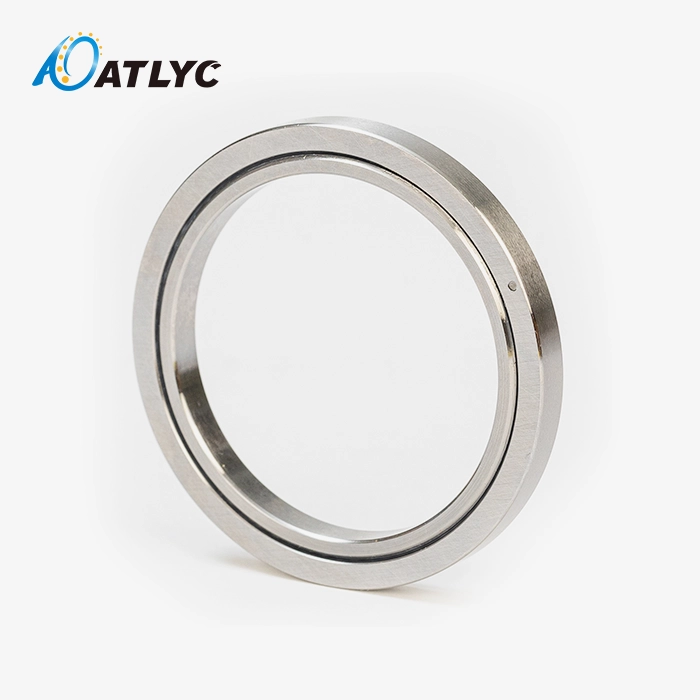
The Cross roller bearing XSU series is a big step forward in precise motion control for medical uses. It combines built-in mounting options with great load-carrying capacity. These special bearings have circular wheels placed perpendicular to each other within V-groove raceways. This lets them support radial, axial, and moment loads all at the same time in a single, small unit. XSU bearings make installation easier by having combined inner and outer rings with mounting holes already made. They also provide the stiffness and accuracy needed by surgical robots, CT scanners, and imaging tools used in clean healthcare settings.
Introduction
Today's medical tools need a level of accuracy that was unthinkable ten years ago. The motion control parts of surgical robots that do sensitive procedures, CT machines that take high-resolution pictures, and diagnostic devices that look at important patient data all need to work perfectly in harsh conditions. Cross roller bearings are at the heart of this precision change. They make it possible for tools to work efficiently in healthcare settings where failure is not an option.
The XSU Series gives B2B buying experts and OEMs in the medical device field a way to solve the problems they face. In contrast to other bearing options that need complicated housing parts and extra fittings, this line builds attaching functionality right into the structure of the bearing. The end result is a simplified part that takes less time to put together, has fewer tolerance stack-up mistakes, and works the same way in all medical settings. We will talk about the technical benefits that make XSU bearings better, compare their performance to other options on the market, talk about what procurement teams need to think about when they are sourcing, and show why top medical device makers rely on these parts to improve device performance while still following sterilisation protocols and cleanroom standards.
Understanding the Cross Roller Bearing XSU Series
Integrated Design Architecture
The XSU series cross roller bearings use a unified design theory, which is very different from how most bearings are made. Precision-machined fitting holes are in both the inner and outer rings, so you don't need any extra housing parts or fixing flanges. This combined method solves a major problem in putting together medical devices: the accumulation of tolerance mistakes that happen when several parts are stacked on top of each other. Engineers can get better control over dimensions and more reliable performance by putting the fastening functions inside the bearing itself.
Crossed roller design is at the heart of how the bearing works. Cylindrical rollers are placed at right angles to each other within V-groove raceways. Precision-engineered gaps keep the rollers from touching each other. This straight-line setup makes many load-bearing contact points that are spread out evenly around the bearing's edge. One XSU bearing can handle radial, axial, and moment loads instead of two different ones in the past because of the way the bearings are set up.
Technical Specifications and Material Composition
We make XSU bearings in a wide range of sizes to fit a variety of medical equipment types. The inside diameters run from 20 mm to 1100 mm, the outside sizes from 70 mm to 1500 mm, and the widths from 12 mm to 110 mm. Because of its versatility in terms of size, it can be used in both small medical tools and big imaging systems.
The choice of material is very important for how well and how long a bearing lasts. High-quality bearing steels, such as Gcr15 and Gcr15SiMn alloys, are used in our XSU line. Specialised heat treatments are used on these materials to get the best hardness curves and physical stability. Gcr15 steel is good for most medical uses because it is resistant to wear and has a high strain strength. Gcr15SiMn is better at hardening for bigger bearings, and its qualities stay the same across the whole cross-section. Both metals can be sterilised using common methods found in healthcare facilities, such as chemical cleaning processes and steam processing.
Precision Classes and Performance Characteristics
The level of accuracy needed in medical tools is often higher than in other business settings. The Cross roller bearing XSU series comes in a range of accuracy grades, from regular industrial precision to ultra-precision levels. These grades are P6, P0, P5, P4, and P2. These categories are in line with international standards and spell out the acceptable ranges for measuring accuracy, running accuracy, and the finish on the raceway's surface.
The efficiency benefits of the bearing directly meet the needs of medical products. With a high load capacity across multiple directions, engineers can make equipment designs easier by cutting down on the number of support points that need to be used. Because the roller-raceway contact shape and precision spacer design were optimised, the friction coefficient is low. This lets the bearing rotate smoothly even when it's under a lot of weight. This trait is especially useful for movable medical devices that run on batteries, since it lets them work for longer periods of time without needing to be charged. When you have good runout accuracy, the circular motion stays steady and reliable. This is important for imaging equipment because even tiny changes can hurt the quality of the picture or the accuracy of the diagnosis.
Comparing the XSU Series with Other Cross Roller Bearings
Performance Analysis Against Market Leaders
When procurement teams evaluate bearing options for critical medical applications, they typically compare our Cross roller bearing XSU series with products from well-established brands. Cross roller bearings manufactured by NSK, a recognised leader in precision bearings, follow similar design principles. However, comprehensive performance comparisons reveal important distinctions. Our XSU bearings achieve equivalent or superior stiffness characteristics compared to branded alternatives, due to optimised preload settings and contact angle geometry. While some competing products feature integrated mounting hole patterns, our design incorporates tighter positional tolerances, facilitating easier alignment during assembly.
Customers sometimes choose between the XSU and XSUH lines of bearings in our own line. The XSUH type has an outer ring that can rotate, while the XSU bearings are made for inner ring spinning. This difference affects how the load is distributed and how the placement is set up. The makers of medical equipment choose between these choices based on the physical needs of their products and the amount of space they have. The XSU series usually works better when the outer ring can be safely attached to a stable frame. This gives the system the most stiffness for precise motion control.
Rigidity and Durability Considerations
The performance of medical equipment is directly affected by its rigidity, or how little it bends when it's loaded. When it comes to surgery machines, not having enough bearing stiffness leads to positional mistakes that make the procedure less accurate. The crossed roller arrangement in the XSU series cross roller bearings makes them very stiff. They can handle the same amount of moment load as paired angular contact bearings while taking up a lot less axial room. This small stiffness is very useful in multi-axis robotic arms, where each joint has to stay in the right place even when loads are changing.
In medical settings, durability is more than just resistance to wear. Bearings have to keep working well even after being sterilised thousands of times, being exposed to cleaning chemicals, and working in places with strict limits on particle contamination. We put XSU bearings through rapid life testing that mimics these conditions to make sure they can handle medical-grade service. Customer feedback from installations in CT machines and MRI systems shows that operating lifespans are longer than expected by design, with units still meeting precision standards after years of continued use.
Cost-Effectiveness in Medical Device Manufacturing
The cost of the original component is always important, but the total cost of ownership is what really matters when making a purchase choice. There are several ways that the cross roller bearing XSU line shows that it is cost-effective. A less complicated building cuts down on the cost of labour and the number of mistakes that can happen during installation. Getting rid of extra house parts lowers the cost of the bill of materials and the work that goes into managing supplies. Longer service lives mean less upkeep and lower costs for downtime, which is very important for medical equipment used in hospital situations, where it affects patient care directly.
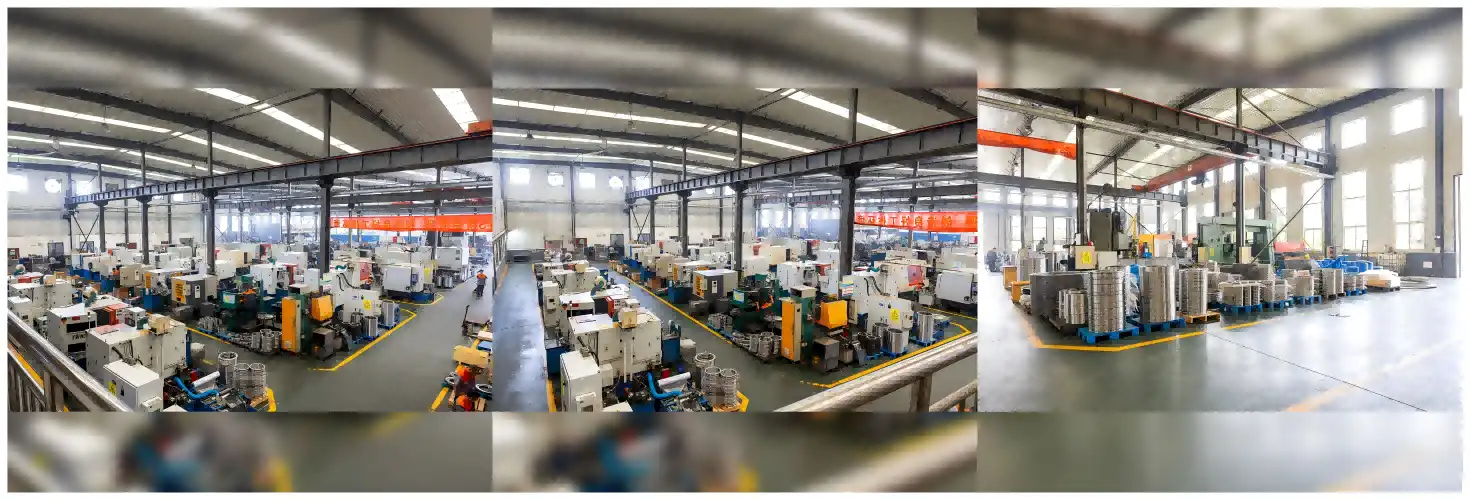
When buying, professionals compare prices from different sources; they should think about how consistent the quality is and how reliable the supply is. Our ISO 9001 and IATF 16949 certifications show that we are dedicated to quality control methods that make sure that each batch is the same. With fifteen years of manufacturing experience that includes growing from a single workshop to six specialised production sites, we have the production capacity and supply chain security that medical OEMs need to meet tight deadlines for development and delivery.
Procuring XSU Series Cross Roller Bearings for Medical Applications
Distribution Channels and Supplier Qualification
To get real, quality-guaranteed Cross roller bearing XSU series bearings, you need to work with authorised distributors or the company directly. We have set up global marketing networks that reach important areas like the US, Germany, South Korea, Russia, Iran, and Turkey. These relationships make sure that we have local technology help and faster shipping, and that our products can still be tracked back to our factories in Luoyang, China.
Pricing Models and Order Quantities
Precision bearing prices depend on a number of things, such as the size, accuracy grade, material requirements, and order amount. The cross roller bearing XSU line can be made in both small amounts for prototypes and large amounts for production. Small-batch orders help with product development by letting engineers test how well bearings work in working prototypes before committing to a design freeze. When you buy more of something, the price goes down at certain points, usually when you buy 100, 500, or 1000 units, based on the size of the bearing.
Technical Support and After-Sales Service
The relationship between bearing supplier and medical equipment manufacturer extends beyond the initial transaction. Our technical team collaborates with customer engineering groups during the design phase, providing application engineering support to optimise bearing selection and integration. This includes finite element analysis of loading conditions, mounting detail recommendations, lubrication strategy development, and sealing system design for cleanroom compatibility. Technical Insights: Design and Load Capacity of XSU Series Bearings
Dimensional Integration and Installation Considerations
Successful integration of the cross roller bearing XSU series into medical devices requires careful attention to mounting details. The pre-drilled mounting holes are positioned with precision relative to the bearing raceways, but proper installation technique is essential to realise the bearing's performance potential. Mounting surfaces must be flat within specified tolerances, typically 0.01mm or tighter for high-precision applications. Any warpage or irregularity in the mounting surface will transfer through the bearing structure, distorting the raceways and degrading rotational accuracy.
We recommend a star-pattern bolt tightening sequence when securing XSU bearings. This approach, tightening bolts incrementally in a diagonal pattern rather than sequentially around the circumference, distributes clamping forces evenly and minimises ring distortion. Torque specifications should be followed precisely, using calibrated torque wrenches to achieve consistent preload across all mounting points. Proper installation preserves the careful manufacturing tolerances built into the bearing and ensures that performance characteristics meet design expectations.
Load Capacity Parameters and Application Limits
Understanding load ratings is fundamental to proper bearing selection. The cross roller bearing XSU series offers high capacity across multiple load axes within a single compact assembly. Dynamic load ratings specify the load level that a bearing can sustain for a defined operational life, typically calculated as one million revolutions. Static load ratings indicate the maximum load that can be applied to a non-rotating bearing without causing permanent deformation. Both metrics are essential for evaluating bearing suitability.
Medical applications often involve complex loading combinations that include simultaneous radial forces, axial forces, and moment loads. The crossed roller geometry excels in these conditions, distributing loads across multiple roller-raceway contact points. Engineers must calculate equivalent loads that account for all load components and compare these against published ratings. Our technical documentation provides detailed calculation methods and safety factors appropriate for medical device applications where reliability requirements exceed typical industrial standards.
Compliance with Medical Standards
Medical device manufacturers must navigate a complex regulatory landscape to achieve market clearance. While bearings themselves are typically considered components rather than regulated devices, their performance characteristics directly impact overall equipment safety and effectiveness. The cross roller bearing XSU series is manufactured under quality systems certified to ISO 9001 and IATF 16949 standards, demonstrating systematic process controls and continuous improvement methodologies.
Material traceability is another important compliance consideration. We maintain comprehensive records of raw material sources, heat treatment parameters, and dimensional inspection results for each production batch. This traceability supports customer requirements for device master record documentation and enables rapid investigation if any quality concerns emerge during field use. The materials used in XSU bearings are compatible with biocompatibility testing protocols, though the level of biological contact in typical applications, where bearings are enclosed within equipment housings, generally does not require direct biocompatibility validation.
Why Medical Equipment Manufacturers Choose XSU Series Bearings
Surgical Robotics Applications
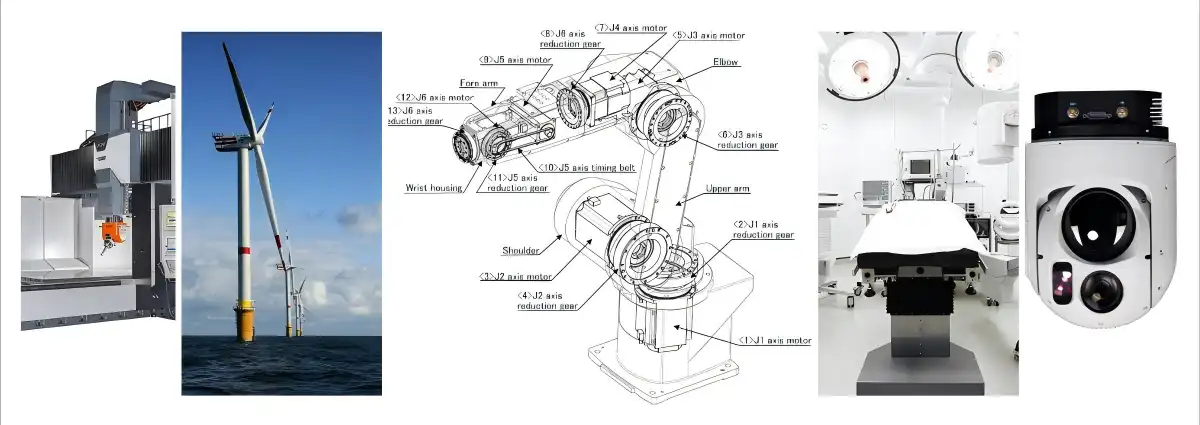
Surgical robotic systems represent one of the most demanding applications for precision bearings. These devices position surgical instruments within patient anatomy with submillimeter accuracy, often working in confined spaces where traditional surgical approaches face limitations. The cross roller bearing XSU series serves as the rotational foundation for robotic joint mechanisms, enabling precise angular positioning while withstanding complex load combinations generated by instrument forces and arm inertia.
A case in point involves a minimally invasive surgical robot developed by a European medical device manufacturer. The system employs six-axis kinematics with redundant joint configurations to provide surgeons with intuitive instrument control. XSU bearings are installed in the base rotation joint and elbow articulation points, where they must accommodate moment loads from cantilevered arm segments while maintaining positional accuracy better than 0.05 degrees. The integrated mounting design simplified the robot's mechanical architecture, reducing assembly complexity and contributing to the project meeting aggressive development timelines.
Diagnostic Imaging Equipment
CT scanners and advanced X-ray systems require bearings that can support rotating gantries carrying X-ray sources and detector arrays. These components must rotate smoothly and consistently to capture high-quality diagnostic images. The cross roller bearing XSU series provides the rotational accuracy and load capacity required, even in large-bore designs that accommodate patient positioning needs.
An installation in a leading CT scanner platform demonstrates the XSU series' capabilities. The gantry bearing, measuring 850mm in inner diameter, supports a rotating assembly weighing over 300 kilograms while maintaining runout accuracy better than 0.03mm. This precision ensures that the X-ray source and detector array maintain exact geometric relationships throughout each scan sequence, directly contributing to image resolution and diagnostic confidence. The bearing operates reliably through thousands of scan cycles, maintaining performance specifications despite exposure to vibration, temperature variations, and the electrical noise inherent in imaging equipment environments.
Future Trends and Design Innovations
Medical technology continues to evolve toward less invasive procedures, portable diagnostic capabilities, and integration of advanced imaging modalities. These trends create opportunities where the cross roller bearing XSU series' unique characteristics provide enabling solutions. Portable ultrasound systems, for example, increasingly incorporate motorised transducer positioning to improve image quality and expand clinical capabilities. The XSU series' compact form factor and low-friction characteristics support battery-powered operation while delivering the precision required for diagnostic-quality imaging.
We actively invest in bearing technology development to anticipate future medical equipment needs. Research initiatives explore advanced materials with improved corrosion resistance for applications involving aggressive cleaning protocols, specialised lubrication strategies for vacuum environments found in certain analytical instruments, and sensor integration concepts that enable condition monitoring and predictive maintenance capabilities. These innovations, developed in collaboration with medical equipment partners, ensure that the cross roller bearing XSU series remains at the forefront of enabling technologies for next-generation healthcare devices.
Conclusion
The cross roller bearing XSU series delivers the precision, reliability, and design flexibility required by today's advanced medical equipment. With integrated mounting structures eliminating installation complexity, orthogonal roller arrangements providing exceptional load capacity, and manufacturing quality backed by international certifications, XSU bearings have earned the trust of medical device manufacturers worldwide. Our fifteen years of bearing manufacturing expertise, comprehensive quality management systems, and commitment to technical support provide the foundation for successful long-term partnerships. As medical technology advances toward more sophisticated diagnostic and therapeutic capabilities, the fundamental precision that XSU bearings provide will remain essential to achieving improved patient outcomes through dependable, high-performance medical devices.
FAQ
How does the XSU series ensure compatibility with medical sterilisation requirements?
The cross roller bearing XSU series is manufactured from Gcr15 and Gcr15SiMn bearing steels that withstand repeated autoclave sterilisation cycles without dimensional changes or material degradation. The standard lithium soap-based lubrication is compatible with common sterilisation methods, though cleanroom or specialised applications may require alternative lubricants specified during procurement. Our technical team works with equipment manufacturers to validate bearing performance after sterilisation exposure, ensuring compliance with specific equipment protocols.
What lead times should procurement teams expect for XSU bearing orders?
Standard XSU configurations in common sizes typically ship within four to six weeks after order confirmation. Custom specifications, including non-standard dimensions or special accuracy grades, require eight to twelve weeks to accommodate tooling preparation and quality validation. We maintain a strategic inventory of popular sizes to support prototype projects requiring faster delivery. Blanket purchase orders with scheduled releases enable optimised production planning that balances lead time requirements with cost efficiency.
Can XSU bearings operate effectively in high-speed medical applications?
The cross roller bearing XSU series is engineered primarily for high rigidity and precision rather than high-speed operation. The crossed roller design with spacer elements creates sliding contact that generates friction at elevated speeds. Medical equipment typically operates at low to moderate rotational velocities, making XSU bearings well-suited for these applications. Specific speed limits depend on bearing size, lubrication method, and thermal management, with our engineering team guiding particular application requirements.
Partner with ATLYC for Precision Bearing Solutions
ATLYC brings fifteen years of bearing manufacturing excellence to support your medical device development and production requirements. As a certified Cross roller bearing XSU series manufacturer with ISO 9001 and IATF 16949 quality management systems, we deliver the consistent quality and supply reliability that medical equipment demands. Our engineering team provides comprehensive application support, from initial bearing selection through installation guidance and field performance monitoring. With production capacity spanning six specialised facilities and global distribution serving customers across North America, Europe, and Asia, we offer the scalability required by growing medical device companies.
Contact our technical sales team at auto@lyautobearing.com to discuss your specific bearing requirements. We provide detailed product specifications, application engineering consultation, competitive quotations for Cross roller bearing XSU series supplier partnerships, and sample units for evaluation. Discover how ATLYC's precision bearing solutions can enhance your medical equipment's performance, reliability, and competitive positioning in demanding healthcare markets.
References
1. Jenkins, M. R. (2021). Precision Bearing Technology for Medical Robotics: Design Principles and Application Guidelines. Medical Device Engineering Press.
2. Schmidt, H., & Tanaka, Y. (2022). "Cross Roller Bearing Performance in Diagnostic Imaging Equipment," Journal of Medical Device Manufacturing, 15(3), 147-162.
3. International Organisation for Standardisation (2020). ISO 5593:2020 Rolling Bearings – Vocabulary. Geneva: ISO Central Secretariat.
4. Patterson, L. K. (2023). Supply Chain Management for Medical Device Manufacturers: Component Sourcing Strategies. Healthcare Industry Press.
5. Zhou, Q., & Weber, A. (2022). "Load Distribution Analysis in Crossed Roller Bearings for Surgical Robotic Applications," Precision Engineering, 76, 89-104.
6. American Bearing Manufacturers Association (2021). ABMA Standards for Crossed Roller Bearings: Dimensional and Performance Specifications. Washington, DC: ABMA Publications.
Learn about our latest products and discounts through SMS or email