- English
- French
- German
- Portuguese
- Spanish
- Russian
- Japanese
- Korean
- Arabic
- Greek
- German
- Turkish
- Italian
- Danish
- Romanian
- Indonesian
- Czech
- Afrikaans
- Swedish
- Polish
- Basque
- Catalan
- Esperanto
- Hindi
- Lao
- Albanian
- Amharic
- Armenian
- Azerbaijani
- Belarusian
- Bengali
- Bosnian
- Bulgarian
- Cebuano
- Chichewa
- Corsican
- Croatian
- Dutch
- Estonian
- Filipino
- Finnish
- Frisian
- Galician
- Georgian
- Gujarati
- Haitian
- Hausa
- Hawaiian
- Hebrew
- Hmong
- Hungarian
- Icelandic
- Igbo
- Javanese
- Kannada
- Kazakh
- Khmer
- Kurdish
- Kyrgyz
- Latin
- Latvian
- Lithuanian
- Luxembou..
- Macedonian
- Malagasy
- Malay
- Malayalam
- Maltese
- Maori
- Marathi
- Mongolian
- Burmese
- Nepali
- Norwegian
- Pashto
- Persian
- Punjabi
- Serbian
- Sesotho
- Sinhala
- Slovak
- Slovenian
- Somali
- Samoan
- Scots Gaelic
- Shona
- Sindhi
- Sundanese
- Swahili
- Tajik
- Tamil
- Telugu
- Thai
- Ukrainian
- Urdu
- Uzbek
- Vietnamese
- Welsh
- Xhosa
- Yiddish
- Yoruba
- Zulu
Crossed Roller Bearing RB Series vs Standard Bearing Types
The Crossed Roller Bearing RB Series is different from other types of precision bearings for industrial use because it has an orthogonal roller arrangement that handles radial, axial, and moment loads all at the same time in a single small unit. Unlike most ball bearings or cylindrical roller configurations, which need to be installed in pairs or multiple assemblies, the RB series combines an inner ring structure with a separable outer ring and plug design. This makes the installation simpler while still providing high rigidity and rotational accuracy. Because of this basic difference in design, crossed roller bearings are the best choice for mounting in tight spaces and needing high precision. This is especially true for automation equipment, medical imaging systems, and precision machining centers where uptime directly affects production results.
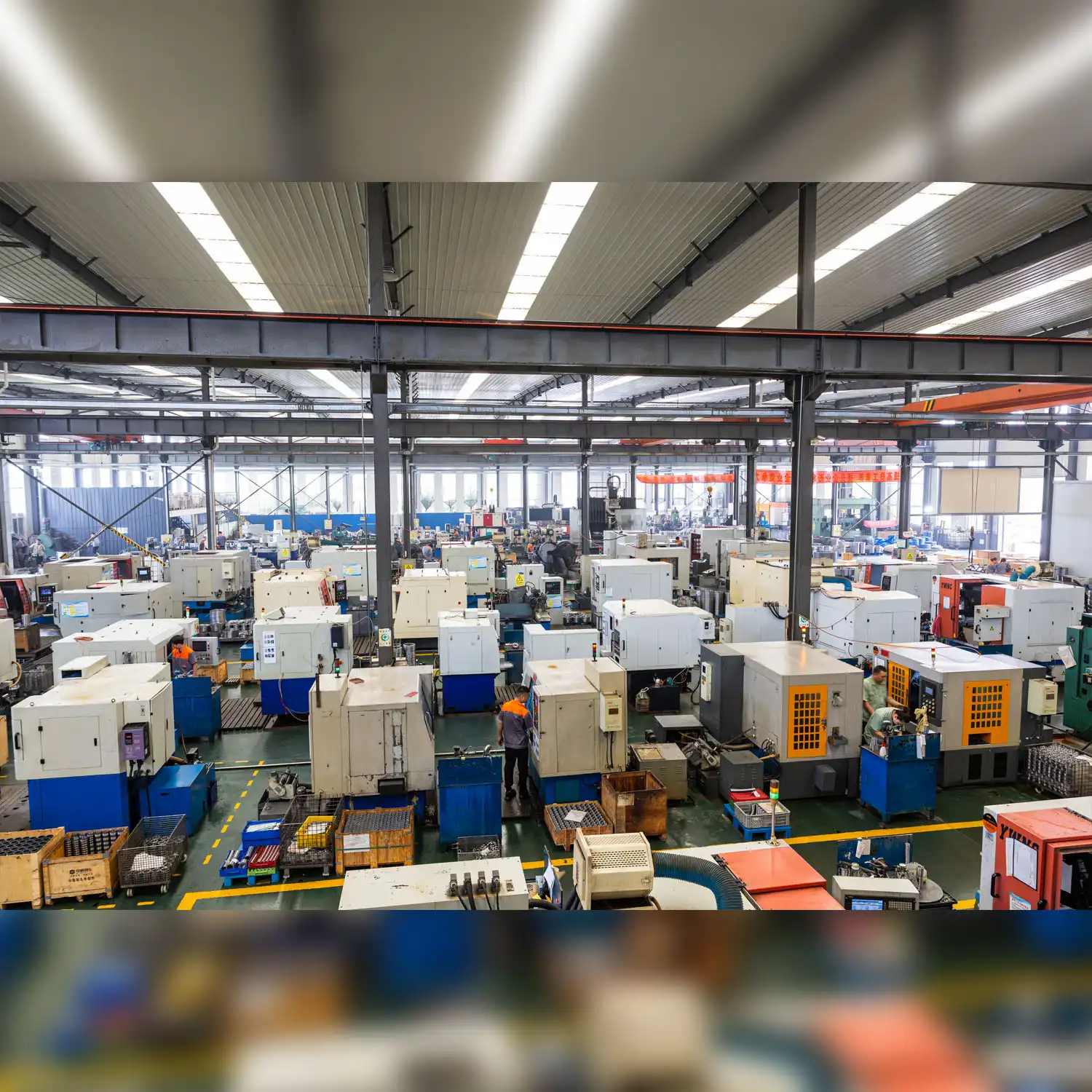
Understanding Crossed Roller Bearing RB Series
Crossed roller bearings are based on an engineering theory that solves a problem that has been around for a long time in precision machinery: how to make something that can hold loads in more than one way without losing its compactness or rotational accuracy? In traditional bearing setups, multiple units often need to be arranged in complicated ways to handle combined loads. This makes the system taller and adds more places where it could fail.
Structural Design Innovation
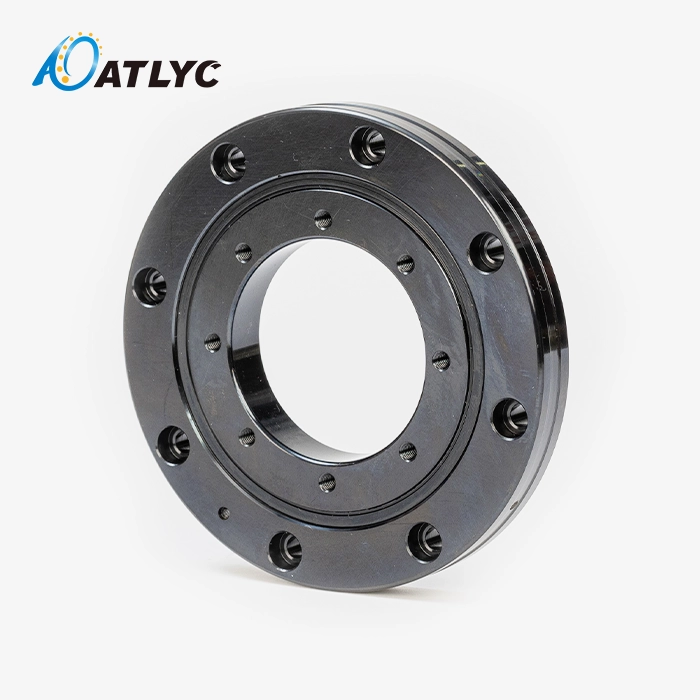
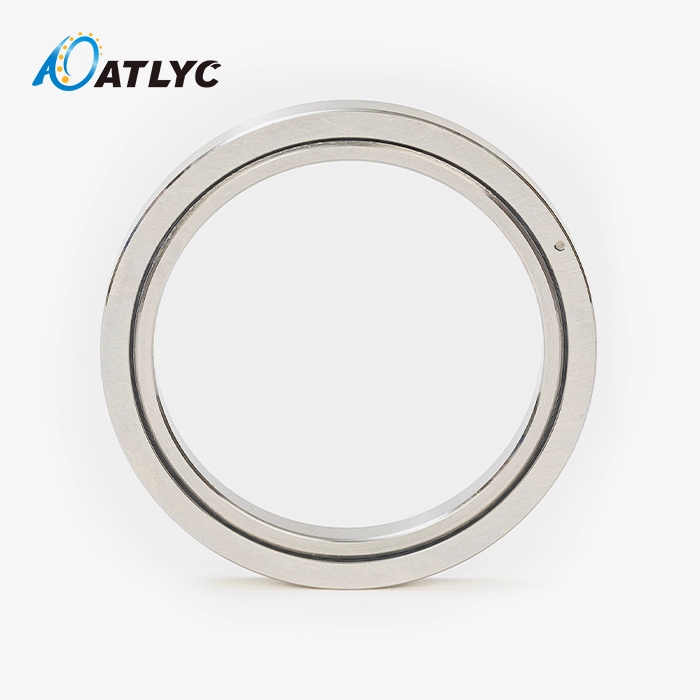
The Crossed Roller Bearing RB Series uses cylinder-shaped rollers that are placed at right angles to each other inside V-shaped raceways that are precisely cut. This straight-line setup makes the best contact shape across all roller surfaces, spreading loads equally no matter which way the force is coming from. The built-in inner ring provides a stable base, and the separate outer ring with a plug makes installation and upkeep easier. This is especially helpful for equipment designs that need the inner ring to rotate.
Each roller is carefully placed using spacing spacers that keep the rollers from touching and skewing while the machine is running. This design keeps the rollers in the same position even when the load changes. This makes sure that the bearing works as expected for its entire life. The crossed arrangement has twice as many load-bearing contact points as single-row designs. This means that the structure is stiffer and can hold more weight while keeping the same envelope size.
Material and Manufacturing Standards
Our RB series bearings are made from Gcr15 and Gcr15SiMn bearing steels, which were chosen because they keep their hardness well, are stable in size, and don't wear down easily when they touch something. These metal mixtures go through controlled heat treatment processes that harden them all the way through to certain depths. This is shown by Rockwell hardness tests done at different times. Magnetic particle inspection finds surface flaws before the final assembly, making sure that the material's integrity meets the standards for the determined L10 life expectancy.
Coordinate measuring tools are used for dimensional accuracy testing to make sure that the tolerances on the inner and outer rings meet ISO standards for interference fits. Our quality control procedures check the horizontal and axial runout to make sure that values stay within micrometer ranges. For P4 precision grade units, this is usually less than 5μm. This area of manufacturing helps with things like optical instrument systems and tools for making semiconductors, where precise positioning has a direct effect on the quality of the finished product.
Available Size Range and Precision Grades
A wide range of sizes, from 20 mm to 1100 mm for the inner diameter to 70 mm to 1500 mm for the outer diameter, and from 12 mm to 110 mm for the width, makes the RB series suitable for a wide range of applications. Because of this, engineers can choose bearings that make the best use of space while still meeting load capacity standards. Different levels of accuracy can be met by grades P6, P5, P4, and P2. Higher precision grades offer tighter runout limits and better rotational stability for very precise uses.
Comparing Crossed Roller Bearing RB Series with Standard Bearing Types
To understand the changes in performance between bearing technologies, you need to look at how each design deals with different types of loads, limited room, and the need for accuracy. When compared to other types of bearings, the following examples show how crossed roller bearings are clearly better.
RB Series vs Ball Bearings
Ball bearings are still widely used in a wide range of situations because they are flexible and affordable. Performance limits become clear, though, when users need high stiffness or involve large moment loads. When heavy loads are put on ball bearings, the rolling elements and raceways make point contact with each other. This limits the load capacity and causes the bearings to bend elastically. This deformation has a direct effect on the accuracy of spin and the consistency of positioning.
The Crossed Roller Bearing RB Series makes straight contact across the length of the roller, which greatly increases the area that can hold weight. With this contact shape, the RB series can handle rotational loads that are 30–50% higher than what a ball bearing can handle while still fitting within the same envelope dimensions. Moment load capacity is even more different. Crossed roller bearings can handle reversing moments that would need paired angular contact ball bearing arrangements. This makes installation easier and lowers the height of the assembly.
The properties of friction are also very different. Ball bearings have low starting torque, but the RB series' cylindrical roller design keeps lower friction coefficients even when it's full. This makes the spin smoother and uses less power when it's running all the time. This feature makes things last longer and use less energy in situations where they are constantly turning, like in indexing tables and artificial joint systems.
RB Series vs Cylindrical Roller Bearings
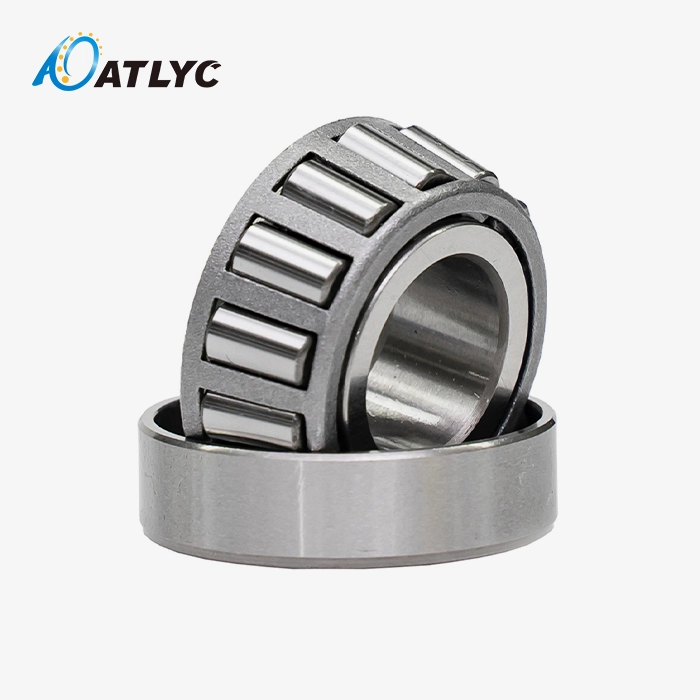
Cylindrical roller bearings work great for high circular loads, but they need separate thrust bearings to handle axial forces. Because of this limitation, bearing arrangements have to be more complicated, and the whole system has to be bigger. The crossed roller layout blends radial, axial, and moment load capacity into a single unit. This makes designing machines easier and cuts down on the number of parts needed.
The steps for installation and adjustment show more useful differences. To keep the rollers lined up while they're under load, cylindrical roller bearings usually need to be precisely positioned along their axes and have their shoulders machined. The V-groove raceway design of the RB series makes it self-aligning, so roller placement is maintained without the need for extra retention features. Because of this feature, machining is easier, and production standards for nearby parts can be tighter.
RB Series vs Slewing Bearings
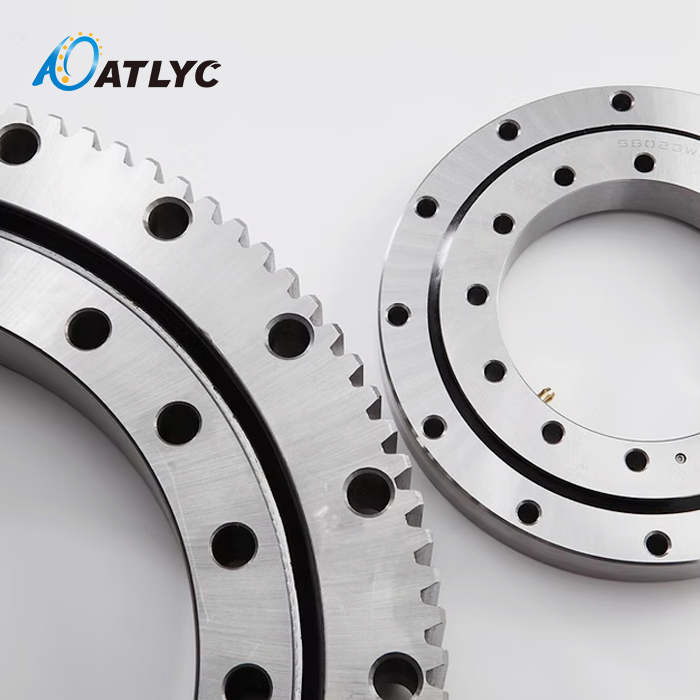
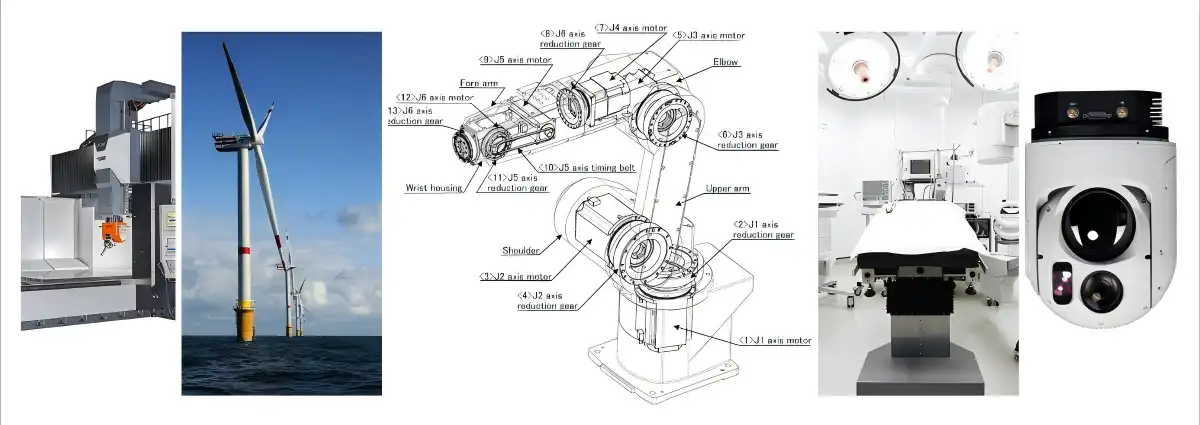
Crossed rollers are used in both ball bearings and slewing bearings, but they are designed for different sizes of applications. With mounting holes built right in, slewing bearings can handle very big diameter turns, which makes them useful for cranes, loaders, and wind turbines. But their wider cross-sections and the fact that gear teeth are built in make them too complicated for small precision tools.
The RB line is designed for uses that need high stiffness at low installation heights. Because they don't have gear teeth built in, these bearings have smaller cross-sections but can still hold the same amount of weight for their size. The RB series is easier to install because it can be attached directly to cut shoulders or housings, without the need for complex bolt designs that slewing bearings need. Crossed roller bearings are perfect for robotic joints, spinning tables, and medical equipment that doesn't have enough room for slewing bearings.
Cost and Longevity Analysis
The original purchase price is only one part of the total cost of ownership. Other parts include the work needed for installation, the upkeep needed, and the service life. Ball bearings usually have lower initial costs, but they may need to be paired up and replaced more often in tough environments. The Crossed Roller Bearing RB Series costs more at first, but it usually ends up being more cost-effective in the long run because it doesn't need as many repairs and doesn't need extra bearing arrangements.
Comparisons of longevity depend a lot on how they are used. RB series bearings usually have L10 lives of more than 20,000 hours of constant use when they are clean, fully oiled, and under the right loads. In situations where there are shock loads or vibrations, the strong roller contact shape stops wear better than ball bearings. Adjusting the preload and clearance correctly during installation, which can be confirmed by torque testing, keeps the internal clearance at the right level, which stops both warming and premature wear from too much play.
Optimal Use Cases and Applications for Crossed Roller Bearing RB Series
Crossed roller technology is widely used in precision production industries where performance needs are higher than what normal bearings can handle. When procurement teams know what specific application needs are, they can find situations where the RB series provides real operating benefits.
Industrial Robotics and Automation Equipment
Articulated robots depend on joint systems that keep their positions accurate over millions of motion cycles and while carrying heavy loads. Crossed roller bearings are often used in the waist and elbow joints of six-axis industrial robots because they can handle the radial load from the arm's weight, the axial thrust from placing the payload, and the moment loads from extended reach designs.
With the RB series, robot makers can make joints that are smaller without losing strength. When a robotic arm is fully extended with big loads, deflection and hysteresis have a direct effect on repeatability, which is a key measure in automatic production lines. Crossed roller bearings can hold a lot of moment loads, which keeps angular deflection to a minimum. This keeps the robot in the same place throughout its working area. This dependability means that there is less waste and faster run times in industrial settings.
The multidirectional load handling that gets rid of binding and stick-slip behavior also helps the spinning parts of the manipulator. Smooth rotation with a low friction coefficient lowers the power needed by the actuator and increases the service life of the servo motor, which improves the total efficiency of the equipment.
Precision Machining Centers and Rotary Tables
Bearings that keep positioning accuracy and can handle cutting forces from multiple directions are needed for CNC indexing tables and rotating axis systems. The RB series supports these tables directly, letting them spin at high speeds with little runout. This is necessary for complicated machining tasks that use cutting forces that go in different directions. The small size and high rigidity are especially helpful for precision hollow rotating tables that are used to process semiconductor wafers and make optical components.
Because of limited space around rotary table units, it is often not possible to use paired angular contact bearings with the right preload setups. A single crossed roller bearing gets the same or higher rigidity while taking up less axial space. This lets machine tool makers make the most of the working envelope while keeping the total machine size as small as possible. The high runout accuracy, which was tested during acceptance testing, has a direct effect on the surface finish and consistency of the workpiece's dimensions, which cuts down on the number of tasks that need to be done after the machine is finished.
Medical Imaging and Diagnostic Equipment
CT scanners and X-ray rotating arms work in places that are hard to get to for repair, and when equipment breaks down, it can stop important tests for patients. The Crossed Roller Bearing RB Series is chosen for these uses because it is reliable when it is rotating all the time and runs quietly and smoothly so it doesn't affect sensitive image sensors. Because it has a small shape, medical equipment makers can make devices with smaller footprints while still keeping the structural rigidity needed for accurate imaging.
Similar qualities are needed for medical measuring instruments: they need to last a long time without losing their accuracy, and they need to have a consistent rotational force that doesn't mess up measurement data. Crossed roller bearings have a low friction coefficient, which means that the rotation resistance stays the same over the life of the bearing. This meets the standards for measurement accuracy.
Semiconductor Manufacturing and IC Production Equipment
IC manufacturing equipment works in cleanrooms that are carefully controlled. In these rooms, bearing wear particles can get into the equipment and lower the yield of the products that are made. The RB series' strong design and line contact shape make wear particles less likely to form than with point-contact bearings. Choosing the right lubricant—usually high-purity synthetic greases that are safe for cleanrooms—also lowers the risk of contamination.
Precision rotary tables used in photolithography and chip positioning tools need to be able to keep their sub-micron positioning accuracy even when the temperature changes and the production runs last for a long time. When you combine the thermal stability of Gcr15 bearing steel with the natural rigidity of the crossed roller design, you get consistent dimensions that meet these strict accuracy standards.
Installation and Maintenance Best Practices
To get the most out of a service, you need to pay close attention to the startup and upkeep steps. When attaching, precise alignment stops uneven load distribution that speeds up wear. The RB series' separate outer ring design makes fitting easier. The inner ring fits onto the shaft, and the outer ring fits into the housing bore. The plug then holds the unit together. When compared to systems that need to be completely taken apart, this layout makes replacing bearings easier.
When choosing the right oil, you should think about the working temperature range, speed, and how often you need to re-lubricate. Grease-lubricated bearings need to be "purged" at first to get rid of extra grease that could make the starting force higher. Oil lubrication methods keep things cool all the time for high-speed uses, but they need more complicated sealing arrangements. On a regular basis, inspections should check the working temperature, vibration patterns, and rotating force to see if wear is getting worse before a catastrophic failure happens.
ATLYC gives full assembly instructions and advice on how to lubricate each RB series size and precision grade. Our technical support team helps you figure out the preload, do a tolerance stack-up analysis, and make a maintenance plan. This makes sure that the bearings last as long as they were designed to in your particular application.
Procurement Insights: How to Select and Buy Crossed Roller Bearing RB Series
A good bearing purchase combines the accuracy of technical specifications with an evaluation of the supplier's abilities. When making buying choices, keep the following things in mind: they should fit both the current needs of the project and the long-term needs of the business.
Application-Specific Load Analysis
A thorough load estimate is the first step in choosing the right bearings. You need to figure out the highest radial, axial, and moment loads that your application can handle, as well as the duty cycles and shock factors. The Crossed Roller Bearing RB Series data sheets give both static and dynamic load ratings. However, to make the right choice, you need to figure out the relative loads based on how the system is actually used. Moment load capacity is a big factor in choosing the right bearing size. If you don't think about toppling moments properly, the bearing could fail early or bend too much.
Extreme temperatures change the size of the bearings and make the grease less or thinner. For uses that don't happen within normal temperature ranges, you might need special materials or heat treatment instructions. When choosing a bearing, you should also think about how fast it can spin. Crossed roller bearings can spin at slower speeds than ball bearings, but with the right cage design and greasing, most precision equipment can handle higher speeds.
Dimensional Constraints and Interface Design
Dimensions of the envelope often make it hard to choose the right bearings, even more so than load capacity. The RB series can work in tight axial spaces because it only has one row, but you need to make sure that the shoulder sizes of the shaft and body are right. Interface tolerances have a direct effect on how well a bearing works. If the shafts and bores are made to the wrong tolerances, they create too much space or interference, which stops the load from being distributed properly.
Which mounting method you choose will depend on whether the inner or outer ring moves. The combined inner ring design works for installations where the inner ring needs to rotate, while the separate outer ring design works for installations where the outer ring needs to rotate. To make sure there is enough internal clearance in working conditions, clearance specs need to take thermal expansion and interference fit effects into account.
Material Compatibility and Environmental Factors
Standard Gcr15 bearing steel works well in most industrial settings, but materials that can withstand acidic atmospheres or high temperatures may need to be improved. Stainless steel types don't rust when they are used in medicine and food processes. Specialized heat processes make the dimensions more stable for uses that change the temperature.
Sealing and keeping out pollution have a big effect on service life. Even though the RB series doesn't have built-in covers, the design of the tools around it must keep contaminants out. In dirty or damp places, safety boots, labyrinth seals, or positive pressure systems can make bearings last longer. When buying, you should be clear about the sealing standards to make sure that the product will work with the mounting options that are available.
Certification and Quality Verification
Working with makers who are ISO 9001 and IATF 16949 certified guarantees regular quality and easy tracking. For these certificates, quality management systems must be documented, measuring tools must be calibrated, and statistical process control must be used. These are all things that directly affect the consistency of bearing performance. For important uses where a failed bearing could have major practical or safety effects, you should ask for material approvals and dimensional inspection reports.
ATLYC's quality control procedures include checking the accuracy of dimensions with a coordinate measuring machine, making sure the runout specifications are met with rotational accuracy testing, checking the preload and clearance by measuring torque, and making sure the material is solid by inspecting magnetic particles and testing its hardness. Before being shipped, these steps make sure that every bearing meets the written specs. This cuts down on installation delays and the chance of failure before its time.
Price Considerations and Volume Planning
The price per unit depends on the number of orders, the accuracy grade, and the level of customization needed. Custom setups usually cost more and take longer to get than standard catalog sizes in P5 or P4 accuracy. Custom specs are often worth it, though, because they lead to better performance or longer service life when choosing the right bearings for a given job.
When planning lead times, you should take into account how long it takes to make something, check it for quality, and ship it internationally. Standard sizes may be shipped within a few weeks, but special bearings need to be made during specific times in the production plan. Setting up framework deals with qualified providers keeps prices stable and makes sure that production is distributed more evenly during times of high demand.
Logistics and After-Sales Support
Coordinating shipping methods, clearing customs, and figuring out duties are all part of international purchasing. Care must be taken when packing bearings so that they don't get damaged during shipping. Proper storage stops rust and contamination before installation. For valuable items, shipping insurance guards against loss or damage.
When providers are bidding against each other, their technical help skills set them apart. Access to application engineering help, startup training, and problem support is worth more than the price of the product itself. The warranty terms should make it clear what is covered, how to file a claim, and when to get a replacement. ATLYC provides clear advice on choosing bearings, flexible customization choices for non-standard needs, and quick expert support throughout the lifecycle of a product.
Why Crossed Roller Bearing RB Series is the Preferred Choice for B2B Clients
Long-term relationships form between suppliers of bearings and makers of equipment when goods consistently do what they're supposed to do, and suppliers show they're committed to always getting better. OEMs and dealers prefer the RB series because it has clear business benefits and can be counted on to execute the supply chain reliably.
Performance Validation Through Field Data
Manufacturers of equipment in the automation, medical, and precision machining industries say that when Crossed Roller Bearing RB Series bearings are properly defined and kept, they meet or beat calculated L10 standards for service life. When repair is done less often, equipment is up and running more of the time. This is especially helpful in work settings where unplanned downtime costs a lot. Because the performance is predictable, machine builders can give longer warranty terms, which helps them stand out from the competition.
Robotic makers' customer reviews stress that positioning must be able to be repeated throughout the bearing's service life. This directly supports production quality measures. Builders of machining centers say that better spinning accuracy and strength under cutting loads lead to lower scrap rates. When selecting crossed roller bearings for new equipment designs or retrofit uses, these real-world performance validations give you peace of mind.
Customization Capabilities for Complex Requirements
Standard stock bearings work for most situations, but sometimes special equipment designs need different combinations. ATLYC's engineering team works with customers to create unique bore sizes, cage materials, preload settings, or seal arrangements that aren't the norm. With this level of personalization, equipment makers can improve performance without changing the original design.
Our manufacturing flexibility includes the ability to accommodate different production volumes, from small prototypes for design validation to large production volumes to support established product lines. This scalability helps customers from the time they are developing new equipment until the market grows, without them having to change suppliers, which can cause approval delays.
Future Technology Developments
Bearing technology keeps getting better thanks to new discoveries in materials science and better ways to make things. New steel alloys are being made that will have better resistance to wear and better physical stability over a wider range of temperatures. Surface treatment methods lower the amount of friction and wear, which means that upkeep times are longer. The ability to integrate sensors lets you keep an eye on things through built-in measurement systems that can see how wear is progressing before it breaks.
ATLYC spends money on improving industrial technology and metallurgy research to stay at the top of the technical field when it comes to making precision bearings. Over the past fifteen years, we've added six new facilities. This shows that we're committed to growing our capacity in a way that helps our clients' businesses grow. Automated production methods cut down on wait times and improve consistency. These ongoing investments make sure that our clients can take advantage of new technologies that make tools work better and last longer.
Strategic Partnership Value
In addition to providing products, smart relationships keep things stable when demand changes or the market is interrupted. When people have established relationships, they can work together on predicting, managing stockpiles, and planning production, which makes the supply chain more efficient. Sharing technical knowledge makes bearing specifications and application methods better, which is good for both the supplier and the buyer.
ATLYC works with medium- to large-sized companies that make automobile parts, build industrial machinery, and sell bearings around the world. These companies care about both the stability of their supplies and the quality of their products. Just-in-time shipping needs and quick responses to pressing equipment repairs are met by our production capacity and inventory management systems. Supply deals that last more than one year give you control over prices and volume, which helps your business plan.
Conclusion
When it comes to fine machinery, the Crossed Roller Bearing RB Series solves problems that regular bearings can't. These bearings have an orthogonal roller design that lets them handle loads in more than one direction. They are also very rigid and have small installation dimensions, which are all very important for industrial robots, medical equipment, semiconductor manufacturing devices, and precision machining centers. To make the right choice, you need to do a full load analysis, check the dimensions, and look at the supplier's abilities to make sure that the bearing specs match the needs of the application. ATLYC is your trusted bearing partner because it has fifteen years of experience making specialized products, quality systems that are ISO 9001 and IATF 16949 certified, and quick response expert support. Our dedication to precise manufacturing, ongoing improvement, and working together with clients puts us in a good position to meet your machine performance needs and help your business succeed in the long run.
FAQ
1. What load types can the Crossed Roller Bearing RB Series handle simultaneously?
With its orthogonal roller design, the RB series can handle radial, axial, and moment loads all in one bearing unit. When cylindrical rollers are placed at right angles to V-groove raceways, they make line contact across them, which evenly distributes forces no matter the direction of the load. This gets rid of the need for paired bearing setups that are common in older designs.
2. How does service life compare between crossed roller bearings and ball bearings?
Crossed roller bearings usually last longer than ball bearings under the same working conditions and with the right amount of grease and fitting. This is because their line contact geometry lowers contact stress. The calculated life of an L10 is often more than 20,000 hours of steady use. Actual life relies on the amount of work, the speed, how well pollution is controlled, and how well the machine is maintained.
3. What installation considerations are critical for achieving specified performance?
Accurate alignment stops uneven load distribution, which speeds up wear. To meet the manufacturer's requirements, the shaft and case must have the right amount of interference or space. When the preload is set correctly, the internal space meets the design requirements, which can be confirmed by measuring the force. The amount and type of lubrication used have a big effect on friction, temperature, and wear rates.
Partner with ATLYC for Your Precision Bearing Requirements
ATLYC offers Crossed Roller Bearing RB Series that are approved by ISO 9001 and IATF 16949 and are designed for tough industrial uses. We can make parts with inner sizes ranging from 20 mm to 1100 mm and precise grades P6 through P2. These parts are used in robots, medical equipment, semiconductor devices, and machining centers all over the world. We are a well-known company that makes crossed roller bearings. We have six production sites with 120 skilled workers, and we offer customization, technical application support, and reliable shipping to South Korea, the US, Germany, Russia, Iran, and Turkey. Email our engineering team at auto@lyautobearing.com for measurement details, confirmation of load capacity, and quotes that are specifically made for your machine needs. ATLYC offers precise manufacturing, reasonable pricing, and quick service to help you get the most out of your operations and projects, whether you need a small number of prototypes to test your design or a large quantity of production parts for well-established equipment lines.
References
1. Harris, T.A. & Kotzalas, M.N. (2006). Advanced Concepts of Bearing Technology: Rolling Bearing Analysis (5th ed.). CRC Press.
2. Hamrock, B.J., Schmid, S.R. & Jacobson, B.O. (2004). Fundamentals of Fluid Film Lubrication (2nd ed.). Marcel Dekker.
3. SO 5593:1984, Rolling Bearings - Vocabulary. International Organization for Standardization.
4. Eschmann, P., Hasbargen, L. & Weigand, K. (1985). Ball and Roller Bearings: Theory, Design and Application (2nd ed.). John Wiley & Sons.
5. Tallian, T.E. (1992). Simplified Contact Fatigue Life Prediction Model - Part I: Review of Published Models. Journal of Tribology, 114(2), 207-213.
6. ANSI/ABMA Standard 12.1-2014, Instrument Ball Bearings - Metric Design. American Bearing Manufacturers Association.
Learn about our latest products and discounts through SMS or email