- English
- French
- German
- Portuguese
- Spanish
- Russian
- Japanese
- Korean
- Arabic
- Greek
- German
- Turkish
- Italian
- Danish
- Romanian
- Indonesian
- Czech
- Afrikaans
- Swedish
- Polish
- Basque
- Catalan
- Esperanto
- Hindi
- Lao
- Albanian
- Amharic
- Armenian
- Azerbaijani
- Belarusian
- Bengali
- Bosnian
- Bulgarian
- Cebuano
- Chichewa
- Corsican
- Croatian
- Dutch
- Estonian
- Filipino
- Finnish
- Frisian
- Galician
- Georgian
- Gujarati
- Haitian
- Hausa
- Hawaiian
- Hebrew
- Hmong
- Hungarian
- Icelandic
- Igbo
- Javanese
- Kannada
- Kazakh
- Khmer
- Kurdish
- Kyrgyz
- Latin
- Latvian
- Lithuanian
- Luxembou..
- Macedonian
- Malagasy
- Malay
- Malayalam
- Maltese
- Maori
- Marathi
- Mongolian
- Burmese
- Nepali
- Norwegian
- Pashto
- Persian
- Punjabi
- Serbian
- Sesotho
- Sinhala
- Slovak
- Slovenian
- Somali
- Samoan
- Scots Gaelic
- Shona
- Sindhi
- Sundanese
- Swahili
- Tajik
- Tamil
- Telugu
- Thai
- Ukrainian
- Urdu
- Uzbek
- Vietnamese
- Welsh
- Xhosa
- Yiddish
- Yoruba
- Zulu
How Does a YRT 150 High Precision Rotary table bearing Work?
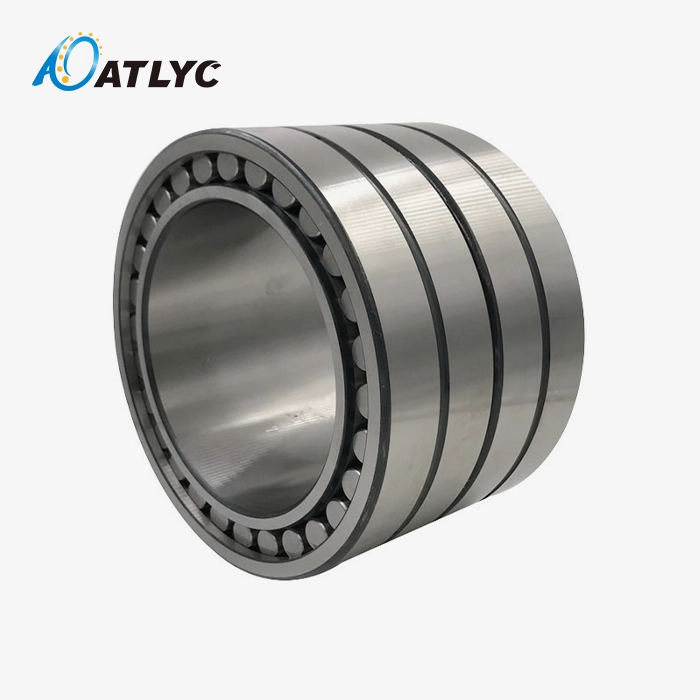
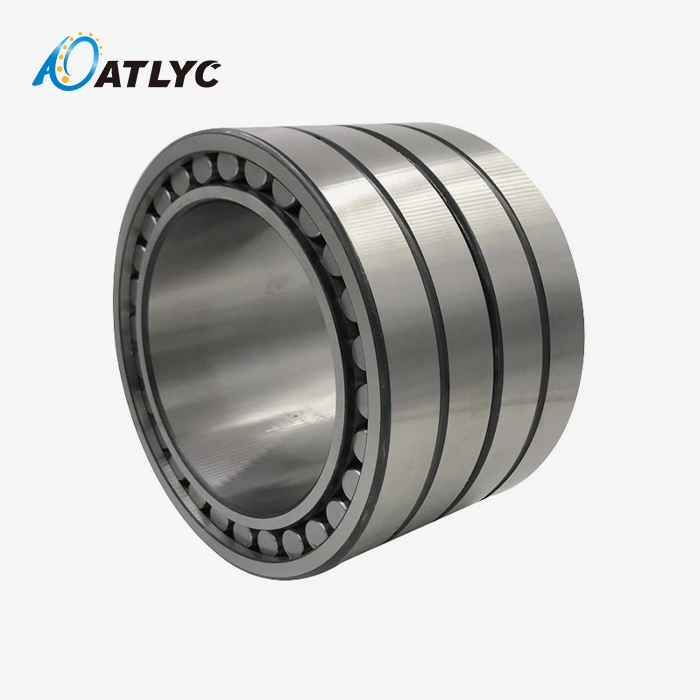
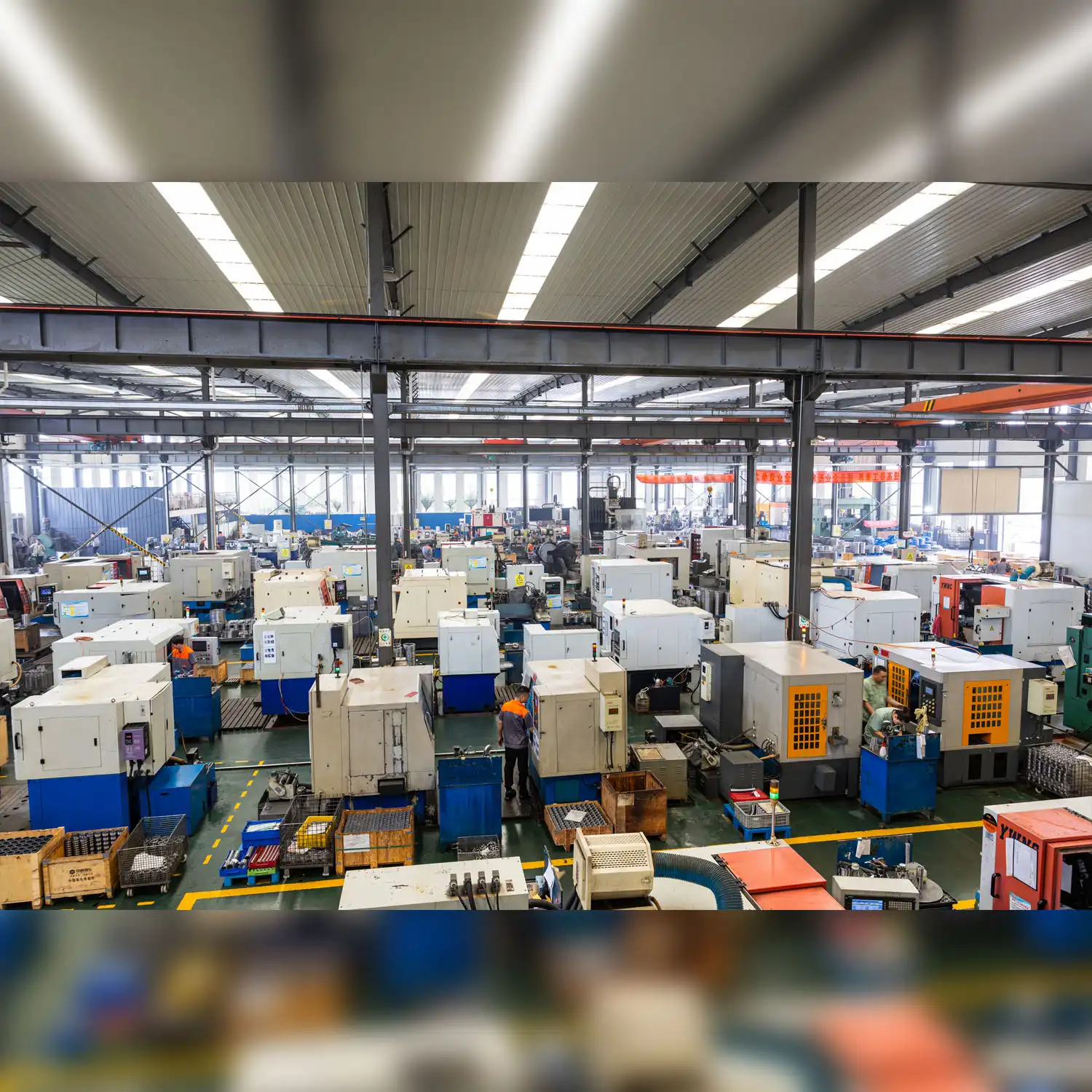
YRT 150 High Precision Rotary table bearing is a composite axial-radial bearing unit. It can support radial loads, axial loads in both directions, and tilting moments in one compact assembly. Its dimension is 150mm (ID) x 240mm (OD) x 40mm and has double row angular contact ball configuration and precision-ground raceways for P4/P2-class runout accuracy. The ready-to-mount design eliminates the need for multi-component bearing stacks and is a preferred choice in CNC rotary tables, indexing heads, and high-precision metrology equipment where micron-level placement is non-negotiable.
Understanding the YRT 150 High Precision Rotary Table Bearing
The YRT 150 High Precision Rotary Table Bearing is part of the axial-radial bearing family, bearings especially designed for turntable and rotary axis applications. In the case of a typical radial bearing, only one load direction is taken care of, but this bearing takes care of three separate load kinds at the same time: axial, radial, and tilting moment loads. Materials: All bearings use high-grade GCr15 bearing steel (equivalent to 100Cr6), which has been heat-treated to 58-62 HRC to withstand fretting corrosion. The axial static load capacity is 400 to 500 kN, the radial static load capacity is 150 to 200 kN, and the limiting speed is 200 to 250 RPM.
| Specification | Value |
|---|---|
| Inner Diameter (ID) | 150 mm |
| Outer Diameter (OD) | 240 mm |
| Width / Height | 40 mm |
| Axial Static Load Capacity | 400–500 kN |
| Radial Static Load Capacity | 150–200 kN |
| Precision Class | P4 / P2 (ISO) |
| Axial Runout Tolerance | ≤ 3–5 μm |
| Limiting Speed | 200–250 RPM |
| Material | GCr15 / 100Cr6 |
| Hardness (HRC) | 58–62 |
These specifications position the YRT 150 High Precision Rotary table bearing as a standard-setter in demanding manufacturing environments where even minor runout deviations translate directly into part rejection.
How Does the YRT 150 Rotary Table Bearing Work?
The Integrated Three-in-One Structural Principle
The bearing works on the premise of its own integrated three-in-one structure. It incorporates a thrust bearing, a radial bearing, and an indexing mechanism in one sealed unit. The outer ring is the permanent housing element. The inner ring is the rotating member, guided by precision steel balls, retained in a cage assembly. This arrangement implies continuous load transmission across all axes without the need for any external holding structures.
The double row angular contact ball arrangement may work at 45° or 60° contact angles, depending upon the application requirements. The balls in each row touch the raceway at opposite angles, producing a force pair that cancels out tilting moments. For example, when a machining center provides the cutting force during a 5-axis milling operation, the bearing shares that composite load between both ball rows without feeding vibration back into the spindle or table.
Precision-Ground Raceways and Zero-Backlash Preload
Raceways on the inner and outer rings are precision-ground and super-finished to provide surface roughness (Ra) levels that maintain a stable lubricant coating. Factory preload removes all internal clearance, and this is what permits real zero-backlash placement. In CNC indexing applications, this translates into angular repeatability within arc-seconds, a performance level that directly impacts whether manufactured parts fall within tolerance. The preservation of lubrication in the super-finished raceway grooves and the reduction of heat production at high duty cycles allows to increase relubrication intervals.
Installation Mechanics and Mounting Holes
Both the inner and outer rings carry integrated mounting holes, removing the dependency on a separate bearing housing retainer. Bolts pass directly through these holes to secure the assembly to the machine table and the rotating component. This approach shortens installation time significantly and improves alignment repeatability across production batches.
Comparing the YRT 150 with Other Rotary Table Bearings
Procurement engineers will often compare the YRT 150 High Precision Rotary Table Bearing with the smaller YRT 130 and other cross-roller ring designs. At the system level, the distinctions are important.
The YRT 130 is based on the same structural principle but has a smaller load envelope owing to its 130 mm bore. YRT 150 offers much better tilting stiffness, which is important in heavy-duty milling or grinding applications where table deflection under load causes geometric inaccuracies.
Cross-roller ring bearings employ cylindrical rollers at 90° instead of angular contact balls. They are short in height and have high moment capacity per unit weight but are less stiff under combined eccentric loads than the double-row ball arrangement of the YRT 150 at the same amount of preload.
| Bearing Type | Tilting Rigidity | Combined Load Handling | Typical Application |
|---|---|---|---|
| YRT 150 (double-row angular ball) | Very High | Axial + Radial + Moment | CNC rotary tables, indexing heads |
| YRT 130 (double-row angular ball) | High | Axial + Radial + Moment | Smaller rotary axes |
| Cross-Roller Ring | High | Axial + Moment | Robotic joints, compact rotary stages |
| Standard Angular Contact Ball | Moderate | Primarily Axial | General spindle applications |
Leading brands such as INA (Schaeffler), THK, and SKF produce bearings within this class. The YRT 150 High Precision Rotary table bearing sourced from a qualified manufacturer to P4 or P2 tolerances is dimensionally interchangeable with these brands, enabling OEM substitution without redesign.
Maintenance, Care, and Longevity Tips for YRT 150 Bearings
Proper maintenance practices determine whether a rotary table bearing reaches its full designed service life. The YRT 150 High Precision Rotary table bearing operates under high preload, which generates localized heat, making lubricant selection and relubrication intervals critical. Here are the core maintenance practices that directly impact service life:
- Lubrication Schedule: Under continuous heavy-duty use, relubrication with a high-quality, anti-fretting grease (NLGI Grade 2 mineral oil-based) is recommended every 500–1,000 operating hours. Grease should be applied sparingly to avoid churning losses that raise operating temperature.
- Cleaning Protocol: Before relubrication, wipe the sealing surfaces with a lint-free cloth. Avoid solvent infiltration into the bearing cavity, as residual solvent degrades grease viscosity.
- Early Warning Signs: Elevated operating temperature above the established baseline, increased starting torque, or audible tonal changes during rotation are early indicators of raceway wear or lubricant breakdown. Address these immediately to prevent cascading damage.
- Storage Conditions: Store unused bearings in original packaging in a clean, dry environment below 25°C with relative humidity under 60%. Horizontal storage on a flat surface prevents raceway indentation from sustained point loading.
These practices can effectively prevent premature failure and protect the significant capital investment represented by high-precision rotary table components.
Sourcing and Procurement Guide for YRT 150 Rotary Table Bearings
You can always get the YRT 150 high-precision rotary table bearing from a number of sources. Certification of the manufacturing procedures is required to provide dimensional interchangeability at P4-class tolerances, not marketing claims.
When choosing a manufacturer of YRT 150 High Precision Rotary table bearings, make sure they are ISO 9001 and IATF 16949 certified as a minimum. Manufacturers who have both certifications maintain auditable process controls for dimensional accuracy, heat treatment depth, and surface finish inspection, the three attributes that most directly impact bearing performance in service. [6]
Luoyang Auto Bearing Co., Ltd. (ATLYC) was founded in 2010 and has obtained ISO 9001 and IATF 16949 certifications. In 15 years, the company has evolved into 6 manufacturing workplaces. We perform CMM and Taylor Hobson roundness instrument verification to make sure the inner/outer ring runout is within P4/P2 tolerances (normally <3μm), starting torque verification to make sure preload consistency, metallographic HRC testing to make sure heat treatment depth at 58–62 HRC, and raceway surface roughness (Ra) inspection to prevent micro-pitting to make sure the quality of the YRT 150 High Precision Rotary table bearing. ATLYC offers OEM and distributor clients in the US, Germany, South Korea, and other regions with scalable manufacturing capability to accommodate both prototype levels and high-volume blanket orders.
Conclusion
The YRT 150 High Precision Rotary table bearing delivers a structurally elegant solution to one of precision engineering's persistent challenges: managing multi-directional loads within a compact, easily installed unit. Its double-row angular contact ball design, zero-backlash preload, and precision-ground raceways produce the rigidity and positioning accuracy that CNC machining centers, indexing equipment, and metrology systems demand. Selecting the right manufacturer — one whose quality systems are independently certified — is as important as the bearing specification itself. When both factors align, this bearing consistently achieves a long service life with minimal maintenance intervention.
FAQ
1. How does the YRT 150 differ from the YRT 130?
The YRT 130 has a 130mm bore versus the YRT 150's 150mm bore. The larger bore of the YRT 150 accommodates higher axial and radial static load capacities and delivers greater tilting rigidity, making it more suitable for heavy-duty CNC rotary table applications where table deflection under cutting loads is a design concern.
2. How often should the YRT 150 High Precision Rotary table bearing be lubricated under heavy use?
Under continuous heavy-duty conditions, relubrication every 500–1,000 operating hours with NLGI Grade 2 anti-fretting grease is the standard recommendation. Actual intervals depend on operating temperature, speed, and load intensity.
3. Is the YRT 150 suitable for harsh or contaminated environments?
The integrated sealing on the YRT 150 High Precision Rotary table bearing provides a baseline level of contamination resistance. For environments with heavy coolant splash, metal chips, or abrasive particulates, supplementary sealing at the machine interface is recommended to protect raceway integrity.
4. Can the YRT 150 replace INA, SKF, or THK rotary table bearings directly?
Yes. Provided the replacement bearing meets P4 or P2 dimensional tolerances and matches the 150mm × 240mm × 40mm envelope, it is a direct dimensional substitute for equivalent-class bearings from those brands.
Partner With ATLYC — Your Trusted YRT 150 High Precision Rotary Table Bearing Supplier
ATLYC combines 15 years of precision bearing manufacturing with ISO 9001 and IATF 16949 certification to deliver the YRT 150 High Precision Rotary Table Bearing at competitive pricing with reliable lead times. Whether you need a sample evaluation, bulk procurement, or OEM collaboration, our engineering team is ready to support your project. Contact us at auto@lyautobearing.com to request a datasheet or quote.
References
1. Schaeffler Group. (2023). Axial-Radial Cylindrical Roller Bearings YRT/YRTS/YRTM – Product Catalogue. Schaeffler Technologies AG & Co. KG.
2. ISO. (2008). ISO 492: Rolling Bearings – Radial Bearings – Dimensional and Geometrical Tolerances. International Organization for Standardization.
3. Weck, M., & Brecher, C. (2006). Werkzeugmaschinen – Konstruktion und Berechnung (Machine Tools – Design and Calculation), 8th Edition.
4. SKF Group. (2022). Rolling Bearings – SKF General Catalogue. SKF AB. https://www.skf.com/group/products/rolling-bearings/roller-bearings/needle-roller-bearings
5. THK Co., Ltd. (2022). Rotary Bearings Product Catalog – Cross-Roller Ring and Rotary Table Bearings.
6. IATF. (2016). IATF 16949:2016 – Quality Management System Requirements for Automotive Production and Relevant Service Part Organizations.
Learn about our latest products and discounts through SMS or email