- English
- French
- German
- Portuguese
- Spanish
- Russian
- Japanese
- Korean
- Arabic
- Greek
- German
- Turkish
- Italian
- Danish
- Romanian
- Indonesian
- Czech
- Afrikaans
- Swedish
- Polish
- Basque
- Catalan
- Esperanto
- Hindi
- Lao
- Albanian
- Amharic
- Armenian
- Azerbaijani
- Belarusian
- Bengali
- Bosnian
- Bulgarian
- Cebuano
- Chichewa
- Corsican
- Croatian
- Dutch
- Estonian
- Filipino
- Finnish
- Frisian
- Galician
- Georgian
- Gujarati
- Haitian
- Hausa
- Hawaiian
- Hebrew
- Hmong
- Hungarian
- Icelandic
- Igbo
- Javanese
- Kannada
- Kazakh
- Khmer
- Kurdish
- Kyrgyz
- Latin
- Latvian
- Lithuanian
- Luxembou..
- Macedonian
- Malagasy
- Malay
- Malayalam
- Maltese
- Maori
- Marathi
- Mongolian
- Burmese
- Nepali
- Norwegian
- Pashto
- Persian
- Punjabi
- Serbian
- Sesotho
- Sinhala
- Slovak
- Slovenian
- Somali
- Samoan
- Scots Gaelic
- Shona
- Sindhi
- Sundanese
- Swahili
- Tajik
- Tamil
- Telugu
- Thai
- Ukrainian
- Urdu
- Uzbek
- Vietnamese
- Welsh
- Xhosa
- Yiddish
- Yoruba
- Zulu
How to Source Spindle Bearing 71906C for OEM Applications?
When you are looking for a Spindle Bearing 71906C for OEM, you need to know the details of the bearing. They feature a 15 degree contact angle, 30mm bore, 47mm OD, 9mm breadth (C-style). This is an angular contact ball bearing intended for high speed spindle systems where radial stiffness and rotational precision are important. Sourcing decisions directly influence machine uptime, defect rates, and total cost of ownership for procurement managers and engineers. This paper includes requirements, supplier evaluations, installation methodologies, and buying stages to aid in making purchase decisions.
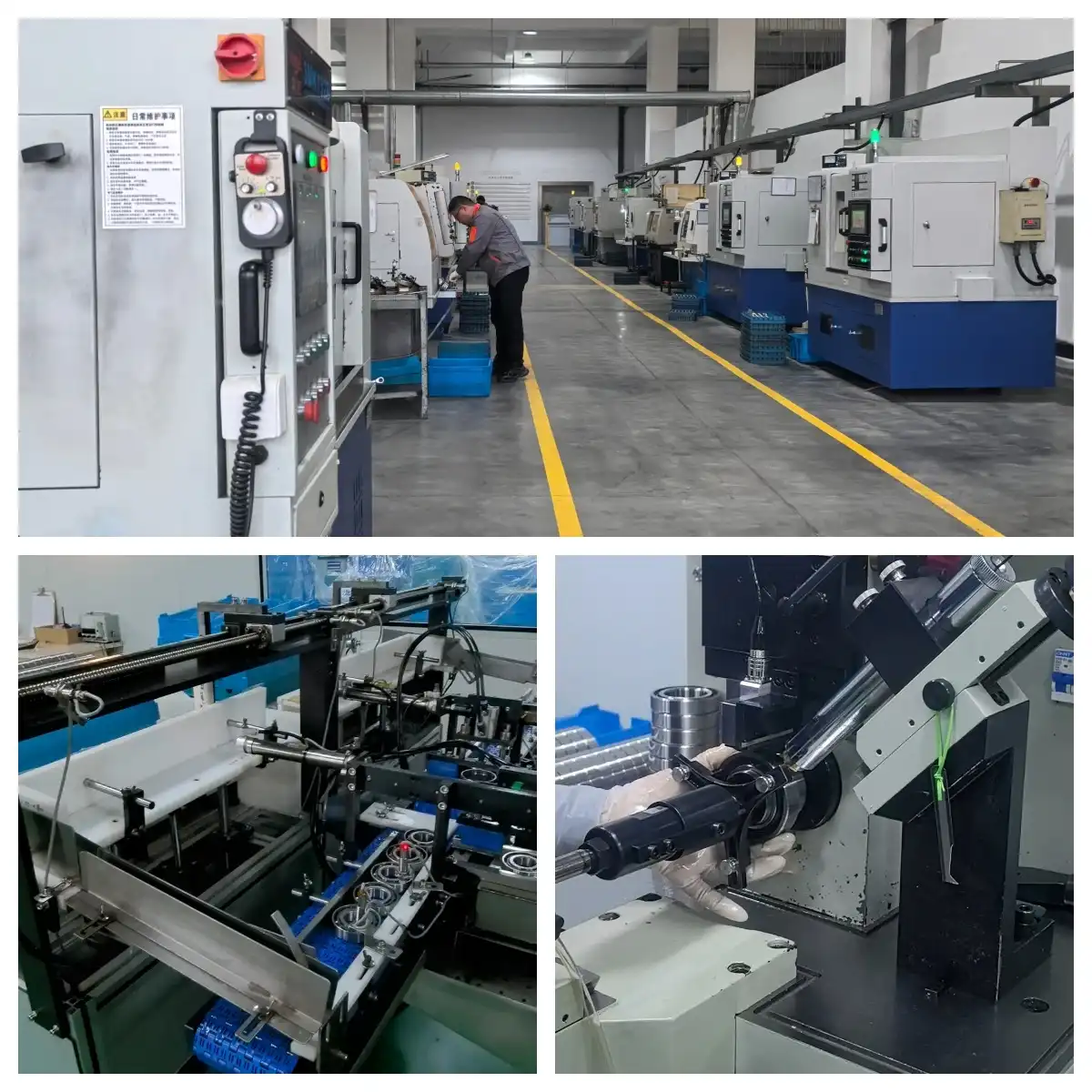
Understanding Spindle Bearing 71906C: Specifications & Performance
Core Dimensions and Design Parameters
The 71906C spindle bearing is an angular contact ball bearing of the extremely light series (19 series). The 30×47×9mm thin-section configuration allows for higher shaft diameters in compact housing environments. This design feature directly increases the rigidity of the spindle shaft without increasing the size of the machine. The 15° contact angle is suitable for radial and moderate axial stresses and is the ideal choice for CNC grinding spindles operating at speeds above 30,000 RPM.
| Parameter | Value |
|---|---|
| Bore Diameter | 30 mm |
| Outer Diameter | 47 mm |
| Width | 9 mm |
| Contact Angle | 15° (C-type) |
| Tolerance Class | P4 (ABEC 7) / P2 (ABEC 9) |
| Speed Factor (ndm) | Up to 2,000,000 (oil-air lube) |
Material and Cage Options
There are two main types of ball materials. Chrome steel (100Cr6, vacuum degassed) is the standard and suitable for most industrial spindle applications. Silicon Nitride (Si₃N₄) balls are used in hybrid ceramic versions (HC71906C). These balls are approximately 60% lighter than steel, which lowers rotational force and internal heat at speeds exceeding 30,000 RPM while also providing electrical insulation. Cage materials include phenolic resin (TA) or PEEK (T85), both of which are excellent for high-temperature operating environments.
Lubrication and Maintenance Guidance
Typically, premium spindle grease such as barium-complex base grease (e.g., Klüber Isoflex) is used at speeds up to 60–70% of the rated limit. At speeds approaching the upper limit, an oil-air lubrication system is required to dissipate heat and prevent cage degradation. Using an Anderon meter to regularly check vibration signatures of the Spindle Bearing 71906C can detect early-stage raceway defects, identifying problems before they cause unplanned downtime.
Comparing Spindle Bearing 71906C to Alternatives: Making the Right Choice
Model-to-Model Comparison: 71905C vs. 71906C vs. 71907C
The size of the shaft and the load profile determine the specific bearing selection. The 71905C (25×42×9mm) is better for smaller shafts with lighter loads, while the 71907C (35×55×10mm) is more suitable for larger spindles with heavier radial loads. Positioned between these is the Spindle Bearing 71906C, which offers an optimal balance of speed capability and radial stiffness for a wide range of precision spindle applications in automotive and industrial OEM equipment.
Material Selection: Steel vs. Ceramic
Chrome steel Spindle Bearing 71906C bearings are more cost-effective per unit and are suitable for the majority of standard OEM spindle applications. Ceramic hybrid versions are justified when the application must run continuously at speeds above 30,000 RPM or requires electrical insulation, such as in PCB drilling spindles or robotic surgical arm actuators. Ceramic balls extend grease service life by two to three times compared to all-steel configurations, reducing the required maintenance frequency over the service life of the bearing.
Brand Comparison and Supplier Risk
The Spindle Bearing 71906C is manufactured by brands like NSK, SKF, and FAG, each applying their own internal geometry limits, osculation values, and preload offset grinding requirements. It is critical to remember that mixing brands within a single spindle stack — even if nominal dimensions are identical — leads to uneven load distribution and premature failure. Always source from a single manufacturer for each spindle assembly and verify that the preload class (Light, Medium, or Heavy) aligns with the machine's dynamic model.
Practical Steps to Source Spindle Bearing 71906C for OEM Applications
Define Your Procurement Requirements
Before contacting any Spindle Bearing 71906C bearing suppliers, document your exact requirements, including annual volume, required tolerance class (P4 or P2), preload class, cage material, lubrication type, lead time expectations, and destination port. A well-defined specification sheet reduces the risk of incorrect quotes and accelerates the supplier evaluation process. Specifying universal matched pairs (DU, suitable for DB, DF, or DT mounting) eliminates the need for shimming during assembly for OEM contracts.
Evaluate Suppliers Against Quality Standards
Any manufacturer producing precision bearings for OEM programs must hold at least verified ISO 9001 and IATF 16949 certifications. Beyond certificates, you should request inspection records covering the five key quality control checkpoints. Before approving a source for a Spindle Bearing 71906C, procurement teams should verify these five inspection items:
- Rotational Accuracy (Kia/Kea): For the P4 class, the inner/outer ring radial runout must be within 2.5 microns. This directly determines tool-tip wobble in spindle systems.
- Bore and OD Dimensional Deviation (Δdmp): Ensures that the shaft and housing fit together correctly.
- Contact Angle Verification: Must hold strictly within 15° ±1° to maintain preload consistency in matched sets.
- Anderon Meter Vibration Test: Screens for micro-scratches on raceways or ball surface defects across low, medium, and high frequency bands.
- Preload Class Confirmation: Axial displacement under gauged load confirms the Light (L), Medium (M), or Heavy (H) preload class.
When these five checkpoints are documented and provided by the supplier, they give procurement teams objective evidence of product conformance rather than relying solely on brand reputation.
Negotiate Terms and Secure Supply Continuity
For long term OEM projects involving Spindle Bearing 71906C, negotiate blanket purchase orders with planned release periods, not one-off spot buys. This stabilizes unit price, secures manufacturing slots, and lowers lead-time concerns. Ensure the supplier can ship under flexible terms (FOB or CIF based on your logistics strategy) and check that their manufacturing capacity meets your peak volume every year.
Ensuring Optimal Application and Performance Post-Sourcing
Correct Handling and Mounting Practices
The 71906C Angular Contact Ball Bearings Spindle Bearing are honed to exceptionally near micron-level tolerances. Any contamination during handling – fingerprints, dust, or moisture – may deteriorate raceway surfaces before the bearing is ever run under load. Always use clean, dry hands while handling bearings, and install with suitable induction heaters or hydraulic presses and fitting tools intended to deliver force to just the proper ring.
Routine Monitoring and Preventive Maintenance
System Commissioning: Establish a baseline measure of vibration and noise. Deviations from this baseline in the medium or high Anderson frequency bands indicate early-stage exhaustion or contamination. Re-greasing intervals should be based on the manufacturer’s recommendations and actual operating temperatures, not merely the calendar date. Monitoring the mean time between replacements for a fleet of spindles enables better procurement planning and avoids the need for emergency sourcing.
Real-World Performance Outcomes
In fact, pairs of Spindle Bearing 71906C have routinely delivered surface finish tolerances (Ra) within the sub-micron range at speeds exceeding 35,000 RPM in CNC internal grinding spindles used for vehicle fuel injector components. The low mass of the rolling elements in PCB drilling spindles means they don’t skid when speeds are changed quickly, lengthening spindle service intervals and reducing the frequency of replacements – a key economic advantage for big-volume electronics makers.
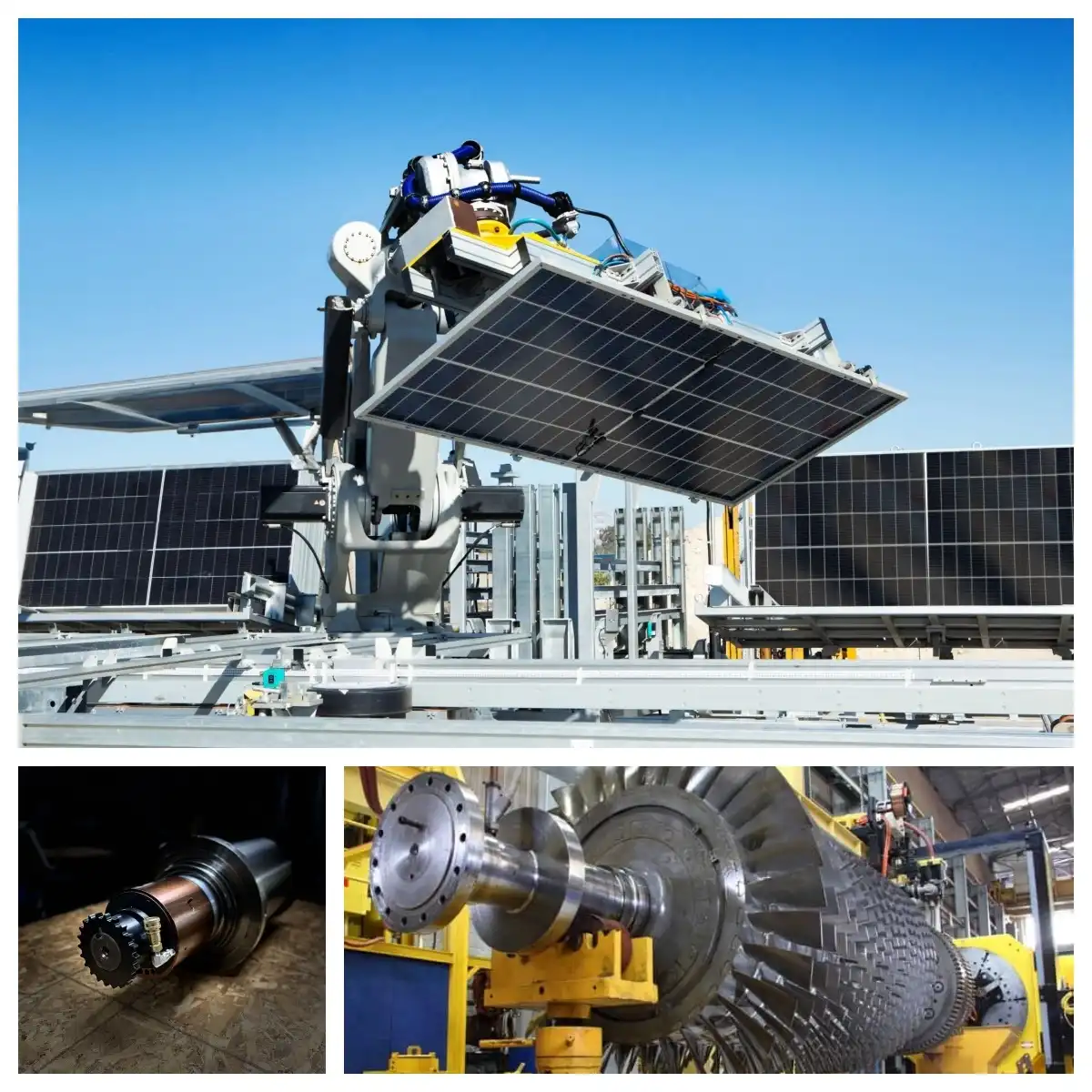
Summary and Key Takeaways for OEM Procurement Managers
The most crucial phase in the sourcing process is to match Spindle Bearing 71906C parameters to the actual operating profile - speed, load, temperature and preload. By bypassing this verification and opting for the lowest-cost alternative, it often leads to early failure and a higher total cost of ownership. Always look for ISO 9001 and IATF 16949 certification, ask for complete inspection records, and do not mix brands in a matched spindle set. Long-term supply relationships with manufacturers who have manufacturing scale and ongoing improvement give stable results for OEM procurement operations.
FAQ
What is the typical lead time for bulk Spindle Bearing 71906C bearing orders?
Certified manufacturers usually require four to eight weeks for P4 class and six to ten weeks for P2 class, depending on volume and cage material. When you place blanket orders with planned releases, you can reduce the effective wait time to two to three weeks per release window.
How do I verify bearing authenticity to avoid counterfeit products?
Request batch-level Anderon meter test results, measurement inspection certificates, and material traceability records. Check to see if the seller has current ISO 9001 and IATF 16949 certificates issued by a recognized organization. Checking the quality of markings, consistency of packaging, and the alignment of internal geometry with published specifications also helps identify non-conforming products.
Is the Spindle Bearing 71906C suitable for high-temperature OEM environments?
The standard chrome steel version works reliably up to about 120°C as long as the correct grease is selected. For sustained periods above that threshold, PEEK cages and ceramic hybrid ball sets extend the functional temperature range and maintain dimensional stability under thermal cycling.
Partner with ATLYC for Your Spindle Bearing 71906C Supply
ATLYC — Luoyang Auto Bearing Co., Ltd. — has 15 years of precision bearing manufacturing experience, ISO 9001 and IATF 16949 certifications, and six production workshops serving OEM customers across the US, Germany, South Korea, and beyond. As a direct Spindle Bearing 71906C manufacturer, we provide full inspection documentation, flexible order volumes, and technical support matched to your application. Contact our team today at auto@lyautobearing.com to request a quote.
References
1. Harris, T. A., & Kotzalas, M. N. — Rolling Bearing Analysis: Essential Concepts of Bearing Technology, Taylor & Francis, 2006.
2. International Organization for Standardization — ISO 492: Rolling Bearings — Radial Bearings — Dimensional and Geometrical Tolerances, ISO, 2014.
3. Eschmann, P., Hasbargen, L., & Weigand, K. — Ball and Roller Bearings: Theory, Design, and Application, John Wiley & Sons, 1985.
4. SKF Group — SKF General Catalogue 6000 EN: Rolling Bearings, SKF, 2018.
5. NSK Ltd. — NSK Precision Machine Components: Super Precision Bearings Technical Guide, NSK, 2019.
6. Hamrock, B. J., Schmid, S. R., & Jacobson, B. O. — Fundamentals of Fluid Film Lubrication, Marcel Dekker, 2004.
Learn about our latest products and discounts through SMS or email