- English
- French
- German
- Portuguese
- Spanish
- Russian
- Japanese
- Korean
- Arabic
- Greek
- German
- Turkish
- Italian
- Danish
- Romanian
- Indonesian
- Czech
- Afrikaans
- Swedish
- Polish
- Basque
- Catalan
- Esperanto
- Hindi
- Lao
- Albanian
- Amharic
- Armenian
- Azerbaijani
- Belarusian
- Bengali
- Bosnian
- Bulgarian
- Cebuano
- Chichewa
- Corsican
- Croatian
- Dutch
- Estonian
- Filipino
- Finnish
- Frisian
- Galician
- Georgian
- Gujarati
- Haitian
- Hausa
- Hawaiian
- Hebrew
- Hmong
- Hungarian
- Icelandic
- Igbo
- Javanese
- Kannada
- Kazakh
- Khmer
- Kurdish
- Kyrgyz
- Latin
- Latvian
- Lithuanian
- Luxembou..
- Macedonian
- Malagasy
- Malay
- Malayalam
- Maltese
- Maori
- Marathi
- Mongolian
- Burmese
- Nepali
- Norwegian
- Pashto
- Persian
- Punjabi
- Serbian
- Sesotho
- Sinhala
- Slovak
- Slovenian
- Somali
- Samoan
- Scots Gaelic
- Shona
- Sindhi
- Sundanese
- Swahili
- Tajik
- Tamil
- Telugu
- Thai
- Ukrainian
- Urdu
- Uzbek
- Vietnamese
- Welsh
- Xhosa
- Yiddish
- Yoruba
- Zulu
How to Choose the Best YRTC High-Speed Rotary Table Bearing?
Selecting the optimal high-speed rotary table bearing for your CNC machinery demands more than browsing product catalogs. The YRTC High-Speed Rotary Table Bearing distinguishes itself through an integrated three-in-one design that combines thrust, radial, and moment load capabilities in a single compact unit. When your direct-drive rotary table requires simultaneous rigidity for heavy milling cuts and speeds exceeding conventional limits, understanding the "C" designation becomes critical. This enhanced variant incorporates modified cage systems and optimized roller guidance to reduce friction torque by approximately 30% compared to standard YRT models, maintaining thermal stability during extended machining cycles while achieving 50-80% higher limiting speeds. Your selection process should balance load requirements, environmental constraints, and manufacturing precision standards to ensure sustained performance across automotive component production, industrial automation, and precision gear grinding applications.
Understanding YRTC High-Speed Rotary Table Bearings
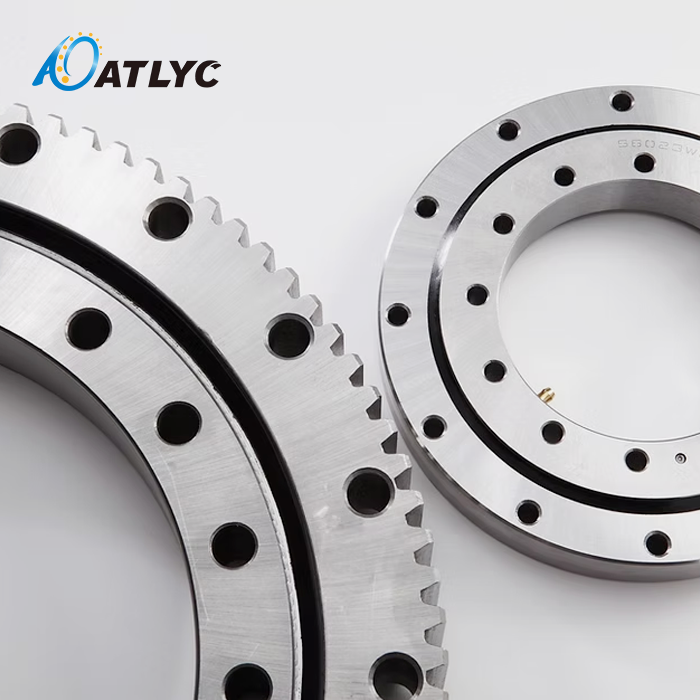
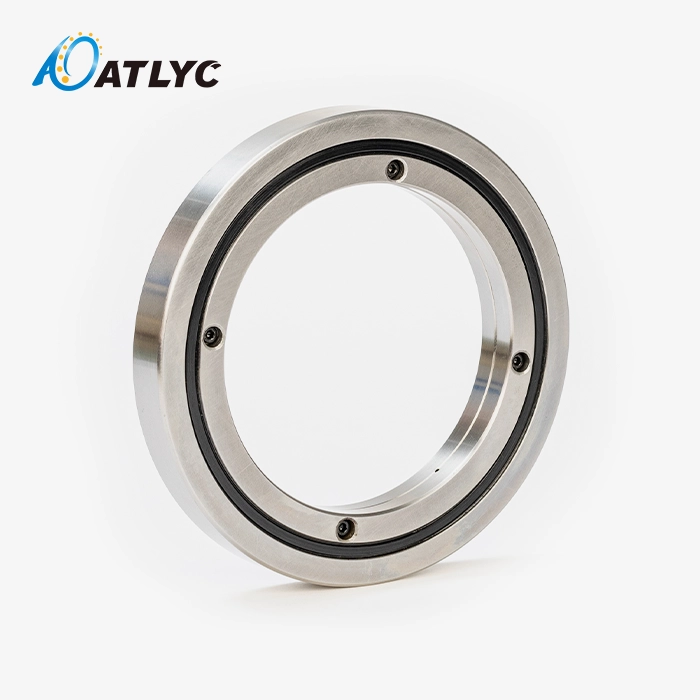
These specialised YRTC High-Speed Rotary Table Bearings are a big step up from standard combined bearing options because of how they are built. Standard rotary table systems usually need different thrust and radial parts, which makes them harder to align and more difficult to install. The combined structure, on the other hand, makes machine design easier while providing better performance.
Compact Integrated Structure
The bearing has a fixed outer ring that connects to the mounting interface, a rotating inner ring that connects to machine parts, precision rollers arranged in multiple rows, and an advanced cage system designed for high rotational speeds. This arrangement gets rid of the need for complicated multi-bearing setups that take up valuable installation space. In five-axis CNC machining centers, every millimetre of footprint matters. This small design lets engineers make the most of the work area without weakening the structure. Precision grinding and super-finishing are used on both the outer and inner rings to get surface roughness values below Ra 0.2 μm. This lowers the amount of friction and vibration that is transmitted.
Multi-Row Roller Arrangement
Two rows of axial rollers handle the thrust loads and twisting moments that come up during cutting, and one row of radial rollers handles the horizontal forces. With this set-up, the bearing can handle complex loading situations from more than one way at the same time. The best way to spread the load across the roller set is to keep the contact angle between 45° and 60°. When a milling cutter hits the workpiece, it creates radial cutting forces as well as large moments that try to tilt the rotary table. The multi-row design successfully stops these tilting moments, keeping the positioning accuracy within the sub-micron ranges that are necessary for making aircraft parts.
High-Speed Optimization Features
The letter "C" means that certain engineering changes have been made to lessen operating friction. The reduced cage design reduces the rolling friction coefficient by choosing the best materials and making the shape just right. Standard steel cages are replaced by advanced polymer composites or brass alloys in situations where less mass and better heat transfer are needed. Skidding at high speeds is a common failure mode that speeds up wear and causes too much heat. Optimised roller guide systems stop this from happening. Precision-ground raceways make sure that the machine runs smoothly and with little sound. This means that the rotational accuracy stays the same even when the table speeds up to several hundred RPM for turning operations.
| Feature | Standard YRT Series | YRTC High-Speed Series |
|---|---|---|
| Limiting Speed | Initial (100% of) | 50 to 80% More |
| Friction Torque | The norm | Lower by about 30% |
| Cage Material | Steel | Polymer/brass alloys that work better |
| Thermal Stability | Moderate | Added to |
| Application Focus | Heavy Weight and Average Speed | Heavy Load, Fast Speed |
These technical improvements directly fix the problems with thermal expansion that affect positioning precision in direct-drive situations. This makes YRTC High-Speed Rotary Table Bearings perfect for current machining centers that do five-axis tasks at the same time.
Criteria for Selecting the Best YRTC Rotary Table Bearing
To choose the right YRTC High-Speed Rotary Table Bearing, you need to carefully consider the needs of the job, the surroundings, and the expected performance. Ignoring even one factor can cause a machine to break down early or not work as well as it should.
Load Requirements Assessment
First, figure out the axial, horizontal, and moment loads that your application will put on the structure. Axial loads come from thrust during drilling or boring operations, radial loads from cutting forces acting side to side, and moment loads from cutting positions that are not in the center of the hole. The dynamic load rating of the bearing must be higher than the estimated loads by an amount that provides enough safety, which is usually 1.5 to 2.0 times the maximum expected load. Check the load rating tables provided by the manufacturer to make sure that the models you choose can handle both continuous operating loads and intermittent peak loads during heavy roughing cuts. A common design mistake is underestimating moment loads. For example, a 500mm circle rotating table holding a 200 kg workpiece that is positioned 150mm off-center creates large tilting moments that need to be carefully calculated.
Speed and Precision Requirements
Find out what the fastest rotational speed that your application needs is. YRTC High-Speed Rotary Table Bearings work best at high speeds, but making sure that the bearing's top speed is the right one for your machine will save you money. Ratings for speed depend on the size of the bearings, how they are oiled, and how they handle heat. Rotational accuracy also plays a role in the choice. For example, gear grinding needs a P2 precision class with radial runout below 1 µm, while general machining may be able to handle P4 class requirements. There needs to be a careful balance between speed and accuracy because faster speeds produce more heat, which can hurt accuracy through thermal expansion if there aren't enough cooling systems in place.
Environmental Factors
Extreme temperatures change the viscosity of a fluid and the qualities of a material. When working in temperatures above 80°C, you might need to use special greases that don't melt or think about other ways to keep things moving smoothly. Better sealing solutions are needed when contaminants like coolant splash, metal chips, or airborne particles are present. The size of the bearing that can be installed is limited by the available space. YRTM miniature versions work well with small machines, while standard YRTC High-Speed Rotary Table Bearing models are better for bigger machines. Machines close by can send vibrations through the base of the machine, which means that extra damping or adjusting the bearing preload is needed to keep the machine stable.
Comparative Performance Analysis
Value-based choices are based on knowing how YRTC High-Speed Rotary Table Bearings stack up against well-known names. Competitive rotary table bearings are made by big names like SKF, NSK, FAG, and Koyo. Each one has its own unique features.
| Brand | Strengths | Typical Applications | Price Position |
|---|---|---|---|
| SKF | Large world network of help | General machinery for factories | High-end |
| NSK | New technologies for materials | Applications in automotive | High-end |
| FAG (Schaeffler) | Services for engineering advice | Heavy machinery for the workplace | High-end |
| Koyo (JTEKT) | Balance of costs and performance | Replacement after the fact | Mid-range |
| YRTC (ATLYC) | ISO 9001/IATF 16949-certified production that can be scaled up | Export markets and OEM partnerships | Competitors |
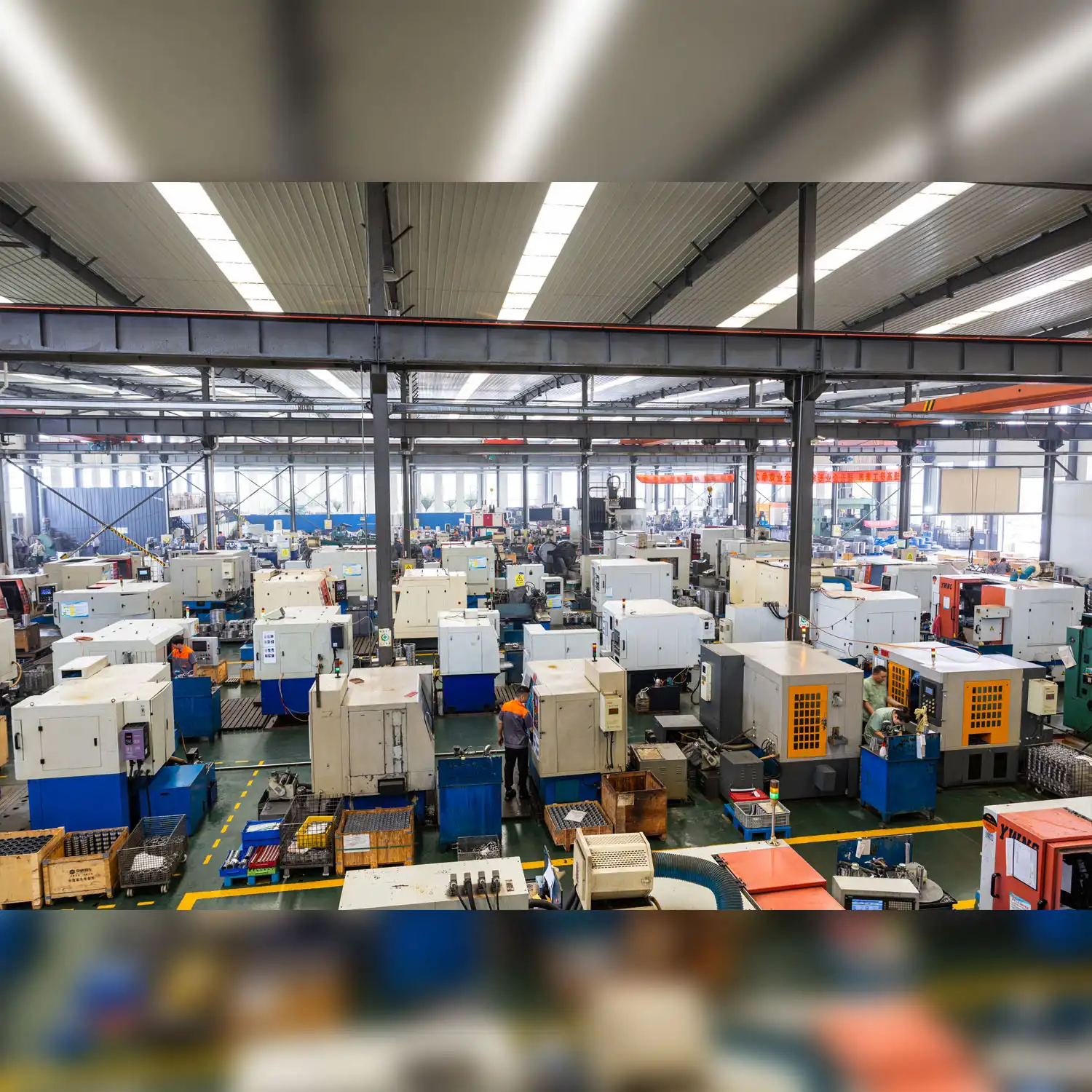
YRTC High-Speed Rotary Table Bearing products made by well-known Chinese bearing makers like ATLYC are of the same high quality as foreign names, but they cost 20–35% less. Our ISO 9001 and IATF 16949 certifications show that we follow international quality management standards. This makes sure that our manufacturing processes are always the same and that our checking procedures are very strict. Over 15 years of experience in six specialised workshops allows for flexible supply to meet the needs of rising OEMs.
Installation and Maintenance Best Practices for YRTC Bearings
Even the best bearings won't work as well if they aren't installed or maintained correctly. Following the steps that the manufacturer suggests will extend the life of the product and make sure that it works consistently.
Precision Mounting Techniques
Get rid of all protective coatings, dirt, and corrosion from all mating surfaces. Use accurate measuring tools to make sure the mounting area is flat; differences greater than 0.02mm can bend the bearing raceways, which speeds up wear. Use the right amount of mounting force by using hydraulic presses or induction heaters instead of impact methods, which could damage the raceways. To make sure the clamping force is spread out evenly, tighten the mounting bolts in a star design to the required value, which is usually between 80 and 120 Nm based on the size of the bearing. Check the radial and axial runout using dial markers after installation. Values that are higher than the specifications mean that there were mounting mistakes that need to be fixed before the machine can be used.
Lubrication Selection and Application
Grease lubrication works well for most rotary table uses because it is easy to use and keeps out contaminants. For general use, choose lithium-based greases with an NLGI Grade 2 consistency. For high-temperature areas, choose lithium complex greases. Fill the bearing with 30 to 40 percent of its free space; too much grease causes churning resistance, which raises the temperature at which it works. For long-term high-speed operation, oil lubrication is better because it better moves heat away from the moving parts. Set relubrication intervals based on how the machine is being used. For example, if it is running continuously at 70% of its limiting speed, it should be greasing every 1,500 to 2,000 hours. If it is running intermittently, it should be greased every 3,000 to 4,000 hours.
Scheduled Maintenance Protocols
During the first hour of running, make sure that the bearing temperature stays below 80°C by keeping an eye on it. Temperature spikes can be caused by not enough grease, too much pressure, or mistakes in the fitting process. Listen for sounds that don't make sense. Grinding sounds could mean that the bearings are dirty or not well oiled, and popping sounds could mean that the rollers are damaged. Check the rotational torque on a regular basis; slow increases show that the lubricant is wearing off or the wear is progressing. Set up baseline values and alert limits for tracking vibrations on important machines. Sudden increases in vibrations usually happen days or weeks before a bearing fails. This means that replacements can be planned ahead of time and not have to be done in an emergency.
Troubleshooting Common Issues
Too much working temperature can be caused by too much grease, not enough cooling, or not being aligned correctly. Check the amount of grease and the ventilation before looking into alignment problems. Contamination often causes premature wear; check the seals and, in tough settings, think about upgrading to YRTS sealed versions. If noises start to happen during operation, it could mean that the lubricant is breaking down and needs to be re-oiled right away. If the noise doesn't go away after lubrication, internal damage has likely happened and the bearing needs to be replaced. If positioning precision drops, it could mean that the bearings are wearing out or the machine base isn't stable. Before blaming the bearings for problems, do full checks of the machine's shape.
Procurement Guide for YRTC High-Speed Rotary Table Bearings
Getting real parts from trustworthy sources saves your investment and makes sure the expected performance happens. On the global market for bearings, there are fakes that make machines less safe and reliable.
Authorized Distribution Channels
Get in touch with ATLYC through our official channels to find out who the authorised distributors are in your area. We work with approved distributors in South Korea, the US, Germany, Russia, Iran, and Turkey, so we can offer expert help and warranty service in those places. Before making an order, ask for the distributor's qualifications and make sure they are authorised. Authorised partners sell original products that come with a warranty from the manufacturer. This warranty usually covers problems with the materials or the work for 12 months after installation or 18 months after the date of shipment. When big OEM projects need customised specs or volume commitments, direct procurement from ATLYC works well.
Sample Orders and Lead Times
Before committing to production quantities, ask for sample bearings. This is especially important when switching from competing products. Sample orders are usually filled within two to three weeks, which gives you enough time to try and confirm the samples in your particular application. Depending on the number of items ordered and how complicated the specifications are, standard production wait times are between 4 and 6 weeks. Lead times are extended to 8–10 weeks for custom bearing configurations that need non-standard sizes or materials. Plan your purchases so that you account for the 3–5 weeks it takes for ocean freight to get to U.S. destinations, or keep a strategic inventory to account for changes in the supply chain.
Pricing Dynamics and Value Assessment
In 2024, the price of a YRTC High-Speed Rotary Table Bearing depends on how much the raw materials cost, how many are made, and how complicated the specifications are. Standard sizes bought in large numbers usually cost 25–35% less than similar European or Japanese names while still performing about the same. Due to the costs of making the moulds and setting up the bearings, custom bearings cost 15 to 25 percent more than standard configurations. Think about the total cost of ownership instead of just the original purchase price. Longer-lasting bearings mean fewer replacements and less expensive production downtime. Ask for detailed quotes that include information about shipping times, payment options, and warranty support. We accept a number of different payment methods, such as letters of credit, which make international purchases safer.
Why Trust ATLYC: Brand Overview and After-Sales Support
The way our business has changed over the past 15 years shows that we have stayed committed to quality and customer service. What started as a single automatic workshop in 2010 has grown to six specialised sites that make all kinds of bearings.
Manufacturing Excellence and Certifications
ATLYC keeps its ISO 9001:2015 quality management system certification and IATF 16949:2016 compliance with the car quality standard. This is shown by regular checks by a third party. These certifications require strict process controls, efforts to keep making things better, and full systems for tracking things back to their source. There are 120 skilled workers in our production, R&D, quality inspection, and assembly departments. This makes sure that every step of the manufacturing process is done by professionals. We use Talyrond roundness measurement tools to make sure that the geometry is accurate within 2 μm, and we use magnetic particle inspection and initial etching to find surface flaws that might shorten the wear life.
Quality Control Processes
Each rotary table bearing goes through starting torque testing to make sure the friction characteristics meet the requirements, geometric accuracy inspection to make sure the mounting surface is flat and the raceway is precise, and preload verification to make sure the internal clearance is right. Temperature-controlled inspection rooms that stay at 20°C ±1°C don't let changes in temperature affect the accuracy of measurements. Statistical process control keeps an eye on important factors during production and takes corrective actions when measurements get close to the limits set by the specifications. Because we are committed to zero-defect manufacturing, our reject rates have been below 0.3% for the past three years, showing that we can consistently make things.
Comprehensive Technical Support
Our engineering team helps customers choose the best bearing setups for their needs by giving them application advice. For non-standard sizes, special materials, or mounting setups that standard catalogue goods can't handle, we can make products just the way you want them. After-sales support includes help with fixing problems, failure analysis, and suggestions for replacements when a bearing's useful life is up. Get in touch with our expert team at auto@lyautobearing.com for help with a specific application or to talk about special bearing solutions for tough needs.
Global Customer Testimonials
OEM manufacturers in the automotive industry consistently praise our reliable delivery and high-quality products. Industrial machinery builders appreciate our engineering help during the design stages of their equipment, which makes sure that the bearings they choose meet performance standards. Aftermarket wholesalers like it when prices are competitive and the supply chain works as planned. This lets them serve their customers well while keeping their business margins healthy.
Conclusion
To choose the best high-speed rotary table bearing, you need to carefully consider the load requirements, speed limits, operating conditions, and the manufacturer's reputation. The YRTC High-Speed Rotary Table Bearing line has technical benefits like an integrated design, better friction properties, and proven success in tough environments. Knowing the important things to look for when buying bearings, how to install them correctly, and how to keep them in good shape will make sure that your investment pays off in the long run through longer service life and steady machine performance. ATLYC is a reliable partner for OEMs, industrial equipment manufacturers, and bearing distributors around the world that need high-precision parts that meet international standards and are priced competitively. This is because we have a lot of experience making things and have quality certifications.
FAQ
What distinguishes YRTC bearings from standard YRT models?
The letter "C" means that the high-speed performance has been improved by changing the cage designs and making the roller control systems work better. Compared to standard YRT configurations, these improvements lower friction torque by about 30% and raise limiting speeds by 50–80%. YRTC High-Speed Rotary Table Bearings keep the YRT models' ability to handle loads in multiple directions while adding thermal stability that is necessary for long-term high-speed operation.
How do I determine the correct YRTC bearing size for my CNC rotary table?
Find the radial, axial, and moment loads for your application, then look at the manufacturer's load rating tables. Choose a bearing size whose dynamic load rating is 1.5 to 2 times higher than the maximum loads you calculated. Think about the required rotational speed and the room you have for fitting. The engineering team at ATLYC can help you figure out the right size for your application.
What maintenance intervals should I follow for YRTC bearings?
When to re-grease depends on how the machine is being used. Continuous operation at 70% of stopping speed usually needs to be greased every 1,500 to 2,000 hours. Intermittent operation, on the other hand, needs to be greased every 3,000 to 4,000 hours. Keep an eye on the temperature, noise, and rotational torque of the bearings to find early signs of lubricant degradation or wear that need your attention.
Partner with ATLYC for Superior Rotary Table Bearing Solutions
ATLYC has been making precision products for 15 years and has quality systems that are ISO 9001 and IATF 16949 approved. They sell high-performance YRTC High-Speed Rotary Table Bearings to OEMs and wholesalers around the world. With six specialised workshops and 120 skilled workers, we can meet your production needs no matter how much you need while still maintaining high quality standards. As a reliable provider of YRTC High-Speed Rotary Table Bearings, we help your engineering team by giving them advice on how to use the bearings, making unique bearings, and quickly responding to their technical questions. You can talk about your unique needs, get full quotes, or set up sample testing by emailing auto@lyautobearing.com. We're excited to become your trusted partner for precision bearing solutions that make your machinery more productive and efficient.
References
1. Harris, T.A. and Kotzalas, M.N. (2007). Rolling Bearing Analysis: Essential Concepts of Bearing Technology. CRC Press, Boca Raton, Florida.
2. ISO 199:2014. Rolling bearings - Thrust bearings - Geometrical product specifications (GPS) and tolerance values. International Organization for Standardization, Geneva.
3. Weck, M. and Brecher, C. (2006). Machine Tools Production Systems 2: Design and Calculation. Springer-Verlag, Berlin.
4. Palmgren, A. (1959). Ball and Roller Bearing Engineering. SKF Industries Inc., Philadelphia.
5. ANSI/ABMA Standard 19.1-2019. Instrument Ball Bearings - Metric Design. American Bearing Manufacturers Association, Washington, D.C.
6. Zhou, R.S. and Hoeprich, M.R. (1991). "Torque of tapered roller bearings." Journal of Tribology, Transactions of the ASME, Volume 113, Issue 3, pp. 590-597.
Learn about our latest products and discounts through SMS or email