- English
- French
- German
- Portuguese
- Spanish
- Russian
- Japanese
- Korean
- Arabic
- Greek
- German
- Turkish
- Italian
- Danish
- Romanian
- Indonesian
- Czech
- Afrikaans
- Swedish
- Polish
- Basque
- Catalan
- Esperanto
- Hindi
- Lao
- Albanian
- Amharic
- Armenian
- Azerbaijani
- Belarusian
- Bengali
- Bosnian
- Bulgarian
- Cebuano
- Chichewa
- Corsican
- Croatian
- Dutch
- Estonian
- Filipino
- Finnish
- Frisian
- Galician
- Georgian
- Gujarati
- Haitian
- Hausa
- Hawaiian
- Hebrew
- Hmong
- Hungarian
- Icelandic
- Igbo
- Javanese
- Kannada
- Kazakh
- Khmer
- Kurdish
- Kyrgyz
- Latin
- Latvian
- Lithuanian
- Luxembou..
- Macedonian
- Malagasy
- Malay
- Malayalam
- Maltese
- Maori
- Marathi
- Mongolian
- Burmese
- Nepali
- Norwegian
- Pashto
- Persian
- Punjabi
- Serbian
- Sesotho
- Sinhala
- Slovak
- Slovenian
- Somali
- Samoan
- Scots Gaelic
- Shona
- Sindhi
- Sundanese
- Swahili
- Tajik
- Tamil
- Telugu
- Thai
- Ukrainian
- Urdu
- Uzbek
- Vietnamese
- Welsh
- Xhosa
- Yiddish
- Yoruba
- Zulu
How to Find Reliable RE2508UUCC0 Cross roller bearing Suppliers?
Finding dependable suppliers for RE2508UUCC0 cross roller bearings requires evaluating manufacturing certifications like ISO 9001 and IATF 16949, verifying technical capabilities through material specifications (GCr15, GCr15SiMn), and confirming precision standards (P2 to P6 accuracy grades). Reliable cross roller bearing manufacturers demonstrate consistent product quality through sealed designs, proven load capacity across radial and axial directions, and documented performance in robotic joints, rotary tables, and precision instruments. Procurement professionals should prioritize suppliers offering technical support, transparent lead times, and comprehensive after-sales service to ensure stable supply for demanding industrial applications.

Understanding the RE2508UUCC0 Cross Roller Bearing and Its Market
Technical Specifications and Design Architecture
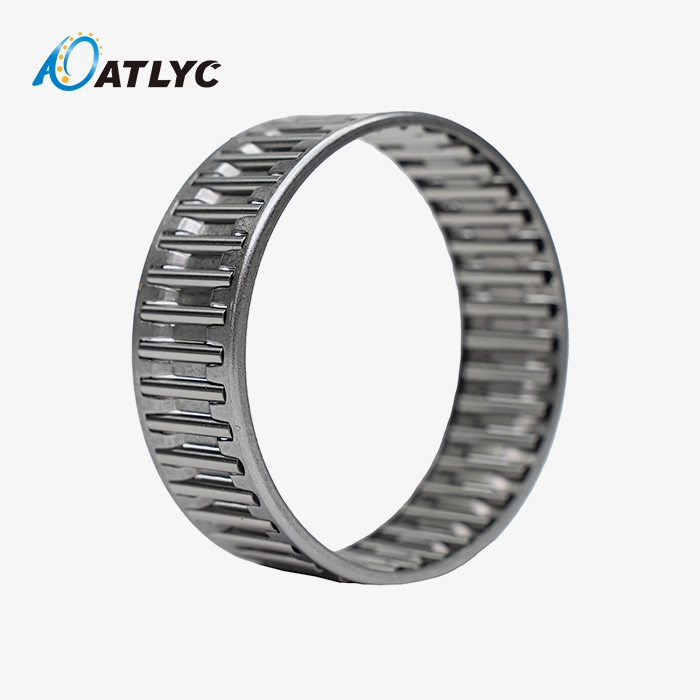
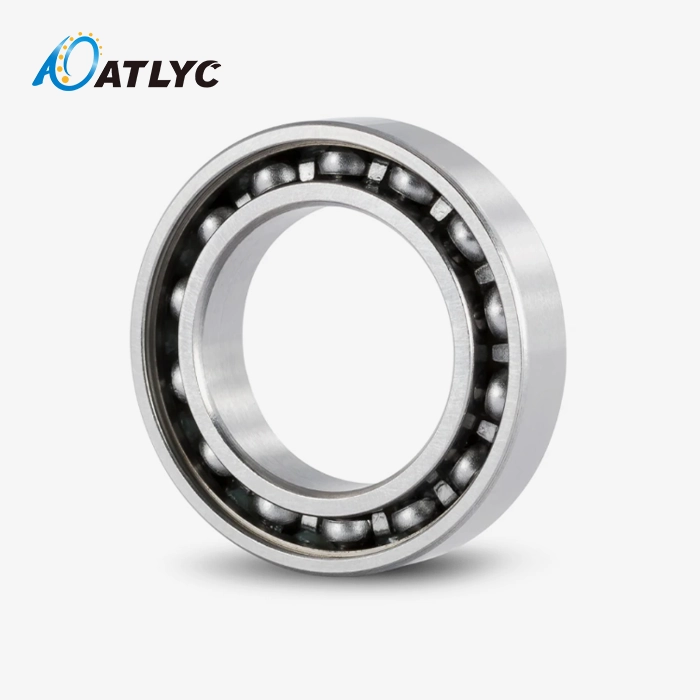
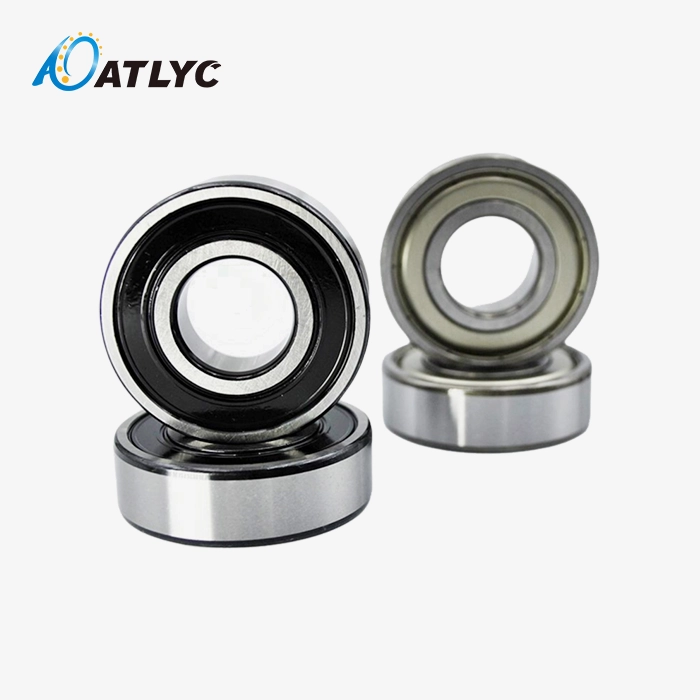
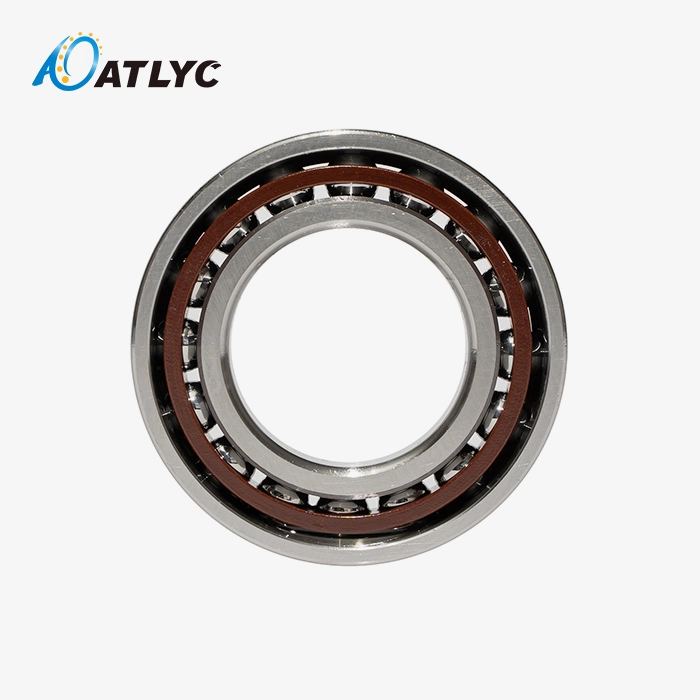
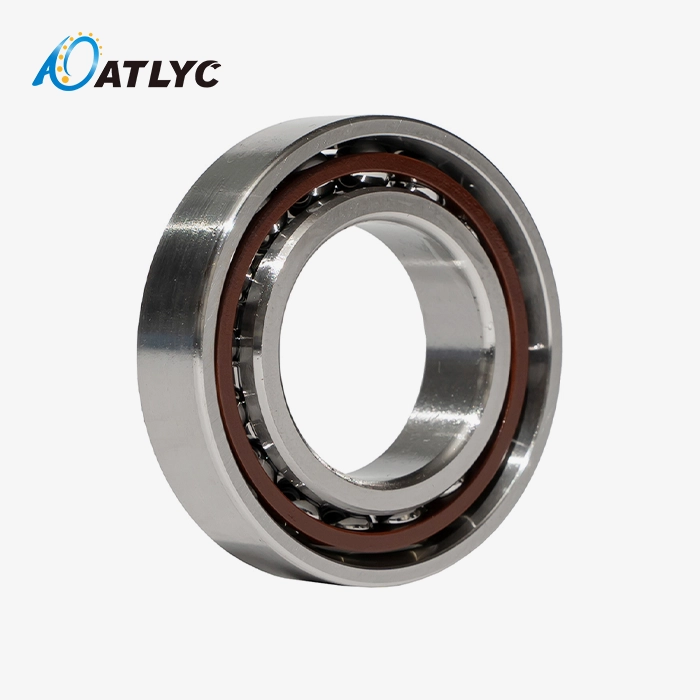
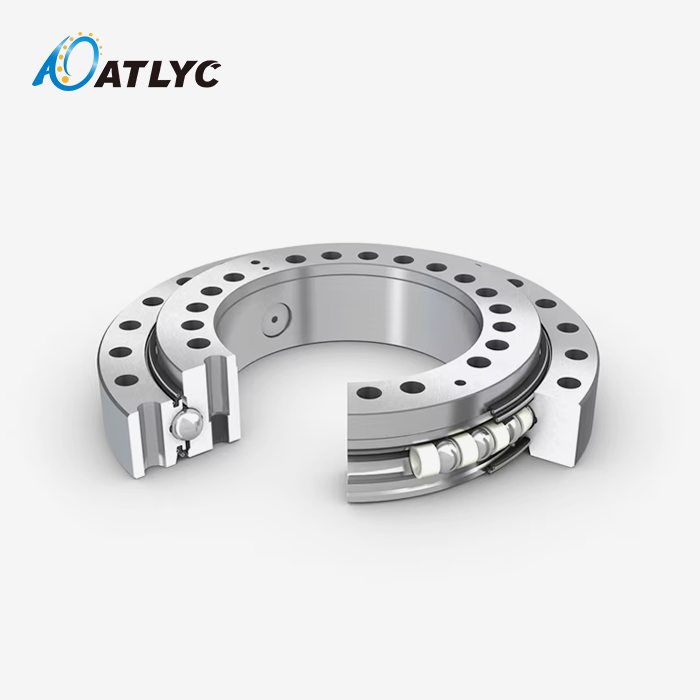
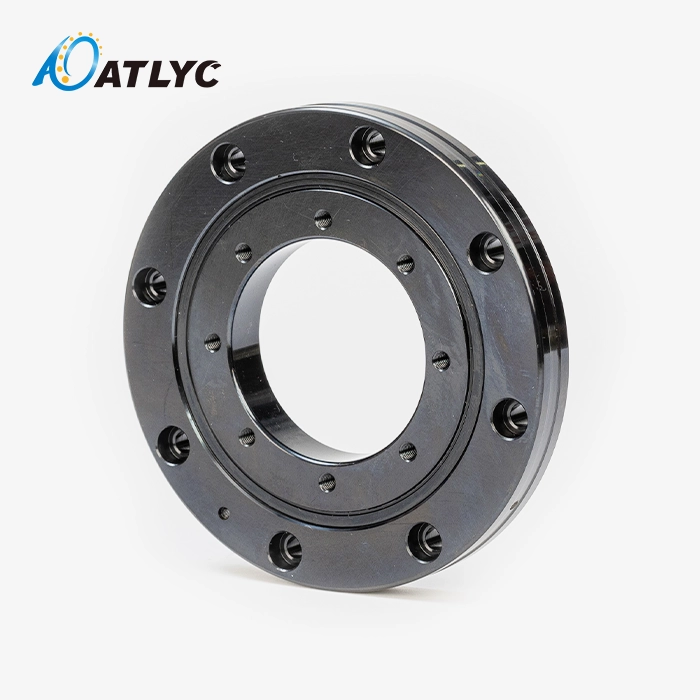
The RE2508UUCC0 Cross roller bearing has a split inner ring and a combined outer ring. Its inner diameter is 25 mm, its outer diameter is 41 mm, and its width is 8 mm. Because it is so small, this bearing is especially useful in places where installation space is limited, but load capacity must not be compromised. The circular rollers are grouped in an orthogonal pattern and fit inside precision-ground V-groove raceways. This lets a single bearing unit handle radial, axial, and moment loads at the same time. The number CC0 means that there is controlled negative clearance. This creates a preloaded state that gets rid of backlash and makes the system more rigid. This zero-clearance specification is very important for situations where exact placement without play is needed. The dual-sealed (UU) design has synthetic rubber seals that keep out particles while keeping the rotation smooth and low-friction in a range of environmental conditions.
Material Composition and Precision Grades
These bearings are usually made from GCr15 or GCr15SiMn high-carbon chromium bearing steel that has been heated until it has a hardness value of 58 to 64 HRC. This choice of material provides a longer wear life even when the system is under constant stress. The bearing comes in a range of accuracy grades, from P6 (standard precision) to P0, P5, P4, and P2 (ultra-precision). This lets buying teams choose the amount of accuracy that best fits their needs.
Primary Industrial Applications
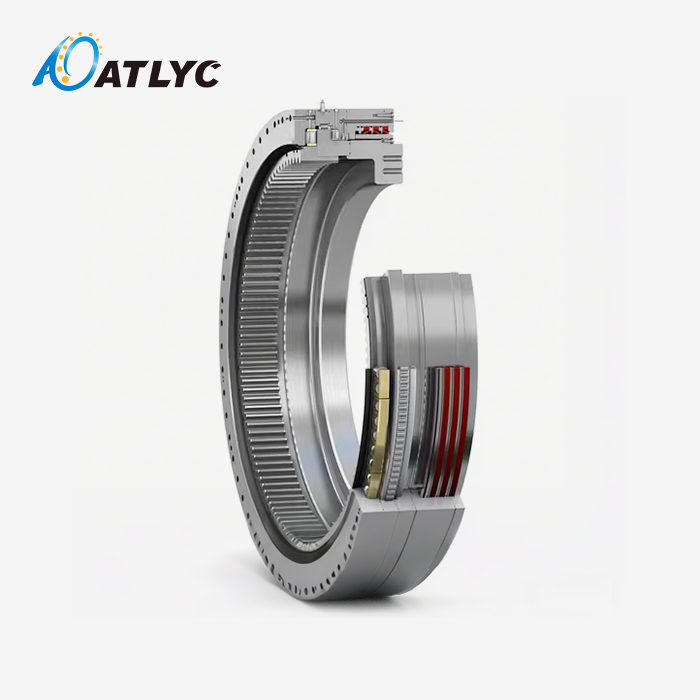
Cross roller bearings work great in places that need high rigidity in small packages. These bearings are used in industrial robot joints to handle complex moment loads and keep their position accuracy during fast movement cycles. For multi-axis tasks, machining center rotary tables depend on how precisely they can place themselves at an angle. Medical imaging equipment and surgical robots need these bearings because they allow for very smooth rotation and keep out dirt and dust because they are sealed. Semiconductor manufacturing equipment, like IC bonding tools and chip handling systems, needs protected cross roller bearings so that they can work without vibrations and in clean rooms.
Market Landscape and Leading Manufacturers
Well-known names like SKF, NSK, THK, and Koyo are in the crossed roller bearing market. Each of these brands has its own unique versions that work better than others. But specialised Chinese manufacturers have been taking over more and more of the market by combining international quality standards with low prices. Basic design follows standard rules, so that's not what makes one product different from another. What makes a product long-lasting is how precisely it's made, how consistent the materials are, and how well it's checked for quality.
| Brand Category | Typical Strengths | Market Position |
|---|---|---|
| Well-known brands around the world | A well-known brand, a large distribution network, and high prices | Market leaders for a long time, with a strong foothold in North America and Europe |
| Chinese companies that make specific goods | Production that is ISO/IATF certified, reasonable prices, and the option to make changes | Focusing on cost-performance balance to grow market share |
| Distributors in the area | Local product availability and technical help in the language of the user | Helping to connect producers with end users |
Challenges in Sourcing RE2508UUCC0 Cross Roller Bearings
Quality Inconsistency and Counterfeit Risks
There are persistent problems in the bearing market with fake products that look like real parts on the surface but fail when put under operational stress. These low-quality bearings usually use cheap materials that can't reach the required strength levels. This leads to early wear, more friction, and failures that aren't expected. Visual inspection isn't enough to tell the difference between real and highly engineered fakes, which puts procurement teams that don't have verification procedures at great risk. Quality problems aren't just caused by fake goods; they can also come from real sources with bad quality control systems. There may be differences in the accuracy of the dimensions, the finish on the surface, or the material properties of bearings from the same production batch that make them less useful. This variation is a big problem in precision applications where tight tolerances have a direct effect on how accurate and repeatable the system is.
Supply Chain Disruptions and Lead Time Variability
There are always problems in global supply chains because of problems with transportation, the availability of raw materials, and geopolitical unpredictability that makes lead times hard to predict. Many wholesalers might not keep specialised RE2508UUCC0 Cross roller bearings in stock, which means that customers have to wait longer for deliveries. It's hard for procurement professionals to find a good mix between the costs of keeping inventory and the risk of having to stop production when bearing sources run out. Lead time promises from suppliers aren't always kept, and delivery dates that were promised are often pushed back because of problems with logistics or limited production capacity. Because of this lack of predictability, manufacturers have to keep more safety stock on hand or look for multiple sources, both of which make buying more difficult and cost more.
Pricing Ambiguity and Hidden Costs
Bearing prices change a lot from one seller to the next, and the prices that are given often don't include important cost factors like custom packaging, faster shipping, or expert paperwork. It can be hard to figure out the best order amounts when volume discount limits aren't clear. Changes in currencies add to the uncertainty of foreign deals, especially when the time it takes to buy something is months. In addition to unit prices, the total cost of ownership includes things like how long a bearing lasts, how often it needs to be maintained, and how often it needs to be replaced. Lower prices at first may hide inferior products that need to be replaced more often, which raises operational costs over the lifecycle of the equipment.
Criteria for Evaluating RE2508UUCC0 Bearing Suppliers
Manufacturing Certifications and Quality Systems
Manufacturers that are worth their salt keep their ISO 9001 certification as proof that they have structured quality management systems. IATF 16949 certification, on the other hand, gives more confidence in process control and constant improvement practices for automotive and precision industry uses. Instead of relying only on what suppliers say, procurement teams should check these certifications directly with the groups that give them out. Certification dates are important; recent checks show that compliance is still high, while outdated certificates may show that quality systems have gotten worse. Another important aspect of evaluation is manufacturing capacity. Suppliers who have more than one production workshop with automatic tools show that they can handle more orders without lowering the quality of their work. Manufacturers who have separate workshops for each type of bearing tend to have more specialised knowledge and more accurate tools than those who only have general facilities.
Technical Capabilities and Engineering Support
Suppliers you can trust give you a lot of detailed information, like dimensional drawings, load rate formulas, and certificates for the materials they use. Their engineering teams should be able to talk about the needs of each application and suggest the right accuracy levels and greasing methods. Customisation options from suppliers, like changing the way the seals are set up or using special materials, show manufacturing flexibility that is useful for specific uses. Respondent technical support is what sets high-quality suppliers apart from basic product sellers. When problems happen in an application, having access to experts who know both the product and how it is used speeds up problem-solving and cuts down on downtime.
Supply Chain Reliability and After-Sales Service
One of the most valuable qualities in a supplier is consistent shipping performance. People who work in procurement should ask existing customers in similar industries for on-time delivery metrics and reference checks. Keeping a strategic inventory of common specifications on hand by suppliers cuts down on lead times and protects against supply disruptions. Buyers are protected from faulty goods by long guarantee terms and clear return policies. Suppliers who are willing to back up the quality of their products with meaningful guarantees show that they have faith in the manufacturing process. After-sales support includes more than just guarantee claims. It also includes application troubleshooting, fitting help, and suggestions for improving performance to stretch the life of the bearing.
| Evaluation Criterion | Red Flags | Positive Indicators |
|---|---|---|
| Quality Certifications | Not having ISO 9001, IATF 16949 has ended, and we can't verify the certificates | Current ISO 9001 and IATF 16949, inspected within the last 18 months, and papers that can be checked with the granting body |
| Technical Documentation | General requirements, no relevant qualifications, and vague claims of correctness | Specification sheets, test results on materials, accurate measurement data, and instructions for use |
| Manufacturing Scale | Single workplace, repetitive processes, and a small amount of space | Several specialised workplaces, automatic production tools, and clear information on capacity |
| Delivery Performance | Lead times that aren't clear, no success measures, and reports of frequent delays | Clear promises about wait times, proven rates of on-time delivery above 95%, and a stock of common specs |
| After-Sales Support | Not very good warranty, hard to get in touch with, and no technical staff | Full warranty terms, a technical team that responds quickly, and application engineering support |
Verifying Product Authenticity
RE2508UUCC0 Cross roller bearings that are real have model numbers that match the information on the standard sheets and marks on the rings that say "manufacturer." Brand logos, QR codes for tracking, and anti-counterfeiting features like holograms or unique serial numbers should all be on packaging. To make sure they are meeting the requirements, procurement teams can ask steel suppliers for material certifications and independent testing laboratories for dimensional inspection reports.A physical study gives us more proof that something is real. Genuine bearings have smooth rotation without binding or too much play, consistent surface finishes without machining flaws, and roller spacing that is the same all the way around. Using dial markers to check for accuracy can show measurement differences that point to fake or low-quality goods.
Step-by-Step Approach to Finding and Selecting Reliable Suppliers
Defining Technical and Logistical Requirements
Before looking for a provider, make a list of all the specific technical needs you have, such as the level of accuracy you need, the maximum load you can expect, the range of speeds you can operate at, and any environmental factors like high temperatures or contamination. List the licenses, material standards, and any compliance needs that are unique to your business. To make things easier for everyone involved, be clear about lead times, minimum and maximum order quantities, preferred packaging, and shipping terms. This document with the requirements is used to evaluate suppliers and make sure that all of the candidates are compared on the same level. Clear specs also keep people from misinterpreting them, which can lead to bad goods or disagreements over what is expected of them in terms of performance.
Conducting Thorough Market Research
Industry trade shows are great places to meet bearing makers in person, look at examples of their products, and talk to them about their technical knowledge. Events like the International Bearing Technology Conference or regional industrial automation shows bring in trustworthy providers and make it easier to build relationships with them. Many more suppliers can be found on online business-to-business (B2B) platforms, but they need to be carefully checked out because being listed on these platforms doesn't ensure legitimacy or quality. Professional networks and industry groups can help you find suppliers who have a good track record. Procurement managers should talk to people in related businesses about their suppliers, specifically about how well they've dealt with consistent quality, on-time delivery, and problem-solving. Quality inspection services run by third parties can give unbiased opinions on the factories and quality control systems of possible providers.
Requesting and Evaluating Detailed Quotations
In thorough RFQs, you should ask for itemised prices for different order sizes, as well as clear promises about lead times, payment terms, and warranty conditions. Ask suppliers what services are included, like expert help, unique packaging, or choices for faster shipping. Ask for references from customers in the same line of work and permission to do site checks or video inspections of production processes. Instead of just choosing the cheapest quote, look at all of the quotes as a whole. Think about the total cost of ownership, which includes how long the bearings are expected to last, how often they need to be replaced, and how much expert help costs. Long-term worth is usually higher for suppliers with reasonable prices, strong quality certifications, and good communication than for suppliers with the lowest prices but few capabilities.
Testing Supplier Capabilities Through Sample Orders
Before committing to large-volume contracts, initial sample orders are a great way to find out how well a supplier does. Check the quality of sample bearings by measuring them, testing their hardness, and putting them through real-life operational tests. Check how quickly the supplier processes orders, how responsive they are to contact, how well they package items, and how well they stick to the shipping dates they say they have. RE2508UUCC0 Cross roller bearing. Write down all of your interactions and test results to make a record of your supplier evaluation that is based on facts. This paperwork helps with making internal decisions and sets performance standards for ongoing management of suppliers.
Negotiating Contracts and Finalizing Agreements
When negotiating a contract, the parties should talk about pricing structures, such as volume discounts and stable prices over the long term. They should also talk about delivery schedules with penalties for missing them, quality standards with inspection protocols, and ways to settle disagreements. Include ways for specifications to change, order quantities to be flexible, and technology to improve that could affect the need for bearings over the course of a multi-year relationship. Clear contracts protect both parties by setting clear goals and providing ways to deal with problems that will inevitably arise. By making things clearer and avoiding misunderstandings, well-structured agreements make long-term relationships easier.
Procurement Tips and Best Practices for RE2508UUCC0 Bearings
Implementing Rigorous Product Verification
Set up new inspection processes that check for correct measurements, a good surface finish, and the correct assembly of all parts. For checking thickness, use micrometres and coordinate measuring machines, which are both very accurate measuring tools. Test the material on a regular basis at separate labs to make sure that the steel's composition and hardness qualities meet the requirements. Build ties with outside inspection services that can do plant checks and checks before shipments, especially for new suppliers or orders worth a lot of money. These services offer objective evaluations that find quality problems with products before they get to your facility. This lowers the chance that defective bearings will stop production.
Optimizing Total Cost of Ownership
When choosing a bearing, you shouldn't just look at the price; you should also think about how long it will last under certain working conditions. Better materials and higher-accuracy bearings may cost more, but they last longer, which lowers the total cost of ownership because they need to be replaced less often and have less downtime for maintenance. Lifecycle costs include the price of the item, the labour needed to install it, the upkeep that needs to be done, the energy used by friction losses, and how often the item needs to be replaced. Strategic bulk ordering can lower unit costs through volume discounts, and combining suppliers can cut down on shipping and administrative costs. But you should weigh the costs of keeping inventory against the money you save so that you don't keep too much working capital in safety stock. Some sellers offer vendor-managed inventory programs that take some of the stress off of storage while still making sure that products are always available.
Building Strategic Supplier Relationships
Share production predictions with sellers so they can plan their capacity and material purchases. This will help you move from transactional buying to collaborative partnerships. Continuous improvement is encouraged by talking about quality performance, delivery accuracy, and new technology needs on a regular basis. If your suppliers know what your business needs, they can offer new products or better ways to do things that will help both of your businesses succeed. Think about supplier development programs that help new manufacturers with technical questions or quality training so they can reach their full potential. These investments can help supply chain diversification tactics by creating stable new sources.

Conclusion
To find trustworthy sources for unique parts like the RE2508UUCC0 Cross roller bearing, you need to carefully look at their manufacturing skills, quality certifications, and how well their supply chain works. When purchasing managers put verifiable qualifications ahead of lowest price quotes, they build supply relationships that offer stable operations and consistent quality. Spending time and money to carefully evaluate suppliers pays off with fewer defects, more reliable delivery times, and quick technical support that keeps production lines running smoothly. By using the evaluation criteria and best practices for buying listed here, manufacturers and OEMs can be sure to find cross roller bearings that meet strict performance standards and keep costs low throughout the lifecycles of their equipment.
FAQ
What distinguishes RE series cross roller bearings from RB series models?
The basic structure of these series is very different from one another. When used in situations where the outer ring needs to rotate, RE bearings with split inner rings and combined outer rings work best. The outer rings of RB series bearings are split so that the inner rings can rotate. This difference affects how to set up, how the load is distributed, and how accurate the spin is.
How does the CC0 preload specification affect bearing performance?
The label CC0 means that there is controlled negative clearance, which is usually between -0.002 mm and -0.008 mm. This creates a preloaded state that completely removes backlash. This preload makes the system more rigid and improves the accuracy of positioning, but it may cause a little more starting torque when it is first used. A short break-in time at slower speeds lets the grease spread and the temperature stay stable, and the zero-backlash feature stays in place for the whole working life.
Can these sealed bearings operate in high-speed continuous rotation applications?
Because of how their contacts are shaped, cross roller bearings are mostly made for irregular, oscillating, or low- to medium-speed spinning. Standard grease that works well at normal speeds is used in the UU sealed configuration. Continuous high-speed uses need oil lubrication systems and may need open bearing designs without covers to keep lubrication friction from building up too much heat.
What installation precautions apply to split inner ring designs?
Care must be taken when putting together the split inner ring design. When installing, make sure that both halves of the ring are perfectly lined up before attaching them to the shaft with mounting flanges or housings that clamp the rings together. When the parts of a split ring are not lined up correctly, the load is not spread evenly and wear happens faster. When installed correctly, the inner ring structure is basically joined together by mechanical locking.
Partner With ATLYC for Reliable Cross Roller Bearing Supply
When your business needs precise parts that meet international standards without having to pay a lot, ATLYC can help. They have been making bearings for 15 years, so they know how to do it right. Our factory has both ISO 9001 and IATF 16949 certifications, which means that every RE2508UUCC0 Cross roller bearing we make is of the same high quality. We've grown from one workshop to six specialised production facilities, and now we have a lot of experience making high-precision bearings for customers in South Korea, the US, Germany, Russia, Iran, and Turkey. Our 120 skilled workers oversee every step of production, from choosing the materials to putting everything together. They make sure that the strict quality control that industrial robot makers, machining center OEMs, and medical equipment makers need is always met. Email our engineering team at auto@lyautobearing.com to talk about your unique needs and get detailed information about all of our cross roller bearing products.
References
1. Harris, T.A. and Kotzalas, M.N. (2006). Essential Concepts of Bearing Technology, 5th Edition. CRC Press, Boca Raton.
2. ISO 492:2014. Rolling bearings — Radial bearings — Geometrical product specifications (GPS) and tolerance values. International Organization for Standardization.
3. Wensing, J.A. (2011). On the Dynamics of Ball Bearings. Doctoral dissertation, University of Twente, Netherlands.
4. SKF Group. (2018). Rolling Bearings Catalog: General Catalogue 10000/1 EN. SKF Group Publication, Gothenburg.
5. American Bearing Manufacturers Association. (2020). Load Ratings and Fatigue Life for Ball Bearings. ABMA Standard 9-2020, Washington D.C.
6. Japanese Industrial Standards Committee. (2012). JIS B 1514:2012 — Rolling Bearings — Crossed Roller Bearings. Japanese Standards Association, Tokyo.
Learn about our latest products and discounts through SMS or email