- English
- French
- German
- Portuguese
- Spanish
- Russian
- Japanese
- Korean
- Arabic
- Greek
- German
- Turkish
- Italian
- Danish
- Romanian
- Indonesian
- Czech
- Afrikaans
- Swedish
- Polish
- Basque
- Catalan
- Esperanto
- Hindi
- Lao
- Albanian
- Amharic
- Armenian
- Azerbaijani
- Belarusian
- Bengali
- Bosnian
- Bulgarian
- Cebuano
- Chichewa
- Corsican
- Croatian
- Dutch
- Estonian
- Filipino
- Finnish
- Frisian
- Galician
- Georgian
- Gujarati
- Haitian
- Hausa
- Hawaiian
- Hebrew
- Hmong
- Hungarian
- Icelandic
- Igbo
- Javanese
- Kannada
- Kazakh
- Khmer
- Kurdish
- Kyrgyz
- Latin
- Latvian
- Lithuanian
- Luxembou..
- Macedonian
- Malagasy
- Malay
- Malayalam
- Maltese
- Maori
- Marathi
- Mongolian
- Burmese
- Nepali
- Norwegian
- Pashto
- Persian
- Punjabi
- Serbian
- Sesotho
- Sinhala
- Slovak
- Slovenian
- Somali
- Samoan
- Scots Gaelic
- Shona
- Sindhi
- Sundanese
- Swahili
- Tajik
- Tamil
- Telugu
- Thai
- Ukrainian
- Urdu
- Uzbek
- Vietnamese
- Welsh
- Xhosa
- Yiddish
- Yoruba
- Zulu
How to Lubricate YRTS Series rotary table bearing?
Proper lubrication of the YRTS Series rotary table bearing directly impacts operational lifespan and machine performance in high-speed applications. This precision-engineered bearing requires specific lubricants—typically high-performance lithium complex grease or oil-air systems—applied at manufacturer-recommended intervals. The lubrication process involves thorough pre-inspection, precise application to raceways and rolling elements, and post-lubrication monitoring of temperature and noise. Using appropriate tools and adhering to maintenance schedules prevents premature failure, ensuring optimal performance in demanding CNC and automation environments where precision and reliability cannot be compromised.
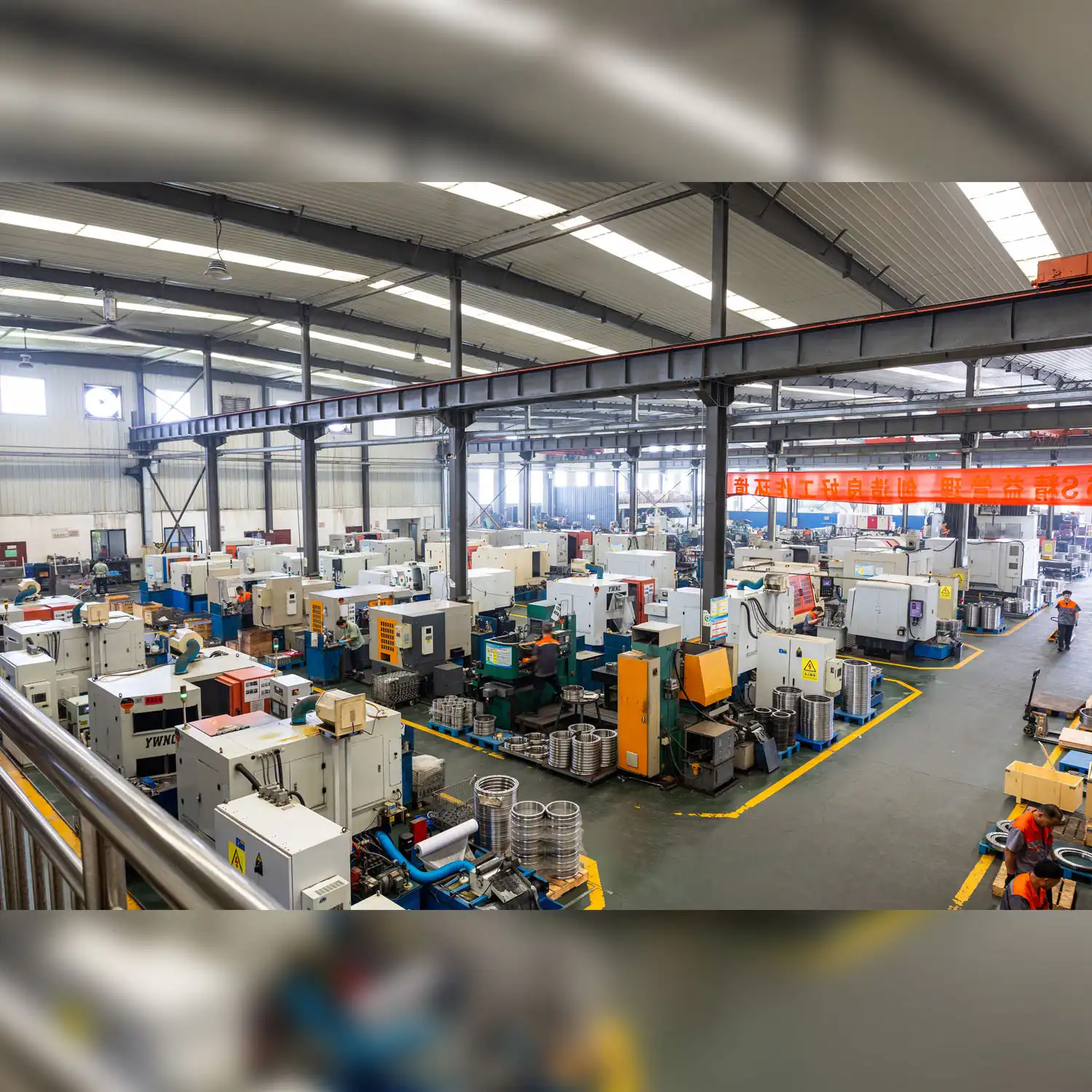
Understanding YRTS Series Rotary Table Bearing and Lubrication Basics
Understanding the technical basis of YRTS Series rotary table bearings is very important when your industrial processes need to work at high speeds and with great accuracy. There is a special solution called the YRTS Series that was made to meet the strict needs of current industrial uses.
Structural Design and Core Components
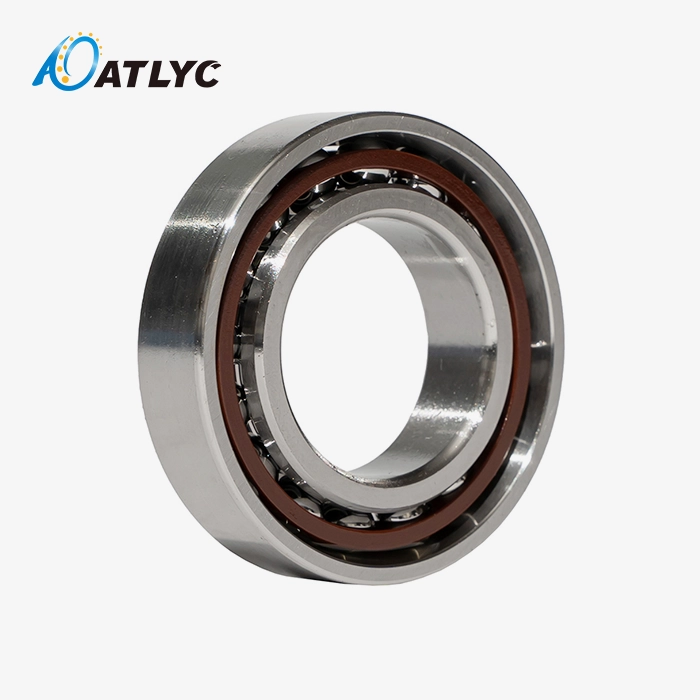
The bearing has a three-in-one design that combines a thrust bearing, a radial bearing, and indexing functions into a single small unit. This design has an outer ring for stable mounting, an inner ring for smooth rotational movement, precision steel balls that are made to work at high speeds, and an advanced cage that keeps the balls apart. The double-row angular contact ball arrangement sets up steel balls at contact angles of 45° or 60°. This lets them support axial loads, radial loads, and tilting moments all at the same time, even when the operating conditions are complicated.
The YRTS Series rotary table bearing version is different from regular YRT bearings because it has changes to its internal geometry that lower frictional torque by about 30–40%. This lets it control speeds that are two to three times higher than regular bearings. The precision-ground raceways go through super-finishing steps that make the surface roughness less than 0.2 micrometers. This has a big effect on how the grease film forms.
The Critical Role of Lubrication in Performance
Three important things that lubrication does for rotary table bearings are to reduce friction, stop wear, and get rid of heat. If you don't lubricate high-speed direct drives properly, temperatures can rise quickly, hitting crucial points where bearing steel loses its hardness. The lubricant film thickness, which should be between 0.5 and 2.0 micrometers in ideal conditions, keeps the rolling elements and raceways from touching, which would speed up fatigue failure.
In sealed bearing designs, grease lubrication is helpful because it keeps the bearings oiled for long periods of time and keeps out outside contaminants. Oil-air lubrication systems are better at cooling, which is important when working speeds are higher than 1,500 RPM or when the temperature outside is close to 40°C. Which of these ways to use depends on the speed limits, load conditions, and external factors that are unique to your application.
Risks of Improper Lubrication
When there isn't enough lubrication, asperity contact happens at the border of lubrication, which causes too much heat and speeds up surface degradation. The problems with over-lubrication are just as bad. Too much lube raises the churning resistance, which raises the working temperature and could lead to seal failure. Bearing manufacturers have done studies that show that about 36% of early bearing failures are caused by problems with lubrication. This shows how important it is to follow the right maintenance procedures.
Preparing for Lubrication: Tools, Materials, and Safety Precautions
For YRTS Series rotary table bearing lubrication processes to go smoothly, they need to be carefully planned out, use the right materials, and follow safety rules that protect both people and tools.
Selecting Appropriate Lubricants
For high-speed rotary table bearings to work properly, they need oils that do certain things. For most uses, lithium complex grease with an NLGI Grade 2 consistency and a base oil viscosity of 100–150 cSt at 40°C works best. Extreme pressure (EP) additives and oxidation inhibitors should be in the lubricant to keep it working well in tough situations. Most oil-air systems use ISO VG 32–68 oils, which are chosen based on the speed and temperature ranges that the system needs to work in.
Stability at room temperature is an important selection factor. The lube needs to keep the right thickness over the whole temperature range it will be used in, which for industrial uses is usually -20°C to 120°C. Premium oils made just for precision bearings have longer relubrication times, which means they don't need to be serviced as often but still work well.
Essential Tools and Equipment
For accurate lube application, you need special tools that deliver the oil precisely:
Grease Application Tools: You can use pneumatic or manual grease guns with pressure gauges to put grease on things in a controlled way. Flexible tubes with the right fittings can get to lubrication places without taking the machine apart. Metering devices precisely measure the amount of grease needed, avoiding over-lubrication that can lead to operating issues.
Oil-Air System Components: These systems have precise pumps, mixing tanks, and delivery manifolds that send out measured amounts of oil mixed with compressed air. Flow meters check that the right amount of fluid is being delivered. The amount can be anywhere from 0.02-0.10 ml per cycle, based on the size of the bearing and how it is being used.
Cleaning and Inspection Equipment: Cloths without lint, approved solvent cleaners, and inspection mirrors make it easier to do a thorough job of preparing for lubrication. Before and after lubrication, digital thermometers and vibration analysis tools check the condition of the bearings.
Safety Protocols and Best Practices
When maintenance workers handle oils, they need to wear the right safety gear, like chemical-resistant gloves, safety glasses, and protective clothes. When working with petroleum-based materials, especially in small areas, make sure there is enough airflow. Follow environmental rules when getting rid of used lubricants and never let dirty materials go into drainage systems.
When working on machinery with rotary bearings, lockout-tagout rules must be strictly followed. Before you start any repair work, make sure that all energy sources are turned off. Keep work areas clean and free of anything that could affect how well the grease works.
Step-by-Step Guide to Lubricating YRTS Series Rotary Table Bearings
Systematic YRTS Series rotary table bearing lubrication methods make sure that results are always the same and that bearings last as long as possible. This all-around method covers every important part of the maintenance process.
Pre-Lubrication Inspection and Preparation
First, look over the bearing placement very carefully for signs of damage, wear, or contamination. Make sure that the mounting surfaces are flat and straight—differences greater than 0.02mm can cause rings to warp, which increases friction and lowers accuracy. Check the quality of the seals to make sure that no holes let contaminants in.
Use approved chemicals that don't leave behind any dust to clean the outside of things. Pay special attention to lubrication ports and distribution channels as you remove old lubricant from places that can be reached. Check lube that has been used before for signs of pollution like metal bits, water emulsion, or changes in color that show oxidation. In these situations, maintenance may need to go beyond just lubrication.
To set standard values, check the working temperature and vibration levels of the bearings before they are oiled. Temperature readings above 70°C or shaking levels above certain limits could mean that there are already problems that need to be looked into before cleaning can be done.
Applying Lubrication Correctly
How the oil is applied has a big effect on how well it works. Make sure there is a good seal between the grease gun nozzle and the lubrication fitting so that air doesn't get in. Slowly injecting lubricant can cause pressure that harms seals or pushes lubricant past boundaries and into safe areas.
For bearings with relief fittings, keep applying lubricant until new grease shows up at the relief point. This means that all of the old lubricant has been flushed out. Depending on the size, this usually needs between 2 and 5 grams per bearing. Check the manufacturer's instructions for exact amounts—too much lubrication wastes materials and makes the machine less useful.
When you service double-sided sealed bearings like the YRTS Series, keep in mind that they come from the factory with the right amount of preload and grease. Under normal circumstances, field relubrication times are between 8,000 and 12,000 hours. Adding grease to sealed units can throw off the carefully controlled environment inside.
Different steps need to be taken for oil-air systems. Use system signs to make sure the oil flow rates are correct, and make any necessary changes to fit the working conditions. Watch how the oil gets to all the bearings and make sure it gets to all of them equally. This will keep the bearings from lacking lubrication in some areas.
Post-Lubrication Testing and Verification
After lubricating, run the machine at a slower speed for 10 to 15 minutes to let the lubricant spread to all of the bearing parts. During this break-in period, keep a close eye on the temperature. Initial temperature rises of 5–10°C are normal as the extra oil is redistributed, but temperature rises that last for a long time are a sign of over-lubrication or other problems.
Listen for strange sounds that could mean that the bearings are damaged or that the lubricant isn't right. When rotating bearings are properly oiled, they work quietly and with little sound. Grinding, clicking, or strange sounds need to be looked into right away. Record baseline measurements with vibration analysis equipment so that you can compare them in the future. This will create a historical record that shows problems as they arise before they become catastrophic.
Table 1: Lubrication Verification Parameters
| Parameter | Acceptable Range | Action if Exceeded |
|---|---|---|
| Operating Temperature | ≤ 65°C | Verify lubricant quantity; check cooling |
| Temperature Rise | ≤ 10°C higher than before lubrication | Remove extra lubricant |
| Vibration Level | ≤ 2.5 mm/s RMS | Check bearing condition |
| Noise Level | Background + 5 dB | Check for damage or contamination |
Keep track of all the times you oiled something by writing down the type of lubricant used, how much was used, the conditions under which it was used, and the results of any measurements you took. This past information is very helpful for making maintenance plans work better and finding new problems.
Maintenance Tips and Troubleshooting Common Lubrication Issues
Regular YRTS Series rotary table bearing repair procedures increase the life of bearings and lower the number of unexpected breakdowns that cause production plans to be thrown off.
Establishing Effective Maintenance Schedules
How often you need to lubricate depends on a lot of things, like the operating speed, the load, the temperature of the environment, and how much contamination you are exposed to. If a bearing is used continuously at speeds above 1,000 RPM in a clean environment, it may need to be oiled again every 6,000 to 8,000 hours. Heavy cutting forces, contact with water, or high temperatures mean that the machine needs to be serviced more often, maybe every 2,000 to 4,000 hours.
Instead of just looking at time intervals, use condition-based repair plans that keep an eye on the performance factors of the bearings. Temperature tracking systems, vibration sensors, and regular check plans find problems as they start to form before they become major breakdowns. This proactive approach makes the best use of maintenance resources and raises the reliability of equipment.
Keep detailed records of every time you lubricate something. These records should include the date, the type and amount of lubricant used, the working conditions, and the results of any measurements. Look at this data on a regular basis to find patterns that could mean that conditions are changing and your repair strategy needs to be changed.
Identifying and Resolving Common Problems
When it comes to lubricating problems, overheating is the most common cause. If the temperature stays above 70°C for a long time, it means that the bearings are damaged, there isn't enough cooling, or the oil is too thick. If you think there is too much oil, lower the amount and run the machine for a short time to get rid of the extra material. If the problems don't go away, check the state of the bearings and the efficiency of the cooling system.
Strange noise patterns point to a number of possible problems. High-pitched squealing is often a sign that there isn't enough lubrication or that the oil is breaking down and needs quick care. Rumbling sounds could be caused by dirt getting into the bearing raceways and wearing them down. Clicking sounds can sometimes mean that the lube isn't spread out evenly or that the cage is damaged and needs to be looked at by a professional.
Increased friction resistance during rotation signals problems requiring investigation. Check for excessive lubricant quantities, contamination, or bearing damage. Measure operating torque when possible, comparing values against baseline measurements to quantify changes.
Common Symptoms and Solutions:
When bearings exhibit performance degradation, systematic troubleshooting identifies root causes. Elevated temperatures accompanied by increased power consumption typically indicate excessive lubricant quantities interfering with rotation. Drain extra material through relief lines if they are available, or allow extended break-in periods for sealed bearings to redistribute internal lubricant naturally.
Contaminated lubricant appears discolored or contains visible particles. Water contamination creates a milky appearance indicating seal failure allowing coolant ingress. Replace contaminated lubricant completely, addressing the contamination source before returning equipment to service. Metallic particles in used lubricant suggest bearing wear requiring detailed inspection and potential replacement.
When Replacement Becomes Necessary
Despite proper maintenance, bearings eventually reach end-of-life, requiring replacement. Indicators include persistent temperature elevation despite proper lubrication, progressive increase in vibration levels, visible damage to seals or mounting surfaces, and excessive play indicating internal wear. Bearing life calculations based on load conditions and operating hours provide general guidance, but actual service life varies based on application-specific factors.
The YRTS Series usually has service lives of more than 20,000 hours at full load with proper care. Service times may be shorter in situations where there are heavy loads, contamination, or less-than-ideal working circumstances. On the other hand, bearings that are well taken care of and work well in good conditions can sometimes last 50–100% longer than their calculated lives.
Comparison: YRTS Series Rotary Table Bearing Lubrication vs Other Bearing Types
Knowing how different YRTS Series rotary table bearing lubrication needs compare helps buying workers and maintenance engineers choose the best products for each job.
Structural Differences Affecting Lubrication
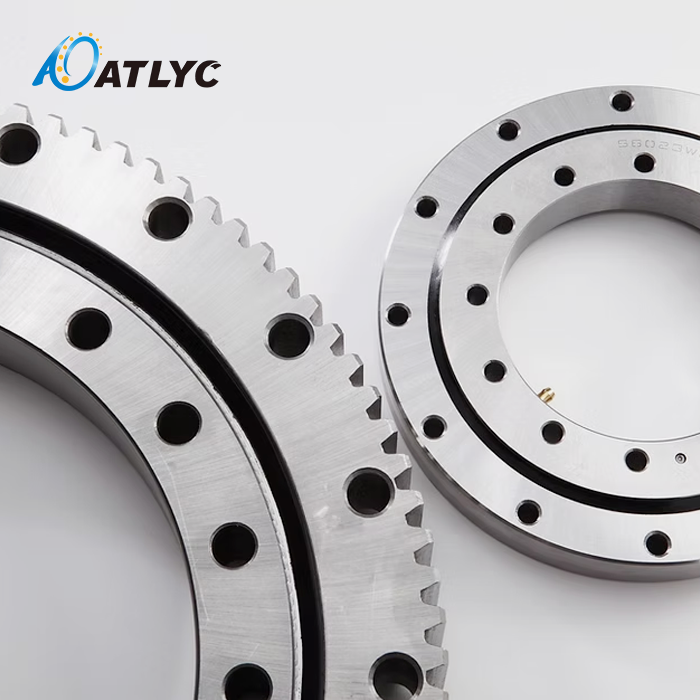
Cross roller bearings have circular rollers that are placed perpendicular to each other. This means that they need different amounts of lubrication than YRTS Series rotary table bearings, which have a double-row angular contact design. Cross roller designs need lubricants with higher EP additive amounts to keep the edges from getting damaged by edge loads. Cross roller bearings usually need to be oiled every 4,000 to 6,000 hours, which is less often than YRTS units that are properly kept.
Slewing bearings need a lot more lubricant because their rolling elements and raceways are so much bigger. A lot of the time, these huge structures have automatic lubrication systems that can supply lubricant on a continuous or intermittent basis. The YRTS Series' small size gets rid of this kind of complexity while still providing similar performance in the right situations.
Table 2: Comparative Lubrication Requirements
| Bearing Type | Lubricant Type | Relubrication Interval | Special Requirements |
|---|---|---|---|
| YRTS Series | Lithium complex grease / Oil-air | 8,000-12,000 hours | High-speed lubricant specification |
| Standard YRT | Lithium grease | 5,000-8,000 hours | Temperature monitoring critical |
| Cross Roller | EP lithium grease | 4,000-6,000 hours | Edge loading protection |
| Slewing Bearing | General purpose grease | 1,000-2,000 hours | Automatic systems common |
Application-Specific Considerations
High-speed direct drive rotary tables benefit substantially from the YRTS Series optimized internal geometry. Because there is less friction torque, there is less heat production, which would damage normal bearing types. This benefit is especially useful when the speed of operation goes above 1,200 RPM, a range where regular designs have trouble controlling temperature.
CNC machine rotary tables performing heavy interrupted cuts generate shock loads that challenge bearing durability. The preloaded design of YRTS bearings keeps them rigid in these situations, and the improved lubrication lines make sure that heavy areas always have grease. When compared to other styles that aren't as refined, this mix gives better performance.
Vertical grinding machines let coolant get into the bearings, so strong sealing and lubricant choice are needed. Because YRTS bearings are sealed on two sides, they protect the internal parts, and the lubricants used keep them working even when they are exposed to cutting fluid mist.
These application-specific advantages demonstrate why selecting appropriate bearing types and implementing proper lubrication protocols significantly impacts operational success in demanding industrial environments.

Conclusion
In precision manufacturing settings, the success of YRTS Series rotary table bearings depends directly on how well they are oiled. The YRTS Series needs special care regarding lubricants, application methods, and servicing plans that isn't needed for other types of bearings. Systematic lubrication procedures, such as a careful inspection before use, precise application of lubricant, and verification after lubrication, increase service life while maintaining the accuracy needed for modern CNC operations. Setting up condition-based repair plans and keeping thorough records helps make the best use of resources and stops unexpected failures. When procurement professionals work with manufacturers that can offer full technical support and a track record of doing business internationally, they build the reliable supply chains they need to stay ahead of the competition.
FAQ
1. What distinguishes YRTS lubrication requirements from standard YRT bearings?
For the YRTS Series rotary table bearing internal geometry optimization, lubricants need to be more stable at high temperatures and have a lower base oil viscosity than standard YRT bearings. Less friction torque means less heat is generated, but higher operating speeds put more stress on the thermal properties of the lubricant. For YRTS bearings, synthetic base oils or premium mineral oils with better additive packages work best. Standard YRT types, on the other hand, usually do fine with regular lithium grease formulations.
2. How do I determine optimal relubrication intervals for my application?
Figure out the initial intervals by using the manufacturer's suggestions as a starting point. Then, make changes based on how the system is working. During service times, keep an eye on the bearing's temperature and pressure levels. Gradual rises in either of these areas mean that the bearing needs to be oiled more often. Shorter intervals are needed for applications with speeds over 1,000 RPM, temperatures above 50°C, or contamination exposure. On the other hand, repair times may be safely extended beyond what is recommended in clean areas with moderate speeds.
3. Can I switch between grease and oil-air lubrication systems?
When switching between lubrication methods, the bearings must be completely cleaned to get rid of any leftover lubricant. Different additives are used in grease and oil systems, and they might not work well together. For the conversion to work, the hardware needs to be changed too. For example, grease seals need to be taken off, and oil-air distribution parts need to be put in. Before trying such conversions, check with bearing makers to make sure they are compatible and that the process is carried out correctly.
Partner with ATLYC for Reliable High-Precision Bearing Solutions
ATLYC has been making specialized products for 15 years and now supplies YRTS Series rotary table bearings and industrial solutions all over the world. They make solutions that are highly designed to meet the exact needs of current CNC and automation systems. Our production facilities are ISO 9001 and IATF 16949 certified, and they have six specialized workshops with 120 dedicated professionals working in them. This makes sure that the quality is always the same, and automotive and industrial equipment OEMs in South Korea, the US, Germany, and other places trust our supply chains. As a well-known company that makes YRTS Series rotary table bearings, we offer full professional support that includes lubrication optimization, application engineering, and lifecycle management that are tailored to your needs. Get in touch with our engineering team at auto@lyautobearing.com to talk about how our high-precision bearing solutions can improve the performance of your equipment while lowering the total cost of ownership through reliable foreign delivery plans and proven quality.
References
1. Harris, T.A. & Kotzalas, M.N. (2006). "Advanced Concepts of Bearing Technology: Rolling Bearing Analysis, Fifth Edition." CRC Press.
2. Booser, E.R. (2020). "Tribology and Lubrication Technology Handbook for High-Speed Precision Bearings." Society of Tribologists and Lubrication Engineers.
3. ISO 12240-4:2018. "Spherical plain bearings and thrust spherical plain bearings - Measuring and gauging principles and methods for thrust spherical plain bearings." International Organization for Standardization.
4. Witte, D.C. (2019). "Operating Temperature Effects on Precision Bearing Performance in CNC Rotary Table Applications." Journal of Manufacturing Science and Engineering.
5. Khonsari, M.M. & Booser, E.R. (2017). "Applied Tribology: Bearing Design and Lubrication, Third Edition." John Wiley & Sons.
6. SKF Group Technical Manual (2021). "Lubrication of High-Speed Angular Contact Ball Bearings in Direct Drive Applications." SKF Motion Technologies AB.
Learn about our latest products and discounts through SMS or email