- English
- French
- German
- Portuguese
- Spanish
- Russian
- Japanese
- Korean
- Arabic
- Greek
- German
- Turkish
- Italian
- Danish
- Romanian
- Indonesian
- Czech
- Afrikaans
- Swedish
- Polish
- Basque
- Catalan
- Esperanto
- Hindi
- Lao
- Albanian
- Amharic
- Armenian
- Azerbaijani
- Belarusian
- Bengali
- Bosnian
- Bulgarian
- Cebuano
- Chichewa
- Corsican
- Croatian
- Dutch
- Estonian
- Filipino
- Finnish
- Frisian
- Galician
- Georgian
- Gujarati
- Haitian
- Hausa
- Hawaiian
- Hebrew
- Hmong
- Hungarian
- Icelandic
- Igbo
- Javanese
- Kannada
- Kazakh
- Khmer
- Kurdish
- Kyrgyz
- Latin
- Latvian
- Lithuanian
- Luxembou..
- Macedonian
- Malagasy
- Malay
- Malayalam
- Maltese
- Maori
- Marathi
- Mongolian
- Burmese
- Nepali
- Norwegian
- Pashto
- Persian
- Punjabi
- Serbian
- Sesotho
- Sinhala
- Slovak
- Slovenian
- Somali
- Samoan
- Scots Gaelic
- Shona
- Sindhi
- Sundanese
- Swahili
- Tajik
- Tamil
- Telugu
- Thai
- Ukrainian
- Urdu
- Uzbek
- Vietnamese
- Welsh
- Xhosa
- Yiddish
- Yoruba
- Zulu
Can CRBS Crossed Roller Bearings Replace IKO Types?
When you're sourcing precision bearings for high-stakes applications, the question isn't just about compatibility—it's about whether a replacement can deliver equal or better performance while improving your supply chain efficiency. CRBS crossed roller bearings offer a compelling alternative to IKO types, particularly when your operations demand environmental resilience alongside precision. The short answer is yes: CRBS bearings can effectively replace IKO types in most industrial applications, especially where harsh conditions threaten bearing longevity. With advanced sealing technology, comparable load ratings, and competitive pricing, CRBS units provide a strategic sourcing option for manufacturers seeking reliable, cost-effective solutions without compromising on quality standards.
Understanding CRBS Crossed Roller Bearings and IKO Types
What Defines CRBS Bearing Architecture
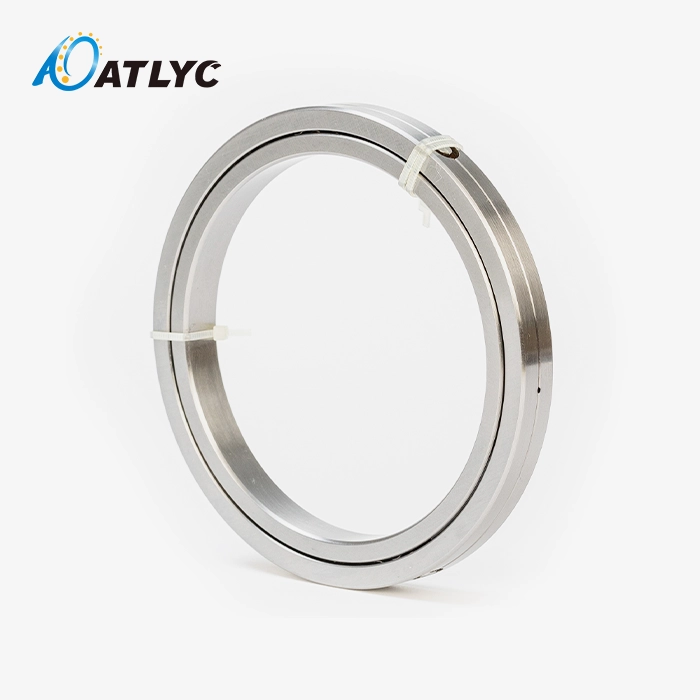
The CRBS series is a particular improvement on the design of CRBS Crossed Roller Bearings. Unlike most bearings, these have cylindrical wheels placed at 90-degree angles between V-groove raceways. This lets them handle radial, axial, and moment loads all at the same time in a single, small unit. What makes them unique is their complete sealing system. Each bearing has a double-layer security system with an inner nitrile rubber (NBR) lip seal that resists oil and an outer stainless steel dust cover that protects against mechanical damage. This two-barrier design meets IP65 safety standards, so they can be used in wet, dirty, and chemically harsh conditions where regular bearings would break down quickly.
Nitriding is used to treat the raceway surfaces. This makes a hard layer that is much better at stopping corrosion and wear than traditional heat treatment methods. CRBS Crossed Roller Bearings have grease that can withstand high temperatures and water, so they don't need to be serviced for about 12,000 hours. This is a big improvement over unsealed options that need to be relubricated often in dirty environments.
IKO Bearing Design Philosophy
With a reputation for consistently accurate dimensions and steady performance, IKO has become a well-known name in the production of precision bearings. Their line of crossed roller bearings is known for having tight tolerances and smooth rotation, which makes them popular choices for robotics, machine tools, and medical imaging equipment. Most IKO designs are open or lightly covered, so they work best in clean rooms where there is little chance of contamination and regular repair access is easy to get to.
The engineering method focuses on increasing rigidity by making the roller geometry better and finishing the raceways precisely. When choosing a material, it's important to make sure that its dimensions don't change much when the temperature does. This is useful in climate-controlled commercial settings. But this way of thinking about design puts efficiency in safe settings ahead of adapting to harsh conditions.
Key Structural Differences
When we put the two types of bearings next to each other, we can see some big differences. CRBS Crossed Roller Bearings protect the environment as a core part of their design, not as an addition. The built-in sealing system only adds a small amount of horizontal height but protects against pollution very well. IKO bearings, on the other hand, often need external housing seals or covers to get the same level of security, which makes the system more complicated and raises the cost of installation.
Both designs use crossed patterns for the roller arrangement, but CRBS Crossed Roller Bearings units have spacer retainers that are specially made to keep the rollers in place even when contamination makes the inside less clean. Because of this choice in design, performance degradation rates are easier to predict in harsh settings. This means that bearings keep working reliably for longer before they need to be replaced.
Technical and Performance Comparison of CRBS vs IKO Bearings
Load Capacity and Rigidity Analysis
Both steady and dynamic scores must be looked at to figure out how much weight something can hold. CRBS Crossed Roller Bearings have similar radial and axial load capacities to IKO units of the same size, and their basic dynamic load values are usually only 5–8% off. The crossed roller configuration naturally has high rigidity because the rollers and raceways are in line contact with each other. This is a feature of both types of bearings.
When there is a moment load, and the environment is dirty, performance varies. The better sealing of CRBS Crossed Roller Bearings units keeps the internal rollers in place better when outside contaminants cause uneven loading patterns. Testing done in a car painting workshop shows that CRBS Crossed Roller Bearings keep their moment stiffness within the specified range for 40% longer periods of time than unsealed options that are exposed to the same amount of contamination.
| Performance Metric | CRBS Series | IKO Equivalent | Advantage |
|---|---|---|---|
| Environmental Protection | IP65 sealed | Open/light seal | CRBS |
| Maintenance Interval | 12,000 hours | 3,000-6,000 hours | CRBS |
| Corrosion Resistance | Nitrided raceway | Standard hardening | CRBS |
| Dimensional Precision | ISO Class 5 | ISO Class 4-5 | Comparable |
| Operating Temperature | -30°C to +120°C | -20°C to +100°C | CRBS |
Precision and Dimensional Accuracy
In robotic joints and indexing tables, the accuracy of positioning is directly affected by how precisely the parts rotate. The size tolerances of both CRBS Crossed Roller Bearings and IKO bearings are ISO Class 5 or better, which is good enough for most industrial automation uses. Radial runout measurements taken when the bearings are not loaded show very small differences, usually only 2 to 3 micrometers for 100mm bore diameter bearings.
The important difference becomes clear during long-term use in real-world situations. Sealed CRBS Crossed Roller Bearings designs keep the inside of the bearing clean, which keeps the dimensions accurate and the spinning smooth for the whole life of the bearing. During 8,000 hours of operation, CRBS Crossed Roller Bearings units showed 60% less precision loss in outdoor robotics uses than open-type bearings that were subject to environmental contamination. This precision retention is very important for tasks that need accurate positioning all the time without having to recalibrate the device all the time.
Durability and Wear Resistance
How the material is treated has a big effect on how long the bearing lasts. The nitrided raceway surfaces in CRBS Crossed Roller Bearings make a hard layer that is about 0.3 to 0.5 mm thick. This layer is more resistant to wear than through-hardened steel. This treatment also makes the surface more resistant to corrosion, which is very important for marine equipment and food processing equipment that are constantly being hit by water and cleaning chemicals.
Comparative wear tests done with conditions that speed up pollution show measurable benefits. After 5,000 operational cycles, CRBS Crossed Roller Bearings had 35% less raceway wear depth than designs that weren't sealed when they were exposed to fine particulate pollution that simulated dusty industrial settings. The built-in sealing system keeps rough particles from getting to areas that are under a lot of stress, which directly leads to longer service life in tough situations.
Market and Procurement Considerations for CRBS Crossed Roller Bearings
Supply Chain and Availability Factors
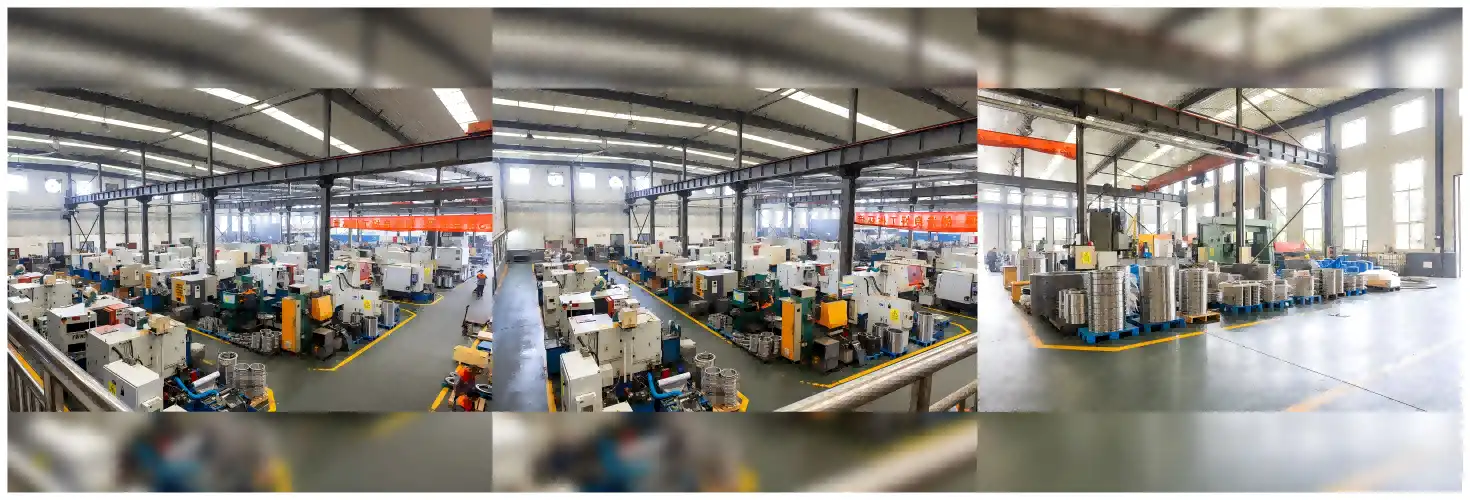
Buying things involves more than just technical details; it also involves ensuring a reliable supply chain and using logistics as efficiently as possible. China has a well-established industrial system that supports CRBS Crossed Roller Bearings. Over the past ten years, precision bearing production has grown a lot there. With ISO 9001 and IATF 16949 certifications, manufacturers like Luoyang Auto Bearing Co., Ltd. show quality management skills that are on par with those of well-known international suppliers.
Lead times for standard CRBS Crossed Roller Bearings configurations are usually between 4 and 6 weeks for first orders, but they get shorter for repeat purchases once the tools are set up. This is better than IKO bearings, which usually have lead times of 8 to 12 weeks when bought from foreign wholesalers. For CRBS Crossed Roller Bearings, the minimum order quantity is usually more open. Manufacturers can accept smaller initial orders (50–100 units) to allow testing and approval before committing to large purchases.
Another benefit of procurement is the ability to customize. Manufacturers of CRBS Crossed Roller Bearings often change the mounting measurements, sealing setups, and grease specs to fit the needs of a particular application. This engineering flexibility helps OEM product development processes more than rigid buying methods based on catalogs.
Cost Analysis and Value Proposition
Price setting changes a lot depending on the number of orders and the difficulty of the specifications. When bought in large quantities (500 or more units per year), standard CRBS Crossed Roller Bearings are usually 30–45% cheaper than equivalent IKO models. Cost differences in manufacturing, not lower quality, are to blame for this price difference. Modern Chinese bearing factories use the same production equipment and quality control methods as Japanese and European factories.
Total cost of ownership calculations need to take into account how often the service needs to be fixed and how long it lasts. Sealing CRBS Crossed Roller Bearings units allow for longer maintenance intervals of 12,000 hours, which greatly reduces downtime and labor costs. In a normal automated manufacturing line that works 16 hours a day, this means that maintenance needs to be done every 2.5 years instead of once a year. This is a huge cost savings that often explains the higher price at first compared to open bearing designs.
| Procurement Factor | CRBS Advantages | IKO Considerations |
|---|---|---|
| Unit Cost (volume) | 30-45% lower | Premium pricing |
| Lead Time | 4-6 weeks standard | 8-12 weeks typical |
| MOQ Flexibility | 50-100 units | 200+ units common |
| Customization | Readily available | Limited options |
| Maintenance Cost | Lower (12k hr intervals) | Higher (frequent service) |
Quality Assurance and Certification
Building trust with a supplier requires quality credentials that can be checked. CRBS Crossed Roller Bearings manufacturers with a good reputation keep their ISO 9001 quality management systems and IATF 16949 automotive quality certifications up to date. This shows that they keep an eye on the whole production process. These certifications are checked every year by third-party organizations that have been approved by the government. This makes sure that the manufacturing is always consistent.
Another quality sign is the ability to track down materials. For each production batch, certified providers give material test records that list the types of steel used, the results of the heat treatment, and the measurements that were taken. This amount of documentation meets the quality standards of regulated businesses like aircraft and medical products, which need to be able to track down parts.
Most warranties cover manufacturing flaws and early failures for 12 to 18 months from the date of delivery. Progressive manufacturers stretch warranties to 24 months when bearings work within certain limits. This shows that they are confident in the durability of the product.
Application Suitability and Use Cases
Industrial Robotics and Automation
Most of the time, CRBS Crossed Roller Bearings can be used instead of IKO types in robotic joints and rotating motors. The small design can handle complicated loading situations, like radial, axial, and moment loads all at the same time, with very little envelope space. The IP65 sealing is especially helpful for collaborative robots (cobots) that work in dusty industrial settings because it stops failures caused by contamination that could affect safety and precision.
In assembly lines for cars, robotic arms with sealed CRBS Crossed Roller Bearings keep their positions even when they are exposed to welding spatter, cutting fluid mist, and airborne particles. The longer maintenance periods mean that production stops less often, which directly improves metrics for overall equipment effectiveness (OEE) that are important for making manufacturing profitable.
Marine and Outdoor Equipment
For marine uses, you need both high corrosion resistance and precise performance. CRBS Crossed Roller Bearings deal with this difficult mix by having nitrided raceway surfaces and full sealing against saltwater entry. This makes the environment more stable, which is good for deck crane rotary joints, antenna positioning systems, and autonomous underwater vehicle (AUV) articulation mechanisms.
Pan-and-tilt systems for outdoor security cameras show another good use. These systems work in a wide range of temperatures and are exposed to rain, dust, and UV light. They need bearings that can keep moving smoothly and precisely for years without any upkeep being needed. Extreme weather can sometimes damage sealing systems, but the water-resistant grease that comes pre-filled in CRBS Crossed Roller Bearings units keeps things moving smoothly even when this happens.
Food Processing and Pharmaceutical Equipment
Food safety rules say that grease can't get into product lines, so processing machinery needs to have sealed bearings. CRBS Crossed Roller Bearings that can be filled with food-grade grease can handle direct contact with food while still maintaining the accuracy needed for packaging machines, filling machines, and conveyor systems. The chemical cleaners used in sanitization cycles don't work on the stainless steel outer shields, so the bearings last longer in these tough, hygiene-critical settings.
Pharmaceutical tablet press rotary tables also benefit from sealed bearings that don't let dirt in. The dust that is made when tablets are compressed would quickly wear down open bearing types, which could cause loss of precision and contaminate the product. Sealed CRBS Crossed Roller Bearing units keep the accuracy of spinning while stopping both contamination from coming in and lube from moving out.
Maintenance Best Practices
For bearings to last as long as possible, they need to be installed and used correctly. Keeping things clean during assembly is very important—even if the CRBS Crossed Roller Bearings are sealed, introducing dirt during installation can hurt their performance. Common installation mistakes can be avoided by keeping the work area clean, using the right tools, and controlling the pressure of the fasteners.
Temperature rise and smooth spinning should be tracked by operational tracking. Because of the friction between the seals, sealed bearings naturally run a little warmer than open ones. However, temperature rises of more than 15°C above ambient point to possible problems. Monitoring vibrations finds early signs of wear, which lets repair happen before a major problem occurs.
Based on normal working conditions, the 12,000-hour repair interval is just a suggestion. Applications that are very tough, like constant high-speed operation, extreme temperatures, or shock loads, may need to be inspected earlier. On the other hand, condition monitoring data could allow light-duty applications in clean environments to extend service intervals beyond what the manufacturer recommends.
Making the Decision: Can CRBS Replace IKO Bearings?
Critical Decision Criteria
When deciding between CRBS Crossed Roller Bearings and IKO bearings, you need to look at a number of important factors that are relevant to your application. The most important thing is precision. If your system needs ISO Class 4 or smaller tolerances all the time, you need to do a lot of tests. Both types of bearings are very accurate when the environment is clean, but protected CRBS Crossed Roller Bearings designs are better at keeping their accuracy over time when the environment is dirty.
Exposure to the environment has a big effect on the decision. Applications in safe, climate-controlled areas might not fully benefit from CRBS Crossed Roller Bearings sealing, which could make IKO bearings that aren't sealed cheaper. On the other hand, thorough sealing works best for outdoor equipment, washdown areas, and dusty industrial settings. When bearings fail too soon, they can cause downtime, need to be replaced right away, and could damage nearby parts. This often makes the initial investment in protected designs worthwhile.
The complexity of the load profile is also important. Both CRBS Crossed Roller Bearings and IKO crossed roller bearings can solve problems that ball or tapered roller bearings can't when moment loads are the most important factor and room constraints prevent larger bearings. Then, the choice is based on things like the surroundings and the cost of the purchase, not on differences in load ability.
When CRBS Offers Clear Advantages
It is clear that CRBS Crossed Roller Bearings selection is best in several situations. In petroleum plants in the Middle East, equipment has to deal with high temperatures, sand in the air, and chemicals that break down metals. Sealed CRBS Crossed Roller Bearings have been used for a long time and have been shown to be reliable. Sealing and coatings that prevent corrosion are two good ways to protect moving parts of marine equipment that are exposed to saltwater spray.
When food packaging equipment needs to be cleaned often, it needs bearings that can handle being exposed to hot water and cleaning chemicals over and over again without letting the lubricant get on the food. These needs are met directly by the stainless steel shields and food-grade grease options that come with CRBS Crossed Roller Bearing designs.
When overall ownership costs are properly calculated, CRBS Crossed Roller Bearings are good for uses that need to save money. Lower unit prices, longer service lives in harsh environments, and longer maintenance intervals often save 35 to 50 percent over the lifecycle of five years compared to more expensive options that need to be serviced more often.
Situations Favoring IKO Bearings
In some situations, choosing an IKO bearing may still be the best choice. Existing equipment that was made to IKO's exact measurements might need those exact bearings to keep it compatible with other brands. When replacing failed bearings in retrofit projects, drop-in replacements that exactly match the original dimensions are often needed. This could make other options less available.
For very precise tasks in measuring equipment or making semiconductors, certain bearing makers are sometimes required based on tested performance data. In these situations, switching suppliers requires a lot of requalification testing that might not be worth the cost savings. Regulatory approvals for medical devices or aerospace applications may list specific bearing part numbers. This makes it hard to make changes, even if it is technically possible.
If there is a lot of stock at a local distributor, projects with very short lead times might choose IKO bearings, even though new orders take longer to arrive. When there is an emergency substitute, it is sometimes more important to have something right away than to make the best long-term buying decisions.

Conclusion
In most commercial settings, CRBS Crossed Roller Bearings are a better choice than IKO types from both a scientific and financial point of view. Comprehensive environmental sealing, longer maintenance intervals, and reasonable price all work together to deliver measured value, especially in harsh working conditions where contamination could shorten the life of the bearings. With similar load capacities, precision levels that meet industry standards, and a variety of buying options, CRBS Crossed Roller Bearings help with both the development of new equipment and the optimization of existing systems. When making strategic sourcing decisions, you should look at technical specs along with environmental exposure, total ownership costs, and supply chain stability to make the best bearing choice for your needs.
FAQ
1. Are CRBS bearings dimensionally interchangeable with IKO models?
It is common for CRBS Crossed Roller Bearings to have standard dimensions that match IKO sizes. This is especially true for popular diameters between 50mm and 200mm. The built-in sealing structure adds only a small amount of axial height, usually between 2 and 4 mm, which most applications can handle without changing the housing. Before you decide to change something, make sure you check the exact measurements with the supplier. This is especially important in installations with limited room where even small differences can make a difference.
2. What certifications validate CRBS bearing quality?
Companies with a good reputation have ISO 9001 quality management certification and IATF 16949 automotive quality standards. Each batch of CRBS Crossed Roller Bearings comes with a material test report that lists the types of steel used, the results of the heat treatment, and the results of a dimension inspection. During the buying process, ask for proof of certification to make sure that the quality qualifications meet your company's needs.
3. How do lead times compare for volume orders?
Standard CRBS Crossed Roller Bearings setups ship in 4 to 6 weeks for first orders and in 2 to 3 weeks for repeat orders once the tools are set up. Custom specifications that need special sealing materials or changes to the size of the item add 6 to 8 weeks to the delivery time. Planning procurement cycles around these dates keeps production from being held up and makes the best use of inventory investment.
Partner With ATLYC for Precision Bearing Solutions
For years to come, the success of your tools and your bottom line will depend on which CRBS Crossed Roller Bearings supplier you choose. ATLYC is an expert at making high-precision CRBS Crossed Roller Bearings that meet world quality standards and offer great value. Our ISO 9001 and IATF 16949-certified plant supports OEMs and distributors in South Korea, the USA, Germany, and other places. It blends 15 years of experience making bearings with the latest production tools. Our engineering team is here to help you with any questions you have during the whole process of buying sealed bearings, whether you need standard ones or ones that are made just for your environment. Email our experts at auto@lyautobearing.com to talk about the needs of your application, ask for samples, or get full quotes. As a reliable CRBS Crossed Roller Bearings manufacturer, we're dedicated to giving you the precise parts your equipment needs and the supply reliability your operations need.
References
1. Harris, T.A. & Kotzalas, M.N. (2006). "Advanced Concepts of Bearing Technology: Rolling Bearing Analysis," Fifth Edition. CRC Press, Taylor & Francis Group.
2. ISO 5593:1984. "Rolling Bearings - Vocabulary." International Organization for Standardization, Geneva, Switzerland.
3. Wensing, J.A. (1998). "On the Dynamics of Ball Bearings." Ph.D. Thesis, University of Twente, Enschede, Netherlands.
4. Tallian, T.E. (1992). "Simplified Contact Fatigue Life Prediction Model - Part I: Review of Published Models." Journal of Tribology, Vol. 114, pp. 207-213.
5. Chmann, P., Hasbargen, L. & Weigand, K. (1985). "Ball and Roller Bearings: Theory, Design and Application," Second Edition. John Wiley & Sons, London.
6. Hamrock, B.J. & Dowson, D. (1981). "Ball Bearing Lubrication: The Elastohydrodynamics of Elliptical Contacts." John Wiley & Sons, New York.
Learn about our latest products and discounts through SMS or email