- English
- French
- German
- Portuguese
- Spanish
- Russian
- Japanese
- Korean
- Arabic
- Greek
- German
- Turkish
- Italian
- Danish
- Romanian
- Indonesian
- Czech
- Afrikaans
- Swedish
- Polish
- Basque
- Catalan
- Esperanto
- Hindi
- Lao
- Albanian
- Amharic
- Armenian
- Azerbaijani
- Belarusian
- Bengali
- Bosnian
- Bulgarian
- Cebuano
- Chichewa
- Corsican
- Croatian
- Dutch
- Estonian
- Filipino
- Finnish
- Frisian
- Galician
- Georgian
- Gujarati
- Haitian
- Hausa
- Hawaiian
- Hebrew
- Hmong
- Hungarian
- Icelandic
- Igbo
- Javanese
- Kannada
- Kazakh
- Khmer
- Kurdish
- Kyrgyz
- Latin
- Latvian
- Lithuanian
- Luxembou..
- Macedonian
- Malagasy
- Malay
- Malayalam
- Maltese
- Maori
- Marathi
- Mongolian
- Burmese
- Nepali
- Norwegian
- Pashto
- Persian
- Punjabi
- Serbian
- Sesotho
- Sinhala
- Slovak
- Slovenian
- Somali
- Samoan
- Scots Gaelic
- Shona
- Sindhi
- Sundanese
- Swahili
- Tajik
- Tamil
- Telugu
- Thai
- Ukrainian
- Urdu
- Uzbek
- Vietnamese
- Welsh
- Xhosa
- Yiddish
- Yoruba
- Zulu
How to Properly Install XU100140UU Precision Cross Roller Bearing?
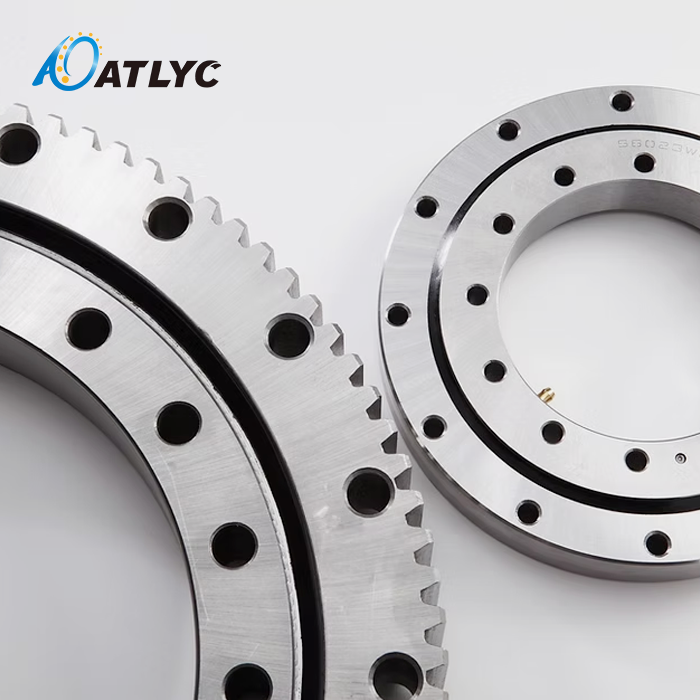
It is very important to put the XU100140UU Precision Cross Roller Bearing correctly so that the machine works at its best, parts last longer, and there is little downtime. This integrated Cross Roller Bearing has cylinder-shaped rollers set at right angles within V-groove raceways. It needs to be installed correctly in order to handle all of its weight. The small size (100mm in diameter, 140mm in diameter, and 20mm in width) lets you put the face directly through holes that have already been made. This means that you don't have to make complicated housings, and the device stays very rigid and rotates accurately in tough industrial settings.
Introduction
The right way to install precision Cross Roller Bearings has a direct effect on how well products are made, how long the equipment lasts, and how reliably they work in high-value industrial settings. This detailed guide explains how to install the XU100140UU model and gives procurement managers, maintenance engineers, and OEM expert teams step-by-step instructions on how to get the best performance from the bearings.
We made this resource because we saw that mid- to large-sized automakers and makers of industrial equipment were having trouble finding stable, high-precision bearing solutions over and over again. When attaching parts incorrectly, they often wear out faster, shake more, and break down without warning, which delays production and raises upkeep costs. Technical teams can make sure their Cross Roller Bearing installations meet ISO 9001 and IATF 16949 quality standards by using these tried-and-true installation methods. This will also give your operations the low failure rate and long service life they need.
Luoyang Auto Bearing has been making things for 15 years and has customers in South Korea, the US, Germany, Russia, Iran, and Turkey. In that time, we've learned that fitting quality is just as important as producing precision. This guide combines best practices that have been tried and tested in the field with technical principles to help you protect your bearing investment from the moment it is installed.
Understanding XU100140UU Precision Cross Roller Bearing
Design Architecture and Operating Principles
The XU100140UU Precision Cross Roller Bearing is a cutting-edge technical marvel that saves room and can hold a huge amount of weight. In contrast to regular ball bearings, which make point contact, this Cross Roller Bearing design uses circular rollers that are placed perpendicular to each other. This makes line contact with V-shaped raceways. Compared to angular contact ball bearings, this basic difference makes the structure 3–4 times stiffer.
The combined inner and outer ring design gets rid of the structural flaws that come with split-ring designs. These solid rings are made from high-carbon chromium-bearing steel (GCr15 or GCr15SiMn) and are heat-treated to an HRC 60–64 hardness. They stay the same size even when they are heated up and strained mechanically. The "UU" label means that there are two synthetic rubber seals that keep the factory-applied oil in place and protect the internal parts from dirt and other debris.
Spacer blocks between neighboring rollers keep metal from touching metal and keep the rollers from skewing while they're turning. This isolation device keeps the torque levels constant and gets rid of the friction spikes that make setting less accurate in high-precision motion control systems. The final assembly can handle axial thrust, bending moments, radial loads, and reverse-radial loads all at the same time in a single, small unit.
Technical Specifications Driving Application Selection
The 100mm bore diameter and 140mm outer diameter of XU100140UU Precision Cross Roller Bearing make up its physical size. The 20mm width can handle large rotational loads without making the machine envelope bigger. Pre-machined mounting holes, which are usually countersunk or threaded, allow direct bolting to matching surfaces. This cuts down on assembly time and gets rid of the combined tolerances that come with using different housing components.
Precision grades from P6 (normal) to P2 (ultra-precision) let you choose the right one for your needs based on the accuracy needed for turning. P5 and P4 grades are often used in industrial robots and CNC rotation tables where runout needs to stay within micrometer limits. Roller contact surfaces have a low friction coefficient, which makes spinning smooth even when the load is high. This means that less drive motor power is needed and less heat is produced.
Critical Applications in High-Precision Industries
Manufacturers of industrial robots use these Cross Roller Bearings in joint systems where small size and the ability to handle moment loads are important. Six-axis flexible robots have strong twisting forces at their waist and elbow joints when they speed up quickly. To use traditional bearing setups, you would need more than one part and a bigger joint width. This would add inertia, which slows down cycle times and makes positioning less accurate.
The CT scanner carriage and X-ray alignment tables depend on these bearings for their precise medical imaging devices. The hermetic covering keeps the grease from moving into clean areas and keeps disinfectant chemicals from getting into the bearings. Smooth, vibration-free movement makes sure that the image quality is free of artifacts, which is important for accurate diagnosis.
Bearings for machining center rotary tables need to be able to handle cutting forces, tool chatter vibration, and heat expansion without affecting the accuracy of the tracking. By getting rid of visible fastening flanges, the combined mounting design makes the most of the worktable's surface area. This space-saving feature is especially useful for multi-axis cutting, where the size of the workpiece gets close to the machine's working area.
Preparing for Installation: Essential Pre-Checks and Tools
Comprehensive Pre-Installation Inspection Protocol
Before you start the fitting process, look over the Cross Roller Bearing and all of its mating areas very carefully. Using the right lighting and magnification, check the raceways for grinding burns, surface cracks, or contamination. Under operational loads, even very small flaws can grow into catastrophic breakdowns. Make sure that the protective seals are still in place and that they are properly set in their holes.
Use precise straightedges and feeler gauges to check how flat the fixing surface is. Surface variations greater than 0.01 mm per 100 mm can cause the load to be spread unevenly across the bearing cross-section, which leads to stress clusters that speed up wear. Use coordinate measuring tools or precise layout tools to compare the places of mounting holes on models to measurements. Positional mistakes cause fitting stress when the nuts are tightened.
Confirm that the lubricant that was applied at the plant stays spread out properly and doesn't show any signs of separation or contamination. Cross Roller Bearings usually come with NLGI Grade 2 grease that is based on lithium and is good for moderate-speed use. If the seal was stored for more than twelve months or the climate made it less reliable, check the manufacturer's instructions to see if it needs to be re-oiled before fitting.
Required Installation Tooling and Equipment
For installation to go smoothly, you need special tools that keep the bearings, XU100140UU Precision Cross Roller Bearing, from getting damaged and make sure they fit right. To keep rings from deforming from too much torque or not enough clamping force, torque wrenches that are set to the manufacturer's values control the steps of bolt tightening. Digital torque tools that can log data are used to keep records for quality control systems.
After installation, dial indicators or magnetic probe measurement tools check the runout of the bearings. Place the probe straight down on the bearing track and attach the indicator base to a stable surface. Turn the shaft several times while keeping track of the largest variation. Overly large runout values mean that the part is not aligned correctly or there are problems on the mounting area that need to be fixed.
Precision alignment tools keep things level during the assembly process. Soft-faced mallets or hydraulic press tools spread the mounting forces evenly around the bearings' circumferences. This keeps stress from building up in one area, which could crack the raceways or bend the rings. Before the final assembly, clean, lint-free wipes and approved solvent cleaners get rid of handle residue and external contaminants.
Optimal Environmental Conditions
Keep the temperature of the work area between 15°C and 25°C to reduce the effects of thermal expansion on measurement accuracy and component fit. When there are differences in temperature between the bearing parts and the mounting surfaces, interference can happen. This interference goes away when the temperatures equalize, but it can cause loose fits and pitting rust.
Keep the relative humidity below 60% to keep precision-ground surfaces from condensing. When moisture gets into something, it starts to rust, which moves under protective layers and finally wears away the surface. When there is no dust in the work area, gritty particles can't get between surfaces that are joining, where they act as lapping compounds that speed up wear.
Step-by-Step Installation Guide for XU100140UU Bearing
Mounting Surface Preparation and Alignment
First, use lint-free cloths wet with isopropyl alcohol or an approved bearing cleaner to clean all the mounting areas very well. To keep pollution to a minimum, take off any protective coats from precision-ground surfaces right before installing them. Put a thin layer of clean bearing grease on the mounting faces to make them easier to place and stop rust from starting while the parts are being put together.
Place the Cross Roller Bearing on the mounting surface so that the pre-drilled holes line up with the bolt holes on the matching part. If they're there, insert alignment pins or dowels to keep things straight while the bolts are being installed. This step is especially important when mounting the bearing to a high surface, since gravity can throw it out of place before the nuts are tightened.
Hand-tighten mounting bolts until they are finger-tight, making sure that the threads connect smoothly and don't get stuck. Cross-threading causes stress to build up and stops the setup numbers from being met. Check to see if the bolt has any thread damage, is the wrong length, or doesn't meet the grade requirements. The mechanical qualities of the fastener have a direct effect on the strength of the joint and how the stress is distributed across the bearing face.
Bolt Tightening Sequence and Torque Application
Tighten the fixing bolts in a star design so that the clamping forces are spread out evenly around the bearing's circle. When you try to fully torque one bolt before connecting the others, the ring distorts, which increases the internal gaps and makes the load zones uneven. The star design makes sure that each bolt gets the required pressure in small steps, while keeping the surfaces flat and straight.
Apply force in three steps: 30% of the specified value, 70% of the specified value, and the final stated value. This graduated method lets the material rest and the stress be spread out more evenly between rounds of tightening. Stop in between steps to make sure there aren't any gaps that can be seen between the bearing face and the mounting surface. These gaps could be signs of contamination or surface flaws.
Look up the torque specs from the maker based on the size of the bolt, the grade of the material, and the length of the thread contact. For steel-to-steel links with dry threads, most M6 fastening bolts need 8–10 N⋅m. Too much force bends the bearing rings and puts too much stress on the bearing, which makes it rub against other things and heat up. Not enough force lets the surfaces fret against each other, which creates wear debris and makes the joint weak.
Post-Installation Verification Procedures
Once the bolts are tightened all the way, use dial indicators against the inner ring to measure the bearing's runout at several points around its circumference. Total suggested runout shouldn't be more than what's written in the bearing's paperwork, which is usually between 5 and 10 micrometers for P5 precision grade. As a result of excessive runout, there may be imbalance, mounting surface irregularities, or bearing flaws that need to be looked into before the equipment can be put into service.
Do a few full rotations of the bearing by hand, paying attention to the resistance and any binding, roughness, or unusual torque patterns. When placed correctly, Cross Roller Bearings allow for smooth, steady movement with little change over a full 360 degrees. Sudden changes in resistance could mean that the part is dirty, not properly oiled, or damaged inside.
Make sure that the fixing bolt heads or nuts can still be reached for future repair and that there is enough space between components so that they can move freely. In maintenance notes, write down the installation torque values, runout readings, and any changes from the normal way of doing things. This paperwork backs up guarantee claims and gives condition tracking programs a starting point for their data.
Maintenance Tips Post-Installation for Longevity
Scheduled Inspection and Lubrication Protocols
Set up plans for regular maintenance that take into account working conditions, job cycles, and the surroundings. Light-duty uses that rotate all the time and don't expose the part to much pollution usually need to be inspected every six months. Heavy-duty industrial settings with shock loads, high temperatures, or rough contaminants need to be checked every three months or once a month.
During the first few hours of operation, use infrared thermometers or integrated temperature monitors to keep an eye on the bearing temperature. Abnormal heat production means there are problems with imbalance, too much preload, or not enough lubricant. When operating temperatures are regularly higher than 70°C, lubricants break down faster and wear mechanisms start to work, which shortens the life of Cross Roller Bearings.
Sealed Cross Roller Bearings come already oiled so they can be used for a long time in standard circumstances. In extreme situations, extra greasing through grease joints may be helpful if they are available. Only use oils that the maker recommends and that are safe for the seals' materials and temperature ranges. Using greases that don't work well together can damage seals and make them dirty, which takes away their defensive benefits.
Wear Detection and Failure Prevention
Using accelerometers placed near bearings for vibration research can find developing flaws before they cause a catastrophic failure. During commissioning, set standard vibration signatures and then watch for frequency peaks that could mean a roller flaw, raceway spalling, or cage wear. Trending analysis finds patterns of slow wear and tear that allow replacement to be planned for regular repair windows.
During regular checks, listen for changes in the way the bearings work. Grinding, clicking, or noises that come and go could mean that there is dirt, not enough oil, or damage is happening to the surface. When compared to "run-to-failure" methods, immediate analysis stops harm to nearby parts and lowers the cost of repairs.
Every year, use measured tools to check the torque of the mounting bolts to make sure that shaking and temperature cycles haven't loosened the screws. If the relaxation goes beyond 10% of the original numbers, re-torque to the standard. Repeated loosening means that the bolts are not properly seated, the wrong fasteners were chosen, or there are problems with the fastening surface that need to be looked at by an expert.
Replacement Indicators and Upgrade Considerations
If the vibration levels get too high, the working temperatures keep going up, or the rotational force changes a lot, you should replace the Cross Roller Bearings. If you keep using the machine after these warning signs show up, it could fail in a very bad way, like completely seizing up, the ring breaking, or the rollers flying out of the track and becoming projectiles.
When you need to replace something, make sure you only buy from OEM-certified sources to make sure the dimensions, material standards, and precision grades are the same as the original equipment. Many fake bearings don't follow the right steps for heat treatment, don't meet the right size requirements, or don't have good seals. This causes them to fail early, which delays production and damages expensive machinery.
Comparing XU100140UU with Other Precision Bearings for Informed Purchasing
Performance Characteristics Versus Alternative Designs
Cross Roller Bearings are stiffer and can handle loads going in more than one way than angular contact ball bearing pairs or four-point contact bearings with the same envelope dimensions. Roller elements have line contact that spreads loads over a larger surface area. This lowers contact stress and increases wear life under the same loading conditions.
To handle moment loads, single-row ball bearings need to be put together in a combination of ways, which makes the assembly more complicated and increases the total tolerances. The XU100140UU Precision Cross Roller Bearing gets rid of this problem by controlling all load vectors in a single part. This cuts down on the number of parts needed, failure spots, and stocking needs. When there are fewer parts that need to be tracked down and replaced, maintenance tasks become easier.
Tapered roller bearings can hold a lot of weight, but they need to be precisely adjusted for loading and have more complicated housing designs. Cross Roller Bearing designs don't need separate housing parts because they have fastening holes built in. This cuts down on manufacturing costs and assembly time. In robotics, where lowering weight directly speeds up cycle times and uses less energy, this benefit is especially useful.
Supplier Qualification and Sourcing Strategies
Give more weight to bearing makers that have ISO 9001 and IATF 16949 certifications, which show they are committed to quality management systems and the standards of the car industry. These certifications show that there are set process controls, programs for continuous improvement, and ways to track materials that lower the number of defects and make sure that the quality of each output lot is the same.
When choosing long-term supply partners, look at how much they can make and how well they can help with technology issues. Suppliers who run various production sites with extra tools make the supply chain more resistant to problems. Having engineering help for customizing for specific applications, analyzing load, and looking into failures adds value that goes beyond just looking at price.
Ask for material certificates that list the types of steel used, the conditions for heat treatment, and the results of dimensional inspections. Instead of depending only on marketing claims, reputable makers back up their quality claims with a lot of evidence. This openness makes it possible to compare rival suppliers smartly and holds them responsible for how well their products work.
Bulk Purchasing Advantages and Logistics Considerations
By negotiating framework deals for expected yearly volumes, you can get better prices and make sure that production capacity is allocated when demand goes up. With volume promises, suppliers can make the best use of their production plans, which cuts down on wait times and makes deliveries more reliable. Structured contracts with clear quality standards, delivery terms, and expert help clauses protect the money spent on purchase.
Schedule deliveries around production planning to keep inventory costs as low as possible while still keeping enough on hand in case of unscheduled repair needs. Just-in-time delivery plans cut down on the amount of building room needed and the amount of money that is stuck in stockpiling parts. Consignment inventory plans change when ownership changes hands while still making sure parts are available.

Conclusion
When the XU100140UU Precision Cross Roller Bearing is installed correctly, it sets the stage for reliable, long-term machine performance in tough industrial settings. The sealed construction, pre-drilled mounting setup, and combined ring design make installation easier while providing high load capacity and rotational accuracy in small spaces. By following organized preparation, alignment, and verification processes, you can be sure that your bearing installations will work as planned and last as long as possible. Working with ISO-certified companies that are dedicated to quality management systems and technical support gives you the supply chain efficiency you need to keep up with production plans and keep maintenance costs low across your entire business.
FAQ
1. What specialized tools are necessary for XU100140UU installation?
Calibrated torque tools make sure that bolts are tightened to the right levels, which keeps bearing rings from deforming. Dial Indicators check the runout limits to make sure the part is in the right place. Precision cleaning materials get rid of dirt and grime without adding rough particles. Soft-faced installation tools spread the force of the fixing without hurting surfaces that have been precisely ground.
2. How often should I inspect Cross Roller Bearings after installation?
For light-duty ongoing use, inspections should be done every six months. Heavy-duty workplace settings that are exposed to shock loads or contamination need to be evaluated every three months. During the initial setup, keep an eye on the temperature and vibration to set standard performance signatures for condition-based maintenance plans.
3. What symptoms indicate immediate bearing replacement?
Long-term temperature rises above standard working ranges are a sign of either poor lubrication or too much loading. Increasing sound amplitudes or new frequency components are signs of flaws that are starting to show up. Grinding, clicking, or changing rotational torque sounds are signs of pollution or surface damage that need to be looked into right away to avoid a catastrophic failure.
Partner with ATLYC for Reliable Cross-Roller Bearing Solutions
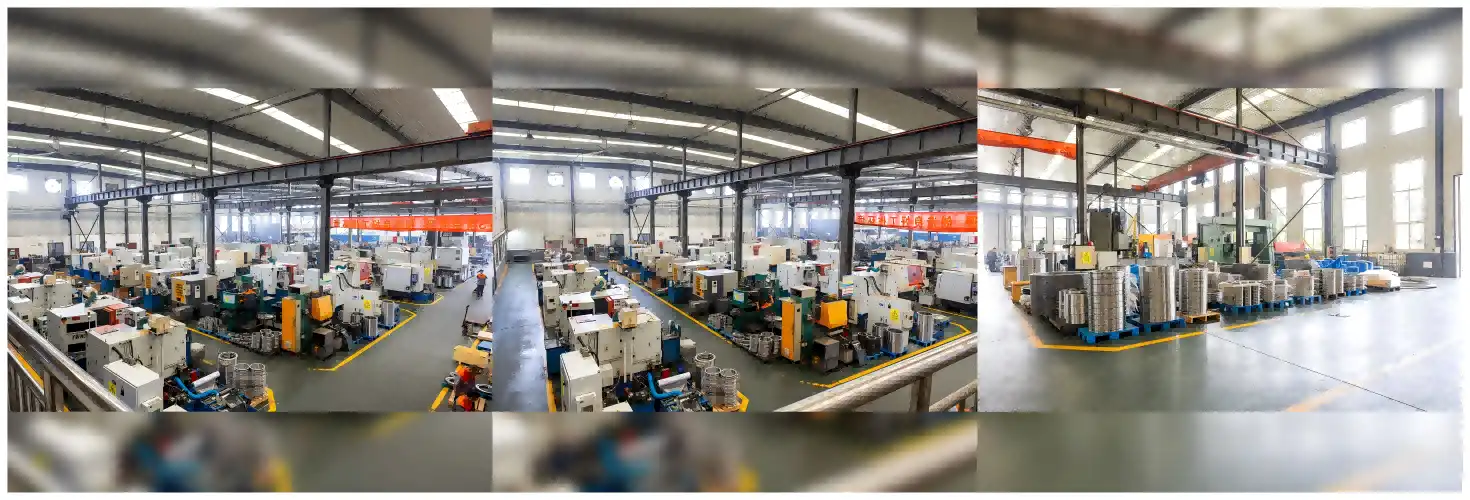
ATLYC's Luoyang Auto Bearing factory gives your buying team 15 years of experience making fine bearings. Our ISO 9001 and IATF 16949-certified production methods make sure that every Cross Roller Bearing meets the high-quality standards that automakers and makers of industrial equipment around the world expect. We keep our supply capacity steady with the help of six specialized production workshops filled by 120 professionals who are dedicated to making precision products to the highest standards.
We are a well-known company that supplies XU100140UU Precision Cross Roller Bearings to customers in South Korea, the US, Germany, Russia, Iran, and Turkey. We know how important it is to have on-time deliveries and helpful expert support. Our engineering team gives you advice based on the application, helping you choose the best bearing configurations and making sure that the right fitting steps are taken to extend the life of the parts.
Email our technical sales specialists at auto@lyautobearing.com to talk about your unique bearing needs, get more information, or get bulk prices for jobs you have coming up. We provide detailed brochures that include all of our bearing products, as well as dimensional information and load capacity tables to help you make smart purchasing choices. Our main business goal is still to build long-term relationships with makers who value steady quality and flexible production capacity.
References
1. Harris, T.A., & Kotzalas, M.N. (2006). Advanced Concepts of Bearing Technology: Rolling Bearing Analysis (5th ed.). CRC Press.
2. ISO 492:2014. Rolling bearings — Radial bearings — Geometrical product specifications (GPS) and tolerance values. International Organization for Standardization.
3. Weck, M., & Brecher, C. (2006). Werkzeugmaschinen 2: Konstruktion und Berechnung [Machine Tools 2: Design and Calculation]. Springer-Verlag.
4. Eschmann, P., Hasbargen, L., & Weigand, K. (1985). Ball and Roller Bearings: Theory, Design and Application (2nd ed.). John Wiley & Sons.
5. ANSI/ABMA Standard 12.1-2016. Instrument Ball Bearings — Metric Design. American Bearing Manufacturers Association.
6. Guangxu, C., & Zhaocheng, W. (2018). Precision Design and Assembly Technology for Cross Roller Bearings in Industrial Robots. Journal of Mechanical Engineering Science, 232(8), 1456-1468.
Learn about our latest products and discounts through SMS or email