- English
- French
- German
- Portuguese
- Spanish
- Russian
- Japanese
- Korean
- Arabic
- Greek
- German
- Turkish
- Italian
- Danish
- Romanian
- Indonesian
- Czech
- Afrikaans
- Swedish
- Polish
- Basque
- Catalan
- Esperanto
- Hindi
- Lao
- Albanian
- Amharic
- Armenian
- Azerbaijani
- Belarusian
- Bengali
- Bosnian
- Bulgarian
- Cebuano
- Chichewa
- Corsican
- Croatian
- Dutch
- Estonian
- Filipino
- Finnish
- Frisian
- Galician
- Georgian
- Gujarati
- Haitian
- Hausa
- Hawaiian
- Hebrew
- Hmong
- Hungarian
- Icelandic
- Igbo
- Javanese
- Kannada
- Kazakh
- Khmer
- Kurdish
- Kyrgyz
- Latin
- Latvian
- Lithuanian
- Luxembou..
- Macedonian
- Malagasy
- Malay
- Malayalam
- Maltese
- Maori
- Marathi
- Mongolian
- Burmese
- Nepali
- Norwegian
- Pashto
- Persian
- Punjabi
- Serbian
- Sesotho
- Sinhala
- Slovak
- Slovenian
- Somali
- Samoan
- Scots Gaelic
- Shona
- Sindhi
- Sundanese
- Swahili
- Tajik
- Tamil
- Telugu
- Thai
- Ukrainian
- Urdu
- Uzbek
- Vietnamese
- Welsh
- Xhosa
- Yiddish
- Yoruba
- Zulu
How to Select RE3010UUCC0 Crossed Roller Bearings?
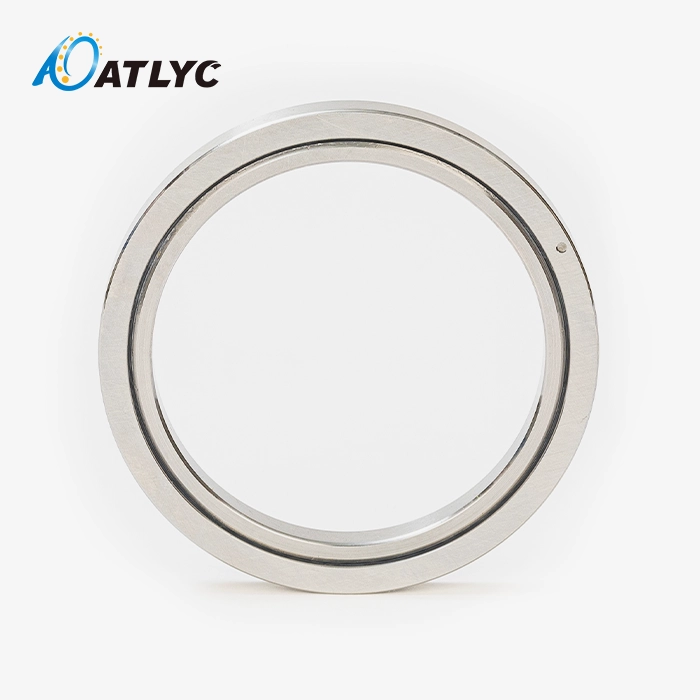
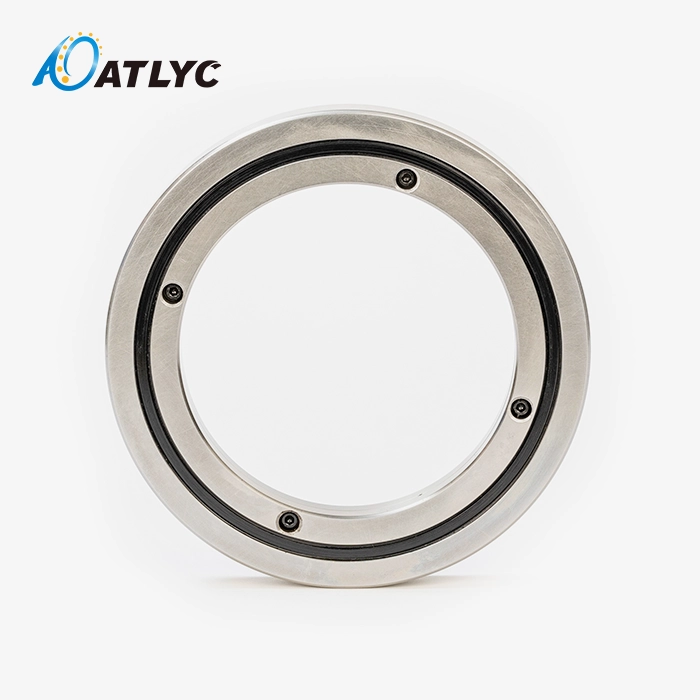
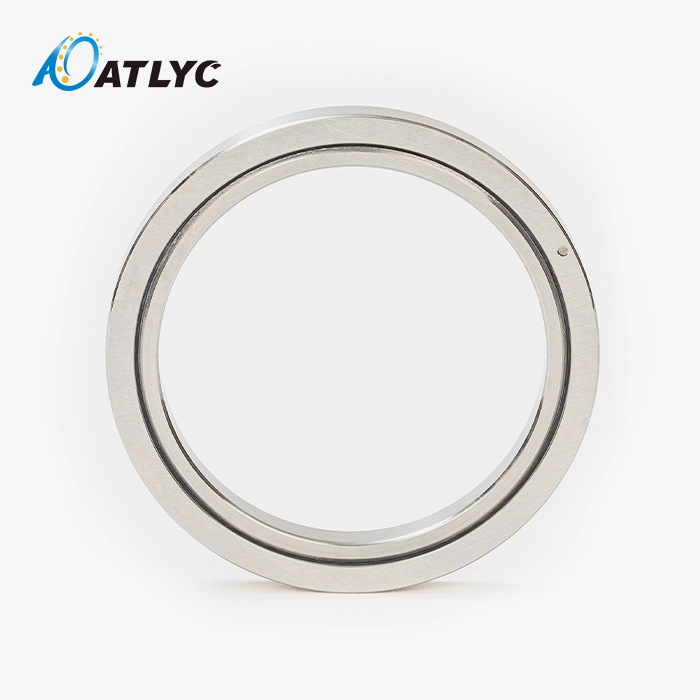
Selecting RE3010UUCC0 Crossed Roller Bearings demands a systematic evaluation of load requirements, dimensional constraints, and precision tolerances tailored to your specific application. This compact bearing, measuring 30mm inner diameter by 55mm outer diameter by 10mm width, utilizes an orthogonal roller arrangement that simultaneously handles radial, axial, and moment loads. Procurement managers should prioritize suppliers with ISO 9001 and IATF 16949 certifications, verify material specifications (Gcr15 or Gcr15SiMn), and confirm accuracy grades from P6 to P2 based on your operational demands. Understanding these technical parameters alongside commercial considerations like minimum order quantities, lead times, and after-sales support establishes the foundation for confident purchasing decisions in high-precision industrial environments.
Understanding RE3010UUCC0 Crossed Roller Bearings
Core Design Architecture
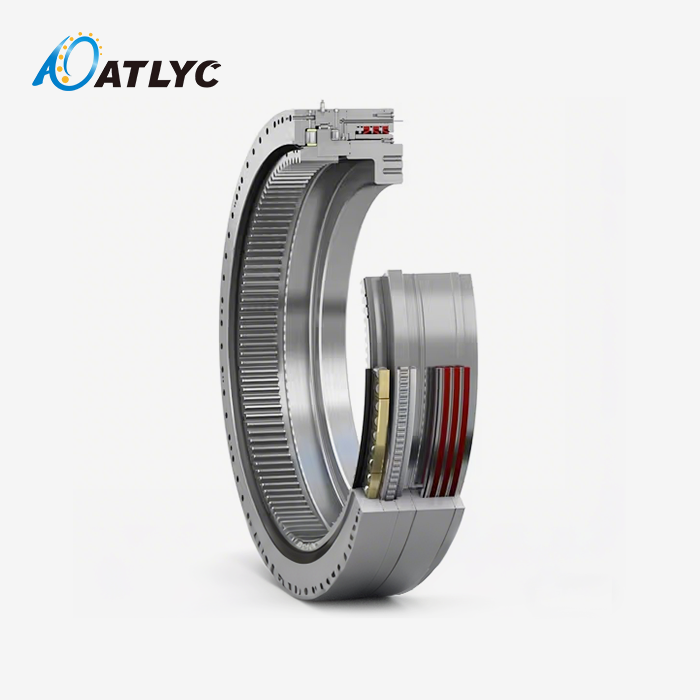
The RE3010UUCC0 Crossed Roller Bearings are a special type of bearing that has an outer ring that is one piece and an inner ring that is split. Precision-ground V-groove raceways hold cylindrical rollers that rotate at 90-degree angles. This makes an orthogonal arrangement that sets these parts apart from regular ball bearings or tapered roller designs. This stepped pattern lets one bearing handle radial loads that are perpendicular to the shaft, axial loads that are parallel to the shaft axis, and moment loads that are caused by applying force off-center at the same time.
Technical Specifications
The bearing can only be used for precise tasks if its dimensions are accurate. The important measures for the RE3010UUCC0 type are shown in the table below:
| Details given | Value | Range of Tolerance |
|---|---|---|
| Inside Diameter | 30 mm | -0.005 mm to -0.012 mm |
| Outside Size | 55 mm | +0.005mm to +0.012mm |
| Width | 10mm | ±0.05mm |
| Rating for Dynamic Load | 7,200N | - |
| Rating for Static Load | 12,500N | - |
Precision grades, from P6 (least precise) to P0, P5, P4, and finally P2 (most precise), show how much runout the bearing can handle and how smooth the surface is. To keep micrometer-level positioning accuracy, medical imaging equipment and semiconductor chip positioning stages usually need P4 or P2 grades. On the other hand, P5 grade components are usually enough for industrial robotic joints to work well. This graduated classification system lets procurement teams get the best value for money by choosing precision levels that match the needs of the application rather than specifying too tight of tolerances.
Load Handling Capabilities
When compared to point-contact bearing systems, the orthogonal roller arrangement is much more rigid. When rollers and raceways touch in a straight line, the forces are spread out over a bigger area. This reduces stress concentrations that speed up material wear. In many situations, a single RE3010UUCC0 bearing can be used instead of a pair of angular contact bearings or two sets of duplex ball bearings. This makes assembly easier and lowers the overall weight of the system.
Criteria for Selecting the Right RE3010UUCC0 Bearing for Your Application
Load Analysis and Environmental Conditions
Comprehensive load characterization is the first step in choosing the right RE3010UUCC0 Crossed Roller Bearings. Find the largest radial forces acting perpendicular to the shaft's midline, the largest axial forces acting parallel to the spinning axis, and the largest moment loads that come from uneven weight distribution or applying torque from outside the machine. It is important to compare these numbers to the bearing's rated dynamic load capacity (for spinning uses) and static load capacity (for positioning tables that index occasionally). Between 1.5 and 2.0 safety factors are good for protecting against unexpected overloads without going too far with over-engineering.
Operating speed has a big effect on how long bearings last and how much oil they need. In most cases, the RE3010UUCC0 type can handle rotational speeds between 50 and 800 RPM, but the exact limits rely on how the bearings are oiled and how the heat is removed. Higher speeds cause more friction heating, which speeds up the breakdown of the lube and changes in size caused by thermal expansion. In continuous-duty applications, temperature monitoring systems help keep temperatures from going too high.
Dimensional Integration Requirements
As much as load ratings affect the choice of bearing, mounting arrangements also play a big role. The split inner ring design makes it easier to put around existing shafts without taking apart all the parts that are close by. This cuts down on maintenance downtime during replacement operations. Check that the housing hole tolerances match the recommended fits for the integral outer ring. Usually, a H7 tolerance class will ensure proper support without too much friction that could bend the raceways.
Tolerances for shaft width need the same amount of care. When the split inner ring clamps onto the shaft using bolted flanges or hydraulic expansion sleeves, it needs to be perfectly round and have a smooth surface finish so that it doesn't move slightly while it's working. Shaft shoulders or retaining rings give the bearing its axial location and transfer thrust loads to the inner ring assembly of the bearing. If the shoulder design isn't right, it can lead to cantilever conditions that overload the roller end faces and speed up the wear patterns.
Cost-Performance Optimization
Due to limited funds, it is necessary to balance the initial costs of acquisition with the total costs of ownership. Precision-ground P2 accuracy grade bearings are more expensive, but their long life and high level of positioning accuracy lower long-term replacement costs and keep high-value industrial processes running smoothly. Industrial uses with less strict accuracy standards, on the other hand, can get good performance at a lower cost by using P5 or P0 grade components.
Minimum order quantities have different effects on small prototype projects compared to high-volume production. Well-known companies like ATLYC can handle a range of order sizes by providing flexible MOQ terms that allow for both testing during development and large-scale rollout. Lead time factors balance the costs of keeping inventory with the needs of the output plan. Standard versions usually ship within two to three weeks. Custom specs that need special materials or changes to the seal take six to eight weeks longer to deliver.
The table below shows how key decision factors compare in popular use cases:
| Type of Application | Suggestions for Accuracy | Normal Range of Speeds | Priority of Load | Thoughts on the Environment |
|---|---|---|---|---|
| Imaging for Medicine | P4 or P2 | 10 to 100 RPM | Moment loads | Clean space, sensitive to vibrations |
| CNC Table with Wheels | P5 or P4 | 50 to 300 RPM | Radial and Axial | Coolant exposure and protection from debris |
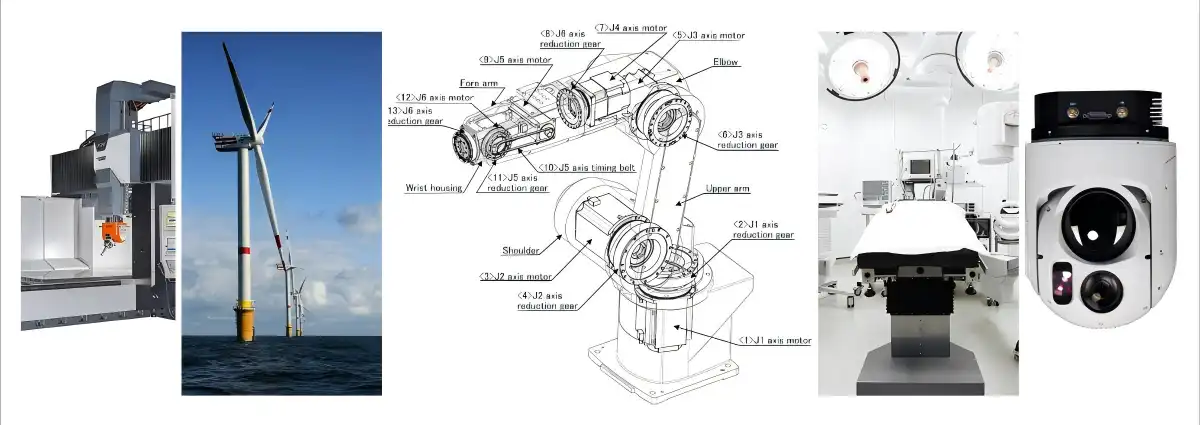
| Joint of Robot | P5 | 100 to 500 RPM | Moment of change | Small size and reducing weight |
| Instrument for Measuring | P2 | <50 RPM | Precision in static | Needs temperature stability |
Installation, Maintenance, and Performance Optimization of RE3010UUCC0 Bearings
Proper Installation Procedures
Thorough cleaning rules are the first step to a successful RE3010UUCC0 Crossed Roller Bearings installation. To keep particles from getting into precision-ground raceways, handle parts with lint-free gloves in dust-controlled areas. Check the fastening surfaces for any burrs, nicks, or corrosion that could cause stress clusters or stop the parts from fitting properly. Instead of files, which leave horizontal scratches, use a fine, gritty cloth to get rid of surface flaws.
The split inner ring design makes mounting the shaft easier, but it's important to make sure that the clamping force is applied evenly. Instead of tightening nearby fasteners one at a time, torque-retaining bolts are arranged in a star design and move through multiple steps of tightening. This method stops the ring from distorting, which leads to random roller loads and wear patterns that happen too soon. Using dial indicators, check that the clamping surfaces are perpendicular to the shaft centerline and that the alignment stays within 0.02mm of the total indicated runout.
Lubrication Management
The service life of a bearing is directly related to how well it is oiled. Lithium-based greases with a base oil viscosity of 68 to 100 work well in most industry settings where the temperature is normal. Synthetic ester or PAO-based lubricants work better in high-speed applications because they stay stable in viscosity over a wider temperature range and cause less friction heating. The amount of lubrication is just as important as the type of lube used. Too much grease packing leads to spinning losses and higher temperatures, while rolling contact surfaces that don't have enough lubrication suffer.
When to re-oil depends on how the machine is being used, not just on a calendar. For continuous-duty uses that run 16 hours or more a day, the grease needs to be replaced every 2,000 to 3,000 hours of use. On the other hand, for intermittent scanning tables with short motion cycles, the time between replacements is 6,000 to 8,000 hours. Use infrared thermography or integrated RTD sensors to keep an eye on the working temperatures of the bearings. Temperature rises of more than 10°C above standard readings are signs of lubricant breakdown, contamination, or new wear conditions that need to be looked into.
Condition Monitoring Strategies
Preventative maintenance programs find worn-out bearings before they break in a way that stops production. Using accelerometers placed near bearing housings for vibration research shows emerging flaws through unique frequency patterns. Roller surface spalling sends out impulses at regular times that depend on the speed of the shaft and the shape of the bearing. This lets trained analysts find signs of early failure weeks before noise or changes in temperature become noticeable.
Acoustic emission tracking is a different way to find things, and it works best for slow-moving situations where sound signal amplitudes stay low. Microcracks send out high-frequency stress waves that go through housing structures and reach surface-mounted sensors that filter out background noise and pick out events that are specific to the bearing. This method lets you check the condition of precision positioning stages and indexing tables that work at speeds below 50 RPM, where regular vibration analysis doesn't work as well.
Comparing RE3010UUCC0 Bearings with Other Market Options
Crossed Roller Bearing Variants
Different RE3010UUCC0 Crossed Roller Bearing models meet the needs of different applications by having different structures. RA-series bearings have split outer rings instead of split inner rings. This makes them easier to remove without taking the shaft apart in situations where rotating the outer ring is better. RB-series designs have built-in bearing rings that work well in situations where maximum rigidity and minimum runout are more important than the ability to take the part apart.
The RE-series, which includes our RE3010UUCC0 model, improves the accuracy of the outer ring's movement by building the outer ring into the main body. This arrangement works best for turret-mounted equipment and medical imaging gantries, where the outer ring controls the movement of the system. The split inner ring makes it easy to place the shaft and keeps the precise concentricity that is needed to reduce friction and get smooth motion profiles.
Angular Contact and Four-Point Contact Alternatives
When you need to handle mostly axial loads and only a small amount of moment loads, angular contact ball bearings are a cheaper option. Paired arrangements that are mounted back-to-back or face-to-face offer bidirectional axial capacity, but they need bigger envelope dimensions than crossed roller designs to achieve the same moment stiffness. When balls and raceways touch at a point, they create more stress, which lowers the load capacity compared to the size of the bearing.
When compared to paired angular contact setups, four-point contact ball bearings are easier to put together because they can handle both radial and axial loads in a single row. These designs work well for tasks that don't need a lot of room or high precision, but they aren't as accurate when rotating and aren't as hard as crossed roller designs. Four-point contact bearings are better for projects with limited funds because they are cheaper and the performance trade-offs are reasonable.
Real-World Application Cases
A big company that makes parts for cars recently switched from four-point contact bearings to RE3010UUCC0 Crossed Roller Bearings in their coordinate measuring machine rotating tables. The accuracy of measurements went up by 40%, which cut down on false rejections and raised output. When measuring heavy cylinder heads, the increased rigidity kept deflection to a minimum. This made it easier to compare the results of automatic inspections with those of human checks.
Manufacturers of medical tools that make surgical robots use RE-series crossed roller bearings in the wrist joints because the accuracy of where the instruments are placed directly affects the patient's result. The small 10mm width lets the manipulator arms be thinner, which makes it easier for the surgeon to see. The positioning accuracy stays within 0.05mm throughout the instrument's operational envelope. Transmission of tremors that could affect delicate microsurgical processes can't happen if the spin is smooth and free of vibrations.
Procurement Guide: Buying RE3010UUCC0 Bearings with Confidence
Supplier Qualification Assessment
To find reliable manufacturers, you need to check their quality control certifications and production skills for RE3010UUCC0 Crossed Roller Bearings. The ISO 9001 certification shows that quality control is done in a planned way, and the IATF 16949 certification talks about the needs of the automotive industry, covering things like advanced planning for product quality and processes for approving production parts. These certifications show that the company is committed to quality control and methods for ongoing growth.
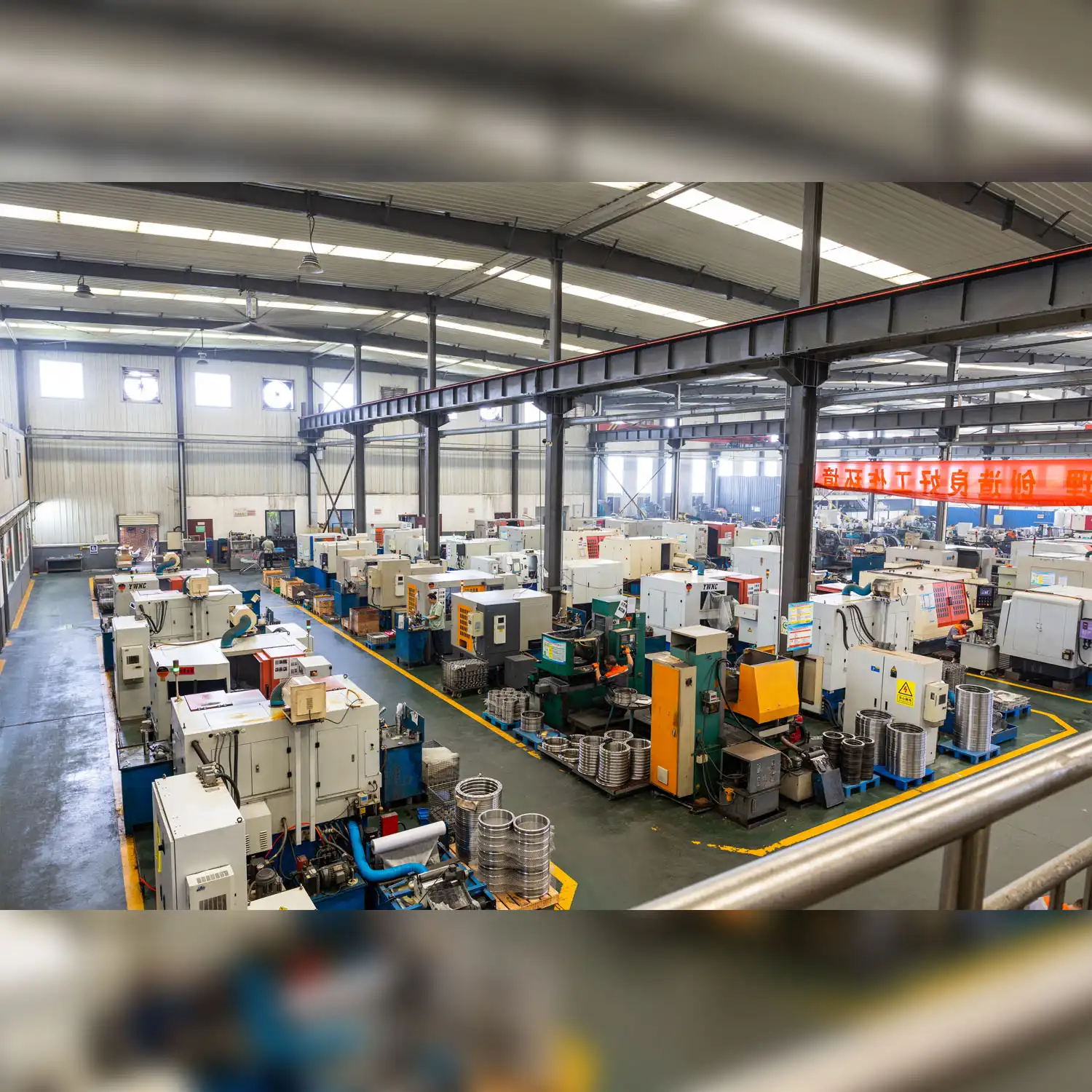
Assessing a company's ability to make things goes beyond just checking their license. Check the production scale by looking at the size of the facility, the inventory of equipment, and the skills of the staff. A company that runs six specialized workshops and has 120 committed workers shows that they have the means to keep supplies going and handle changes in volume. ATLYC has been in business for 15 years, which gives it stability and knowledge that lowers supply chain risk compared to younger companies that don't have track records.
Commercial Terms and Logistics
The way prices are set is based on the level of correctness, the material requirements, and the number of orders. Standard P5 accuracy RE3010UUCC0 bearings usually cost 30–40% less than P2 precision-ground equivalents. This means that cost savings can be made when tolerances are not as strict. Volume discounts become important when you order more than 100 units, and price breaks keep going at 500 and 1,000 units.
Minimum order quantities are a way to balance how efficiently goods are made with how much it costs customers to keep supplies on hand. Established manufacturers can handle MOQs as low as 10–20 pieces for standard configurations, which helps with making prototypes and small amounts of specialty equipment. Higher MOQs, usually 50 to 100 pieces, are needed for custom specifications that need special materials or dedicated tools. This is so that setup costs can be spread out over a large enough production volume.
Authenticity Verification and Quality Assurance
Due to the widespread use of fake bearings, verification procedures are needed to protect procurement investments. Real makers give out material approvals that show records of the heat treatment process, dimensional inspection reports that show the product meets certain tolerances, and certificates of origin that prove where the product was made. Professional labeling, protective wrapping, and moisture-barrier packing are some of the first signs that a product is real. These things set real goods apart from gray-market options.
A closer look at the item itself shows more signs of authenticity. Genuine bearings have smooth, even surfaces that aren't bumpy from being machined, and they have marks from the maker that are put on them using laser cutting or precision stamping. When you turn the bearing by hand, the rollers should move easily without any rough spots or binding. This means that the internal shape and lubricant are correct. The weight measurements should be within ±2% of the published specs, since fake bearings often use lower-quality materials that change the mass qualities.
Conclusion
When choosing RE3010UUCC0 Crossed Roller Bearings, you need to weigh the technical performance criteria against the business concerns that are unique to your operation. The unique arrangement of orthogonal rollers gives these bearings great load capacity and rigidity in a small package. This makes them perfect for precision machinery applications that need reliable performance. For procurement to go well, there needs to be a thorough load analysis, accuracy grade selection that matches actual needs, and supplier qualification that checks for quality certifications and manufacturing capabilities. Our work with global OEMs and wholesalers in the medical equipment, automobile, and industrial automation industries shows that choosing the right bearings has a direct effect on how reliable the equipment is and how much it costs to own. Working with certified manufacturers that offer full technical support is the best way to make sure that your precision machinery works at its best for a long time.
FAQ
What advantages do RE3010UUCC0 bearings offer compared to standard ball bearings?
The RE3010UUCC0 Crossed Roller Bearings design offers a lot more stiffness and moment load capacity within the same envelope dimensions. Line contact between the rollers and the raceways spreads the forces over a bigger surface area. This lowers stress accumulation and increases the life of the bearings when they are loaded in complex ways. A single crossed roller bearing is often used instead of two paired ball bearings because it is easier to put together and lighter.
How can I verify bearing authenticity when purchasing?
Ask suppliers for material certifications, dimensional inspection reports, and certificates of origin. Check the quality of the packing and the uniformity of the manufacturer's markings. A physical inspection should show that the machine works smoothly, has the right weight, and has high-quality finishes on the outside. Buy from makers like ATLYC that are ISO 9001 and IATF 16949 approved to lower the risk of fakes through well-established quality management systems.
What maintenance practices extend RE3010UUCC0 service life?
The dual-sealed UU design lets it work without any upkeep in clean areas because the lubrication is packed in at the factory and stays there the whole bearing life. Watch the operating temperatures for sudden rises that could mean problems are starting to form. Use vibration analysis or acoustic emission tracking to keep an eye on the state of something and see how it's wearing down before it breaks. Misalignment or bad fitting techniques can cause damage before they should, so make sure you follow the manufacturer's instructions for proper installation.
Partner with ATLYC for Precision Bearing Solutions
ATLYC can meet your needs for precision bearings because they have been making them for 15 years and have six advanced production workshops with 120 skilled workers who are committed to quality and innovation. Our ISO 9001 and IATF 16949 certifications show that we follow foreign standards, and our track record of working with OEMs in South Korea, the US, Germany, and other places shows that you can trust us. Whether you need RE3010UUCC0 Crossed Roller Bearings for medical tools, robotic automation, or CNC machine centers, we can help you choose the right bearings and figure out how to use them best. Contact our team at auto@lyautobearing.com to talk about your specific needs, look into pricing options for large orders, and learn how working with an experienced crossed roller bearing manufacturer can improve the performance of your equipment and the stability of your supply chain.
References
1. Harris, T.A. and Kotzalas, M.N. (2006). "Advanced Concepts of Bearing Technology: Rolling Bearing Analysis, Fifth Edition." CRC Press, Boca Raton.
2. Eschmann, P., Hasbargen, L., and Weigand, K. (1985). "Ball and Roller Bearings: Theory, Design and Application, Second Edition." John Wiley & Sons, Chichester.
3. ISO 492:2014. "Rolling Bearings – Radial Bearings – Geometrical Product Specifications (GPS) and Tolerance Values." International Organization for Standardization, Geneva.
4. Hamrock, B.J. and Dowson, D. (1981). "Ball Bearing Lubrication: The Elastohydrodynamics of Elliptical Contacts." John Wiley & Sons, New York.
5. Tallian, T.E. (1992). "Simplified Contact Fatigue Life Prediction Model – Part I: Review of Published Models." Journal of Tribology, Volume 114, Issue 2, pp. 207-213.
6. Khonsari, M.M. and Booser, E.R. (2017). "Applied Tribology: Bearing Design and Lubrication, Third Edition." John Wiley & Sons, Hoboken.
Learn about our latest products and discounts through SMS or email