- English
- French
- German
- Portuguese
- Spanish
- Russian
- Japanese
- Korean
- Arabic
- Greek
- German
- Turkish
- Italian
- Danish
- Romanian
- Indonesian
- Czech
- Afrikaans
- Swedish
- Polish
- Basque
- Catalan
- Esperanto
- Hindi
- Lao
- Albanian
- Amharic
- Armenian
- Azerbaijani
- Belarusian
- Bengali
- Bosnian
- Bulgarian
- Cebuano
- Chichewa
- Corsican
- Croatian
- Dutch
- Estonian
- Filipino
- Finnish
- Frisian
- Galician
- Georgian
- Gujarati
- Haitian
- Hausa
- Hawaiian
- Hebrew
- Hmong
- Hungarian
- Icelandic
- Igbo
- Javanese
- Kannada
- Kazakh
- Khmer
- Kurdish
- Kyrgyz
- Latin
- Latvian
- Lithuanian
- Luxembou..
- Macedonian
- Malagasy
- Malay
- Malayalam
- Maltese
- Maori
- Marathi
- Mongolian
- Burmese
- Nepali
- Norwegian
- Pashto
- Persian
- Punjabi
- Serbian
- Sesotho
- Sinhala
- Slovak
- Slovenian
- Somali
- Samoan
- Scots Gaelic
- Shona
- Sindhi
- Sundanese
- Swahili
- Tajik
- Tamil
- Telugu
- Thai
- Ukrainian
- Urdu
- Uzbek
- Vietnamese
- Welsh
- Xhosa
- Yiddish
- Yoruba
- Zulu
How to Source Quality RB4010UUCC0 Cross roller bearing?
Sourcing quality RB4010UUCC0 cross roller bearings requires partnering with manufacturers who demonstrate ISO 9001 and IATF 16949 certification, verified production capacity, and consistent delivery of precision components meeting P5 or higher accuracy grades. This comprehensive guide addresses procurement managers and OEMs seeking reliable suppliers capable of providing high-precision crossed roller bearings for robotics, automation, and industrial machinery applications. We explore technical specifications, supplier evaluation criteria, performance optimization strategies, and real-world case studies to help you make informed sourcing decisions that minimize downtime and maximize operational value.
Understanding RB4010UUCC0 Cross Roller Bearings
Structural Design and Dimensional Specifications
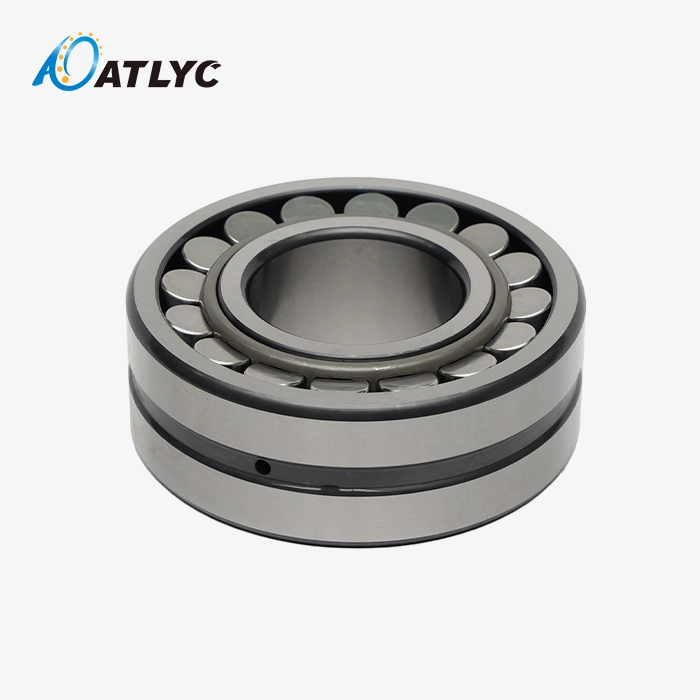
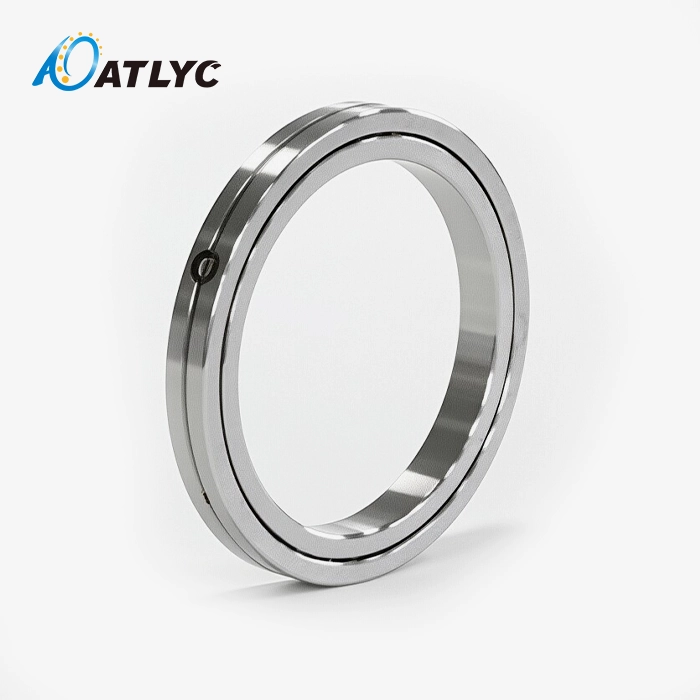
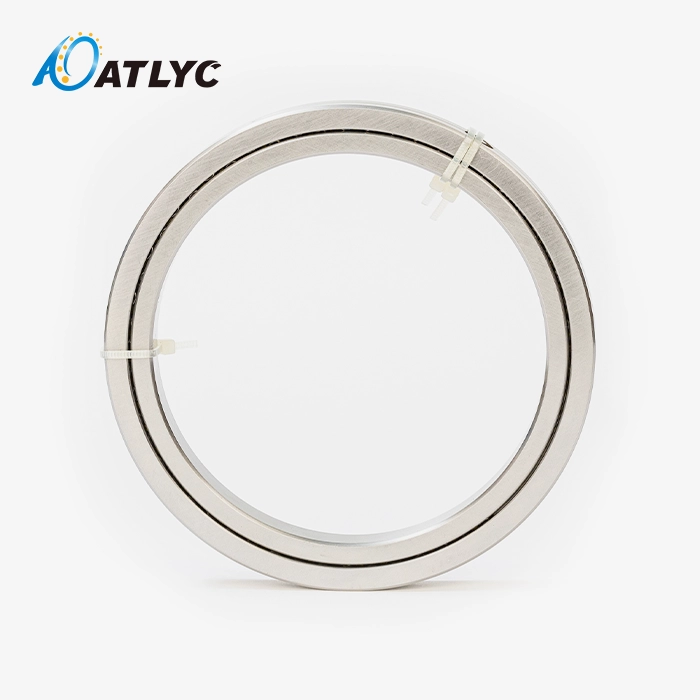
There is a combined inner ring design and a split outer ring design on the RB4010UUCC0 Cross roller bearing. This bearing has a 45mm inner diameter, a 65mm outer diameter, and a 10mm width. It can hold a lot of weight in a small space. The split outer ring has a retention plug built in, which makes installation easier in housings where getting to parts would be hard otherwise.RB4010UUCC0 Cross roller bearings use circular rollers spaced 90 degrees apart and not in a straight line like in traditional deep groove ball bearings, which rely on point contact between the rolling elements and the raceways. These rollers fit into V-groove raceways that have been carefully ground. This makes line contact, which spreads forces over a bigger area. This shape has several measurable benefits. Compared to ball bearings of the same size, it lowers contact stress by about 30–40%, makes rotational stiffness three to four times higher, and greatly increases load capacity when radial, axial, and moment loads are all combined.
Material Composition and Performance Characteristics
High-carbon chromium-bearing steel, like Gcr15 or Gcr15SiMn alloys, is used in manufacturing. Through-hardening heat treatments are used on these materials to make the surface hardness between HRC 58 and 64. This gives them the wear protection they need to last longer in service. Through cycles of quenching and tempering, the material's microstructure is carefully controlled to keep the balance between hardness and toughness. This keeps the material from breaking easily when it's hit with shock loads. When used in challenging situations, the bearing's efficiency benefits become clear. It can handle rotational loads from the weight of the part, axial forces from thrust conditions, and moment loads from masses that are hanging off of it all at the same time. When properly oiled, the low friction coefficient (usually between 0.002 and 0.003) allows for smooth rotation with little change in torque. Runout accuracy, which is determined at the outside diameter, stays within 5 microns for P5 grade parts and 2 microns for P4 grade parts.
Sealing and Preload Configuration
The letter "UU" means that there are two rubber seals built into both bearing faces. These seals do two things: they keep the lithium-based grease that was applied by the factory inside the bearing cavity, and they keep out outside contaminants like cutting fluid mist, metal particles, and airborne dust. In many situations, sealed bearings get rid of the need for external lubrication systems. This makes machine design easier and lowers the amount of maintenance that needs to be done.The standard "CC0" means controlled negative radial clearance, which is a preload state that is usually between -0.008 mm and 0mm. This preload stops elastic deflection under load, making sure that there is no backlash, which is very important for systems that need to be precise. When a robotic joint starts and stops turning over and over, preloaded bearings stop the positional drift that would build up over thousands of cycles. This keeps consistency within the system's goal accuracy range.
Comparing RB4010UUCC0 with Alternatives to Make an Informed Decision
Technical Distinctions Between Models
Understanding the differences in the names of models that are similar helps keep design mistakes from happening. The main difference between the RB4010UUCC0 Cross roller bearing and RB4010UUCC1 names is the charge class. CC0 means standard preload, which is good for most precision applications. CC1 means light preload, which is good for situations where starting torque needs to be kept as low as possible. If you choose the wrong preload class, it lowers either stiffness or torque economy, based on which way the mismatch is going.
| Bearing Type | Contact Mechanism | Stiffness | Load Capacity | Speed Rating |
|---|---|---|---|---|
| RB4010UUCC0 Cross roller bearing | Call the queue | High | Multiple directions | Medium to low |
| Deep Groove Ball | Touch at a point | Moderate | Mostly circular | High |
| Contact Ball at an Angle | Touch at a point | Moderate to high | Added up loads | Medium to high |
| Roller with Tapers | Call the queue | Very high | Heavy linear and radial | A Medium |
RB4010UUCC0 Cross roller bearings work best in situations where rigidity and the ability to handle loads in multiple directions are more important than high speed. Moment rigidity is better for machining centers that run at 50 to 200 RPM, but high-speed spindles that spin at 10,000 RPM or more need ball bearing solutions, even though they are less stiff.
Brand Comparison and Quality Indicators
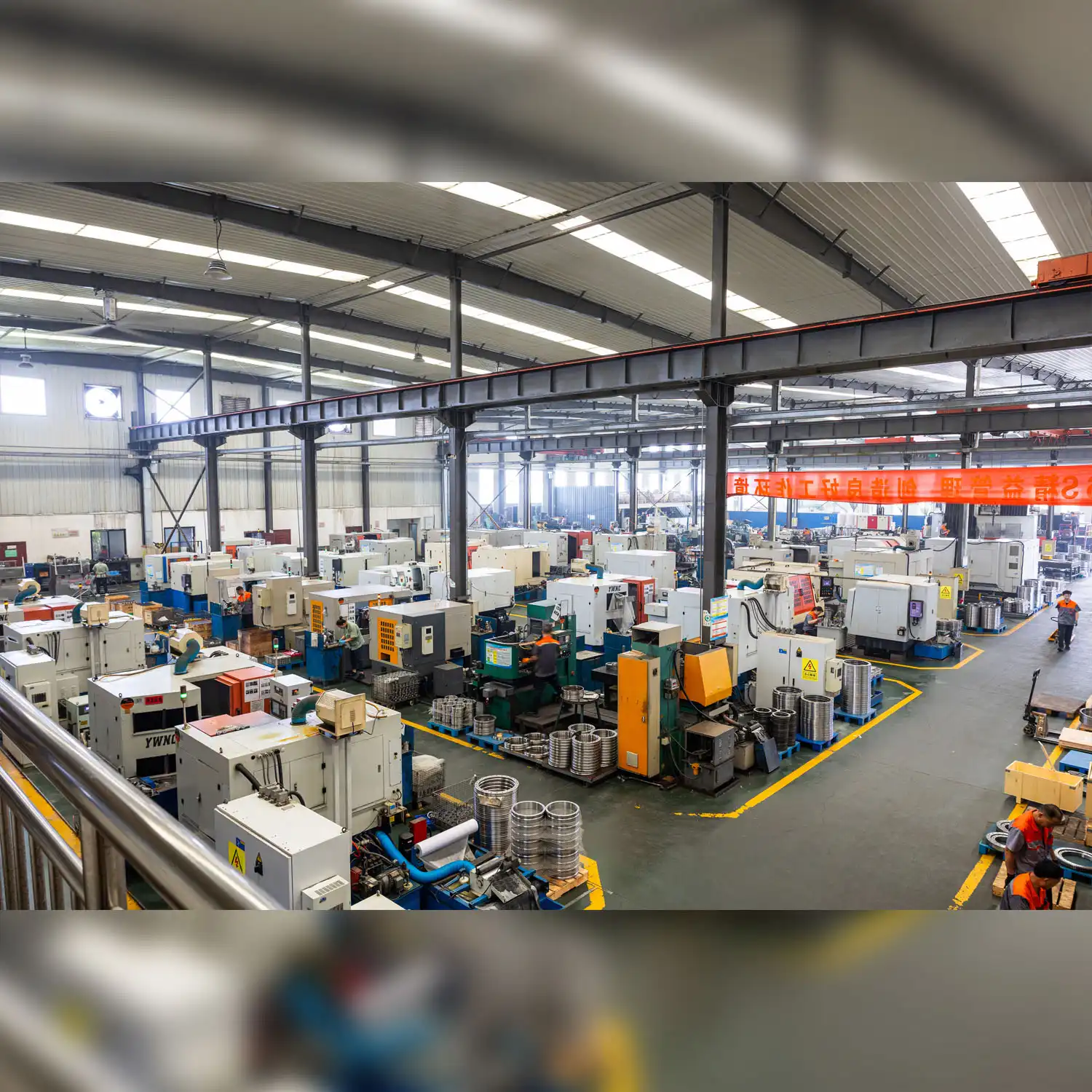
NSK, THK, and SKF are all well-known brands that have been making bearings for decades. The raceways in NSK's RA and RB series bearings are ground using special methods that produce very low runout values. THK is an expert in crossed roller bearings for linear motion systems and offers a lot of help with application engineering. SKF uses cutting-edge materials science to make special rollers, like ceramic hybrid rollers, for uses that need to be non-magnetic or work at very high temperatures. Chinese companies, some of which are certified by ISO 9001 and IATF 16949, now make crossed roller bearings that meet foreign quality standards and are priced competitively. Since they started doing business in 2010, companies like Luoyang Auto Bearing have spent a lot of money on precision grinding machines and quality control systems that make sure their parts always meet P5 accuracy grades. The main thing that sets them apart is not where they come from, but their quality methods, how they're made, and how they're tested for performance.
Risks of Counterfeit Components
If used in industry, fake bearings can be very dangerous. Most of the time, these products fail in one of several ways: rollers that are too small lower the load capacity below the rated specifications; steel grades that aren't hard enough speed up wear; bad heat treatment makes the material brittle and prone to breaking; and poor seals let contamination in, which quickly lowers performance. To find real products, you have to look at a number of indicators. Genuine bearings have model numbers that are etched or laser-marked on the outside ring in a way that is crisp and easy to read. The packaging has batch codes, production dates, and proof of quality approval. When you turn the bearing by hand, it feels like it has smooth, even resistance that isn't rough or stuck. Comparing the bearings' weight to their written specs lets you know if they were made with lighter, less durable materials.
Evaluating Procurement Options and Supplier Criteria
Supplier Assessment Framework
A tough review of suppliers guards against poor quality and supply problems. First, make sure that the quality management system is certified. ISO 9001 certification shows basic quality control skills, while IATF 16949 certification shows automotive-grade process discipline that can be used in any precision manufacturing operation. Instead of trusting what a website says, ask to see copies of the actual certificates and, if you can, check the validity of the certificates through the databases of the issuing bodies. The ability to make things has a direct effect on the reliability and scalability of deliveries. When demand goes up, suppliers with different production lines can move capacity around to keep wait times from getting longer. A factory that makes 50,000 RB4010UUCC0 Cross roller bearings a month has a more stable process than a workshop that only makes 5,000 units a month. Ask suppliers about production numbers, machine tool specs, and quality checking equipment in great detail. Suppliers who are sure of their abilities will be happy to share this information. Technical support capability separates adequate suppliers from excellent partners. Engineering teams that understand your application requirements can recommend optimal bearing configurations, suggest design modifications that improve performance, and troubleshoot installation or operational issues. During supplier evaluation, present a specific application scenario and assess the depth and relevance of the technical response you receive.
Procurement Channel Selection
Authorised wholesalers offer benefits like lower quantities and faster shipping, and they keep stock of popular bearing sizes. These middlemen sell real goods with guarantees from the manufacturers, but they add a markup that makes each item cost more. When you buy more than 500 units a year, working directly with the maker can save you money because you can negotiate prices that cover the costs of shipping and clearing customs. Online B2B sites put buyers in touch with many sellers, but buyers need to do more research before using them. Product listings often have information that isn't consistent, and supplier credentials are very different. For online sourcing to work, candidates must be carefully screened by video factory tours, sample evaluations, and reference checks before production orders are placed. Platform scores alone should not be used to judge sellers; they can be changed.
| Procurement Channel | Minimum Order | Lead Time | Price Level | Technical Support |
|---|---|---|---|---|
| Authorized Distributor | 1 to 10 units | 1-2 weeks | High | Moderate |
| Direct Manufacturer | 100 or more units | 4 to 8 weeks | Low to moderate | High |
| Trading Company | 50 or more units | 3 to 6 weeks | Moderate | Low to moderate |
| Online B2B Platform | varies | varies | A lot of | Different |
Price Verification and Cost Drivers
Knowing how prices work in the market keeps you from paying too much and lets you spot quotes that seem too low, which could mean that quality has been compromised. Material costs make up about 40 to 45 percent of the cost of making a bearing. The price of Gcr15 steel changes based on the global alloy market. Another 25–30% of the cost structure comes from precision grinding processes, which need trained workers and expensive machines. The rest of the costs come from quality inspection, heat treatment, and sealing. Cross roller bearings with a width of 40 to 60 mm usually cost between $15 and $45 per unit when bought in bulk, but this depends on the level of accuracy and the way the seals are set up. P4 grade bearings cost 30–50% more than P5 grade bearings because they have to be made with tighter tolerances, which means they have to be ground and inspected more carefully more times. Bearings that are priced below $12 per unit should make you question the accuracy of the materials and the quality of the production process.
Maintenance and Long-Term Performance Optimization of RB4010UUCC0
Installation Best Practices
When you put something in correctly, it sets the stage for effective bearing performance. When installing the RB4010UUCC0 Cross roller bearing, the housing and shaft tolerances must match the bearing specs. Usually, the housing tolerances must be H7 and the shaft tolerances must be H7. Too much interference causes preload that is higher than the bearing's CC0 specification, which causes heat and speeds up wear. If there isn't enough interference, the bearing can move around inside its housing, which leads to fretting rust and a loss of positional accuracy. Apply even pressure to the right bearing ring during fitting. To keep the split outer ring from warping, you have to spread your force across the whole face of the ring when you press against it. If you hit bearings with hammers or put force through rolling elements, you will damage the raceways, which will show up as premature spalling when the machine is running. Thoroughly clean the mounting surfaces, getting rid of any dirt, old lubricant residue, or rust that could cause surface irregularities that would make it hard for the bearings to sit.
Lubrication and Contamination Control
The UU sealed configuration comes with factory-applied grease, usually lithium-based formulations like Alvania EP2. This gives the bearings their first layer of protection for 500 to 1000 hours of moderate-condition use. Heavy-duty cycles with high loads or high temperatures shorten the time between relubrications to 6 to 12 months. Some RB series versions have oil holes in the outer ring, which lets you add more grease without taking the bearing apart. Pollution is the main reason why bearings fail before they should. Bearings with seals keep things safe, but seals wear out over time, especially in places where chemicals or abrasive particles are present. Damage to the seal can be seen on a regular basis, so it can be fixed before it gets to important raceway surfaces. When you keep your equipment in a certain temperature range, the seal material and lubricant don't break down, which would weaken the defences against contamination.
Failure Mode Recognition
By learning about common failure patterns, you can take action early, before a catastrophic breakdown happens. Spalling shows up as small pits or chips on the raceway surfaces. It's usually caused by dirt, poor greasing, or loads that are too high for the bearings to handle. Fretting rust shows up as reddish-brown spots where the bearing rings and mounting surfaces move slightly, which means there isn't enough mounting interference. There are problems emerging when noise patterns aren't normal. Bearings that work smoothly and quietly are healthy. Grinding sounds, on the other hand, are a sign of contamination or poor lubrication. Cyclical clicking means that the rolling element is damaged, and higher vibrations mean that spalls are starting to form. Temperature monitoring is another diagnostic tool—bearings that are running more than 20°C above room temperature under normal loads should have their lubrication and mounting checked out.
Case Studies: Successful Sourcing and Application of RB4010UUCC0 Bearings
Robotics Manufacturer Precision Challenge
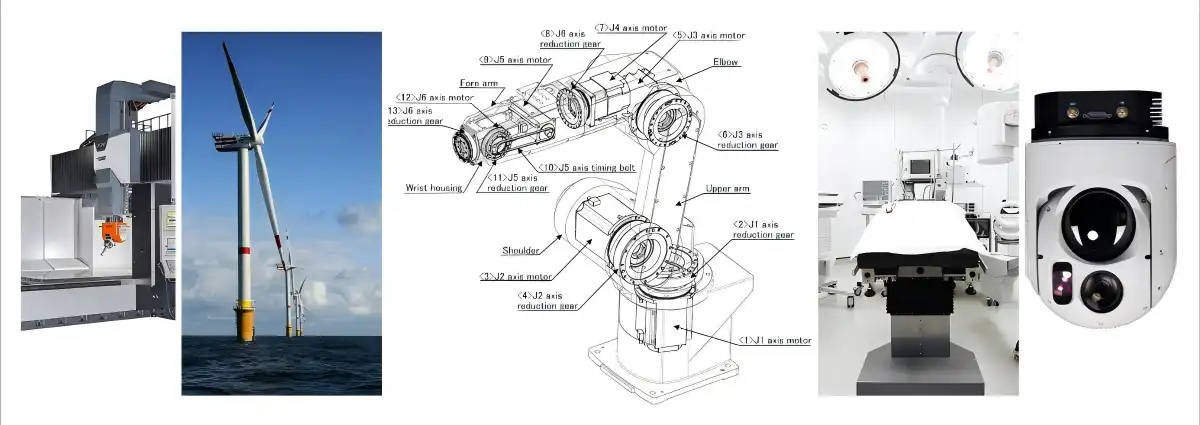
A medium-sized robotics company that made six-axis industrial robots had to deal with repeated warranty claims about the accuracy of the robots' joints. Original equipment used normal ball bearings that developed backlash after 8 to 12 months of use, leading to positioning mistakes greater than the +/- 0.05mm limit. It cost about $2,400 in parts and labour to replace all of the joint bearings during a guarantee fix. The engineering team looked at different cross roller bearing options and chose the RB4010UUCC0 Cross roller bearing for the elbow and wrist joints because it is small and has a CC0 preload specification. During the initial procurement process, contacts were made with three possible suppliers: two Chinese companies with IATF 16949 certification and a well-known Japanese brand. The samples were checked for their dimensions, their strength, and their ability to last for 1000 hours under artificial load conditions. The chosen Chinese supplier showed consistent quality across three sample runs, meeting the accuracy standards for P5 and passing endurance tests without any problems. After negotiating the price, each bearing was sold for $22.50 at 500 units every three months, which was 38% less than the Japanese option. After 18 months of use in the field on more than 200 robots, guarantee claims about joint accuracy dropped by 76%, and it took longer than 24 months to repair bearings. The decision to buy something saved $156,000 a year on repair costs and made customers happier.
Industrial Automation Bulk Purchasing Optimization
An industrial automation equipment distributor supplying rotary indexing tables to packaging and assembly line manufacturers consumed approximately 2,400 cross roller bearings annually across various size ranges. Previous purchasing practices involved ordering from multiple suppliers based on immediate pricing, resulting in inconsistent quality, unpredictable lead times, and administrative complexity managing numerous vendor relationships. The purchasing director started a strategic sourcing plan that led to 80% of the cross roller bearing volume coming from a single manufacturer, showing that production capacity could be increased. Quality certification (30%), production capacity (25%), expert help (20%), price competitiveness (15%), and delivery trustworthiness (10%) were the factors used to choose the supplier. When we visited the chosen Chinese makers' sites, we saw big differences in their abilities, even though they had the same certifications. Luoyang Auto Bearing, the chosen partner, ran six specialised workshops that could make more than 50,000 precision bearings every month. As part of the deal, there were quarterly volume commitments, standard lead times of 8 weeks, and technical support for application engineering that was only for that department. Through volume leverage, average bearing costs dropped 18%, and quality rejection rates dropped from 1.2% to 0.3%. By combining purchases, 40% less time was spent on administrative tasks related to buying. This freed up staff to work on strategic supplier development activities.
Conclusion
To find good RB4010UUCC0 Cross roller bearings, you need to make a full procurement strategy that takes into account technical needs, supplier capabilities, and cost. The crossed roller design of the bearing makes it more rigid, able to handle more weight, and more accurate than regular ball bearings. This makes it perfect for use in precision robots, automation equipment, and industrial machinery. For a procurement to go well, suppliers must be carefully evaluated based on their quality certifications, production capacity, and technical support skills, not just their prices. When you install and maintain your bearings correctly, they last longer, which increases the value of your purchase. The case studies show that strategic sourcing partnerships with qualified makers save money, improve quality, and make sure that you always have a stock of goods that transactional buying methods can't match.
FAQ
What makes RB4010UUCC0 Cross roller bearings better for robotics uses than ball bearings?
RB4010UUCC0 Cross roller bearings spread loads over a larger surface area because they use line contact geometry instead of point contact. This makes the stiffness three to four times higher and lets a single bearing handle radial, axial, and moment loads at the same time. The CC0 preload gets rid of backlash, which is important for keeping positioning accuracy when robotic joints are doing repeated actions. To get similar results, ball bearings need to be mounted in complicated ways.
How can I be sure that a provider can make what I need?
Ask for specifics about the number of items being made, the specifications of the machines, and the quality inspection tools. Genuine manufacturers are happy to give video tours of their factories that show off their grinding machines, heat treatment areas, and coordinate measuring machines. Use the databases of the issuing bodies to check ISO 9001 and IATF 16949 certificates. Before committing to production volumes, samples should be checked for dimensions, material hardness, and durability under loads that are typical for the application.
What mistakes in fitting usually lead to bearing failure?
When you put force on moving elements, they damage the raceways and create spalling starting points. Too much mounting interference creates preload that is higher than what was intended, which leads to heat buildup and faster wear. When installation is contaminated, abrasive particles are introduced that quickly wear down raceway surfaces. When alignment isn't done right, edge loading happens, which puts stress on certain parts of the track instead of spreading it out evenly along the whole length of the roller.
Partner with ATLYC for Reliable RB4010UUCC0 Cross Roller Bearing Supply
ATLYC (Luoyang Auto Bearing Co., Ltd.) is ready to meet your precision bearing needs. We have been in business since 2010 and will have six factories by 2025, giving us 15 years of producing experience. Our ISO 9001 and IATF 16949-certified factories have 120 trained workers whose only job is to make high-precision cross roller bearings that meet P5 and P4 accuracy grades. Manufacturers of cars and industrial equipment in South Korea, the US, Germany, Russia, Iran, and Turkey depend on us to provide steady quality and on-time delivery. As a well-known company that makes RB4010UUCC0 Cross roller bearings, we can offer you competitive prices on large orders, full technical support for application engineering, and the ability to make changes that fit your needs. Email our team at auto@lyautobearing.com to talk about your bearing needs, get detailed quotes, and find out how our manufacturing scale and quality systems can improve the reliability of your supply chain while lowering the cost of buying things.
References
1. Harris, T.A., and Kotzalas, M.N. (2006). Advanced Concepts of Bearing Technology: Rolling Bearing Analysis, Fifth Edition. CRC Press, Boca Raton.
2. Weck, M., and Brecher, C. (2006). Machine Tools Production Systems 2: Design and Calculation. Springer-Verlag, Berlin.
3. ISO 5593:1997. Rolling Bearings — Vocabulary. International Organization for Standardization, Geneva.
4. Eschmann, P., Hasbargen, L., and Weigand, K. (1985). Ball and Roller Bearings: Theory, Design and Application, Third Edition. John Wiley & Sons, Chichester.
5. Khonsari, M.M., and Booser, E.R. (2017). Applied Tribology: Bearing Design and Lubrication, Third Edition. John Wiley & Sons, Hoboken.
6. ANSI/ABMA Standard 12.1-2017. Instrument Ball Bearings — Metric Design. American Bearing Manufacturers Association, Washington D.C.
Learn about our latest products and discounts through SMS or email