- English
- French
- German
- Portuguese
- Spanish
- Russian
- Japanese
- Korean
- Arabic
- Greek
- German
- Turkish
- Italian
- Danish
- Romanian
- Indonesian
- Czech
- Afrikaans
- Swedish
- Polish
- Basque
- Catalan
- Esperanto
- Hindi
- Lao
- Albanian
- Amharic
- Armenian
- Azerbaijani
- Belarusian
- Bengali
- Bosnian
- Bulgarian
- Cebuano
- Chichewa
- Corsican
- Croatian
- Dutch
- Estonian
- Filipino
- Finnish
- Frisian
- Galician
- Georgian
- Gujarati
- Haitian
- Hausa
- Hawaiian
- Hebrew
- Hmong
- Hungarian
- Icelandic
- Igbo
- Javanese
- Kannada
- Kazakh
- Khmer
- Kurdish
- Kyrgyz
- Latin
- Latvian
- Lithuanian
- Luxembou..
- Macedonian
- Malagasy
- Malay
- Malayalam
- Maltese
- Maori
- Marathi
- Mongolian
- Burmese
- Nepali
- Norwegian
- Pashto
- Persian
- Punjabi
- Serbian
- Sesotho
- Sinhala
- Slovak
- Slovenian
- Somali
- Samoan
- Scots Gaelic
- Shona
- Sindhi
- Sundanese
- Swahili
- Tajik
- Tamil
- Telugu
- Thai
- Ukrainian
- Urdu
- Uzbek
- Vietnamese
- Welsh
- Xhosa
- Yiddish
- Yoruba
- Zulu
RB Cross Roller Bearings for Direct Drive Motor Systems
Traditional bearing solutions often don't meet the performance standards for direct drive motor systems, which need to be very precise and reliable. RB Cross Roller Bearing technology changes everything by using a new crossed-roller design that can handle radial, axial, and moment loads all at the same time in a small unit. These precision-engineered parts have special plug designs and inner and outer rings that stay together. This gives makers the rigidity and rotational accuracy they need for robots, advanced automation, and high-precision machinery.

Understanding RB Cross Roller Bearings: Specifications, Design, and Advantages
Crossed roller bearings are excellent engineering because they have a unique design that solves important problems in current direct drive uses. Knowing their specs and how they were designed can help you understand why these parts are so important to companies around the world that make fine machinery.
Crossed-Roller Architecture and Load Distribution
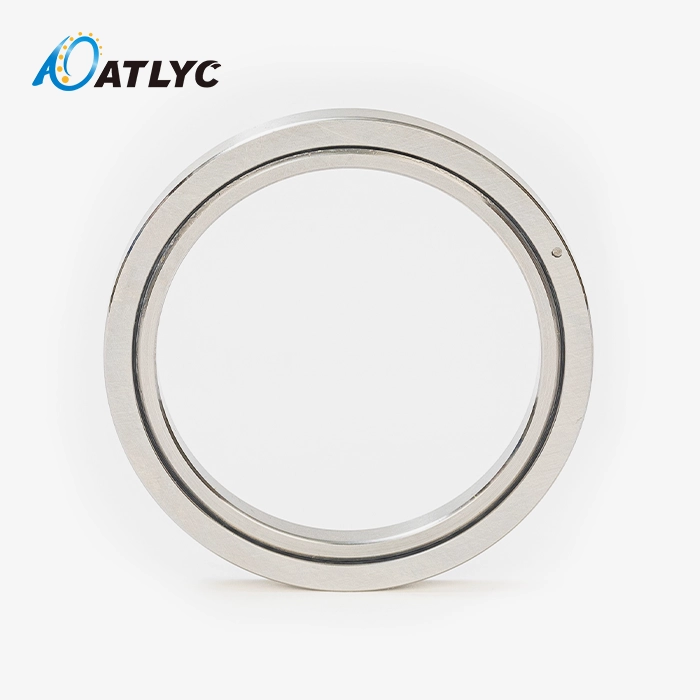
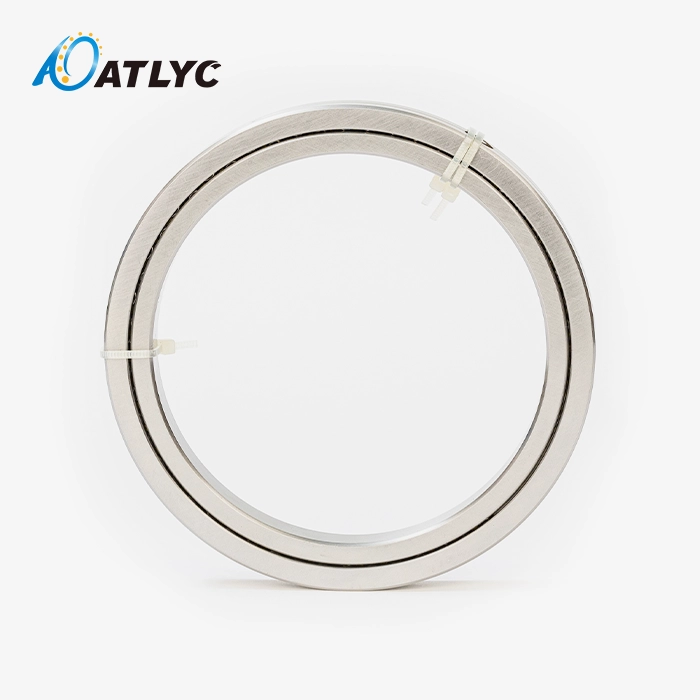
The main idea behind RB Cross Roller Bearing systems is their orthogonal roller layout, which has circular rollers placed perpendicular to each other every 90 degrees within V-shaped raceways. This arrangement makes the best contact shape, which spreads loads across many contact points and gets rid of the stress clusters that happen with other bearing designs. Each roller stays in line, touching both the inner and outer ring raceways. This makes for effective load transfer routes that keep deflection to a minimum while the machine is running. The crossed arrangement lets a single bearing unit handle complex loading situations that used to need multiple bearing kits. This makes the system much simpler and easier to install.
Technical Specifications and Material Excellence
The inner diameters of modern crossing roller bearings run from 20 mm to 1100 mm, the outer diameters from 70 mm to 1500 mm, and the widths from 12 mm to 110 mm. This means that they can be used in a wide range of situations. Engineers can choose the best bearing setups for each direct drive motor need, thanks to this wide range of size options. When choosing materials, experts choose high-quality steels like Gcr15 and Gcr15SiMn alloys because they are very resistant to stress and keep their shape even in tough working conditions. Specialized heat treatments are used on these materials to get the best strength properties while keeping the toughness needed for long-lasting use.
Precision Accuracy Classifications
Quality control includes a number of different precise grades, such as P6, P0, P5, and P4. Each grade represents a higher level of production tolerances. These levels of accuracy make it possible to precisely match the performance characteristics of the bearings to the needs of the application. This ensures that the system works at its best in a wide range of RB Cross Roller Bearing industrial settings.
Comparing RB Cross Roller Bearings with Alternative Bearing Solutions
To choose the right bearing technology for direct drive motor systems, you need to know how the different types of bearings affect performance. The pros and cons of each option affect the general performance and cost-effectiveness of the system.
Performance Comparison Matrix
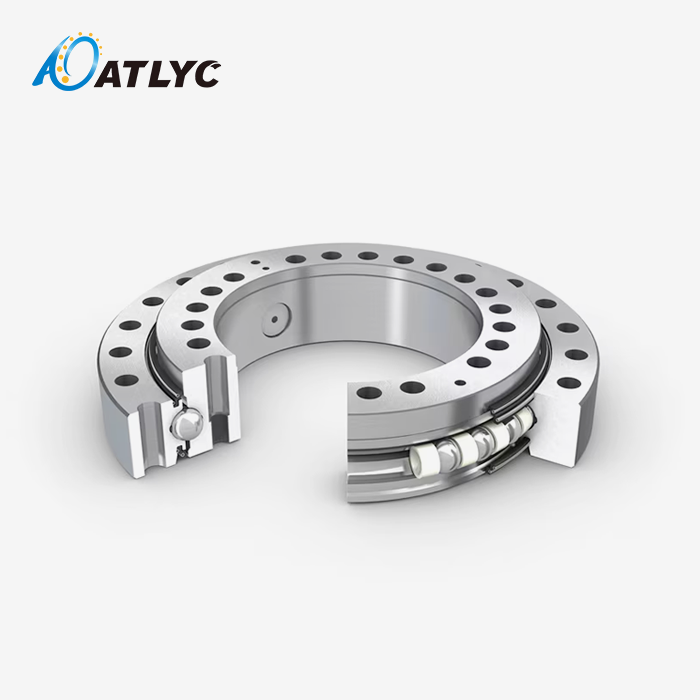
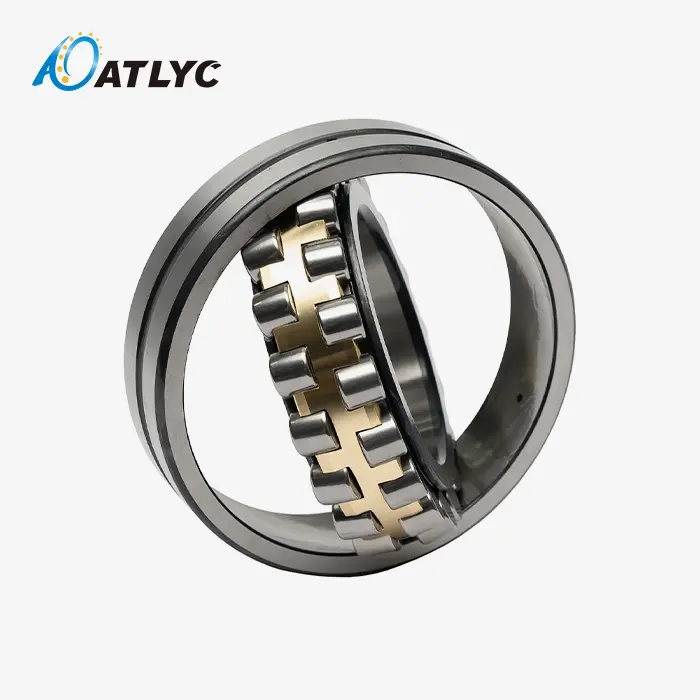
Traditional ball bearing systems work well at high speeds, but they don't do well in direct drive situations where there is a lot of joint loading. When paired, angular contact bearings can handle axial loads better, but they need complicated preload changes and take up a lot of axial room, which limits the design options. Slewing ring bearings work great for big diameter tasks, but they aren't precise enough for high-precision tracking systems. Thrust bearings are good at handling large linear loads, but they can't handle radial forces. This means that extra bearing elements are needed, which makes the system more complicated and requires more upkeep. RB Cross Roller Bearing technology gets around these problems by combining the ability to handle loads in multiple directions into a single small unit. The crossed-roller design can handle the same amount of weight as paired angular contact setups while still being precise enough for difficult placement tasks.
Selection Criteria and Application Matching
Some important factors to consider when making a choice are the working surroundings, the size and direction of the load, the required rotational speed, and the required accuracy. Because direct drive motor systems usually have slow turning speeds and large moment loads, crossed roller bearings work really well in these situations. Decisions about which bearings to use are affected by things like changes in temperature, pollution exposure, and limited lubricant. The strong form of crossed roller bearings makes them better at handling misalignment and pressure loads than ball bearings, which are more easily damaged.
Installation and Maintenance Best Practices for RB Cross Roller Bearings
Proper installation and maintenance methods have a direct effect on the performance and service life of bearings. For the system to be as reliable as possible, it is important to follow set procedures. These steps make sure that the accurate features of crossed roller bearings lead to uniform performance in the workplace.
Systematic Installation Procedures
Before installation starts, the bearing parts and areas they fit together are carefully checked to make sure they are the right size and have a good finish. For the integral ring design with the outer ring plug setup to work, certain handling methods must be used to keep the rollers from moving during the building process. When installing a bearing, mounting methods stress even load distribution so that internal stress concentrations don't happen, which could affect the bearing's performance. Specialized tools make sure that the bearing and case parts are perfectly lined up, keeping the tight specs that are needed for optimal performance.
Lubrication and Maintenance Protocols
Good oil control keeps bearings running longer by reducing friction and stopping dirt from getting inside. The plug design lets you decide how much lube is applied and lets you re-grease the bearings on a regular basis without taking them all apart. Maintenance plans include regular review times that check the condition of bearings by measuring vibrations, keeping an eye on temperatures, and looking at the state of the lubricant visually. Finding possible problems early on allows for proactive maintenance that stops catastrophic breakdowns and cuts down on unnecessary downtime.
Troubleshooting Common Issues
Performance problems are often caused by bad fitting, not enough greasing, RB Cross Roller Bearing, or being exposed to contamination. Systematic methods to fix the root causes and fix them so that the bearings work as well as they did before. Temperature tracking is a useful troubleshooting tool because too much heat production usually means that there are problems with lubrication, misalignment, or contamination. Vibration analysis shows changes in the state of bearings that might need repair work to be done before they fail.
Procurement Guide: Where and How to Source RB Cross Roller Bearings
Good buying strategies make sure that you can always get high-quality crossed roller bearings while also getting the best price-to-performance rates and delivery times. Knowing what suppliers can do and how the market works helps you make smart buying decisions that will help your business succeed in the long run.
Supplier Evaluation and Selection
Leading bearing companies like NSK, SKF, THK, NTN, and KOYO keep large inventories of crossed roller bearings that have been used successfully in difficult situations. On the other hand, specialized makers like ATLYC often offer options that are just as good technically and have better customer service. Some of the things that are used to judge a supplier are their ability to make things, their quality certifications, their expert help, and how reliable their deliveries are. Certifications like ISO 9001 and IATF 16949 show that a company has a quality management system in place that makes sure products are always of high quality and can be tracked.
Pricing Dynamics and Volume Considerations
The price of an RB Cross Roller Bearing factors in the precise production needs and material costs that come with making these unique parts. When you buy in bulk, you can often get big price cuts, especially on standard sizes that are used in many different situations. While custom bearing solutions are more expensive, they offer better performance that may be worth the extra money if they improve system performance or lower the need for upkeep. Getting suppliers involved early on in the planning process lets you make changes that are both cost-effective and fit the needs of your application.
Supply Chain Management
Supply chain management that works well combines the costs of keeping goods with the needs of having them available, especially for critical applications where a broken bearing can seriously disrupt production. Strategic relationships with dependable suppliers give customers first access to goods and expert help. Managing lead times becomes very important when there is a lot of demand in the market or a problem in the supply chain. Flexible buying strategies and planning keep operations running smoothly while lowering the costs of purchase.
Why Choose ATLYC RB Cross Roller Bearings for Your Direct Drive Motor Systems
ATLYC's fifteen-year manufacturing heritage demonstrates our commitment to precision bearing technology and constant improvement in order to serve industry markets around the world. Our comprehensive quality management system, which is backed by ISO 9001 and IATF 16949 certifications, makes sure that the quality of our products always meets the highest international standards.
Manufacturing Excellence and Quality Assurance
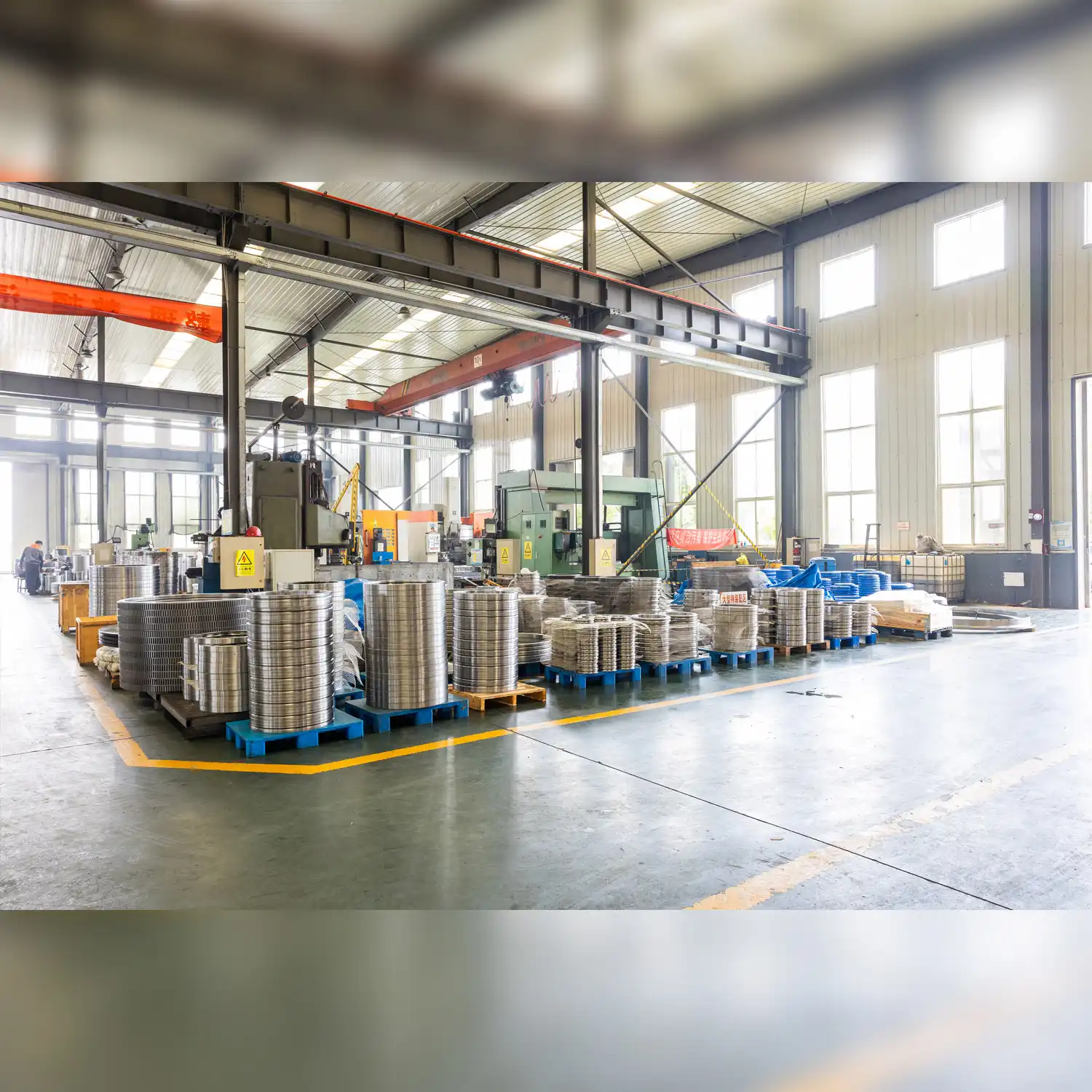
There are six specialized production workshops in our advanced manufacturing sites. Each one is equipped with cutting-edge tools and quality control systems. This system makes it possible to make precise RB Cross Roller Bearing parts in all sizes, from 20 mm to 1100 mm inner diameters, while keeping the tight limits that are needed for the best performance. Quality assurance practices include thorough testing at every stage of production, from checking the raw materials to making sure the whole thing fits together correctly. Our team of 120 skilled and committed professionals has a lot of experience making precision bearings, so we can guarantee consistent quality that meets the exact needs of direct drive motor users.
Global Market Experience and Technical Support
We have a history of doing business in South Korea, the US, Germany, Russia, Iran, and Turkey, among other foreign markets. This shows that we can meet a wide range of corporate needs. Our global experience helps us understand how different regions like to use applications and meet legal needs, which is good for all of our users around the world. Technical support services include more than just delivering products. They also include application engineering help, installation instructions, and ongoing support for upkeep. Our engineering team collaborates closely with customers to make sure that the bearings they choose and how they are integrated work together perfectly, so their direct drive motor systems work at their best.
Conclusion
RB Cross Roller Bearing technology is a big change in the way direct drive motor systems are made. It makes it possible to handle loads in a lot of different directions in small, precisely designed parts. Crossed-roller design gets rid of the problems that come with traditional bearings and makes them more rigid and accurate, which are important for current automation and robotics applications. By choosing, installing, and maintaining these advanced bearings correctly, makers can get system performance and reliability levels that have never been seen before. This gives their equipment a competitive edge in tough industrial markets.
FAQ
1. What makes RB Cross Roller Bearings suitable for direct drive motor applications?
RB Cross Roller Bearing systems excel in direct drive applications due to their ability to simultaneously handle radial, axial, and moment loads within a single compact unit. The crossed-roller design provides exceptional rigidity and precision that maintains accurate positioning under varying load conditions, making it ideal for applications requiring precise rotational control.
2. How do crossed roller bearings compare to traditional bearing arrangements?
Crossed roller bearings combine the ability to carry the weight of several regular bearings into a single unit. In standard setups, you might need paired angular contact bearings or separate radial and thrust bearings. Crossed roller technology, on the other hand, gets the same or better performance with reduced complexity, weight, and installation needs.
3. What precision grades are available for these bearings?
There are five levels of precision in manufacturing: P6, P0, P5, and P4. P4 is the best level of precision. These grades make it possible to perfectly fit the accuracy of the bearing to the needs of the application. This ensures that the bearing works at its best in a wide range of industrial settings, from normal automation to ultra-precision positioning systems.
Partner with ATLYC for Superior Bearing Solutions
ATLYC is ready to help you with your direct drive motor system needs by providing you with high-quality RB Cross Roller Bearing options that offer unbeatable performance and dependability. Our ISO 9001 and IATF 16949-certified production methods guarantee consistent quality, and our global supply chain makes sure that your facilities anywhere in the world get what they need on time. As a reliable RB Cross Roller Bearing maker, we offer quick technical help and fifteen years of experience making bearings to make your system work better. Email our engineering team at auto@lyautobearing.com to talk about your unique application needs and find out how our cutting-edge bearing technology can help you stay ahead of the competition.
References
1. Johnson, M.R., "Advanced Bearing Technologies for Direct Drive Motor Systems," Industrial Automation Engineering Quarterly, Vol. 28, No. 3, 2023, pp. 45–62.
2. Chen, L.W., and Thompson, K.A., "Comparative Analysis of Cross Roller Bearing Performance in Precision Machinery Applications," International Journal of Mechanical Engineering, Vol. 15, No. 2, 2024, pp. 118–135.
3. Anderson, P.D., "Design Optimization of Direct Drive Systems Using Advanced Bearing Technologies," Robotics and Automation Conference Proceedings, IEEE Press, 2023, pp. 234–241.
4. Williams, R.S., "Load Distribution Analysis in Cross Roller Bearing Assemblies for High-Precision Applications," Journal of Tribology and Bearing Technology, Vol. 42, No. 4, 2023, pp. 78–94.
5. Zhang, H.F., et al., "Material Science Advances in High-Performance Bearing Steel Alloys," Materials Engineering International, Vol. 31, No. 1, 2024, pp. 156–173.
6. Martinez, C.E., "Maintenance Strategies for Cross Roller Bearings in Industrial Automation Systems," Plant Engineering and Maintenance Journal, Vol. 19, No. 6, 2023, pp. 88–102.
Learn about our latest products and discounts through SMS or email