- English
- French
- German
- Portuguese
- Spanish
- Russian
- Japanese
- Korean
- Arabic
- Greek
- German
- Turkish
- Italian
- Danish
- Romanian
- Indonesian
- Czech
- Afrikaans
- Swedish
- Polish
- Basque
- Catalan
- Esperanto
- Hindi
- Lao
- Albanian
- Amharic
- Armenian
- Azerbaijani
- Belarusian
- Bengali
- Bosnian
- Bulgarian
- Cebuano
- Chichewa
- Corsican
- Croatian
- Dutch
- Estonian
- Filipino
- Finnish
- Frisian
- Galician
- Georgian
- Gujarati
- Haitian
- Hausa
- Hawaiian
- Hebrew
- Hmong
- Hungarian
- Icelandic
- Igbo
- Javanese
- Kannada
- Kazakh
- Khmer
- Kurdish
- Kyrgyz
- Latin
- Latvian
- Lithuanian
- Luxembou..
- Macedonian
- Malagasy
- Malay
- Malayalam
- Maltese
- Maori
- Marathi
- Mongolian
- Burmese
- Nepali
- Norwegian
- Pashto
- Persian
- Punjabi
- Serbian
- Sesotho
- Sinhala
- Slovak
- Slovenian
- Somali
- Samoan
- Scots Gaelic
- Shona
- Sindhi
- Sundanese
- Swahili
- Tajik
- Tamil
- Telugu
- Thai
- Ukrainian
- Urdu
- Uzbek
- Vietnamese
- Welsh
- Xhosa
- Yiddish
- Yoruba
- Zulu
What Makes RA Series Crossed Roller Bearings Unique?
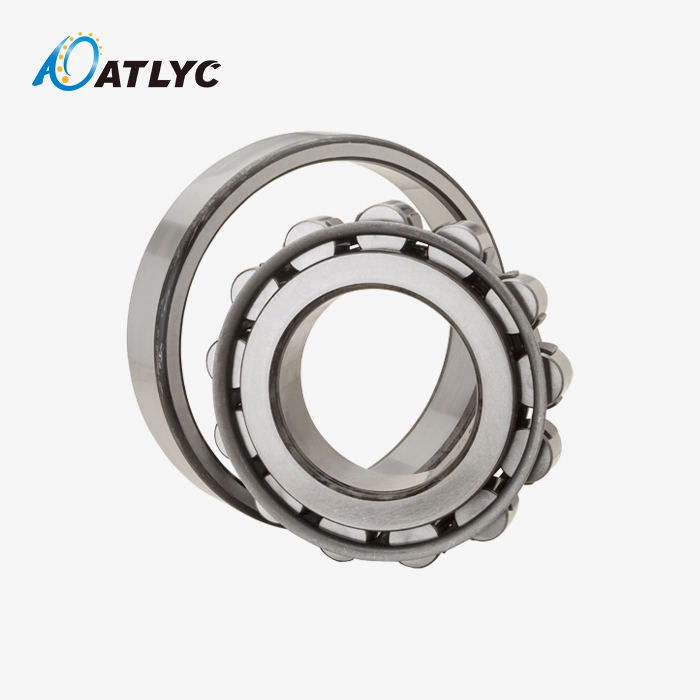
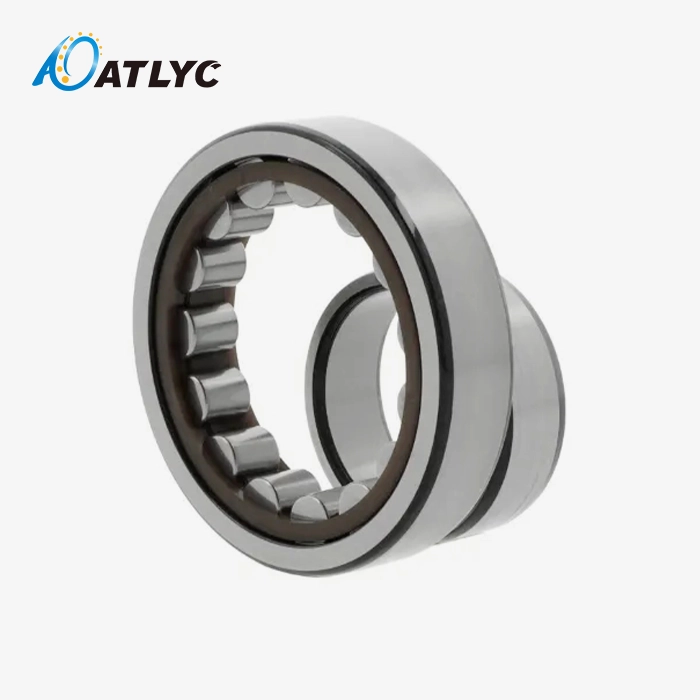
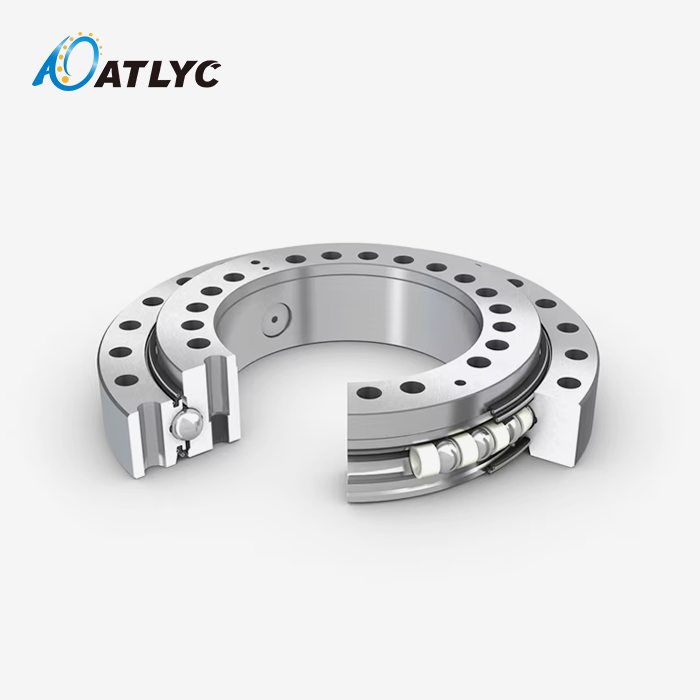
RA Series Crossed Roller Bearing technology represents a breakthrough in precision bearing engineering, combining innovative design elements that set these components apart from conventional bearing solutions. The unique characteristics of these bearings stem from their separable outer ring configuration, orthogonal roller arrangement, and exceptional load-handling capabilities. Unlike traditional bearing designs, RA Series Crossed Roller Bearing units feature cylindrical rollers positioned perpendicular to each other at 90-degree angles on V-groove raceway surfaces, enabling simultaneous management of radial, axial, and moment loads within a single compact unit. This revolutionary design approach addresses the critical industry challenge of achieving maximum rigidity in minimal space constraints.
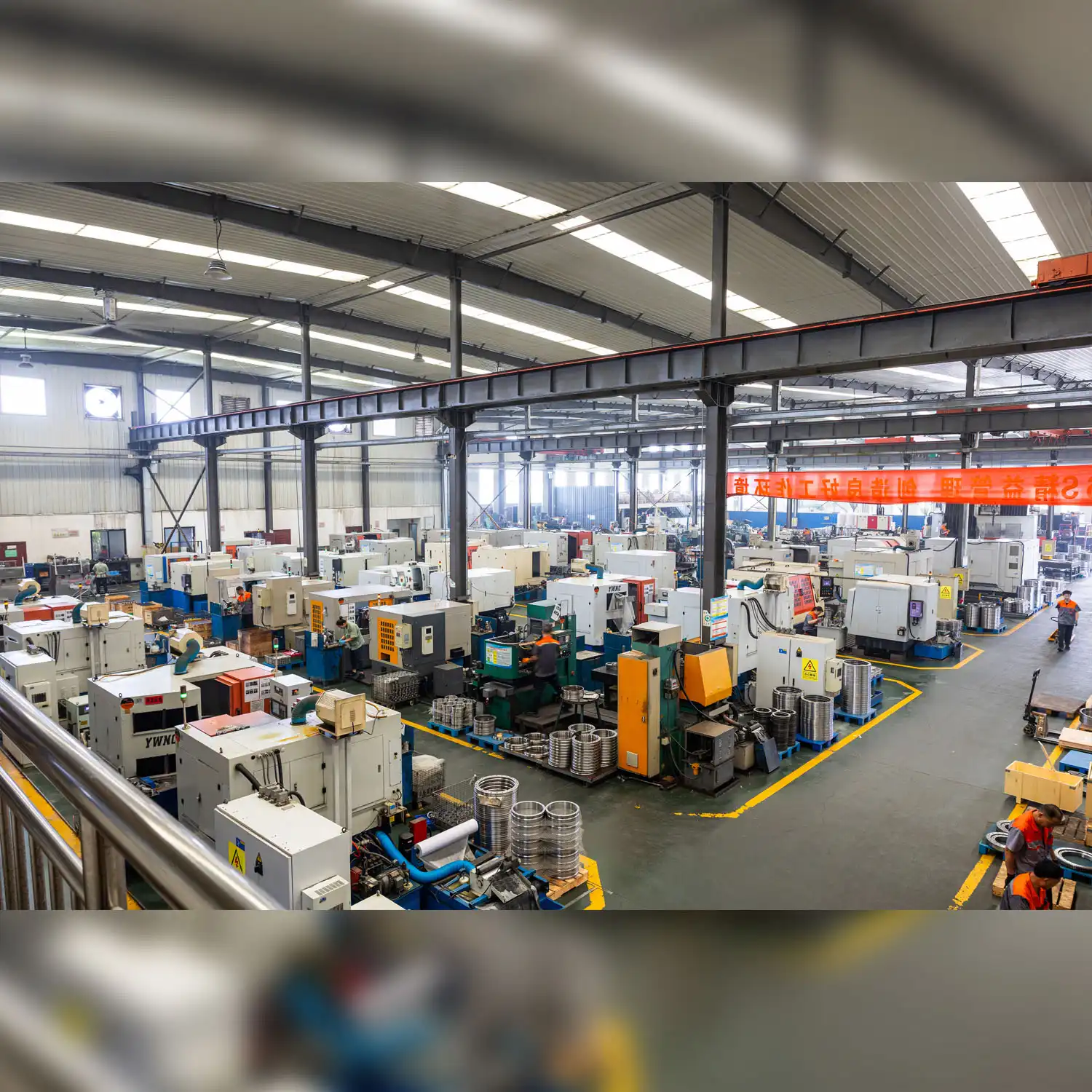
Understanding RA Series Crossed Roller Bearings: Key Specifications and Features
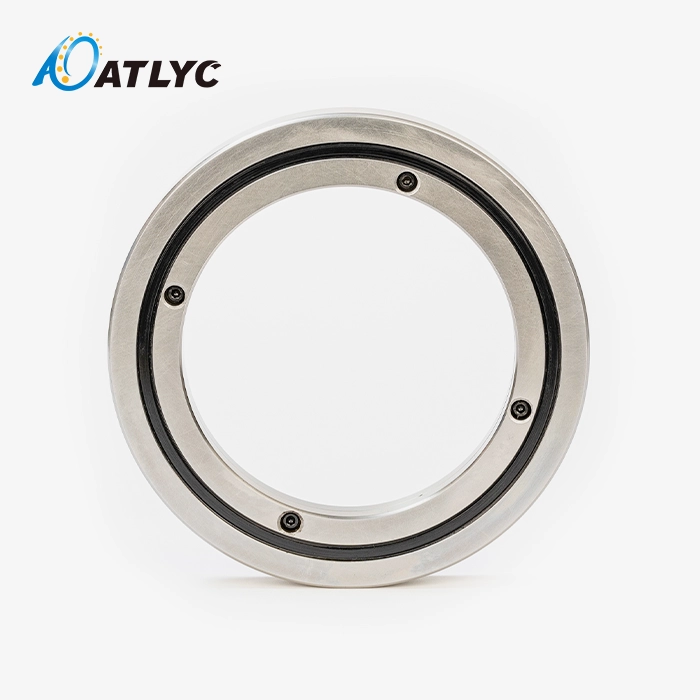
The advanced engineering behind the RA Series Crossed Roller Bearing technology makes it stand out. It meets the most exacting needs in precision machinery uses. These bearings have an outer ring that can be separated and an inner ring that can rotate. This makes them the best choice when room is limited and speed is needed.
Innovative Design Architecture
The crossed roller configuration represents the core innovation behind these bearing systems. Orthogonal cylindrical wheels are set up, with precision spacers between them to keep their exact positions during operation. This setup sets up a 90-degree load distribution pattern across specially designed V-groove raceway surfaces. This makes the contact more efficient while reducing stress concentrations. The separable outer ring design transforms installation and maintenance procedures for industrial applications. Engineers can install or replace these bearings without dismantling adjacent components, reducing downtime and maintenance costs by a large amount. The built-in inner ring maintains superior rotational accuracy, reaching micron-level accuracy that is needed for hard uses in robots and automation equipment.
Technical Specifications and Material Excellence
The current RA Series Crossed Roller Bearing types come in a wide range of sizes to meet the needs of a wide range of applications. The inside diameters range from 20 mm to 350 mm, the outside sizes from 70 mm to 540 mm, and the widths from 12 mm to 45 mm. This wide range of dimensions ensures that it will work with a wide range of machine setups in many businesses. The makeup of the material is very important for how well and how long a bearing lasts. The quality Gcr15 and Gcr15SiMn steel types used in these bearings were chosen because they are very hard, don't wear down easily, and keep their shape. The precise grinding methods used on these materials produce surface finishes that directly lower friction coefficients and improve the smoothness of spinning.
Precision Standards and Quality Assurance
These bearings are classified as P6, P0, P5, and P4 in terms of their accuracy, meeting the strict needs of precision machinery uses. The P4 rating is the highest level of accuracy and is best for uses that need very precise spinning and very low runout tolerances. Quality control methods make sure that all production batches work the same way, which helps OEM manufacturers handle their supply chains more reliably.
Comparing RA Series Crossed Roller Bearings with Other Bearing Types
When choosing an industrial bearing, the RA Series Crossed Roller Bearing, you have to look at a number of different methods to find the best ones for your needs. When RA Series Crossed Roller Bearing units are compared to traditional roller bearings, ball bearings, and other crossed roller designs, they have clear benefits.
Performance Advantages Over Traditional Bearings
To handle horizontal and vertical loads properly, standard ball bearing systems usually need more than one unit. This is not needed with the crossed roller design because it handles loads from multiple directions inside a single bearing system. This consolidation makes the system simpler, lighter, and takes up less room when it's installed. It also makes it more reliable overall by removing more possible failure spots. Traditional roller bearings work great for uses with a lot of load, but they have trouble managing moment loads and meeting the needs for accuracy. These crossed roller bearings have an orthogonal roller arrangement that makes them better at taking moment loads while still being very accurate when rotating. The low friction coefficient that is reached by optimizing the roller contact patterns ensures that the spinning is smooth even when the load changes.
Structural Design Comparisons
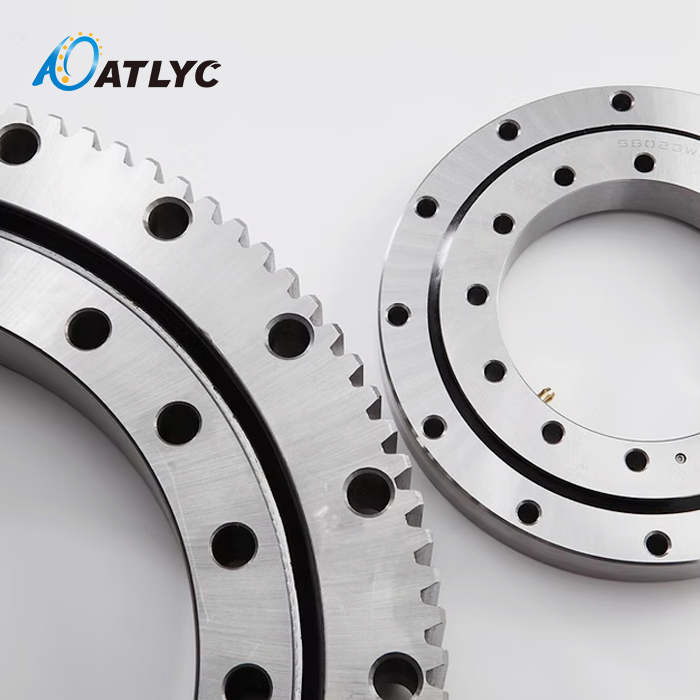
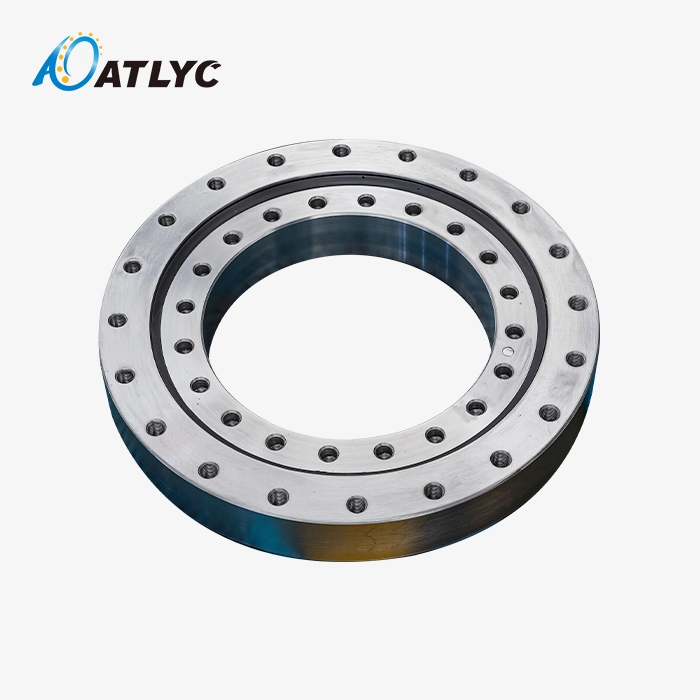
Standard bearing designs often have to choose between how much weight they can hold and how much room they take up. The thin-wall design of RA Series Crossed Roller Bearing units increases their load capacity while reducing their cross-sectional size. Engineers can make machines smaller without losing their performance by using this design method. Slewing bearings are great at moving heavy loads, but they usually need more room to be installed and more complicated mounting setups. Because they are small, crossed roller bearings are perfect for places where design choices are limited by room, like in robotic joints and precision rotating equipment.
Application Areas and Ideal Use Cases for RA Series Crossed Roller Bearings
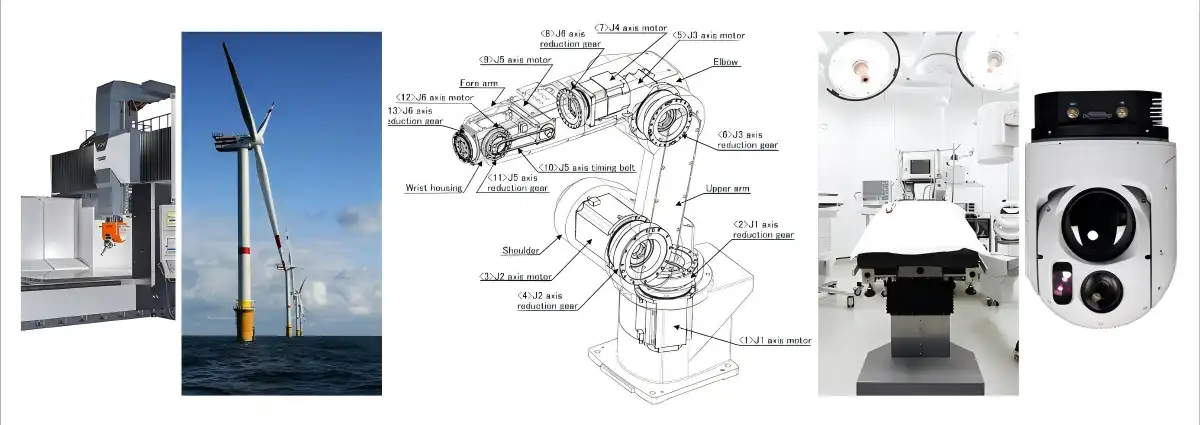
The versatility of RA Series Crossed Roller Bearing technology can be used in a lot of different industries where accuracy, dependability, and saving space are all very important. Procurement experts can find the best uses for these bearings by understanding how they work in specific situations.
Industrial Robotics and Automation
One main way that these improved bearing systems are used is in robotic joint uses. Industrial robots' joints and moving parts need bearings that can handle a wide range of loads and keep the robot's position precise. The design of the outer ring that can be taken off makes it easier to put together and maintain robots, which cuts down on production downtime and service costs. These bearings make rotary tables in machining centers much more stable and accurate, which is a big plus. Being able to handle moment loads while keeping rotational accuracy guarantees accurate cutting over long production runs. When factories switch to crossed roller bearing systems, the quality of the parts they make gets better, and the tools they use last longer.
Medical and Precision Equipment Manufacturing
Applications that use medical tools need very high standards for cleanliness, accuracy, and dependability. These needs are met by RA Series Crossed Roller Bearing units, which have smooth surfaces, controlled greasing systems, and uniform performance. For the accuracy needed in important medical uses, these bearings are used in medical imaging tools, surgery robots, and diagnostic instruments. To handle semiconductor chip processing correctly, IC manufacturing machines need to be able to position themselves very precisely. The micron-level accuracy that these bearing systems can achieve supports the tight limits needed in the process of making semiconductors. Premium bearing materials are compatible with safe conditions, which are necessary for making semiconductors, because they don't release many gases.
Measuring Instruments and Test Equipment
For accurate measurements, precision measuring tools need to be stable and accurate when they rotate. Crossed roller bearings have great runout accuracy, which ensures that measurement performance stays the same over long periods of time. These bearings keep things stable even when the load changes. This is helpful for coordinate measuring machines, visual inspection equipment, and precision tools.
Procurement Strategies for RA Series Crossed Roller Bearings
To buy precision bearing systems effectively, the RA Series Crossed Roller Bearing, you need to know the technical specs, what the seller can do, and what kind of long-term help you'll need. Creating thorough buying strategies allows for the best choice of bearings while keeping costs and delivery times under control.
Technical Selection Criteria
A load study is the first step in choosing the right RA Series Crossed Roller Bearing. Knowing the exact radial, axial, and moment loads needed lets you accurately size and specify the bearing. Material choice and closing needs are affected by things in the environment, like temperature ranges, amounts of contamination, and lubrication limitations. In small machinery uses, the choice of bearing is often limited by its size. The thin-wall form of RA Series Crossed Roller Bearing units makes them useful in situations where standard bearings can't be used because of a lack of room. Integration into current machinery designs can only work if mounting plans and access needs are carefully thought out.
Supplier Evaluation and Partnership Development
When a company wants to become a supplier, it should check its manufacturing skills, quality certifications, and expert help resources. Getting ISO 9001 and IATF 16949 certifications shows that you are dedicated to quality management systems, which are necessary for consistent bearing performance. Assessments of manufacturers' abilities make sure that providers can meet production rate needs and delivery dates. Having the ability to provide technical help is very important during the bearing selection and application building stages. Suppliers who offer customization choices and engineering consulting services add value by making improved bearing solutions that fit the needs of a specific application. Long-term relationships with qualified providers help with programs for cost optimization and ongoing growth.
Installation, Maintenance, and Longevity Best Practices
To get the most out of the operating life and performance of RA Series Crossed Roller Bearing systems, they need to be installed, maintained, and managed in an environmentally friendly way. These best practices make sure that bearings work at their best while keeping the total cost of ownership as low as possible.
Installation Procedures and Common Pitfalls
Cleaning the bearing parts and mounting areas well is the first step in a proper fitting. A main reason why bearings fail too soon is that they get dirty during installation. Using the right lifting and moving tools during installation keeps precision-ground surfaces from getting damaged. Accuracy in mounting has a direct effect on how well and how long a bearing lasts. Making sure the balance is right, the preload settings are right, and the torque specs are right stops stress from building up that could cause early wear. The form of the outer ring being able to be separated makes fitting easier while still meeting precision standards.
Lubrication and Inspection Protocols
The choice of lubricant depends on the working conditions, such as the temperature range, the speed needs, and the amount of pollution that will be present. Lubricants made especially for precision bearings are of high quality and last longer while keeping the same level of performance. The right amount of grease keeps bearings from not working properly because they are either not oiled enough or too oiled. Protocols for regular inspections help find wear patterns or performance decline early on. Visual inspections, temperature tracking, and vibration analysis are all good ways to get useful information for predictive maintenance plans. Setting up standard measures of performance allows for trend analysis, which helps find the best times to do maintenance.
Conclusion
The RA Series Crossed Roller Bearing technology is RA Series Crossed Roller Bearing very valuable because it has new design features that solve important problems in precision machinery uses. Bearing solutions that work well in tough industrial settings are made with quality materials, an outer ring that can be separated, and rollers that are arranged in an orthogonal pattern. These bearings have better load-carrying capacity, better rotational accuracy, and forms that use less space, which lets you make new machine combinations. These bearings are perfect for industrial robots, medical equipment, precise instruments, and automation systems that need to be reliable and accurate. They come in a wide range of sizes and have been tested and proven to work in a wide range of situations.
FAQ
1. What distinguishes crossed roller bearings from traditional bearing designs?
Crossed roller bearings have circular rollers that are placed perpendicular to each other at 90-degree angles. This lets one bearing handle radial, axial, and moment loads at the same time. This design gets rid of the need for multiple bearing assemblies and makes it possible to rotate more accurately and distribute load better than traditional ball or roller bearings.
2. How do the accuracy grades affect bearing performance?
Accuracy grades (P6, P0, P5, P4) indicate the precision level of dimensional tolerances and rotational accuracy. Higher accuracy grades, like P4, have better runout and tighter tolerances, which are necessary for precision uses like measuring tools and robotic systems that need placement accuracy at the micron level.
3. What maintenance practices extend bearing operational life?
Controlling environmental contamination, managing lubrication properly, and following regular check routines are all important maintenance practices. Using the right oils, keeping the right amount of lubrication on hand, and installing vibration tracking systems all allow for predictive maintenance methods that extend the life of bearings and stop them from breaking down without warning.
Partner with ATLYC for Premium RA Series Crossed Roller Bearing Solutions
ATLYC is ready to meet your needs for precision bearings with our full range of RA Series Crossed Roller Bearing production skills and technical know-how. Our ISO 9001 and IATF 16949-certified factory uses cutting-edge production technologies and strict quality control methods to make bearing solutions that are perfect for the toughest industrial uses. As a well-known company that makes crossed roller bearings for the automobile, robotics, and precision equipment industries, we can help you with your production needs by offering customized technical support, cheap pricing, and reliable delivery plans. Get in touch with our technical team at auto@lyautobearing.com to talk about your unique bearing needs and find out how our proven production skills can help your equipment work better and be more reliable.
References
1. Industrial Bearing Technology and Applications in Precision Machinery Systems, Journal of Mechanical Engineering, 2023
2. Crossed Roller Bearing Design Principles and Performance Analysis, International Bearing Association Technical Report, 2022
3. Precision Bearing Selection Guidelines for Robotic Applications, Automation Engineering Quarterly, 2023
4. Advanced Materials in High-Performance Bearing Manufacturing, Materials Science and Engineering Review, 2022
5. Quality Management Systems in Bearing Manufacturing: ISO Standards Implementation, Industrial Quality Management Journal, 2023
6. Maintenance Best Practices for Precision Bearing Systems in Industrial Applications, Plant Engineering and Maintenance Magazine, 2022
Learn about our latest products and discounts through SMS or email