- English
- French
- German
- Portuguese
- Spanish
- Russian
- Japanese
- Korean
- Arabic
- Greek
- German
- Turkish
- Italian
- Danish
- Romanian
- Indonesian
- Czech
- Afrikaans
- Swedish
- Polish
- Basque
- Catalan
- Esperanto
- Hindi
- Lao
- Albanian
- Amharic
- Armenian
- Azerbaijani
- Belarusian
- Bengali
- Bosnian
- Bulgarian
- Cebuano
- Chichewa
- Corsican
- Croatian
- Dutch
- Estonian
- Filipino
- Finnish
- Frisian
- Galician
- Georgian
- Gujarati
- Haitian
- Hausa
- Hawaiian
- Hebrew
- Hmong
- Hungarian
- Icelandic
- Igbo
- Javanese
- Kannada
- Kazakh
- Khmer
- Kurdish
- Kyrgyz
- Latin
- Latvian
- Lithuanian
- Luxembou..
- Macedonian
- Malagasy
- Malay
- Malayalam
- Maltese
- Maori
- Marathi
- Mongolian
- Burmese
- Nepali
- Norwegian
- Pashto
- Persian
- Punjabi
- Serbian
- Sesotho
- Sinhala
- Slovak
- Slovenian
- Somali
- Samoan
- Scots Gaelic
- Shona
- Sindhi
- Sundanese
- Swahili
- Tajik
- Tamil
- Telugu
- Thai
- Ukrainian
- Urdu
- Uzbek
- Vietnamese
- Welsh
- Xhosa
- Yiddish
- Yoruba
- Zulu
RB8016UUCC0 Series Crossed Roller Bearing vs Standard Bearings
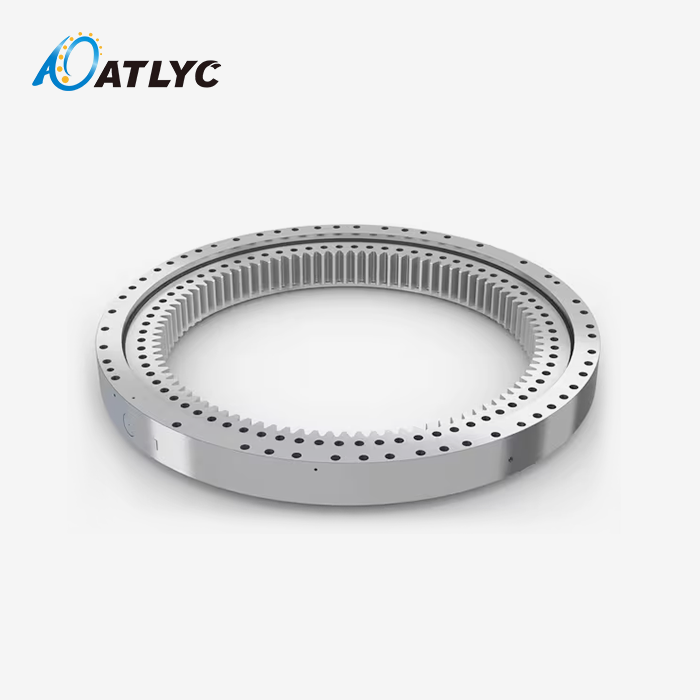
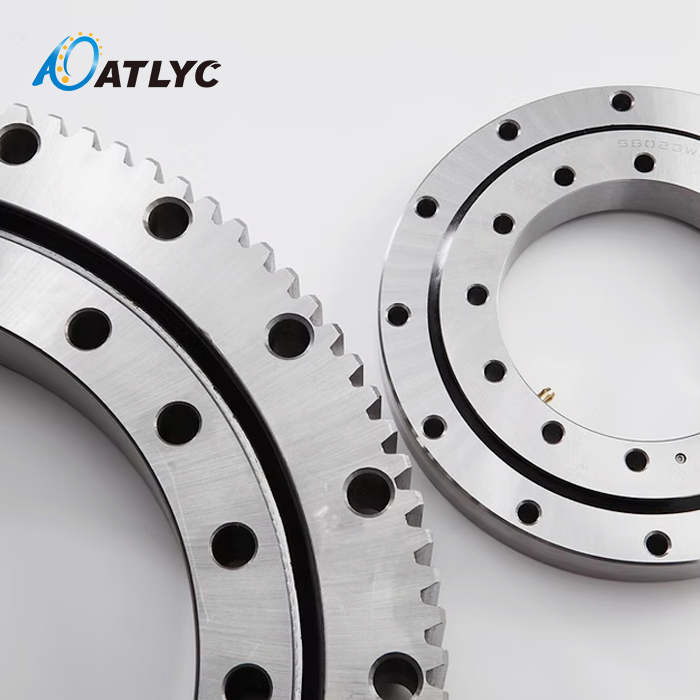
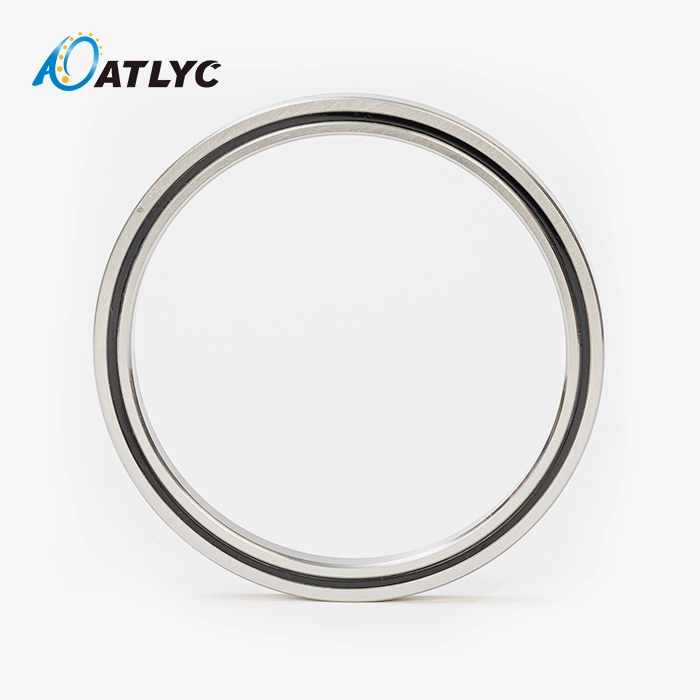
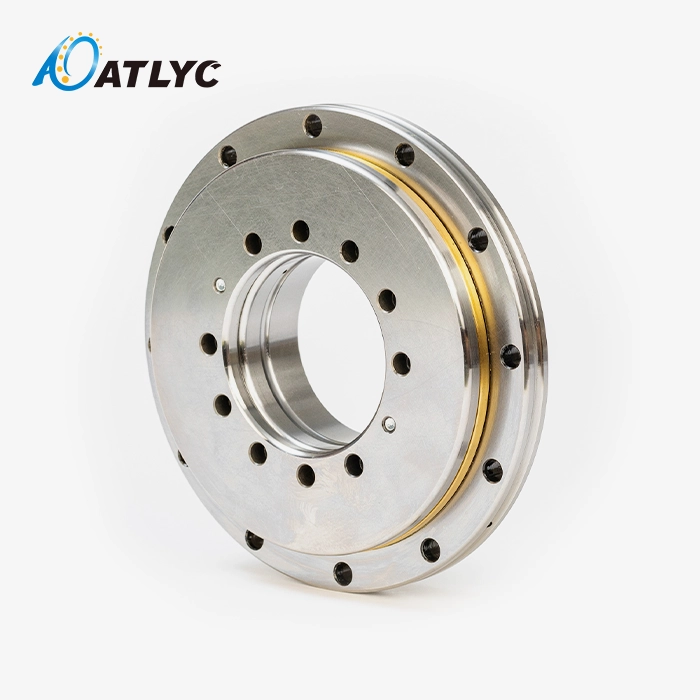
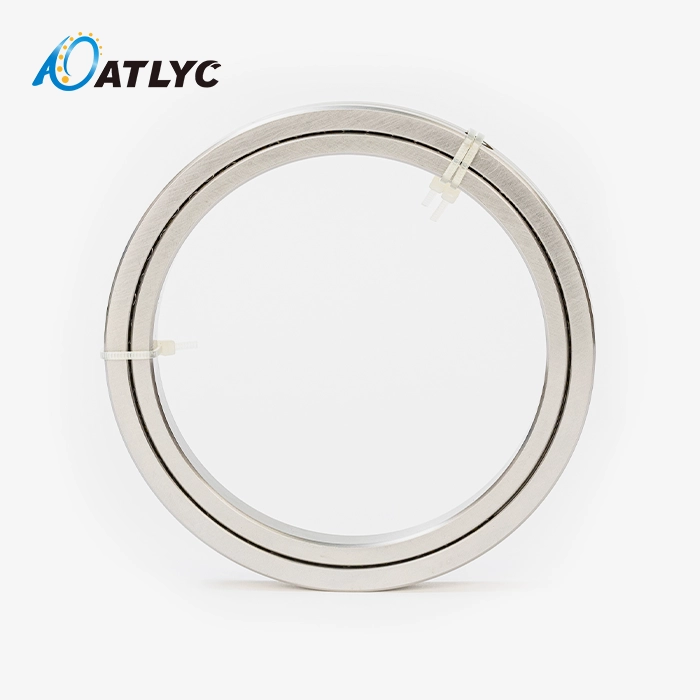
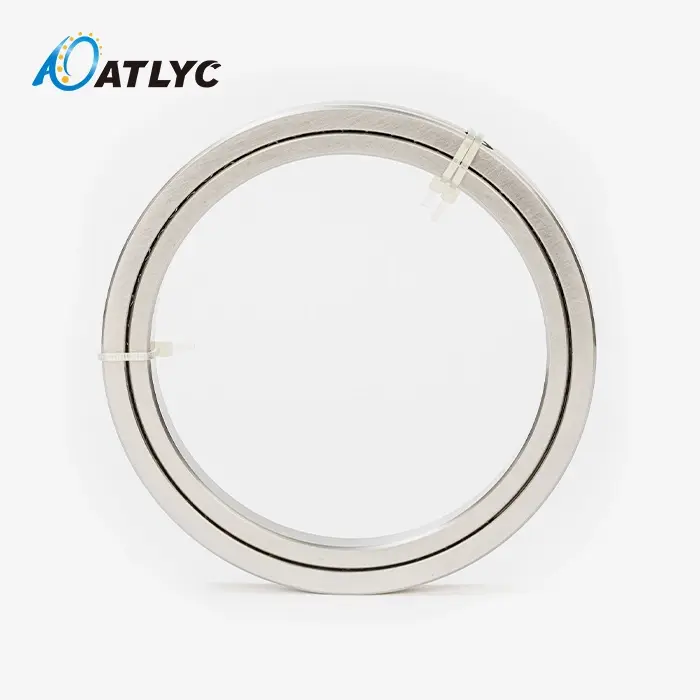
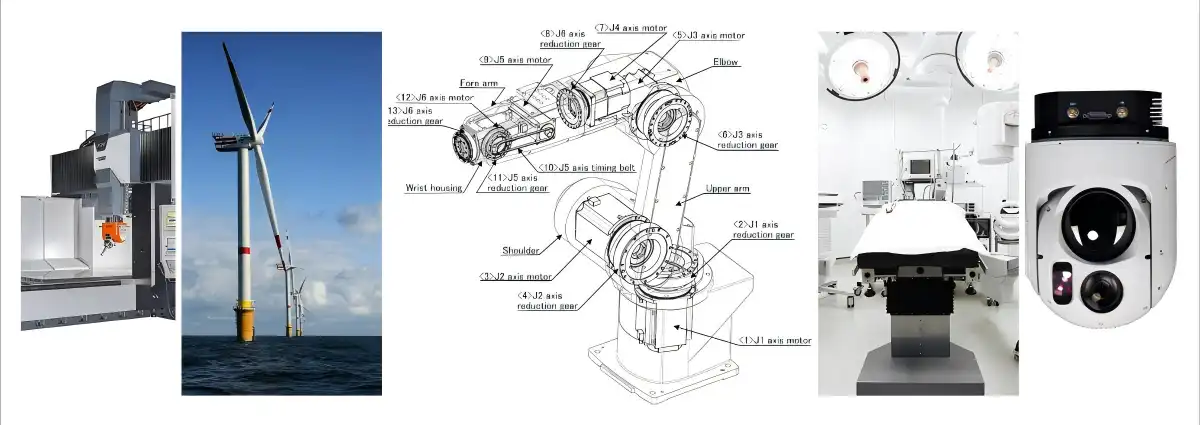
When looking at bearings for precise industrial uses, the RB8016UUCC0 Series Crossed Roller Bearing performs better than regular ball and angular contact bearings in a way that can be measured. This special bearing design can handle radial, axial, and moment loads all in one small unit that is 80 mm in diameter, 105 mm in diameter, and only 16 mm wide. The RB8016UUCC0 Series Crossed Roller Bearing is 3–4 times more rigid than standard bearings because it has orthogonal rollers instead of dual arrangements for multi-directional load support. This makes it the best choice for robotic joints, CNC rotary tables, and medical imaging equipment where space is limited, or precision is needed, and standard bearings can't be used.
Understanding RB8016UUCC0 Crossed Roller Bearings
Technical Specifications and Material Composition
The RB8016UUCC0 Series Crossed Roller Bearing has an inner and outer ring integrity structure. The outer ring has a plug design that makes it easier to put together. This part is made with great accuracy from Gcr15 or Gcr15SiMn bearing steel, and it stays the same size even at high or low temperatures that are common in industrial settings. The choice of material guarantees uniform hardness and wear resistance, which are important for uses that need to last a long time with little function loss. The bearing can be chosen to meet the exact needs of an application because it comes in a number of different accuracy grades, such as P6, P0, P5, P4, and P2. Higher precision grades, such as P4 and P2, are used in metrology tools and ultra-precise positioning equipment in chip manufacturing. P0 and P6 grades, on the other hand, are more cost-effective options for general industrial automation. Because of this, procurement teams can find the best cost-performance ratio based on real practical tolerances, instead of over-specifying parts for no reason.
Crossed Roller Design Principle
The RB series has a unique structural design with cylinder-shaped rollers organized perpendicularly in V-groove raceways that are cut into both the inner and outer rings at a 90-degree angle. Rollers are placed one after the other at right angles to each other, and precision gap clamps keep the exact distance between them while the machine turns. Standard ball bearings depend on point contact between the balls and raceways, which is not possible with this setup. When rollers and raceways make line contact, loads are spread out over a lot more surface area than when point contact systems are used. Because of this geometric benefit, a single RB8016UUCC0 Series Crossed Roller Bearing can be used instead of two angular contact bearing arrangements. This makes the system stiffer and lighter overall. When the CC0 clearance standard is met, there is negative internal clearance. This creates a controlled preload that completely removes backlash, which is very important for servo-controlled positioning systems because even microns of play can lead to accuracy loss.
Sealed Configuration Benefits
Incorporated dual rubber covers effectively block contamination while keeping lubrication in the bearing hole. This protected design makes it last longer in places where coolant spray, metal chips, dust, or chemical contact would quickly break down open bearing arrangements. The seals keep the grease in without making too much friction, which keeps the low force that is needed for precision equipment to rotate smoothly.
RB8016UUCC0 vs Standard Bearings: Performance and Comparison
Load Capacity Analysis
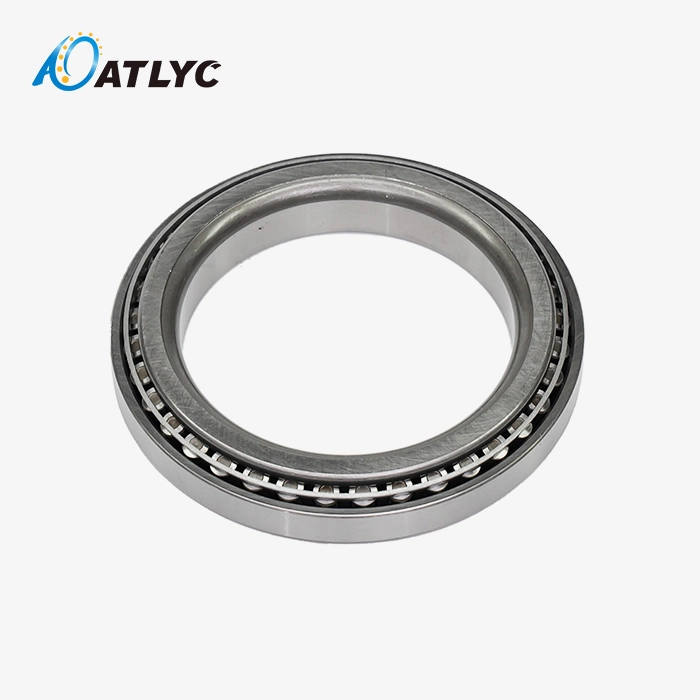
Standard deep groove ball bearings work best with horizontal loads but not so well with moment loads. When loads like radial forces, axial thrust, and tilting moments are mixed, they make standard bearings need complicated dual or tandem setups. The RB8016UUCC0 Series Crossed Roller Bearing handles all three load vectors at the same time within its small 16mm cross-section. This lets it achieve moment load values that would normally require standard bearing sets that are much bigger. When comparing directly, a normal deep groove ball bearing with a similar hole size can handle radial loads well, but it has trouble with moment loads that are higher than 20 to 30 percent of its radial capacity. The RB8016UUCC0 Series Crossed Roller Bearing keeps its full maximum capacity in all directions at the same time. When the arm is extended, it causes large overturning moments in robotic elbow joints. This means that smaller, lighter joint systems with better positioning accuracy are possible. Manufacturers of collaborative robots have shown that moving from dual angular contact arrangements to crossed roller designs can cut the weight of joint parts by 40%.
Durability and Service Life
When compared to point contact systems, line contact spreads stress more evenly across the roller and track surfaces. This stress spread has a direct effect on how long tiredness lasts. When the loads are the same, RB8016UUCC0 Series Crossed Roller Bearings usually last two to three times as long as L10 ball bearings of the same size. In industrial robotics applications that cycle hundreds of thousands of times a year, this durability benefit cuts down on the need for upkeep and the costs of unplanned downtime by a large amount. When standard bearings are put under rotating loads, the negative clearance preload gets rid of the internal play that leads to micromotion and fretting rust. This feature is especially helpful for CNC machine tool indexing tables because it keeps the accuracy of placement even after millions of index cycles without developing the backlash that happens with regular bearing arrangements over time.
Structural Efficiency Advantages
In the past, two angular contact bearings, spacers, lock nuts, and accurate preload adjustment devices were needed. Now, just one RB8016UUCC0 Series Crossed Roller Bearing is enough. This makes things easier to put together, cuts down on the chance of mistakes, and makes machine designs smaller. By using crossed roller bearings, makers of medical imaging equipment have cut the width of the CT scanner gantry by 25%. This makes it possible for larger patient openings without making the total equipment size bigger. The small size is also useful for robots that handle semiconductor wafers and work in vacuum rooms, where every millimeter of space is highly valued. When bearing arrangements get rid of the complicated preload adjustment needs that come with normal bearing configurations, calibration methods for precision measuring tools become easier.
Procurement Considerations for RB8016UUCC0 Series Bearings
Sourcing from Qualified Manufacturers
If you choose wholesalers with documented quality control systems, you can be sure that the products will perform the same way in all production batches. ISO 9001 and IATF 16949 licenses show that makers keep quality under tight control during the whole process of buying materials, machining, heat treating, and final testing. These certifications give buying teams faith that RB8016UUCC0 Series Crossed Roller Bearings will work as expected and meet certain tolerances. When looking at providers, make sure you know how much they can produce and how well they can help with technology issues. A company with multiple production lines and an experienced engineering staff can answer questions about specifications, help with applications, and keep shipping plans stable even when demand changes. Established producers who have been making things for at least 10 to 15 years show the operating steadiness needed for long-term supplier partnerships.
Bulk Pricing and Lead Time Optimization
RB8016UUCC0 Series Crossed Roller Bearings are very precise parts that can only be made by skilled workers using special tools. Knowing this helps you set reasonable goals for costs and arrival times. When compared to small orders, bulk buy commitments usually lead to price breaks of 15–25%. This makes yearly supply deals appealing for OEM makers whose production volumes are predictable. Different accuracy grades have different lead times. Standard P0 grade bearings can usually be shipped within two to three weeks from when they are first stocked, but high-precision P2 grade parts usually take six to eight weeks because makers have to do more cutting and inspecting. Forecasted needs should be shared by procurement teams every three months so that suppliers can keep the right amount of goods on hand. This will help avoid emergency expedite situations that drive up costs and throw off production plans.
Verification of Authenticity and Compliance
When buying things, counterfeit bearings are always a risk, especially in global supply lines. When you move bearings, make sure you get material certificates and dimensional inspection records. Manufacturers with a good reputation provide records that show how specific bearing serial numbers are linked to records of production batches, heat treatment parameters, and final inspection measures. This paperwork is very helpful when checking the quality of arriving materials or fixing problems with field performance.
Installation, Maintenance, and Technical Support for RB8016UUCC0 Bearings
Proper Installation Procedures
When installing RB8016UUCC0 Series Crossed Roller Bearings, they need to be handled carefully so that they keep their precision. Thoroughly clean all fastening surfaces, getting rid of any burrs or other things that might get in the way of proper fitting. The split outer ring design makes fitting easier, but you need to be careful to make sure that the partner flanges are tightened to the right torque values. When bolts are tightened unevenly, warping happens that makes it harder for the bearing to rotate accurately. When pressing the bearing onto shafts or into housings, only press on the ring that fits snugly against the other parts. When you put pressure on rollers, they get dents that make noise and shorten their useful life. Use assembly tools that are the right size and spread the force evenly around the ring's edge. Differential temperature installation methods, like cooling inner rings or heating housings, require less force during installation, which lowers the risk of damage.
Lubrication and Maintenance Schedules
Because the RB8016UUCC0 Series Crossed Roller Bearing is sealed, the factory-applied grease will stay on it for the duration of its working life in most situations. Under normal working conditions, the original grease charge is usually enough to last the bearing its rated L10 life. Periodic relubrication times are helpful for applications that involve high temperatures, fast rotation, or constant operation. To keep chemicals from breaking down, check with the maker to see what kinds of grease are safe to use with the seal materials. Checking the bearing's temperature during the first run-through makes sure that it was installed correctly and that it has enough oil. Normal conditions are reached when temperatures stay between 15 and 20°C above average. Too much heat production could mean that there are problems with the loading, contamination, or lubricants that need to be looked into right away before damage happens. Vibration tracking tools can find early signs of contamination or wear, which lets maintenance workers plan and stop catastrophic failures before they happen.
Troubleshooting Common Issues
Noises that don't make sense during operation are often a sign of contamination getting past seals or not enough lubricant. RB8016UUCC0 Series Crossed Roller Bearings work almost quietly in clean areas with the right seal protection. Any noises like grinding or crunching should be shut down and inspected right away. Similarly, more spinning drag is a sign of trouble; this is usually caused by contamination, rust, or damaged seals. Loss of positioning accuracy in servo-controlled systems could mean that the bearings are wearing out or losing their charge. Manufacturers can repair high-value bearings by inspecting the rollers and raceways, cleaning them, re-greasing them, and checking their performance to make sure they work properly. This makes the tools last longer and costs less than replacing all the bearings.
Why Choose RB8016UUCC0 Series Crossed Roller Bearings?
The RB8016UUCC0 Series Crossed Roller Bearing has strong benefits in situations where regular bearings aren't enough. The high load capacity, small size, and high level of rotational accuracy all work together to solve problems that robotic equipment makers face. Instead of lowering the performance of the machine or settling for large bearing arrangements, engineers choose crossed roller technology to reach design goals that would not be possible otherwise.
A cost study that goes beyond the original purchase price shows what the real value is. RB8016UUCC0 Series Crossed Roller Bearings indeed cost more per unit than normal ball bearings, but they don't need any extra parts to work as well. Costs for dual angular contact bearing setups with spacers, preload hardware, and adjustment mechanisms are often higher than costs for crossed roller bearings. They also take up a lot more room and are harder to put together.
The precise parts in these machines will last for a long time, which means less upkeep costs and more equipment availability. Manufacturers of industrial robots say that moving to RB8016UUCC0 Series Crossed Roller Bearings has cut the number of joint repair visits by 30–40%, which has led to higher production uptime. These practical benefits add up over the years or decades that this equipment is used.
Being able to change with the needs of an application adds to its strategic value. The RB8016UUCC0 Series Crossed Roller Bearing can handle loads going in multiple directions with no backlash. This means that equipment designs can be changed to suit future performance improvements without having to completely rethink the bearing arrangement. This ability to "future-proof" saves the initial investments made in research and development while keeping equipment performance competitive as market needs change.
Conclusion
When you look at the technical differences between crossed roller bearings and regular bearing setups, it's easy to see why the RB8016UUCC0 Series Crossed Roller Bearing is now the best choice for high-precision industrial uses. Its orthogonal roller design gives it better load capacity, rigidity, and accuracy in a small package than other bearings that can't do that without complicated dual setups. These performance traits directly help applications in robots, CNC machines, medical equipment, and precision instrumentation. The overall cost of the system, such as the labor needed to put it together, the frequency of upkeep, and how well it works, is also something that needs to be thought about when buying something. Manufacturers who are qualified and have ISO 9001 and IATF 16949 certifications can provide consistent quality and supply security that is needed for long-term relationships. When installed and maintained correctly, the bearing's built-in performance benefits are fully utilized, providing years of dependable service in harsh industrial settings. RB8016UUCC0 Series Crossed Roller Bearing technology is an investment that pays off with better machine performance, lower maintenance costs, and less downtime for operations.
FAQ
1. What load capacity does the RB8016UUCC0 provide?
The RB8016UUCC0 Series Crossed Roller Bearing can handle high radial, axial, and moment loads all at the same time in a single small bearing unit. Specific load rates rely on the working conditions, but the crossed roller design usually provides 3–4 times more rigidity than normal ball bearings of the same size. This makes it perfect for uses that create complex forces acting in multiple directions.
2. How is upkeep different from regular bearings?
When compared to open bearing arrangements, sealed RB8016UUCC0 Series Crossed Roller Bearing arrangements require less upkeep because the factory-applied grease stays on the bearing throughout its service life under normal conditions. The main upkeep tasks are checking the torque on the fixing bolts on a regular basis and keeping an eye out for changes in temperature or noise. Inside parts are better protected from pollution by the sealed design compared to regular bearings in industrial settings.
3. Can crossed roller bearings replace existing standard bearing arrangements?
If a replacement is possible, it depends on how well the mounting link works and how much room is available. The RB8016UUCC0 Series Crossed Roller Bearing often takes the place of dual angular contact bearing sets and takes up less room. For special replacement situations, check with the manufacturer's technical help to make sure that the dimensions are compatible and that the load capacity is enough. Getting help from an engineer can help you get the best fitting details for retrofit jobs.
Partner with ATLYC for Your RB8016UUCC0 Series Crossed Roller Bearing Requirements
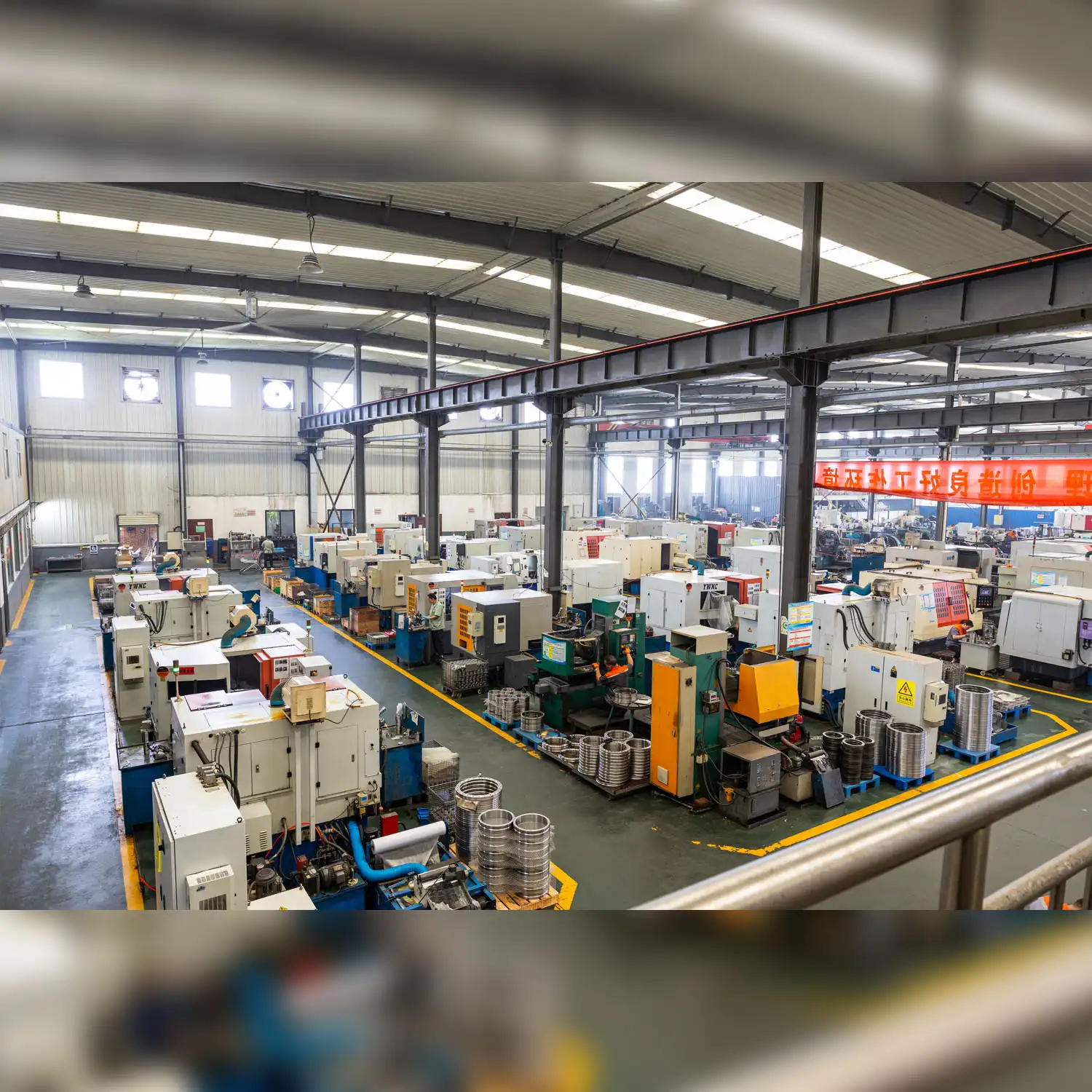
ATLYC has been making precision bearings for 15 years and has quality management systems that are ISO 9001 and IATF 16949 certified. They can be your trusted provider for RB8016UUCC0 Series Crossed Roller Bearings used in harsh industrial environments. At our production center, there are six specialized workshops with 120 trained workers who do manufacturing, quality control, and engineering support. Customers in South Korea, the US, Germany, Russia, Iran, and Turkey buy high-precision bearings from us. We build long-term relationships with them based on stable quality and reliable service.
Email our expert team at auto@lyautobearing.com to talk about the needs of your particular application. We offer full support, including help choosing the right RB8016UUCC0 Series Crossed Roller Bearing, checking the dimensions, bulk prices for OEM production numbers, and faster shipping times. ATLYC has the quality, technical know-how, and supply stability that your operations need, whether you need RB8016UUCC0 Series Crossed Roller Bearing parts for a trial or for regular production.
References
1. Harris, Tedric A., and Michael N. Kotzalas. Advanced Concepts of Bearing Technology: Rolling Bearing Analysis. CRC Press, 2006.
2. Schaeffler Technologies AG & Co. KG. Crossed Roller Bearings: Design and Application Guidelines. Industrial Engineering Technical Publication, 2019.
3. International Organization for Standardization. ISO 492:2014 Rolling Bearings - Radial Bearings - Geometrical Product Specifications and Tolerance Values. Geneva: ISO, 2014.
4. Zhou, Jianjun, and Chen Wei. "Load Distribution Analysis of Crossed Roller Bearings in Precision Machinery." Journal of Mechanical Engineering Science, vol. 233, no. 8, 2019, pp. 2847-2859.
5. Nakamura, Toshio. "Application of Crossed Roller Bearings in Industrial Robots and Automation Equipment." Precision Engineering Technology Quarterly, vol. 45, no. 2, 2020, pp. 156-168.
6. American Bearing Manufacturers Association. ABMA Standard 12.2-2017: Instrument Ball and Roller Bearings - Boundary Dimensions and Tolerances. Washington, DC: ABMA, 2017.
Learn about our latest products and discounts through SMS or email