- English
- French
- German
- Portuguese
- Spanish
- Russian
- Japanese
- Korean
- Arabic
- Greek
- German
- Turkish
- Italian
- Danish
- Romanian
- Indonesian
- Czech
- Afrikaans
- Swedish
- Polish
- Basque
- Catalan
- Esperanto
- Hindi
- Lao
- Albanian
- Amharic
- Armenian
- Azerbaijani
- Belarusian
- Bengali
- Bosnian
- Bulgarian
- Cebuano
- Chichewa
- Corsican
- Croatian
- Dutch
- Estonian
- Filipino
- Finnish
- Frisian
- Galician
- Georgian
- Gujarati
- Haitian
- Hausa
- Hawaiian
- Hebrew
- Hmong
- Hungarian
- Icelandic
- Igbo
- Javanese
- Kannada
- Kazakh
- Khmer
- Kurdish
- Kyrgyz
- Latin
- Latvian
- Lithuanian
- Luxembou..
- Macedonian
- Malagasy
- Malay
- Malayalam
- Maltese
- Maori
- Marathi
- Mongolian
- Burmese
- Nepali
- Norwegian
- Pashto
- Persian
- Punjabi
- Serbian
- Sesotho
- Sinhala
- Slovak
- Slovenian
- Somali
- Samoan
- Scots Gaelic
- Shona
- Sindhi
- Sundanese
- Swahili
- Tajik
- Tamil
- Telugu
- Thai
- Ukrainian
- Urdu
- Uzbek
- Vietnamese
- Welsh
- Xhosa
- Yiddish
- Yoruba
- Zulu
XU100140UU Precision Cross Roller Bearing Maintenance Tips
Taking good care of the XU100140UU Precision Cross Roller Bearing makes sure that it lasts longer, works perfectly, and doesn't stop working in important business settings. For engineers, procurement managers, and OEM clients who use these hard parts in robots, medical equipment, and precision machinery, this guide lays out a plan for how to keep them in good shape. Having the right care routines will have a direct effect on how well your business runs and how much money you make.
Understanding the XU100140UU Precision Cross Roller Bearing
The XU100140UU Precision Cross Roller Bearing is different from other bearings because it has a cross roller system that makes it special. Professionals in purchasing and servicing can get the most out of it in tough settings by understanding how it was built.
Cross-Roller Configuration and Load Handling
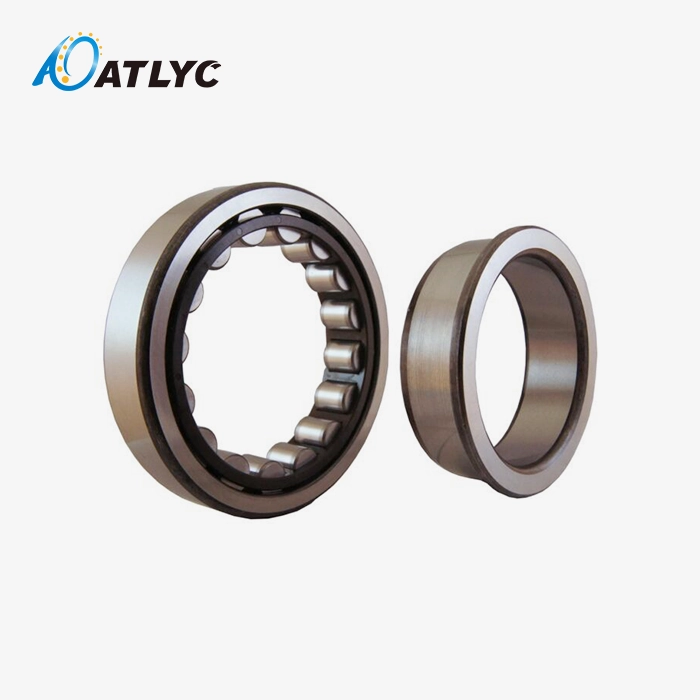
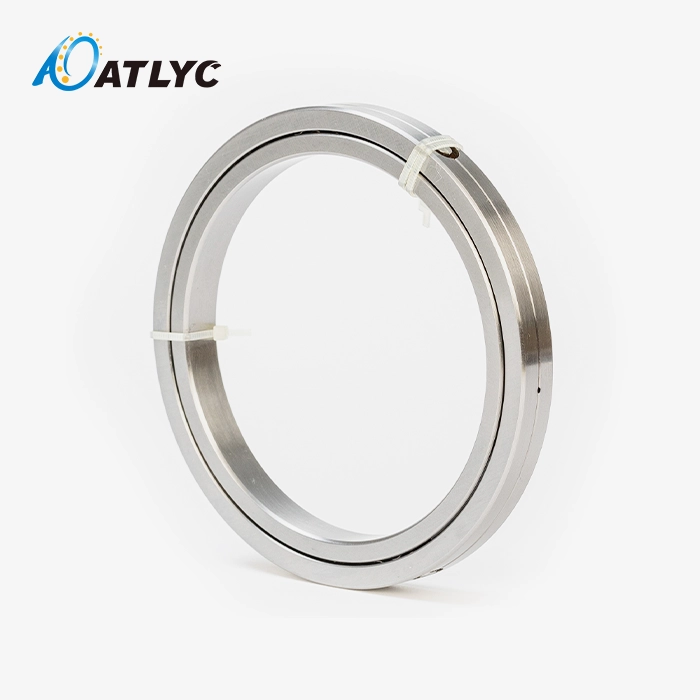
This bearing has V-shaped raceways with circular wheels that are set up perpendicular to each other at 90-degree intervals. The rotating roller direction makes line contact instead of point contact, which spreads forces more evenly across the raceway surface. With this design, the bearing can handle high radial, axial, and moment loads all at the same time in a single, small unit. With a 100mm inner diameter, a 140mm outer diameter, and a 20mm width, it has a very high load capacity and doesn't take up much mounting room.
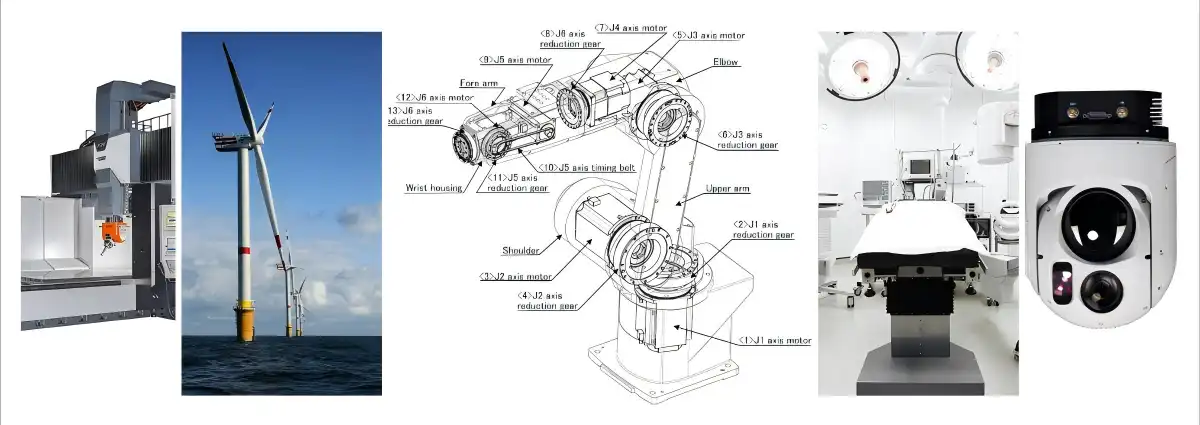
Spacer blocks keep neighboring rollers from touching each other so that the rotational force stays the same. This separation device lowers friction inside the system and keeps it running smoothly even when the load is complicated. This leads to stable performance, which is useful for industrial robot joints, CNC spinning tables, and medical imaging equipment gantries.
Material Composition and Manufacturing Standards
The XU100140UU Precision Cross Roller Bearing is made of high-quality GCr15 and GCr15SiMn alloy steels that have been heated to an HRC 60–64 hardness level. These materials are better at resisting tiredness and keeping their shape even when the temperature changes. The way we make things is based on ISO 9001 and IATF 16949 standards, which makes sure that the metal's qualities stay the same and the grinding is done precisely.
Compared to split-ring designs, structures with integrated inner and outer rings are more rigid. There is no need for separate housings or flanges when fixing holes are already made. These holes are usually countersunk or threaded. This design simplicity makes the assembly easier and cuts down on the number of parts needed. It also makes the bearing and mounting area more closely aligned.
Sealing Technology and Precision Grades
The letter "UU" means that both bearing sides have two synthetic rubber lip seals. These seals keep the grease that was already on the raceways in place while keeping out dust, moisture, and metal bits that could damage the surfaces of the raceways. This safety is especially helpful in places where there is a high chance of contamination, like grinding processes or setting up tools outside.
There are different levels of precision for cross roller bearings, from P6 (normal) to P2 (ultra-high accuracy). Higher precision grades have tighter limits on the accuracy of their dimensions and the amount of circular runout they allow, usually within micrometer ranges. How you choose the right precise grade depends on the positioning needs of your product and your budget.
Common Maintenance Challenges and Their Causes
To properly maintain cross roller bearings, you need to know about common failure modes that can cause performance to drop too soon. We've learned about common upkeep issues that procurement teams should take care of ahead of time by talking to hundreds of B2B clients for technical help.
Lubrication-Related Issues
In precision uses, improper oil is the main reason why bearings fail too soon. Not enough lube leads to border contact situations where metal-on-metal friction makes too much heat and speeds up wear. On the other hand, too much oil raises the churning resistance, which can cause higher running temperatures and possibly push extra grease past the seals.
Using oils that don't work well together also comes with risks. Different types of grease have different base oils, thickeners, and chemical packages. When you mix greases that don't work well together, chemical reactions can happen that weaken the lubrication qualities, resulting in a thin film that doesn't protect against rust. This problem often happens when repair workers don't use the lubricant that the maker recommends but instead use whatever is handy.
Contamination and Corrosion
Even though the design has two seals, contamination is still a problem when installation or repair procedures leave gaps for particles to enter. If you remove or damage plugs during installation, rough particles can get into the raceway area. These impurities work like grinding chemicals to make surface pits and speed up the wear process.
Corrosion usually happens when something is exposed to water or chemicals that don't mix. When bearings go through changes in temperature, especially in equipment that only works sometimes, condensation forms. Corrosive particles make the surface rough, which makes it hard to rotate smoothly, which is needed for precise placement. Facilities that use water-based coolants and areas near the coast are more likely to rust.
Thermal and Mechanical Stress
Thermal effects cause changes in dimensions that lead to changes in space, which affect how well a XU100140UU Precision Cross Roller Bearing works. Too high working temperatures—caused by poor lubrication, high outdoor temperatures, or heat sources nearby—lead to different expansions of the bearing parts and the structures that hold them in place. This increase might lower the preload or create too much clearance, which could affect the accuracy of the spin.
When things are handled or installed incorrectly, mechanical shocks can cause damage below the surface that might not be obvious at first. When you hit bearing surfaces with tools or drop completed units, you create stress concentrations that cause cracks to form. During operation, these cracks get bigger and bigger until they finally break in a big way. Similar damage patterns are caused by bad storage methods that leave bearings open to pressure or impact while they are being stored.
Proven Maintenance Tips for Optimal Performance
Precision cross roller bearings last longer and work more consistently when you follow regular maintenance methods. We tell our OEM partners and secondary clients about the best ways to do things, which are shown below.
Regular Cleaning and Inspection Procedures
Set up regular check times that take into account working hours and weather. In clean environments, equipment may need to be inspected every three months, but in tough settings, it needs to be looked at every month. During each review, check the stability of the seal for any tears or movement that could let contamination in. Check the torque of the fixing bolts to make sure they have the right gripping force. Vibrations can slowly loosen screws. Clean the outside of the bearings with lint-free cloths that have been wetted with the right fluids that won't hurt the rubber seals. When you clean, don't use harsh methods like pressure washing, which can push water past seal lips. Write down what the check found, such as the starting torque readings and any strange noise patterns. This record of the past helps find slow loss of performance before it leads to equipment failure.
Lubrication Selection and Application
Pick oils that are made to work with precision bearings in the temperature and speed ranges you specify. Most of the time, manufactured base oils mixed with lithium-based greases work best for cross roller uses. The maker should tell you what grade of grease to use, which is usually NLGI Grade 2 for basic uses.
Follow the instructions for how much lube to use, keeping in mind that sealed bearings usually come with lifetime lubrication for moderate-duty rounds. When re-lubrication is needed because of long-term use or tough conditions, carefully take off only one seal, inject the right amount of oil, and then use the right tools to put the seal back on. To keep from mixing different kinds of grease, make sure that the old oil is completely gone before adding the new one. Lubrication gaps are greatly affected by the environment. If the area is dirty or the application is at a high temperature, the grease may need to be changed every 500 to 1000 hours of use. In clean, moderate-temperature settings, the time between changes could be extended to 3000 to 5000 hours.
Storage and Handling Best Practices
Keep bearings horizontally in their original package in climate-controlled areas with a relative humidity of 40 to 70%. Stay away from temperature changes that can lead to condensation or faster wear and tear on lubricants. Use first-in, first-out inventory movement to keep grease from separating or hardening after long periods of storage.
Use clean gloves to handle bearings so that skin oils and acids don't touch the precision surfaces. Do not hit bearing surfaces with hard tools or drop units that have been put together. Use arbor presses or hydraulic tools instead of impact ways to press bearings into place. Only apply force to the ring being press-fitted. Place the bearing system on wooden blocks instead of metal surfaces, which could lead to surface flaws. Carry bearings in shock-absorbing boxes that stop vibrations from spreading while they're being shipped. Damage that happens during shipping is often not noticed until weeks after installation, when the product fails before it should.
Dimensional Verification and Alignment
Before installation, use accurate measuring tools to make sure the fixing area is flat and straight. Deviations bigger than 0.02 mm can make the load spread uneven, which speeds up wear. To get the right specs on machine fixing surfaces, remove any burrs and clean up any metal chips.
Compare the measurements of the bearings to the standard sheets to make sure they are real and that they are stored properly. Make sure the bolt circle width fits the specs for your equipment when you carefully measure the mounting hole pattern. Misalignments that don't seem like a big deal when they're being installed cause big stress to build up when they're being used. After fitting, use dial markers to check the runout at a number of different rotational points. Too much runout means there were problems with the fitting that need to be fixed before the equipment can be used. This step of testing stops problems in the field that could damage expensive equipment or lower the quality of the product.
Comparison of XU100140UU Maintenance Needs Vs. Other Precision Bearings
Procurement experts can make more accurate lifecycle cost assessments when they know how the upkeep needs of different types of bearings vary. Compared to other options, the cross roller form has both pros and cons that need to be thought through.
Maintenance Complexity Analysis
Single cross roller bearings are easier to maintain than standard ball bearing setups that need more than one unit to handle combined loads. When things are set up normally, each bearing needs to be oiled, inspected, and eventually replaced. The XU100140UU Precision Cross Roller Bearing combines these upkeep tasks into a single part, which cuts down on work time and makes managing supplies easier. Cross roller bearings, on the other hand, come in higher precision types that need more careful installation. Most of the time, angular contact ball bearings can handle small alignment mistakes better than cross roller units. This is because installation flaws directly lead to more friction and faster wear. Because of this, you need to spend money on the right repair tools and training for technicians.
Comparison with Alternative Cross Roller Models
When you compare the XU100140UU Precision Cross Roller Bearing to other types like the XU100130UU, you can see how changes in size affect maintenance issues. The 130-series bearing is smaller and can fit in tighter spaces, but it usually can't handle as much moment load. Because of this smaller capacity, the 130-series may need to be inspected more often when it is used close to its stated capacity. The XU100140UU's extra width gives the rollers more length and better load distribution, which means they will last longer under the same working conditions. For uses where downtime costs a lot of money, this longer-term benefit often makes up for the higher starting cost. When buying something, people should think about how much it costs, how often it needs to be replaced, and how much it costs to maintain over its lifetime.
Lifecycle Cost Considerations
In moderate-duty uses, precision cross roller bearings can usually last between 20,000 and 30,000 hours before they need to be replaced. Service life may be cut to 10,000 to 15,000 hours in harsh settings with shock loads or contamination. These gaps are longer than the usual service lives of competing bearing arrangements that work in the same conditions. Material quality has a big effect on how often it needs to be maintained and how long it lasts. Premium materials, such as GCr15SiMn, are more resistant to wear than regular GCr15, which could mean that service times are extended by 20 to 30 percent. Although luxury materials cost more to buy, they often have a lower total cost of ownership due to less downtime and replacements. This is especially true for setups where replacing bearings takes a lot of disassembly.
Procurement and Supplier Considerations for Cross Roller Bearings
Choosing the right source partner has a direct effect on both the quality of the product and how well it works for long-term upkeep. Businesses should look at possible providers in more than just price per unit when deciding which ones to work with.
Certification and Quality Assurance
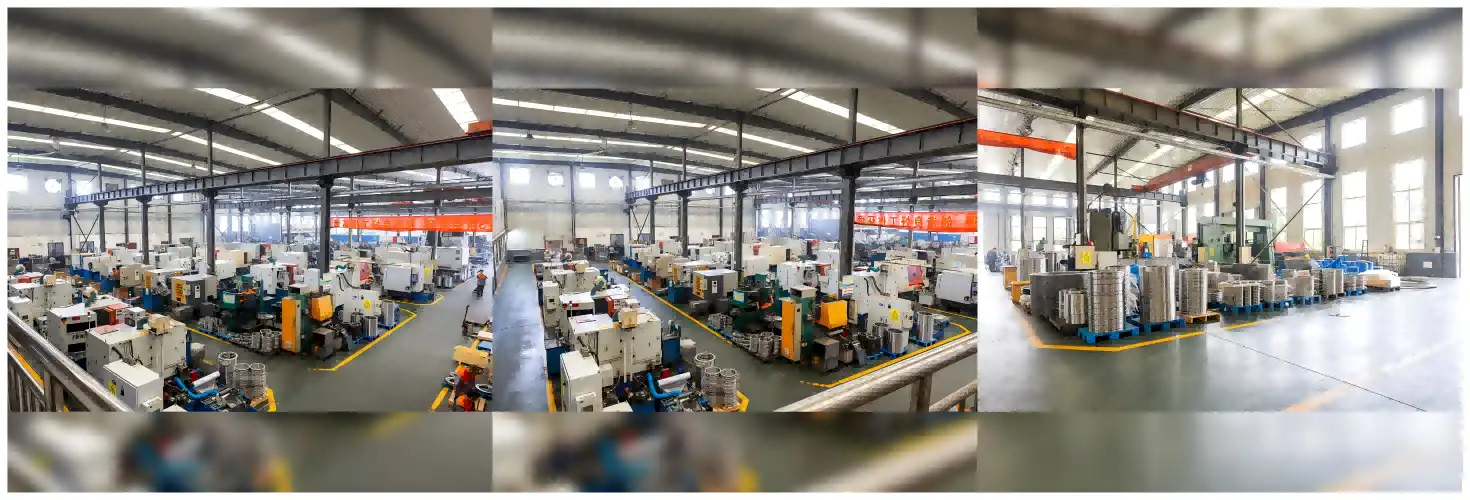
Check to see if your suppliers have up-to-date ISO 9001 and IATF 16949 certifications, which show that they have quality control processes in place. These certifications show that a company is dedicated to using consistent production methods and methods for ongoing growth. Ask for proof of material certifications and dimensional test records that show the product meets the stated requirements. At Luoyang Auto Bearing, our six workshops and 120 skilled workers make sure that quality is checked carefully at every stage of production. As part of our cleaning procedures, we test the correctness of the spin, measure the starting torque, and use metallurgical analysis to find problems below the surface. This all-around method makes sure that goods always meet the P5, P4, and P2 precision grades.
Bulk Ordering and Lead Time Management
Talk about volume price deals that will keep costs stable and make sure you have enough inventory. Because they need to be made with great accuracy, cross roller bearings usually have wait times of 4 to 8 weeks. Setting up blanket orders with planned releases helps balance the costs of keeping supplies with the risk of production delays caused by a lack of parts. Talk about the minimum order numbers and packaging choices that work best for how you normally use your products. Some sellers offer custom packing options that make managing the warehouse easier and lower the risk of damage during handling. Make sure you understand the FOB terms and delivery plans so there are no delays at customs or during shipping within the United States.
Warranty Terms and Technical Support
Carefully read over the warranty's coverage, making sure to note any exclusions that have to do with improper fitting, poor upkeep, or use beyond the rated limits. Reliable providers offer technical support tools like installation guides, help with fixing problems, and application engineering advice. This help is very helpful when dealing with unexpected performance issues or choosing the best bearings for new equipment designs. ATLYC's team gives clients all over the world detailed technical instructions and quick customer service. We keep thorough records on each application that help experts choose the right bearing configurations and repair schedules. This way of working together creates long-lasting ties instead of short-term deals.
Supply Chain Reliability
Check the financial security and production capacity of your suppliers to make sure you have a steady supply even when the economy changes. Diversifying providers across regions can lower the chance of problems in certain areas, but it makes things more difficult to manage relationships with many suppliers. Check to see if sellers keep enough raw materials on hand to protect against problems in the supply chain that could affect the quantity of bearing steel. Our dedication to scalable production capacity is shown by the fact that we've grown from one workshop in 2010 to six full-service sites. Because of this growth, we can now support both new OEM relationships and existing clients whose number is growing without affecting delivery times or quality standards.
Conclusion
Keeping up with the care of your XU100140UU Precision Cross Roller Bearings will protect your investment and make sure they keep working well in tough situations. By doing regular inspections, lubricating things the right way, and being careful when handling things, supply managers and maintenance teams can make bearings last a lot longer. Knowing about the special features of cross roller bearings, like their V-groove raceway layout, integrated ring construction, and dual-seal security, helps you make smart choices about how often and how to do maintenance. Partnering with approved providers who offer technical help and quality paperwork makes the whole lifecycle of the product even more reliable.
FAQ
1. How often should XU100140UU bearings be lubricated?
When to lubricate depends on things like temperature, speed, and how much pollution is present. In clean, moderately heated places, working hour intervals of 3000 to 5000 hours are common. In tough conditions, however, regreasing may need to be done every 500 to 1000 hours. For normal load cycles, sealed bearings often come with lifetime lubrication. Keep an eye on the starting power and running temperature as signs of lubrication degradation that need your attention.
2. Does improper maintenance void bearing warranties?
Most makers will only honor their warranties if you follow their specific instructions for installation and upkeep. If you operate bearings beyond their stated loads, use lubricants that don't work with the bearings, or forget to do regular checks, your guarantee usually won't cover them. Write down all of your upkeep tasks, such as the types of lubricants you use, when you check them, and how they are working. This record shows proper care and backs up guarantee claims if something breaks too soon even though the instructions were followed.
3. What symptoms indicate bearing replacement is necessary?
If the starting force goes up, the noise level goes up, or there are measurable increases in rotating resistance, you should replace the bearings. Damage to the seals, oil leaks, or rust on the outside of something often mean that it is breaking down inside. Higher working temperatures compared to the starting point suggest that wear or a lack of grease is causing more friction. When accurate equipment has problems with positioning or vibrations get worse, it may be because of worn bearings.
Partner with ATLYC for Superior Cross Roller Bearing Solutions
ATLYC has been making accurate bearings for 15 years and can help you with your industrial equipment needs. We offer real cross roller bearings that meet strict international standards because we are a qualified seller with ISO 9001 and IATF 16949 approvals. Our engineering team offers full technical support, helping you choose the right precision grades for your uses and improve the way you do maintenance. We have reasonable prices and solid wait times, whether you need a single unit for a prototype or a lot of them for a production line. Contact our experts at auto@lyautobearing.com to talk about your needs with a reliable XU100140UU Precision Cross Roller Bearing maker that cares about your business's success and the life of your equipment.
References
1. Harris, T.A. & Kotzalas, M.N. (2021). Rolling Bearing Analysis: Essential Concepts of Bearing Technology. CRC Press, Boca Raton.
2. Schaeffler Technologies AG. (2019). Precision Bearings: Maintenance and Mounting Guidelines for Cross Roller Bearings. Technical Publication TPI 147.
3. ISO 15243:2017. Rolling Bearings — Damage and Failures — Terms, Characteristics and Causes. International Organization for Standardization.
4. Budynas, R.G. & Nisbett, J.K. (2020). Shigley's Mechanical Engineering Design, 11th Edition. McGraw-Hill Education, New York.
5. SKF Group. (2020). Bearing Maintenance: Lubrication, Inspection and Damage Detection Methods. SKF Technical Manual Publication BU/P1 10000/5 EN.
6. Witte, D.C. (2018). Operating Practices for the Maintenance of Precision Bearings in Automated Manufacturing Equipment. Journal of Manufacturing Science and Engineering, Volume 140, Issue 8.
Learn about our latest products and discounts through SMS or email