- English
- French
- German
- Portuguese
- Spanish
- Russian
- Japanese
- Korean
- Arabic
- Greek
- German
- Turkish
- Italian
- Danish
- Romanian
- Indonesian
- Czech
- Afrikaans
- Swedish
- Polish
- Basque
- Catalan
- Esperanto
- Hindi
- Lao
- Albanian
- Amharic
- Armenian
- Azerbaijani
- Belarusian
- Bengali
- Bosnian
- Bulgarian
- Cebuano
- Chichewa
- Corsican
- Croatian
- Dutch
- Estonian
- Filipino
- Finnish
- Frisian
- Galician
- Georgian
- Gujarati
- Haitian
- Hausa
- Hawaiian
- Hebrew
- Hmong
- Hungarian
- Icelandic
- Igbo
- Javanese
- Kannada
- Kazakh
- Khmer
- Kurdish
- Kyrgyz
- Latin
- Latvian
- Lithuanian
- Luxembou..
- Macedonian
- Malagasy
- Malay
- Malayalam
- Maltese
- Maori
- Marathi
- Mongolian
- Burmese
- Nepali
- Norwegian
- Pashto
- Persian
- Punjabi
- Serbian
- Sesotho
- Sinhala
- Slovak
- Slovenian
- Somali
- Samoan
- Scots Gaelic
- Shona
- Sindhi
- Sundanese
- Swahili
- Tajik
- Tamil
- Telugu
- Thai
- Ukrainian
- Urdu
- Uzbek
- Vietnamese
- Welsh
- Xhosa
- Yiddish
- Yoruba
- Zulu
Why RB Series Cross Roller Bearings Are Widely Used?
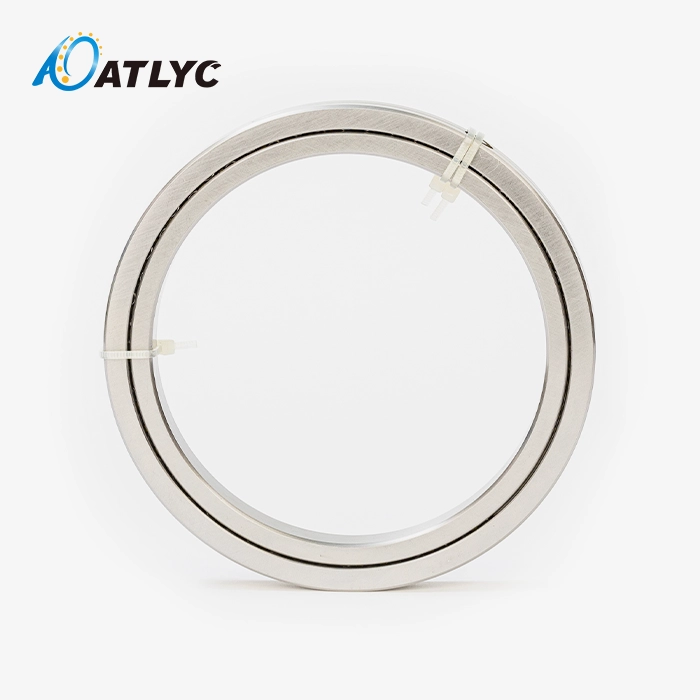
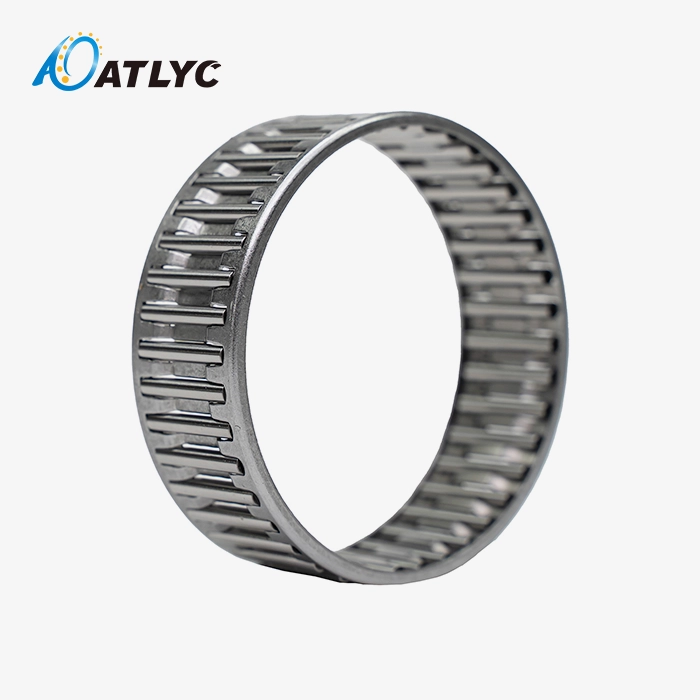
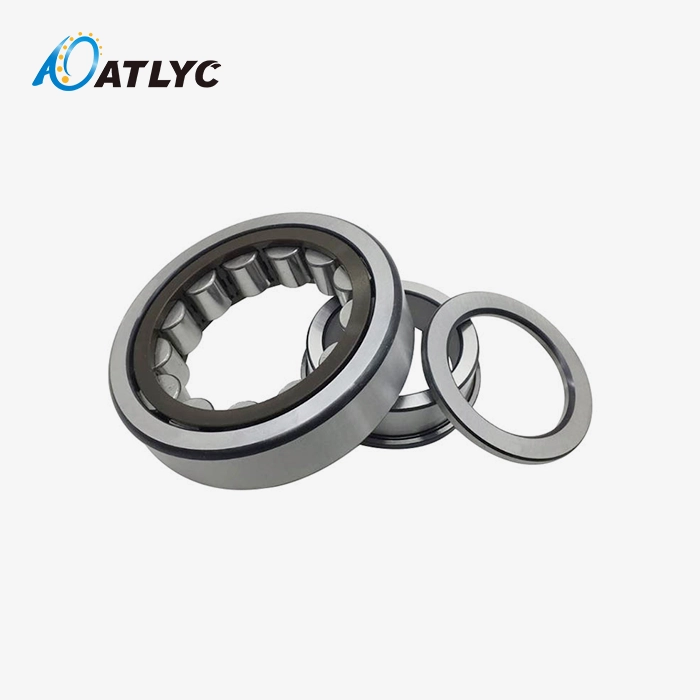
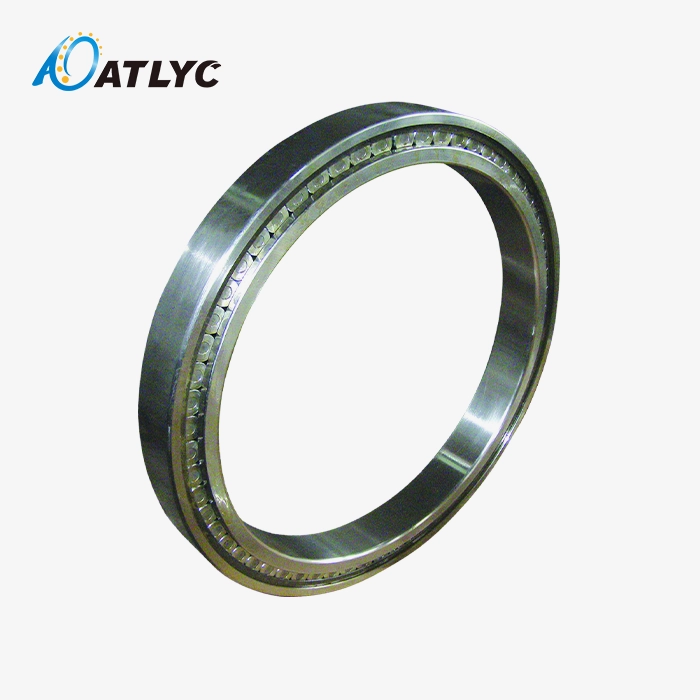
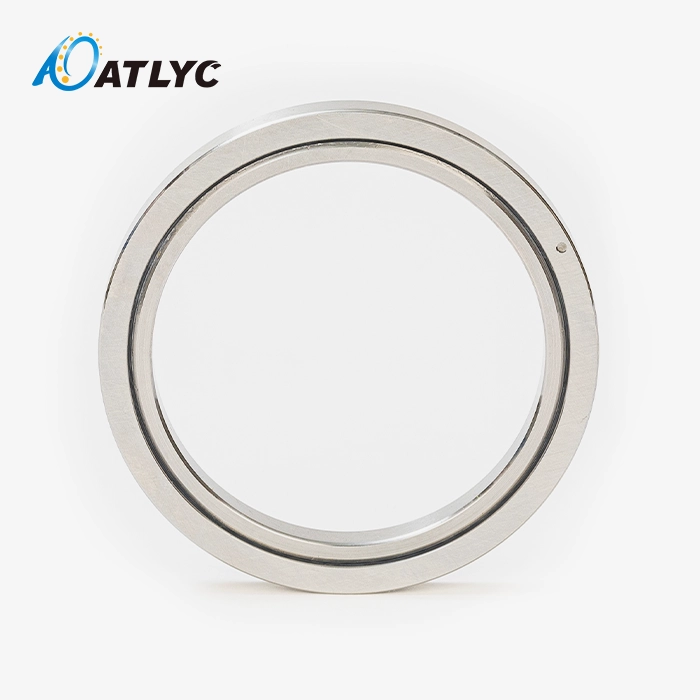
Because it can handle complex loads in multiple directions in a single compact bearing assembly, the Cross roller bearing RB series has become a standard option in high-precision manufacturing settings. These precision-engineered parts have cylinder-shaped wheels spaced out at right angles of 90° between the V-shaped inner and outer rings. They work amazingly well in robots, automation equipment, and precision machinery. They are widely used because they have a high load capacity, better rotational accuracy, and a space-saving form that gets rid of the need for various bearing setups. Professionals in manufacturing always choose these bearings for tasks that need zero backlash, high rigidity, and stable long-term operation in harsh industrial circumstances.

Understanding RB Series Cross Roller Bearings
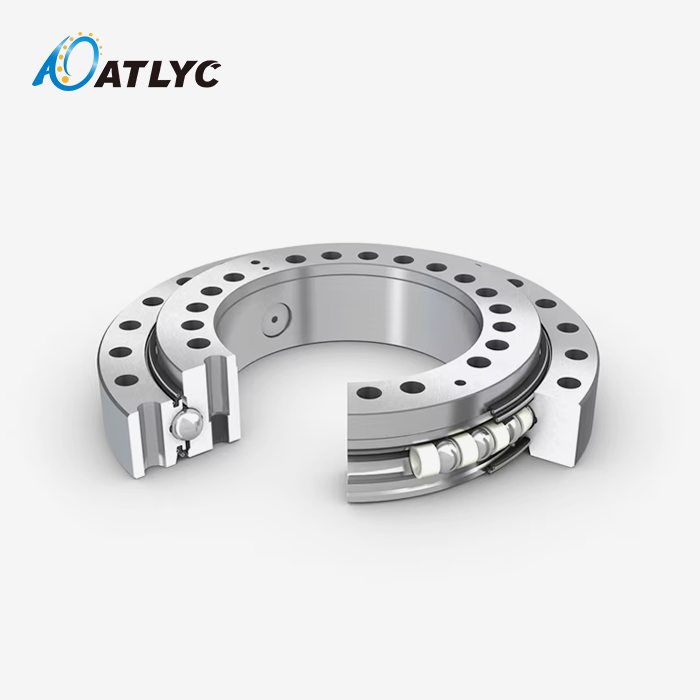
Cross roller bearings are a completely new way to make accurate bearings. The cylindrical rollers are placed at right angles to each other so that they can handle pressure from all directions effectively. In particular, the RB series has an inner ring design that is integrated with an outer ring plug system. This makes installation and upkeep easier for commercial uses.
Advanced Structural Configuration
Load spread optimization is at the heart of cross roller technology as a design concept. Each roller element touches the track at an exact angle, which makes sure that the stress is spread evenly throughout the bearing assembly. Multiple angular contact bearings or deep groove ball bearings used to be needed for complicated arrangements, but this design lets a single bearing unit do the job. The outer ring plug system makes it easier to put things together precisely while keeping the structural stability that is needed for high-precision tasks. Engineers who work in manufacturing like this design because it lets them set things correctly during installation without changing how the bearing works. When compared to split designs, the combined inner ring is more rigid, so it works the same way even when the load changes.
Size Range and Dimensional Specifications
In modern industrial settings, bearing systems that can meet the needs of a wide range of tools are needed. This need is met by the Cross roller bearing RB series, which comes in a wide range of sizes, from 12mm to 110mm wide, with inner diameters from 20mm to 1100mm and outer diameters from 70mm to 1500mm. Engineers can choose the best bearing designs for a wide range of uses, from small robotic joints to big industrial rotary tables, thanks to this wide range of dimensions. The standardized sizing method makes it easier for production teams to buy things that are the right size. Quality control methods make sure that all production batches have the same dimensions. This helps OEM makers and equipment distributors who work in global markets handle their supply chains more reliably.
Material Excellence and Manufacturing Standards
The success of premium bearings varies a lot depending on the materials used and how they are processed. The RB line uses high-quality Gcr15 and Gcr15SiMn steel alloys, which were chosen because they are very resistant to stress and keep their shape even in harsh operating conditions. These materials go through complex heat treatments that improve how hard they are and how stress is distributed inside them. With accuracy classes like P6, P0, P5, P4, and P2 tolerances, manufacturing precision meets very high standards. Each precision class is best for a certain type of application. For example, P2 is the most accurate level for ultra-precision machinery, while P6 is the most reliable level for normal industrial uses.
Why RB Series Bearings Outperform Standard Bearings
It is clear that cross roller bearing technology is better when you compare its performance to that of other types of bearings. Most of the time, multiple units have to be arranged in complicated ways, cross roller bearing RB series, in order for traditional bearing systems to handle loads as well as a single RB series bearing does.
Multi-Directional Load Handling Capabilities
Conventional roller bearings are great at handling rotational loads, but they need extra parts to handle axial and moment loads well. The Cross roller bearing RB series gets rid of this problem with its orthogonal roller arrangement, which can handle radial loads from vertical forces, axial loads from thrust applications, and moment loads from twisting forces all at the same time in a single small unit. This ability to work in more than one way makes tools a lot simpler. Engineers can make machinery that fits into smaller spaces while keeping or even increasing its load-bearing capacity. Getting rid of multiple bearing assemblies also cuts down on possible failure spots, which makes the system more reliable overall and lowers the need for upkeep.
Enhanced Rigidity and Precision Performance
In precise machinery uses, where positional accuracy has a direct effect on product quality and operational efficiency, rigidity is a very important factor. Designs for cross roller bearings offer superior strength compared to other types of bearing setups. The spread-out contact points and improved load paths keep the part from deflecting under practical loads, so it stays in place for long duty cycles. The amount of rotational accuracy meets the needs of the most precise uses. The controlled roller shape and precision-ground raceways provide outstanding runout precision, which makes sure that equipment stays in the right place for long periods of time. In places like CNC machining centers, where dimensional accuracy has a direct effect on the quality of the work, this consistency in performance is very important.
Operational Efficiency and Longevity
When compared to multiple bearing setups, cross roller designs have lower friction coefficients because they have better contact shape. This change directly leads to less heat being made, less energy being used, and longer carrying life. These gains in efficiency help manufacturing sites that use continuous production plans a lot. Because the design is so strong and the load is spread out so well, maintenance times are much longer. Lessening the amount of bearing assemblies makes upkeep easier and cuts down on the need for excess replacement parts. These factors work together to give owners of industrial equipment big cost savings over the course of their equipment's life.
Selecting the Right RB Series Cross Roller Bearing for Your Needs
To choose the right bearings, you need to carefully compare the practical needs with the available bearing specs. Because the RB series has so many choices, there are answers for a wide range of industrial needs. However, to make the best choice, you need to carefully consider both technical and purchasing factors.
Technical Specification Evaluation
The right way to choose bearings starts with a load grade study. Engineers have to look at how radial, axial, and moment loads affect each other to make sure that the bearings they choose have enough capacity and safety limits. Dynamic load ratings show how well the bearing works when it's spinning, while static load ratings show the maximum weight that can be put on it when it's not moving. The operational speed needs have a big impact on the choice of bearing. Because of tighter manufacturing limits, higher precision classes usually have lower maximum speeds. Standard precision bearings, on the other hand, may be able to handle higher spinning speeds. Environmental factors like temperature ranges, pollution exposure, and lubrication needs also affect the choice of bearings.
Precision Class Selection Guidelines
The Cross roller bearing RB series comes in a number of different precision classes to meet the needs of different applications. P2 precision bearings are used in measuring tools and equipment for making integrated circuits (ICs), where very precise positioning measured in micrometers is needed. The P4 and P5 precise classes are good for robots and automation tasks that need high accuracy and average speed.P0 and P6 precision classes offer dependable performance for basic industrial machinery uses where standard levels of accuracy meet practical needs while maximizing cost-effectiveness. When you know how precision class, operating speed limits, and costs affect each other, you can make smart choices about which options to use that combine performance needs with budget limits.
Procurement Strategy and Supplier Evaluation
Procurement strategies that work take into account more than just the original buy price. Total procurement costs are affected by minimum order amounts, shipping wait times, and bulk pricing structures in a big way, especially for manufacturers who are in charge of global supply lines. Building ties with dependable distributors guarantees that products will always be available and that you can get technical help. When looking for precision bearings, quality control steps become very important. Real goods from well-known companies come with the right paperwork, quality certificates, and information on how to track them. Teams in charge of buying things should check the credentials of suppliers and look closely at goods to see if they have quality marks that prove they Cross roller bearing RB series are real and meet manufacturing standards.
Installation, Maintenance, and Troubleshooting
How the bearings are installed has a direct effect on how well they work and how long they last. Cross roller bearings have special features that mean they need to be handled and installed in a certain way in order to work at their best.
Installation Best Practices
When installing a cross roller bearing, it's important to be clean and use the right tools. Contamination during installation is the main reason why bearings fail too soon, so it's important to have clean assembly areas. Specialized bearing installation tools make sure that the force is spread out evenly during assembly, which keeps precision-machined surfaces from getting damaged. The outer ring plug method in RB series bearings makes fitting easier and allows for exact positioning. To make sure the bearings are properly loaded and work at their best, installation staff should stick to the manufacturer's instructions for pressure values and assembly steps. Because of temperature, bearings may need to be heated or cooled to get the right fit without using too much force during fitting.
Maintenance Protocols and Lubrication Management
Regular maintenance greatly increases the service life of bearings while keeping their performance level. Inspection plans should be based on working needs and the conditions of the area. In harsh operating settings, checks need to be done more often. Visual checks can find early signs of wear or contamination that mean repair needs to be done. For Cross roller bearing RB series uses, lubrication control is very important. The right lubricant to use relies on the speed of action, the temperature range, and the weather. Relubrication times depend on how often the bearings are used and how they are exposed to the environment. Maintenance methods for sealed bearings are different from those for open bearings.
Common Issues and Diagnostic Approaches
Misaligned bearings are a common reason why performance drops and parts fail before they should, especially in applications involving the Cross roller bearing RB series. Misalignment symptoms include unusual noise patterns, higher working temperatures, and uneven wear patterns on bearing surfaces. To fix misalignment, you usually have to look at the fixing surfaces and the mechanical parts that are next to them. Increased friction, noise, and faster wear patterns are all signs of contamination problems. To effectively control contamination, sealing needs to be improved, filtration systems need to be upgraded, and upkeep methods need to be made better. Monitoring vibrations and temperatures early on allows for proactive repair actions that stop catastrophic breakdowns before they happen.
Procuring RB Series Cross Roller Bearings – What You Need to Know
To buy bearings successfully, you need to know how the market works, what your suppliers can do, and how to check the quality. There are a lot of sellers in the precision bearing market, and their skills and quality standards vary. This makes evaluating suppliers very important for successful buying.
Supplier Network Navigation
There are approved distributors, direct makers, and aftermarket providers in the global bearing market. These companies offer different levels of service and promise that the products they sell are real. Authorized wholesalers usually sell original goods that come with full manufacturer support, such as expert help and a guarantee. When you deal directly with the maker, you may be able to get better prices on big orders and be sure that the products you buy are authentic. Regional supplier networks can help with shipping times and getting expert help in your area. But procurement teams need to check the identities of suppliers and make sure that goods are real so that they don't get fakes that could damage equipment or make it less safe. Having ties with several qualified suppliers guarantees a steady supply of goods and a range of prices that are affordable.
Cost Analysis and Budget Planning
When figuring out the total cost of ownership, you should look at more than the cross roller bearing RB series, just the buying price. Although more expensive, higher precision bearings may provide better performance and a longer service life, which makes the cost worthwhile. When makers know exactly what bearings they need, they can often save a lot of money by buying in bulk. Prices on the market change based on the cost of raw materials, the capacity of factories, and patterns of demand around the world. By knowing these trends, you can plan when to buy things in a way that saves money and makes sure you have enough goods. Long-term supply deals with reliable providers can keep prices stable and make sure that important applications always have what they need.
Quality Assurance and Authentication
On the market for Cross roller bearing RB series, there are fakes that can seriously damage equipment and put operators at risk. Real goods have the right labels, quality paperwork, and packaging that meet the standards set by the maker. Procurement teams should come up with ways to make sure that products are real before they are installed. Precision bearing exports should come with quality certificates that show they meet manufacturing standards and are the right size. These papers give information about tracing that is needed for quality management systems and for businesses that have to follow rules.
Conclusion
Cross roller bearings RB series are widely used because they are very good at meeting tough industry needs while making equipment design and servicing easier. In particular, the Cross roller bearing RB series stands out for its ability to handle multi-directional loads with high rigidity and exceptional precision. These bearings come in compact designs that support innovative machinery development. Cross roller technology remains the first choice for manufacturing professionals who require reliable performance, long service life, and minimal maintenance. With a wide range of sizes, multiple accuracy classes, and proven reliability, RB series bearings play a crucial role in modern industrial automation, robotics, and precision machinery.
FAQ
1. What makes cross roller bearings different from standard roller bearings?
Cross roller bearings have cylinder-shaped rollers placed at right angles to V-shaped raceways. This lets them handle radial, axial, and moment loads all at the same time in a single bearing unit. Standard roller bearings can usually only handle rotational loads well; they need extra bearings to handle all loads. Because of this basic difference in design, cross roller bearings can be used instead of many other types of bearings while still offering better rigidity and accurate performance.
2. How do I determine the correct precision class for my application?
The choice of precision class relies on the level of accuracy needed, the speed of operation, and the conditions of the surroundings. The P2 and P4 classes are good for very precise uses that need very accurate positioning, such as measuring tools and high-precision robots. For basic automation and manufacturing machinery, the P5 and P0 classes work well. P6 works reliably in common workplace settings where saving money is more important than getting the most accurate results.
3. What factors influence the service life of RB series bearings?
Service life is mostly affected by the load, the speed of operation, the quality of the lubrication, the pollution of the surroundings, and how well the machine was installed. If you put something correctly, it won't break early because of misalignment or damage during building. Regular upkeep, such as using the right lubricants and keeping contaminants away, greatly increases the life of bearings. Sticking to the load and speed limits set by the manufacturer guarantees the best service life and consistent performance.
4. Can cross roller bearings operate in high-temperature environments?
With the right material selection and lubrication control, the Cross roller bearing RB series can work in high temperatures. For high-temperature uses, special lubricants are needed, and bearings may need to be changed to account for heat growth. Talking to bearing makers makes sure that the right choice is made for different temperature ranges and operating needs.
5. What are the key advantages of the outer ring plug design?
The outer ring plug system facilitates precise installation and enables field maintenance access when required. This design maintains bearing integrity during assembly while providing flexibility for maintenance procedures. The plug configuration allows controlled bearing preload adjustment and simplifies replacement procedures compared to completely sealed bearing assemblies.
6. How can I verify authentic RB series bearings from reliable suppliers?
Genuine bearings have the right manufacturer's marks, quality paperwork, and packaging that meets standard requirements. Reliable sellers give out quality certificates, records of dimensional inspections, and paperwork that shows how the goods can be tracked. Procurement teams should check to see if a seller is authorized and look at the goods to see if they have quality marks that prove they were made correctly and meet standards.
Partner with ATLYC for Premium Cross Roller Bearing Solutions
ATLYC has been making quality bearings for 15 years and is the company you can trust to make the Cross roller bearing RB series. Our ISO 9001 and IATF 16949 certified plant meets the quality standards and international guidelines that OEMs in the automobile and industry sectors need. We offer full technical support, customization options, and dependable supply chain solutions for markets around the world through our six specialized workshops and 120 skilled pros. Our dedication to constant growth and scalable production makes sure that the parts you use in your projects are reliable and meet strict operating requirements. Email our engineering team at auto@lyautobearing.com to talk about your unique needs and find out how our precision production can improve the performance of your equipment while keeping costs low and lead times reliable.
References
1. Harris, Tedric A. and Michael N. Kotzalas. "Rolling Bearing Analysis: Advanced Concepts of Bearing Technology." CRC Press, 2020.
2. Eschmann, Paul, Ludwig Hasbargen, and Karl Weigand. "Ball and Roller Bearings: Theory, Design and Application." John Wiley & Sons, 2019.
3. Palmgren, Arvid. "Ball and Roller Bearing Engineering Handbook." SKF Industries, 2021.
4. ISO 492:2014. "Rolling bearings - Radial bearings - Geometrical product specifications and tolerance values." International Organization for Standardization.
5. Hamrock, Bernard J., Steven R. Schmid, and Bo O. Jacobson. "Fundamentals of Machine Elements: Design and Analysis." McGraw-Hill Education, 2022.
6. American Bearing Manufacturers Association. "Load Ratings and Fatigue Life for Ball and Roller Bearings: Engineering Design Guidelines." ABMA Standards, 2023.
Learn about our latest products and discounts through SMS or email