- English
- French
- German
- Portuguese
- Spanish
- Russian
- Japanese
- Korean
- Arabic
- Greek
- German
- Turkish
- Italian
- Danish
- Romanian
- Indonesian
- Czech
- Afrikaans
- Swedish
- Polish
- Basque
- Catalan
- Esperanto
- Hindi
- Lao
- Albanian
- Amharic
- Armenian
- Azerbaijani
- Belarusian
- Bengali
- Bosnian
- Bulgarian
- Cebuano
- Chichewa
- Corsican
- Croatian
- Dutch
- Estonian
- Filipino
- Finnish
- Frisian
- Galician
- Georgian
- Gujarati
- Haitian
- Hausa
- Hawaiian
- Hebrew
- Hmong
- Hungarian
- Icelandic
- Igbo
- Javanese
- Kannada
- Kazakh
- Khmer
- Kurdish
- Kyrgyz
- Latin
- Latvian
- Lithuanian
- Luxembou..
- Macedonian
- Malagasy
- Malay
- Malayalam
- Maltese
- Maori
- Marathi
- Mongolian
- Burmese
- Nepali
- Norwegian
- Pashto
- Persian
- Punjabi
- Serbian
- Sesotho
- Sinhala
- Slovak
- Slovenian
- Somali
- Samoan
- Scots Gaelic
- Shona
- Sindhi
- Sundanese
- Swahili
- Tajik
- Tamil
- Telugu
- Thai
- Ukrainian
- Urdu
- Uzbek
- Vietnamese
- Welsh
- Xhosa
- Yiddish
- Yoruba
- Zulu
Spherical Roller Thrust Bearings for High Axial Load Applications
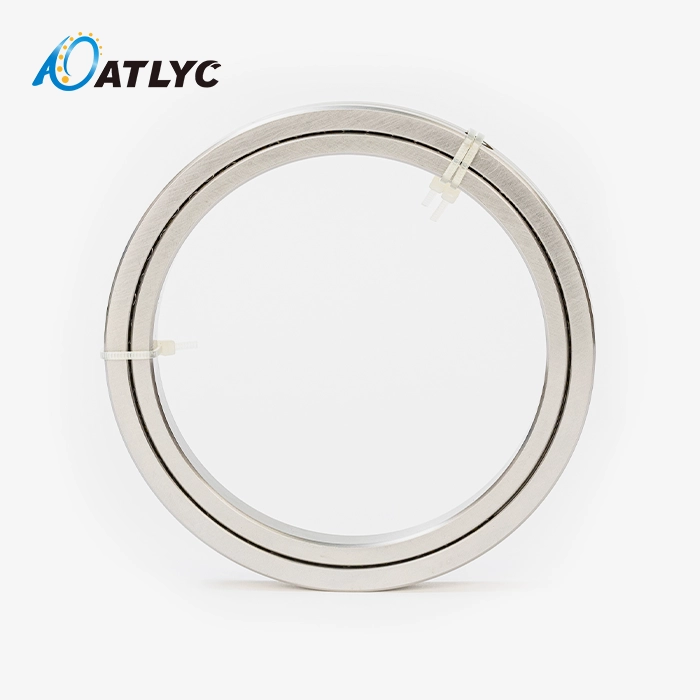
Industrial equipment operating under Spherical Roller Thrust Bearing extreme axial loads requires specialized bearing solutions that can withstand tremendous forces while maintaining operational precision. Spherical Roller Thrust Bearing technology represents the pinnacle of engineering excellence for applications demanding exceptional load-carrying capacity combined with self-aligning capabilities. These bearings excel in managing heavy unidirectional thrust loads while accommodating angular misalignment up to 3 degrees, making them indispensable for marine propulsion systems, hydroelectric generators, and heavy machinery where conventional thrust bearings would fail in such tough conditions.

Understanding Spherical Roller Thrust Bearings
Because of how they are made, spherical roller thrust bearings are the best choice for industrial uses that need to hold big loads and be able to change their alignment easily. Instead of using hard contact surfaces like most thrust bearings do, these unique parts have a unique, uneven design that changes how forces are distributed across bearing surfaces.
Core Structure and Working Principle
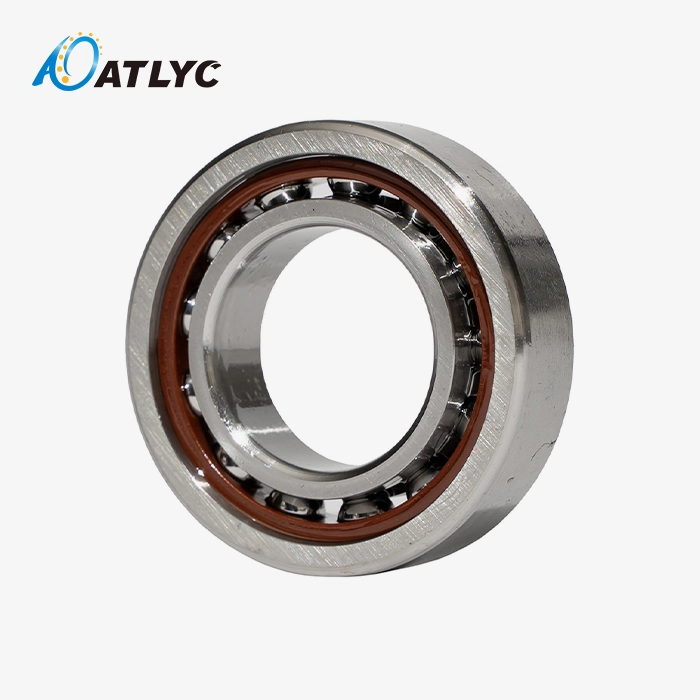
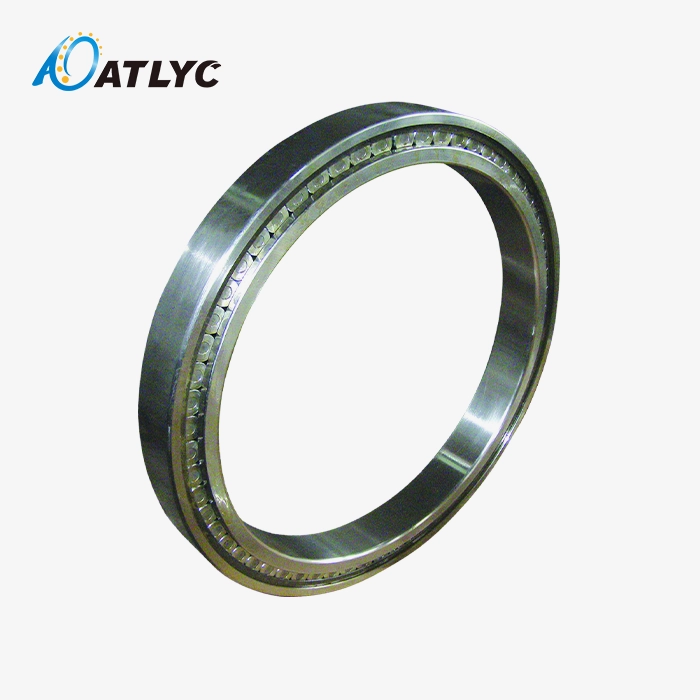
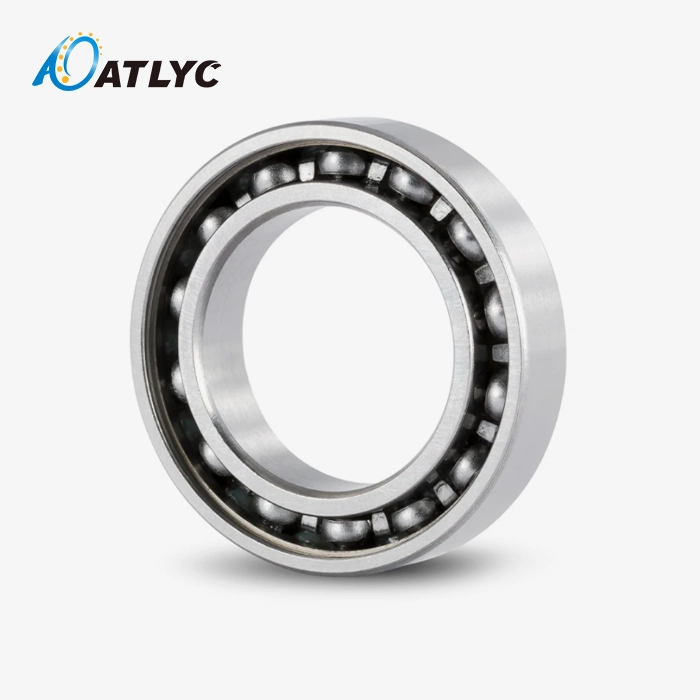
A Spherical Roller Thrust Bearing is made up of barrel-shaped rollers that are positioned between perfectly machined slanted raceways. It has a circular raceway surface on the housing washer that lets it self-align, and it stays flat on the shaft washer so that it can pass load efficiently. This special shape makes contact patterns that spread forces equally along the whole length of the roller. This gets rid of stress clusters that usually cause edge-loading conditions to fail early. The design of the bearing makes it possible for shaft washer assemblies and housing washers to be mounted separately. This makes servicing easier and cuts down on downtime during service times. Advanced roller end shape creates hydraulic lubrication films that allow higher working speeds than cylindrical roller thrust bearings, even when heavy loads are present.
Design Variations and Load Capacity Enhancement
Modern spherical roller thrust bearings come in several different designs so that they can work best in a variety of situations. Single-direction bearings work best with axial loads that only go in one direction. On the other hand, double-direction setups can handle reverse thrust forces in marine gears and wind turbine systems. The roller geometry uses uneven shapes that make the load spread better while lowering the friction coefficients. For normal uses, cages are made of stamped steel, while for high-vibration settings, they are made of precision-machined brass parts. For normal uses, material compositions usually include GCr15 bearing steel. For heavy-load models that need better fatigue protection, 42CrMo alloy upgrades are available.
Dimensional Standards and Material Specifications
Modern spherical roller thrust bearings come in a wide range of sizes to meet the needs of many industries. The inner diameter can be anywhere from 20mm to 1000mm, the outer diameter can be anywhere from 47mm to 2000mm, and the width can be anywhere from 16mm to 300mm. This thorough sizing makes sure that it will work with current machinery setups and gives you ways to update for higher load capacities. Precision grades meet international standards, and types P0, P6, P5, and P4 are offered to fit the limits of different applications. With a 1:12 taper ratio, inner diameters larger than 50 mm are required for big bore uses above 200 mm diameter, and tapered bore configurations give you more mounting options.
Applications and Performance Benefits in High Axial Load Settings
Because they are so flexible, spherical roller thrust bearings are important parts in many different industries where big axial forces and alignment problems come together. These bearings have great performance benefits that directly lead to lower running costs and higher dependability.
Marine Propulsion Systems and Heavy Machinery
Bearings in marine propulsion systems, Spherical Roller Thrust Bearing, have to deal with the huge axial thrust that comes from propeller operation, while also having to compensate for the ship moving in rough seas. Spherical Roller Thrust Bearing installations in ship propeller shafts take these enormous forces and account for the inevitable shaft twisting that would destroy other thrust bearing designs. The better load distribution properties make service intervals longer and upkeep costs lower for construction tools and rolling mill equipment. If you have mobile equipment, the ability to self-align is especially useful because the fastening surfaces are constantly vibrating and stress cycling during use.
Hydroelectric and Industrial Power Generation
One of the most difficult uses for thrust bearing technology is in vertical hydropower plants. For these systems to work, they need bearings that can handle the weight of huge rotating parts and the hydraulic thrust forces that come from running the water engine. The separate design makes it easier for repair workers to get to remote areas where service breaks cost a lot of money. Industrial power generation equipment, like vertical motors and generator units, needs spherical roller thrust bearings to keep the shafts in the right place even when they expand or contract due to temperature changes or practical misalignment. The features that stretch service life lower lifetime costs and make the system more reliable in serious situations.
Performance Comparison with Alternative Technologies
A comparison study shows that spherical roller thrust bearings are clearly better than other types of bearings when there is a lot of horizontal load. Heavy industry use is not possible with ball thrust bearings, and the imbalance of cylindrical roller thrust bearings will cause them to fail early. Spherical roller contact's better load distribution gets rid of edge loading stress concentrations that are a problem with rigid bearing designs. This feature greatly increases the life of bearings while lowering the number of repair visits and the costs that come with them. Up to 3 degrees of angular misalignment is acceptable, which gives you more fitting options, makes machinery design easier, and lowers the precision needs for manufacturing.
How to Choose the Right Spherical Roller Thrust Bearing for Your Procurement Needs
To choose the right bearing, you need to think about a lot of things, like the application conditions, performance needs, and cost factors that are in line with long-term operating goals. To get the best results, procurement experts have to find a balance between technical requirements, the dependability of the supply chain, and lowering costs.
Load Capacity and Operating Environment Assessment
The main selection factors are based on getting the axial load needs right, which includes both dynamic load ratings and static load limits. Limits on operating speed must be in line with the needs of the application, since spherical roller thrust bearings usually work at slower speeds than radial bearing setups because of how they are designed. Environmental factors, like temperature ranges, contamination levels, and the ease of access to greasing, have a big impact on the choice of bearing. When used in harsh settings, sealed bearing setups protect the bearings, while open designs let more heat escape when used in high-temperature situations. If you need corrosion protection, you might need to treat the material differently or change the alloy specs.
Quality Standards and Certification Requirements
When buying Spherical Roller Thrust Bearing, it's important to make sure that the sellers have ISO 9001 and IATF 16949 certifications so that the quality is always the same and can be tracked. These quality management standards make sure that the manufacturing process is controlled and that methods for continuous growth are used, such as Spherical Roller Thrust Bearing, which is important for many industry uses. Careful choice of grade has a direct effect on how well it works and how long it lasts. P6 precision bearings are good for most commercial uses, while P5 and P4 grades are more accurate for machines that need to have little runout and shaking. For less important tasks where cost is more important than performance, standard P0 accuracy offers cost-effective options.
Customization Options and Bulk Order Advantages
Modern makers of bearings offer a wide range of customization options to meet the needs of different applications. To work with different installation situations, cage materials that have been changed, special lube treatments, and non-standard measurement configurations have been used to keep performance standards. Through volume price structures and specialized production schedules, buying in bulk offers big economic benefits. Long-term supply deals keep inventory stable and let suppliers make the most of their manufacturing efficiency while keeping quality standards high over longer delivery times.
Maintenance and Best Practices to Maximize Bearing Performance
Strategies for proactive maintenance have a direct effect on the service life and efficiency of Spherical Roller Thrust Bearing. Systematic methods to manage greasing, keeping an eye on condition, and replacing parts before they wear out get the best return on investment and reduce unplanned downtime.
Lubrication Management and Inspection Protocols
Proper lubrication is the most important thing that affects how long a bearing lasts in high-axial-load situations. Grease lubrication systems need to have their lubricant levels checked regularly and refilled on a plan based on how they are used and what the manufacturer suggests. In tough situations, oil greasing systems are the best way to get rid of contaminants and dissipate heat. As part of routine inspections, the state of the lube should be looked at visually, vibrations should be analyzed to find early signs of wear, and temperatures should be tracked to spot problems as they arise. The frequency of regular inspections depends on how hard the operation is. For important uses, inspections should be done once a month, while inspections every three months are enough for normal industrial use.
Condition Monitoring and Predictive Maintenance
Predictive maintenance strategies that find the best time to change bearings while avoiding catastrophic failures are made possible by advanced condition tracking technologies. Vibration analysis finds wear patterns and misalignment issues before they become big enough to stop operations. Temperature monitoring tools let you know right away when grease is failing or when there is too much load on a bearing, which could damage it. Oil analysis tools find the amount of contamination and wear particles that indicate maintenance is about to be done, so it can be done on time during planned breaks.
Troubleshooting Common Issues
In high axial load use, installation mistakes are the main reason why bearings fail too soon. When fixing something incorrectly, it can cause misalignment that goes beyond the design limits or create stress concentrations that speed up the wear process. These expensive mistakes can be avoided by teaching repair staff the right way to put things together. Controlling contamination means taking into account both incoming contaminants from the outside and wear particles that are made inside. Sealing and filtering systems that work well keep lubricants clean and extend the time between services. Regular screening of the grease finds sources of contamination and lets problems be fixed before they get worse.
Procurement Guide and Why Choose Our Expert-Recommended Solutions
On the global market for spherical roller thrust bearings, there are many providers that give different levels of quality, price, and service. Understanding how the market works and what the seller is like lets you make smart purchasing decisions that maximize long-term value instead of just focusing on the cost of the purchase at the time it is made.
Market Overview and Supplier Evaluation
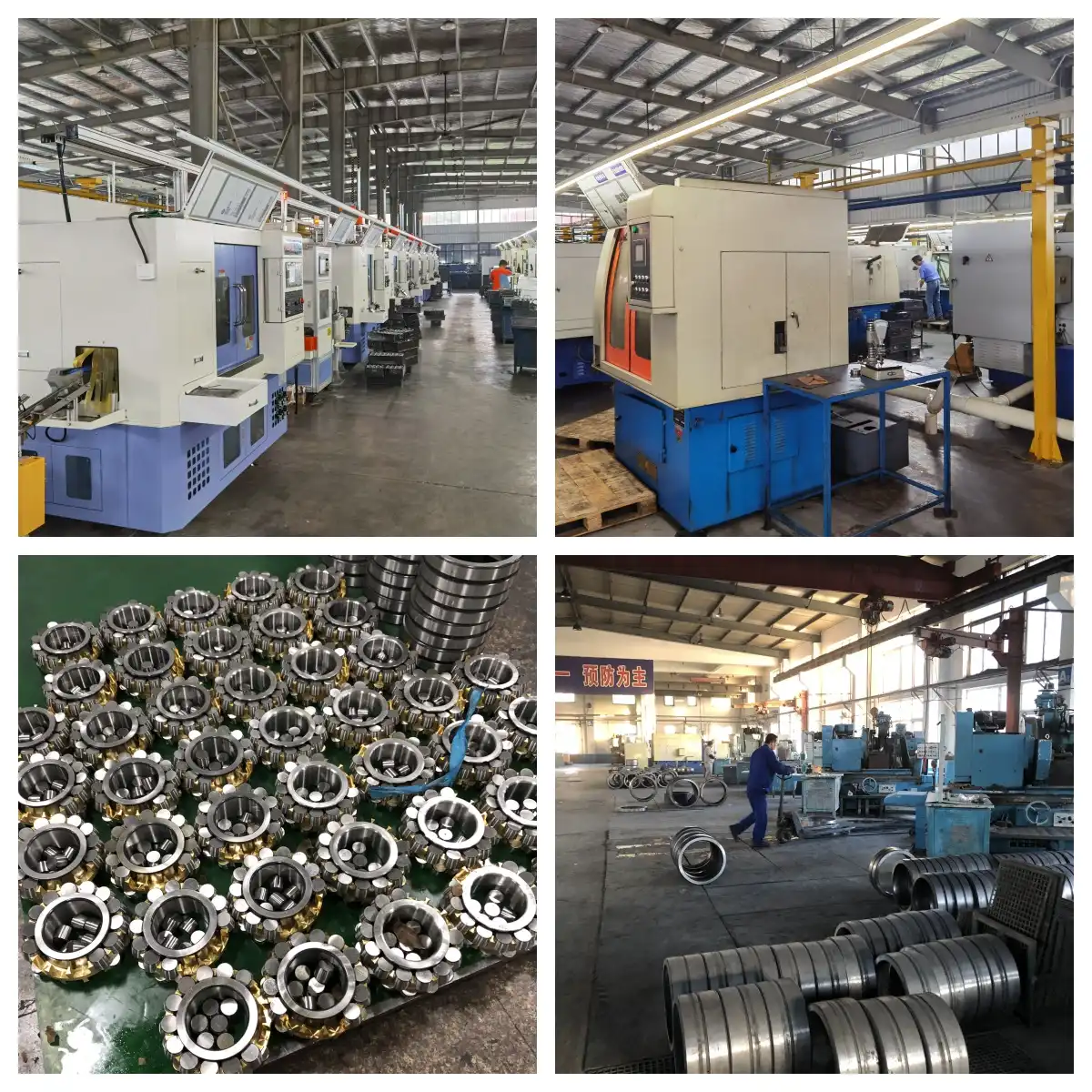
Well-known European companies like SKF, FAG, Spherical Roller Thrust Bearing, and Timken stay at the top of the market thanks to their advanced engineering skills and a wide range of expert support services. Japanese companies like NSK, KOYO, and NTN have a strong position in Asian markets and offer reliable products at reasonable prices. Chinese makers have made big changes to quality while keeping cost benefits that appeal to procurement strategies that are careful with money. Modern Chinese bearing factories use high-tech equipment and quality control systems that are on par with foreign standards. For large-scale uses, these systems save a lot of money.
Quality Assurance and Supply Chain Reliability
When buying Spherical Roller Thrust Bearing, it's important to choose providers that can show consistent quality through well-documented testing methods and certification compliance. Assessments of manufacturers' abilities make sure that providers can meet shipping needs and keep quality standards high during times of high demand. Supply chain stability includes the ability to distribute goods geographically, use inventory management systems, and get expert help when you need it. Suppliers with global logistics networks offer reliable delivery, and local expert help makes sure that problems with applications and upkeep needs are dealt with quickly.
Conclusion
For industrial uses requiring high axial load capacity and self-aligning capabilities, Spherical Roller Thrust Bearing technology offers crucial options. Because of how they are made, these bearings work great in tough conditions where regular thrust bearings would fail. This makes them essential for ship propulsion, power generation, and big machinery. For implementation to go well, selection factors, quality standards, and upkeep methods that extend service life and keep things running smoothly must be carefully thought out. There are many suppliers to choose from on the global market. Quality-certified makers offer cheap solutions that meet performance needs and cost concerns.
FAQ
1. What distinguishes spherical roller thrust bearings from conventional thrust bearings?
Because the raceways are shaped like spheres, spherical roller thrust bearings can self-align and can handle displacement of up to 3 degrees. This design lets the bearings work even if the shaft bends or there are mistakes during installation, which would kill most thrust bearings. It also spreads the load better with barrel-shaped roller contact patterns.
2. How do I determine the appropriate precision grade for my application?
The choice of precision grade relies on the needs of the work and the tolerances of the equipment. P6 precision is good for most commercial uses, while P5 and P4 grades offer better accuracy for precise machines that need little runout. For less important tasks where cost is more important than performance, standard P0 accuracy offers cost-effective options.
3. What maintenance practices maximize bearing service life?
Proper lubrication management is the most important part of upkeep. This means checking the state of the oil often and following the plan for restocking. Monitoring the condition of something by measuring its temperature and vibrations lets you plan preventative maintenance that stops things from breaking down too soon and finds the best time to replace them.
4. Can spherical roller thrust bearings operate at high speeds?
Because of how they are designed, spherical roller thrust bearings usually have slower operating speeds than radial bearings. But improved roller end shape and hydrodynamic lubrication make it possible for higher speeds compared to cylindrical roller thrust bearings, while still being able to hold a lot of weight.
5. What size ranges are available for spherical roller thrust bearings?
Modern spherical roller thrust bearings come in a wide range of sizes, from 20 mm to 1000 mm in diameter on the inside, 47 mm to 2000 mm on the outside, and 16 mm to 300 mm in width. There are different tapered bore configurations to give you more mounting options. For bigger uses, 1:12 taper ratios are common.
Partner with ATLYC for Superior Spherical Roller Thrust Bearing Solutions
ATLYC has become a trusted maker of spherical roller thrust bearings by constantly improving quality and coming up with new ideas for fifteen years. Our factory is ISO 9001 and IATF 16949 approved, Spherical Roller Thrust Bearing and it has 120 skilled workers whose only job is to make precision bearings that meet the strict needs of industrial markets around the world. Our wide range of products includes inner sizes from 20mm to 1000mm and precision grades from P0 to P4, so we can meet the needs of a wide range of applications. Advanced GCr15 bearing steel design and precise production processes work together to make products that work very well in high-axial-load situations and keep prices low for large orders. Customers in South Korea, the US, Germany, Russia, Iran, and Turkey, among other places, depend on our professional know-how and dependable delivery to support their most important activities. Email our knowledgeable staff at auto@lyautobearing.com to talk about your unique spherical roller thrust bearing supplier needs and find out how our custom solutions can improve the performance and longevity of your equipment.
References
1. Harris, T.A., & Kotzalas, M.N. (2019). Advanced Concepts of Bearing Technology: Rolling Bearing Analysis. CRC Press Engineering Handbook Series.
2. Eschmann, P., Hasbargen, L., & Weigand, K. (2018). Ball and Roller Bearings: Theory, Design and Application in Industrial Systems. Industrial Press Technical Publications.
3. Palmgren, A. (2020). Ball and Roller Bearing Engineering: Fundamentals of Spherical Roller Technology. McGraw-Hill Professional Engineering Series.
4. Hamrock, B.J., Schmid, S.R., & Jacobson, B.O. (2017). Fundamentals of Fluid Film Lubrication in Rolling Element Bearings. Marcel Dekker Mechanical Engineering Publications.
5. International Organization for Standardization. (2021). Rolling Bearings - Dynamic Load Ratings and Rating Life: ISO 281 Standards for Thrust Bearing Applications. ISO Technical Committee Standards.
6. Society of Tribologists and Lubrication Engineers. (2019). Bearing Technology Handbook: Advanced Applications in Marine and Industrial Systems. STLE Technical Publication Series.
Learn about our latest products and discounts through SMS or email
_1772782093670.webp)