- English
- French
- German
- Portuguese
- Spanish
- Russian
- Japanese
- Korean
- Arabic
- Greek
- German
- Turkish
- Italian
- Danish
- Romanian
- Indonesian
- Czech
- Afrikaans
- Swedish
- Polish
- Basque
- Catalan
- Esperanto
- Hindi
- Lao
- Albanian
- Amharic
- Armenian
- Azerbaijani
- Belarusian
- Bengali
- Bosnian
- Bulgarian
- Cebuano
- Chichewa
- Corsican
- Croatian
- Dutch
- Estonian
- Filipino
- Finnish
- Frisian
- Galician
- Georgian
- Gujarati
- Haitian
- Hausa
- Hawaiian
- Hebrew
- Hmong
- Hungarian
- Icelandic
- Igbo
- Javanese
- Kannada
- Kazakh
- Khmer
- Kurdish
- Kyrgyz
- Latin
- Latvian
- Lithuanian
- Luxembou..
- Macedonian
- Malagasy
- Malay
- Malayalam
- Maltese
- Maori
- Marathi
- Mongolian
- Burmese
- Nepali
- Norwegian
- Pashto
- Persian
- Punjabi
- Serbian
- Sesotho
- Sinhala
- Slovak
- Slovenian
- Somali
- Samoan
- Scots Gaelic
- Shona
- Sindhi
- Sundanese
- Swahili
- Tajik
- Tamil
- Telugu
- Thai
- Ukrainian
- Urdu
- Uzbek
- Vietnamese
- Welsh
- Xhosa
- Yiddish
- Yoruba
- Zulu
What Advantages Does Single Row Tapered Roller Bearing 30211 Offer?
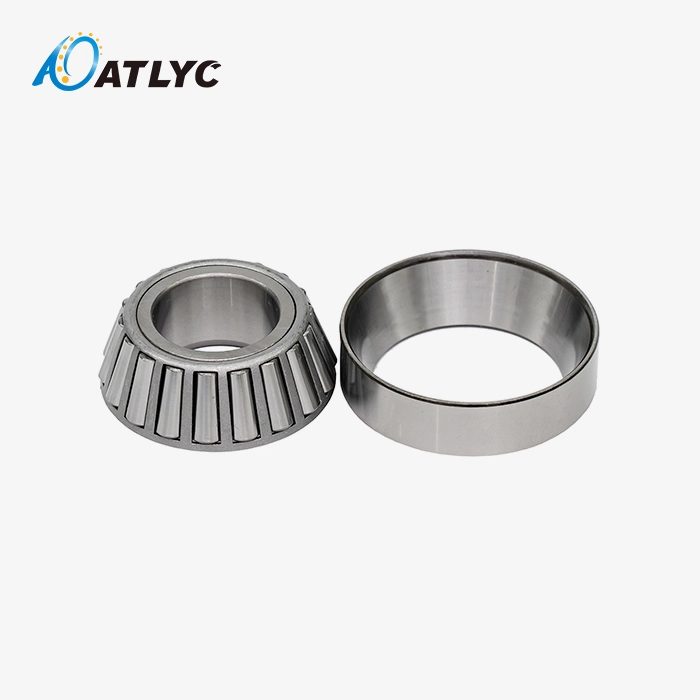
The Single Row Tapered Roller Bearing 30211 can handle a lot of weight, which is very important for heavy-duty industrial applications. This metric-series precise part handles radial and single-direction axial forces at the same time, thanks to its 10° to 30° contact angle, which makes it perfect for medium-load situations. With a standard bore diameter of 55mm, an outer diameter of 100mm, and a width of 21mm, this bearing works well in automobile hubs, industrial reducers, and machinery positioning systems where accurate measurements and load distribution are important for running efficiently.
Understanding Single Row Tapered Roller Bearing 30211
The technical architecture of this tapered roller bearing reflects decades of engineering refinement focused on industrial reliability. Understanding its construction helps procurement managers and engineering teams evaluate compatibility with existing machinery while planning long-term maintenance strategies.
Dimensional Specifications and Compatibility
The 30211 bearing has standard metric dimensions that make it easy to swap between different types of tools. The inner diameter of 55mm fits normal shaft sizes used in automotive and industrial settings, and the outer diameter of 100mm fits housing bores that are made to ISO standards. At 21 mm wide, this small profile can hold a lot of weight without taking up too much axial space, which is important for gearbox and spindle designers who are working with limited space. These measurements aren't made up on the spot. They are determined ratios that make the contact geometry between raceways and tapered rollers work best. When you mount a 30211 bearing, the precise measurements ensure that the load is evenly distributed across all of the rolling parts. This keeps stress from building up and causing the bearing to fail early. We've seen that consistency in dimensions is especially important on high-volume car assembly lines, where even small differences can mess up automated installation processes.
Material Composition and Manufacturing Standards
The bearing is reliable because the metals used were carefully chosen. The inner and outer rings are made of GCr15 bearing steel, which is a high-carbon chromium metal that keeps its hardness well and doesn't wear down easily. GCr15SiMn is an alternative standard for uses that need more toughness, and 20Cr2Ni4A case-hardened steel is best for environments with a lot of shock loads. Precision heat treatment makes the surfaces of these materials between 58 and 62 HRC while keeping the cores flexible enough to absorb impact loads. Similar high-grade steels are used in roller production, and logarithmic profile grinding makes sure that the contact pressure is spread out evenly. The cage, which can be made of stamped steel or brass, based on the application, keeps the rollers exactly spaced out while they are running. For standard uses, steel cages are more cost-effective, while brass cages are better at keeping lubricant in and removing heat from high-speed machines. Our factory is ISO 9001 and IATF 16949 certified, so every 30211 bearing meets quality standards for automotive use. Precision grades go from P0 (normal) to P6 to P5 (high precision), so you can choose the right level of accuracy for your application. For minimal runout, machine tool spindles usually need P5 precision, while P0 grade components work consistently in agricultural gearboxes.
Core Advantages of 30211 Bearing in Industrial Applications
The performance characteristics that distinguish this bearing model directly Single Row Tapered Roller Bearing 30211 address common pain points encountered by OEM engineers and maintenance teams managing industrial equipment fleets.
Superior Combined Load Management
To handle radial and axial forces at the same time, you need something more than a straight radial bearing. Instead of point contact like ball bearings, the 30211's tapered roller geometry spreads the total loads along the whole length of the roller through line contact. Because of this basic design difference, they can handle loads that are about 40% higher than similar-sized deep groove ball bearings. This is very important for automobile wheel hub assemblies. When a vehicle corners, it creates strong horizontal (axial) forces, while the wheel continues to bear radial loads from the vehicle's weight. The 30211 can handle these changes in dynamic load without the need for secondary thrust bearings. This makes the design of the system easier and cuts down on the number of parts needed. We've seen similar benefits in agricultural gearboxes where implement draft loads cause complicated force vectors that would be too much for simpler bearing designs to handle.
Extended Service Life and Reliability
Bearing longevity directly impacts the total cost of ownership through reduced replacement frequency and minimized unplanned downtime. The 30211's robust construction and optimized contact geometry deliver service lives exceeding 15,000 operating hours under rated loads—representing approximately two years of continuous industrial operation or five years in typical duty cycle applications. Several factors contribute to this extended longevity. The logarithmic roller profile maintains optimal contact patterns even as microscopic wear occurs, preventing the stress concentrations that accelerate fatigue damage. High-grade bearing steels resist spalling and surface distress under rolling contact fatigue. Proper installation with appropriate lubrication intervals can extend service life beyond 20,000 hours in controlled environments. The financial implications become significant across large equipment fleets. Reducing bearing replacement frequency from annual to biennial intervals cuts maintenance labor costs by half while decreasing spare parts inventory requirements. We've worked with industrial clients who calculated return-on-investment periods under 18 months when upgrading from lower-quality bearings to premium 30211 components manufactured under rigorous quality standards.
Comparing 30211 Single Row Tapered Roller Bearing with Alternatives
Effective procurement decisions require understanding how the 30211 positions within the broader bearing landscape compare against alternative solutions addressing similar application requirements.
Performance Versus Similar Series Bearings
Within the metric tapered roller bearing series, the 30211 occupies a mid-range position balancing load capacity against envelope dimensions. The 30212 variant increases outer diameter to 110mm and width to 22mm, raising dynamic load ratings to approximately 95kN—beneficial for heavier-duty applications but requiring larger housing bores. Conversely, the 30210 reduces dimensions to 50mm bore with 90mm outer diameter, suitable for lighter loads in more compact assemblies. Selecting between these series requires analyzing actual operating loads against available mounting space. Over-specifying bearing size adds unnecessary cost and weight, while under-specification risks premature failure. Application engineers should calculate equivalent dynamic loads incorporating both radial and axial components, then select bearings with load ratings providing adequate safety margins—typically 1.5 to 2.0 times calculated loads for industrial machinery.
Single Row Versus Double Row Configurations
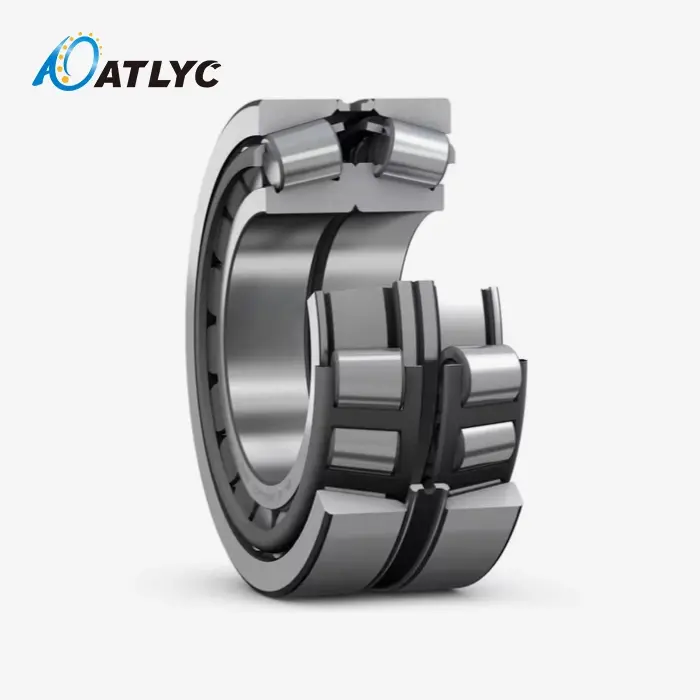
Double row tapered roller bearings offer higher load capacities within Single Row Tapered Roller Bearing 30211 similar envelope dimension to single row tapered roller bearings 30211 by incorporating two rows of rolling elements. This configuration suits applications with extreme axial loads or moment loading, such as large gearbox output shafts or heavy machine tool tables. The increased load capacity comes with tradeoffs, including higher friction, greater heat generation, and reduced speed capability compared to single row designs. The 30211 single row configuration delivers advantages in applications prioritizing rotational speed, thermal efficiency, or bidirectional load handling. Single row bearings typically operate reliably at speeds 40% higher than double row equivalents. The lower friction also reduces drive power requirements—a consideration in battery-electric vehicle designs where energy efficiency directly impacts operating range.
Procurement Considerations for B2B Clients
Sourcing decisions extend beyond technical specifications to encompass supplier evaluation, quality verification, and supply chain management—factors directly impacting production continuity and product reliability.
Supplier Selection and Quality Assurance
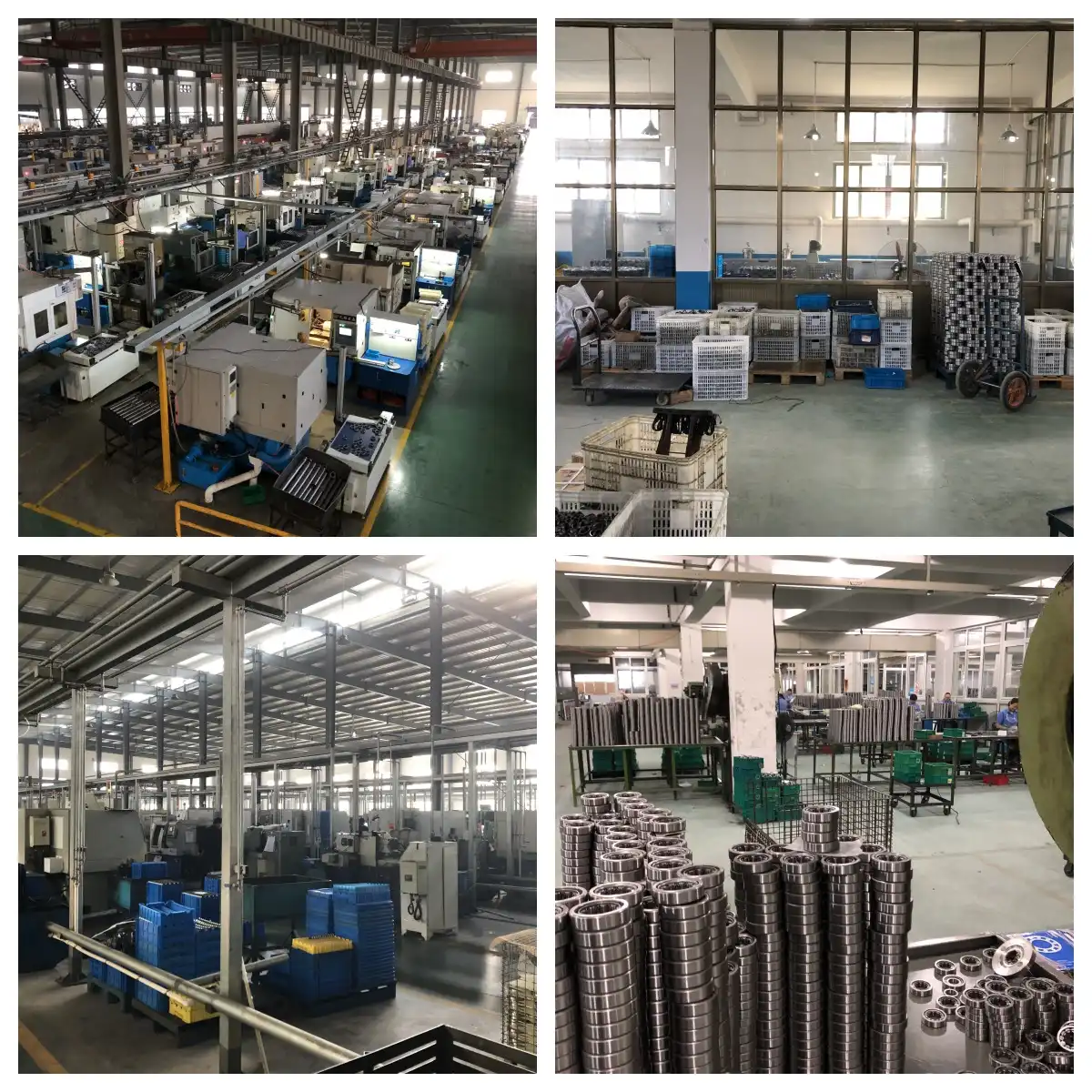
Identifying reliable bearing suppliers requires evaluating manufacturing capabilities, quality management systems, and technical support infrastructure. Global bearing manufacturers, including Timken, SKF, and NTN, maintain extensive product lines with documented specifications and application engineering resources. Regional suppliers—particularly precision manufacturers in established industrial regions—often provide cost advantages while maintaining quality standards suitable for most applications. Quality verification should examine material certifications confirming bearing steel composition and heat treatment documentation. ISO 9001 certification demonstrates established quality management processes, while IATF 16949 certification specifically addresses automotive industry requirements. Request inspection reports documenting dimensional accuracy, surface finish measurements, and load rating verification for production lots. These documents provide objective evidence that manufactured components meet design specifications. At Luoyang Auto Bearing, we've built our reputation over 15 years through rigorous quality control and manufacturing precision. Our facility maintains both ISO 9001 and IATF 16949 certifications, with 120 skilled employees dedicated to production, quality inspection, and technical support. We've expanded from a single workshop to six specialized production facilities, mastering high-precision bearing manufacturing that serves global markets including the United States, Germany, South Korea, Russia, Iran, and Turkey.
Pricing Structures and Order Quantities
Bearing pricing reflects material costs, manufacturing precision, and order volumes. Standard P0 precision 30211 bearings from established Chinese manufacturers typically range between $3.50 and $6.50 per unit in quantities of 1,000 pieces, with prices declining as volumes increase. Higher precision P6 and P5 grades command premiums of 25% to 50%, reflecting additional manufacturing operations and tighter tolerance control. Minimum order quantities vary by supplier and customization requirements. Standard catalog bearings often carry MOQs of 500 to 1,000 pieces, while custom specifications—modified internal clearance, special cage materials, or protective coatings—may require 2,000 to 5,000-piece commitments to justify tooling investments. Negotiating framework agreements with committed annual volumes typically unlocks preferential pricing and guaranteed allocation during supply constraints. Volume-based pricing tiers create opportunities for collaborative procurement strategies. Distributors and OEMs can consolidate requirements across multiple product lines, achieving higher-volume price breaks while maintaining reasonable inventory levels. We work with clients to establish vendor-managed inventory programs that balance cost efficiency against working capital requirements and production flexibility.
Future Outlook and Industry Trends Related to 30211 Bearings
The bearing industry continues evolving through material science advances, digital technology integration, and changing application demands driven by industrial electrification and automation trends.
Material and Coating Innovations
Bearing manufacturers are developing advanced steel grades with improved cleanliness and refined microstructures that enhance rolling contact fatigue life. Vacuum-degassed bearing steels reduce non-metallic inclusions that serve as crack initiation sites, potentially extending service life by 20% to 30% compared to conventional materials. These metallurgical improvements particularly benefit applications with contamination exposure or extreme temperature cycling. Surface engineering technologies, including specialized coatings, are addressing specific application challenges. Black oxide treatments provide corrosion protection for bearings in agricultural and marine environments. Thin dense chrome (TDC) coatings reduce adhesive wear in marginally lubricated conditions. Advanced ceramic coatings—while currently expensive—offer breakthrough performance in high-temperature applications, Single Row Tapered Roller Bearing 30211 approaching 300°C, where conventional bearing steels lose hardness.
Predictive Maintenance and Smart Bearing Technology
Integration of condition monitoring sensors directly into bearing assemblies represents an emerging trend reshaping industrial maintenance strategies. Instrumented bearings incorporate temperature sensors, accelerometers, and vibration monitors that transmit operational data to centralized maintenance management systems. These technologies enable predictive maintenance approaches that schedule interventions based on actual component condition rather than fixed time intervals. The economic case for smart bearing technology strengthens as sensor costs decline and analytics capabilities improve. Early detection of lubrication degradation, misalignment, or contamination allows corrective action before catastrophic failure occurs—preventing costly unplanned downtime and secondary damage to connected equipment. Industrial facilities report maintenance cost reductions of 25% to 40% after implementing condition-based maintenance programs enabled by instrumented rotating equipment.
Evolving Application Demands
Market trends, including vehicle electrification, renewable energy expansion, and industrial automation, are creating new application requirements that influence bearing design priorities. Electric vehicle drivetrains operate at higher rotational speeds than conventional automotive powertrains—up to 20,000 rpm for some motor designs—demanding bearings optimized for reduced friction and superior high-speed stability. Wind turbine gearbox applications present extreme challenges, combining heavy loads, limited maintenance access, and 20-year design lives. Bearing manufacturers are responding with specialized designs incorporating improved sealing systems, advanced lubricants, and enhanced material treatments that extend service intervals. Similar demands emerge in industrial robotics, where precise motion control requires bearings delivering consistent performance throughout extended duty cycles.

Conclusion
The Single Row Tapered Roller Bearing 30211 delivers proven performance advantages addressing the critical requirements of automotive manufacturers, industrial equipment OEMs, and global bearing distributors. Its engineered geometry manages combined radial and axial loads with superior capacity compared to ball bearing alternatives, while the separable design simplifies installation and maintenance procedures that reduce total ownership costs. Material quality, precision manufacturing, and dimensional standardization ensure reliable operation across demanding applications from automotive wheel hubs to precision machine tool spindles. As industrial applications evolve toward higher performance requirements and extended service life expectations, the 30211's robust design architecture and continuous manufacturing improvements position it as a dependable solution for procurement professionals seeking optimized cost-performance ratios backed by established quality standards and global supplier networks.
FAQ
1. How can I verify authentic 30211 bearing quality before purchasing?
Request material certifications confirming bearing steel grade (typically GCr15) and heat treatment documentation showing hardness values between 58-62 HRC. ISO 9001 and IATF 16949 certificates demonstrate established quality management systems. Examination of dimensional inspection reports verifying bore diameter, outer diameter, and width tolerances provides objective evidence of manufacturing precision. Reputable suppliers willingly provide these documents as standard procurement support, while reluctance to share quality documentation signals potential reliability concerns.
2. What causes premature 30211 bearing failure, and how can I prevent it?
Common failure modes include inadequate lubrication (causing metal-to-metal contact and rapid wear), contamination (introducing abrasive particles that damage raceways), misalignment (creating uneven load distribution), and improper installation (damaging rolling elements during mounting). Prevention strategies include establishing appropriate lubrication intervals based on operating conditions, implementing effective sealing systems, ensuring precise shaft and housing machining, and following manufacturer installation procedures. Regular condition monitoring detects developing problems before catastrophic failure occurs.
3. Can I interchange 30211 bearings from different manufacturers?
Metric tapered roller bearings follow standardized dimensions, allowing interchangeability between manufacturers for standard precision grades. Verify that replacement bearings match the original precision class (P0, P6, or P5) and internal clearance specification. While dimensional compatibility exists, performance characteristics, including load ratings and service life, vary based on material quality and manufacturing precision. Changing suppliers warrants reviewing specification sheets to confirm adequate performance margins for your application requirements.
Partner with ATLYC for Premium Single Row Tapered Roller Bearing 30211
Luoyang Auto Bearing (ATLYC) brings 15 years of specialized Single Row Tapered Roller Bearing 30211 manufacturing expertise to your bearing procurement needs. As an ISO 9001 and IATF 16949 certified Single Row Tapered Roller Bearing 30211 manufacturer, we've built lasting partnerships with automotive OEMs and industrial equipment producers across the United States and global markets. Our six specialized production facilities employ 120 skilled professionals dedicated to precision manufacturing, quality inspection, and technical support. We maintain competitive pricing structures with flexible minimum order quantities tailored to your production requirements, backed by reliable international logistics that ensure consistent supply continuity. Contact our engineering team at auto@lyautobearing.com to discuss your specific application requirements and receive detailed technical specifications with customized quotations for Single Row Tapered Roller Bearing 30211 supplier solutions.
References
1. Harris, T.A. and Kotzalas, M.N. (2006). "Rolling Bearing Analysis: Essential Concepts of Bearing Technology," Fifth Edition, CRC Press, Taylor & Francis Group.
2. Shimizu, S. and Tsuchiya, K. (2018). "Fatigue Limit Concept and Life Prediction for Rolling Bearings: A Review," Journal of Tribology International, Volume 82, Part B.
3. ISO 492:2014. "Rolling Bearings - Radial Bearings - Dimensions and Tolerances," International Organization for Standardization.
4. SKF Group. (2020). "Rolling Bearings Catalogue: Tapered Roller Bearings," SKF Group Technical Publications.
5. Zaretsky, E.V. (2013). "Rolling Bearing Steels - A Technical and Historical Perspective," Materials Science and Technology, ASM International.
6. Tallian, T.E. (1992). "Simplified Contact Fatigue Life Prediction Model for Tapered Roller Bearings," ASME Journal of Lubrication Technology, Volume 104.
Learn about our latest products and discounts through SMS or email