- English
- French
- German
- Portuguese
- Spanish
- Russian
- Japanese
- Korean
- Arabic
- Greek
- German
- Turkish
- Italian
- Danish
- Romanian
- Indonesian
- Czech
- Afrikaans
- Swedish
- Polish
- Basque
- Catalan
- Esperanto
- Hindi
- Lao
- Albanian
- Amharic
- Armenian
- Azerbaijani
- Belarusian
- Bengali
- Bosnian
- Bulgarian
- Cebuano
- Chichewa
- Corsican
- Croatian
- Dutch
- Estonian
- Filipino
- Finnish
- Frisian
- Galician
- Georgian
- Gujarati
- Haitian
- Hausa
- Hawaiian
- Hebrew
- Hmong
- Hungarian
- Icelandic
- Igbo
- Javanese
- Kannada
- Kazakh
- Khmer
- Kurdish
- Kyrgyz
- Latin
- Latvian
- Lithuanian
- Luxembou..
- Macedonian
- Malagasy
- Malay
- Malayalam
- Maltese
- Maori
- Marathi
- Mongolian
- Burmese
- Nepali
- Norwegian
- Pashto
- Persian
- Punjabi
- Serbian
- Sesotho
- Sinhala
- Slovak
- Slovenian
- Somali
- Samoan
- Scots Gaelic
- Shona
- Sindhi
- Sundanese
- Swahili
- Tajik
- Tamil
- Telugu
- Thai
- Ukrainian
- Urdu
- Uzbek
- Vietnamese
- Welsh
- Xhosa
- Yiddish
- Yoruba
- Zulu
What Industries Use RA8008UUCC0 Crossed Roller Bearings?
The RA8008UUCC0 Crossed Roller Bearing finds application across robotics, semiconductor manufacturing, medical equipment, aerospace, precision machinery, renewable energy systems, and industrial automation. These compact precision components deliver exceptional rigidity and multi-directional load handling within an ultra-thin 8mm profile, making them indispensable in space-constrained environments where both positioning accuracy and durability matter. Selecting the right bearing significantly impacts machinery performance, reliability, and maintenance costs, directly affecting your bottom line and operational efficiency. This guide provides procurement managers, engineers, OEMs, and bearing distributors with comprehensive insights into how these specialised crossed roller bearings meet rigorous industrial demands. We explore their technical specifications, performance advantages, industry applications, procurement considerations, and maintenance practices to help you make informed sourcing decisions that optimise equipment performance while minimising total cost of ownership.
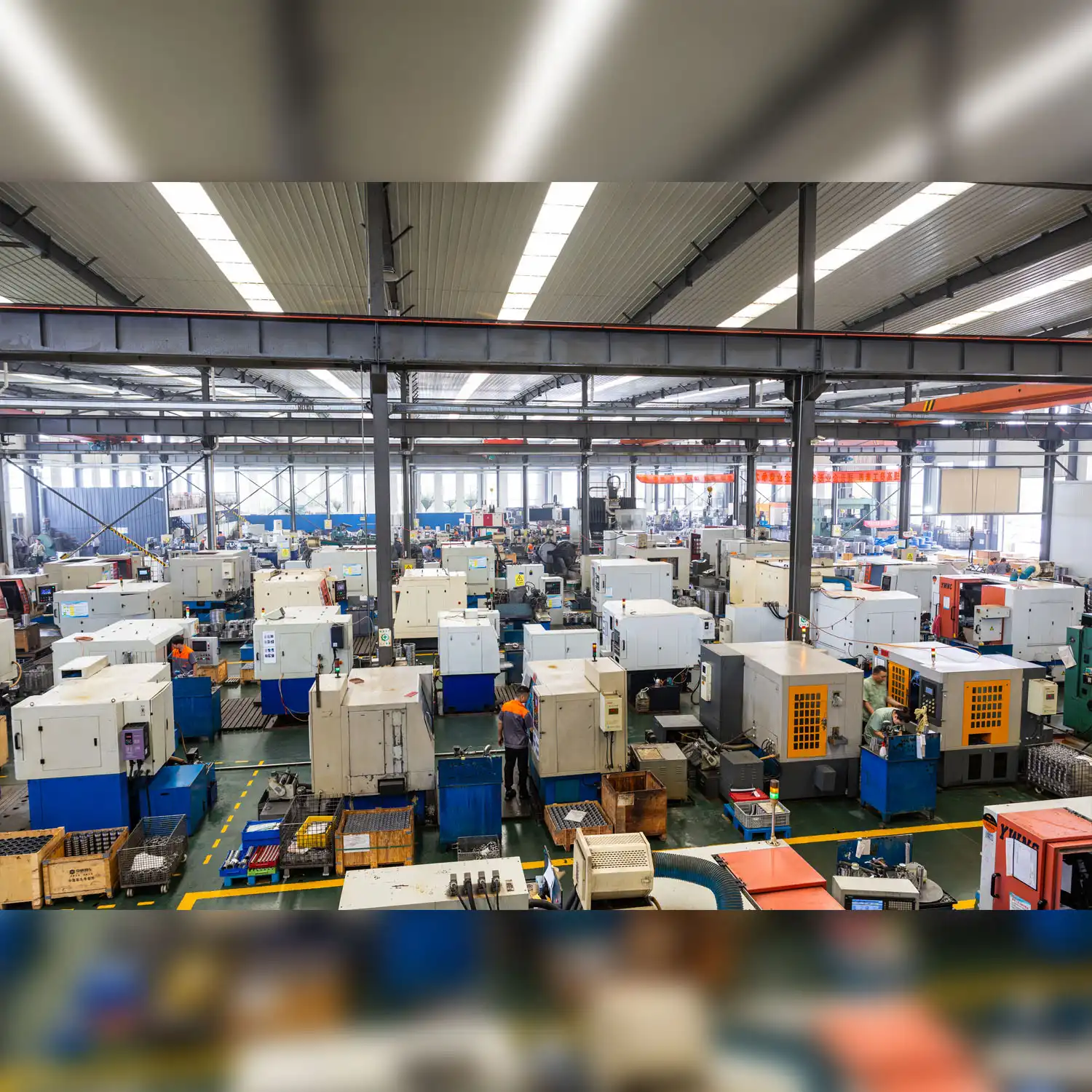
Understanding RA8008UUCC0 Crossed Roller Bearings
Design Specifications and Structure
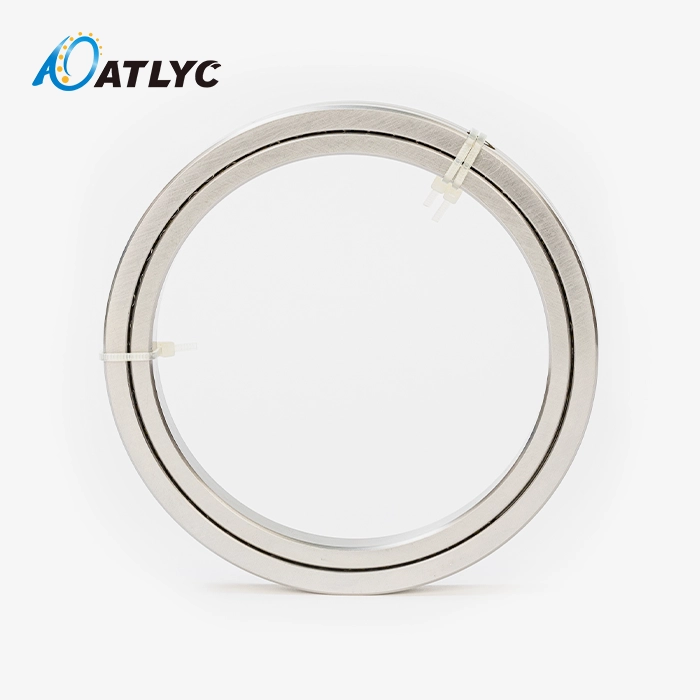
The RA8008UUCC0 represents a precision-engineered solution featuring an 80mm inner diameter, 96mm outer diameter, and remarkably thin 8mm width. Manufactured from premium GCr15 and GCr15SiMn bearing steels hardened to HRC 58-64, these materials deliver the durability required for demanding industrial environments while maintaining dimensional stability under varying thermal conditions. The RA series incorporates a separable outer ring with an integrated inner ring design that optimises manufacturing precision. This configuration enables proper installation in space-constrained applications while reducing weight contributions to your assembly by approximately 50% compared to standard bearing series. The thin-wall construction achieves an exceptional rigidity-to-weight ratio that benefits applications where mass reduction directly improves dynamic response characteristics.
Crossed Roller Arrangement and Load Handling
The main benefit of this bearing is its precision-machined V-groove raceways that contain cylindrical rollers arranged at right angles to one another. This design outperforms the conventional ball bearing alternatives by distributing loads across more contact points, resulting in a higher load-carrying capability. Because the rollers are spaced apart, they don't touch each other, which means they run smoothly with little friction and last longer. The ability of the bearing to manage radial, axial, and moment loads all at once in a compact unit is a boon to your equipment. You may simplify your design, reduce assembly complexity, and eliminate possible failure areas by eliminating the requirement for various bearing arrangements. Consistent performance over operational cycles is assured by the low friction coefficient, which permits smooth rotation even under complicated loading circumstances.
Precision and Preload Characteristics
Zero backlash operation is achieved using a precisely controlled negative clearance (preload) of -2 to -5 microns, as indicated by the CC0 designation. This clearance eliminates internal play. In precision positioning systems, where even a little internal movement might ruin the accuracy, this characteristic is necessary. This preload increases beginning torque marginally but provides remarkable rotational stiffness and keeps positioning accuracy consistent over a wide range of loads. If your application requires very precise rotational measurements, you may rest assured that products manufactured to P2, P4, P5, P0, or P6 accuracy classes will meet or exceed ISO P5 or P4 requirements. The UU symbol indicates that the bearing assembly has hermetic synthetic rubber seals on both sides, which prevent contamination of internal components and keep the grease based on lithium soap inside. In settings where bearing integrity is at risk from particulate pollution or moisture exposure, these seals are invaluable.
Key Industries Utilising RA8008UUCC0 Crossed Roller Bearings
The ultra-compact design and precision characteristics of these crossed roller bearings have made them essential components across multiple high-value industrial sectors. We've observed growing demand from manufacturers seeking to optimise equipment performance while reducing footprint and weight.
Industrial Robotics and Automation
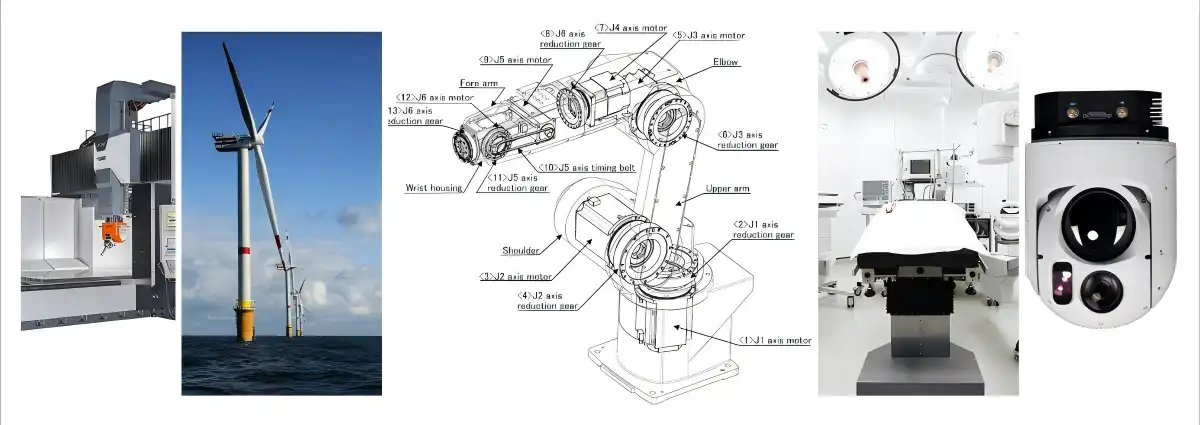
Robot manufacturers integrate these bearings into joint assemblies, wrist mechanisms, and rotary actuators where their compact profile enables sophisticated movement patterns within tight envelope constraints. The zero-backlash operation resulting from CC0 preload prevents arm droop under cantilevered loads while enabling precise positioning repeatability critical for assembly operations, welding applications, and material handling tasks. Collaborative robots particularly benefit from the weight reduction and smooth operation characteristics. The low friction coefficient translates to reduced motor requirements, extending battery life in mobile robotic systems while improving power efficiency in stationary installations. The sealed design protects against contamination in industrial environments where cutting fluids, metal particles, and airborne debris threaten bearing integrity.
Semiconductor and IC Manufacturing Equipment
The contamination resistance and precision operation that these bearings provide are essential for wafer handling systems and IC fabrication devices. While preserving the level of accuracy needed for wafer positioning and transfer operations, the UU seals stop particles from escaping and contaminating cleanrooms. By accommodating eccentric stresses during wafer transfer and fitting into vertically constrained spaces, this bearing allows for denser stacking of wafer handling devices. In order to keep focus precision during exposure cycles, photolithography equipment depends on the outstanding runout accuracy. In temperature-controlled manufacturing environments, the dimensional changes that could impact positioning accuracy are minimised by the thermal resilience of GCr15 steel. Designers of machinery like the small footprint because it allows them to incorporate more complex motion systems into pre-existing machine housings.
Medical Equipment and Diagnostic Devices
To create surgical robots, imaging equipment, and diagnostic instruments that run quietly and smoothly, medical device manufacturers use these bearings. This allows for precise diagnosis and treatment while keeping patients comfortable. Portable C-arm systems are designed to be compact and easy to manoeuvre in emergency and operating rooms by utilising their thin profile. Articulated surgical tool holders benefit greatly from the bearing's moment load capacity because of the complicated loading circumstances caused by cantilevered tools. The zero-backlash feature is crucial for surgical equipment to stay in the correct position during procedures, which in turn affects the results for the patient. Simplifying sterilisation measures between procedures, sealed construction meets sanitary criteria.
Precision Machinery and Machining Centres
Rotary tables, indexing mechanisms, and swivel heads in machining centres utilise the moment load capacity for accurate positioning during multi-axis operations. The bearing maintains positioning accuracy under cutting forces, ensuring dimensional tolerances remain consistent throughout production runs. This reliability reduces scrap rates while improving surface finish quality on manufactured components. Measuring instruments and coordinate measuring machines (CMMs) depend on the exceptional runout accuracy to maintain calibration over extended service intervals. The rigid construction reduces elastic deformation when the probe contacts the surface, ensuring that measurements can be repeated and meet quality control requirements. Manufacturers appreciate the reduced maintenance requirements compared to traditional bearing arrangements requiring periodic adjustment.
Aerospace and Defense Applications
The bearing's precision under vibration and shock loads makes it ideal for use in optical tracking mechanisms, sensor gimbals, and antenna positioning systems in aerospace applications. Because of its small size, the system is lighter, which improves fuel efficiency in aerial platforms and makes room for more advanced sensor payloads. The mechanisms for deploying solar panels on satellites make use of the vacuum-compatible sealing solutions offered by this series to avoid the potential contamination of delicate optical surfaces caused by lubricant outgassing. From direct sun heating to cryogenic shadowing, the bearing continues to run smoothly in all kinds of space applications.
Renewable Energy Systems
These bearings are used in adjustment mechanisms for wind turbine blade pitch control systems and solar tracking arrays. They are designed to tolerate environmental exposure while retaining positioning accuracy. Maintenance intervals are extended, and system reliability is improved due to the sealed design's protection against moisture infiltration and particulate contamination, which are prevalent in outdoor installations. Heliostat tracking mechanisms, which are used in concentrated solar power plants, employ bearings to precisely position themselves at an angle that maximises energy capture over the daily solar cycles. Drive systems can be smaller and more cost-effective thanks to the low-friction feature, which also improves system efficiency by reducing actuator power consumption.
RA8008UUCC0 vs Alternative Bearings: Selecting the Best for Your Industry
Understanding performance trade-offs between bearing technologies helps procurement professionals make decisions that optimise both initial investment and lifecycle costs. We regularly guide customers through this selection process based on their specific application requirements.
Comparison with Standard Crossed Roller Bearings
Assemblies with standard crossed roller bearings tend to be bulkier and heavier because of the thicker cross-sections that offer greater absolute load ratings. The RA8008UUCC0 compromises some load capability to achieve its ultra-thin 8mm profile, which enables equipment miniaturisation and weight reduction. This compromise allows applications with space constraints to take advantage of substantial packing benefits while sacrificing slightly lower load ratings. In comparison to non-separable alternatives, the RA series' removable outer ring design makes installation easier, shortens assembly time, and reduces the likelihood of installation damage. Because assembly efficiency has a direct effect on production costs, this feature is especially useful in high-volume manufacturing. When compared to split inner ring designs, the integrated inner ring better preserves dimensions, guaranteeing consistent performance throughout production batches.
Performance Comparison with Ball Bearings
While ball bearings are faster and have less friction, crossed roller types are more robust and can handle more loads. The crossed roller configuration is useful in applications that demand great positioning stiffness or involve large moment loads. Cylindrical rollers and raceways provide a bigger contact area, which allows for better load distribution, less contact stress, and longer bearing life when subjected to heavy loads. Ball bearings have a lower initial cost but can end up costing more in the long run due to maintenance downtime and replacement costs due to the frequency of replacement needed in demanding applications. When the increased initial expenditure is justified by reliability and prolonged service intervals, the RA8008UUCC0 Crossed Roller Bearing gives superior value. When comparing various technologies, procurement managers shouldn't just look at the purchase price but at the total cost of ownership as well.
Cost-Efficiency Considerations
The bearing eliminates the need for multiple components to handle complex loading, reducing both parts count and assembly costs. This simplification decreases inventory complexity while improving supply chain efficiency. Equipment designs incorporating these bearings often achieve better power-to-weight ratios, enabling smaller motors and drive systems that offset bearing costs through reduced supporting component expenses. Maintenance costs decrease due to the sealed design and extended service intervals compared to open bearing arrangements requiring frequent lubrication. The reduced downtime translates to improved equipment availability and higher production output, particularly valuable in automated systems where unplanned stoppages create cascade effects throughout production schedules.
Procurement Considerations for RA8008UUCC0 Crossed Roller Bearings
Effective sourcing strategies ensure a reliable supply while optimising costs and minimising risks. Our experience supplying mid-to-large OEMs and distributors across global markets has revealed several key considerations that separate successful procurement programs from those that experience supply disruptions and quality issues.
Supplier Evaluation and Quality Assurance
You can tell a supplier is serious about quality management and progress toward goals when they have earned certifications like ISO 9001 and IATF 16949. The dimensional precision and material qualities that are essential to the bearing performance are guaranteed by these certificates, which are obtained through manufacturing processes. When establishing relationships for key applications, it is important to request certification paperwork and perform supplier audits. Make sure your suppliers can handle your present needs as well as any future increases in volume by checking their manufacturing capacity. Adapting to changes in demand without increasing lead times is easier for suppliers who have several production lines and variable capacity. With the steady growth of our business from a single workshop to six specialised locations, Luoyang Auto Bearing Co., Ltd. has been able to meet the increasing demands of our customers without sacrificing quality over the past fifteen years.
Pricing Structures and Volume Considerations
Typically, bulk purchase arrangements provide priority allocation during supply limitations while reducing per-unit prices. Work out a price plan that takes volume commitments into account while also being flexible enough to accommodate demand fluctuations. Annual agreements with quarterly release schedules that balance cost optimisation with inventory management reduce working capital requirements and guarantee material availability. Factors such as the cost of raw materials, changes in exchange rates, and the utilisation of production capacity cause variability in prices. To safeguard against unforeseen financial consequences, set up pricing structures that openly consider these factors. While purchasing on the spot market is vulnerable to fluctuations in supply and demand, establishing long-term relationships with dependable suppliers results in more consistent pricing.
Lead Times and Supply Chain Management
Standard RA8008UUCC0 Crossed Roller Bearing configurations typically ship within 4-6 weeks, while custom specifications may require 8-12 weeks depending on complexity. Plan procurement schedules accounting for production lead times, international shipping durations, and customs clearance procedures. Maintain strategic inventory buffers for critical applications where supply interruptions create disproportionate operational impacts. Work with suppliers offering technical support and engineering collaboration during design phases. Early supplier involvement helps optimise bearing selection and mounting arrangements, avoiding costly redesigns discovered during prototype testing. We maintain a dedicated technical team of 120 employees supporting customers throughout product development and production ramp-up phases.
Geographic Sourcing and Import Considerations
Chinese manufacturers offer competitive pricing while increasingly meeting international quality standards through certifications and process improvements. Our facility has successfully served customers in the United States, Germany, South Korea, Russia, Iran, and Turkey, demonstrating capability to meet diverse regulatory and quality requirements across global markets. Understand import regulations, duty structures, and documentation requirements for your destination market. Partner with suppliers experienced in international logistics who can navigate customs procedures efficiently. Establish clear specifications for packaging and labelling to ensure compliance with destination country requirements, avoiding delays and additional costs at customs entry points.
Maintaining and Maximising the Lifespan of RA8008UUCC0 Bearings
Proper maintenance practices directly impact equipment reliability and total cost of ownership. We've developed these recommendations based on field experience and customer feedback across diverse operating environments.
Lubrication Management
The UU sealed configuration arrives pre-filled with lithium soap-based grease suitable for standard operating conditions. This factory lubrication typically provides 2-3 years of service under normal conditions without relubrication. Extreme temperature environments, high-speed applications, or vacuum conditions may require specialised synthetic greases specified during ordering. Avoid disassembling sealed bearings for relubrication, as this compromises seal integrity and introduces contamination risks. Plan bearing replacement intervals based on operating hours and environmental exposure rather than attempting field relubrication. Monitoring lubricant condition through vibration analysis or temperature measurements helps predict optimal replacement timing, maximising service life while preventing unexpected failures.
Installation Best Practices
The thin-wall construction requires careful installation techniques to prevent raceway distortion. Use press-fitting jigs applying uniform pressure around the circumference rather than point-loading with hammers or punches. Housing rigidity proves critical, as the bearing rings conform to housing geometry; inaccurate housings will distort raceways and compromise performance. Maintain precise tolerances on mounting surfaces to ensure proper load distribution and prevent premature wear. Clean mounting surfaces thoroughly, removing burrs and contamination that could create high spots causing uneven preload distribution. Follow torque specifications when securing bearing housings, as over-tightening can deform thin-section bearings while under-tightening allows fretting corrosion at interfaces.
Condition Monitoring and Troubleshooting
Implement vibration monitoring programmes to detect developing bearing problems before failure occurs. Characteristic frequency analysis identifies specific bearing defects, enabling planned replacement during scheduled maintenance rather than emergency repairs during production shifts. Temperature monitoring reveals lubrication problems and excessive loading conditions that accelerate wear. The CC0 preload creates normal resistance when rotating bearings by hand before installation. This characteristic ensures rigidity rather than indicating binding problems. Once mounted and loaded, this preload translates to positioning stability and accuracy. Excessive resistance during operation suggests contamination, inadequate lubrication, or housing misalignment requiring investigation.
Extending Service Life Through Operational Optimisation
Proper load management maximises bearing life by operating within design parameters. Avoid shock loading and excessive vibration that create stress concentrations exceeding material fatigue limits. Mounting arrangements should distribute loads evenly across the bearing, preventing edge loading that accelerates wear on limited portions of the raceway. Environmental controls reduce contamination exposure and temperature extremes that degrade lubricants and accelerate wear. Sealed enclosures around bearing housings provide additional protection in harsh environments where standard seals may not provide adequate isolation. Regular inspections during scheduled maintenance identify developing problems before they progress to catastrophic failures requiring extensive repairs.
Conclusion
The RA8008UUCC0 Crossed Roller Bearing delivers exceptional value across robotics, semiconductor equipment, medical devices, precision machinery, aerospace systems, and renewable energy applications. Its ultra-compact profile combines with superior load handling, zero-backlash operation, and exceptional runout accuracy to enable equipment designs previously impossible with conventional bearing technologies. Procurement professionals benefit from understanding the technical advantages, application requirements, and maintenance practices that maximise return on investment in these precision components. Strategic supplier partnerships with manufacturers demonstrating ISO 9001 and IATF 16949 compliance ensure consistent quality and reliable supply supporting your production requirements and long-term business growth.
FAQ
What makes RA8008UUCC0 suitable for high-precision positioning applications?
The CC0 preload specification eliminates internal clearance, providing zero backlash essential for precision positioning systems. Manufacturing to P5 or P4 accuracy standards ensures exceptional runout precision, while the crossed roller arrangement delivers superior rigidity compared to ball bearings. The integrated inner ring maintains dimensional stability under varying loads, ensuring consistent positioning accuracy throughout the bearing's service life.
How does load capacity compare with standard crossed roller bearings?
While the ultra-thin 8mm profile reduces absolute load ratings compared to thicker standard bearings, the RA8008UUCC0 delivers exceptional capacity relative to its compact size. The crossed roller arrangement provides significantly higher load capacity than ball bearings of similar dimensions. The bearing simultaneously handles radial, axial, and moment loads within a single unit, often eliminating the need for multiple bearing arrangements.
What maintenance intervals suit industrial applications?
Sealed bearings arrive pre-lubricated for 2-3 years of service under normal conditions. Harsh environments or demanding operating conditions may warrant more frequent inspection and potential replacement. Implement condition monitoring through vibration analysis rather than scheduled relubrication, as disassembling sealed bearings compromises performance and introduces contamination risks.
Partner with ATLYC for Your Precision Bearing Requirements
ATLYC has 15 years of manufacturing experience and is certified with ISO 9001 and IATF 16949, allowing us to provide reliable RA8008UUCC0 crossed roller bearing solutions for demanding applications. Our 120-person team operates six specialised facilities producing high-precision bearings trusted by automotive OEMs, industrial equipment manufacturers, and global distributors across the United States, Germany, South Korea, and beyond. We understand that mid-to-large manufacturers require more than components—you need strategic partnerships providing consistent quality, competitive pricing, and responsive technical support.
Contact our team at auto@lyautobearing.com to discuss your specific requirements with experienced engineers who understand your application challenges. Whether sourcing RA8008UUCC0 crossed roller bearing components as a distributor or integrating them into production equipment as an OEM, we provide tailored solutions addressing your supply chain needs. Request detailed specifications, bulk pricing structures, or application engineering support to optimise your bearing selection and maximise equipment performance.
References
1. Harris, T.A. & Kotzalas, M.N. (2006). Advanced Concepts of Bearing Technology: Rolling Bearing Analysis, Fifth Edition. CRC Press, Taylor & Francis Group.
2. Eschmann, P., Hasbargen, L. & Weigand, K. (1985). Ball and Roller Bearings: Theory, Design and Application, Second Edition. John Wiley & Sons.
3. ISO 5593:1984. Rolling bearings — Vocabulary. International Organisation for Standardisation.
4. Hamrock, B.J., Schmid, S.R. & Jacobson, B.O. (2004). Fundamentals of Fluid Film Lubrication, Second Edition. Marcel Dekker, Inc.
5. Weck, M. & Brecher, C. (2006). Werkzeugmaschinen 2: Konstruktion und Berechnung [Machine Tools 2: Design and Calculation]. Springer-Verlag Berlin Heidelberg.
6. Tong, V.C. & Hong, S.W. (2016). Characteristics of tapered roller bearings subjected to combined radial and moment loads. International Journal of Precision Engineering and Manufacturing, 17(12), 1569-1575.
Learn about our latest products and discounts through SMS or email