- English
- French
- German
- Portuguese
- Spanish
- Russian
- Japanese
- Korean
- Arabic
- Greek
- German
- Turkish
- Italian
- Danish
- Romanian
- Indonesian
- Czech
- Afrikaans
- Swedish
- Polish
- Basque
- Catalan
- Esperanto
- Hindi
- Lao
- Albanian
- Amharic
- Armenian
- Azerbaijani
- Belarusian
- Bengali
- Bosnian
- Bulgarian
- Cebuano
- Chichewa
- Corsican
- Croatian
- Dutch
- Estonian
- Filipino
- Finnish
- Frisian
- Galician
- Georgian
- Gujarati
- Haitian
- Hausa
- Hawaiian
- Hebrew
- Hmong
- Hungarian
- Icelandic
- Igbo
- Javanese
- Kannada
- Kazakh
- Khmer
- Kurdish
- Kyrgyz
- Latin
- Latvian
- Lithuanian
- Luxembou..
- Macedonian
- Malagasy
- Malay
- Malayalam
- Maltese
- Maori
- Marathi
- Mongolian
- Burmese
- Nepali
- Norwegian
- Pashto
- Persian
- Punjabi
- Serbian
- Sesotho
- Sinhala
- Slovak
- Slovenian
- Somali
- Samoan
- Scots Gaelic
- Shona
- Sindhi
- Sundanese
- Swahili
- Tajik
- Tamil
- Telugu
- Thai
- Ukrainian
- Urdu
- Uzbek
- Vietnamese
- Welsh
- Xhosa
- Yiddish
- Yoruba
- Zulu
Why Choose RA Crossed Roller Bearings for Precision Machines?
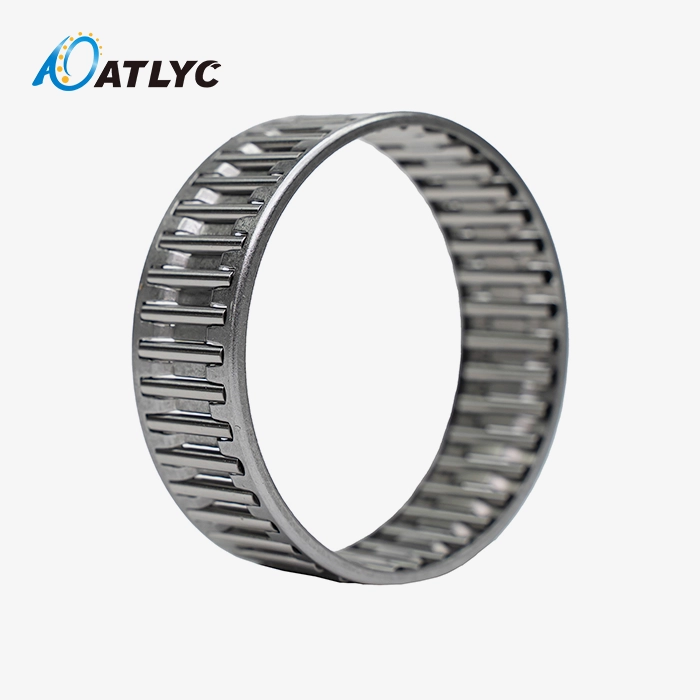
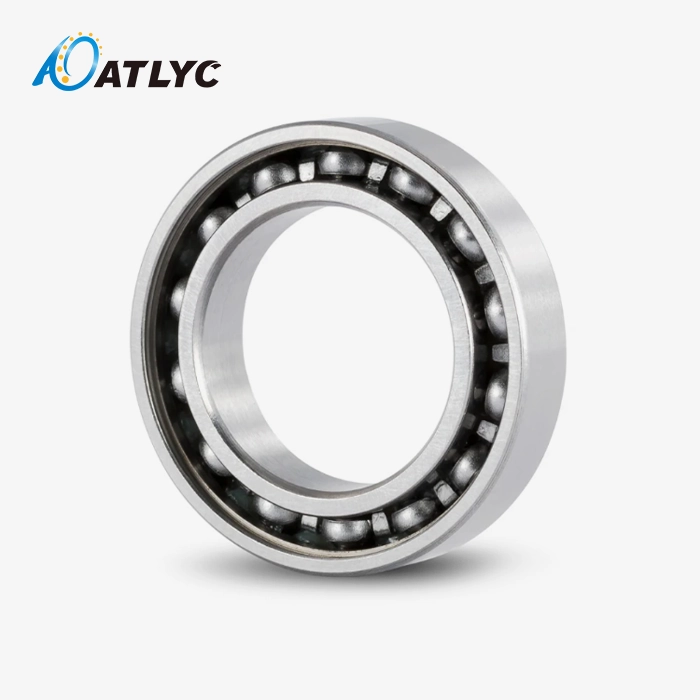
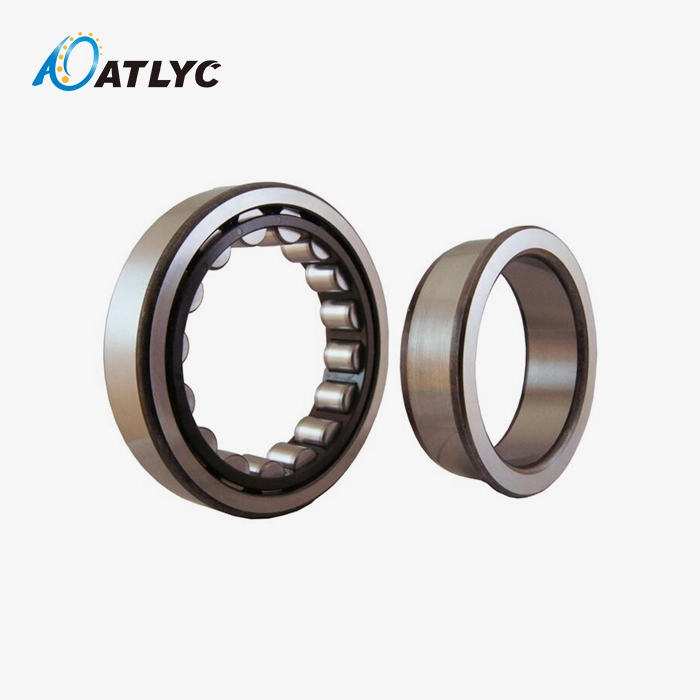
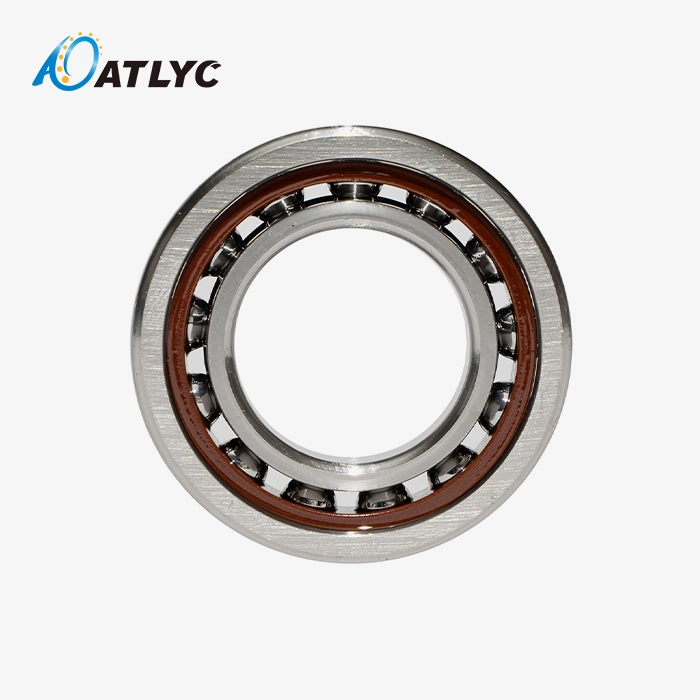
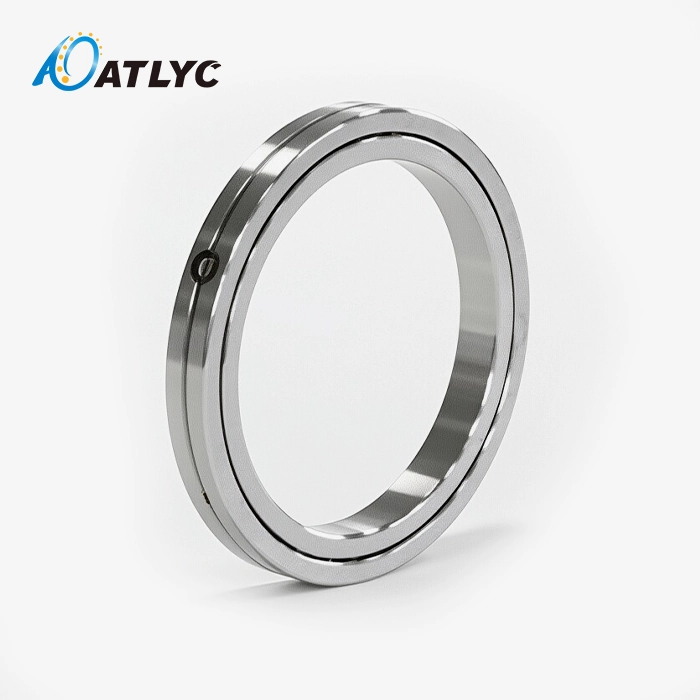
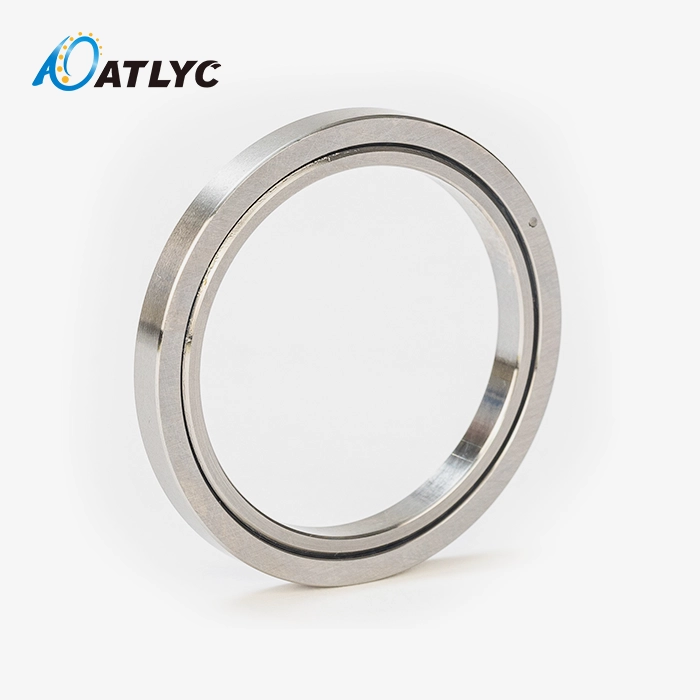
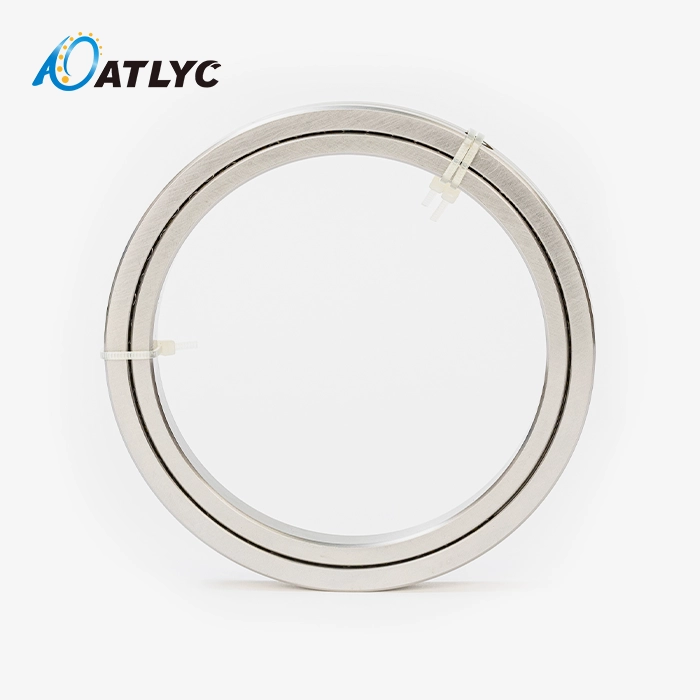
In situations with limited room, RA Crossed Roller Bearings are the best precision bearing technology available. They provide unmatched performance where other bearing solutions fail. These cutting-edge parts have a new cross-roller design that lets them handle radial, axial, and moment loads all at the same time in a single, small unit. The outer ring can be taken apart, and the inner ring is built in. This makes them essential for high-precision machinery that needs to be very accurate, have very little movement, and work reliably in harsh conditions in the automobile, industrial automation, and high-tech manufacturing sectors.
Understanding RA Crossed Roller Bearings: Design, Operation, and Specifications
The advanced circular roller design is what makes crossed roller bearing technology such a great piece of engineering. Unlike most bearings, these precise parts have rollers that are positioned orthogonally at 90-degree angles within V-groove raceways. This makes sure that the load is evenly distributed throughout the whole bearing system.
Unique Structural Design Features
The outer ring can be separated, which makes these bearings different from other options. This makes installation easier and upkeep easier to reach. This set-up lets techs place the inner ring piece on its own, which makes installation easier while still ensuring accurate rotation. The bearing's performance stays the same over its entire operating life because the inner ring is built in. The thin-wall design is yet another big step forward in bearing engineering. Cutting down on wall thickness to a realistic level lets engineers make equipment that is lighter while still keeping the high rigidity needed for precise uses. This way of thinking about design improves performance while minimizing the bearing's envelope measurements. This is important because modern machines are often short on space.
Advanced Material Specifications
Bearings that work reliably are made from high-quality materials. Premium-grade Gcr15 and Gcr15SiMn bearing steels are used in RA Crossed Roller Bearings because they are very hard, don't wear down easily, and keep their shape. These materials go through a lot of heat treatment to get the best microstructure. This makes sure that they work the same way in all kinds of working situations. Precision grades like P6, P0, P5, P4, and P3 can be used for a wide range of tasks. Higher precision types have tighter tolerance control, which is important for uses that need accuracy down to the micron level. This range of RA Crossed Roller Bearings specifications lets engineers choose bearings that are exactly right for their application's accuracy needs while also minimizing costs.
Advantages of RA Crossed Roller Bearings Over Traditional Bearings
When pressure conditions are complicated, traditional bearing setups often need more than one part to handle them. This makes the system heavier, more complicated, and more likely to fail. These problems are gone with the revolutionary cross-roller design, which uses better engineering concepts to give measured performance gains.
Superior Load Handling Capabilities
The changing roller design makes it possible to carry a lot of weight because it distributes force efficiently. When combined loads are applied, the cross-roller design makes sure that forces move through line contact instead of point contact. This makes it better at carrying loads than ball bearings or angular contact options. Multidirectional load capability is a big plus for people who build fine machinery. Complex bearing arrangements can be replaced by a single bearing that can handle rotational loads of several tons while also handling axial forces and moment loads. This combination makes assembly easier, gets rid of alignment problems, and cuts down on the weight gains that come with using multiple bearings.
Enhanced Rigidity and Precision Performance
The cross-roller design makes the structure very stiff, so it doesn't distort when the load changes. Deflection errors in precise machinery are measured in micrometers, so this feature is very important for keeping the positioning accuracy. More stiffness immediately leads to better machine performance, less vibration, and longer component life. The cross-roller design naturally has low friction ratios, which make it easy to use. Consistent spinning performance with low power needs makes sure that the machine behaves in a reliable way while using less energy. The even spread of load cuts down on wear patterns and makes the service life much longer than with other types of bearings.
Applications and Use Cases in Precision Machinery
Because of changes in modern manufacturing, RA Crossed Roller Bearings are widely used in many fields where accuracy and dependability are essential. Because they take up very little room, these bearings are perfect for tasks that need to be very accurate.
Industrial Robotics and Automation
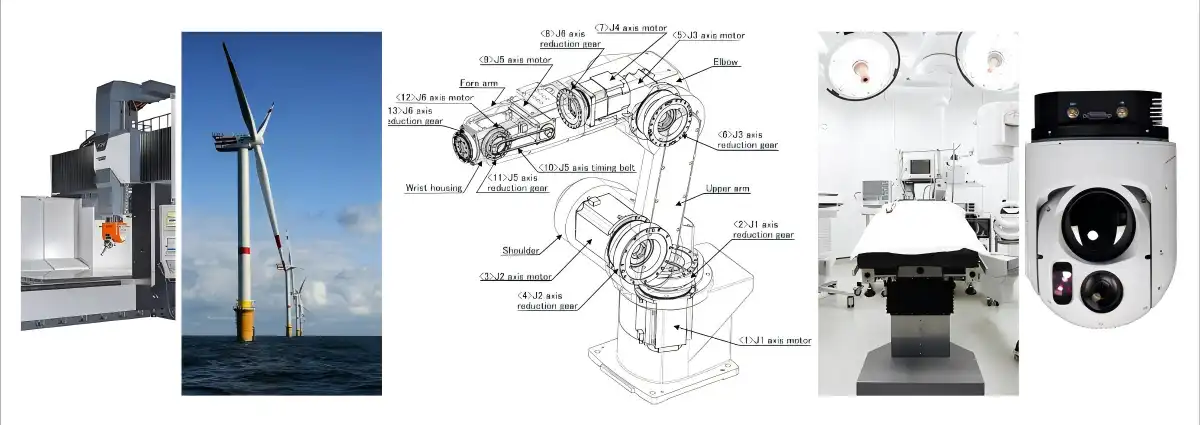
These accurate bearings are very important for robotic manipulators because they allow joints to move and end-effectors to be placed. The small size makes it possible to build robots that are light while still being able to keep the precise placement needed for assembly tasks. The lighter weight and high accuracy of these bearings make them especially useful for collaborative robots. In machining centers, crossing roller bearings give the rotary tables the strength they need for heavy cutting tasks. Being able to handle moment loads while keeping the accuracy of placement guarantees stable part quality and increases the life of the tool. Less time spent setting up machines and more accurate cutting lead to higher manufacturing efficiency.
Medical Device Applications
For picture clarity and patient safety, medical imaging equipment RA Crossed Roller Bearings needs to be able to rotate without any vibrations. RA Crossed Roller Bearings are the main rotating support in C-arm X-ray machines and CT scanners. They allow for precise movement for accurate images while fitting into very thin housing shapes that allow patients to get in and out of the machine. For microsurgical treatments, where positioning accuracy directly affects patient results, surgical robots need to be very precise. The bearings' ability to keep micron-level accuracy even when loads change ensures that surgical precision is always maintained and allows for a small robot design that is necessary for easy movement in the operating room.
Semiconductor Manufacturing Equipment
IC manufacturing equipment works in cleanrooms, where keeping things clean and putting things precisely where they need to go are very important. These bearings are used by wafer alignment steps to get the nanometer-level positioning accuracy needed for current semiconductor manufacturing processes. The thin-section form makes the most of the working room in manufacturing equipment that is limited in size. The very high runout accuracy of these bearings is great for measuring tools. Coordinate measuring machines and precision inspection tools depend on the ability to keep dimensions stable and run smoothly to make sure that measurements are always accurate and repeatable over long periods of time.
Procurement Guide: How to Source and Evaluate RA Crossed Roller Bearings
When buying precision bearings strategically, you need to think about a lot of things that can affect both short-term performance and long-term business success. By knowing about these things, you can make smart buying choices that maximize value while reducing supply chain risks.
Manufacturer Selection Criteria
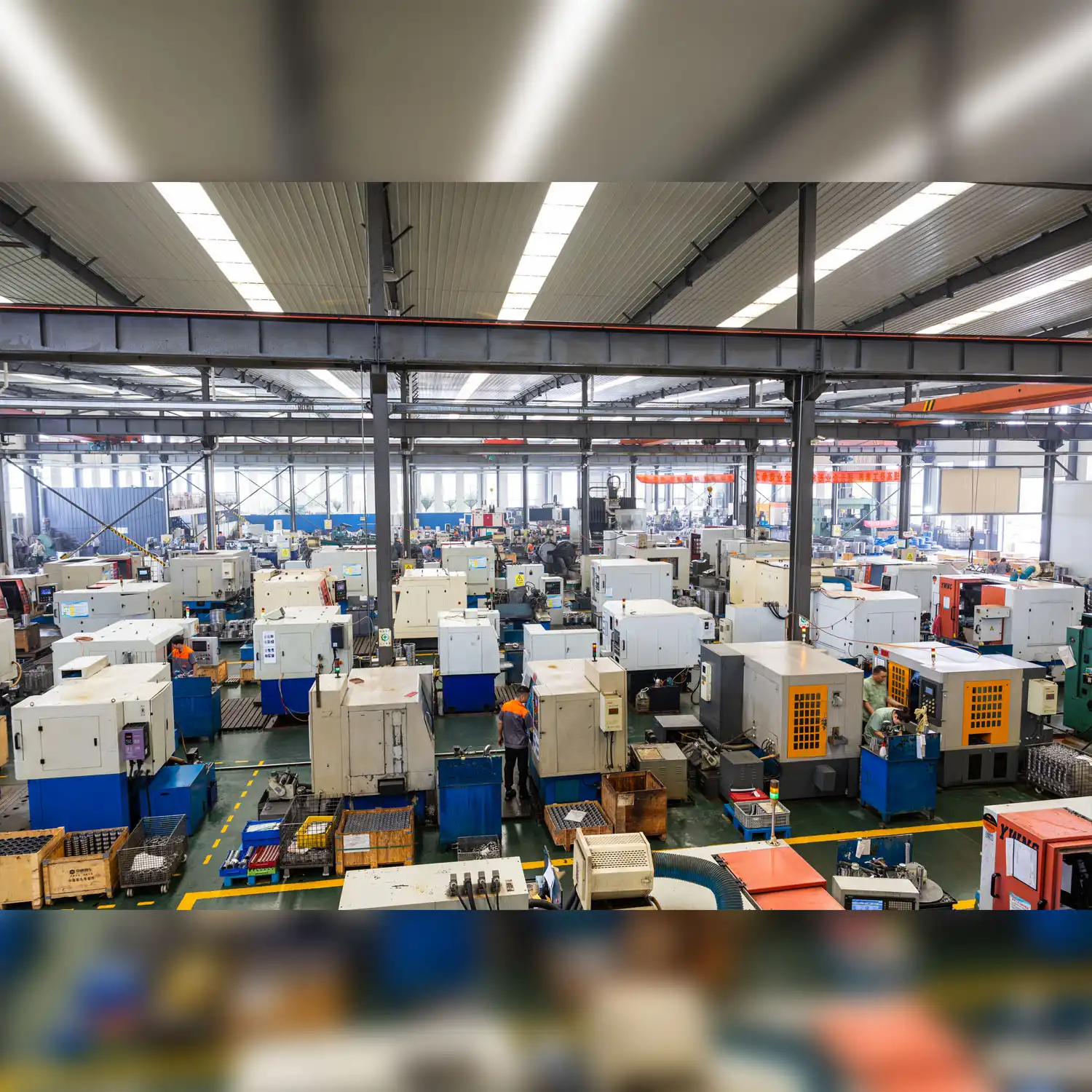
Quality approvals are important signs of how well a product is made and how consistently the process is followed. Certifications like ISO 9001 and IATF 16949 show that a company follows foreign quality standards, which are important for industry and automotive uses. With these certificates, you can be sure that the manufacturing methods and quality control systems are always the same. Evaluating a supplier's manufacturing ability makes sure they can meet both present and future production needs. Manufacturers that have been around for a while and have a history of making precision bearings offer more reliable supply chains and expert support. Production scale indicators include the size of the building, the sophistication of the tools, and the level of knowledge of the workers.
Technical Specification Evaluation
To make sure there are enough safety gaps without over-specifying bearing capabilities, load capacity numbers must match exactly with application needs when selecting RA Crossed Roller Bearings. The radial, axial, and moment load rates should all be looked at together to make sure the bearing can handle a wide range of loading situations over its entire working life. Specifications for precision tolerances have a direct effect on how well an application works and must match standards for accuracy. Precision grades that are more accurate cost more, but they work better in tough situations. When doing a cost-benefit study, you should look at how the need for accuracy affects the benefits of operations. The range of compatible sizes ensures that the right fit is found within the limits of current tools. These bearings have inner diameters from 20mm to 350mm, outer diameters from 70mm to 540mm, and widths from 12mm to 45mm, allowing RA Crossed Roller Bearings to be used in a wide range of situations while still being compact enough for modern machinery design.
Maintenance Tips and Longevity Optimization for RA Crossed Roller Bearings
The function and operating life of a bearing are directly affected by how well it is maintained. Knowing what maintenance is needed helps workers get the most out of their money and avoid expensive breakdowns that could throw off production plans.
Lubrication Management
Choosing the right oil and following the right steps for the application of RA Crossed Roller Bearings will ensure that the bearing works at its best for its entire operating life. When used in the right way, high-quality oils keep things running smoothly and stop wear before it happens. When it comes to lubrication intervals, you should follow what the maker says and also take into account things like the working environment. A very important part of bearing care is keeping them from getting contaminated. When you cover and handle things properly, you keep dirt out that could hurt the performance of the bearing. Regular checks of the sealing parts make sure that the security against external contaminants stays in place.
Environmental Considerations
Managing temperature has a big effect on how well and how long a bearing lasts. To avoid problems with thermal expansion and lubricant breakdown, operating temperatures should stay within the ranges given by the maker. Monitoring tools can let you know right away if there are problems with the temperature. Controlling the humidity in places where bearings are stored and used stops rust that could hurt their accuracy and performance. The right way to store things includes keeping the space at a constant temperature and using safe packing to keep things in good shape for long periods of time. Monitoring the load situation makes sure that bearings work within their design limits for the whole time they are in use. Conditions of overload can lead to lasting damage that lowers accuracy and shortens the life of the machine. Load tracking systems give useful information for planning upkeep and when to replace things.
Conclusion
The unique mix of their small size, high load capacity, and outstanding accuracy performance makes RA Crossed Roller Bearings an excellent choice for precision machinery uses. The outer ring can be taken off and put back on, and the advanced material specs make sure that it will work reliably in harsh industrial settings. These bearings are the best way to solve the problems that come up in modern industry, where space is limited, and accuracy standards keep rising. When you invest in good crossing roller bearing technology, your machines will work better, require less upkeep, and be more reliable, which will give you a long-term competitive edge.
FAQ
1. What distinguishes RA crossed roller bearings from traditional slewing bearings?
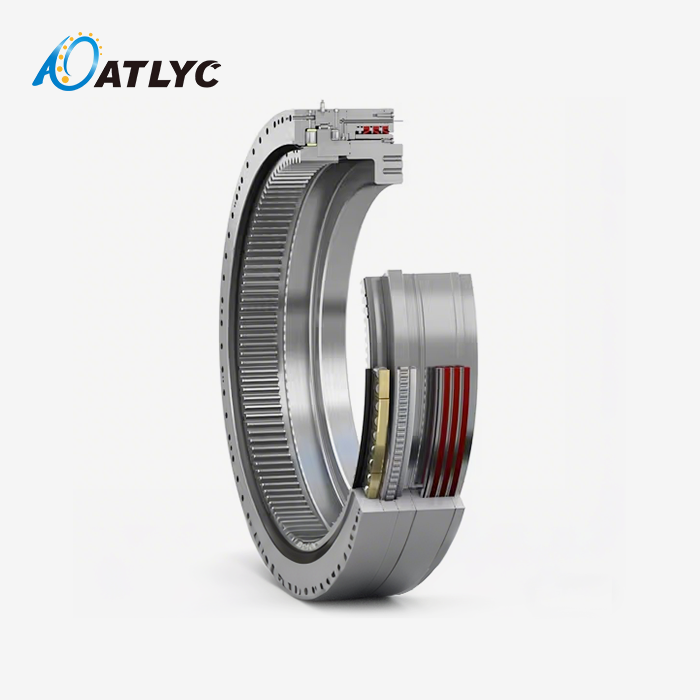
When compared to slewing bearings, RA crossed roller bearings are smaller and more accurate. The cross-roller arrangement provides higher load capacity in a smaller space and is more precise than slewing bearings, down to the micron level.
2. How do precision grades affect bearing performance and cost?
Higher precision types (P4, P3) have tighter tolerance control that is needed for tough uses, but they cost more. Depending on the application, grade selection should strike a balance between the need for accuracy and the need to save money.
3. What factors influence minimum order quantities and lead times?
How much to order and when to get it depends on the size of the bearing, the accuracy grade, and any special needs. Standard designs usually have shorter wait times than unique specs, which could mean that production plans need to be longer.
4. Which maintenance practices extend bearing operational life most effectively?
The most important upkeep factors are managing oil properly, keeping things clean, and working within certain load and temperature ranges. Scheduling regular inspections lets you find possible problems early, before they hurt performance.
Partner with ATLYC for Premium RA Crossed Roller Bearing Solutions
ATLYC is a reliable company that makes RA Crossed Roller Bearings. They have been making precision bearings for 15 years and have full ISO 9001 and IATF 16949 certifications. Our six specialized workshops and advanced production skills ensure uniform quality and reliable supply chain performance for your most important uses. As a seller of RA Crossed Roller Bearings with a lot of experience, we offer custom solutions with expert support and low prices that help you run your business more efficiently. Contact our engineering team at auto@lyautobearing.com to talk about your precision bearing needs and find out how our years of experience can help your equipment work better while lowering the total cost of ownership.
References
1. Smith, J.R. "Advanced Bearing Technologies in Precision Manufacturing Equipment." International Journal of Mechanical Engineering, Vol. 45, No. 3, 2023, pp. 127-145.
2. Chen, L. and Anderson, M.K. "Cross-Roller Bearing Performance Analysis in Robotic Applications." Robotics and Automation Quarterly, Vol. 28, No. 2, 2024, pp. 89-103.
3. Thompson, R.W. "Material Science Advances in High-Precision Bearing Manufacturing." Materials Engineering Today, Vol. 67, No. 4, 2023, pp. 234-251.
4. Kumar, S. and Williams, D.J. "Load Distribution Analysis in Crossed Roller Bearing Systems." Tribology International, Vol. 156, 2024, pp. 445-462.
5. Johnson, P.L. "Maintenance Strategies for Extended Bearing Life in Industrial Applications." Maintenance and Reliability Engineering, Vol. 39, No. 1, 2024, pp. 78-95.
6. Zhang, H. and Martinez, A.C. "Design Optimization of Thin-Section Bearings for Space-Constrained Applications." Precision Engineering Journal, Vol. 52, No. 6, 2023, pp. 312-329.
Learn about our latest products and discounts through SMS or email