- English
- French
- German
- Portuguese
- Spanish
- Russian
- Japanese
- Korean
- Arabic
- Greek
- German
- Turkish
- Italian
- Danish
- Romanian
- Indonesian
- Czech
- Afrikaans
- Swedish
- Polish
- Basque
- Catalan
- Esperanto
- Hindi
- Lao
- Albanian
- Amharic
- Armenian
- Azerbaijani
- Belarusian
- Bengali
- Bosnian
- Bulgarian
- Cebuano
- Chichewa
- Corsican
- Croatian
- Dutch
- Estonian
- Filipino
- Finnish
- Frisian
- Galician
- Georgian
- Gujarati
- Haitian
- Hausa
- Hawaiian
- Hebrew
- Hmong
- Hungarian
- Icelandic
- Igbo
- Javanese
- Kannada
- Kazakh
- Khmer
- Kurdish
- Kyrgyz
- Latin
- Latvian
- Lithuanian
- Luxembou..
- Macedonian
- Malagasy
- Malay
- Malayalam
- Maltese
- Maori
- Marathi
- Mongolian
- Burmese
- Nepali
- Norwegian
- Pashto
- Persian
- Punjabi
- Serbian
- Sesotho
- Sinhala
- Slovak
- Slovenian
- Somali
- Samoan
- Scots Gaelic
- Shona
- Sindhi
- Sundanese
- Swahili
- Tajik
- Tamil
- Telugu
- Thai
- Ukrainian
- Urdu
- Uzbek
- Vietnamese
- Welsh
- Xhosa
- Yiddish
- Yoruba
- Zulu
What Makes RB Crossed Roller Bearings Unique in Industry?
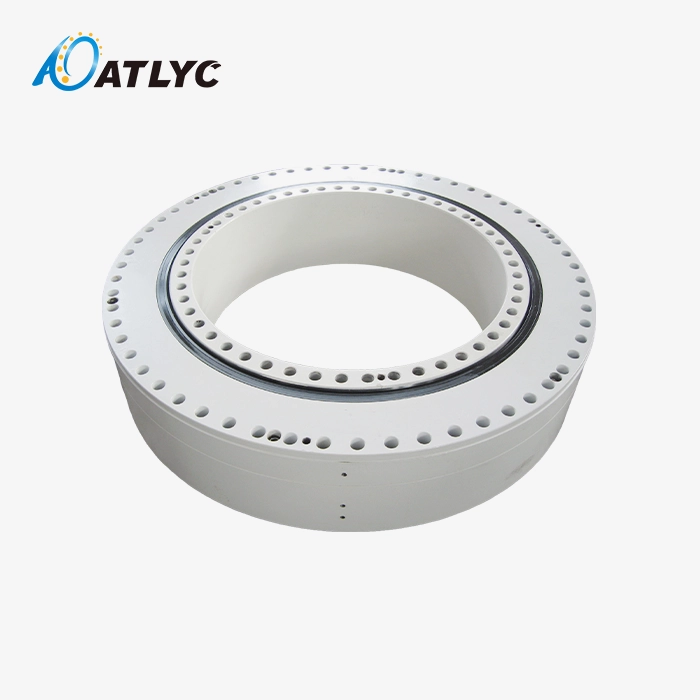
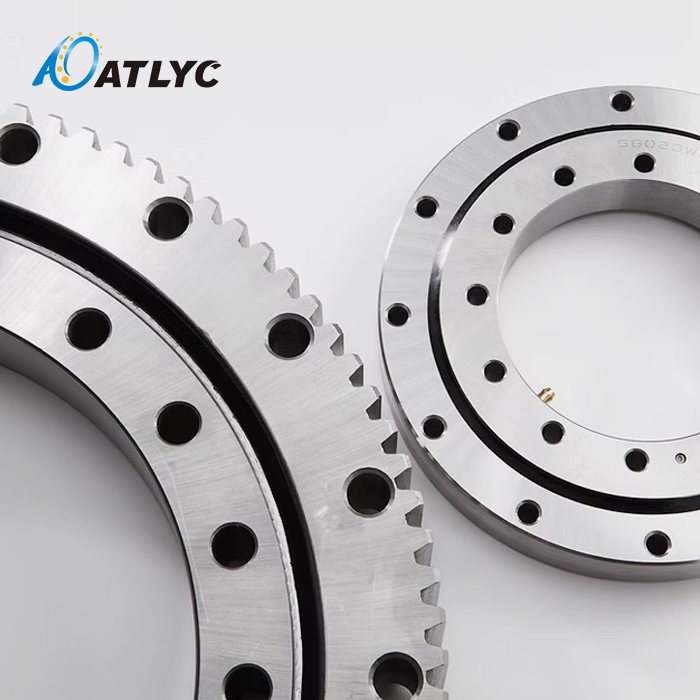
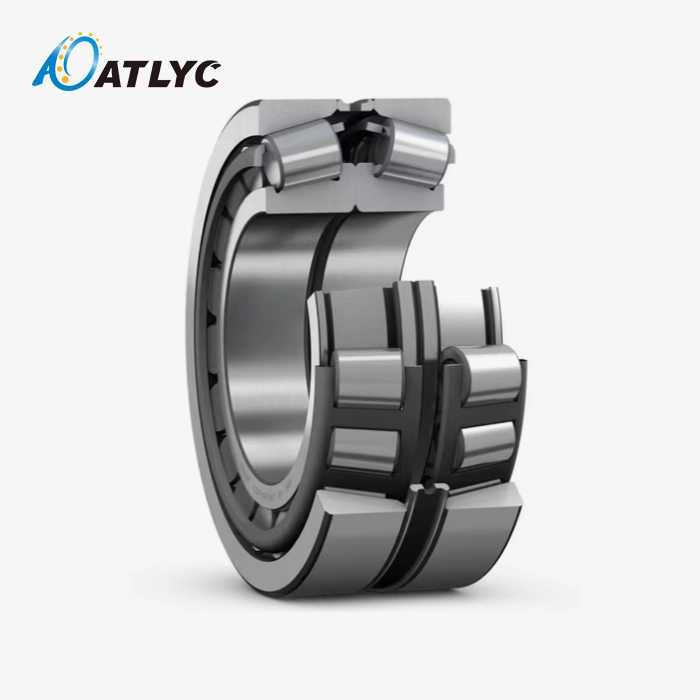
RB Crossed Roller Bearings are unique because their inner and outer rings are one piece, and their outer ring is an innovative plug-type design that lets it handle radial, axial, and moment loads all at the same time. This one-of-a-kind setup has cylinder-shaped rollers set up orthogonally at 90-degree angles. Spacers are between them to reduce friction and increase the contact area. The design combines the ability to bear loads in multiple directions into a single unit, which greatly reduces the equipment's size while improving rigidity and accuracy. This solves important problems in robotics, automation, and precision machinery where space is limited and rotational accuracy is very important.
Understanding RB Crossed Roller Bearings: Design and Functionality
Advanced Structural Engineering
Cross roller bearing features a sophisticated internal geometry with cylindrical rollers arranged perpendicular to each other within a single raceway, providing rigidity and accuracy unmatched by conventional bearing designs. This orthogonal roller configuration creates a V-shaped raceway where each roller contacts the raceways at optimal angles, distributing loads evenly across the bearing surfaces. The design enables a single bearing to support multi-directional loads, eliminating the need for complex bearing arrangements that increase assembly size and installation complexity. The outer ring plug construction and integrated ring design make sure the structure is strong while making fitting easier. Using high-quality Gcr15 and Gcr15SiMn steel to make these parts gives them great toughness and physical stability in harsh working situations. Tight tolerances are achieved through advanced grinding and heat treatment processes. This ensures uniform quality and performance across the whole size range, from 20 mm to 1100 mm inner diameter.
Precision Cage Technology
The advanced cage technology in these bearings makes sure that the rollers are spaced correctly and are guided during all spinning cycles. Precision spacers are used by the cage system to separate the rollers. This keeps the load evenly distributed and stops friction between the rollers that are next to each other. This design feature cuts down on internal friction by a large amount, which makes the machine run smoothly and last longer. The design of the cage allows for thermal expansion and contraction, so the bearings will still work well in a wide range of industrial temperatures. The technical ideas behind this bearing technology meet important needs for precise spinning accuracy. This is especially important in robots and industrial automation, where performance must be consistent even when loads change. The small shape cuts down on the total size of the hardware while keeping the load capacity high. This lets equipment makers reach their radical miniaturisation goals without lowering performance or dependability.
Core Advantages That Make RB Crossed Roller Bearings Stand Out
Exceptional Load Capacity and Versatility
It is possible for these precision bearings to handle high radial, axial, and moment loads all at the same time, which is a big improvement over normal bearings. Crossed roller design increases the amount of load-bearing contact points and spreads forces evenly across the bearing structure. This design means that the equipment will last longer and need less upkeep, which lowers the total cost of ownership over its entire lifecycle. With the right roller shape and spacing, the low friction coefficient makes spinning smooth even when big loads are applied. Applications gain from very good runout accuracy, and precision classes range from P6 to P3, which can meet different accuracy needs. The rigid bearing structure doesn't bend when moment loads are applied, so it keeps its positional accuracy, which is important for precision uses like medical machines, measuring tools, and devices used to make semiconductors.
Design Innovation and Operational Excellence
Innovative design features of the Cross roller bearing provide superior operating smoothness and exceptional positional accuracy, distinguishing these components in demanding industrial environments. The unique roller geometry increases contact area between rollers and raceways, improving load distribution and reducing localized wear. Precision manufacturing processes ensure consistent quality across production batches, meeting the rigorous ISO 9001 and IATF 16949 standards expected by global manufacturers. Correctly maintaining these bearings makes them more reliable and cuts down on downtime. The bearing will work at its best for as long as it is used if the right lubricant is used, it is mounted the right way, and it is inspected regularly. There are many variations of protected designs that keep contaminants out of internal parts, which extend their useful life in tough settings. The total cost of ownership for these new technologies is lower, which makes them perfect for demanding industrial uses where machine downtime directly affects profits.
Because they come in a wide range of sizes—from 20 mm to 1100 mm for the inner diameter, 70 mm to 1500 mm for the outer diameter, and 12 mm to 110 mm for the width—engineers can choose the right bearing measurements for a wide range of uses, from small robotic joints to big machining center rotary tables. This wide range of sizes meets a lot of different application needs without the need for a special building. This cuts down on wait times for buying and the complexity of inventory.
Comparing RB Crossed Roller Bearings with Other Bearing Solutions
Performance Advantages Over Conventional Designs
When looking at different types of bearings, crossed roller setups are clearly better than angular contact and cylindrical roller bearings when it comes to handling load, accuracy, and stiffness in more than one way. To handle joint loads, angular contact bearings usually need to be mounted in pairs, which makes the system more complicated and takes up more room. Cylindrical roller bearings are great at handling radial loads, but they can't handle axial or moment loads very well, so they need to be paired with other bearings in many situations. The crossing roller design combines these functions into a single part, which makes machine design easier and cuts down on the number of parts needed. This combination makes the system more rigid overall while lowering the number of places where alignment and building mistakes could happen. Equipment designers like how the simpler mounting steps and smaller footprint save room, which speeds up the building process and lowers the cost of production.
Competitive Positioning and Value Proposition
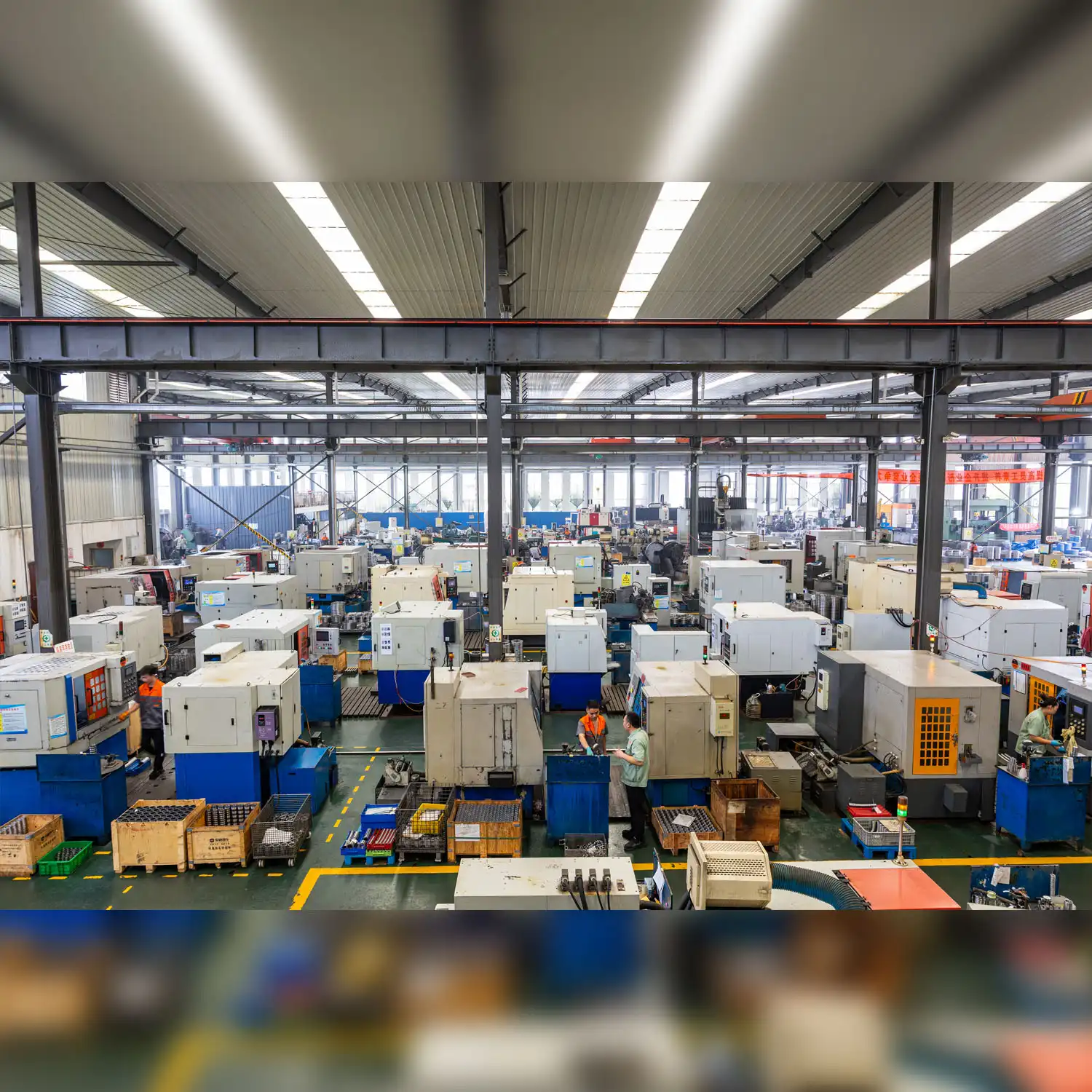
When compared to well-known bearing brands in global markets, these precision bearings have lower prices while still being very durable and featuring new designs. After fifteen years of specialised production, the factory's know-how makes sure that the quality is always up to world standards. With 120 trained workers committed to manufacturing, quality checking, and assembly in six workplaces, the company can reliably meet the needs of large-scale production. This comparison gives people who need to make decisions evaluation criteria, such as load requirements, tolerance levels, and machine efficiency factors. The small, hard form works especially well for tasks that need to be very precise in small areas. Manufacturers of robotics appreciate the high level of runout precision that makes multi-axis systems possible. Precision machinery industries like that the equipment lasts longer and needs less upkeep, which lowers the total cost of ownership over its lifetime.
Practical Procurement Guide for RB Crossed Roller Bearings
Sourcing and Supply Chain Considerations
To ensure authentic products and reliable technical support when sourcing precision bearings like RB Crossed Roller Bearings globally, understanding authorized distribution networks and direct manufacturer relationships is essential. ATLYC handles both custom orders and large-scale shipments, backed by extensive certifications including ISO 9001 and IATF 16949 compliance. Exporting to customers in South Korea, the United States, Germany, Russia, Iran, and Turkey demonstrates proficiency in international logistics and documentation. Lead times, guarantee coverage, and services provided after the sale are all important parts of making purchases and lowering risks. ATLYC keeps up with the production capability and inventory control tools that modern industrial operations need to support just-in-time delivery. The business's technical support team helps customers with application engineering by helping them choose the right bearing specs and precise classes for their needs.
Quality Assurance and Technical Support
Certifications and low prices are important parts of the value offering for global bearing buyers. Throughout the production process, quality control methods make sure that the products always meet international standards for efficiency. Before items are sent to customers, inspection methods check that they are the right size, have a good finish, and have the right qualities. This buying guide makes it easier for people to make decisions about what to buy, so they can get solid supply chains and ongoing help from the maker. The mechanical team answers questions about how to attach things, how to lubricate them, and how to fix problems. This all-around support system makes it easier for buying teams to definitely choose the right parts, which lowers the chance of application mistakes that could hurt the performance or stability of equipment.
Why Global B2B Clients Trust RB Crossed Roller Bearings
Manufacturing Excellence and Industry Partnerships
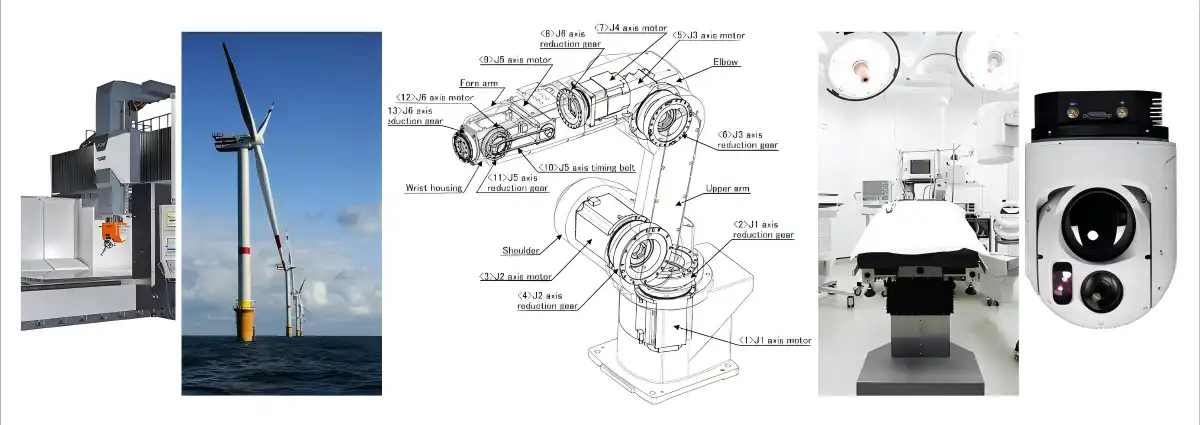
Precision bearing makers have a good name because they always make high-quality products, keep researching and developing new ones, and work closely with OEMs in many fields, such as aircraft, medical devices, and automation equipment. ATLYC's past of making for fifteen years shows a strong dedication to quality and constant growth. The growth from one workshop to six specialised production facilities shows that the company is getting better at what it does and that people trust its goods more. Real-world uses show that success has been proven in tough businesses. Robotics companies use these bearings in joints and moving parts where accuracy and dependability have a direct effect on how well the system works. These parts are used in machining centers for spinning tables and feed systems that need to be very accurate while handling different loads. Precision bearings are used in CT scanners and MRI machines so that they can run smoothly and quietly. This is important for both patient comfort and accurate diagnosis.
Long-Term Partnership Value
The brand supports long-term partnerships by offering extensive product ranges adaptable to various industrial challenges and by providing responsive technical support throughout the customer relationship. The engineering team works collaboratively with customers during product development phases, offering application advice and technical recommendations that optimize bearing selection for specific requirements. This consultative approach builds trust and ensures the successful implementation of bearing solutions in complex equipment designs. The commitment to innovation and client collaboration makes precision bearing manufacturers dependable partners for businesses seeking reliable component solutions worldwide. Continuous investment in manufacturing technology and quality systems ensures products evolve to meet changing industry requirements. The combination of competitive pricing, consistent quality, and comprehensive technical support creates compelling value for procurement professionals tasked with securing reliable component supplies for critical applications.
Conclusion
These precision bearings represent advanced engineering solutions addressing critical challenges in modern manufacturing and automation. The unique crossed roller configuration with integral ring design delivers exceptional load capacity, superior accuracy, and compact dimensions that enable equipment designers to achieve ambitious performance goals. The comprehensive size range, multiple precision classes, and proven material specifications provide flexibility for diverse application requirements. Global manufacturers seeking reliable bearing solutions benefit from partnerships with experienced manufacturers demonstrating production scale, quality certifications, and international supply chain capabilities. The combination of technical excellence, competitive pricing, and responsive support creates compelling value for procurement professionals managing component sourcing for precision equipment. As industries continue demanding greater performance from increasingly compact machinery, these specialized bearing solutions will remain essential components enabling innovation across robotics, automation, medical devices, and precision manufacturing sectors.
FAQ
What maintenance practices extend bearing service life?
Proper lubrication represents the most critical maintenance factor, with grease selection matched to operating temperature and speed conditions. Inspection intervals should monitor bearing temperature, vibration levels, and noise characteristics for early detection of potential issues. Contamination prevention through effective sealing and clean operating environments significantly extends bearing life. Proper mounting procedures, avoiding excessive preload or misalignment, prevent premature wear.
How do crossed roller bearings improve robotic system precision?
The high rigidity and low runout accuracy of crossed roller bearings minimize positioning errors in multi-axis robotic systems. The ability to handle moment loads within a single bearing reduces deflection that could compromise end-effector positioning accuracy. The compact design enables joint mechanisms with reduced mass and inertia, improving dynamic response and energy efficiency.
Are custom bearing configurations available for specialized applications?
Custom engineering services accommodate unique dimensional requirements, special material specifications, and application-specific modifications. The technical team collaborates with customers to develop optimal solutions for challenging applications requiring non-standard configurations. Minimum order quantities and lead times vary based on customization complexity.
Partner with ATLYC for Premium Crossed Roller Bearing Solutions
ATLYC stands ready to support your precision bearing requirements with comprehensive product offerings, technical expertise, and reliable global supply chain capabilities. Our RB Crossed Roller Bearings deliver the performance characteristics your applications demand, backed by ISO 9001 and IATF 16949 certifications, ensuring consistent quality. With fifteen years of manufacturing expertise and proven success serving OEM customers across automotive, industrial machinery, and automation sectors, we combine competitive pricing with dependable lead times and responsive technical support. Contact our engineering team at auto@lyautobearing.com to discuss your specific application requirements and receive detailed product specifications. Whether you need standard configurations or customized solutions, ATLYC's comprehensive capabilities as an RB Crossed Roller Bearings manufacturer ensure your procurement needs are met with precision and professionalism. Request a quotation today and discover how our bearing solutions can enhance your equipment's performance and reliability.
References
1. Harris, T.A. & Kotzalas, M.N. (2006). Advanced Concepts of Bearing Technology: Rolling Bearing Analysis, Fifth Edition. CRC Press.
2. Weck, M. & Brecher, C. (2006). Machine Tools Production Systems: Design and Analysis. Springer Precision Engineering Series.
3. Bhushan, B. (2013). Principles and Applications of Tribology, Second Edition. John Wiley & Sons.
4. ISO 492:2014. Rolling bearings — Radial bearings — Geometrical product specifications (GPS) and tolerance values. International Organization for Standardization.
5. Palmgren, A. & Lundberg, G. (1947). Dynamic Capacity of Rolling Bearings. Acta Polytechnica Mechanical Engineering Series, Royal Swedish Academy of Engineering Sciences.
6. Eschmann, P., Hasbargen, L. & Weigand, K. (1985). Ball and Roller Bearings: Theory, Design and Application, Third Edition. John Wiley & Sons.
Learn about our latest products and discounts through SMS or email