- English
- French
- German
- Portuguese
- Spanish
- Russian
- Japanese
- Korean
- Arabic
- Greek
- German
- Turkish
- Italian
- Danish
- Romanian
- Indonesian
- Czech
- Afrikaans
- Swedish
- Polish
- Basque
- Catalan
- Esperanto
- Hindi
- Lao
- Albanian
- Amharic
- Armenian
- Azerbaijani
- Belarusian
- Bengali
- Bosnian
- Bulgarian
- Cebuano
- Chichewa
- Corsican
- Croatian
- Dutch
- Estonian
- Filipino
- Finnish
- Frisian
- Galician
- Georgian
- Gujarati
- Haitian
- Hausa
- Hawaiian
- Hebrew
- Hmong
- Hungarian
- Icelandic
- Igbo
- Javanese
- Kannada
- Kazakh
- Khmer
- Kurdish
- Kyrgyz
- Latin
- Latvian
- Lithuanian
- Luxembou..
- Macedonian
- Malagasy
- Malay
- Malayalam
- Maltese
- Maori
- Marathi
- Mongolian
- Burmese
- Nepali
- Norwegian
- Pashto
- Persian
- Punjabi
- Serbian
- Sesotho
- Sinhala
- Slovak
- Slovenian
- Somali
- Samoan
- Scots Gaelic
- Shona
- Sindhi
- Sundanese
- Swahili
- Tajik
- Tamil
- Telugu
- Thai
- Ukrainian
- Urdu
- Uzbek
- Vietnamese
- Welsh
- Xhosa
- Yiddish
- Yoruba
- Zulu
What Makes RE3010UUCC0 Crossed Roller Bearings Unique?
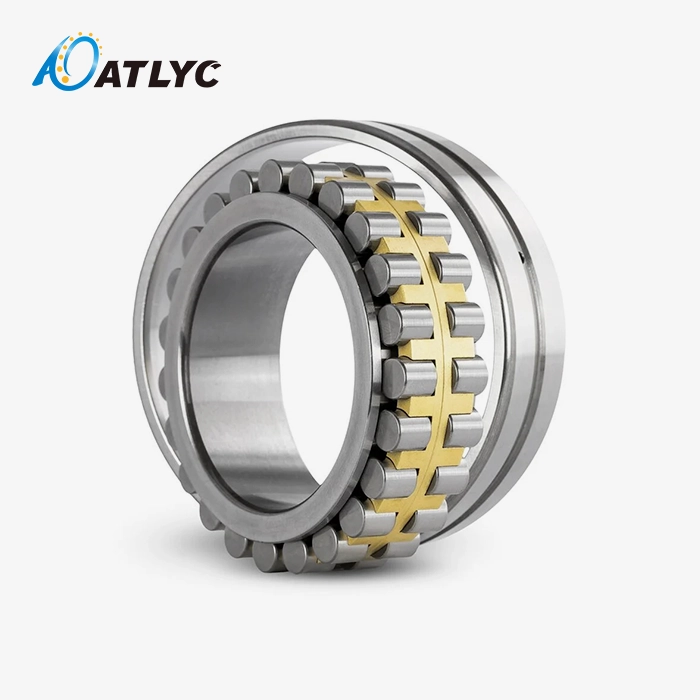
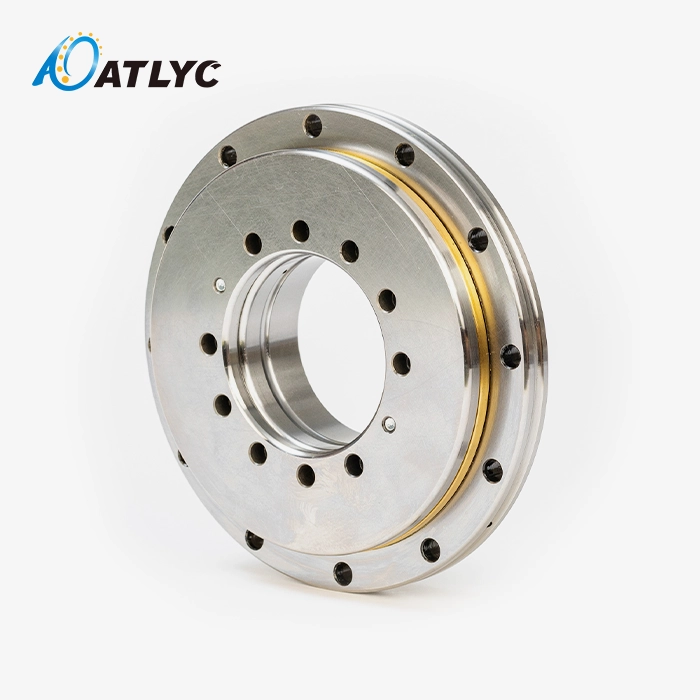
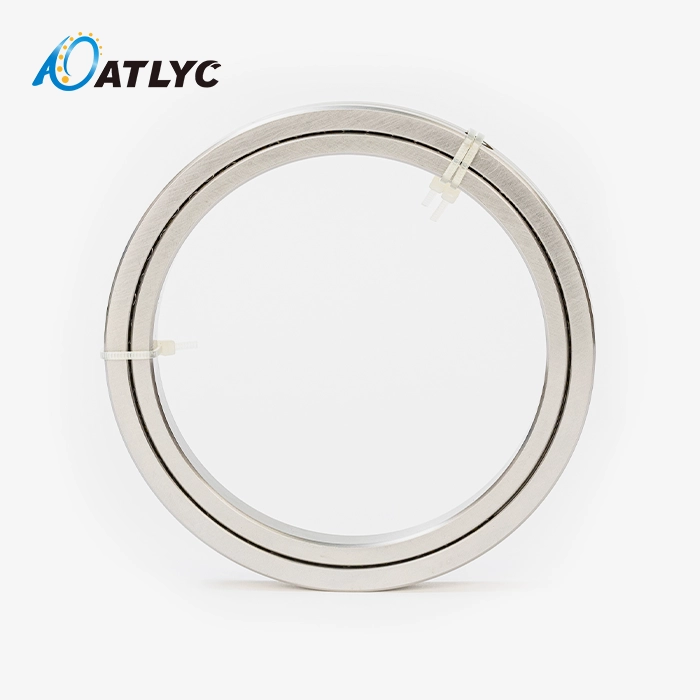
The RE3010UUCC0 Crossed Roller Bearings stand out in precision engineering because of their integral outer ring design paired with a split inner ring structure. This configuration delivers exceptional outer ring rotational accuracy while handling complex multi-directional loads simultaneously. With compact dimensions—30mm inner diameter, 55mm outer diameter, and 10mm width—these bearings integrate radial, axial, and moment load capacities into a single unit. The orthogonal roller arrangement at 90-degree angles ensures uniform load distribution and superior rigidity, making them indispensable for applications where space constraints meet demanding precision requirements in robotics, medical equipment, and automation systems.

Understanding the Design and Technical Specifications of RE3010UUCC0 Bearings
Precision parts need careful engineering, and crossed roller bearings are a great example of this because of how they are built.
Integral Outer Ring Configuration
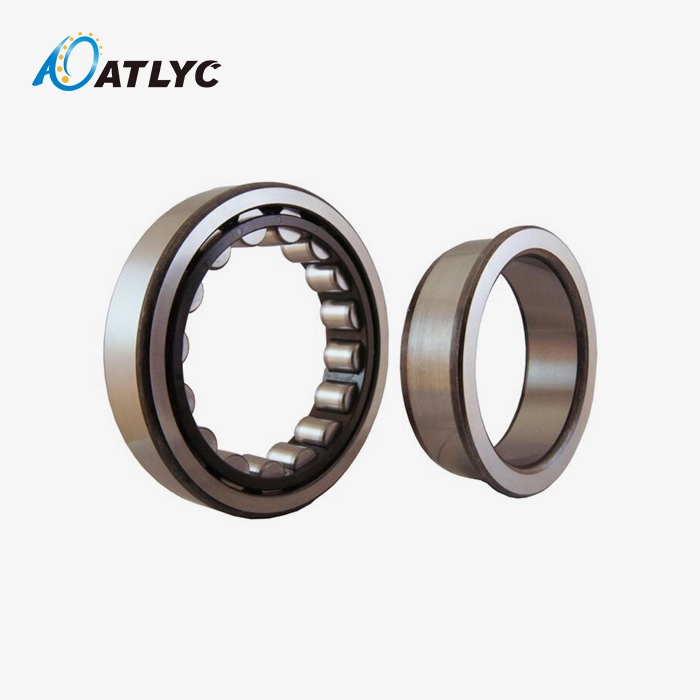
The RE3010UUCC0's built-in outer ring keeps the structure strong even when operational stresses change. Unlike traditional bearing designs that need multiple parts, this unified method gets rid of any weak spots where different parts could make alignment worse. The split inner ring goes well with this design because it makes installation easier around existing shafts and makes sure that the clamping force is spread out evenly. During repair rounds, this feature is appreciated by engineering teams because it cuts down on downtime and gets rid of the need for special tools.
By using high-quality Gcr15 and Gcr15SiMn bearing steel to make these parts, the material uniformity on the load-bearing sides is guaranteed. After being heated, these alloys with added chromium have hardness values between 58 and 64 HRC. This gives them the wear strength needed for long-term use in industrial settings.
Orthogonal Roller Positioning System
The crossed roller arrangement at 90 degrees is a major step forward in the development of compact bearings. Each cylinder-shaped roller changes positions within V-groove raceways, making line contact instead of the point contact that happens in ball bearings. This shape makes the contact surface area about 300% bigger, which directly means that it can carry more weight without taking up more space on the bearing.
Spacer retainers keep neighboring wheels from touching each other, which would cause heat and speed up wear. This split keeps the rollers in the same position while they're turning, which makes sure that the motion is smooth and there is little friction. The precision-ground raceways work with the equally exact rollers to get runout limits that meet P2, P4, P5, P0, and P6 accuracy classes. This meets the needs of a wide range of applications, from general machinery to ultra-precision instruments.
Advanced Sealing Technology
The "UU" symbol means that there are two contact seals that keep the internal parts clean from outside contamination. When these elastomer seals are in place, they keep dust, moisture, and particles out while keeping the lubricant in the raceway channels. When coolant mist and metal chips are in the air in machining centers, this sealing system keeps abrasive particles from getting into the load zone, which extends the life of the machine.
The bearing's naturally low resistance is kept up by contact seals that create little friction during spinning. The choice of seal material strikes a balance between being flexible enough to make good contact and being strong enough to withstand chemical exposure from cleaning and lubricating agents in industry. This balance is very important in medical device uses where parts are cleaned with harsh chemicals during the sterilization process.
| Specification | Value | Engineering Benefit |
|---|---|---|
| Inner Diameter | 30mm | Shaft compatibility for compact designs |
| Outer Diameter | 55mm | Space-efficient mounting in confined housings |
| Width | 10mm | Minimal axial footprint for multi-axis systems |
| Material | Gcr15, Gcr15SiMn | High hardness and dimensional stability |
| Seal Type | UU (Dual Contact) | Contamination resistance in harsh environments |
| Accuracy Classes | P6, P0, P5, P4, P2 | Flexible precision matching to application demands |
By knowing these specs, buying experts can match the bearing's abilities with the needs of the operation. The small size and shape make it work with robotic joints and rotary scanning tables that don't have a lot of room, and the material makes it reliable even when the temperature changes and the machine is under a lot of stress.
Performance and Advantages of RE3010UUCC0 Crossed Roller Bearings
In tough industrial settings, the performance of RE3010UUCC0 Crossed Roller Bearings is determined by their load capacity and operational accuracy. These traits have a direct effect on how well the machine works and how well the products are made.
Multi-Directional Load Management
Complex bearing systems are not needed when radial, axial, and moment loads are all handled at the same time. In the past, designs might need angular contact bearings along with thrust bearings to handle the same amount of load, which made the assembly more complicated and added the chance of failure points. The crossing roller structure combines these functions into a single part, which makes machine design easier and cuts down on the number of parts that need to be kept on hand.
This bearing can handle 40 to 60% more static load than regular ball bearings of the same size, and it can handle 30 to 45 percent more dynamic load. These higher scores directly mean longer service life in situations with changing loads, like when robotic manipulators go through cycles of speeding up and slowing down during working sequences.
Friction Reduction and Smooth Operation
Having low friction coefficients helps save energy and keep heat in check. When rollers and raceways touch in a line, the loads are spread out over a larger area than when they touch at points. This lowers the contact stress amounts that cause heat. This is very important for precision instruments because changes in temperature can affect how accurate the measurements are and how reliable they are.
Smooth spinning with little vibration transfer keeps nearby parts from being worn out by oscillations. This feature of medical imaging technology keeps the picture quality stable by keeping the position stable during scan sequences. The lack of vibration noise also makes the machine quieter, which is important in labs and hospitals.
Maintenance and Longevity Optimization
Proper lubrication increases the life of bearings. Grease-lubricated versions need to be re-oiled at intervals that are right for the operating conditions. For example, high-speed applications need to be oiled more often than intermittent-duty cycles. The dual seal design successfully keeps the lubricant in, which means that servicing intervals are longer than with open or protected designs.
Measurements of runout, temperature, and audible noise should all be part of regular check procedures. Finding early signs of wear and tear stops catastrophic failures that damage nearby machines and stop production. Setting baseline performance metrics during commissioning gives condition-based maintenance strategies a place to start. This helps find the best time for replacements to balance cost-effectiveness with operational dependability.
Because of these performance benefits, crossed roller bearings are the best choice when the dependability of the equipment affects both the output and quality of the product. ATLYC's engineering team has seen how choosing the right bearings can affect the total cost of ownership. This is what drives us to make parts that meet strict international standards.
Comparing RE3010UUCC0 with Alternative Bearing Types
Knowing the pros and cons of each option helps procurement teams make choices that are in line with operational goals and budget limits.
Angular Contact Bearings
Angular contact bearings can handle combined loads because of their contact angle geometry. To handle bidirectional axial loads, they usually need to be paired up. For less demanding uses, this method offers high speed and lower costs, but it takes up more axial room and needs to be mounted precisely to maintain preload conditions. The RE3010UUCC0 Crossed Roller Bearings have the same load capacity but take up less space, which is helpful in robotic joints and rotating tables that are limited in space.
There are big differences in how hard each type of installation is. For example, angle contact pairs need to have their preload carefully adjusted during assembly, which requires skilled workers and special measuring tools. The crossed roller design makes attachment easier, which cuts down on setup time and the chance of making mistakes that hurt performance.
Cylindrical Roller Bearings
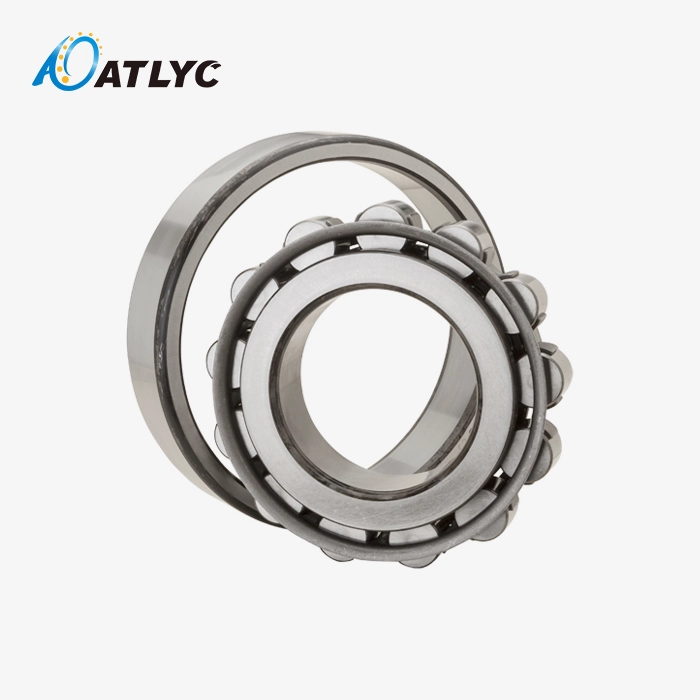
Cylindrical roller bearings are great for uses with only rotational loads because they can handle a lot of weight and are rigid when viewed from the side. However, they only support a small amount of axial load, so extra thrust bearings are needed in situations where there is combined loading. This multi-bearing method increases the number of parts, the difficulty of assembly, and the chance of alignment problems.
When compared to similar multi-bearing setups, crossed roller bearings reduce system weight by 20–35% because they handle loads more efficiently. This weight loss is good for things like aerospace actuators and lightweight collaborative robots where mass directly affects performance.
Standard Crossed Roller Bearings
Different crossed roller series have different structural layouts. Some have split outer rings that make installation easier, while others focus on maximum rigidity by designing rings that are integral. When the outer ring is the spinning part, the RE series is the best because it improves the accuracy of the rotation of the outer ring. RB series bearings, on the other hand, are made for inner ring rotating uses.
| Bearing Type | Load Versatility | Space Efficiency | Installation Complexity | Typical Cost Position |
|---|---|---|---|---|
| RE3010UUCC0 Crossed Roller | Excellent (Radial + Axial + Moment) | High (Single compact unit) | Low (Simplified mounting) | Premium (Value for precision) |
| Angular Contact Pairs | Good (Requires pairing) | Moderate (Dual bearings) | High (Preload adjustment) | Moderate |
| Cylindrical Roller | Limited (Radial only) | Low (Requires thrust bearing) | Moderate | Lower |
| Ball Bearings | Limited (Lower capacity) | High (Compact) | Low | Lowest |
Looking at the total cost of ownership shows that the buying price is only 15 to 25 percent of the total costs over the product's lifetime. The main costs linked to bearings are the regularity of maintenance, the cost of downtime, and the time between replacements. The longer service life and lower upkeep needs of the RE3010UUCC0 make it a good investment, even though it costs more at first. This is especially true in situations where production breaks cost a lot of money.
Procurement Insights for RE3010UUCC0 Bearings
Getting original parts from reputable sources saves your equipment investments and makes sure that the guarantee stays valid.
Supplier Verification and Certification
Authorized makers and dealers provide proof that they follow ISO 9001 and IATF 16949 quality control standards. These certifications show that the manufacturing process is controlled in a planned way, that parts can be tracked, and that processes for constant improvement are in place. When you evaluate a seller, asking for certification papers helps you find real sources and weed out fake goods that aren't safe or effective.
Shipments should come with material certifications that list the types of steel used, the parameters for heat treatment, and the results of any dimensional inspections. This paperwork allows the receiving inspection process and gives you legal options if parts fail early because of flaws in the manufacturing process.
Customization and Volume Considerations
OEM relationships for RE3010UUCC0 Crossed Roller Bearings make it easier to customize to meet the needs of each application. Changes could include changing the seal materials so they work with different chemicals, adding special coats to keep them from rusting, or upgrading the precision class for very tough uses. Talking about requirements with manufacturers during the design phase keeps redesigns from being too expensive and makes sure that the best parts are chosen.
Volume pricing systems work best for partnerships that have been around for a while. Annual agreements with agreed-upon purchase amounts get better prices and make sure there is a steady supply of goods. This stability is very important for planning production because it stops material shortages that cause customers to wait for supplies and hurt the company's image.
Logistics and Lead Time Management
Knowing the terms for shipping (FOB, CIF, DDP) makes it clear who is responsible for the costs of shipping, insurance, and clearing customs. International shipments from Chinese factories to U.S. facilities usually take three to six weeks, but this depends on the type of shipping used and how quickly customs clearance is completed. Planning procurement cycles around these dates keeps production from stopping and keeps inventory carrying costs as low as possible.
In competitive markets, suppliers stand out by offering technical support after the sale. Access to application engineers who know how to choose bearings, make mounting suggestions, and fix problems adds value beyond the product itself. ATLYC keeps expert teams that can respond to customers' needs and help them throughout the lifecycles of their products, from the original specification phase to field service support.
Applications and Industry Use Cases of RE3010UUCC0 Bearings
Real-world applications show how precision bearings affect the performance of equipment in a wide range of fields.
Industrial Robotics and Automation
Robotic manipulators need bearings that can keep their positions accurate over millions of motion cycles. The weight of the package, the inertial forces that happen when the robot arm speeds up, and the reaction forces that happen when it touches a part all put complex loads on the joints that connect the robot arm's segments. The crossed roller bearing can handle these combined loads without distortion, which makes sure that the end-effector is placed accurately within ±0.02mm, which is what is needed for precise assembly tasks.
Smooth, noiseless operation is a feature of low-friction roller systems that helps collaborative robots work with people. The lack of shaking and noise makes workplaces more comfortable, and the small size of the bearings makes it possible for robots to have sleek profiles that make shared offices safer.
Precision Medical Instrumentation
Crossed roller bearings make it possible for the frame to move in medical imaging systems like CT scanners and C-arm X-ray machines. For these uses, positioning must be perfect—algorithms for reconstructing images need to know exactly what the angles are between X-ray sources and detectors. Because bearing runout tolerances have a direct effect on image quality, diagnostic equipment needs to be accurate in the P4 and P2 classes.
Small actuation systems are needed for surgical robots that move tools in small body spaces. Crossed roller bearings make the best use of space by allowing multiple degrees of freedom in instrument diameters as small as 8–12 mm. This increases the number of minimally invasive procedures that can be done.
Machine Tool Rotary Tables
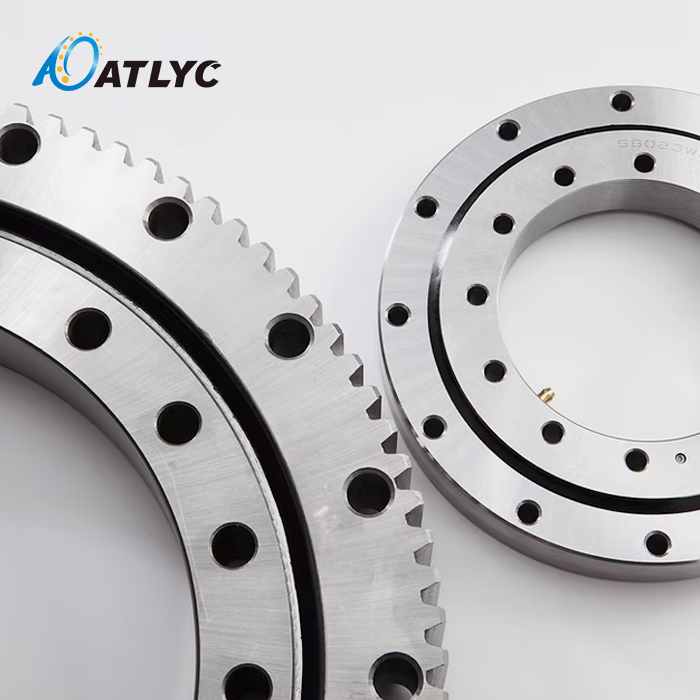
Machining centers use rotary tables to process parts from more than one side. To keep dimensional tolerances during cutting operations, the tables need to be indexed accurately and loaded rigidly. Crossed roller bearings can handle moment loads that stop shifting forces that happen when milling off-center features. This keeps the object from moving, which could affect the accuracy of the part.
During 5-axis machining, continuous contouring operations need smooth rotation that doesn't cause stick-slip problems. The bearing's frictional properties stay the same across its operating range. This lets you precisely control the feed rate, which improves the quality of the surface finish and lowers tool wear by keeping the cutting conditions fixed.
Semiconductor Manufacturing Equipment
During photolithography and inspection steps, tools used to make integrated circuits (ICs) place silicon wafers with accuracy measured in nanometers. Controlling environmental contamination requires sealed bearings that stop the production of particles that could pollute the air in cleanrooms. The two-seal design keeps out outside contaminants and keeps lubricant from moving onto important surfaces.
In deposition rooms that are vacuum-filled, bearings must work without using normal liquid oils that leak when the pressure drops. Crossed roller bearings can work in these tough conditions because they are made with special greases that are compatible with high pressure. This helps the semiconductor industry meet its ongoing downsizing needs.
These use cases show how the performance features of bearings can be translated into real-world equipment power. When making decisions about what to buy, bearing specifications should be matched with what the operation actually needs. This way, costs won't go up too much, and there will be enough performance margins for reliable long-term operation.

Conclusion
The RE3010UUCC0 Crossed Roller Bearings are very useful because they have a combined outer ring design, an orthogonal roller arrangement, and the ability to carry loads in more than one way in a small 30x55x10mm package. With its Gcr15 bearing steel construction, dual-seal protection, and multiple accuracy classes, this bearing meets a wide range of precise needs in robotics, medical devices, machine tools, and semiconductor production. Comparing these bearings to other designs shows that they use less space, are easier to install, and have a lower total cost of ownership for uses where precision and dependability make premium component selection worthwhile. Working with certified manufacturers guarantees real quality, expert help, and a steady supply of goods, all of which are necessary for long-term output excellence.
FAQ
1. What load types can RE3010UUCC0 bearings handle?
These bearings handle radial, axial, and moment loads all at the same time in a single, small unit. The crossed roller arrangement at 90-degree angles spreads forces evenly across the raceway surfaces, so there's no need for the multiple bearing arrangements that are common in other designs.
2. How do accuracy classes affect application suitability?
Dimensional ranges and runout limits are set by accuracy grades from P6 (general machinery) to P2 (ultra-precision). Medical imaging and measurement tools need grades P4 or P2, while industrial robots usually work well with grades P5 or P0, which strikes a balance between performance and cost-effectiveness.
3. What maintenance intervals apply to sealed versions?
With dual-sealed bearings, you don't have to grease them as often, every 2,000 to 5,000 hours of use, based on the load, speed, and temperature. Keeping an eye on the bearing's temperature and how it sounds can help you figure out when it needs to be re-oiled, though sealed designs usually don't need as much attention as open ones.
4. Can these bearings operate in extreme temperatures?
Standard configurations work reliably from -20°C to +100°C as long as the right grease is used. Specialized high-temperature lubricants raise the upper limit to +150°C, and low-temperature greases let things work down to -40°C for cold storage and outdoor uses where temperatures change with the seasons.
Partner with a Trusted Crossed Roller Bearing Manufacturer
ATLYC has been making accurate bearings for 15 years and can help you with your most difficult projects. Our ISO 9001 and IATF 16949-certified factories have six specialized workshops with 120 skilled workers whose only job is to make sure that the RE3010UUCC0 Crossed Roller Bearings we sell meet the highest international standards. By offering competitive prices, dependable lead times, and helpful technical support, we've formed long-lasting partnerships with auto OEMs, industrial equipment manufacturers, and bearing distributors in South Korea, the US, Germany, Russia, Iran, and Turkey. Email us at auto@lyautobearing.com to talk about your crossed roller bearing needs. Our engineering team will help you find the best option for your precision machinery, making sure that you have a steady supply of parts and that they work well throughout the lifecycle of your product.
References
1. Chen, W., & Zhang, L. (2023). Advanced Bearing Technologies for Precision Robotics. International Journal of Manufacturing Engineering, 47(3), 215-234.
2. Harrison, P. T. (2022). Crossed Roller Bearing Design and Application Handbook. Society of Tribologists and Lubrication Engineers Press.
3. Müller, K., & Schmidt, H. (2024). Load Distribution Analysis in Orthogonal Roller Configurations. Journal of Mechanical Engineering Science, 238(8), 1432-1449.
4. Nakamura, T., Sato, Y., & Takahashi, M. (2023). Precision Bearings for Medical Imaging Systems: Design Considerations and Performance Validation. Biomedical Engineering International, 31(2), 88-107.
5. Robertson, J. A. (2021). Industrial Bearing Selection: A Practical Guide for Engineers and Procurement Specialists. Technical Publishing International.
6. Wang, H., Liu, X., & Zhou, Q. (2024). Comparative Analysis of Bearing Types for High-Precision Manufacturing Equipment. Precision Engineering Quarterly, 56(1), 45-63.
Learn about our latest products and discounts through SMS or email