- English
- French
- German
- Portuguese
- Spanish
- Russian
- Japanese
- Korean
- Arabic
- Greek
- German
- Turkish
- Italian
- Danish
- Romanian
- Indonesian
- Czech
- Afrikaans
- Swedish
- Polish
- Basque
- Catalan
- Esperanto
- Hindi
- Lao
- Albanian
- Amharic
- Armenian
- Azerbaijani
- Belarusian
- Bengali
- Bosnian
- Bulgarian
- Cebuano
- Chichewa
- Corsican
- Croatian
- Dutch
- Estonian
- Filipino
- Finnish
- Frisian
- Galician
- Georgian
- Gujarati
- Haitian
- Hausa
- Hawaiian
- Hebrew
- Hmong
- Hungarian
- Icelandic
- Igbo
- Javanese
- Kannada
- Kazakh
- Khmer
- Kurdish
- Kyrgyz
- Latin
- Latvian
- Lithuanian
- Luxembou..
- Macedonian
- Malagasy
- Malay
- Malayalam
- Maltese
- Maori
- Marathi
- Mongolian
- Burmese
- Nepali
- Norwegian
- Pashto
- Persian
- Punjabi
- Serbian
- Sesotho
- Sinhala
- Slovak
- Slovenian
- Somali
- Samoan
- Scots Gaelic
- Shona
- Sindhi
- Sundanese
- Swahili
- Tajik
- Tamil
- Telugu
- Thai
- Ukrainian
- Urdu
- Uzbek
- Vietnamese
- Welsh
- Xhosa
- Yiddish
- Yoruba
- Zulu
When Do Machinists Prefer YRTM Rotary Table Bearing Over Thrust Rollers?
Machinists prefer YRTM Rotary Table Bearing over traditional thrust rollers when compact dimensions, integrated load handling, and high positional accuracy are non-negotiable. In multi-axis CNC machining centers and precision indexing systems, the YRTM miniature rotary bearing delivers simultaneous radial, axial, and moment load capacity within a single compact unit. This integrated three-in-one design eliminates the complexity of stacking separate thrust and radial components, reducing assembly time and minimizing spatial requirements—making it the preferred choice for modern automated manufacturing equipment.
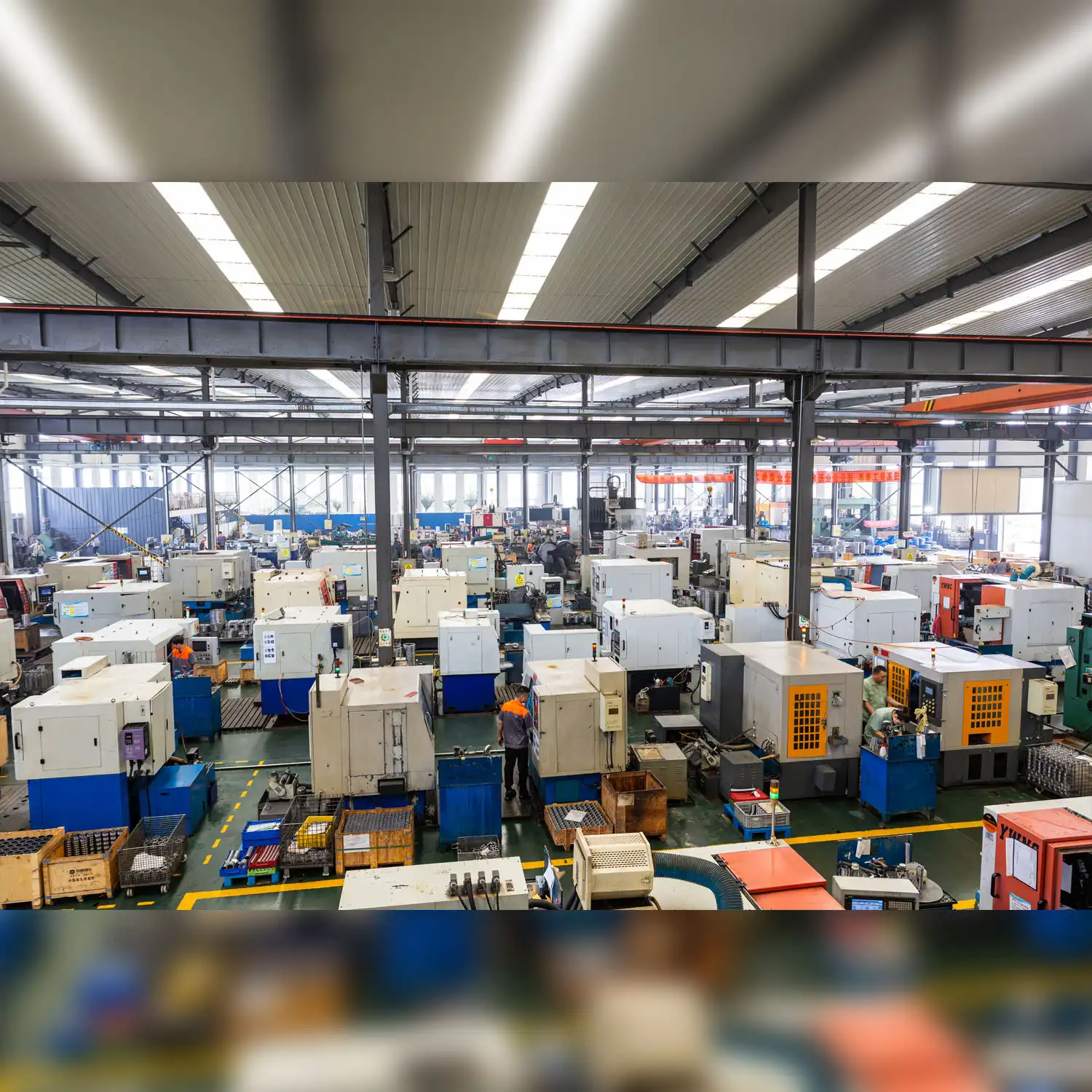
Understanding YRTM Rotary Table Bearings and Thrust Rollers
What Makes Rotary Table Bearings Different?
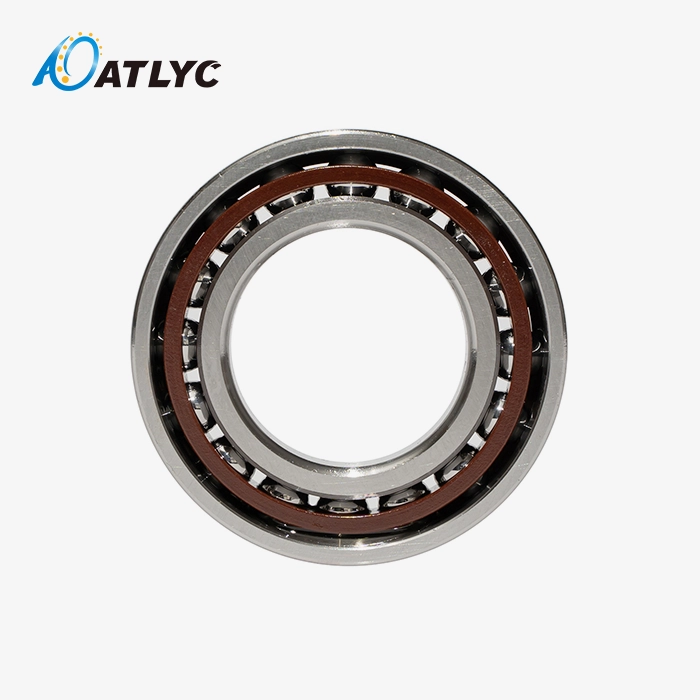
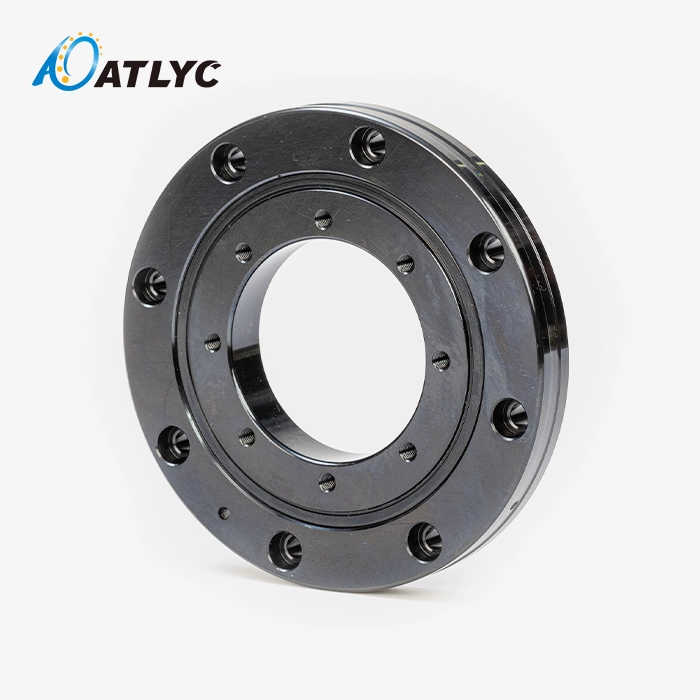
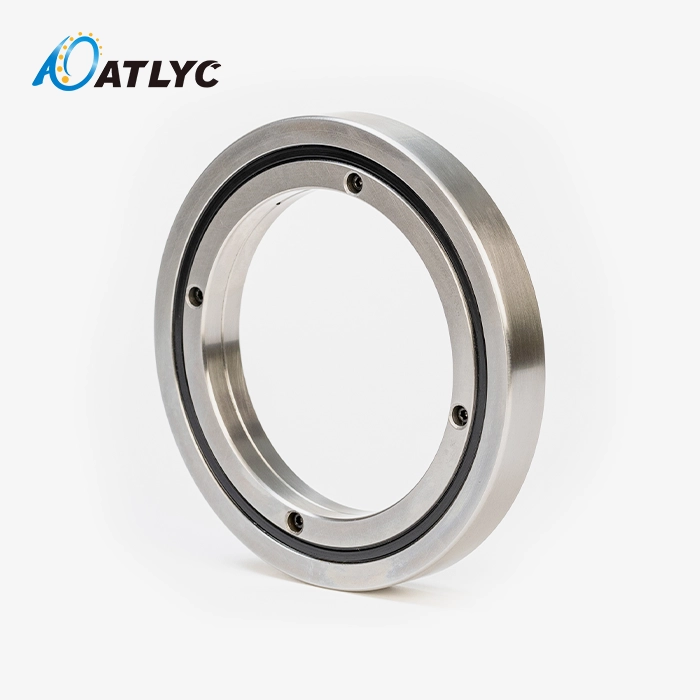
As the name suggests, the YRTM line is the small version of YRTM Rotary Table Bearings. It was designed for uses that need to be precise and compact. Compared to standard designs, the tiny design has a lower cross-sectional height while still being able to carry important loads. This bearing combines three functions into one unit: thrust bearing for axial loads, radial bearing for radial forces, and moment resistance for loads that are moving. The small structure gets rid of the need for various bearing arrangements, which makes your tools much smaller overall.
The structure of the bearing is integrated, which is very different from standard combined bearing systems. The outer ring stays still while the inner ring spins. Precise steel balls and a cage system make sure the motion is smooth. This combined design gets rid of the need to put together a lot of different parts in a complicated way. This makes installation much easier and reduces the overall size of mechanical structures. This combination has been mastered at our factory for 15 years of constant improvement.
How Thrust Rollers Function in Machinery
Thrust rollers are a common way to deal with rotational loads in a gear that is turning. Usually, these parts are made up of two washers and cylinder- or tapered-shaped rollers that are placed between them. Their main job is to support loads that are parallel to the shaft axis. They work well for pure thrust uses, but they need extra rotational bearing support to handle forces that come from the side. This needs a combined bearing setup, which makes the assembly more complicated and increases the amount of room needed in machine tool designs overall.
When axial forces are strong, like when there is a lot of weight on the system, traditional thrust wheel systems are better. Their roller-to-raceway contact spreads stress over a bigger surface area than ball bearings, which lets them handle very high thrust loads. The cost of making thrust rollers is usually about the same for normal configurations. This is why they are still used in many industrial settings where space is not as important.
Structural Comparison and Key Distinctions
The main difference is between the ideas of combined and separate components. YRTM Rotary Table Bearings have two rows of angular contact balls, with steel balls placed at particular contact angles, usually 45° or 60°. This setup lets axial loads, radial loads, and mixed moments from different directions all be handled at the same time. The precision-ground raceway goes through super-finishing steps to get a surface roughness level below Ra 0.2 μm. This makes sure that there is little friction and that the load is spread out evenly.
| Feature | YRTM Rotary Bearing | Thrust Roller |
|---|---|---|
| Load Handling | Multi-directional (axial, radial, moment) | Primarily axial |
| Component Count | Single integrated unit | Multiple components required |
| Space Efficiency | Compact, reduced height | Larger footprint |
| Installation Complexity | Simplified mounting | Complex assembly |
| Precision Class | ISO P4 and above | Varies widely |
Thrust roller setups don't have built-in moment resistance, so they need extra parts to keep them from tipping when loads aren't balanced. In precision sorting tasks, where rotary tables need to keep their location accuracy within arc-seconds, this limitation is very important. This problem is directly solved by the combined design of YRTM Rotary Table Bearings, which gives the spinning platform rigidity that keeps it stable under different loads.
Performance Comparison — Why Choose YRTM Rotary Table Bearings?
Load Capacity and Distribution Efficiency
When looking at load capacity, YRTM Rotary Table Bearings work better in mixed-load situations that are common in CNC cutting. The double-row angular contact layout spreads the loads across many contact points. Each steel ball supports a part of the total axial, radial, and moment forces. This spread outloading lowers the highest pressures on each contact surface, which greatly increases the wear life compared to thrust-only designs that put most of the load on a smaller number of rolling elements.
Based on our tests, YRTM Rotary Table Bearings work the same way under all kinds of load conditions, from pure axial to mixed loading. A normal YRTM Rotary Table Bearing has an outer diameter of 80mm and can handle axial loads of up to 28 kN. It can also handle rotational loads of 18 kN and moments of 1.8 kN·m. To get the same speed with thrust rollers, the whole system would have to be much bigger and have more parts, which would make it more expensive and difficult to use.
Precision and Operational Accuracy
Positional precision is what makes great results in cutting different from good ones. YRTM Rotary Table Bearings can keep the accuracy of spin to within 2 arc-seconds in normal use, which is perfect for five-axis machine centers and precision indexing tables. This accuracy comes from the precision-ground raceway design and preload optimisation, which gets rid of positioning mistakes caused by clearance. Our ISO 9001 and IATF 16949-certified production methods make sure that the dimensions are the same from one batch to the next. Tolerances are kept so that the accuracy of the bearing stays high throughout its life.
Because there are spaces between different parts, thrust roller systems often have more runout and angular variation. Positioning mistakes are made worse when different radial and thrust parts have different tolerances and are stacked on top of each other. These mistakes add up over time and lower process capability indices in places where indexing needs to be done over and over, like automatic assembly lines or robotic workcells. This leads to higher rejection rates.
Friction Characteristics and Energy Efficiency
Less contact immediately leads to less heat production, less power use, and longer periods of time between lubrication. When the rotational speed is high, the double-row ball form in YRTM Rotary Table Bearings creates less rolling resistance than line-contact thrust rollers. We measured the friction torque and found that properly oiled YRTM Rotary Table Bearings work with a starting torque below 0.5 N·m for 100mm diameter units. At speeds up to 1,000 rpm, the running torque stays below 0.3 N·m.
In uses that need to save energy, this friction benefit becomes important. A multi-axis machining center with four rotary axes that uses YRTM Rotary Table Bearings needs about 15 to 20 percent less power to move the axes than a similar thrust roller design. Over the useful life of industrial equipment, which is usually more than 10 years, this efficiency adds up to real cost savings and less damage to the environment.
Durability and Maintenance Requirements
YRTM Rotary Table Bearings are expected to last longer in settings where fine machining is used. The integrated design cuts down on the number of points where wear can happen, and the optimised contact angle distribution lowers the amount of stress that builds up and causes fatigue breakdowns. We see working lives of over 20,000 hours before they need to be replaced in normal CNC machining job cycles. This is due to simple maintenance routines that focus on tracking lubrication and preventing contamination.
Because they have more than one part, thrust roller systems need to be serviced more often. Radial and thrust parts that are separate need to be oiled separately, and the extra connections add more places where things can go wrong. When parts aren't lined up correctly, they wear out faster, starting a loop of increasing degradation that shortens the useful life. YRTM Rotary Table Bearings have an easier maintenance profile, which means they need less planned downtime and less technical knowledge for regular service. This is helpful for places where skilled workers are in short supply.
Application Scenarios Where Machinists Prefer YRTM Bearings Over Thrust Rollers
High-Precision CNC Machining Centers
When it comes to specific uses, multi-axis CNC machining centers are where YRTM Rotary Table Bearings really shine. These tools do complicated shaping work on aerospace parts, medical implants, and precise moulds, where mistakes in positioning measured in microns decide whether the part can be used. The YRTM Rotary Table Bearings' built-in moment resistance keeps the rotary table stable against cutting forces that change in size and direction during the machining cycle. This keeps the position of the workpiece within the tolerances that were set.
When you cut something, you create dynamic loads that make bearing systems work hard. During roughing passes, forces can rise quickly to several times the nominal load rate. Finishing passes, on the other hand, need steadiness without any vibrations. Because they are rigidly packed, YRTM Rotary Table Bearings can handle these changes in load without affecting their positional accuracy. Operations in machining that needed multiple quality checks before can now be done with trust, which increases output and lowers the amount of scrap. Customers who make parts for cars say that cycle times have gone down by 30% since they switched to YRTM Rotary Table Bearing setups.
Compact Automation Equipment and Robotics
Modern robotic technology is mostly designed around space issues. Collaborative robots, small assembly cells, and movable inspection systems all need to be able to do as much as possible in as little space as possible. Because the cross-sectional height of the YRTM Rotary Table Bearing is lower, designers can add rotary motion to tight areas where regular thrust roller systems won't fit. This saves room, which lets machines have smaller designs, which lowers the cost of materials and makes them easier to maintain.
Weight reduction is especially helpful in robotics applications. Every gram saved in end-effector systems increases the amount of weight that can be carried and lowers the forces that act on motors. When you switch from units that mix thrust and radial bearings to a single YRTM Rotary Table Bearing, the rotating mass can drop by 40 to 60%, based on the size class. This edge in weight makes batteries last longer in mobile robots and lets them accelerate faster in pick-and-place tasks, which has a direct effect on production rates.
Multi-Axis Indexing Tables and Rotary Stages
In manufacturing cells, indexing tables need to be quickly and accurately placed at a number of different angles. YRTM Rotary Table Bearings have a combined design that lets them support higher indexing speeds while keeping the same location accuracy. The moment resistance of the bearing stops overshoot and settling oscillations that slow down the cycle time during the acceleration and braking stages. This steady performance helps production equipment that does thousands of index moves every day meet output goals without losing accuracy over time.
Making optical parts and putting together semiconductor equipment are two examples of hard sorting tasks. For these processes to work, the angles must be placed accurately within seconds of an arc, and they must be done millions of times. This level of accuracy is kept by YRTM Rotary Table Bearings' preloaded contact design, which gets rid of inertia caused by clearance. YRTM Rotary Table Bearings are standard parts for equipment made for these markets because the dependability of their performance has a direct effect on the quality of the finished product and the return of the manufacturing process.
Load-Intensive Machining with Size Constraints
In some situations, big cutting loads and limited installation area make it hard to create a solution. For example, horizontal machining centers with built-in pallet changers have to be able to handle heavy workpieces while still fitting into normal machine layouts. Because they use the best materials and contact geometry, YRTM Rotary Table Bearings can handle the same amount of load as much bigger thrust roller systems. This means that load standards can be met without making the bearing envelope too big.
When working with odd-shaped parts or tasks that aren't in the center, the moment load capacity is very useful. A piece of work that is not in the middle of the rotary table creates a tilting moment that is equal to its weight and the distance it is offset from the midline. YRTM Rotary Table Bearings can handle these forces without the need for extra support structures. This makes machine design easier and cuts down on the number of parts needed. This feature lets you use more adaptable workholding methods that can handle different part shapes without having to make special fixtures.
Procurement Considerations — How to Source YRTM Rotary Table Bearings
Evaluating Supplier Qualifications and Certifications
Quality approval is the basis for choosing a seller. Having ISO 9001 approval means that a company has written quality management systems in place, but this standard does not ensure that the YRTM Rotary Table Bearings will be accurate on their own. For IATF 16949 certification, which was created especially for car supply lines, there must be more rules over how products are made and how measurement systems are analysed. Suppliers with both certificates, like Luoyang Auto Bearing Co., Ltd., show a dedication to systematic quality that makes inbound inspections easier and service problems less common.
Manufacturing capacity signs help you figure out if a company can regularly meet your volume needs. We have six specialised workshops that cover 15,000 square meters and can make more than 50,000 bearing units per month in a range of sizes. This scale can handle both small prototypes for developing new products and large production runs, and it can change its output to meet changing demand. If a supplier doesn't have enough capacity, they might be able to fill initial orders but have trouble keeping up with ramp-up plans. This can cause problems in the supply chain during key production phases.
Transactional providers and strategic partners are different in terms of the level of technical help they offer. For complicated uses, technical help is needed to choose the best bearings, set the right preload levels, and figure out how to lubricate them. Manufacturers with their own application engineering teams can give helpful advice that lowers the risk of development and speeds up the time it takes to get a product to market. Experts on our technical team have worked with machine tools for decades and can offer advice to help customers avoid common design mistakes and get the most out of their bearings.
Pricing Structures and Lead Time Planning
Figuring out what causes bearing costs can help you get better deals on prices while still upholding quality standards. Costs of raw materials, especially high-grade bearing steel and precise balls, make up 40 to 50 percent of the cost of making something. Suppliers who have established relationships for getting materials and quality control methods can offer more stable prices than those whose prices depend on buying materials on the spot market. Our long-term contracts with certified steel mills help keep prices stable and ensure uniform quality of materials.
Lead times are very different depending on the size, shape, and number of bearings ordered. Standard YRTM Rotary Table Bearing sizes usually ship 4 to 6 weeks after an order is confirmed. Custom designs that need non-standard sizes or special finishes may take 8 to 12 weeks. These dates should be taken into account when making purchases, especially when helping with the launch of new products or the retrofitting of old equipment with clear project plans. We keep a stock of popular setups to meet requests for faster delivery, which is helpful when equipment breaks down unexpectedly or production plans need to be sped up.
Unit prices and supply consistency are affected by factors like bulk orders. Manufacturers can give graduated price rewards and make the best use of their production schedules when they have volume commitments that cover multiple deliveries throughout the year. A normal volume price system could lower the unit cost by 8–12% at 500 pieces and by 15–20% after 1,000 pieces per year. These savings can have a big effect on the total cost of ownership, especially for OEMs that use rotary bearings in a lot of different machine types or make a lot of the same kind of equipment.
Customization Options and Spare Parts Availability
Because of the needs of the application, bearing configurations need to be changed sometimes. Customisation choices include changing the size to fit current machine shapes, choosing different sealing methods for tough settings, and choosing specific lubrication methods for high-temperature uses. Manufacturers that offer these services give you more design options, but customisation comes with longer wait times and usually needs a minimum order quantity to cover the cost of the tools. We can accommodate customisation requests starting at 100 pieces for changes to the size and 50 pieces for changes to the greasing or seals.
| Customization Type | Lead Time Impact | Typical MOQ | Cost Premium |
|---|---|---|---|
| Dimensional modification | +2-3 weeks | 100 pieces | 15-25% |
| Special seals | +1-2 weeks | 50 pieces | 8-12% |
| Custom lubrication | +1 week | 50 pieces | 5-8% |
| Surface treatments | +2-4 weeks | 100 pieces | 12-18% |
Having spare parts on hand ensures that tools can be supported for a long time. Machine tools and computer systems are meant to last for decades, but bearings need to be replaced every so often. Suppliers who are committed to long-term parts support keep making types of bearings that are no longer being made. This keeps equipment from having to be redesigned when new bearings are no longer available. We promise that all standard goods will have parts available for 10 years, and we work with clients to set up vendor-managed inventory plans that make sure new bearings get to them within 24 to 48 hours when they're needed.
Installation and Maintenance Best Practices for Optimal Performance
Proper Installation Procedures
The function and life of bearings depend on how well they are installed. First, clean the bearing case and shaft sides very well, getting rid of any burrs, dirt, or corrosion that might get in the way of proper seating. Measure the housing hole and shaft diameter several times to make sure they match the bearing specs. Conditions that are out of round by more than 10 microns can cause preload changes that make accuracy worse. To keep mounting surfaces from galling during installation, put a thin film of clean bearing oil on them.
Be careful when handling YRTM Rotary Table Bearings so that you don't damage the fine surfaces. When installing something, never press installation forces through moving elements. Instead, press evenly on the ring that needs to be fitted. When installing the inner ring, use a tube or mandrel that touches the end face of the ring but keeps the rolling elements clear. When installing the outer ring, you should also use a fastener that loads the outer ring directly. For bearings bigger than 150 mm in diameter, we suggest hydraulic fastening tools because they let you decide how much force is applied and keep an eye on the pressure, which keeps the bearings from getting too stressed.
The force of the mounting bolt has a big effect on the preload and function of the bearing. Follow the torque values given by the maker and place the screws in a star design to make the clamping forces more even. Too much torque can bend bearing rings and cause too much preload, while too little torque lets mounting faces separate during operation, which leads to pitting rust. Use torque tools that have been calibrated, and check the final torque values after a few minutes of letting the system settle. Our expert paperwork gives exact torque values for each bearing size, taking into account the type of fastener and the way it is mounted.
Lubrication Management and Schedules
When you lubricate something properly, you reduce friction and stop acid wear. Most YRTM Rotary Table Bearings use high-quality lithium-based greases that are made for bearing use and have an NLGI Grade 2 consistency that works well in most situations. The amount of grease used is important. Too much grease raises the working temperature and spinning resistance, while not enough grease speeds up wear. Fill bearing holes up to about 30 to 40 percent of their free volume. This will make sure that the raceway surfaces are completely covered without being overpacked.
How often something needs to be oiled depends on how it is used and how often it is cycled. When used continuously at low speeds in clean environments, relubrication may be needed every 2,000 to 3,000 hours. When used intermittently in dirty environments, the time between relubrications drops to 500 to 1,000 hours. Keep an eye on the running temperature of the bearing as a lubrication sign. Temperature rises of 10 to 15°C above usual indicate that the lubricant is breaking down and needs quick attention. With every order of bearings, we include thorough lubrication instructions that include the type of grease we suggest and how often it should be serviced based on the specifics of your application.
Routine Inspection and Troubleshooting
Set up an organised inspection process to find problems as they arise before they become major problems. Visual checks should be done once a month to look for leaking grease, broken seals, or fixing hardware that isn't tight. As part of the quarterly routine checks, the temperature of the bearings is measured while they are running normally. A temperature that stays within ±5°C of the baseline readings means the bearings are working properly, while a temperature rise could mean there are problems. Precision measures of rotational accuracy and runout taken once a year show trends in bearing state, which allows maintenance plans to be made ahead of time.
Listen for strange noises while the machine is running. When YRTM Rotary Table Bearings are working properly, they make very little noise—just a slight rolling whisper when they rotate. Grinding sounds mean that the moving parts are dirty or not well-oiled, while clicking or knocking sounds mean that the rollers or raceways are broken. Accelerometers placed near bearing housings can find emerging flaws through changes in the frequency spectrum months before audible symptoms show up. Vibration analysis gives a quantitative evaluation. Many of our customers have set up constant monitoring systems that let repair staff know when new bearing problems arise, which avoids unplanned downtime.
Address common problems systematically. Too much heat is usually caused by mounting bolts that are too tight, not enough grease, or too much preload. Check the torque specs, check the state of the grease, and go over the installation steps again. Over time, a drop in accuracy could mean that a bearing needs to be replaced or that the fixing surface has worn down, letting parts move around. Early wear failures are often caused by contamination getting in or bad-fitting techniques. The technical support team at our company helps customers figure out tough problems by using their many years of experience with applications to find the root causes and take the right actions.
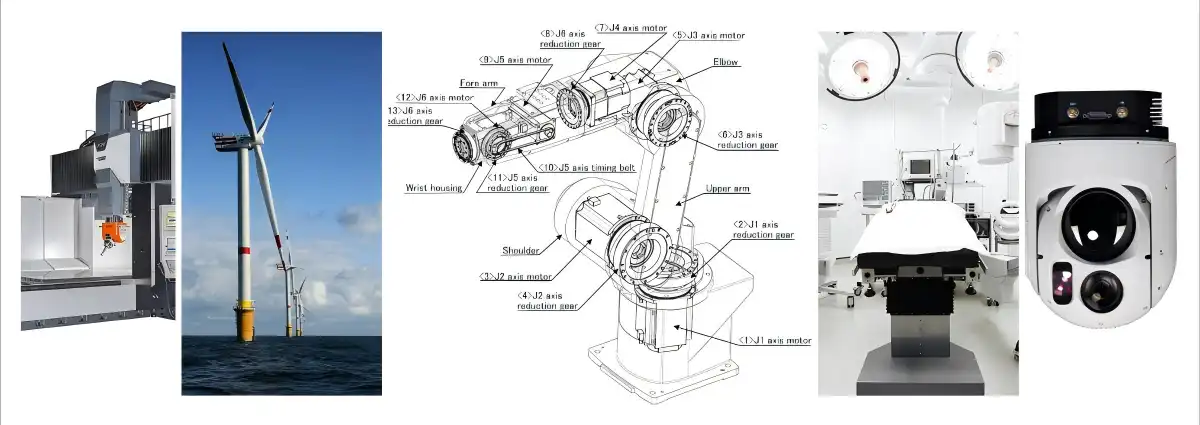
Conclusion
People prefer YRTM Rotary Table Bearings to thrust rollers because of their integrated design, which lets them handle loads in more than one way while still being small. This benefit is very important in high-precision CNC machining, automation equipment, and uses with limited room where standard thrust roller systems can't meet the size or performance needs. When buying these precise parts, procurement teams should give more weight to sellers who can show they have quality certifications, enough manufacturing capacity, and a commitment to long-term support. When you install and maintain bearings correctly, they work better and last longer, which protects machine efficiency and production quality. Manufacturing equipment is getting more precise and smaller all the time. YRTM Rotary Table Bearings are the technical answer that meets these high standards.
FAQ
1. What load capacities do miniature rotary bearings offer compared to thrust rollers?
YRTM Rotary Table Bearings can handle axial, radial, and moment loads all at the same time in a single, small unit. A normal 80mm bearing can handle 28 kN of axial load, 18 kN of radial load, and 1.8 kN·m of moment load all at the same time. Thrust rollers are great at handling only axial loads, but they need extra radial bearings to handle side forces, which makes the whole system bigger. YRTM Rotary Table Bearings get rid of this complexity and take up less room because they have an integrated load capacity.
2. Are miniature rotary bearings suitable for high-speed CNC machining applications?
These bearings work well in CNC machines that spin at speeds of up to 1,000 rpm, which is fast enough for most positioning tables and rotating axes. The speed at which a bearing can go relies on its size, how it is oiled, and the amount it is carrying. For high-speed machining centers that need to keep turning at speeds above 1,500 rpm, they might need special gear arrangements or different technologies. Talk to the makers of the bearings to make sure that the speed numbers are correct for your purpose.
3. What maintenance intervals should we follow for miniature rotary bearings?
Maintenance times depend on how the machine is being used. When used continuously in clean environments, lubrication is usually needed every 2,000 to 3,000 hours. However, when used intermittently or in dirty environments, the time between relubrications drops to 500 to 1,000 hours. Use the temperature and noise on the monitor to tell what's wrong—if the temperature rises above 10°C above the standard or if strange sounds are heard, you need to pay instant attention. Our technical documentation includes maintenance plans that are relevant to each program and help you meet your business needs.
Partner with ATLYC for Premium Rotary Table Bearing Solutions
ATLYC can meet your needs for precision bearings because they have been making them for 15 years. We are an ISO 9001 and IATF 16949 recognised company that makes YRTM Rotary Table Bearings. We have six specialised workshops where we can make as many or as few as you need. Our engineering team offers full technical help from choosing the right bearings to installing them, making sure they work perfectly in your unique machining application. We keep our prices low for large orders while also giving you the chance to make changes that solve specific design problems. Email our team at auto@lyautobearing.com to talk about your rotary table bearing needs, get thorough technical specs, or get quotes for prototypes or full production runs. ATLYC is a reliable partner in the supply chain that your precision production operations need. They have served customers in South Korea, the US, Germany, and other places.
References
1. Harris, T.A. and Kotzalas, M.N. (2006). Advanced Concepts of Bearing Technology: Rolling Bearing Analysis, Fifth Edition. CRC Press, Taylor & Francis Group.
2. ISO 199:2014. Rolling bearings — Thrust bearings — Geometrical product specifications (GPS) and tolerance values. International Organization for Standardization.
3. Weck, M. and Brecher, C. (2006). Machine Tools 4: Automation of Machine Tools and Production Systems. Springer-Verlag Berlin Heidelberg.
4. Budynas, R.G. and Nisbett, J.K. (2015). Shigley's Mechanical Engineering Design, Tenth Edition. McGraw-Hill Education.
5. SKF Group. (2018). Rolling Bearings Catalogue: General catalogue for rolling bearings, mounted bearings and accessories. SKF Group Technical Publication.
6. Tlusty, J. (2000). Manufacturing Processes and Equipment. Prentice Hall, Upper Saddle River, New Jersey.
Learn about our latest products and discounts through SMS or email