- English
- French
- German
- Portuguese
- Spanish
- Russian
- Japanese
- Korean
- Arabic
- Greek
- German
- Turkish
- Italian
- Danish
- Romanian
- Indonesian
- Czech
- Afrikaans
- Swedish
- Polish
- Basque
- Catalan
- Esperanto
- Hindi
- Lao
- Albanian
- Amharic
- Armenian
- Azerbaijani
- Belarusian
- Bengali
- Bosnian
- Bulgarian
- Cebuano
- Chichewa
- Corsican
- Croatian
- Dutch
- Estonian
- Filipino
- Finnish
- Frisian
- Galician
- Georgian
- Gujarati
- Haitian
- Hausa
- Hawaiian
- Hebrew
- Hmong
- Hungarian
- Icelandic
- Igbo
- Javanese
- Kannada
- Kazakh
- Khmer
- Kurdish
- Kyrgyz
- Latin
- Latvian
- Lithuanian
- Luxembou..
- Macedonian
- Malagasy
- Malay
- Malayalam
- Maltese
- Maori
- Marathi
- Mongolian
- Burmese
- Nepali
- Norwegian
- Pashto
- Persian
- Punjabi
- Serbian
- Sesotho
- Sinhala
- Slovak
- Slovenian
- Somali
- Samoan
- Scots Gaelic
- Shona
- Sindhi
- Sundanese
- Swahili
- Tajik
- Tamil
- Telugu
- Thai
- Ukrainian
- Urdu
- Uzbek
- Vietnamese
- Welsh
- Xhosa
- Yiddish
- Yoruba
- Zulu
YRTS Series Rotary Table Bearings for High Torque Systems
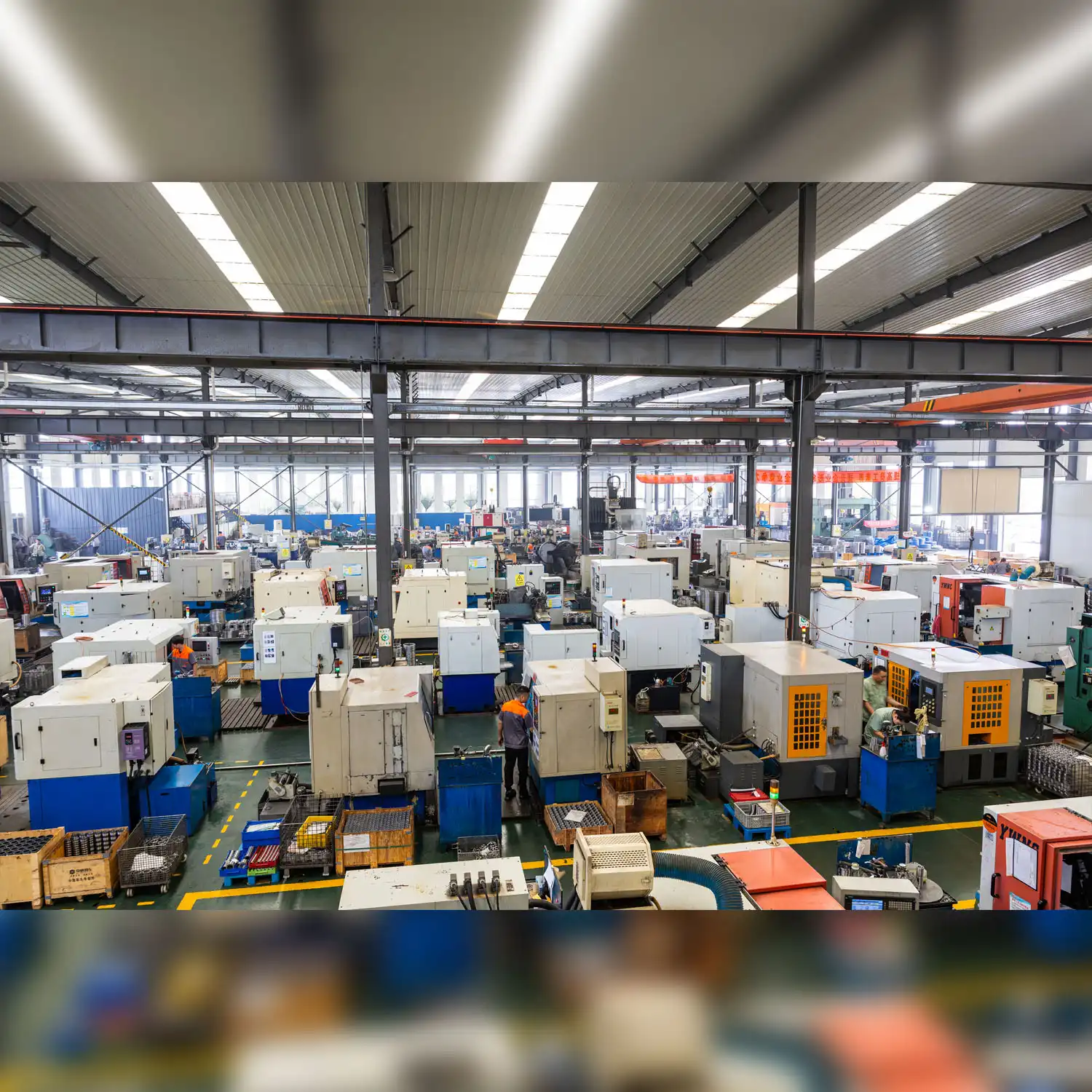
When your machining centre demands both high-speed execution and extraordinary precision, the YRTS Series rotary table bearing delivers the advanced engineering solution you require. These specialised components represent a breakthrough in direct-drive technology, combining the structural integrity of conventional YRT bearings with enhanced high-speed capabilities. The product addresses critical challenges in modern CNC machining, where standard components fail to meet the demanding requirements of rapid positioning and heavy-duty operations.
Understanding YRTS Series Rotary Table Bearings: Specifications and Functional Features
Integrated High-Speed Architecture
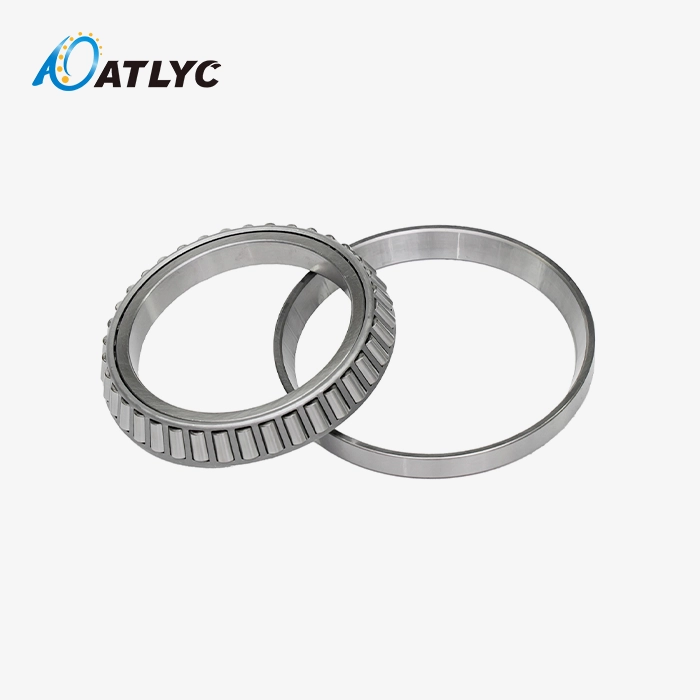
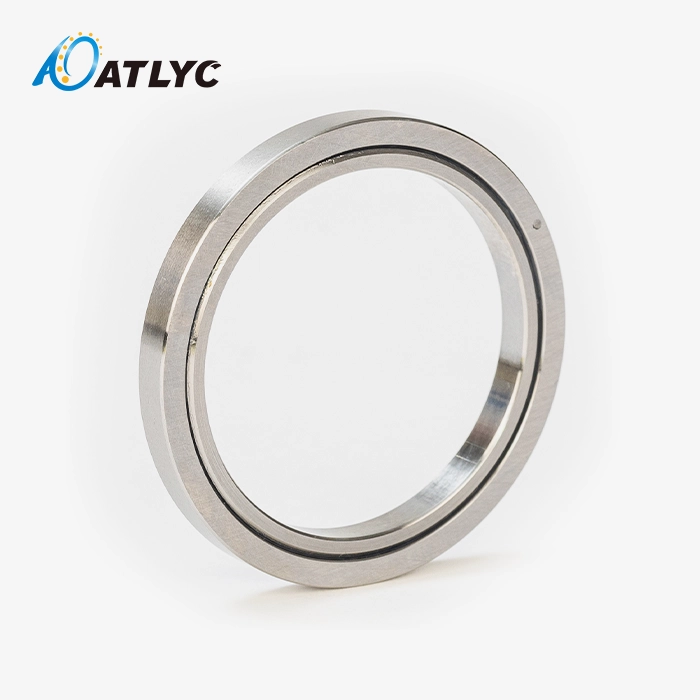
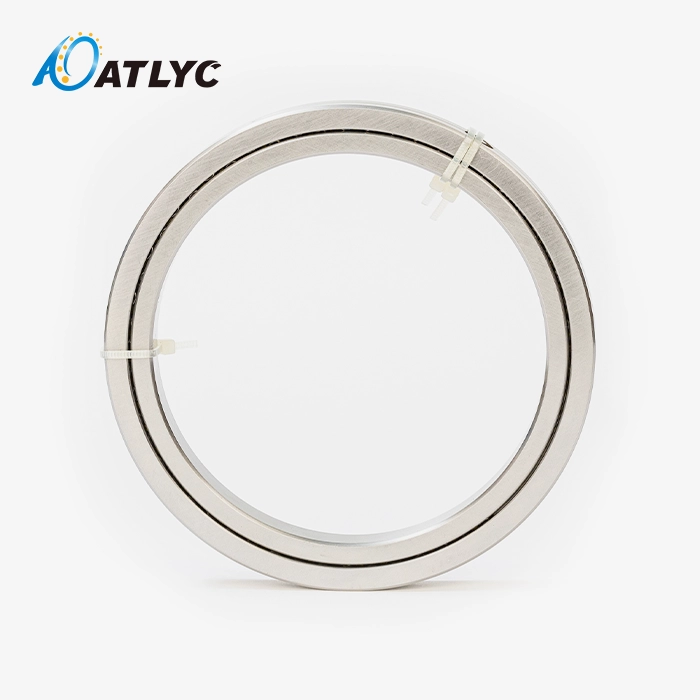
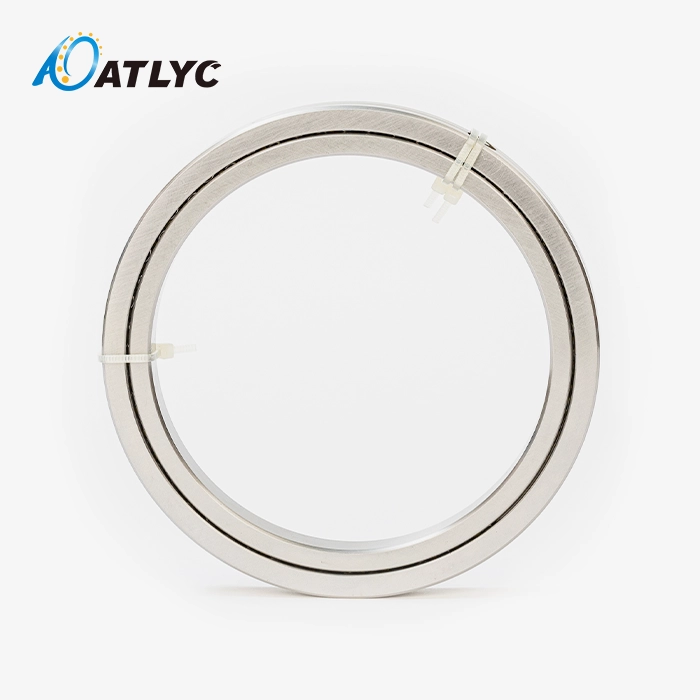
A rotary table bearing from the YRTS Series can serve as an indexing unit, a radial bearing, and a thrust bearing—all in one small package. This setup is a significant improvement over the old-fashioned combined bearing systems that needed a jumble of different parts to put together. Precision steel balls optimised for high-speed operation, an inner ring enabling smooth rotational movement, an innovative cage design maintaining ball separation and lubricant distribution, and an outer ring offering a stable mounting interface make up the integrated structure. By combining the two processes, we can reduce the total volume of mechanical structures and do away with installation difficulties. Simplified assembly techniques directly translate into decreased labour costs and faster equipment commissioning times, which benefit manufacturing operations. Because of its small size, machines may be designed more tightly without compromising performance.
Double-Row Angular Contact Configuration
Two rows of steel balls are aligned at ideal contact angles, usually 45° or 60°. Under complicated loading conditions, this configuration ensures the simultaneous support of axial loads in both directions, radial loads from various vectors, and tilting moments. To achieve higher surface quality and dimensional accuracy, the precision-ground raceways undergo super-finishing operations. This ensures that they fulfil the tolerance classes of P4 and P2, in accordance with ISO requirements. To achieve the best surface hardness and fatigue life, the bearing material uses vacuum-degassed bearing steel (GCr15/100Cr6) that has been heat-treated. This material choice guarantees reliable performance for millions of rotating cycles, even in severe operating circumstances like exposure to contaminants and temperature swings. When you subject your machinery to rigorous production schedules, the double-row design will keep it stable by increasing its load-bearing capacity and rigidity.
Enhanced Speed Capabilities Beyond Standard Solutions
The YRTS Series rotary table bearing outperforms the competition with limiting speeds that are two to three times greater than those of regular YRT bearings. These components are perfect for applications using direct-drive torque motors where heat generation becomes a limiting factor, thanks to their specialised internal shape that greatly minimises frictional torque. The thermal expansion problems caused by standard YRT bearings overheating during high-RPM operations limit production by reducing precision and requiring frequent cooling intervals. By optimising rotational velocity, we were able to solve a basic problem in the industry: how to maintain the high tilting rigidity necessary for heavy milling operations without compromising the rotational velocity needed for drilling or grinding. Because of this dual capacity, your machining centres can quickly transition between light machining and low-speed heavy cutting without recalibrating or changing components.
Comparing YRTS Series to Other Rotary Table Bearing Solutions
Performance Metrics Against Cross Roller Bearings
While YRTS Series bearings for rotary tables are known for their superior speed capabilities, cross roller bearings are known for their exceptional stiffness. Cross roller designs provide more frictional torque when moving at high speeds, but they work well when the application calls for pinpoint accuracy when the roller is stationary or spinning slowly. In direct drive applications, where motor efficiency directly affects operational expenses, this limitation becomes critically important. In contrast to regular cross roller bearings, YRTS bearings offer environmental protection because of their preloaded, double-sided sealed design. Bearing life is dictated by the condition of the seals in the extreme conditions caused by coolant exposure and high-frequency vibration in high-speed milling heads and vertical grinding machines. Components of YRTS keep lubrication efficient and block contaminant entry, which means less unscheduled downtime and longer service intervals.
Lifecycle Cost Analysis and Total Cost of Ownership
Maintenance demands, in addition to the initial purchase price, should be considered by procurement teams when assessing bearing options. The rotary table bearings from the YRTS Series provide a lower total cost of ownership thanks to several mechanisms. The use of high-precision bolts to establish the preload at the factory saves technician time and prevents precision loss caused by field adjustments. Having standardised maintenance processes is a huge time saver, and this feature is especially helpful for facilities that manage several production lines. A lifecycle study shows that lubrication interventions are reduced in YRTS bearings compared to conventional combined bearing solutions. Ensuring efficient heat dissipation and minimal lubricant usage, the sealed design retains high-performance lithium complex grease or oil-air lubrication systems. Installation of YRTS bearings routinely results in decreased maintenance costs per production hour compared to other technologies.
YRTS bearings consistently produce high-quality products with low defect rates, according to real-world customer feedback from automotive component manufacturers and industrial machinery OEMs. Protecting equipment investments while retrofitting or upgrading, the ISO 12240-4 dimensional conformity guarantees interchangeability with standard YRT housings. Inventory complexity and procurement lead times are both reduced as a result of this standardisation.
Installation and Maintenance Best Practices for YRTS Series Bearings
Step-by-Step Installation Guidelines
Proper installation begins with verifying that mounting structure flatness and perpendicularity match the bearing's precision class. Surface preparation directly affects performance because even minor distortions can increase frictional resistance and accelerate wear. Mounting surfaces should be cleaned thoroughly, removing any burrs, debris, or old adhesive residues that could prevent proper seating. Handling procedures require clean gloves and lint-free cloths to prevent contamination transfer. The outer ring should be mounted to the fixed structure using appropriate bolt patterns and torque specifications. Torque values must follow manufacturer guidelines precisely, as over-tightening distorts the raceway geometry while under-tightening creates movement that damages mounting surfaces. The inner ring installation follows, ensuring alignment within specified tolerances before final securing.
Preventive Maintenance Protocols
Inspection routines should include visual checks for seal integrity, unusual noise during rotation, and temperature monitoring during operation. Anomalous heat generation indicates lubrication breakdown or preload changes requiring immediate attention. Vibration analysis provides early warning of potential issues before catastrophic failure occurs, allowing planned maintenance rather than emergency repairs. Lubrication protocols depend on operating conditions but generally involve high-performance lithium complex grease suitable for the temperature range and speed profile. Oil-air lubrication systems offer superior heat management in extreme applications but require additional equipment investment. The sealed design of the YRTS Series rotary table bearing protects lubrication integrity, extending relubrication intervals compared to open bearing designs.
These maintenance practices help procurement and engineering teams maintain system reliability while minimising long-term operational risks. Documented inspection results create performance baselines that facilitate trend analysis, identifying degradation patterns before they impact production quality or throughput.
Strategic Procurement and Supplier Insights for YRTS Series Bearings
Evaluating Manufacturing Capabilities and Quality Certifications
Selecting a YRTS Series rotary table bearing supplier requires evaluating manufacturing capacity, quality management systems, and international compliance standards. ISO 9001 and IATF 16949 certifications demonstrate commitment to consistent quality and continuous improvement processes. These certifications indicate that suppliers maintain documented procedures for material traceability, process control, and defect prevention. Manufacturing scale directly impacts supply stability and pricing competitiveness. Suppliers with dedicated production lines for precision bearings demonstrate a specialisation that translates into superior product consistency. The ability to scale production volumes accommodates growing demand without compromising delivery schedules, a critical factor for OEMs managing just-in-time manufacturing operations.
Engineering expertise matters when customisation requirements arise. Suppliers offering technical support throughout the specification process help match bearing characteristics to application demands. This collaboration prevents costly mismatches where standard components do not perform as expected, which would require expensive redesigns or emergency sourcing of alternative solutions.
Global Sourcing Channels and Logistics Considerations
Authorised distributors and OEM channels provide reliable access to genuine YRTS components with proper documentation and warranty coverage. Global reach ensures that facilities in diverse geographic markets receive consistent support regardless of location. Bulk purchase options offer pricing advantages while maintaining inventory flexibility through staged deliveries aligned with production schedules. Delivery logistics include lead time predictability, packaging standards that prevent shipping damage, and customs documentation facilitating international trade. Warranty provisions should cover manufacturing defects and provide clear procedures for claims processing. After-sales support, like replacement parts and technical consultation, shows which suppliers are committed to long-term partnerships and which are just transactional vendors focused on initial sales.
Making the Smart Choice: Why YRTS Series Bearings Are Ideal for Your High-Torque Applications?
Application-Specific Performance Advantages
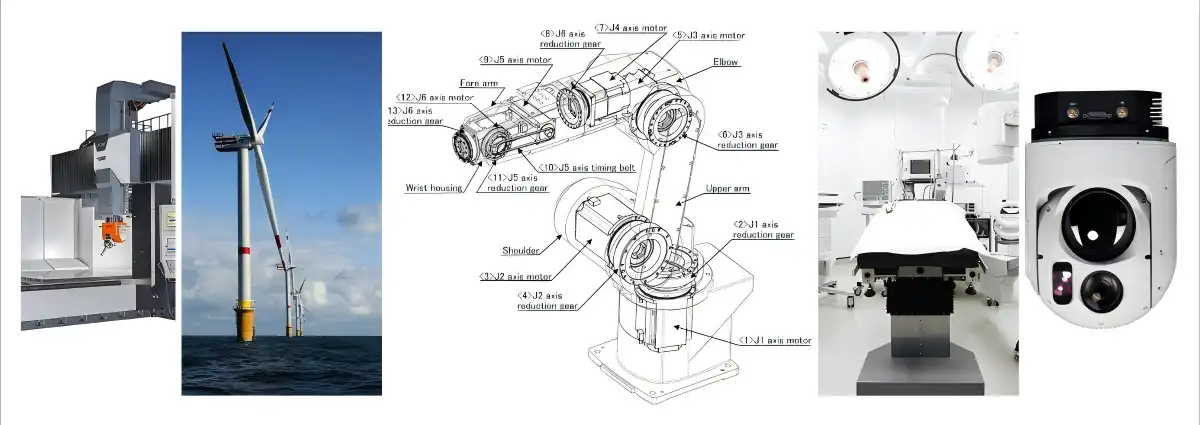
High-speed direct drive rotary tables benefit enormously from YRTS technology. In this scenario, the YRTS Series rotary table bearing serves as the core support component, allowing the table to switch rapidly between operational modes while managing the complex thermal expansion of the motor without losing precision. The bearing withstands multi-axis loads during heavy machining operations while maintaining the rotational smoothness necessary for fine positioning. Vertical grinding machines and high-speed milling heads present harsh environments involving coolant exposure and high-frequency vibration. The YRTS Series rotary table bearing provides the necessary RPMs for grinding operations that standard roller bearings cannot sustain. The sealed design stops contamination ingress that would quickly damage conventional bearing solutions, extending service life and reducing maintenance interruptions.
Precision metrology and measuring machines require rapid scanning speeds combined with extremely low friction fluctuation. Large-scale coordinate measuring machines (CMMs) utilise YRTS bearings to ensure smooth, low-noise rotation critical for maintaining measurement repeatability under multi-axis loads. The exceptional load-carrying capacity across multiple axes prevents deflection that would compromise measurement accuracy.
These diverse applications demonstrate how YRTS bearings accommodate varying load profiles and operating conditions with unmatched reliability. The superior value proposition becomes evident when comparing performance metrics and operational ROI against market alternatives. Facilities tracking production efficiency per equipment dollar invested consistently report favourable returns with YRTS installations.
Future-Proofing Your Equipment Investments
Emerging trends in rotary bearing technology emphasise smart monitoring capabilities and extended maintenance intervals. The YRTS Series rotary table bearing platform accommodates sensor integration for condition monitoring systems that predict maintenance needs based on actual operating data rather than calendar schedules. This capability aligns with Industry 4.0 initiatives transforming manufacturing operations through data-driven decision-making. Technological advancements continue improving material science and surface treatment processes. The YRTS platform benefits from ongoing research into bearing steel compositions, offering enhanced fatigue resistance and lubrication technologies, reducing frictional losses. Staying ahead of innovation curves ensures that your equipment investments deliver competitive advantages throughout their operational lifespans.
Conclusion
The YRTS Series rotary table bearing represents a strategic solution for mid-to-large automotive and industrial equipment manufacturers requiring high-precision components that deliver consistent performance under demanding conditions. The integrated three-in-one design combines thrust bearing, radial bearing, and indexing capabilities into a compact unit that simplifies installation while enhancing reliability. Superior speed capabilities, exceptional load management across multiple axes, and precision maintenance of tight tolerances solve critical industry pain points that conventional bearing solutions cannot resolve. Strategic procurement from qualified suppliers ensures access to genuine components that are backed by ISO 9001 and IATF 16949 certifications, which support long-term operational success.
FAQ
How does the YRTS Series differ from standard YRT bearings?
While sharing identical outer dimensions for interchangeability, the internal structure of the YRTS Series rotary table bearing is optimised for high-speed applications, resulting in significantly lower frictional torque. This design prevents overheating issues common in standard YRT bearings during high-RPM operations, making YRTS suitable for direct-drive torque motors where standard bearings would fail.
What lubrication requirements apply to YRTS bearings?
High-performance lithium complex grease or oil-air lubrication systems are recommended to manage heat dissipation effectively during high-speed operation. The sealed design keeps lubrication intact and stops contamination from getting in, allowing for longer service intervals than open bearing configurations.
Can YRTS bearings handle heavy axial loads during high-speed rotation?
The double-row angular contact configuration enables the YRTS Series rotary table bearing to support heavy axial loads and tilting moments simultaneously, even during high-speed rotation. The load ratings are optimised for the speed-enhanced geometry while maintaining the rigidity necessary for precision machining applications.
What mounting tolerance requirements must be observed during installation?
Mounting structure flatness and perpendicularity must match the bearing's precision class to avoid distorting the rings and increasing friction. Even minor deviations compromise performance, making proper surface preparation and torque specification adherence critical for achieving designed operational characteristics.
Partner with ATLYC for Your Precision Bearing Requirements
ATLYC brings 15 years of manufacturing excellence to the precision bearing industry, combining ISO 9001 and IATF 16949-certified quality management with proven global supply reliability. Our facility has grown from a single workshop to six specialised production areas serving automotive, industrial machinery, and automation equipment sectors worldwide. As a trusted YRTS Series rotary table bearing supplier, we deliver consistent quality, competitive pricing, and comprehensive technical support backed by engineering expertise developed through serving customers in South Korea, the United States, Germany, Russia, Iran, and Turkey. Contact our team at auto@lyautobearing.com to discuss your specific application requirements and experience the ATLYC difference in precision component manufacturing.
References
1. ISO 12240-4:2012 Spherical Plain Bearings - Part 4: Dimensions and Tolerances for Cylindrical Roller Bearings
2. Harris, T.A. and Kotzalas, M.N. (2006). Advanced Concepts of Bearing Technology: Rolling Bearing Analysis, Fifth Edition. CRC Press.
3. Weck, M. and Brecher, C. (2006). Machine Tools Production Systems 2: Design and Calculation. Springer-Verlag Berlin Heidelberg.
4. SKF Group (2018). Rolling Bearings Catalogue: Design Considerations for High-Speed Applications. SKF Group Technical Publications.
5. Eschmann, P., Hasbargen, L., and Weigand, K. (1985). Ball and Roller Bearings: Theory, Design and Application, Second Edition. John Wiley & Sons.
6. American Bearing Manufacturers Association (ABMA) (2020). ABMA Standard 7: Shaft and Housing Fits for Metric Radial Ball and Roller Bearings. ABMA Technical Standards Committee.
Learn about our latest products and discounts through SMS or email