- English
- French
- German
- Portuguese
- Spanish
- Russian
- Japanese
- Korean
- Arabic
- Greek
- German
- Turkish
- Italian
- Danish
- Romanian
- Indonesian
- Czech
- Afrikaans
- Swedish
- Polish
- Basque
- Catalan
- Esperanto
- Hindi
- Lao
- Albanian
- Amharic
- Armenian
- Azerbaijani
- Belarusian
- Bengali
- Bosnian
- Bulgarian
- Cebuano
- Chichewa
- Corsican
- Croatian
- Dutch
- Estonian
- Filipino
- Finnish
- Frisian
- Galician
- Georgian
- Gujarati
- Haitian
- Hausa
- Hawaiian
- Hebrew
- Hmong
- Hungarian
- Icelandic
- Igbo
- Javanese
- Kannada
- Kazakh
- Khmer
- Kurdish
- Kyrgyz
- Latin
- Latvian
- Lithuanian
- Luxembou..
- Macedonian
- Malagasy
- Malay
- Malayalam
- Maltese
- Maori
- Marathi
- Mongolian
- Burmese
- Nepali
- Norwegian
- Pashto
- Persian
- Punjabi
- Serbian
- Sesotho
- Sinhala
- Slovak
- Slovenian
- Somali
- Samoan
- Scots Gaelic
- Shona
- Sindhi
- Sundanese
- Swahili
- Tajik
- Tamil
- Telugu
- Thai
- Ukrainian
- Urdu
- Uzbek
- Vietnamese
- Welsh
- Xhosa
- Yiddish
- Yoruba
- Zulu
7206AC Angular Contact Bearings for Precision Industrial Systems
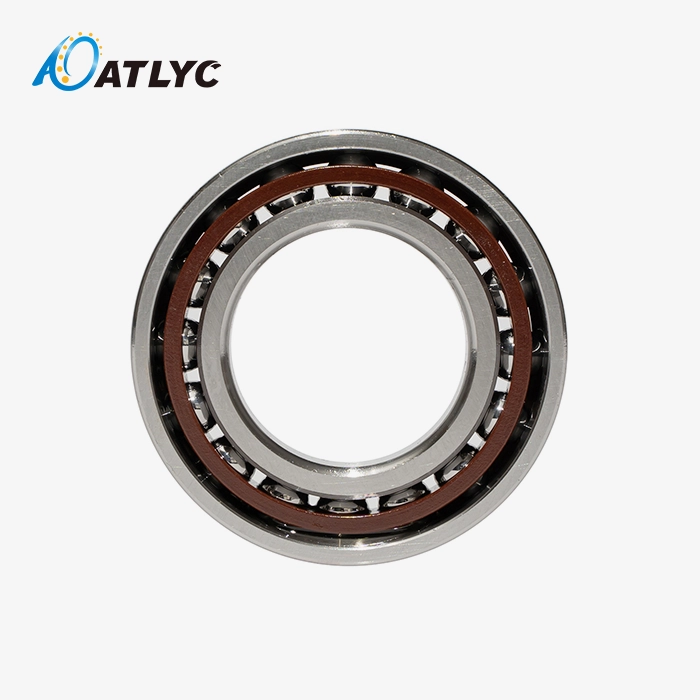
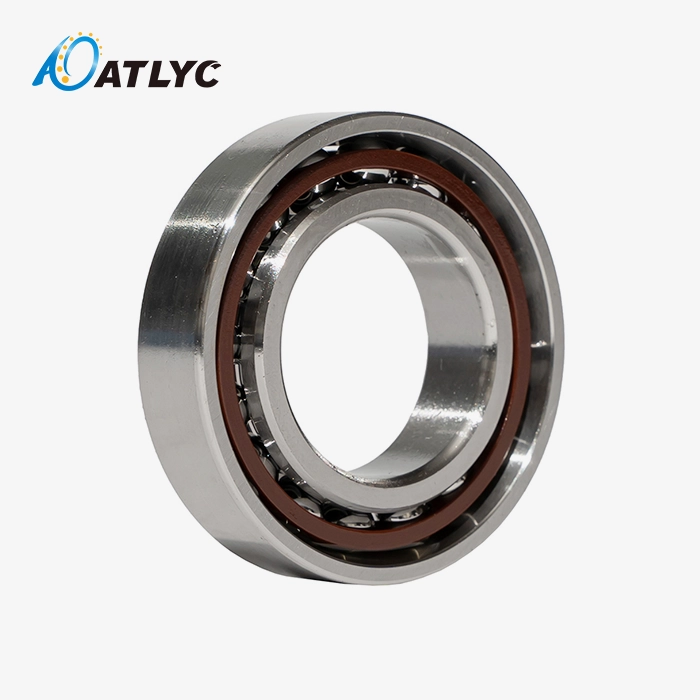
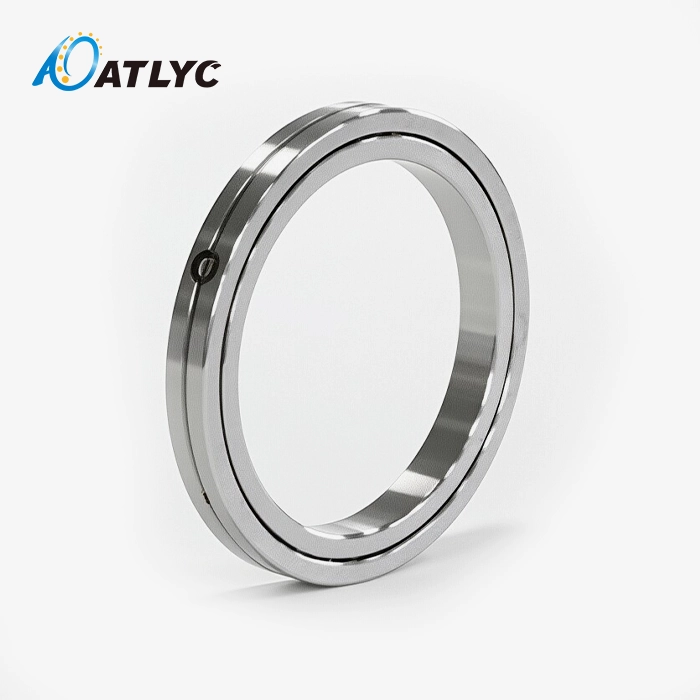
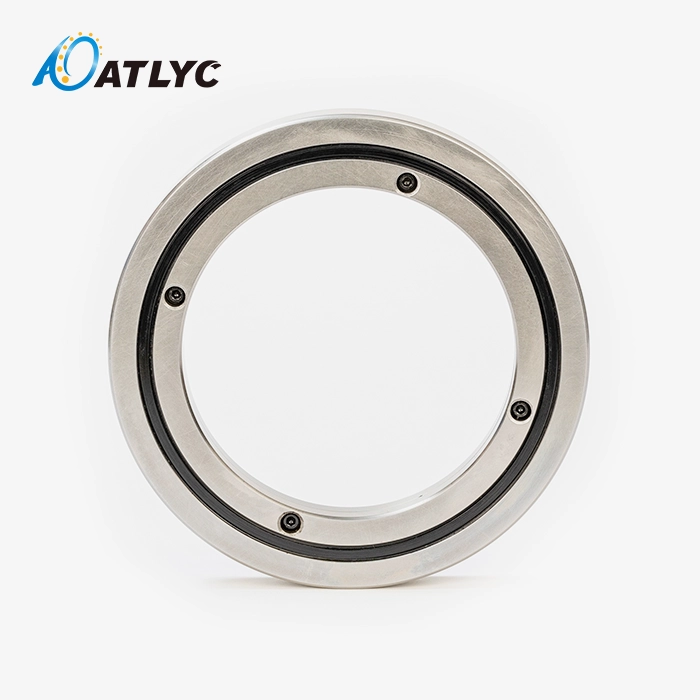
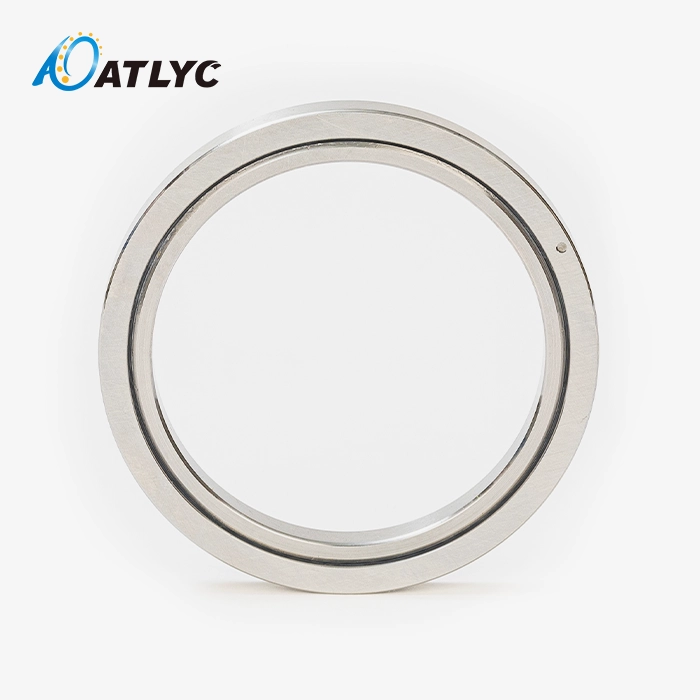
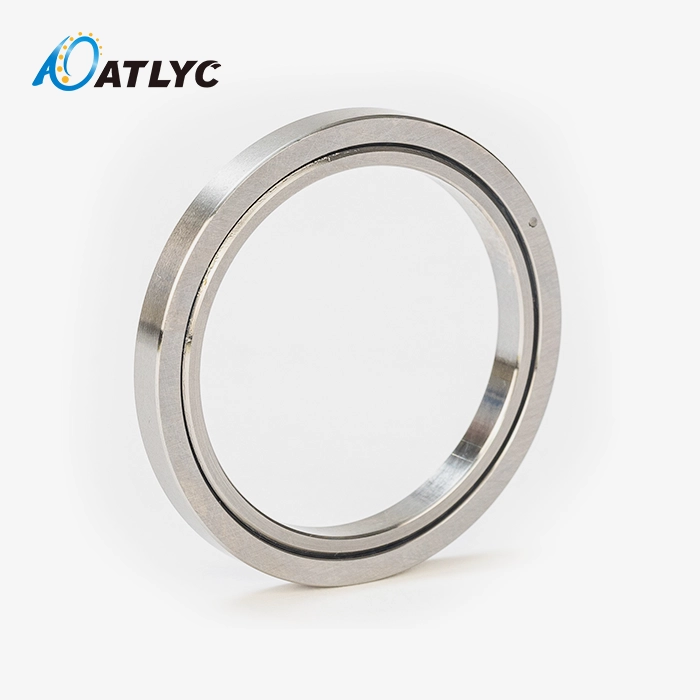
When you need reliable precision and load-handling capability in demanding industrial environments, Angular Contact Bearings 7206AC deliver exactly what your equipment demands. These single-row ball bearings feature a 30mm bore diameter, 62mm outer diameter, and 16mm width configuration, specifically engineered with a 25° contact angle for optimal balance between radial and axial load capacity. The '7206AC' designation represents a proven design that addresses critical engineering challenges in high-speed applications, precision machinery, and demanding industrial environments where standard deep groove bearings fall short. Manufactured from heat-treated GCr15 bearing steel and available in P5, P4, or P2 precision grades, these bearings provide the consistent quality and long service life that mid-to-large manufacturers require for their operations.

Understanding Angular Contact Bearing 7206AC: Specifications, Function, and Benefits
The engineering excellence of angular contact bearings 7206AC lies in their specialised raceway geometry, which sets them apart from conventional bearing designs. Unlike ordinary deep groove bearings, the inner and outer ring raceways are axially displaced, creating the characteristic contact point that defines their performance capabilities.
Core Design Features and Working Principle
An engineering compromise between load capacity and speed capabilities was the 25° contact angle. This angle offers greater high-speed performance than 40° designs and is more effective at handling axial loads than 15° variations. By distributing loads across optimised contact circles, the contact design maximises bearing life under real-world operating conditions and reduces stress concentrations. Build quality and dimensional stability under stress are guaranteed by the use of heat-treated GCr15 steel. The precision grinding process achieves tolerances that are essential for vibration-free operation and the correct application of preload in matched configurations. These bearings are ideal for applications with limited space because their small dimensions—30mm ID, 62mm OD, and 16mm width—do not sacrifice performance.
High rotational precision and simultaneous support of coupled loads are both made possible by the raceway design. By controlling the load route that is formed by the contact angle during rotation, forces can be transferred from the rolling parts to the housing structure in an efficient manner, with little deflection and alignment issues.
Performance Advantages in Real Applications
In a wide variety of industrial settings, angular contact ball bearings 7206AC provide noticeable advantages. The controlled temperature buildup during revolution made possible by the 25° contact angle allows important gears to operate at sustained high speeds without the precision concerns caused by thermal expansion. These bearings, when used in preloaded pairs, offer superior rigidity against deflection caused by cutting forces, allowing for the preservation of machining accuracy and surface finish quality throughout production processes. Many applications can be accomplished without the requirement for separate thrust bearing arrangements thanks to the balanced contact angle, which handles both radial loads from unbalanced rotors and axial loads from thrust forces.
These bearings, which are made to P5, P4, or P2 tolerance standards, keep their precision all the way through their service life, guaranteeing that equipment will always work as expected. Depending on the working speeds and climatic circumstances, the cage materials (bakelite or nylon) are chosen to provide consistent ball separation and lower friction in all temperature ranges.
Primary Application Environments
Compact solutions that don't skimp on performance are a must in tiny electric motors, and that's precisely where the 7206AC bearing shines. To manage the complicated force vectors produced by meshing gears under load, gear reducers rely on the bearing's combined load handling capabilities. The bearing's precision features help printing machinery's small gearbox components keep the registration accuracy that's essential for high-quality prints. The reliability of these bearings has a direct impact on the uptime of production, making them ideal for use in pump assemblies, fan units, and conveyor systems. When used in gearbox components and auxiliary drives, they help the automotive industry cut weight and increase efficiency, which gives them a competitive edge.
Comparing 7206AC Angular Contact Bearing with Alternative Models and Types
Understanding how angular contact bearings 7206AC compare to alternative models helps procurement professionals make informed decisions tailored to their operational needs. The bearing selection process requires evaluating dimensional compatibility, load requirements, and application-specific demands.
Model Comparisons: 7205AC vs. 7206AC vs. 7207AC
The 7205AC bearing is better suited for smaller shaft diameters but has lower load ratings due to its 25mm bore diameter rather than the 7206AC's 30mm bore. Although it takes up more room to mount, the 7207AC's greater load capacity comes with a 35mm bore. Applications requiring moderate load capacity in compact envelopes achieve a good balance with the 7206AC, which occupies the middle ground. The "AC" suffix indicates that all three types have a 25° contact angle, which means that they distribute loads similarly. By following the dimensional evolution, designers may keep mounting procedures constant across product lines and scale bearing selection appropriately with shaft sizing.
Angular Contact vs. Deep Groove Ball Bearings
Compared to angular contact types, deep groove ball bearings are easier to mount and are more forgiving of misalignment. When thrust forces are applied, though, their axial load capacity is no match for that of angular contact bearings 7206AC. An angular contact bearing is the best option for a precision spindle because of its exceptional stiffness under preload, which is a result of its specially designed raceway geometry. For general-purpose applications that mostly involve radial loads, deep groove bearings are a good, inexpensive option. When combined loading circumstances overwhelm deep groove designs, when high-speed capability is required, or when accurate axial positioning is required, the increased cost of angular contact bearings becomes justified.
Single Row vs. Matched Pair Configurations
Applications with consistent thrust direction are ideal for the 7206AC single angular contact ball bearings, which can withstand unidirectional axial stresses. Whether they are DB (back-to-back), DF (face-to-face), or DT (tandem), matched pairs allow for bidirectional thrust and, by applying preload, greater stiffness. Machine tool spindles that require precise control over deflection are best suited to DB designs, which provide the highest level of rigidity. Applications with overhung loads benefit from DF setups because of the increased resistance to moment loads. DT mounting is ideal for situations that demand a lot of unidirectional thrust since it doubles the axial load capacity in one direction.
Procurement Insights: How to Source and Purchase 7206AC Angular Contact Bearings
Effective sourcing strategies for angular contact bearings 7206AC require understanding supplier capabilities, quality assurance practices, and supply chain considerations that impact long-term operational reliability.
Evaluating Supplier Quality and Certification
Manufacturing methods that meet international quality standards, such as ISO 9001 and IATF 16949, give a solid foundation of confidence. The fact that ATLYC has kept these certifications since its founding in 2010 shows that all six of its manufacturing workshops adhere to the same high standards of quality. To guarantee dimensional stability under working conditions, suppliers of GCr15 bearing steel should offer comprehensive material certificates that include the heat treatment processes and hardness values. Because of the direct effect on bearing performance and interchangeability, you must obtain dimensional inspection reports verifying conformity with designated tolerance classes (P5, P4, or P2). Vibration testing data that shows conformity with Z3 or V3 requirements can predict manufacturing quality and operational noise levels in assembled equipment.
Bulk Ordering and Lead Time Management
Committing to a larger order usually results in a better price and guarantees a steady supply for production schedules. We minimise inventory carrying costs while retaining production flexibility with our normal delivery time of seven working days. This promotes responsive supply chain management. Suppliers' minimum order numbers differ, but in general, you may expect lower per-unit pricing as your volume increases. Achieving a balance between inventory investment and supply security can be achieved by establishing blanket purchase orders with planned releases. This method allows for changes in demand to occur without affecting supply, which in turn protects prices. Provide suppliers with quarterly demand forecasts to facilitate capacity planning that increases efficiency for all parties involved.
OEM Support and Customisation Capabilities
Suppliers that provide customisation services are great for applications with specific needs. When it comes to unique cage materials, speciality greases, or precision grades, ATLYC is pleased to lend an engineering hand to OEM relationships. Throughout the entire lifespan of a product, our 120 talented workers in production, R&D, and quality inspection are always there to lend a hand. When general-purpose catalogue bearings fail to meet the performance requirements, contamination levels, or temperature ranges of a certain application, the ability to customise these bearings becomes crucial. During qualification, make sure the supplier can meet your present and future product development demands by assessing their engineering resources and prototyping skills.
Maintenance Tips and Best Practices to Maximise 7206AC Angular Contact Bearing Performance
Proper maintenance practices directly influence the operational life and reliability of angular contact bearings 7206AC in precision industrial systems. Implementing structured inspection protocols and handling procedures prevents premature failures and maximises return on investment.
Routine Inspection and Monitoring Protocols
Schedule regular vibration analysis using accelerometers to detect bearing condition changes before catastrophic failure occurs. Increasing vibration amplitudes in specific frequency bands indicate developing wear patterns, allowing planned maintenance rather than emergency repairs. Temperature monitoring identifies lubrication breakdown or preload issues that increase friction and accelerate degradation. Visual inspections during scheduled maintenance windows should examine seal integrity, mounting surfaces, and external bearing surfaces for contamination or corrosion. Document baseline measurements during installation to establish reference points for condition trending over the bearing's service life.
Lubrication Methods and Handling Procedures
Proper lubrication preserves bearing integrity throughout installation and operation, supporting sustained reliability in demanding environments. Select grease formulations matching operating temperatures and speed parameters, avoiding over-lubrication that increases churning losses and operating temperatures. Relubrication intervals depend on operating conditions but typically range from 500 to 2000 hours for continuous operation. Handle bearings with clean, lint-free gloves to prevent contamination from skin oils and moisture. Store bearings in their original packaging in climate-controlled environments until installation. During mounting, apply proper preload values according to manufacturer specifications—excessive preload reduces life while insufficient preload allows detrimental internal movement.
Troubleshooting Common Performance Issues
Unusual vibration patterns often indicate misalignment between shaft and housing bores. Verify mounting tolerances and concentricity using dial indicators before assuming bearing defects. Overheating beyond normal operating temperatures suggests inadequate lubrication, excessive preload, or contamination introducing abrasive particles into the raceway contact zones. Noise increases during operation may result from brinelling damage caused by impact loads during handling or installation. Inspect mounting fillet radii and shaft shoulders for burrs that prevent proper bearing seating. Address contamination sources through improved sealing or environmental controls rather than simply replacing failed bearings without correcting root causes.
Choosing the Right Angular Contact Bearing for Precision Industrial Systems: A Decision Support Framework
Selecting the optimal bearing configuration requires systematic evaluation of operational requirements, performance metrics, and supplier support capabilities that ensure long-term reliability and value.
Assessing Load Types and Speed Requirements
Calculate combined radial and axial loads using actual operating data rather than nameplate values. The 25° contact angle of angular contact bearings 7206AC efficiently handles axial loads up to approximately 50% of the radial load rating. Applications exceeding this ratio may benefit from steeper contact angles or tandem mounting arrangements. Speed limitations depend on bearing size, lubrication method, and precision class. The compact dimensions and balanced geometry of the 7206AC bearing support high-speed applications when properly lubricated and mounted. Confirm that operating speeds remain within catalogue ratings with appropriate safety factors for application criticality.
Evaluating Precision Grades and Tolerance Classes
The P5 precision grade serves general industrial applications requiring good running accuracy at moderate speeds. P4 grade delivers tighter tolerances suitable for precision machinery and higher-speed applications where runout control is critical. P2 represents the highest standard precision grade for ultra-precision applications, such as measuring instruments and specialised machine tools. Higher precision grades cost more but provide clear benefits in applications where accuracy directly affects product quality or process capability. Match precision grade selection to actual application requirements rather than specifying excessive precision that increases costs without corresponding benefits.
Industry-Specific Selection Criteria
Automotive component manufacturers prioritise bearings meeting IATF 16949 quality standards with statistical process control documentation supporting production part approval processes. Industrial machinery applications emphasise long service life and consistent performance across wide temperature ranges and variable loading conditions. The printing machinery sector requires bearings maintaining tight tolerances throughout extended production runs to preserve registration accuracy. Small electric motor applications balance cost constraints against reliability requirements, favouring bearings with proven track records in similar duty cycles and environmental conditions.

Conclusion
Angular contact bearings, 7206AC, represent a proven solution for precision industrial systems requiring reliable performance under combined loading conditions. The 25° contact angle, GCr15 steel construction, and availability in multiple precision grades provide design flexibility across diverse applications. Whether mounted individually or in preloaded configurations, these bearings deliver the rigidity, speed capability, and operational life that demanding applications require. Proper supplier selection, maintenance practices, and application-specific configuration choices ensure optimal performance throughout the bearing's service life, supporting production efficiency and equipment reliability.
FAQ
What material composition ensures long service life?
Angular contact bearings 7206AC are manufactured from GCr15 bearing steel, which contains approximately 1% carbon and 1.5% chromium. This alloy composition provides excellent hardness retention, wear resistance, and dimensional stability under operating loads and temperatures. Heat treatment processes achieve surface hardness of HRC 60-64, ensuring extended fatigue life in demanding applications.
Can 7206AC bearings interchange with other manufacturers' products?
Bearings conforming to ISO 15 dimensional standards maintain interchangeability across manufacturers when bore, outer diameter, and width dimensions match. However, precision grades, internal clearances, and cage designs may vary between manufacturers. Verify these specifications when substituting bearings to ensure performance equivalence in critical applications.
What delivery timelines should procurement teams expect?
ATLYC maintains an inventory of standard 7206AC configurations with a seven-working-day delivery time for most orders. Custom specifications requiring special cage materials, precision grades, or lubrication may extend lead times to two to three weeks depending on order volume and complexity. Early communication of forecasted requirements helps optimise delivery schedules.
Partner with ATLYC for Reliable Angular Contact Bearings 7206AC Supply
ATLYC has served global manufacturers since 2010, growing from a single workshop to six specialised production facilities employing 120 skilled professionals dedicated to precision bearing manufacturing. Our ISO 9001 and IATF 16949 certifications demonstrate our commitment to international quality standards, while our established presence in the United States, Germany, South Korea, and other demanding markets proves our reliability as an angular contact bearing 7206AC supplier.
Contact our technical team at auto@lyautobearing.com to discuss your specific application requirements, request detailed technical documentation, or obtain volume pricing for your procurement needs. We offer comprehensive OEM support with customisation capabilities that adapt our products to your exact specifications. With competitive pricing, seven-day delivery on standard configurations, and engineering support throughout the product lifecycle, ATLYC provides the dependable partnership your operations require. Reach out today to discover how our precision-manufactured bearings can enhance your equipment performance and operational reliability.
References
1. Harris, T.A. & Kotzalas, M.N. (2006). Advanced Concepts of Bearing Technology: Rolling Bearing Analysis, Fifth Edition. CRC Press, Taylor & Francis Group.
2. ISO 492:2014. Rolling bearings — Radial bearings — Geometrical product specifications (GPS) and tolerance values. International Organisation for Standardisation.
3. Warda, B. & Chudzik, A. (2020). Effect of ring misalignment on the fatigue life of the radial cylindrical roller bearing. International Journal of Mechanical Sciences, 185, Article 105881.
4. SKF Group. (2018). Rolling Bearings Catalogue: Performance and Operating Data for Rolling Bearings. SKF Group Technical Publications.
5. Tong, V.C. & Hong, S.W. (2016). Characteristics of tapered roller bearings subjected to combined radial and moment loads. International Journal of Precision Engineering and Manufacturing, 17(12), 1569-1575.
6. NSK Ltd. (2019). Technical Report: Angular Contact Ball Bearings for Machine Tool Spindles—Design Considerations and Application Guidelines. NSK Motion & Control Technical Journal, 26(1), 12-28.
Learn about our latest products and discounts through SMS or email