- English
- French
- German
- Portuguese
- Spanish
- Russian
- Japanese
- Korean
- Arabic
- Greek
- German
- Turkish
- Italian
- Danish
- Romanian
- Indonesian
- Czech
- Afrikaans
- Swedish
- Polish
- Basque
- Catalan
- Esperanto
- Hindi
- Lao
- Albanian
- Amharic
- Armenian
- Azerbaijani
- Belarusian
- Bengali
- Bosnian
- Bulgarian
- Cebuano
- Chichewa
- Corsican
- Croatian
- Dutch
- Estonian
- Filipino
- Finnish
- Frisian
- Galician
- Georgian
- Gujarati
- Haitian
- Hausa
- Hawaiian
- Hebrew
- Hmong
- Hungarian
- Icelandic
- Igbo
- Javanese
- Kannada
- Kazakh
- Khmer
- Kurdish
- Kyrgyz
- Latin
- Latvian
- Lithuanian
- Luxembou..
- Macedonian
- Malagasy
- Malay
- Malayalam
- Maltese
- Maori
- Marathi
- Mongolian
- Burmese
- Nepali
- Norwegian
- Pashto
- Persian
- Punjabi
- Serbian
- Sesotho
- Sinhala
- Slovak
- Slovenian
- Somali
- Samoan
- Scots Gaelic
- Shona
- Sindhi
- Sundanese
- Swahili
- Tajik
- Tamil
- Telugu
- Thai
- Ukrainian
- Urdu
- Uzbek
- Vietnamese
- Welsh
- Xhosa
- Yiddish
- Yoruba
- Zulu
How Do Spherical Roller Thrust Bearings Handle Heavy Loads?
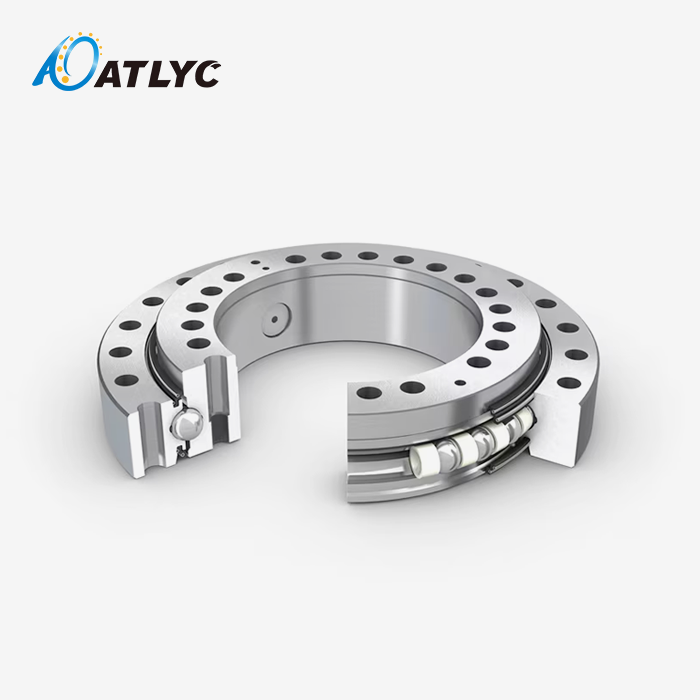
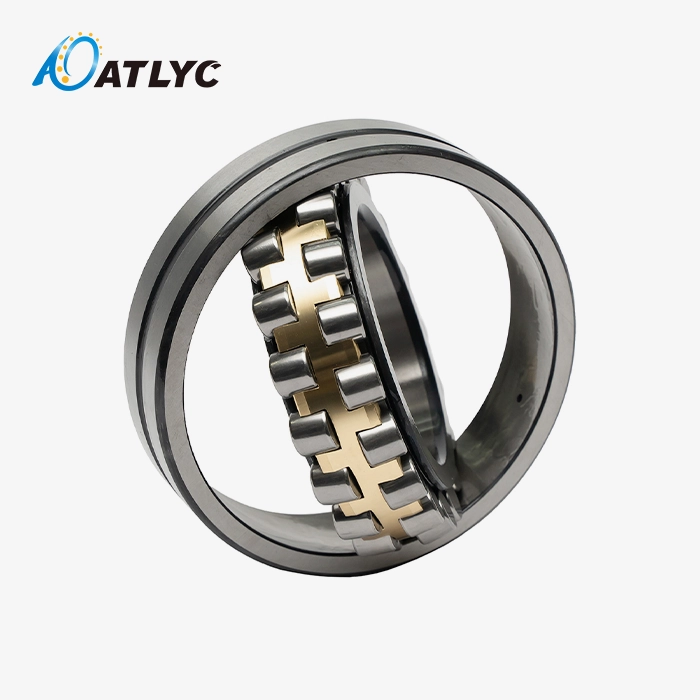
Because of their unique asymmetrical design, Spherical Roller Thrust Bearing which places barrel-shaped rollers between slanted raceways, Spherical Roller Thrust Bearings are excellent at handling big loads. Because the raceways are shaped like spheres, these special bearings can spread out huge axial forces over their whole roller contact surface while also being able to handle displacement of up to 3 degrees. These two features keep stress concentrations from happening, which is what would normally kill regular thrust bearings. This is why Spherical Roller Thrust Bearings are so important for businesses that need solid, heavy-duty performance in tough working conditions.

Understanding Spherical Roller Thrust Bearings and Their Design
Core Structure and Working Principle
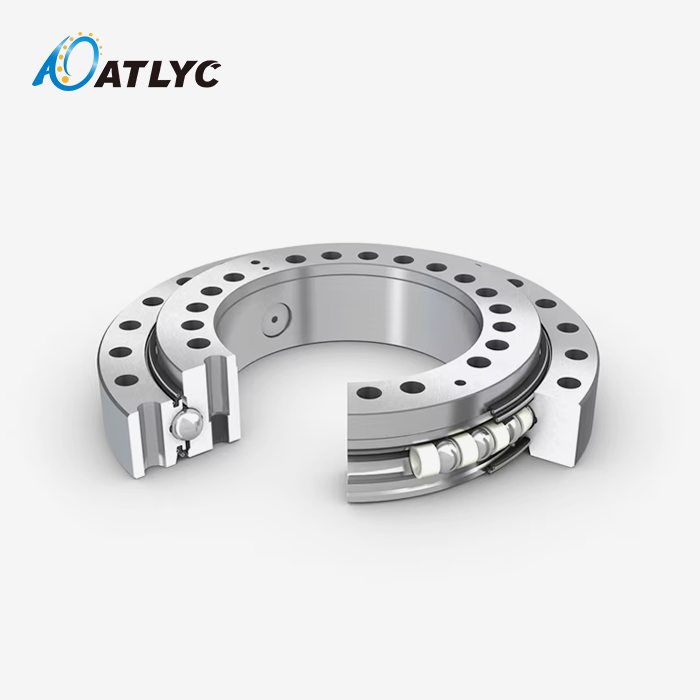
The complex design inside these thrust bearings makes them great examples of engineering. Standard thrust bearings depend on point contact. The barrel-shaped rollers, on the other hand, make line contact along their full length, which greatly increases the load-bearing surface area. The housing washer has a circular raceway surface that works well with the flat shaft washer shape. This makes the self-aligning process that sets these parts apart from rigid bearing designs. The uneven shape of the rollers is useful for more than just spreading the load. Even when the shaft bends, each roller keeps its optimal contact angle. This makes sure that the bearing works the same way throughout its working area. In heavy industrial settings, this design principle solves a major problem where shafts bending under heavy loads would lead to edge loading and early failure in regular bearings.
Material Specifications and Manufacturing Standards
Precision in manufacturing has a direct effect on how well bearings work when they are under a lot of load. For normal uses, the inner and outer rings are made of GCr15 bearing steel. For heavier loads, they are made of 42CrMo steel, which makes them last longer. As long as the rollers are made of GCr15 bearing steel, they will have the right amount of toughness and wear protection. Stamped steel and brass are both common cage materials. Brass cages are better for uses with higher stress levels. There are different practical needs for precision grades running from P0 to P4. The P0 grade is good for basic industrial uses, and the P4 precise grade is best for harsh conditions that need very little runout and perfect dimension accuracy. Inner diameters range from 20 mm to 1000 mm, outer diameters from 47 mm to 2000 mm, and widths range from 16 mm to 300 mm. This size range is large enough to meet almost all industry needs.
Self-Aligning Capabilities and Design Features
The spherical raceway design can make up for installation flaws and operating misalignment that are common in big machinery. This ability to self-align is especially useful in situations where it's still hard to get the shaft perfectly lined up because of things like thermal expansion, base settlement, or mounting errors. The bearing, naturally, Spherical Roller Thrust Bearing responds to these changes so that the load is spread out evenly and there aren't any areas of high stress.
How Spherical Roller Thrust Bearings Work Under Heavy Loads
Load Distribution Mechanics
Managing heavy loads relies on how well the bearing can spread forces across many contact points. The slanted shape of the raceway makes the best contact angles, which increase the load-bearing area while reducing rolling friction. Each roller takes a relative share of the total load. This keeps each part from being under too much stress, which would cause it to wear out too quickly. The way the wheels and raceways touch each other creates a hydraulic lubrication film that keeps metal surfaces from touching, even when there is a lot of pressure on them. This lubrication system lowers friction coefficients, which lets the bearing work faster than similar cylindrical roller thrust bearings while still carrying the same amount of weight.
Operational Performance Under Extreme Conditions
Performance under big loads depends on many things, such as how well the material lubricates, how well it handles heat, and how resistant it is to wear. The separate form of the bearing makes maintenance easier by letting the shaft and housing washers be mounted separately. This cuts down on downtime during service. The cage design keeps the rollers spaced correctly, even when the bearing is exposed to shock loads or shaking. This makes sure that the bearing works well for a long time. When figuring out load capacity, you have to take into account both steady and moving loads. When it comes to loads, static load ratings tell you the most that can be put on something without permanently deforming it, while dynamic load ratings tell you how fast it can be used and how long it should last under repeated loading. These figures are very important for procurement workers who are figuring out which bearings will work best in certain situations.
Service Life and Maintenance Considerations
The expected service life relies on things like the load, the speed, the quality of the lubrication, and the climate. In industrial settings, bearings that are well taken care of and work within their design parameters usually last longer than 20,000 hours of use. Monitoring oil levels and analyzing vibrations on a regular basis can help you plan maintenance and avoid problems that come up out of the blue.
Comparing Spherical Roller Thrust Bearings with Other Bearings for Heavy Loads
Performance Comparison with Alternative Bearing Types
When looking at bearings for heavy-duty uses, Spherical Roller Thrust Bearings are clearly better than cylindrical roller bearings, ball bearings, and angular contact bearings. Although cylindrical roller thrust bearings can hold more weight, they can't self-align, so they can't be used in situations where the shaft isn't lined up correctly. Even though ball bearings have less friction, they can't handle the loads that are needed for big industrial uses. Angular contact ball bearings can handle mixed loads well, but they need to be mounted correctly and can't handle the same amounts of misalignment that spherical roller thrust bearings can. When choosing the best bearing options, the trade-off analysis needs to take into account the load capacity, speed limits, mounting complexity, and upkeep needs.
Lubrication Requirements and Options
The type of lubrication Spherical Roller Thrust Bearing has has a big effect on how well bearings work when they are loaded with heavy things. Grease is easy to use and protects against contamination, but it may limit the speed that can be reached and needs to be serviced more often. Oil lubrication lets things move faster and get rid of heat better, but it needs systems for sealing and supplying oil. Choosing between lubrication methods relies on things like speed, load, weather, and how easy it is to do upkeep. In heavy-load situations, oil greasing systems can help because they keep things cool and clean, which extends the life of bearings and lowers the number of times they need to be serviced.
Cost-Performance Analysis
When you add up the costs of installation, upkeep, and repair, the initial cost of the bearings is only a small part of the total cost over their lifetime. Spherical Roller Thrust Bearings generally cost more up front than simpler bearing types, but they are worth it because they last longer, require less upkeep, and are more reliable in use. When comparing bearing choices, the cost-performance analysis must take into account the costs of downtime, maintenance work, and how often the bearings need to be replaced. When there is a lot of money at stake, it's usually worth it to choose premium bearings that are more reliable and last longer between repair times.
Applications and Advantages of Spherical Roller Thrust Bearings in Heavy Industry
Marine Propulsion Systems
In marine uses, bearings have to deal with huge axial loads that come from the engine thrust and hull bending and shaft misalignment that happen when the craft moves. The ability to self-align keeps the bearings from locking and wearing out too quickly, which can happen with hard bearing designs. Because they are reliable and can't be easily replaced, these bearings are the best choice for naval power systems that are used in salt water.
Mining and Construction Equipment
Miners put a lot of stress on bearings by using them under heavy loads, contaminated conditions, and shock loads. Strong construction and self-aligning features make jaw crushers, conveyor systems, and big earthmoving tools work reliably. It is very helpful to be able to handle mounting movement when building a welded frame, where accurate alignment is still hard to get and keep up.
Wind Energy Applications
Due to tower bending and base movement, wind turbine main shafts have to deal with changing loads and alignment problems. The bearing is perfect for these uses because it can handle both thrust and rotational loads and can also work with misalignment. To keep repair costs low and power output uptime high, remote installation sites need to be very reliable.
Industrial Advantages and Benefits
The main benefits of using these bearings in big industrial settings are that they require less upkeep, last longer in tough conditions, and don't get contaminated by the environment. The design that makes it easy to separate parts makes installation and upkeep easier, which cuts down on labor costs and downtime. Self-aligning features get rid of the need for exact fitting standards, which makes installation easier and cheaper.
Procurement Considerations for Heavy Load Spherical Roller Thrust Bearings
Supplier Selection and Quality Certification
To choose reliable suppliers, you need to look at their production skills, quality certifications, and expert help resources. Getting ISO 9001 and IATF 16949 certifications shows that you are dedicated to quality management systems and the standards set by the car business. Some things that show how much a factory can make are its production rate, its precision equipment, Spherical Roller Thrust Bearing, and the quality control methods that make sure the quality of its products stays the same. Supplier dependability includes how well they deliver, how quickly they help with technology issues, and how stable their supply is over the long run. For consistent delivery plans across various markets, global supply lines need sellers with experience doing business in other countries and well-established logistics networks.
Technical Specification and Customization Options
Standard designs may need to be changed to fit custom bearing requirements, which could mean using different materials, grades, or sizes. Customization choices that are often used include tapered bore shapes for fitting on tapered shafts, special cage materials for certain environments, and changed clearances to allow for thermal expansion. Operational factors like load size, speed needs, environmental conditions, and expected service life should be included in good purchase specs. With detailed specs, providers can suggest the best bearing configurations and avoid over-specification, which raises costs without improving operations.
Pricing Trends and Procurement Strategies
The market is stable right now, with prices staying the same for basic setups and going up for customized solutions and high-precision grades. By buying in bulk, you can save money on costs through volume discounts and make sure you have enough inventory for upkeep needs. With long-term supply deals, prices stay stable and essential applications are always available.
Conclusion
Heavy load control with Spherical Roller Thrust Bearings has been shown to work in demanding industry settings where performance must be reliable even in harsh circumstances. The high load capacity, self-aligning features, and strong construction all work together to solve important design problems in heavy machinery while providing long service life and operating dependability. When industrial buyers know about the technical benefits, application needs, and buying factors, they can make smart choices that improve performance and lower costs over the product's lifetime for their specific uses.
FAQ
1. What makes spherical roller thrust bearings superior for heavy load applications?
The uneven layout with barrel-shaped rollers makes line contact along the entire length of the roller, spreading loads equally and stopping stress clusters. Because they can self-align, these bearings can handle up to 3 degrees of misalignment while still distributing loads evenly. This makes them perfect for situations where conventional thrust bearings would fail because of shaft movement or fitting limits.
2. How do I determine the correct size and specification for my application?
The diameter of the shaft, the amount of load, the speed needed, and the amount of room available for fitting all affect the size choice. The range includes inner sizes from 20 mm to 1000 mm, along with the outer diameter and width measurements that go with them. When choosing precision grades and cage materials, you should think about operating factors like axial load, radial load, rotational speed, and the surroundings.
3. What maintenance practices maximize bearing service life under heavy loads?
Regularly checking for and replacing oil as directed by the maker stops wear before it's due. Vibration analysis finds early signs of damage before a major failure happens. The bearing will work at its best for as long as it is used if it is installed correctly and the fastening torques are checked and adjusted as needed.
Partner with ATLYC for Premium Spherical Roller Thrust Bearing Solutions
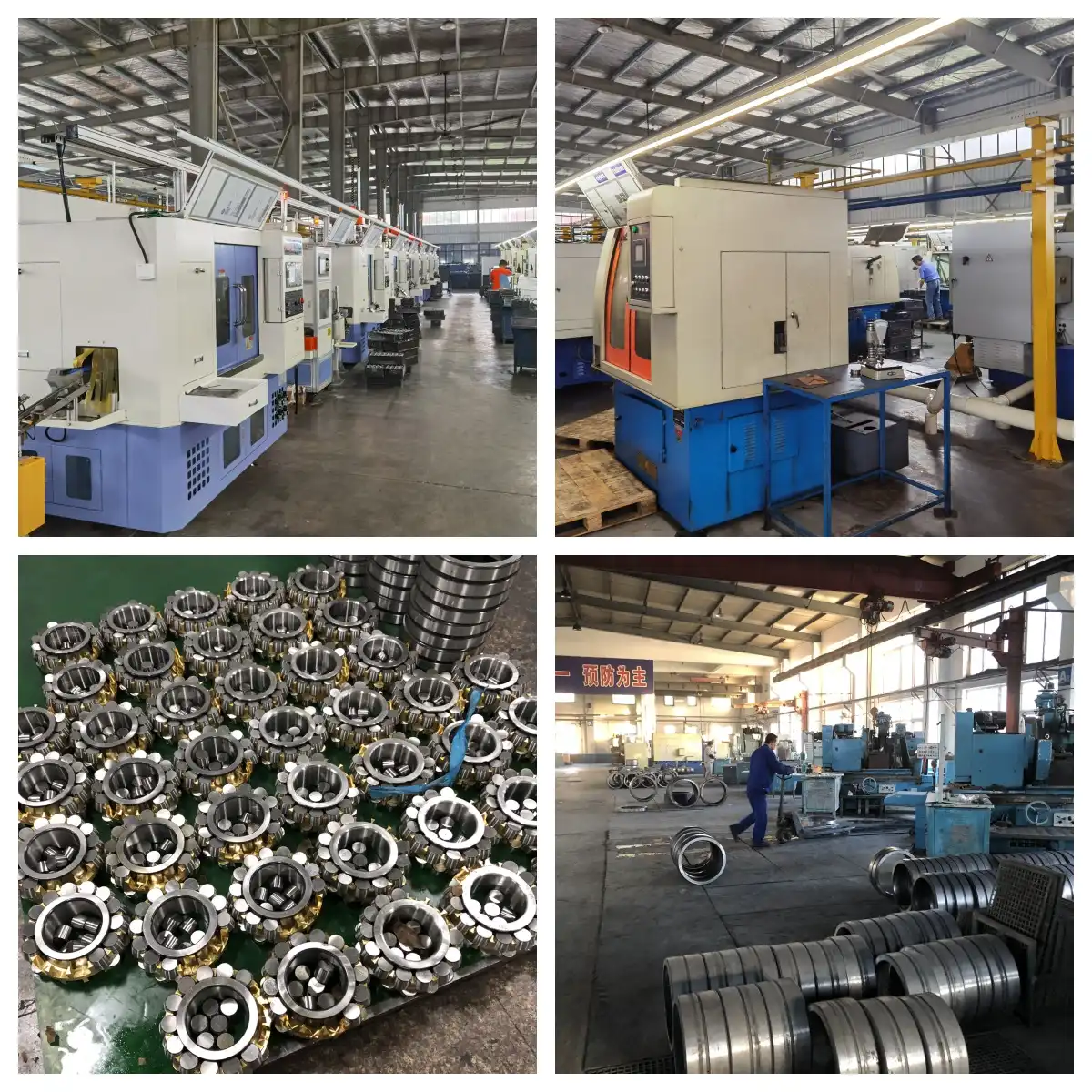
ATLYC is a reliable company that makes spherical roller thrust bearings. They offer precision parts that Spherical Roller Thrust Bearings are ISO 9001 and IATF 16949 approved, and can handle the tough needs of heavy industrial uses. Our 15 years of experience in manufacturing, which includes six specialized production workshops and 120 skilled workers, guarantees that your vital operations will always get the quality and quantity they need. Whether you need standard configurations or unique specs, ATLYC's comprehensive manufacturing capabilities and global supply experience across South Korea, the US, Germany, Russia, Iran, and Turkey position us as your ideal long-term partner. Please email our technical team at auto@lyautobearing.com to talk about your unique needs and find out how our precision-engineered bearing solutions can improve the reliability and working efficiency of your equipment.
References
1. Harris, Tedric A. and Kotzalas, Michael N. "Advanced Concepts of Bearing Technology: Rolling Bearing Analysis, Fifth Edition." CRC Press, 2006.
2. Palmgren, Arvid. "Ball and Roller Bearing Engineering: Third Edition." SKF Industries Inc., 1959.
3. Hamrock, Bernard J., Schmid, Steven R., and Jacobson, Bo O. "Fundamentals of Fluid Film Lubrication: Second Edition." Marcel Dekker Inc., 2004.
4. ISO 281:2007. "Rolling bearings—Dynamic load ratings and rating life." International Organization for Standardization, 2007.
5. Tallian, Tibor E. "Failure Atlas for Hertz Contact Machine Elements: Second Edition." ASME Press, 1999.
6. Eschmann, Paul, Hasbargen, Ludwig, and Karl Weigand. "Ball and Roller Bearings: Theory, Design and Application." John Wiley & Sons, 1985.
Learn about our latest products and discounts through SMS or email