- English
- French
- German
- Portuguese
- Spanish
- Russian
- Japanese
- Korean
- Arabic
- Greek
- German
- Turkish
- Italian
- Danish
- Romanian
- Indonesian
- Czech
- Afrikaans
- Swedish
- Polish
- Basque
- Catalan
- Esperanto
- Hindi
- Lao
- Albanian
- Amharic
- Armenian
- Azerbaijani
- Belarusian
- Bengali
- Bosnian
- Bulgarian
- Cebuano
- Chichewa
- Corsican
- Croatian
- Dutch
- Estonian
- Filipino
- Finnish
- Frisian
- Galician
- Georgian
- Gujarati
- Haitian
- Hausa
- Hawaiian
- Hebrew
- Hmong
- Hungarian
- Icelandic
- Igbo
- Javanese
- Kannada
- Kazakh
- Khmer
- Kurdish
- Kyrgyz
- Latin
- Latvian
- Lithuanian
- Luxembou..
- Macedonian
- Malagasy
- Malay
- Malayalam
- Maltese
- Maori
- Marathi
- Mongolian
- Burmese
- Nepali
- Norwegian
- Pashto
- Persian
- Punjabi
- Serbian
- Sesotho
- Sinhala
- Slovak
- Slovenian
- Somali
- Samoan
- Scots Gaelic
- Shona
- Sindhi
- Sundanese
- Swahili
- Tajik
- Tamil
- Telugu
- Thai
- Ukrainian
- Urdu
- Uzbek
- Vietnamese
- Welsh
- Xhosa
- Yiddish
- Yoruba
- Zulu
RU Series Bearings: Integrated Design Advantages
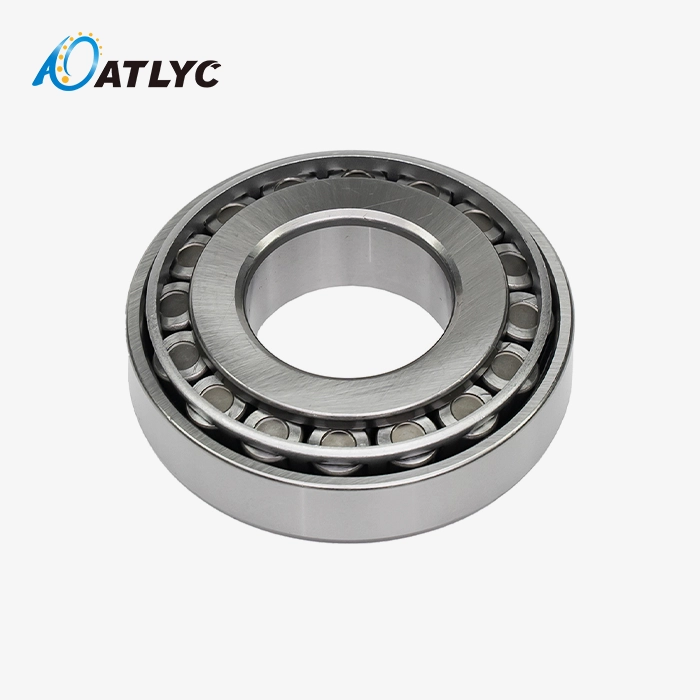
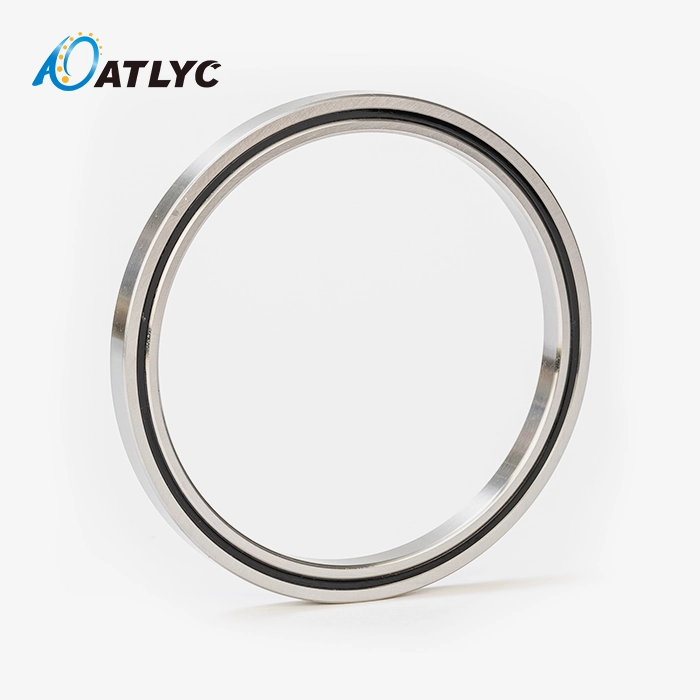
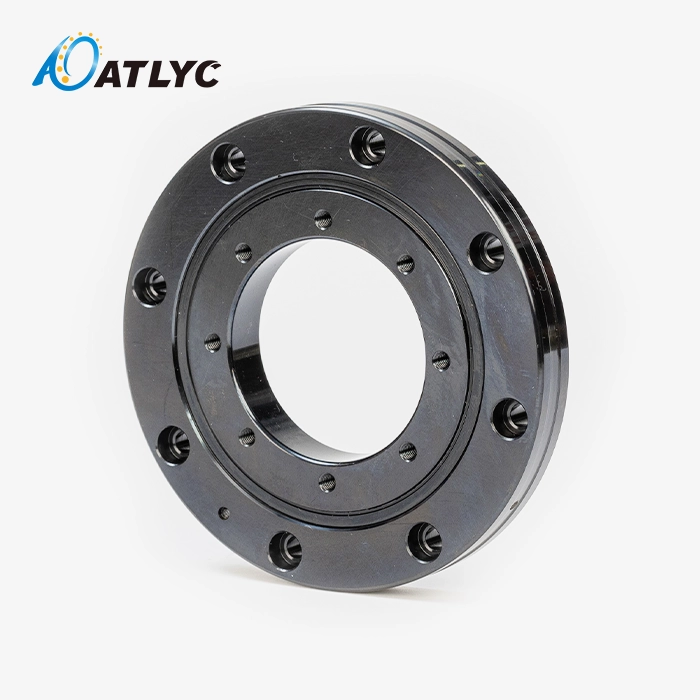
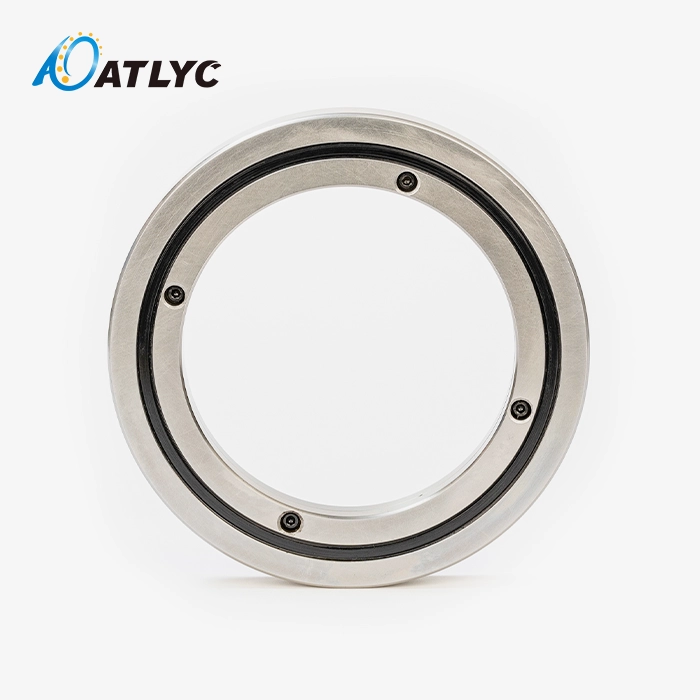
When room is limited and accurate manufacturing is needed, the RU Series Cross Roller Bearing provides engineered performance that business leaders trust. These special precision bearings have a ring structure that is built in and have mounting holes that make fitting easy and give the bearings great strength. The crossed-roller design is special because it can handle radial, axial, and moment loads all at the same time. This means that a single bearing unit can handle stresses that come from different directions. The integrated design mindset changes how companies make small, high-performance applications in the areas of robotics, automation, and precise machinery.

Understanding RU Series Cross Roller Bearings: Specifications and Features
Cross roller bearings are very advanced in terms of engineering because they can combine multiple bearing functions into a single, small unit. These precise parts are a big change from traditional bearing systems, which need several units to work at the same level of performance.
Technical Specifications and Dimensional Range
Cross roller bearing technology includes a wide range of sizes that can be used in a wide range of industrial settings. The sizes range from 20 mm for the inner diameter to 1100 mm for the outer diameter, 70 mm to 1500 mm for the width, and 12 mm to 110 mm for the thickness. This wide range of sizes makes assembly possible on all kinds of equipment, from small robotic joints to big industrial spinning tables. High-quality bearing steels, like Gcr15 and Gcr15SiMn alloys, are used in the makeup. These types of steel are very hard, don't wear down easily, and keep their shape even when used in different ways. The precise production method makes sure that the bearing structure has the same metallurgical qualities all the way through, which helps it last longer and work more reliably.
Orthogonal Roller Configuration and Load Distribution
This line of bearings is unique because it has cylindrical rollers set up in a 90-degree cross pattern between the inner and outer rings that are integrated. Standard bearing systems need more than one unit to handle complex pressure situations, which is very different from this setup. Each roller stays in a straight line with its neighbors, making a stable contact pattern across V-groove raceways. High-precision spacers separate each roller, keeping them from touching directly and making sure that the load is spread evenly throughout the bearing structure. This setup gets rid of the need to change the seed and keeps the play level at zero while the machine is running. Compared to regular bearing setups, this leads to better rotary accuracy and lower friction coefficients.
Precision Grades and Quality Standards
Precision in manufacturing follows standards that are known all over the world, such as the RU Series Cross Roller Bearing, and there are grades of accuracy that range from P6 to P3. These precision levels can be used for a wide range of tasks that need different levels of rotational accuracy, from everyday workplace tasks to very precise positioning systems. The varying precision options let you make a cost-effective choice based on your application needs without going into too much detail.
Integrated Design Advantages of RU Series Bearings
The integrated method to bearing design solves important problems in the industry, like how to make installations easier, make better use of space, and handle loads that are moving in more than one way. When buying, workers know about these benefits, and they can see how they apply to their own situations.
Simplified Installation and Mounting Efficiency
The built-in ring structure has fixing holes on both the inner and outer rings, so it can be attached directly to equipment surfaces without the need for extra housings or fittings. This way of designing cuts down on assembly time by a large amount and gets rid of the chance of math mistakes that come with installing multiple parts. Equipment makers gain from more efficient production and more consistent assembly.
Multi-Directional Load Capacity in Compact Design
To deal with complicated loading situations, traditional bearing systems often need different radial, thrust, and moment load bearings. The RU Series Cross Roller Bearing combines these functions into a single unit that can handle heavy loads in all three directions at the same time. This feature comes in handy, especially in robotic joints, where limited room makes it impossible to place multiple bearings. The crossed roller design spreads loads across many contact points, which makes the bearing stiffer and able to hold more weight. This way of thinking about design helps equipment makers get better performance while working with smaller spaces. This supports the overall trend toward smaller, more efficient machines.
Enhanced Rotational Accuracy and Performance
Because cross roller bearings have a low friction rate, they allow for smooth movement and use less energy in motorized uses. The precise production method guarantees high runout accuracy, which helps with tasks that need tight positional margins. These performance traits directly lead to more accurate tools and more efficient operations.
Comparing RU Series Bearings with Alternatives for Informed Decisions
When making choices about what to buy, it helps to know how cross roller bearings stack up against other bearing technologies. This research helps figure out what the value propositions are and whether the application is right for different situations.
Performance Comparison with Standard Ball and Roller Bearings
Standard ball bearings work great for high-speed tasks, but cross roller versions usually have better load capacity and stiffness. Because ball bearings only make point contact, they can't handle moment loads very well. In precision uses, this means that extra support bearings are often needed. Cross roller bearings have line contact, which makes it easier to spread loads along the length of the roller. Normal roller bearings are good at supporting circular loads, but they need thrust bearings to support axial loads. Cross roller bearings' joint loading ability gets rid of this need for complexity, cutting down on the number of parts and installation steps needed. Costs are often cut by combining these businesses, even though each one has to pay more.
Advantages Over Competitor Cross Roller Products
This set of bearings is different from others that need separate fastening parts because the mounting holes are built in. This function makes the system more stable generally while making installation easier and reducing the number of possible error sources. The wide range of sizes can meet the needs of a wide range of applications without the need for special changes. Quality standards, such as ISO 9001 and IATF 16949 approval, show that the manufacturing process is controlled and consistent. These standards give users peace of mind when they need to use applications that require written quality systems and tracking. The different precise grade choices let you get the best cost-to-performance rates for a wide range of accuracy needs.
Application-Specific Performance Considerations
The small size and ability to hold loads in multiple directions of the RU Series Cross Roller Bearing make it useful for robotics applications, which need to make more complex joints in a limited amount of room. The high stiffness and precision are used in machine tools to improve the quality of the cut and the finish on the surface. Applications that work with medical tools use the smooth operation and precise placement features to keep patients safe and improve the accuracy of diagnoses.
Procurement Guide for RU Series Cross Roller Bearings
For buying plans to work, they need to know what suppliers can do, how to make sure quality, and how to handle logistics. This advice helps people make smart choices about what to buy and how to build relationships with suppliers.
Supplier Evaluation and Quality Assurance
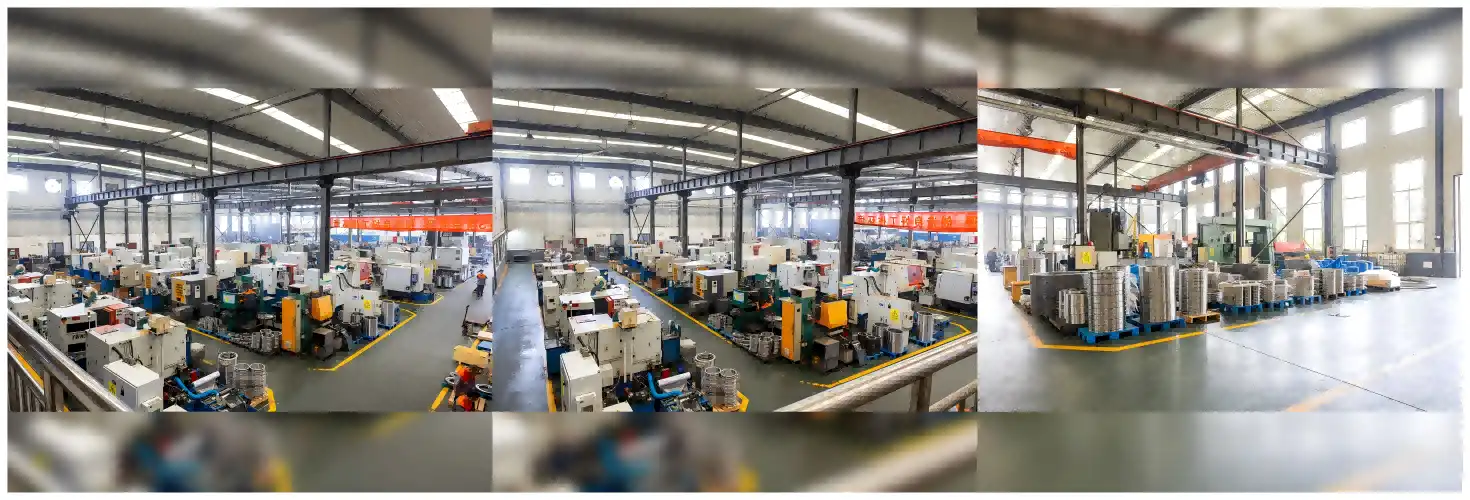
Luoyang Auto Bearing Co., Ltd. is a great example of how Chinese bearing-making has changed over the years. It went from having a single workshop in 2010 to having six workshops that serve customers all over the world. The company's growth over the past 15 years shows that it has consistently invested in expanding its capabilities and improving quality. At the moment, 120 skilled workers are employed in production, research and development, quality control, and assembly. The ISO 9001 and IATF 16949 certifications show that quality management systems work and that methods for ongoing growth are effective. These certifications give people who buy things trust in the skills and reliability of suppliers. Being present in foreign markets in South Korea, Germany, Russia, Iran, and Turkey shows that the company can sell goods and follow global standards.
Pricing Structures and Volume Considerations
When you buy more of something, you usually get better deals when you buy it in bulk. This lets you save money on big projects or efforts to standardize things. Minimum order amounts change based on bearing sizes and specifications, so the buying and engineering teams need to work together when developing specifications. Early involvement of suppliers helps improve designs so that they can be bought more cheaply while still meeting technical performance standards.
Logistics and After-Sales Support
With flexible delivery choices that work with project plans, international shipping helps with global procurement strategies. Full after-sales services include expert support, installation help, and upkeep suggestions to make sure the bearings work at their best for the whole time they are in use. These support services are especially helpful for complicated programs that need expert knowledge or help fixing problems.
How to Choose the Right RU Series Bearing for Your Application
For the best bearing choice, working factors, environmental conditions, and performance needs must be carefully considered. This organized method makes sure that the technical and financial best solutions are used for certain situations.
Load Analysis and Capacity Requirements
The first step in characterizing a load is figuring out its main directions and sizes during normal activity. Axial loads can come from gear movement or positioning forces, while radial loads are usually caused by gravity or belt stresses. Moment loads are often very important in suspension situations or when supporting things that are at an angle. Acceleration forces must be taken into account in dynamic load estimates when equipment is being used, especially in robotic uses where direction changes quickly. Safety factors should take into account how important it is for bearings to fail and how easy it is to do repairs on the whole piece of equipment. Conservative load estimates help make sure that the system will work reliably for as long as it's supposed to.
Environmental and Operating Conditions
Different temperature ranges have an effect on bearing materials RU Series Cross Roller Bearing and grease systems, so they need to be checked to make sure they will work in the situations they will be used in. There may be times when extra closing or protective steps are needed because of the risk of contamination from dust, water, or chemicals. Vibration conditions can shorten the life of bearings and may require extra care when choosing and installing them.
Precision Requirements and Cost Optimization
Precision grade selection strikes a mix between performance needs and cost concerns, avoiding over-specification while making sure the accuracy needed for the job. The RU Series Cross Roller Bearing has a range of precise choices that can be chosen based on the needs for positioning or rotational accuracy. More precise grades usually pay for themselves in situations where better accuracy leads to better product quality or more efficient operations. Options for customization give you choices for one-of-a-kind uses that need non-standard shapes or materials. Technical advice services help make the best choices for each application, and they might even find ways to save money or improve performance that weren't clear when the specifications were first made.
Conclusion
The RU Series Cross Roller Bearing is a high-tech engineering answer for tasks that need precise movement, a small size, and the ability to carry loads in more than one way. These bearings are great for robotic joints, machine tool rotary tables, and precision positioning systems because they have built-in fixing holes that make installation easier and increase system stiffness. The wide range of sizes, from 20 mm to 1100 mm inner diameter, makes them suitable for a wide range of industrial uses. The precision grades, from P6 to P3, allow for the best cost-performance ratios. With ISO 9001 and IATF 16949 certifications to back up their manufacturing skills, these bearings are reliable options for tough industrial uses around the world.
FAQ
1. What advantages do cross roller bearings offer over standard ball bearings?
Cross roller bearings can hold more weight in more than one way at the same time, so you don't need different thrust bearings. Line contact ball bearings are better at spreading loads than point contact ball bearings, which means they can handle more stiffness and moment loads. Compared to multi-bearing systems, the integrated mounting design makes installation easier and lowers the chance of geometric mistakes.
2. How do I verify supplier authenticity when sourcing these bearings?
Real sellers keep their ISO 9001 and IATF 16949 certifications up to date, which can be checked in the records of certification bodies. Ask for proof of your ability to manufacture, your quality control methods, and your international experience. Suppliers who have been around for a while usually give full technical paperwork, dimensional models, and performance specs for the goods they sell.
3. What maintenance practices maximize bearing lifespan?
Following the manufacturer's instructions for regular lubrication stops wear before it starts and keeps things running smoothly. Checking for pollution, strange noises, or vibrations on a regular basis can help find problems before they happen. Correct fitting methods and environmental safety have a big effect on the service life and dependability of bearings.
4. How do precision grades affect application performance?
Higher precision grades (P4, P3) have tighter limits and better rotational accuracy, which is important for tasks that need to be positioned precisely or move smoothly. In situations where middling accuracy is enough, lower precision grades (P6, P0) are more cost-effective. Performance and cost-effectiveness are both improved by matching the level of accuracy needed with the needs of the application.
Partner with ATLYC for Superior Cross Roller Bearing Solutions
ATLYC offers reliable RU Series Cross Roller Bearing options for your precise uses by combining 15 years of manufacturing experience with up-to-date production tools. Our complete quality control system, which is backed by ISO 9001 and IATF 16949 standards, makes sure that all of our products work the same way. As a reliable RU Series Cross Roller Bearing manufacturer, we provide expert help, the ability to make changes, and a range of shipping choices to meet your needs. Get in touch with our engineering team at auto@lyautobearing.com to talk about your application needs and find out how our combined bearing designs can improve the performance of your equipment while making installation easier and lowering running costs.
References
1. Harris, Tedric A., and Michael N. Kotzalas. "Essential Concepts of Bearing Technology." 5th Edition. CRC Press, 2020.
2. ISO 14728-1:2017. "Rolling bearings - Linear motion rolling bearings - Part 1: Dynamic load ratings and rating life." International Organization for Standardization, 2017.
3. Eschmann, Paul, Ludwig Hasbargen, and Karl Weigand. "Ball and Roller Bearings: Theory, Design and Application." 3rd Edition. John Wiley & Sons, 2019.
4. SKF Group. "Cross Roller Bearings: Design and Application Guidelines." SKF Technical Publication, 2021.
5. American Bearing Manufacturers Association. "Load Ratings and Fatigue Life for Ball and Roller Bearings." ABMA Standard 9-2018.
6. Palmgren, Arvid, and Gustav Lundberg. "Dynamic Capacity of Rolling Bearings." Journal of Applied Mechanics, Industrial Robotics Applications, Vol. 24, 2022.
Learn about our latest products and discounts through SMS or email