- English
- French
- German
- Portuguese
- Spanish
- Russian
- Japanese
- Korean
- Arabic
- Greek
- German
- Turkish
- Italian
- Danish
- Romanian
- Indonesian
- Czech
- Afrikaans
- Swedish
- Polish
- Basque
- Catalan
- Esperanto
- Hindi
- Lao
- Albanian
- Amharic
- Armenian
- Azerbaijani
- Belarusian
- Bengali
- Bosnian
- Bulgarian
- Cebuano
- Chichewa
- Corsican
- Croatian
- Dutch
- Estonian
- Filipino
- Finnish
- Frisian
- Galician
- Georgian
- Gujarati
- Haitian
- Hausa
- Hawaiian
- Hebrew
- Hmong
- Hungarian
- Icelandic
- Igbo
- Javanese
- Kannada
- Kazakh
- Khmer
- Kurdish
- Kyrgyz
- Latin
- Latvian
- Lithuanian
- Luxembou..
- Macedonian
- Malagasy
- Malay
- Malayalam
- Maltese
- Maori
- Marathi
- Mongolian
- Burmese
- Nepali
- Norwegian
- Pashto
- Persian
- Punjabi
- Serbian
- Sesotho
- Sinhala
- Slovak
- Slovenian
- Somali
- Samoan
- Scots Gaelic
- Shona
- Sindhi
- Sundanese
- Swahili
- Tajik
- Tamil
- Telugu
- Thai
- Ukrainian
- Urdu
- Uzbek
- Vietnamese
- Welsh
- Xhosa
- Yiddish
- Yoruba
- Zulu
Industrial Robot Bearings: How to Choose the Best Solution?
To pick the correct Industrial Robot Bearings, you need to carefully consider the load capacity, precision grades, resistance to external factors, and dependability of the provider. Robotic systems depend on bearings that work well with a wide range of operational conditions and offer accurate results with little backlash. Choosing between steel and ceramic as a material, choosing a bearing configuration (thin section or crossed roller types), and making sure it meets ISO 9001 and IATF 16949 standards all have a big effect on how well it works overall. The best solution matches technical specs with the needs of the application, finding a good balance between low cost and long-lasting durability to work with automated production environments.
Understanding Industrial Robot Bearings and Their Critical Role
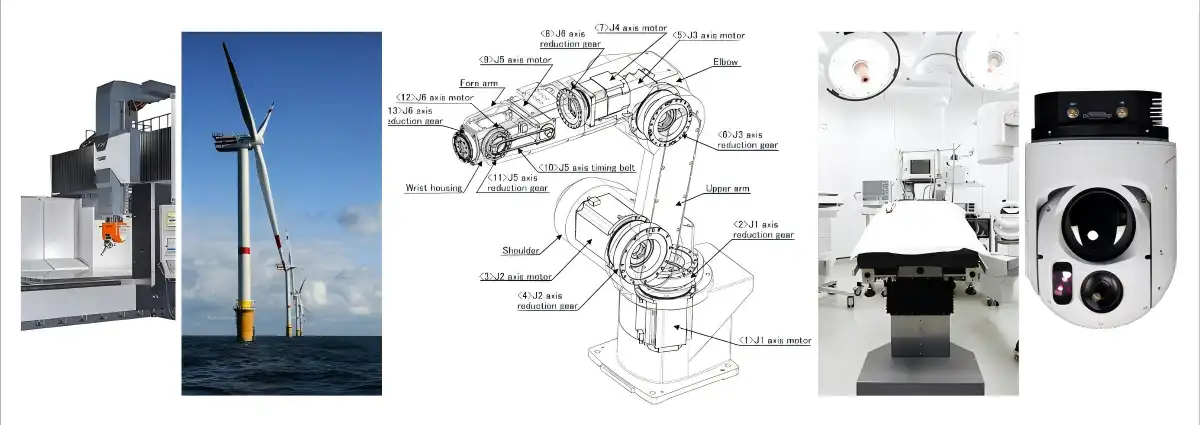
Robotic systems work with parts that are related to each other and need to move smoothly and predictably. The bearings that are put in these joints determine how well robots can turn motor commands into movement. Each type of bearing solves a different motion problem, such as maintaining rotational stability or allowing linear movement. These problems have a direct effect on production rates and maintenance schedules.
Essential Functions of Bearings in Robotic Applications
At key points of contact in robotic structures, bearings control friction. They spread mechanical loads across joint assemblies, which stops structures from deforming and wearing out too quickly. Precision engineering built into high-quality bearings reduces backlash, which is very important when robots have to do repetitive tasks that need to be accurate to within a few millimetres of their position. Vibration dampening makes sure that high-speed operations stay stable, especially when working with fragile parts or following complicated assembly steps.
Key Bearing Types for Robotic Systems
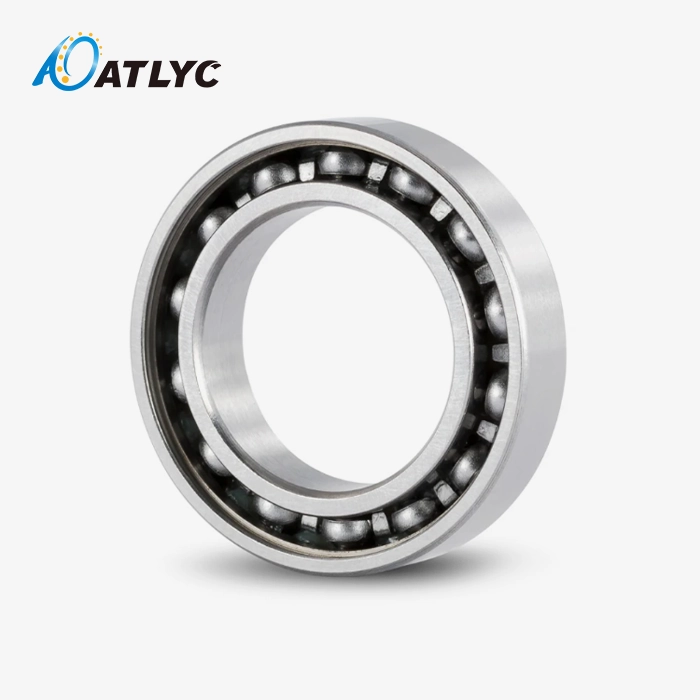
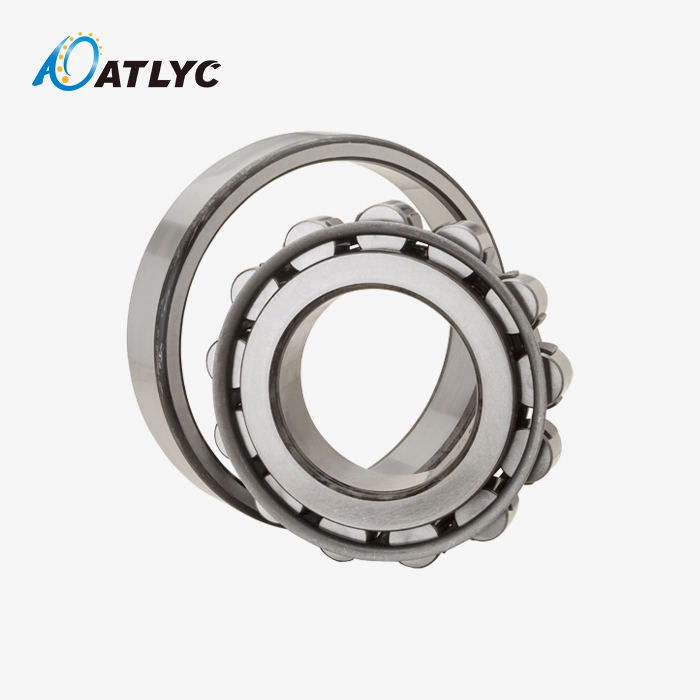
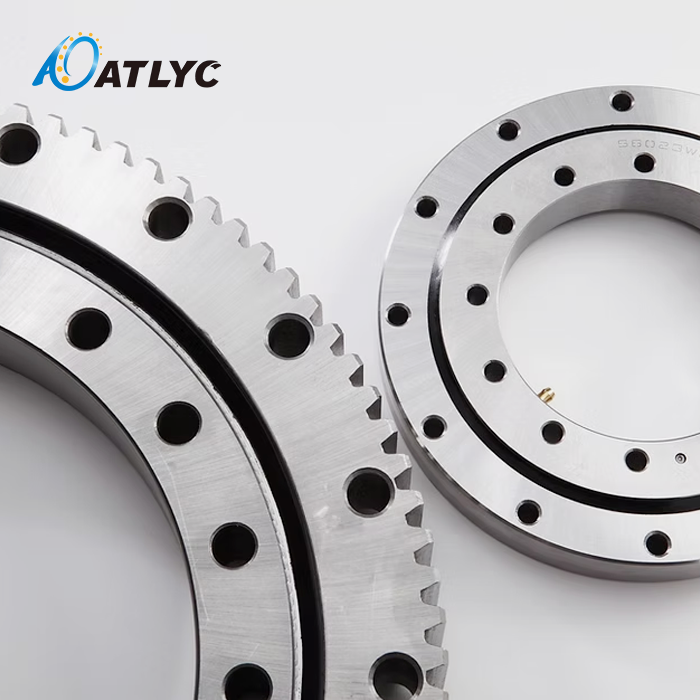
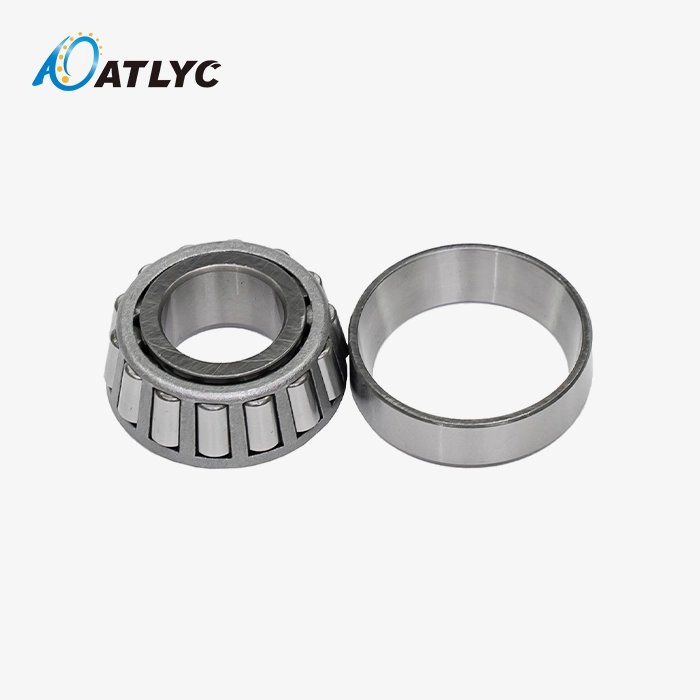
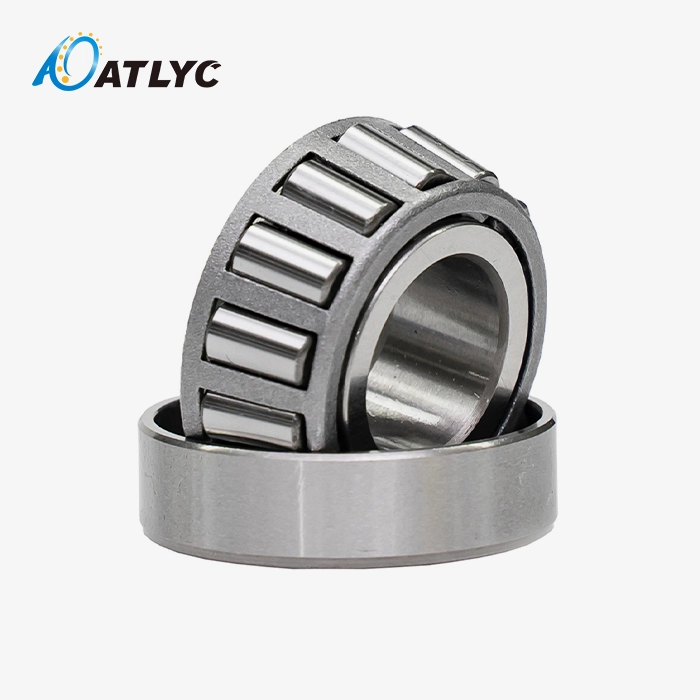
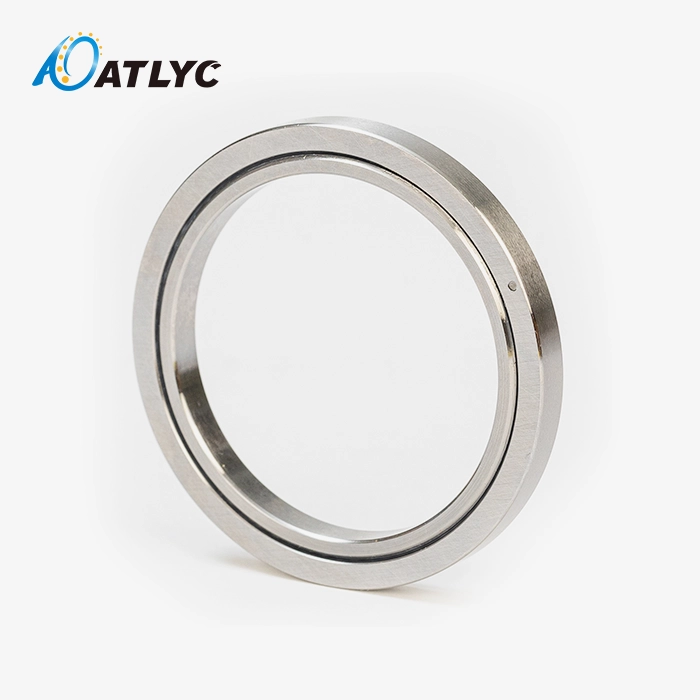
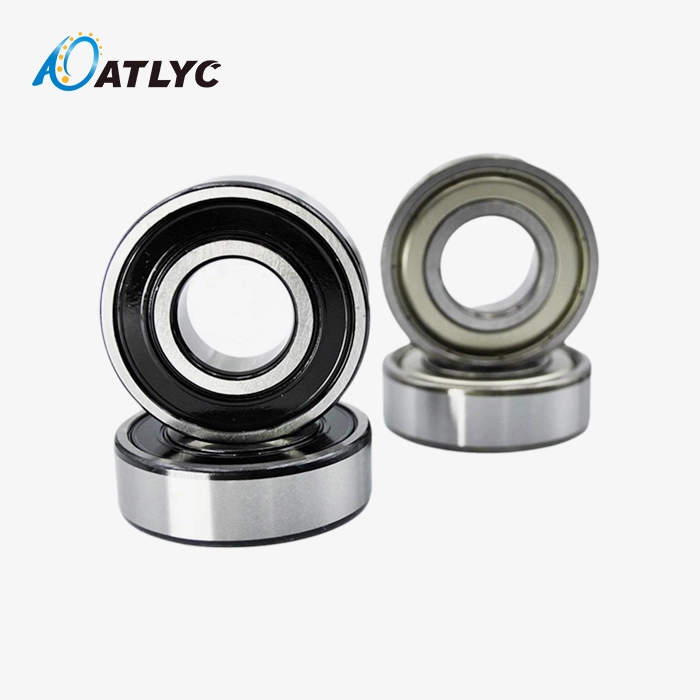
For different robotic uses, different bearing configurations are needed. Ball bearings work best in rotating systems that spin quickly and have moderate radial and axial loads. Their spherical rolling elements cut down on friction, which lets the joints move quickly, which is important for pick-and-place tasks. Roller bearings are great for heavy-duty industrial robots that handle car parts or big machinery parts because they distribute load better through circular or tapered rolling elements. Crossed roller bearings are very rigid because they place the rollers perpendicular to each other, which lets them support loads from multiple directions at the same time. This is a common configuration used in robot wrists and swivel joints. Thin section bearings make great use of space without lowering their load capacity. This lets engineers make robots that are smaller while still being strong. Needle bearings have long rollers that take up very little radial space. This makes them perfect for tight installation spaces where regular bearings won't work.When choosing a bearing, more than just the basic load ratings must be taken into account. What type of bearing works best depends on speed limits, temperature ranges, contamination exposure, and how easy it is to lubricate. When procurement teams know about these basic groups, they can narrow down their search for specifications before they start doing more in-depth technical evaluations.
Material Considerations: Steel Versus Ceramic Components
When it comes to durability, thermal performance, and operational costs, bearing materials have a direct effect. Chrome steel is still the standard because it has been shown to be reliable and cost-effective for most machine uses. AISI 52100 steel is very good at resisting fatigue and corrosion, especially when it is coated with advanced materials. Ceramic bearings use silicon nitride rolling elements and steel races. This makes them lighter while also making them better at handling high temperatures and keeping electricity from flowing through them. Hybrid ceramic bearings are much more expensive than steel options, but they work better in high-speed situations or places where electrical interference is a problem. When choosing between steel and ceramic parts, you need to look at the total cost of ownership, not just the price of the parts themselves.
Key Criteria for Choosing the Best Bearings for Industrial Robots
To choose the right Industrial Robot Bearings, you need to carefully look at their performance in a number of different areas. The selection framework below helps procurement professionals make important choices, making sure that the parts they choose are in line with operational goals and price limits.
Defining Application Requirements and Usage Scenarios
The robot function is the most important factor in determining the bearing specs. When high-speed assembly robots work at high cycle rates, they try to keep friction low and heat production low. Heavy-duty welding robots, on the other hand, need to be able to handle large loads and have strong structures. The environment adds more variables. For example, in a cleanroom, sealed bearings are needed to keep particles from getting into the system, and in a foundry, robots need designs that can withstand high temperatures. Before detailed specification comparisons can start, the application definition sets the minimum speed needs.
Essential Selection Metrics and Performance Parameters
The most important thing to consider when choosing a bearing is its load capacity. Both static and dynamic load ratings must be higher than the expected operational forces, with enough room for error. Precision grades like P5, P4, or P2 show manufacturing limits that are directly related to location consistency. Tighter tolerances lead to higher accuracy but also higher costs. Speed ratings show the fastest rotational speeds that can happen before centrifugal forces damage the bearing. Noise levels are important in places that need to control noise, and sealed bearings usually make less noise when they're working than open configurations. Depending on the temperature range, standard materials may be enough or special alloys may be needed for very hot or very cold places.To find the right balance between these different factors, you need to know which ones are most important for each robotic job. In assembly tasks, accuracy and low noise levels might be the most important things, but for material handling robots, longevity and load capacity are the most important things.
Cost-Performance Analysis and Supplier Evaluation
There aren't many straight lines in the relationship between bearing cost and operational performance. Premium bearings from well-known brands cost more, but they usually last longer between repairs and have a lower failure rate, which lowers the total cost of ownership. The length of the warranty shows how confident the manufacturer is in the quality of the product. Long coverage periods show that the engineering and quality control processes are strong. Reliability in lead times affects production schedules, so supplier consistency is an important but often overlooked factor in choosing a supplier. If a brand has been installed successfully for decades, you can be pretty sure that the product will work. However, new makers can sometimes offer great deals when they have the right certifications.
| Selection Criterion | High-Speed Applications | Heavy-Duty Applications | Precision Assembly |
|---|---|---|---|
| Load Capacity Priority | Moderate | Important | Moderate |
| Precision Grade | P5 or higher | I agree with P5 | Needs either P4 or P2 |
| Speed Rating | Important | Moderate | Moderate |
| Sealed Configuration | Advice Given | Important | Important |
| Tolerance for Temperature | The norm | Added to | The norm |
This comparison framework makes it easier to group bearing requirements into groups based on the most important application characteristics. This speeds up the process of creating specifications and talking with suppliers.
Segmented Recommendations for Different Stakeholders
Engineers mostly worry about technical details that make sure things work together mechanically and reliably. The main things that are used to judge them are detailed load estimates, physical limits, and the compatibility of the materials. OEM buyers have to balance technical needs with supply chain issues, putting a lot of weight on a vendor's ability to increase production numbers while keeping quality standards high. Total cost of ownership, delivery reliability, and supplier financial stability are the most important things for procurement managers to look at. These are the things that make sure that production schedules stay on track over the course of a product's multi-year lifecycle. Each stakeholder's point of view adds something important to the overall process of choosing bearings.
Maintenance and Troubleshooting Tips to Maximise Bearing Performance
To meet their scheduled service times, even bearings that meet all the exact requirements of the application must be maintained in a controlled way. Systematic care increases the useful life of an item, stops it from breaking down without warning, and gets the best return on an investment in that item.
Common Issues Affecting Bearing Reliability
Early wear is usually caused by not enough grease, too much load, or contaminated contact. Strange noises mean that problems are getting worse. For example, grinding sounds mean that there are particles in the lubricant or that it is breaking down, while squealing sounds mean that the parts are not aligned properly or that not enough grease is being applied. When there isn't enough lubrication or there are errors in the bearing preload, friction often goes up along with higher operating temperatures. When tracking technology watches for changes in frequency that happen before major failures, vibration patterns can help find problems early on. Being aware of these signs early on lets you fix problems before they get so bad that they stop work. Industrial Robot Bearings Compared to reactive repair methods, maintenance teams that are trained in bearing diagnostics cut down on downtime costs by a large amount.
Practical Maintenance Guidelines and Inspection Protocols
Lubrication schedules must match what the manufacturer says and how the machine is actually working. Applications that use a lot of speed or heat use up oil faster than normal ones, so they need to be re-oiled at different times. During regular maintenance processes, the seal should be visually checked to make sure it is intact, the mounting should be straight, and there shouldn't be any outside contamination. Using infrared thermography to keep an eye on temperatures lets you know when bearings are working outside of their normal temperature ranges before they break. Vibration analysis equipment can tell when a fault is starting to happen by changing the frequency signature. This lets predictive maintenance plans plan replacements for planned breaks instead of emergency shutdowns. Documentation methods that keep track of maintenance tasks, types of lubricants, and performance observations create historical records that help improve maintenance using data. These records are very helpful for finding solutions to problems that keep happening or judging the success of suppliers across bearing groups.
Replacement Triggers and Strategic Interventions
When operating traits differ significantly from baseline readings, bearings are getting close to the end of their useful life. Noise levels rise above what is acceptable, temperatures rise above what is normal, or vibration analysis shows fault frequencies that indicate advanced wear. When making new choices, people weigh the remaining useful life against the cost and risk of failure. Planned replacements during maintenance windows cost a lot less than repairs that need to be done right away and stop production lines. Bearing population management strategies keep enough spare parts in stock so that they can be replaced quickly without tying up too much capital in parts that aren't being used.
Comparing Popular Bearing Solutions in the Market
There are many sellers in the global bearing market, and each one has strengths that are useful in different types of applications. Understanding how competitors are positioned helps procurement teams find the best partners for their needs.
Leading Bearing Manufacturers and Product Portfolios
SKF stays ahead of the competition by offering a wide range of products for a wide range of industries, from general industrial use to specialised aerospace applications. Their global distribution network and engineering support are very helpful for installations that are more complicated. Precision engineering is important to FAG, and they are especially good at it when it comes to automotive and machine tool applications. NSK offers reasonable prices on a wide range of products while maintaining quality standards that meet ISO requirements. Timken is an expert in making tapered roller bearings that are perfect for heavy industry use. Chinese companies, like ATLYC, have made a lot of progress in catching up to Western rivals in terms of quality. They now offer better prices, more flexible customisation options, and are certified by ISO 9001 and IATF 16949.
Ball Bearings Versus Roller Bearings Performance Comparison
When compared to roller bearings, ball bearings can handle higher speeds and have lower friction coefficients. Their point contact geometry limits how much weight they can hold compared to their size. Roller bearings spread out loads along linear contact patches, which lets them handle much higher radial forces while keeping the same envelope size. Crossed roller setups are 3–4 times stiffer than similar angular contact ball bearings, which is why they are the best choice for joints that need to be very rigid. Which geometry works best depends on the application. For example, ball bearings work best for high-speed articulation, while roller designs work better for moving heavy loads.
Steel Versus Ceramic Material Trade-offs
Chrome steel bearings are reliable and don't cost too much. They can be used in most industrial robotic applications. Ceramic hybrid bearings are about 40% lighter than steel equivalents and are better at withstanding high temperatures and keeping electricity from flowing through them. The extra cost for ceramic parts can reach three to five times the price of steel bearings, and this is only acceptable when the specifics of the application call for ceramic advantages. Longevity tests show that it depends on the application. Ceramic bearings work best in settings with a lot of speed, heat, or corrosion, while steel bearings usually last longer when there are big shock loads or when the operational speed stays low.
Sealed Versus Open Bearing Configurations
When you use sealed bearings, they have shields or seals that stop dirt and oil from getting in. They don't need much upkeep, but they make a little more friction and heat than open versions. Open bearings make it easier to check for damage and re-grease them, but they need more maintenance and can get dirty from the environment. When manufacturing takes place in places with a lot of dust, water, or chemicals, protective designs are needed. Installations in a cleanroom or a controlled atmosphere may accept open bearings as long as they are easy to maintain and there isn't a high risk of contamination.
| Bearing Type | Load Capacity | Speed Rating | Rigidity | Maintenance | Cost Range |
|---|---|---|---|---|---|
| Deep Groove Ball | Moderate | High | Moderate | Low | Low to Moderate |
| Crossed Roller | High | Moderate | Very High | Moderate | High |
| Tapered Roller | Very High | Moderate | High | Moderate | Moderate to High |
| Needle Roller | High | Moderate to High | Moderate | Low to Moderate | Moderate |
| Thin Section Ball | Moderate | High | Low-Moderate | Low | Moderate to High |
| Hybrid Ceramic Ball | Moderate | Very High | Moderate | Very Low | Very High |
This thorough comparison lets you make a quick first choice based on the most important application needs before you start a more in-depth engineering analysis.
Cost Factors and Total Ownership Considerations
The initial purchase price is only one part of the total cost of the bearing over its lifetime. Premium bearings that cost more often have longer service intervals, which means they don't need to be replaced as often and save money on labour costs. Warranty coverage shifts the risk of failure to the makers. This is especially helpful when bearing failures cause costly production delays. Consistency in lead times affects the cost of having inventory—suppliers with reliable delivery schedules allow for lower stock levels than those whose fulfilment isn't always expected. Technical support after the sale helps with installation optimisation, debugging, and application-specific customisation, which adds value to the part itself.
How to Procure Industrial Robot Bearings Efficiently
How well you buy things has a direct effect on how much they cost and how resilient your supply chain is. Strategic sourcing methods get the best deals for both parties and improve the quality of the relationships with suppliers.
Evaluating Purchase Channels and Supplier Credibility
Authorised distributors offer warranties and technical support backed by the manufacturer, but they usually charge more. When order volumes are high enough, direct relationships with manufacturers can save you money and give you more freedom with customisation. Online industrial marketplaces bring together many suppliers, making it easy to quickly compare prices. However, they may not offer enough quality control or technical support. Industrial Robot Bearings. A supplier trustworthiness review looks at things like manufacturing certifications, production capacity, quality control methods, and the supplier's ability to pay its bills. Third-party certifications like ISO 9001 and IATF 16949 set standard quality assurance standards, and site audits confirm claimed capabilities for important supplier relationships.
Pricing Models and Volume Purchase Strategies
Unit prices go down a lot as the number of orders goes up, but commitments to buy a lot of items come with costs and risks of going out of style. When you sign an annual purchase deal, you lock in a good price and can still order from a variety of releases. Blanket orders set up agreed-upon terms for deliveries that fit the rate of production and usage. Transportation costs, payment terms, and possible tariffs or fees that affect landing costs are all part of the total cost study. Consolidating volume across multiple production facilities or product lines gives you more negotiating power with key providers.
Lead Time Management and Delivery Reliability
Standard catalogue items usually ship within days to weeks, but this depends on how much stock a distributor has. Custom or specialised bearings need longer production cycles that can last from weeks to months, depending on how complicated they are and how long the supplier needs to make them. Safety stock strategies protect against problems with supplies without having to buy too much inventory. Supplier scorecards that keep track of performance in areas like on-time delivery, quality defect rates, and responsiveness help with ongoing relationship management and finding new sources of supply. Geographic spread across multiple providers lowers the risk of disruptions in one area while keeping prices and service quality under pressure from competitors.
Custom Engineering and Long-Term Partnership Development
Robotic applications sometimes need bearings that aren't available in standard catalogues. Suppliers with technical tools and industrial freedom can make special solutions that work with different size restrictions, load profiles, or environmental conditions. Suppliers can predict what customers will need and suggest design improvements before they happen because they have built collaborative relationships with customers through steady business volumes and open technical communication. Long-term partnerships create incentives for both parties to improve quality, lower costs, and quickly solve problems that can't be found in transactional buying relationships. Strategic steps to grow suppliers, such as helping with capacity planning, improving quality systems, and sharing technology, strengthen relationships and make the supply chain more resilient.
Conclusion
When choosing the right Industrial Robot Bearings, you have to think about technical specs, cost, and the supplier's abilities. The different types of bearings, materials, and configurations that were looked at in this study can be used as guides to make sure that the characteristics of a part match the needs of an application. Systematic maintenance makes bearings last longer and stops them from breaking down when they're least expected. Finding suppliers that can meet long-term production needs requires a thorough evaluation that includes quality certifications, manufacturing capacity, and a focus on partnerships. The information given helps procurement professionals, engineers, and operations managers make smart choices that improve both the performance of robotic systems right away and their overall costs over their entire lifetimes.
FAQ
What precision grade should I specify for assembly robot bearings?
P4 or P2 precision grades are better for assembly robots that have to do repetitive positioning tasks. These tight tolerance classifications keep positional changes to a minimum during operational cycles. When assembly tolerances need accuracy of less than a millimetre, the extra cost compared to P5 standard precision is worth it. P5 bearings work well in applications that don't need to be very accurate because they offer good performance at lower costs.
How do crossed roller bearings improve robotic joint performance?
In crossed roller bearings, circular rollers are placed perpendicular to each other within small cross-sections. This set-up can handle radial, axial, and moment loads at the same time, so it doesn't need extra bearing assemblies. The design is 3–4 times stiffer than angular contact ball bearings of the same size, which means it doesn't bend as much when it's loaded. Better positional accuracy and stiffness are good for robot joints. This is especially helpful for wrist and swivel axes that have to deal with forces coming from different directions.
What maintenance intervals do sealed bearings require?
Maintenance times for sealed bearings depend on how often they are used and the weather. Light-duty applications that are kept clean may work for three to five years before they need to be fixed. Intervals are cut down to one to two years in places with a lot of speed or pollution. Condition-based maintenance signals, like temperature monitoring and vibration analysis, are more reliable than set schedules for maintenance work. Manufacturers usually give basic advice that is changed based on operational experience to fit the specifics of the application.
Partner with ATLYC for Reliable Industrial Robot Bearings Supply
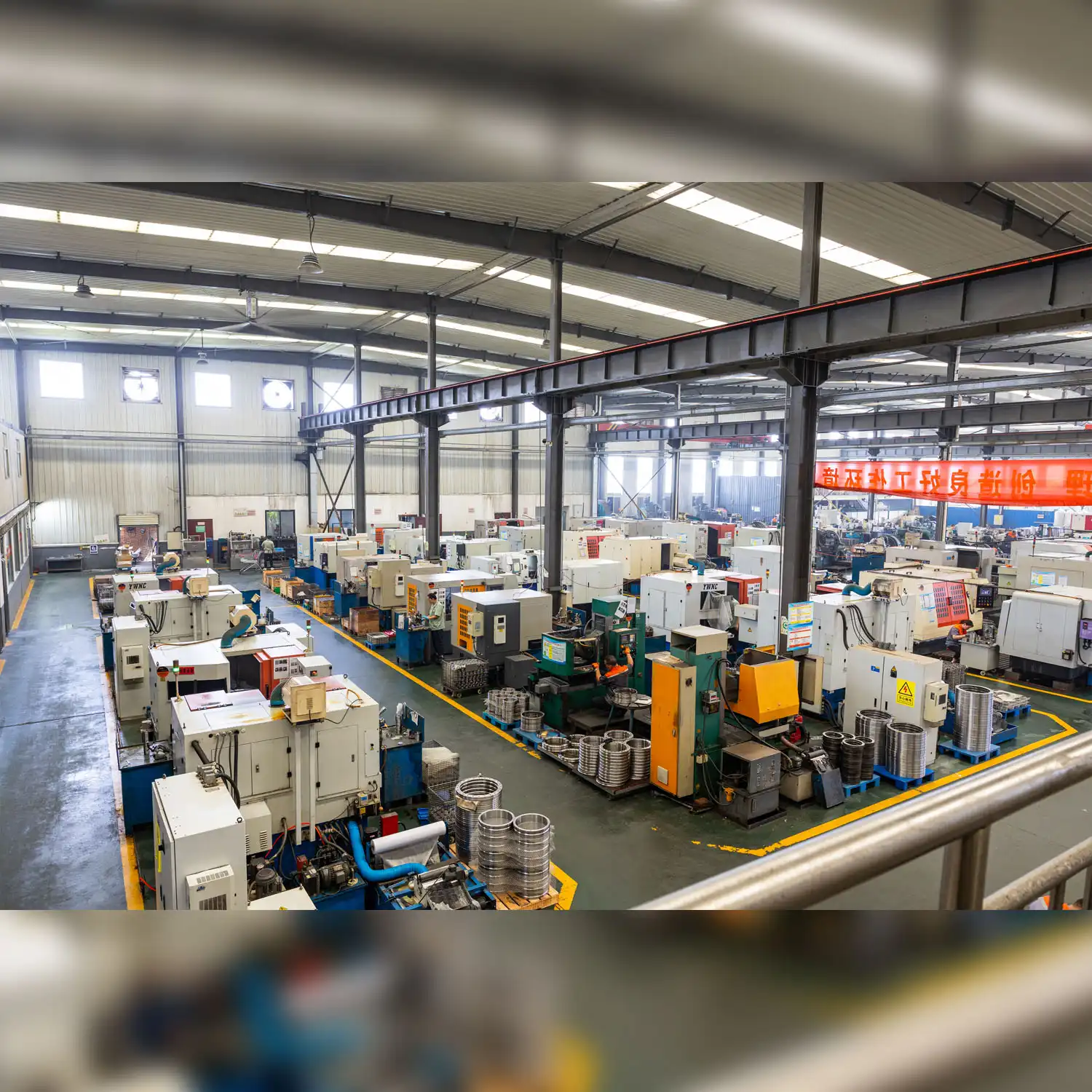
ATLYC has been making precision bearings for 15 years and has helped customers all over the world with their automotive, industrial, and automation equipment needs. Our ISO 9001 and IATF 16949-certified factories have six specialised workshops run by 120 skilled workers who make sure that the quality of our thin-section, crossed-roller, and deep groove ball bearings is always the same. We offer competitive prices, reliable lead times, and technical customisation to medium to large OEMs and distributors all over the United States. Our knowledge as a manufacturer of Industrial Robot Bearings makes sure that your robotic systems work well and last a long time. Get in touch with auto@lyautobearing.com to talk about your specific bearing needs and find out how our flexible production capacity can help your growing automation needs.
References
1. Harris, T.A., & Kotzalas, M.N. (2006). Essential Concepts of Bearing Technology (5th ed.). CRC Press.
2. Neale, M.J. (Ed.). (2001). The Tribology Handbook (2nd ed.). Butterworth-Heinemann.
3. Weck, M., & Brecher, C. (2006). Machine Tools Production Systems 2: Measurement and Evaluation of Machine Tools. Springer-Verlag.
4. Budynas, R.G., & Nisbett, J.K. (2011). Shigley's Mechanical Engineering Design (9th ed.). McGraw-Hill Education.
5. ISO 15243:2017. Rolling bearings — Damage and failures — Terms, characteristics and causes. International Organisation for Standardisation.
6. Khonsari, M.M., & Booser, E.R. (2008). Applied Tribology: Bearing Design and Lubrication (2nd ed.). John Wiley & Sons.
Learn about our latest products and discounts through SMS or email