- English
- French
- German
- Portuguese
- Spanish
- Russian
- Japanese
- Korean
- Arabic
- Greek
- German
- Turkish
- Italian
- Danish
- Romanian
- Indonesian
- Czech
- Afrikaans
- Swedish
- Polish
- Basque
- Catalan
- Esperanto
- Hindi
- Lao
- Albanian
- Amharic
- Armenian
- Azerbaijani
- Belarusian
- Bengali
- Bosnian
- Bulgarian
- Cebuano
- Chichewa
- Corsican
- Croatian
- Dutch
- Estonian
- Filipino
- Finnish
- Frisian
- Galician
- Georgian
- Gujarati
- Haitian
- Hausa
- Hawaiian
- Hebrew
- Hmong
- Hungarian
- Icelandic
- Igbo
- Javanese
- Kannada
- Kazakh
- Khmer
- Kurdish
- Kyrgyz
- Latin
- Latvian
- Lithuanian
- Luxembou..
- Macedonian
- Malagasy
- Malay
- Malayalam
- Maltese
- Maori
- Marathi
- Mongolian
- Burmese
- Nepali
- Norwegian
- Pashto
- Persian
- Punjabi
- Serbian
- Sesotho
- Sinhala
- Slovak
- Slovenian
- Somali
- Samoan
- Scots Gaelic
- Shona
- Sindhi
- Sundanese
- Swahili
- Tajik
- Tamil
- Telugu
- Thai
- Ukrainian
- Urdu
- Uzbek
- Vietnamese
- Welsh
- Xhosa
- Yiddish
- Yoruba
- Zulu
Is the Single Row Tapered Roller Bearing 30211 Ideal for Gearbox Systems?
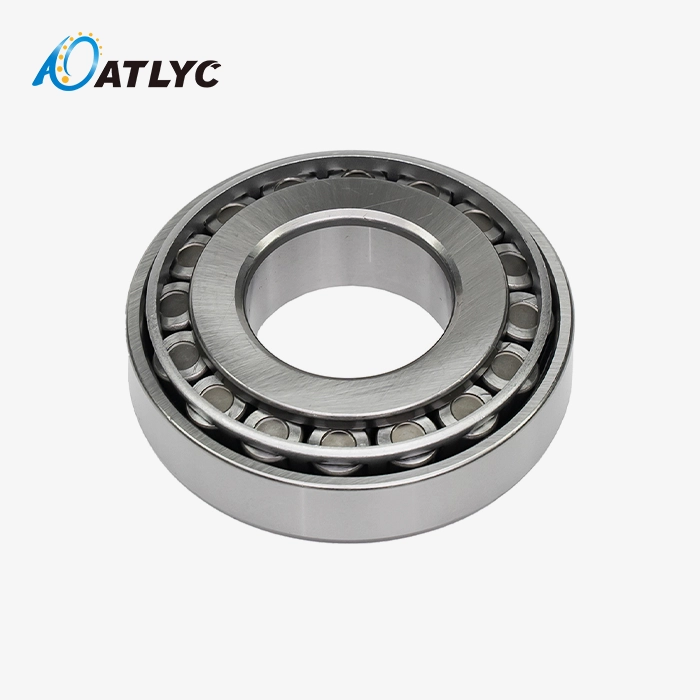
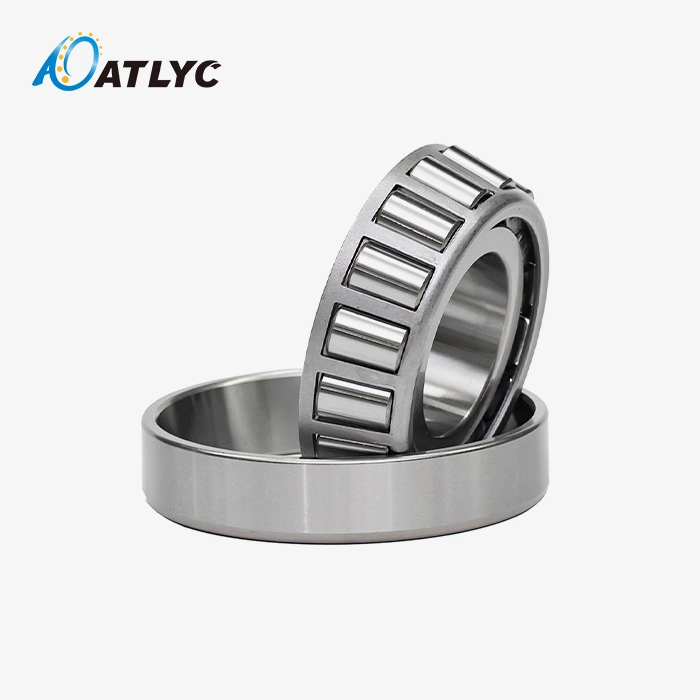
When looking at bearing options for gearboxes, the Single Row Tapered Roller Bearing 30211 stands out as a very useful and flexible option. This metric-series precise part can handle both radial and axial loads, and its contact angle ranges from 10° to 30°. This makes it perfect for medium- to heavy-duty gearbox operations. This bearing's standard sizes—55 mm inner diameter, 100 mm outer diameter, and 21 mm width—make it easy to use in a wide range of gearbox systems. It performs reliably in the automotive, industrial machinery, and farming equipment industries. Its separate design makes installation and maintenance easier, meeting important operational needs for procurement workers looking for reliable parts.
Understanding the Design and Performance of the 30211 Bearing
Structural Architecture and Material Composition
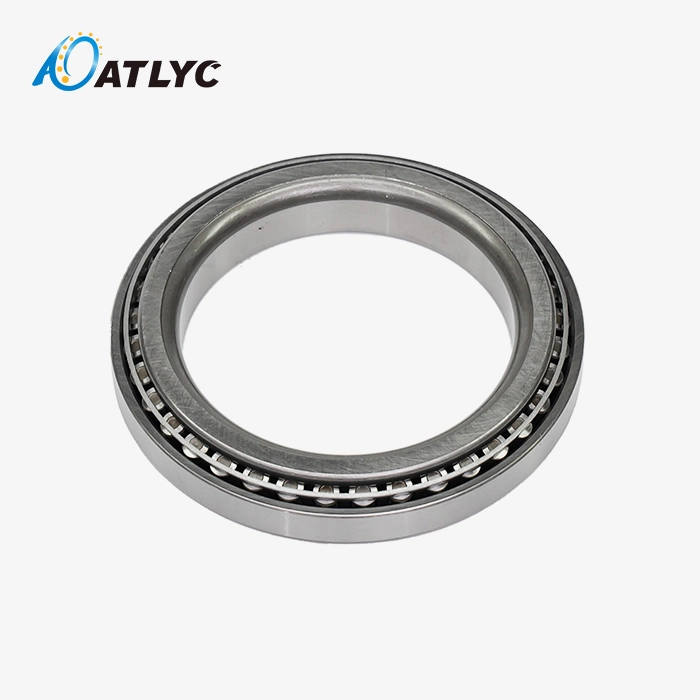
The tapered roller bearing 30211 is made up of four carefully engineered parts that can be taken apart: the inner ring cone with its tapered raceway, the outer ring cup that can be mounted on its own, a set of tapered rollers that transfer loads, and a cage assembly that keeps the rollers at the right distance apart. This way of thinking about design lets the cup and cone sections be mounted separately, which makes installation much easier for gearboxes with complicated layouts. The choice of materials is based on strict scientific standards. The inner ring, outer ring, and wheels are all made of GCr15, GCr15SiMn, or 20Cr2Ni4A steel alloys, which are all very hard and resistant to wear. These high-carbon chromium steels keep their shape even when the temperature changes by up to 150°C. This makes sure that they always work well in places where temperature changes are a problem. Either stamped steel or brass is used to make the cage assembly. Each material has its own benefits: stamped steel is strong and saves money, while brass lowers friction and noise in Single Row Tapered Roller Bearing 30211 precise applications.
Precision Grades and Dimensional Accuracy
There are three levels of precision for the 30211 bearing: P0 (normal), P6 (higher precision), and P5 (highest precision). These names show that the limits for accuracy in dimensions, surface finish, and geometry are getting tighter. The standard P0 grade is good for most industrial gearboxes, while the P6 grade is better for situations where vibration and noise need to be lessened. P5 grade is used for precision gearboxes that work at high speeds in machine tool spindles or aircraft systems that need to have very little runout and vibration. Some important things to look for during a check are the degree of taper on the surface, the bearing's ability to hold radial and axial loads, and the accuracy of the dimensions of all of its parts. Manufacturing sites with quality management systems that are ISO 9001 and IATF 16949 certified make sure that these standards are always met, giving procurement workers quality assurance that they can check.
Comparing the 30211 Bearing with Alternative Solutions
Performance Against Similar Tapered Bearings
The 30211 is in the middle of the metric tapered roller bearing family when it comes to load capacity, speed capability, and envelope measurements. When comparing the 30211 to the 30210 (50mm bore), the 30211 has a 15% higher radial load capacity while keeping the same speed values. Compared to the 30212, which has a bigger bore of 60 mm, the 30211 has a smaller footprint that makes it better for gearbox designs that don't have a lot of room. It also performs just as well under moderate loads. The 32211 series is an interesting alternative. Its internal geometry has been changed to provide higher load ratings while keeping the same boundary measurements. But procurement experts often choose the 30211 because it is more widely available on the market, has a lower price, and has been used in many different industries for a long time. This proven track record lowers the risk of procurement and makes it easier to qualify suppliers.
Tapered Rollers Versus Ball Bearings
Ball bearings work better in high-speed, low-friction situations, but tapered roller bearings, like the 30211, work better when gears put radial and axial loads on them at the same time. The line contact between tapered rollers and raceways spreads loads over a much larger surface area than the point contact of ball bearings. This means that load values are usually 30 to 50 percent higher for the same envelope dimensions. When the gearbox engages, speeds up, or changes directions, the bearings are subject to shock loads. Because tapered roller bearings are built to last and distribute load better, they are better able to handle these impact forces. When it comes to temperature stability, tapered roller designs are also better because the thermal mass and material volume can better handle heat generation in gearboxes that are highly loaded.
Maintenance, Reliability, and Lifespan Considerations
Expected Service Life and Influencing Factors
In ideal operating conditions, with the right amount of grease, good alignment, a Single Row Tapered Roller Bearing 30211, and light loads, the 30211 bearing can usually last more than 30,000 to 50,000 hours. This means three to six years of nonstop use in industrial areas with 24 hours a day, seven-day-a-week schedules. However, the real service life depends on a number of important factors. The most important factor that affects how long a bearing lasts is the load strength. According to the idea of bearing fatigue, running at 50% of the rated dynamic load capacity can make something last eight times longer than running at 100% capacity. Rotational speed affects both the amount of heat produced and the thickness of the lubrication film. For higher speeds, more complex lubrication methods are needed to keep the film strong. Temperature exposure speeds up the wear process and can change the properties of lubricants. For every 15°C rise above the best working temperature, service life could drop by 50%.
Common Failure Modes and Preventive Measures
In gearbox uses, misalignment is still the main reason why bearings fail too soon. If there is even a small angular or parallel misalignment, loads are concentrated on certain parts of the track. This speeds up wear and could lead to fatigue spalling. Avoid these problems by using precise fastening methods, making sure the housing is properly machined, and checking the alignment on a regular basis. The 30211 bearing's design makes it easy to check the alignment during installation and upkeep. When particles, water, or chemicals get into a bearing, they quickly make it less effective. Even though the 30211 design is an open bearing, dust covers can be added to protect it from large particles. Effective sealing techniques at housing interfaces and shaft penetrations are good for gearbox systems. When you check the oil in moving systems on a regular basis, you can find contamination and wear particles early on. This lets you do preventative maintenance before a big problem happens.
Procurement Insights for the 30211 Bearing
Market Availability and Pricing Dynamics
The tapered roller bearing 30211 will still be widely available on the market in 2024, as many makers will continue to make standard and custom versions of it. This competitive market is good for procurement workers because it keeps prices stable and gives them more power in negotiations. Bulk order numbers have a big effect on unit costs. Buying more than 1,000 pieces usually gets you price cuts of 15–25% compared to buying smaller lots. Lead times depend on the maker and the specifics of the order. Standard P0 precision bearings are shipped within two to four weeks from reputable sources that keep stock on hand. It could take six to eight weeks to make and check the quality of higher precision grades (P6, P5) or custom combinations. Aligning ordering processes with production schedules through strategic procurement planning improves cash flow and cuts down on the costs of speeding things up.
Quality Assurance and Certification Requirements
More and more, requirements for buying things for industry and automotive use include ISO 9001 quality management system certification and compliance with IATF 16949 automotive quality standards. These certifications show that manufacturers use strong supply chain management, systematic quality controls, and methods for continuous improvement. Suppliers who meet these standards give a lot of paperwork, like approvals for the materials, reports on dimensional inspections, and records of how the goods were made. Independent laboratories' testing and certification by a third party adds extra security for important uses. Buyers should ask for information on the results of vibration tests, rapid life tests, and checks of the radial and axial load capacities. Reliable suppliers have clear warranty policies that spell out coverage terms, failure analysis processes, and replacement protocols. This sets them apart, Single Row Tapered Roller Bearing 30211, from those who don't provide enough post-sale support.
Why the 30211 Bearing is a Solid Choice for Gearbox Systems
Application-Specific Performance Advantages
The 30211 single row tapered roller bearing has unique benefits that perfectly match the needs of gearbox operation. This bearing is the best choice for many different uses because it has a number of main benefits. The main strength of the bearing is its ability to handle combined loads. Radial forces come from the loads on the gear mesh, and axial forces come from the angles of the helical gear teeth or temperature expansion. These combined loads can be handled by a single 30211 bearing, which means that extra thrust bearings are not needed. This makes gearbox design easier and cuts down on the number of parts needed. This reduces the cost of building, the weight of the package as a whole, and the reliability of the system by getting rid of more places where things could go wrong. The separable design makes servicing much easier and cuts down on downtime by a large amount. During overhauls of gearboxes, technicians don't have to take out whole assemblies to check and replace individual bearing parts. This ability to be separated into modules is especially helpful for big industrial gearboxes that are hard to get to for maintenance. The need for replacement parts inventory goes down because the inner and outer rings can be kept separate. This frees up more working capital that would have been used to buy extra parts.
Industry Validation and Case Studies
In differential assemblies, transfer cases, and manual gears, tapered roller bearings are used a lot in automotive gearbox systems. The 30211 bearing is designed to work best in medium- to heavy-duty situations because of its size and load ability. Manufacturers of vehicles like the bearing because it can handle being misaligned and being loaded with shocks, which happen a lot when the vehicle speeds up, slows down, or turns. Reliability and durability claims are backed up by the fact that millions of cars have been used and tested. Manufacturers of industrial gearboxes for the mining, cement, and steel industries use tapered roller bearings like the 30211 in reducers that have to handle big loads all the time. When the right maintenance and lubrication procedures are followed, field data from these harsh environments show that operating life is longer than expected. Because the bearing doesn't get dirty easily and can work in places with a lot of vibration, unexpected downtime in production-critical equipment is kept to a minimum. The working conditions for agricultural machinery gearboxes are especially tough because they have to deal with heavy loads, dirt, and irregular operation patterns. The 30211 bearing is used in power take-off drives, wheel hubs, and tool gearboxes on tractors, combines, and implements. The bearing is built to last, and it doesn't mind if it gets a little dirty or lubricated. This makes it perfect for field service situations where maintenance may not happen as often as planned.

Conclusion
The Single Row Tapered Roller Bearing 30211 represents a thoroughly proven solution for diverse gearbox applications requiring combined load capacity, operational reliability, and maintenance accessibility. Its precision-engineered tapered geometry, high-quality material construction, and separable design deliver performance characteristics that directly address the operational challenges inherent in transmission systems. Procurement professionals benefit from competitive market dynamics, multiple qualified suppliers, and comprehensive certification options that facilitate confident sourcing decisions. The bearing's extensive application history across automotive, industrial, and agricultural sectors provides substantial validation of its suitability for gearbox systems. Strategic component selection, balancing technical requirements, quality standards, and total cost of ownership, positions the 30211 bearing as an ideal specification for demanding gearbox applications.
FAQ
1. What maintenance schedule optimizes 30211 bearing service life in gearboxes?
Optimal maintenance intervals depend on operating severity, but general industrial gearboxes benefit from lubrication inspection every 2,000-3,000 hours with complete regreasing at 5,000-8,000-hour intervals. High-speed or heavily loaded applications require more frequent attention—potentially every 1,000-2,000 hours. Condition monitoring programs using vibration analysis or oil sampling enable predictive maintenance strategies that extend bearing life while preventing unexpected failures.
2. Can the 30211 bearing operate effectively at elevated temperatures?
The bearing functions reliably at temperatures up to 150°C when appropriate high-temperature lubricants are specified. Continuous operation above 120°C requires synthetic lubricants and may reduce expected service life by 30-40% compared to ambient temperature operation. Gearbox cooling systems or external lubrication chillers extend bearing life in thermally challenging applications.
3. Is the 30211 bearing interchangeable with similar metric tapered roller bearings?
Direct dimensional interchangeability exists with other 30211-designated bearings from different manufacturers conforming to ISO standards. However, load ratings may vary slightly based on internal geometry optimization and material specifications. Cross-referencing with bearings from other series requires careful verification of dimensions, load capacities, and mounting requirements to ensure proper fit and performance.
Partner with ATLYC for Premium Tapered Roller Bearing Solutions
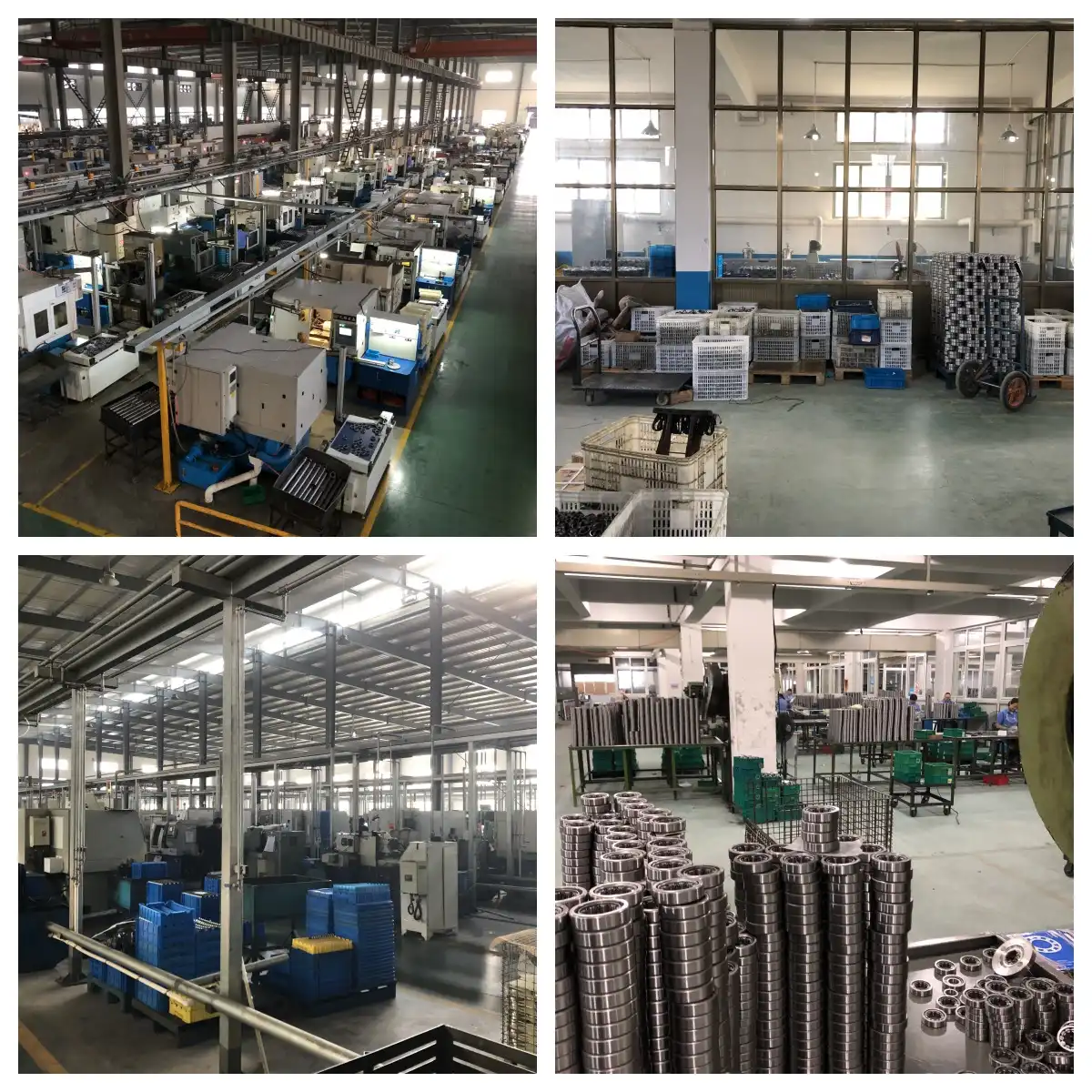
Securing reliable bearing supply for critical gearbox systems demands a manufacturing partner combining precision capabilities, quality certifications, and responsive technical support. ATLYC brings 15 years of bearing manufacturing expertise serving discerning automotive OEMs, industrial equipment manufacturers, and global distributors across South Korea, the USA, Germany, Russia, Iran, and Turkey. Our Single Row Tapered Roller Bearing 30211 production maintains strict adherence to ISO 9001 and IATF 16949 quality standards, ensuring consistent dimensional accuracy, material integrity, and performance reliability.
Our engineering team provides comprehensive technical consultation addressing application-specific requirements, lubrication recommendations, and installation guidance. Whether you require standard P0 precision bearings for industrial gearboxes or tighter-tolerance P6 variants for precision equipment, our manufacturing capabilities accommodate diverse specifications. Competitive pricing structures reflect efficient production operations across six specialized workshops staffed by 120 skilled professionals dedicated to excellence.
We invite you to experience the ATLYC difference—contact our bearing specialists today at auto@lyautobearing.com to discuss your gearbox bearing requirements. As a trusted Single Row Tapered Roller Bearing 30211 manufacturer, we offer technical consultations, competitive quotations, and expedited delivery schedules supporting your production timelines. Let us demonstrate how strategic bearing procurement partnerships enhance your operational efficiency, equipment reliability, and bottom-line performance.
References
1. Harris, T.A. and Kotzalas, M.N. (2006). Rolling Bearing Analysis: Essential Concepts of Bearing Technology. CRC Press, Fifth Edition.
2. ISO 492:2014. Rolling bearings — Radial bearings — Geometrical product specifications (GPS) and tolerance values. International Organization for Standardization.
3. SKF Group. (2018). Rolling Bearings Catalogue: Technical Reference Guide for Bearing Selection and Application. SKF Publication.
4. Tallian, T.E. (1992). Simplified Contact Fatigue Life Prediction Model — Part I: Review of Published Models. Journal of Tribology, Transactions of ASME, Vol. 114.
5. Timken Company. (2020). Tapered Roller Bearing Catalog: Engineering and Design Specifications. Timken Technical Publication.
6. Budynas, R.G. and Nisbett, J.K. (2015). Shigley's Mechanical Engineering Design. McGraw-Hill Education, Tenth Edition, Chapter 11: Rolling-Contact Bearings.
Learn about our latest products and discounts through SMS or email