- English
- French
- German
- Portuguese
- Spanish
- Russian
- Japanese
- Korean
- Arabic
- Greek
- German
- Turkish
- Italian
- Danish
- Romanian
- Indonesian
- Czech
- Afrikaans
- Swedish
- Polish
- Basque
- Catalan
- Esperanto
- Hindi
- Lao
- Albanian
- Amharic
- Armenian
- Azerbaijani
- Belarusian
- Bengali
- Bosnian
- Bulgarian
- Cebuano
- Chichewa
- Corsican
- Croatian
- Dutch
- Estonian
- Filipino
- Finnish
- Frisian
- Galician
- Georgian
- Gujarati
- Haitian
- Hausa
- Hawaiian
- Hebrew
- Hmong
- Hungarian
- Icelandic
- Igbo
- Javanese
- Kannada
- Kazakh
- Khmer
- Kurdish
- Kyrgyz
- Latin
- Latvian
- Lithuanian
- Luxembou..
- Macedonian
- Malagasy
- Malay
- Malayalam
- Maltese
- Maori
- Marathi
- Mongolian
- Burmese
- Nepali
- Norwegian
- Pashto
- Persian
- Punjabi
- Serbian
- Sesotho
- Sinhala
- Slovak
- Slovenian
- Somali
- Samoan
- Scots Gaelic
- Shona
- Sindhi
- Sundanese
- Swahili
- Tajik
- Tamil
- Telugu
- Thai
- Ukrainian
- Urdu
- Uzbek
- Vietnamese
- Welsh
- Xhosa
- Yiddish
- Yoruba
- Zulu
Need an RB7013 THK Replacement? Here's What to Look For
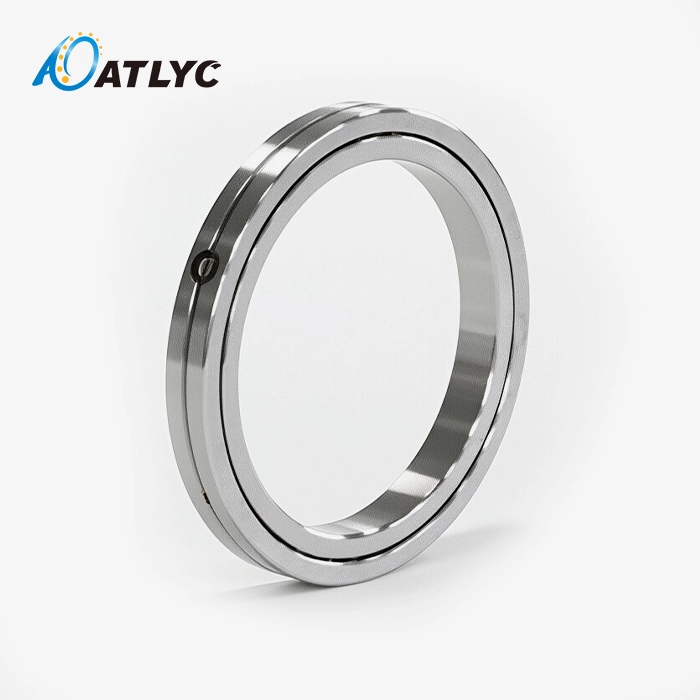
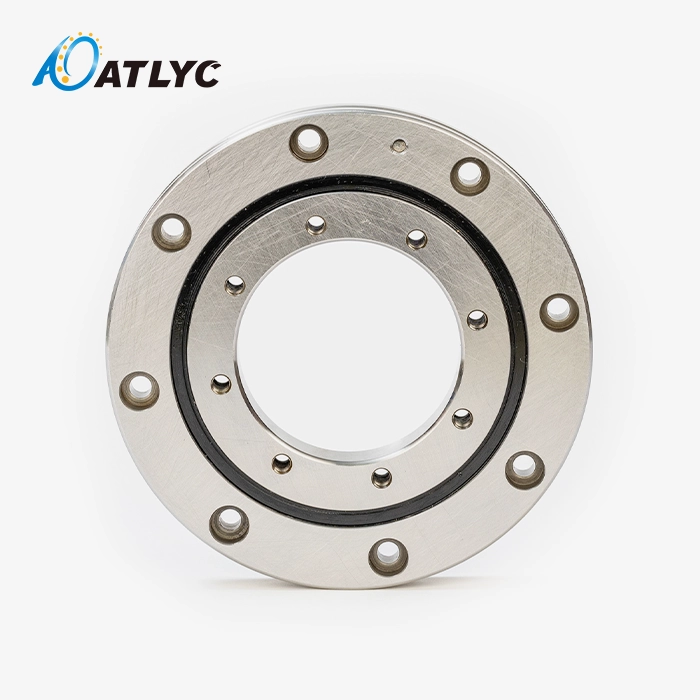
When machinery downtime threatens production schedules, identifying the right RB7013 THK replacement becomes mission-critical. This precision crossed roller bearing serves automation systems, CNC equipment, and robotic arms where accuracy matters. Whether facing unexpected failure or planning preventive maintenance, procurement teams need clear criteria to source compatible alternatives that maintain operational integrity without compromising quality standards or delivery timelines.

Understanding RB7013 THK Bearing Specifications and Key Dimensions
Critical Measurements for Proper Replacement
To find a replacement bearing, you need to know the inner diameter, the outer diameter, and the width. The RB7013 crossed roller bearing has specific dimensions that show how much weight it can hold and what kinds of fastening systems it works with. Before placing orders, people who work in procurement should compare these specs to the tolerances for equipment housing. Accurate measurements are necessary for the repair process because they directly affect how easy it is to install and how well it works.
Material Composition and Load Ratings
High-carbon chromium steel is used in premium crossed roller bearings. This steel goes through a special heat treatment to make the surface hard, which is between 58 and 64 HRC. This choice of material makes sure that it will last under constant horizontal and rotational loads. The RB7013 design can handle both radial and thrust forces at the same time because of its crossed roller setup, which makes it better than regular ball bearings at handling moments. Static load ratings are usually between 18.5 and 22 kN, and dynamic ratings can be as high as 12 to 15 kN, depending on the standards used for production. Knowing these factors helps match the bearing capacity to the real needs of the product, which keeps overloading from causing early failure.
Application Environments and Performance Expectations
Crossed roller bearings work great in precise machines that need to be supported rigidly and with little movement. This type of bearing is often found in robotic wrist joints, rotary tables, and medical imaging equipment. The fastest speeds that something can go are usually between 500 and 1000 RPM, but the exact limits rely on how it is oiled and the weather. Temperature stability is still very important—if you take care of these parts the right way, they will stay accurate within ±0.01mm from -20°C to 80°C. Crossed roller bearings are essential for keeping tight tolerances during production cycles in fields that value repeatability and positioning accuracy.
| Details | Range of standard | What Happens to Performance? |
|---|---|---|
| Inside Diameter | 70 mm ±0.005 mm | Perfect fit for the shaft |
| Outside Size | 100 mm ±0.005 mm | Compatibility with housing |
| Width | 13 mm ± 0.05 mm | Limits on axial load |
| How hard is a roller | 58–64 HRC | Wear and tear |
| Moving Load | 12 to 15 kN | Changes in service life |
These details are what we use to start comparing substitute choices. Deviations outside of standard ranges cause noise, shaking, and faster wear patterns that shorten the life of bearings and other parts nearby.
Cross-Compatibility Considerations
The RB7013 number tells you exactly what size it is, but different makers make models that are practically the same but have different names. Crossed roller bearings from IKO, NSK, and INA have the same dimensions and may be used instead in some situations. For customers looking for an RB7013 THK Replacement, the mounting hole patterns, seal configurations, and lubrication options must be carefully checked to ensure a proper fit. Some designs have flanges that are built in, while others use split inner or outer rings to make fitting easier. To make sure that possible sources are mechanically compatible, procurement teams should ask for specific drawings from them in addition to basic size matches.
Comparing RB7013 THK Bearings with Alternative Brands and Models
Performance Benchmarks Across Manufacturers
After decades of developing precision bearings, THK set the standards for the industry. However, NSK, IKO, and European makers all make appealing alternatives with better specs. How smooth and long-lasting something works depends on how pure the material is, how precisely it is ground, and how smooth the surface of the track is finished. Lab tests show that high-end manufacturers can get raceway roughness values below 0.2 Ra, which makes the motor run more quietly and for longer periods of time without needing to be oiled. When comparing brands, people who make purchasing choices should look at certified test results instead of marketing claims. Independent testing of samples often shows performance gaps that aren't shown by specifications alone.
Branded Versus Generic Bearing Economics
Many buying teams choose unbranded options that are 30–50% less expensive than well-known brands because they need to save money. This approach comes with risks that go beyond the initial savings for the buyer. Generic bearings often use lower-grade steel that hasn't been heat-treated consistently, which causes them to spall prematurely and lose their shape when they're under load. The defect rate for unbranded goods is about 2 to 5 percent, while it's only 0.1 to 0.3 percent for ISO-certified producers. The hidden costs of more upkeep, unplanned downtime, and possible damage to machinery often outweigh the savings at first. Medium-sized to large businesses can benefit from teaming up with certified manufacturers who offer batch tracking and technical support for the entire lifecycle of the bearing.
User Experience and Reliability Indicators
Maintenance teams say that high-quality crossed roller bearings always last between 8,000 and 12,000 hours of use before they need to be replaced, while cheaper choices usually break down between 3,000 and 5,000 hours. Real-world performance data from car assembly lines shows that when you buy from ISO 9001- and IATF 16949-approved providers, downtime related to bearings drops by 40%. Quality bearings keep their preload specifications for the whole time they're in use, which is important for automated processes that need precise positioning. People who work in procurement should ask for failure analysis reports and case studies that show long-term dependability in situations that are similar to their working environment.
How to Replace an RB7013 THK Bearing – Installation and Maintenance Guide
Recognizing Bearing Failure Symptoms
There are a few warning signs that a bearing is about to fail: strange humming or grinding noises during operation, higher vibration levels found thru condition monitoring, operating temperatures above 60°C, and metal particles that can be seen in lubrication samples. Before it breaks down completely, precision equipment may make mistakes in placing or be less consistent. If you take care of these symptoms right away, you can keep shafts, housings, and other nearby parts from getting damaged. Setting up baseline vibration signatures during the initial installation makes condition-based maintenance strategies possible, which help choose the best time for replacement while preventing catastrophic failures.
Step-by-Step Installation Protocol
Cleaning the mounting areas well to get rid of dirt, old grease, and rust is the first step in a proper installation. Use accurate micrometers to check the sizes of the shaft and case. Wear greater than 0.02mm may mean that the parts need to be machined or replaced. Wear clean gloves when handling the new bearing to keep your skin oils from getting on it. Before putting the bearing in place, apply the oil that was recommended to the raceways. Make sure there is even spread without overfilling. Depending on the type of bearing, the installation process is different. Integral designs need to be carefully heated or cooled to get the right interference fits, while split-ring designs can be mounted without taking apart the parts around them. Temperature differential methods work best—heating housings to 80–100°C or using dry ice to cool bearings to -40°C makes enough space for assembly without damage. Do not hammer or force parts, as impact loads cause Brinelling damage that leads to failure before its time. After mounting, use dial indicators or special preload gauges to make sure that the preload specs match what the maker says should be done. Turn the piece by hand to make sure it works smoothly and that there are no rough spots or stiffness. Keep track of the date of installation, the type of lubricant used, and the first measures to set upkeep standards.
Lubrication and Preventive Maintenance
Crossed roller bearings need to be lubricated precisely so that they last as long as the manufacturer says they will. Most industrial uses can be met by lithium-based greases with an NLGI Grade 2 consistency. However, environments with high speeds or extreme temperatures may need synthetic formulations. Initial fill should take up 30 to 40 percent of the available room; too much oil causes friction and heat buildup. RB7013 THK Replacement crossed roller bearings follow similar lubrication principles to ensure stable performance and extended service life in demanding applications. Relubrication should be done every 500 to 1000 hours under normal operating conditions. This depends on speed, load, and exposure to the environment. Automated lubrication systems deliver consistent amounts and lower the risk of contamination that comes with doing maintenance by hand. During relubrication, get rid of all the old grease so that it doesn't harden and stop the rollers from moving.
| Maintenance Task | Frequency | Important Checkpoints |
|---|---|---|
| Checking out visually | Every week | Integrity of the seal, mounting bolts |
| Monitoring for Vibrations | Every month | Deviation from the mean >25% |
| Putting on oil | 500 to 1000 hours | Condition and amount of grease |
| Check the temperature | Every day during startup | Staying above 60°C leads to an investigation |
| Verification of Dimensions | Every year | Measurements of preload and backlash |
When compared to "run-to-failure" methods, these maintenance routines increase the service life of bearings by 40 to 60%. Condition tracking data that is taken regularly over time shows patterns of wear and tear that help with making purchases and keeping track of inventory.
Troubleshooting Common Installation Issues
Misalignment during placement is the main reason why bearings fail too soon. Angle misalignment greater than 0.5 degrees causes edge loading, which speeds up the wear on the raceway. To make sure that the mounting surfaces are parallel, use precision alignment tools and dial indicators. Too much preload causes friction and heat that aren't needed, and not enough preload lets air flow inside, which makes the joint less rigid and less accurate in its position. To find the best preload settings for your application, look at the manufacturer's specs or call technical help.
Procuring RB7013 THK Bearings for Your Business Needs
Identifying Certified Suppliers and Distributors
Getting real accurate bearings requires being very careful about which seller you choose. Authorized distributors work directly with makers to make sure the products are real and give them access to expert resources. Check the credentials of the supplier by looking at the websites of the manufacturers that list approved distribution networks. ISO 9001 certification shows basic commitment to quality management, while IATF 16949 certification focuses on car supply chain standards that many businesses use to improve reliability. Ask for certificates of approval that show what the materials are made of, that their dimensions have been checked, and that they have been tested for performance for each batch. Suppliers who are honest will easily give you this paperwork, but ones who are hesitant might be using shady methods to get it. By building relationships with two or three qualified suppliers, you can protect your supply chain from problems caused by a single source.
Pricing Dynamics and Lead Time Planning
Bearing prices change based on the cost of raw materials, how full a factory is, and the value of the dollar. Precision crossed roller bearings cost between $85 and $180 per unit right now, depending on the quantity, specifications, and supplier relationships. Buying in bulk usually gets you 15–25% off of single-unit prices, but you have to buy at least 10–50 pieces to get the discount.Lead times are very different for stock items and custom configurations. Standard sizes ship within three to five business days from distributors who keep stock, but direct factory orders take four to eight weeks, depending on when the products are made. Strategic procurement strikes a balance between supply security and carrying costs by keeping a safety stock for important uses and using just-in-time delivery to plan replacement cycles.
Evaluating Online Versus Direct Purchasing Channels
Digital marketplaces are convenient and make prices clear, but they also pose risks to authentication. More and more fake bearings are being sold online, including products marketed as RB7013 THK Replacement without proper verification. These bearings are made with low-quality materials and loose tolerances that make them less effective. Before you buy something, make sure you get detailed product certifications and batch numbers that let you check with the manufacturer. When you buy directly from well-known distributors, you get technical support, application engineering help, and warranty protection that you don't get when you buy something online. Assisting sales engineers in matching bearing specs to application needs, they might also be able to find better alternatives or cheaper alternatives. The benefits of relationships go beyond individual transactions. They create partnerships that make the supply chain more reliable in the long term.
Ensuring Authenticity and Leveraging THK Brand Support
Anti-Counterfeit Verification Methods
Fake bearings are becoming a bigger problem in industrial supply chains. Replicas that are very good at copying packaging and markings make visual inspection useless. Real THK bearings have holographic labels, laser-engraved serial numbers, and QR codes that connect to databases maintained by the manufacturer for verification. Check the quality of the packing. Real goods come in rigid boxes with foam inserts that keep them from getting damaged during shipping, while fakes usually come in weak cases with little protection.Differences in weight show that different materials were used. Precision scales show that fake bearings usually weigh 5–10% less than real ones because the steel used to make them isn't as good. Another sign is the quality of the surface finish; real precise bearings have smooth raceways and uniform coloring that can be seen under a microscope.
Accessing Technical Resources and Warranty Coverage
THK has world support networks that offer tech help, installation advice, and knowledge on how to fix problems. Technical hotlines connect teams in charge of purchasing and maintenance with application engineers who can help with specific problems that need to be solved. This help is very helpful when setting up new equipment or fixing problems that come up out of the blue.The warranty usually lasts between 12 and 24 months from the date of purchase and covers production flaws as long as the bearings work within certain limits. Claims need proof, like receipts for purchases, records of installations, and the return of a failed part for analysis. Manufacturers figure out if failures were caused by flaws or bad application, which shows how important it is to follow the instructions for installation and upkeep. Setting up direct lines of communication with brand representatives speeds up the warranty process and makes sure that you can get product updates or safety notices that affect installed equipment.

Conclusion
When looking for the right RB7013 THK Replacement, you need to pay attention to the specifications, the reliability over time, and the credentials of the supplier. Precision crossed roller bearings are important parts of automation and industrial equipment where performance has a direct effect on how efficiently things are made. When you compare the original costs to the total costs of ownership, you can see that certified makers who offer consistent quality and expert support are a better deal than cheap alternatives that come with hidden failure risks. Strategic buying focuses on building relationships with suppliers, keeping records, and following repair procedures that increase the life of bearings and reduce unexpected downtime.
FAQ
What measurements determine RB7013 bearing compatibility?
Inner diameter (70 mm), outer diameter (100 mm), and width (13 mm) are the three most important measurements that determine whether two bearings can work together. Use calibrated micrometers that are accurate to 0.01mm to measure these things. Also, make sure that the mounting hole patterns, seal configurations, and lubrication rules are the same as what your equipment needs. Compare the measurements to the manufacturer's plans to make sure they fit right before buying new parts.
How do I identify genuine THK bearings versus counterfeits?
Real THK goods have laser-engraved serial numbers, holographic security labels, and QR codes that let official sources check the maker. Check the quality of the packaging, compare the weight of the parts to the specifications, and look at how uniform the surface finish is. Only buy from authorized distributors who can give you certificates of conformance that show that the materials were tested and the sizes were checked for each production batch.
What causes premature crossed roller bearing failure?
Some common reasons why things fail are bad installation that causes misalignment, not enough or dirty lubrication, too much preload that causes friction, and operating conditions that are too high compared to the design parameters. Environmental factors like water getting in, abrasive particles getting in, and changes in temperature speed up the wear patterns. Condition tracking and preventive repair can greatly increase the service life compared to run-to-failure methods.
Can I substitute NSK or IKO bearings for THK models?
Different makers make dimensionally similar items, but to directly substitute, you need to check more than just the measurements. Check out the different load ratings, preload requirements, seal designs, and mounting options. Ask for detailed drawings that prove the hardware compatibility. Even tho bearings that are functionally similar might work, you should talk to application engineers to make sure that the performance characteristics match your needs and to avoid any unexpected compatibility problems.
What lubrication practices maximize bearing service life?
For extreme conditions, use lithium-based NLGI Grade 2 grease as recommended by the manufacturer. Fill 30–40% of the room that's available during the first placement. Set relubrication times that are between 500 and 1000 operating hours, depending on the load and speed. During service, fully flush out old oil to avoid hardening buildup. Automated systems give uniform amounts while lowering the risk of pollution that comes with doing things by hand.
Partner with ATLYC for Reliable Precision Bearing Solutions
ATLYC has been making high-quality products for 15 years and can help you with your bearing procurement problems. Our ISO 9001 and IATF 16949-certified factories make high-precision crossed roller bearings that meet international standards for stability in size and material. We offer competitive prices without sacrificing quality because we have six specialized workshops and 120 skilled workers who can make things. Our expert team works with mid-sized to large makers in the industrial and car sectors to provide application support, customization options, and dependable lead times. Our technical knowledge helps you choose the best parts, whether you need RB7013 THK Replacement bearings or custom solutions for unique uses. Email our team at auto@lyautobearing.com to talk about your needs with a reliable manufacturer and supplier of precision bearings that wants to build long-term partnerships that work.
References
1. Harris, T.A. & Kotzalas, M.N. (2006). Advanced Concepts of Bearing Technology: Rolling Bearing Analysis, Fifth Edition. CRC Press, Taylor & Francis Group.
2. Tedric, A.H. (2001). Rolling Bearing Analysis: Essential Concepts of Bearing Technology. John Wiley & Sons Publication.
3. Eschmann, P., Hasbargen, L. & Weigand, K. (1985). Ball and Roller Bearings: Theory, Design and Application. Research Studies Press Ltd.
4. ISO 492:2014. Rolling bearings — Radial bearings — Geometrical product specifications (GPS) and tolerance values. International Organization for Standardization.
5. Khonsari, M.M. & Booser, E.R. (2008). Applied Tribology: Bearing Design and Lubrication, Second Edition. John Wiley & Sons.
6. SKF Group. (2018). Rolling Bearings Catalogue: Technical Reference Guide for Industrial Applications. SKF Motion Technologies AB.
Learn about our latest products and discounts through SMS or email